
Japandi Vases
Matte ceramic in warm neutral glazes and hand-thrown forms for tabletops and Japandi interiors. Shop from Arteriors, Kuzco Lighting, and more.
Learn more59 products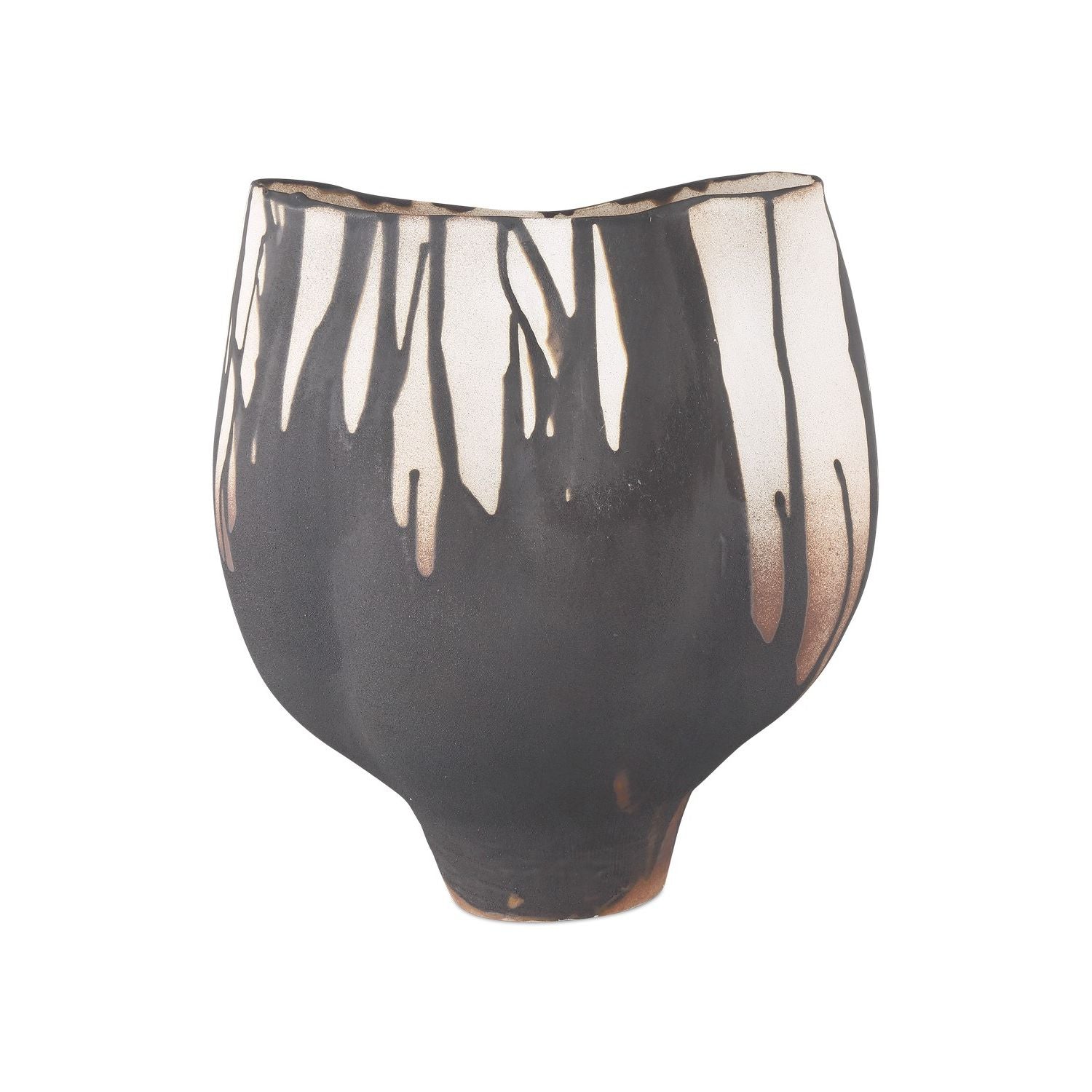
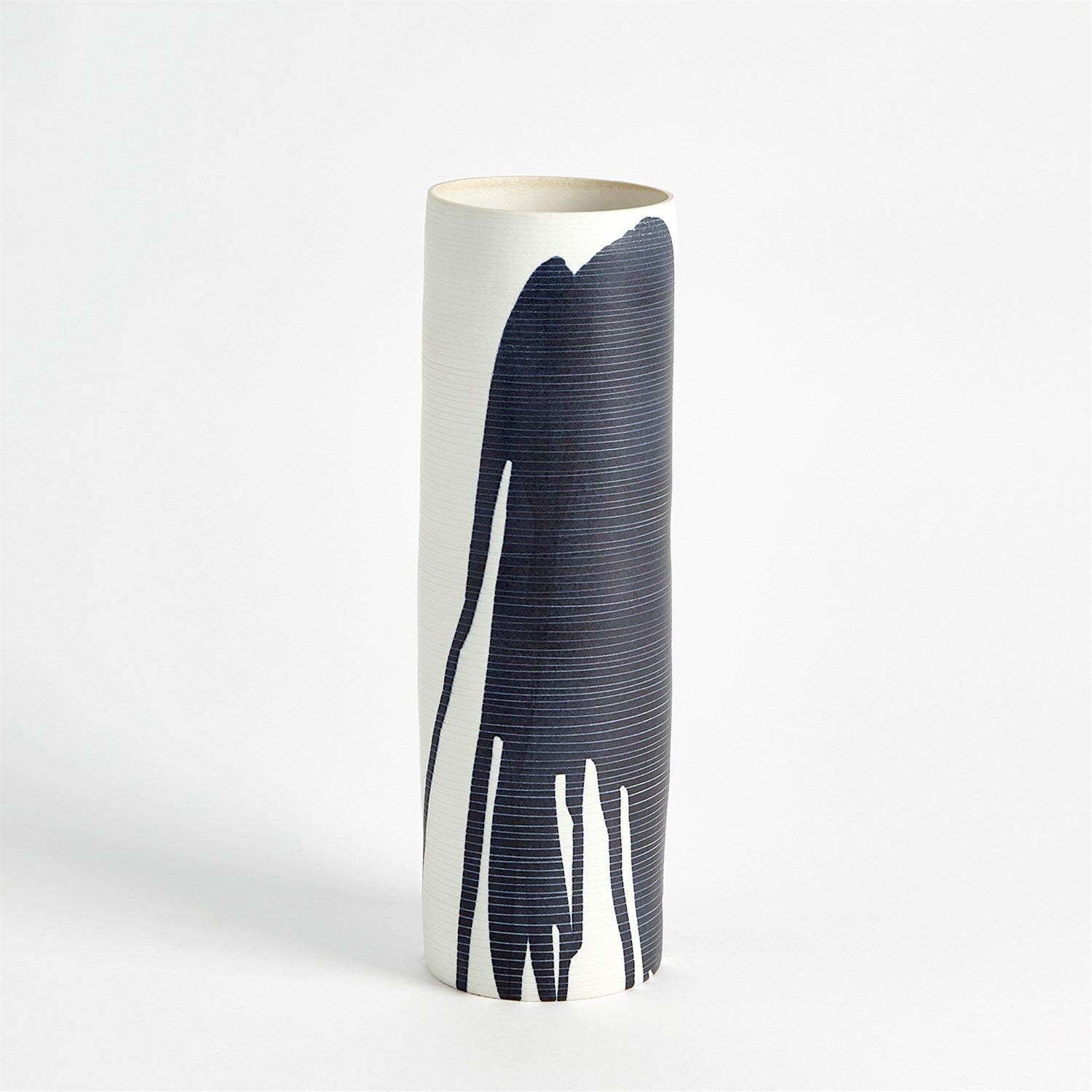
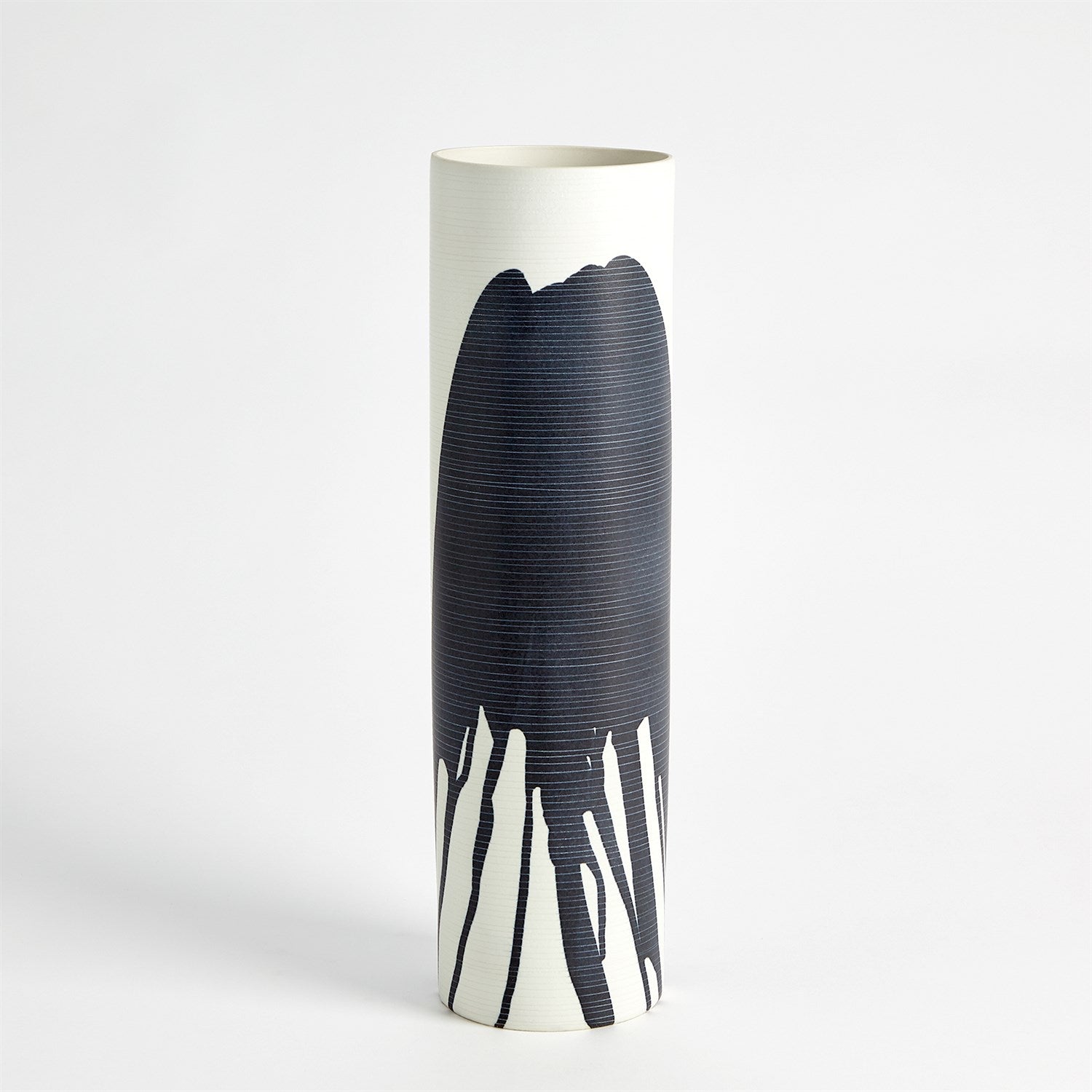
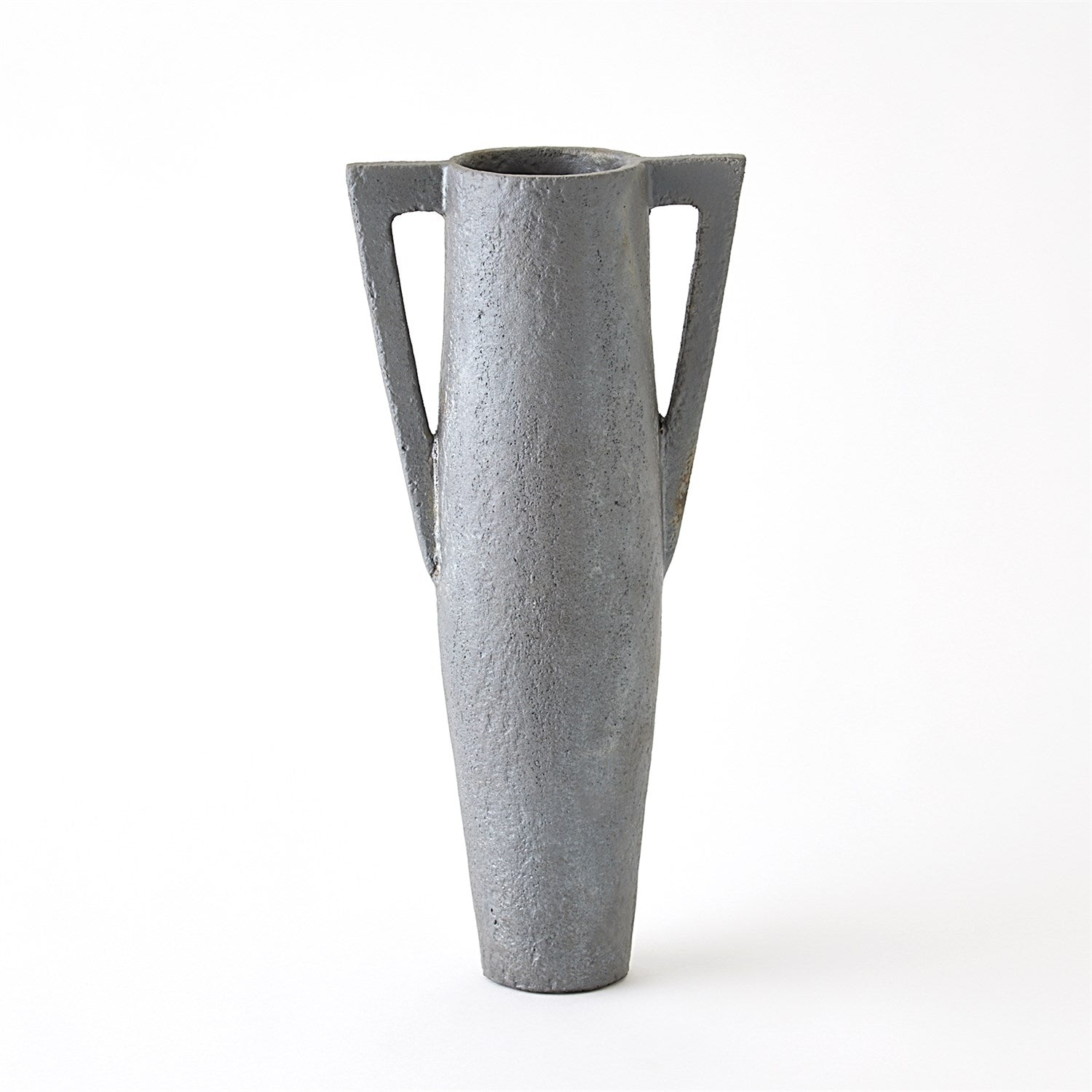
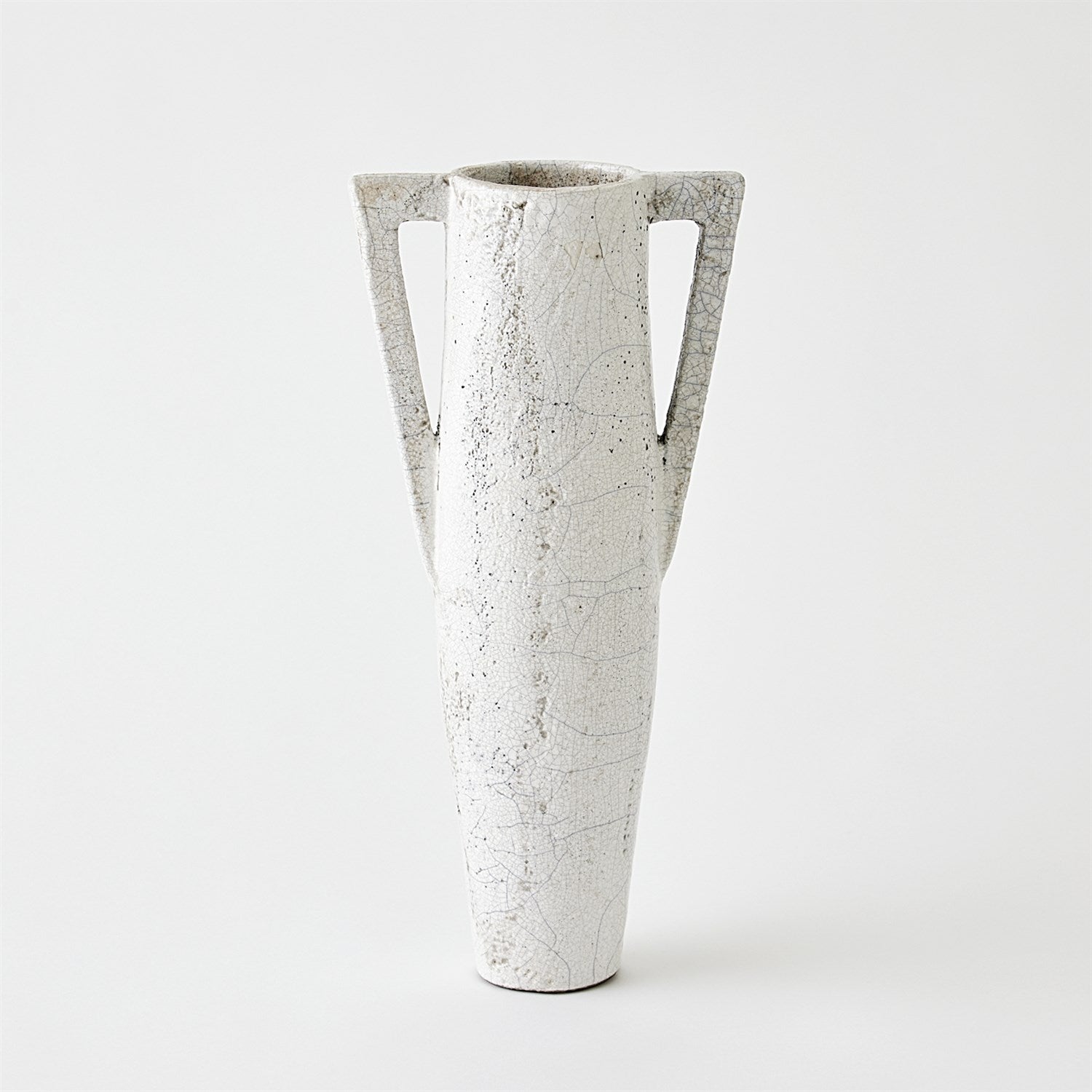
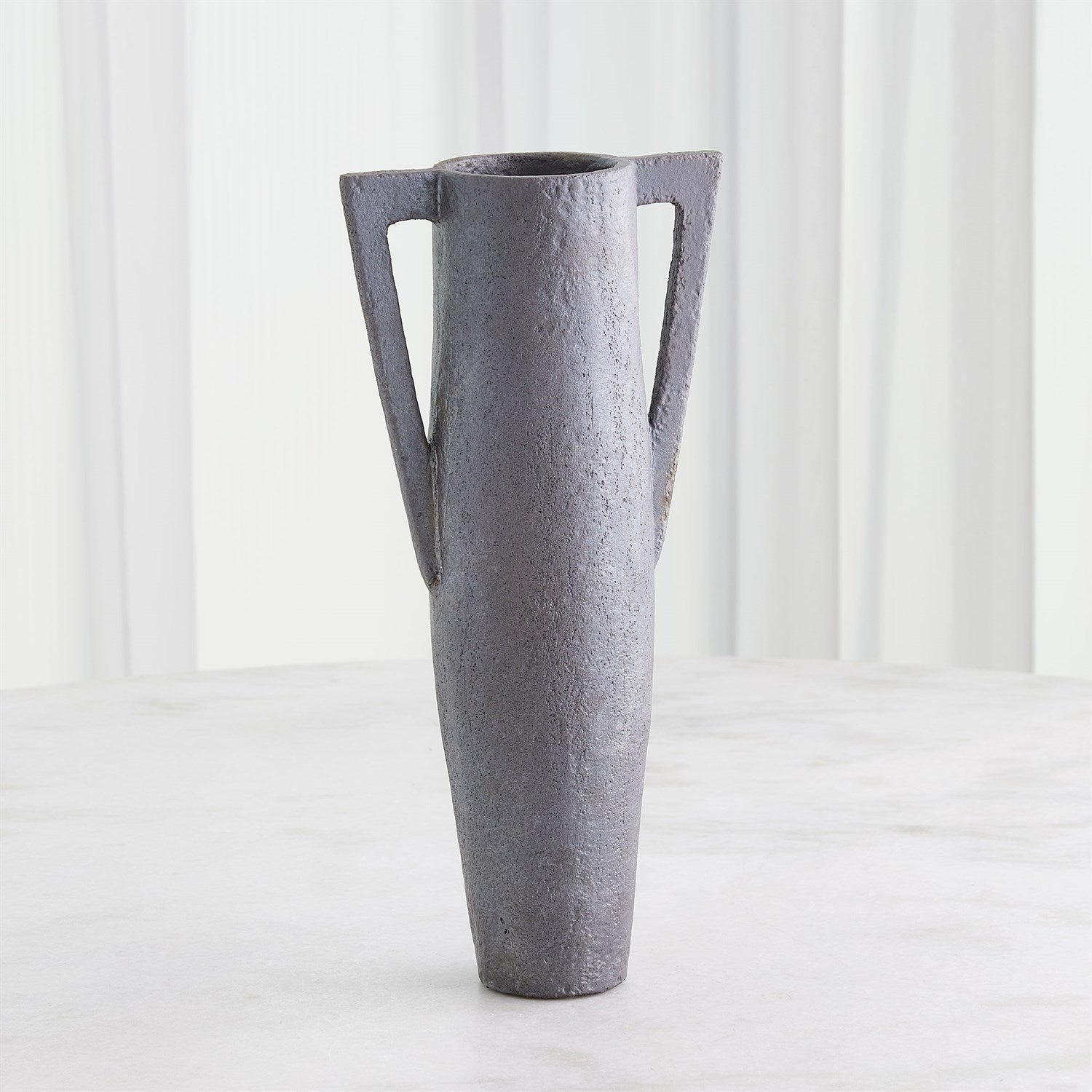
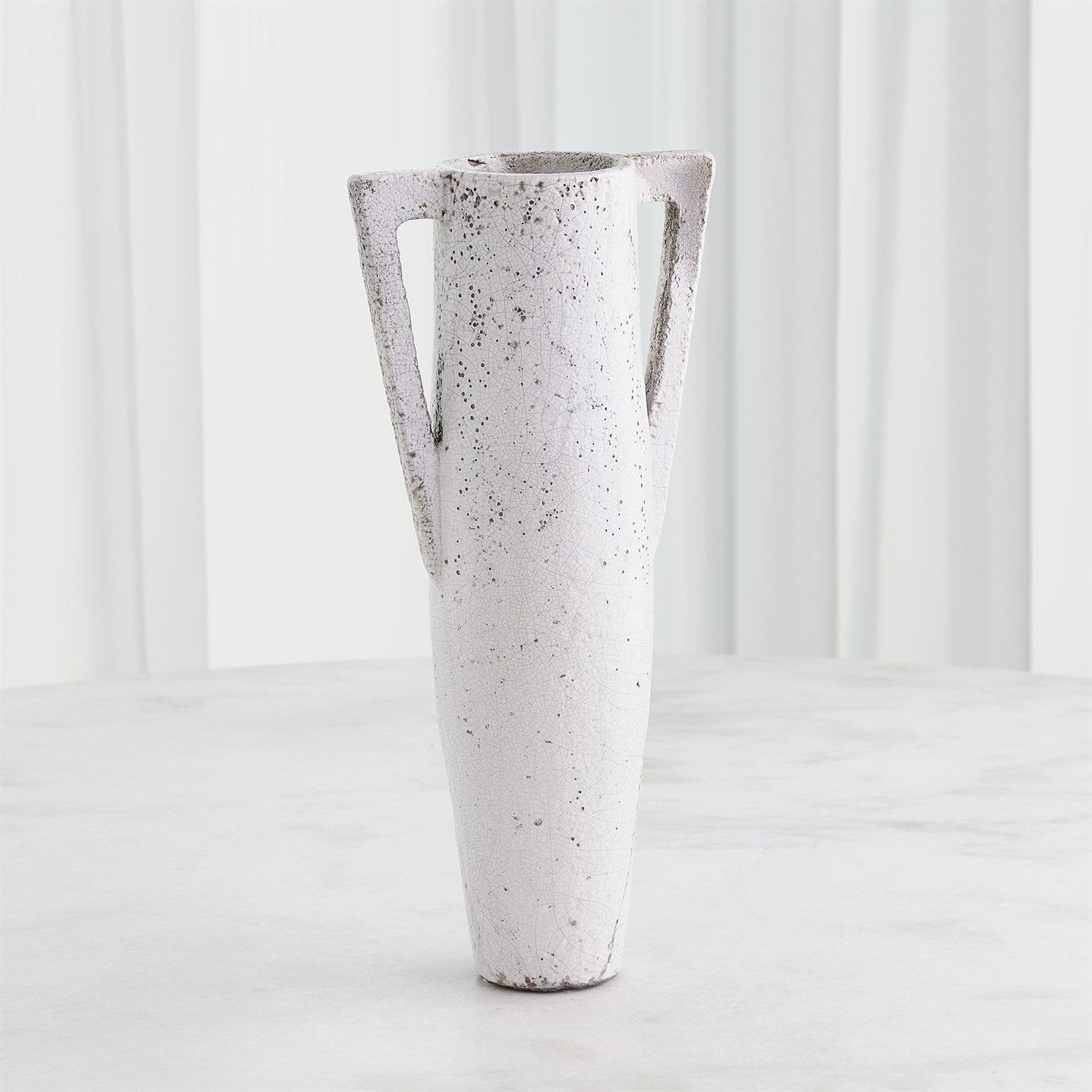
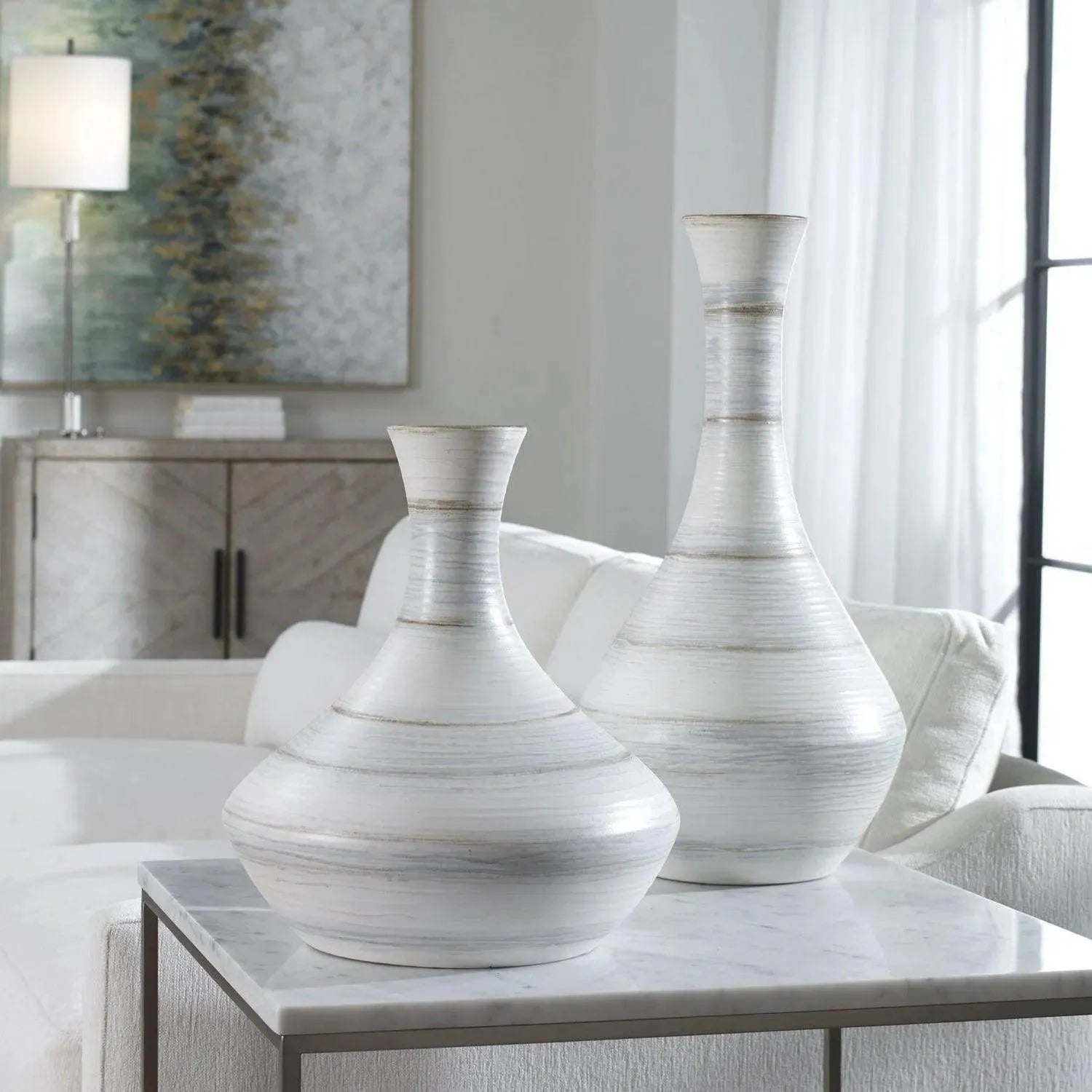
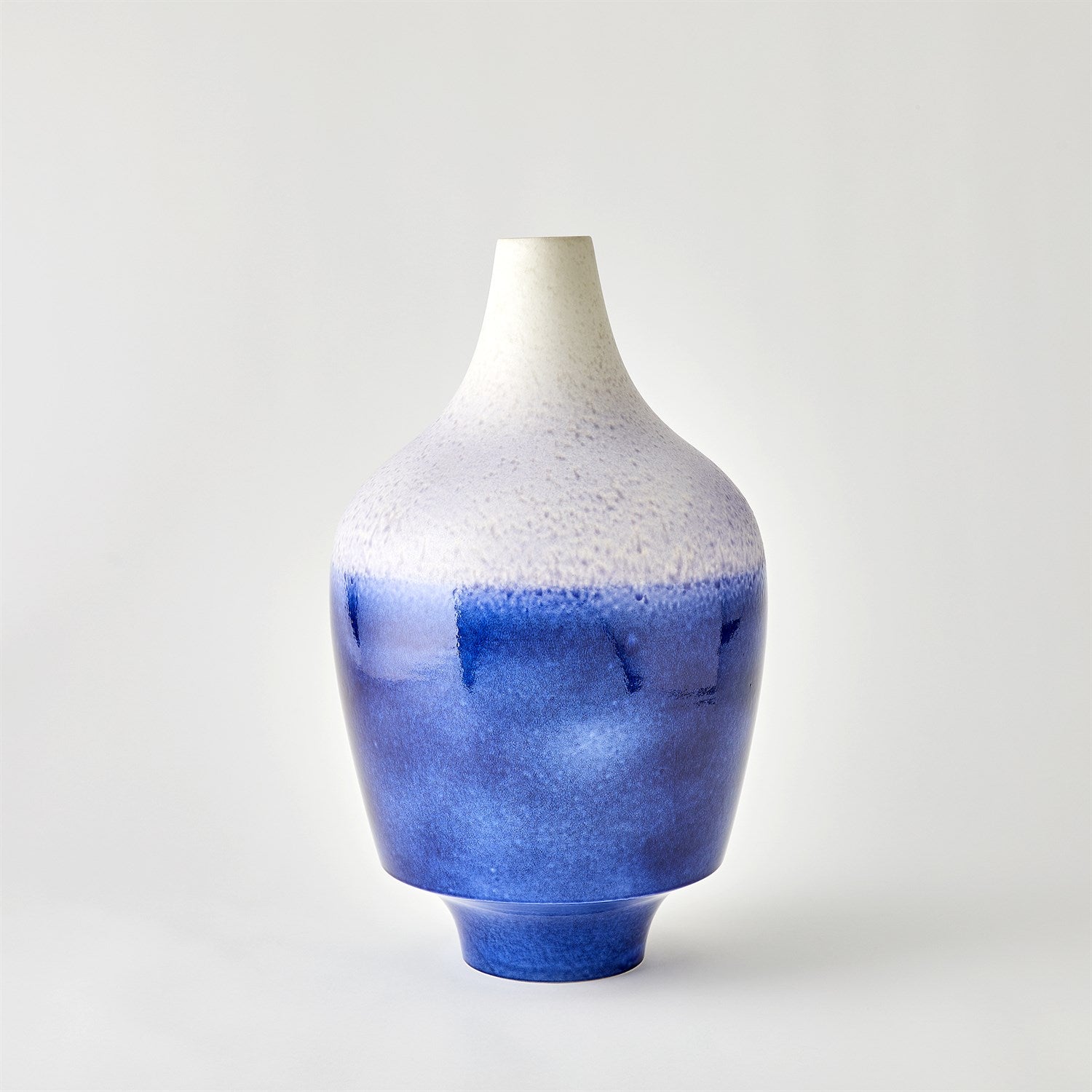
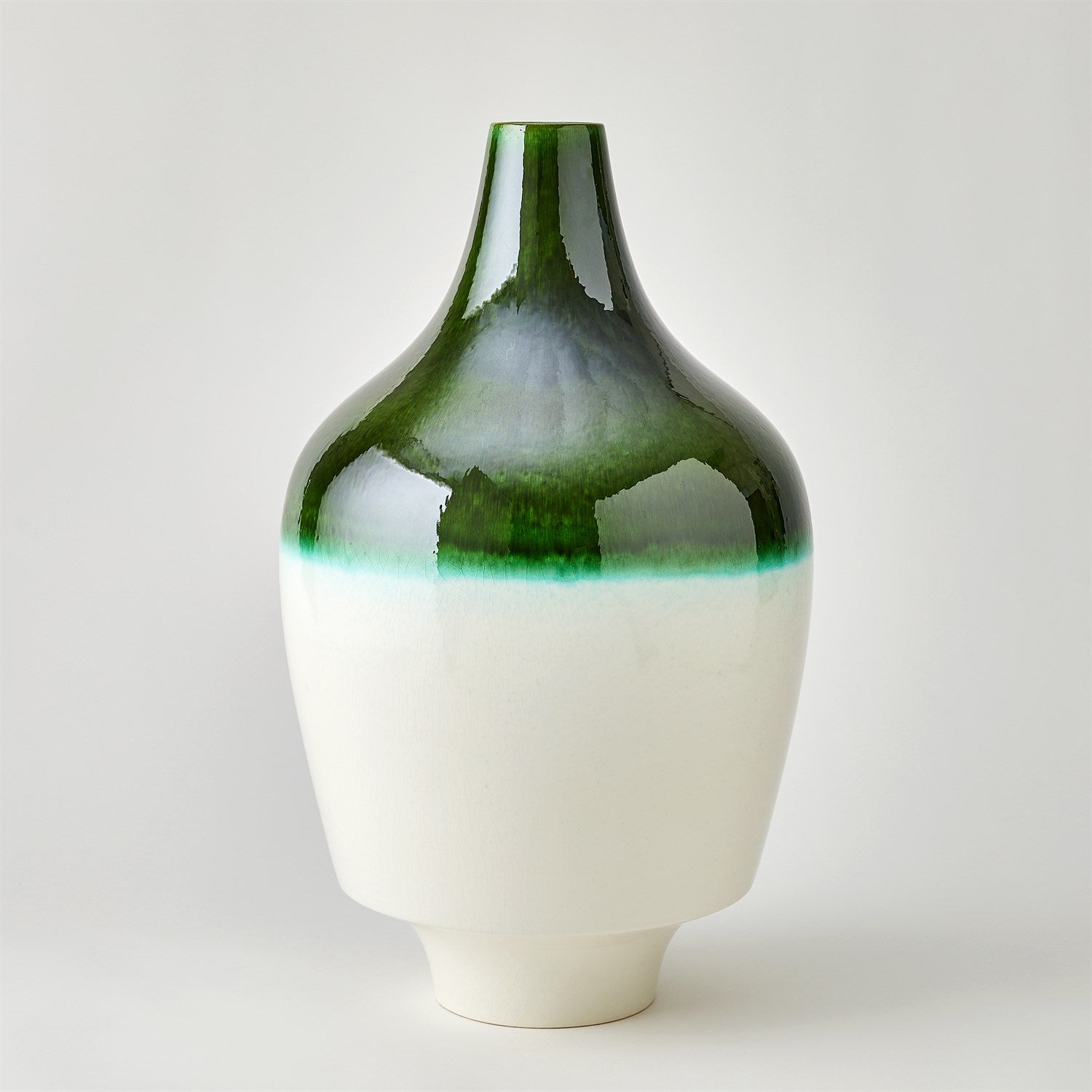
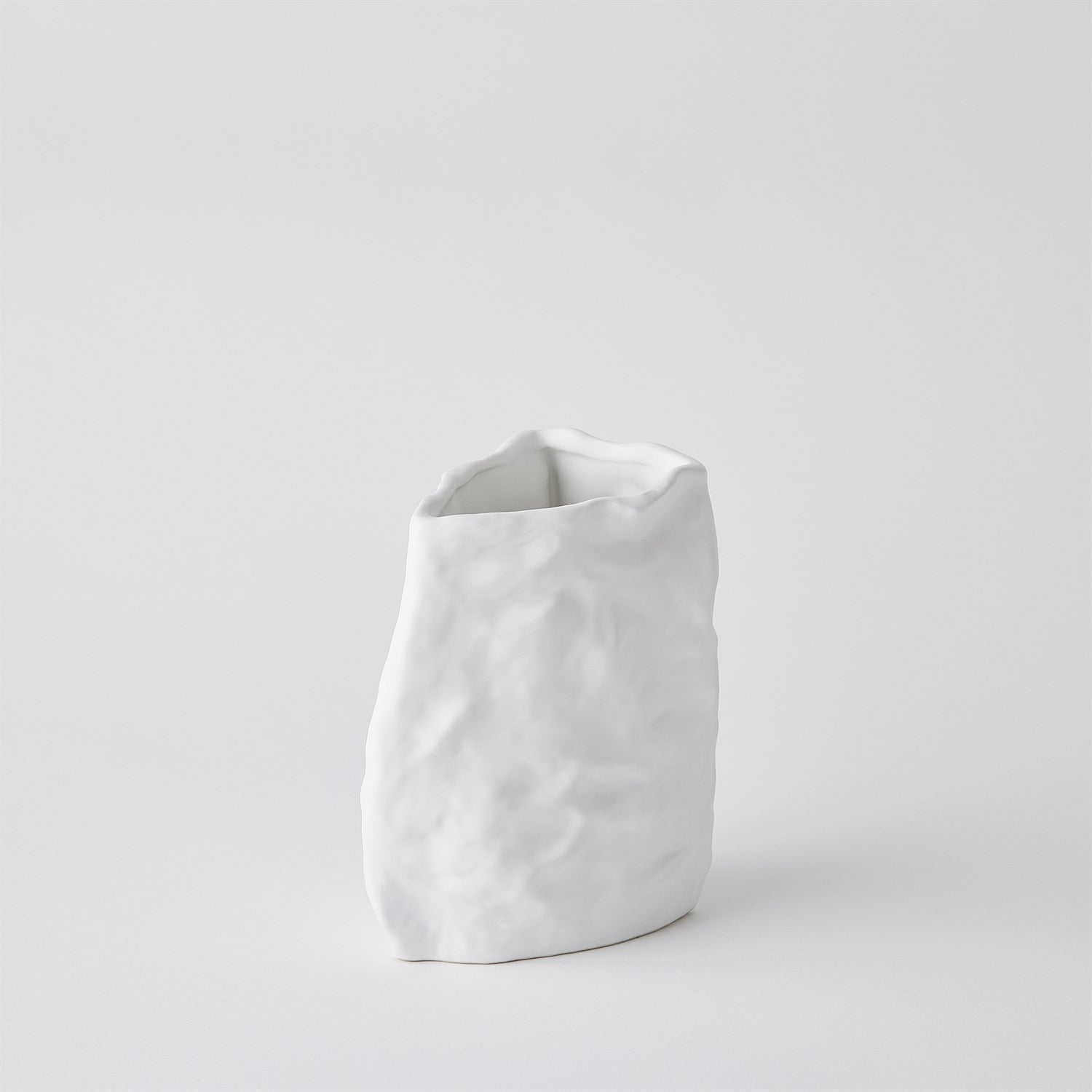

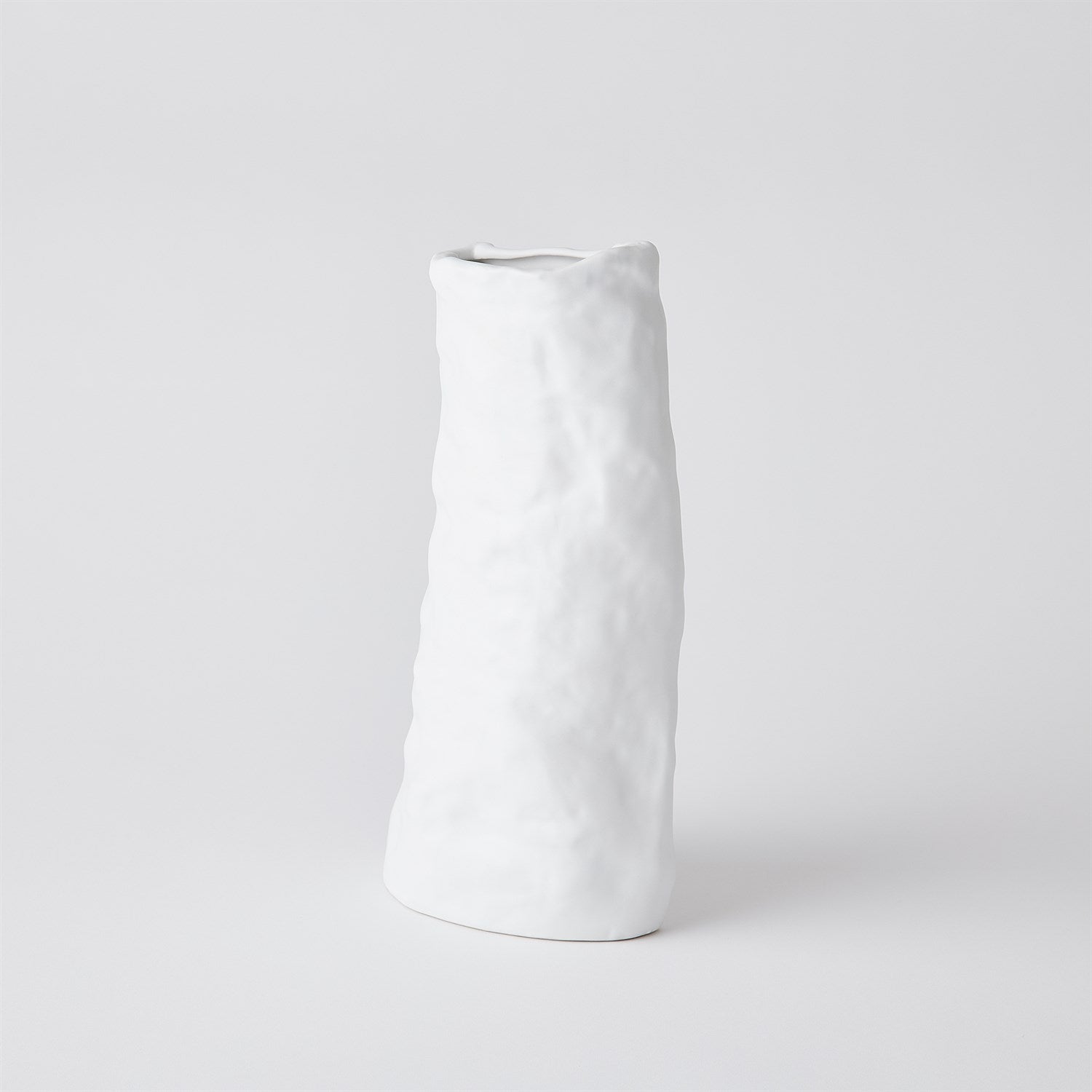
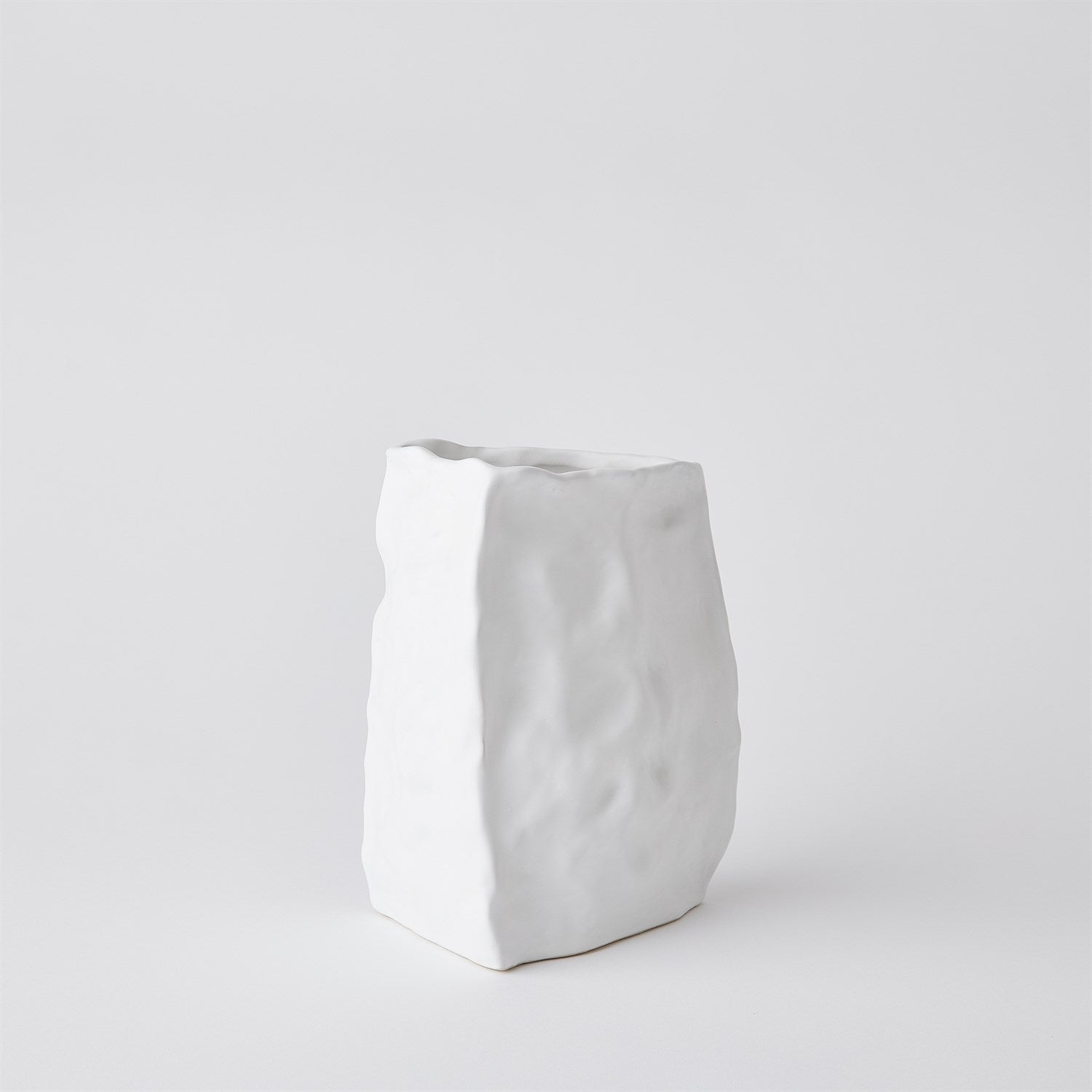
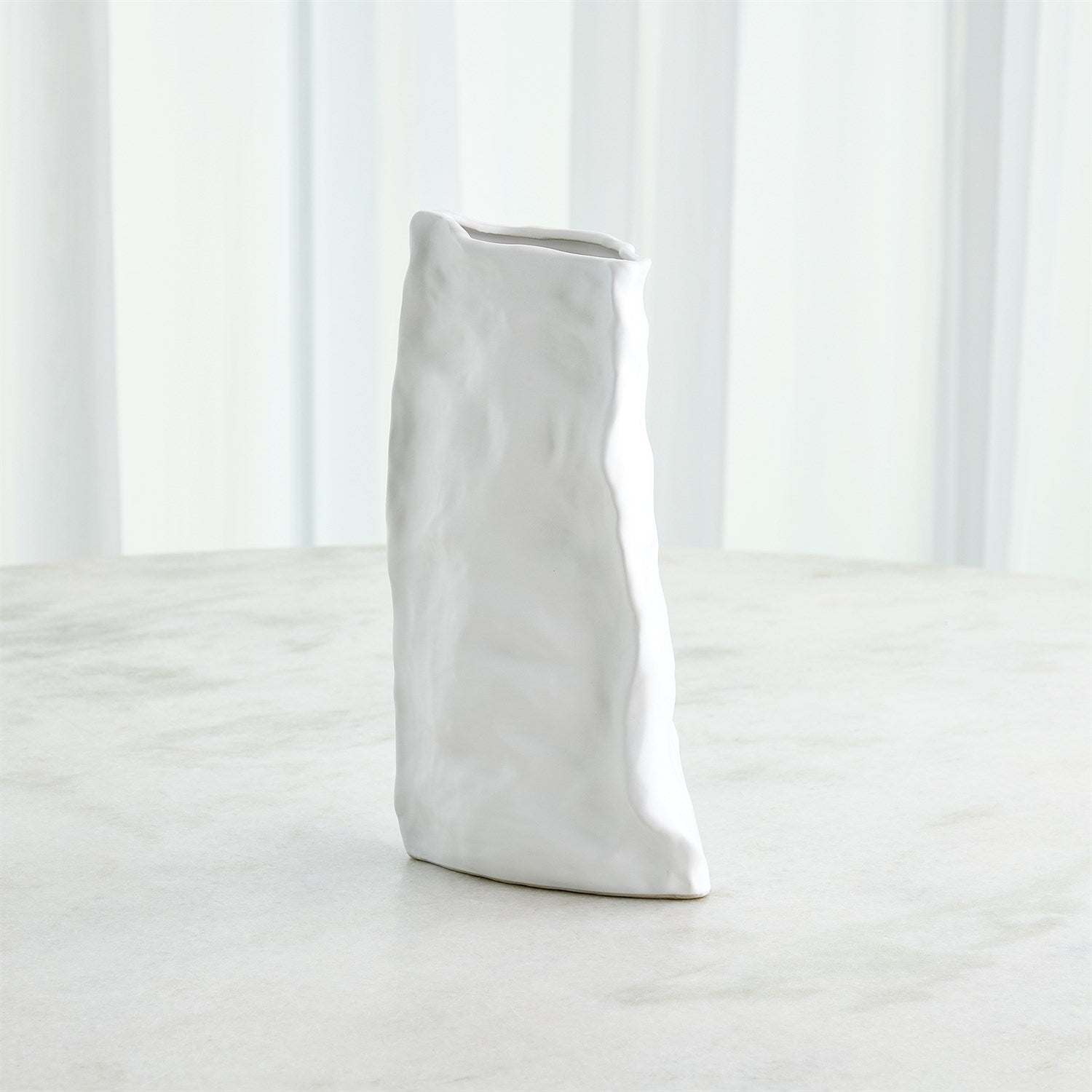
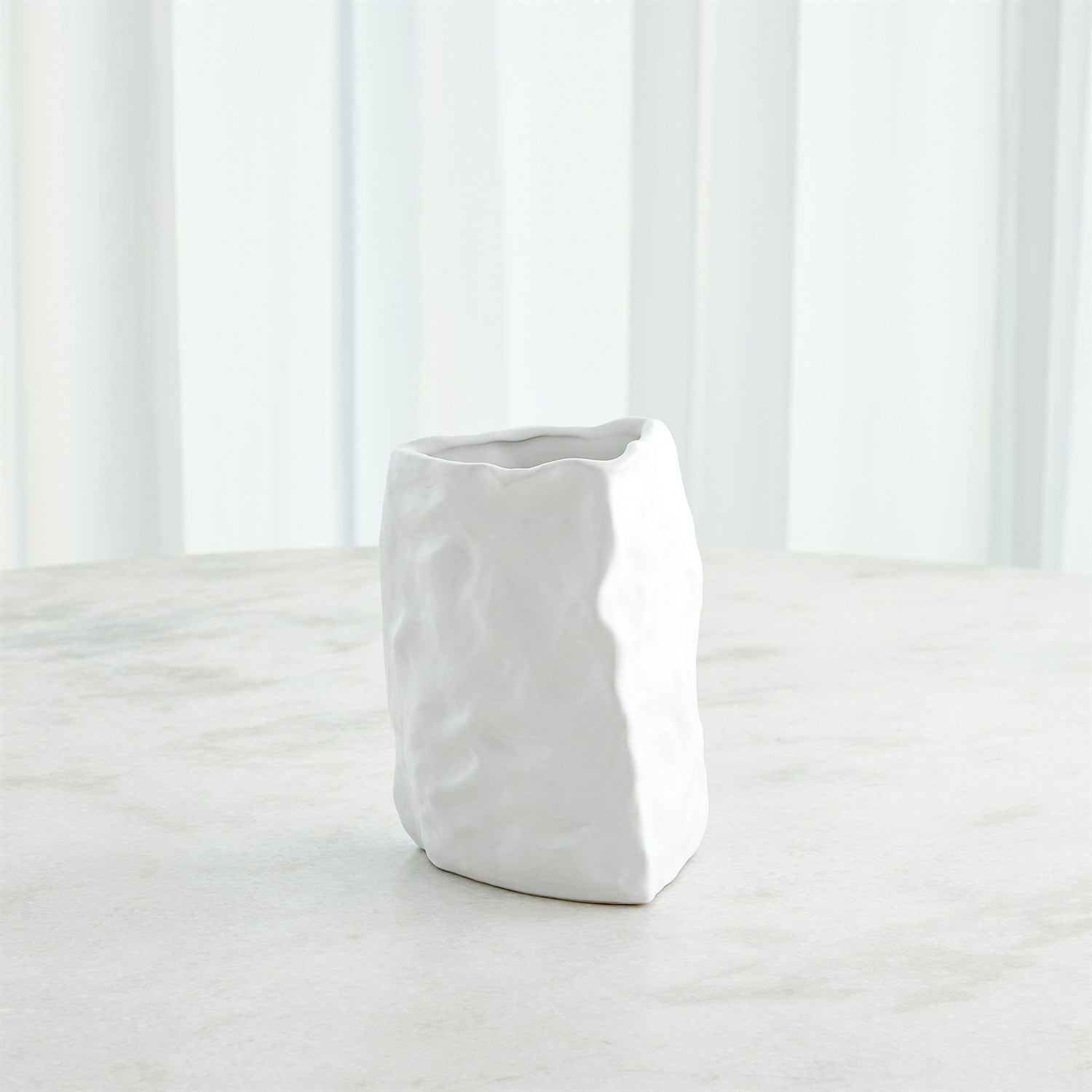
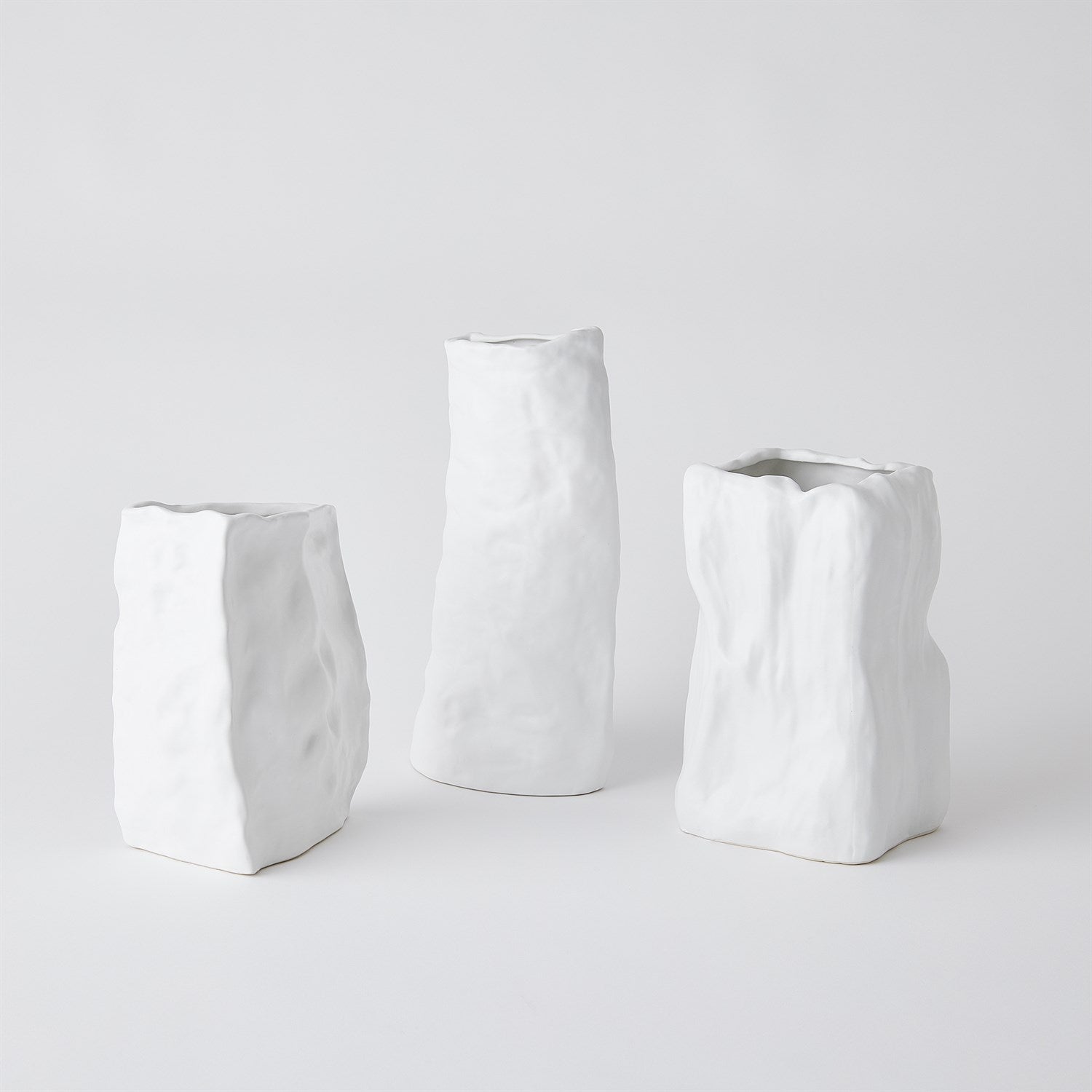
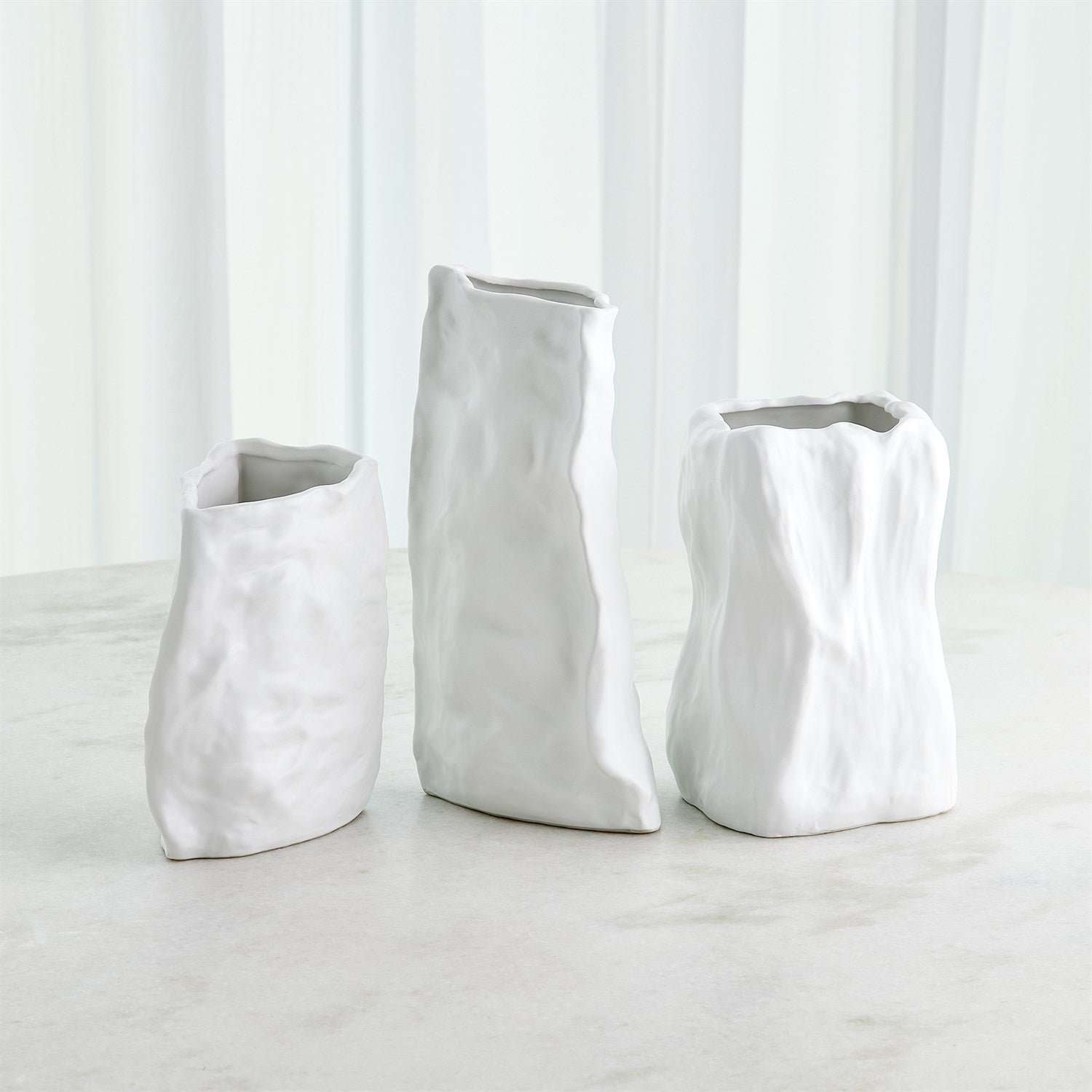


Japandi Vases Canada – Matte Ceramic, Hand-Thrown Forms, Wabi-Sabi Character
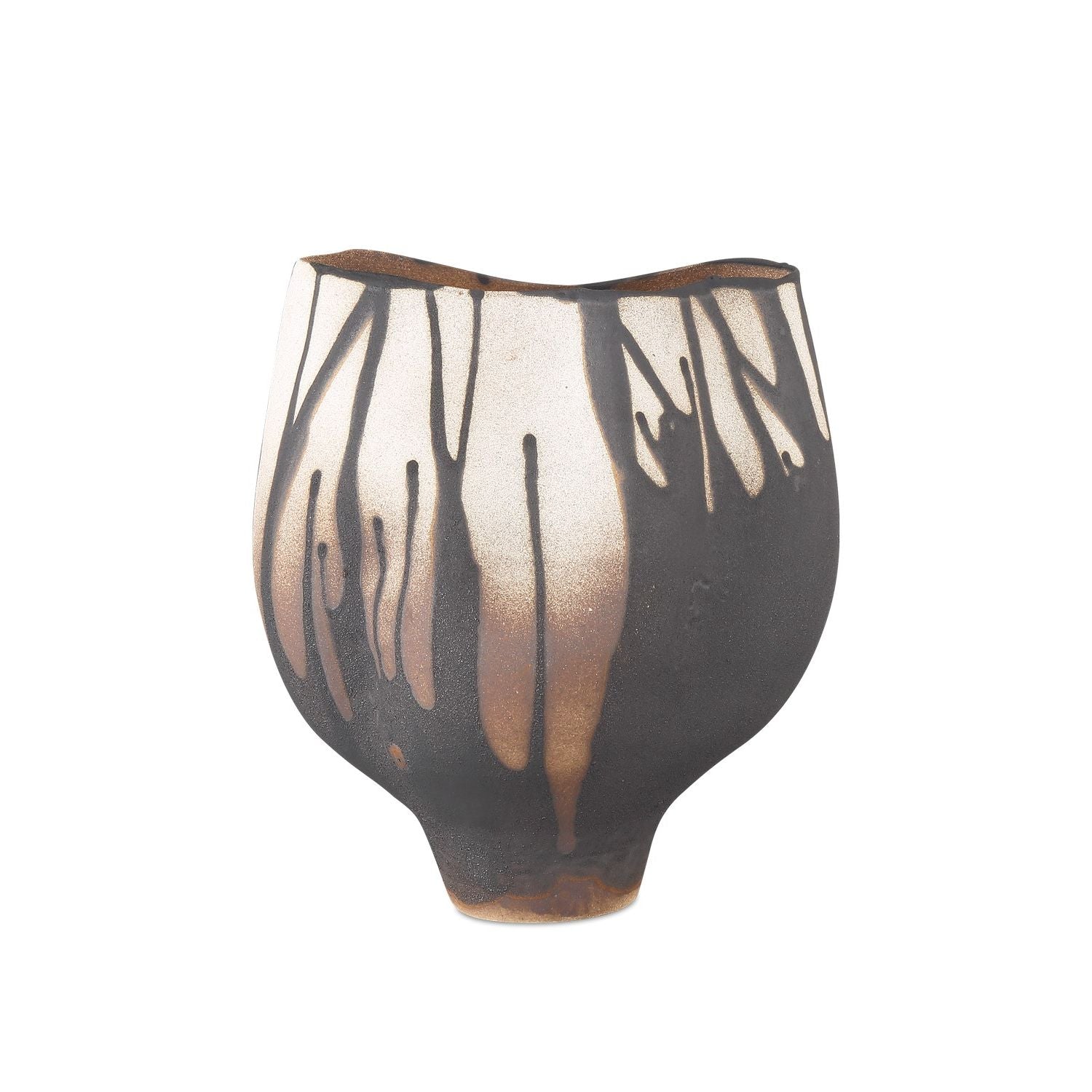
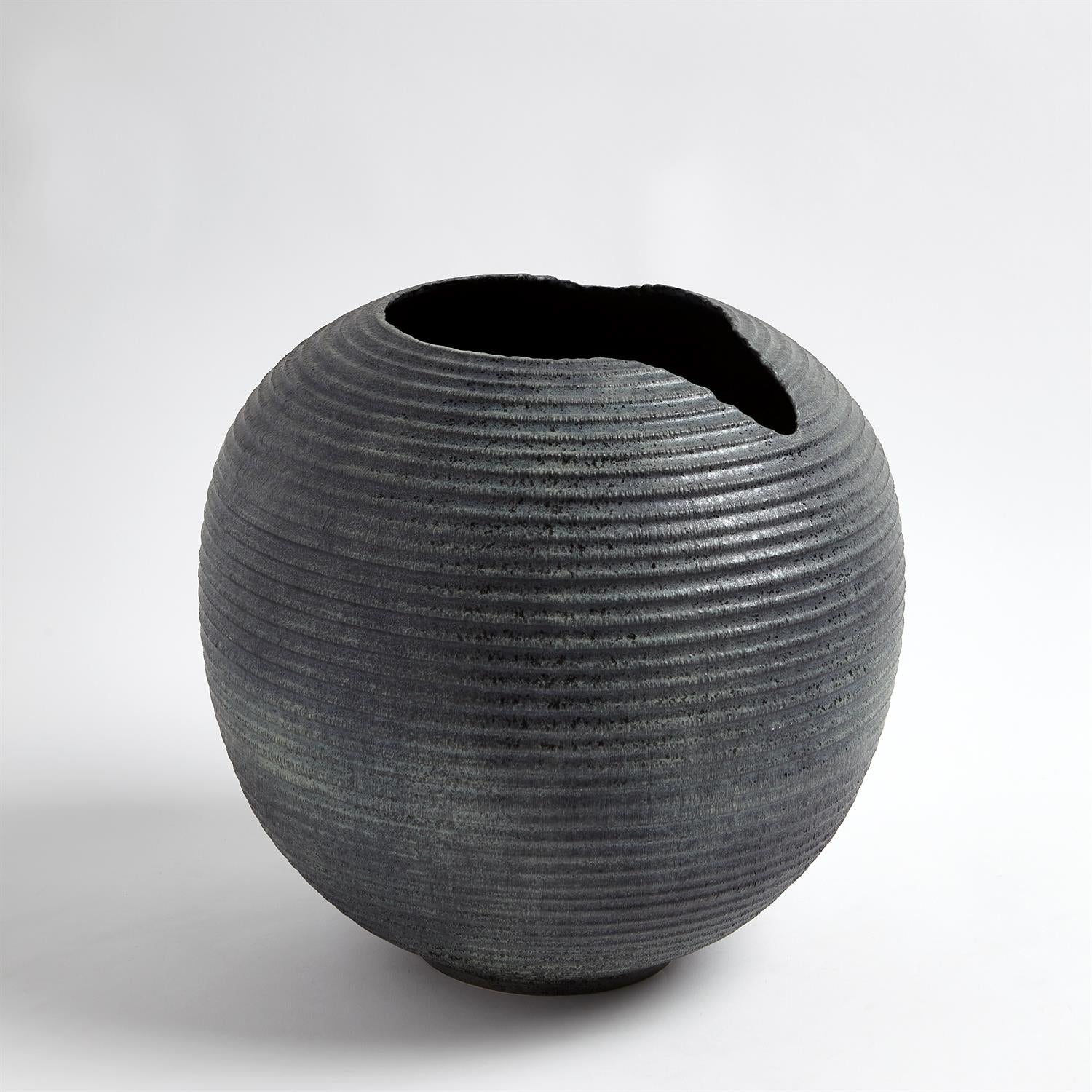
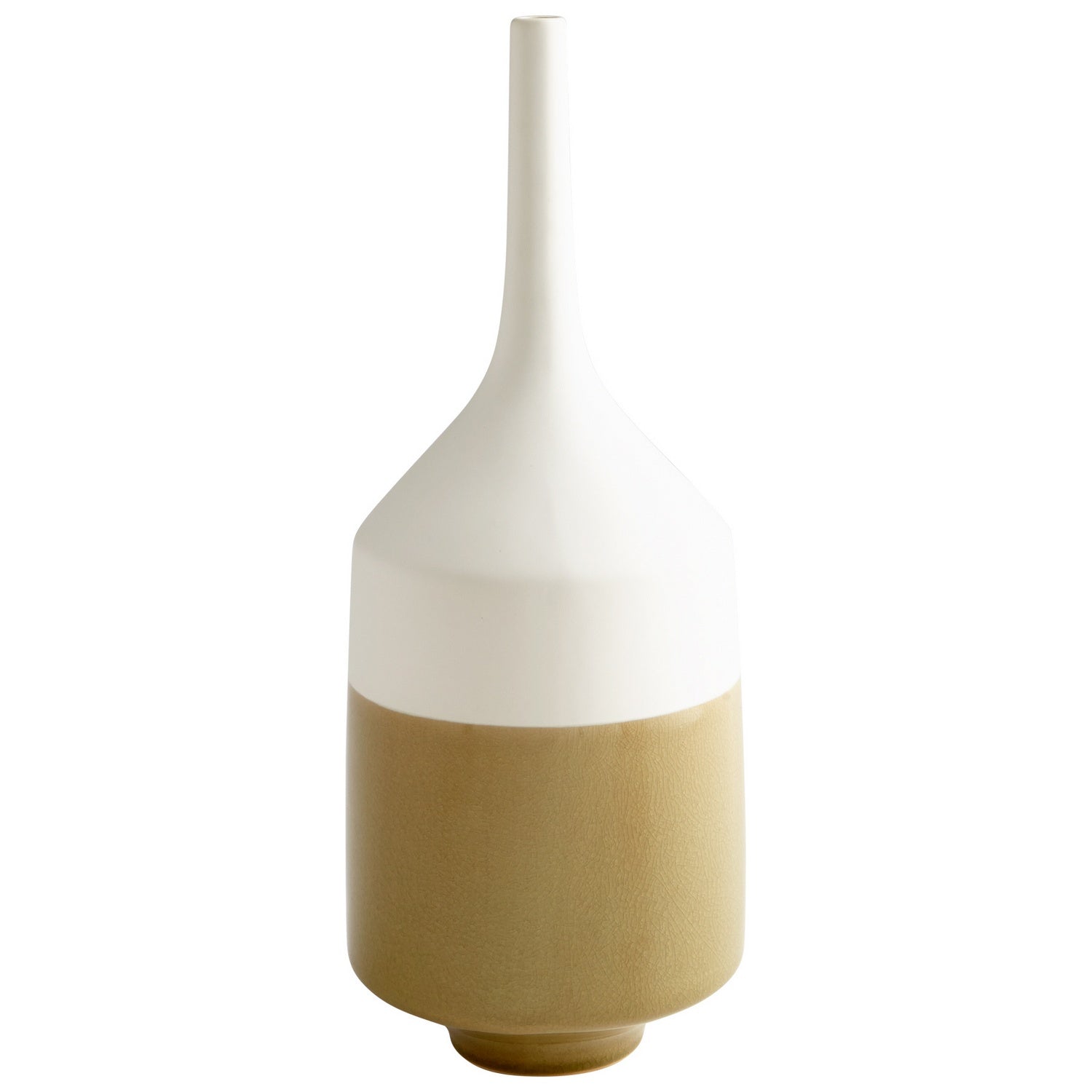
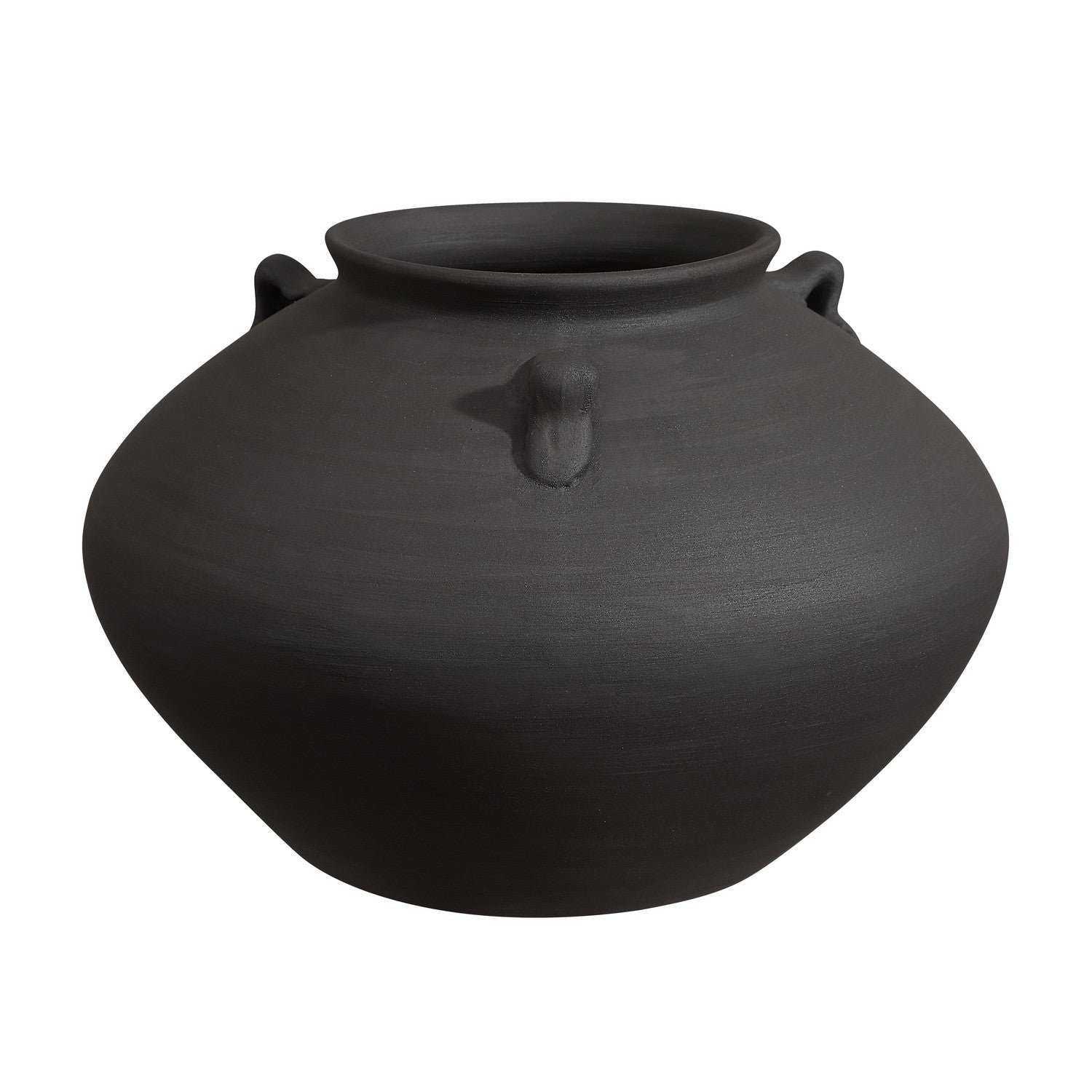
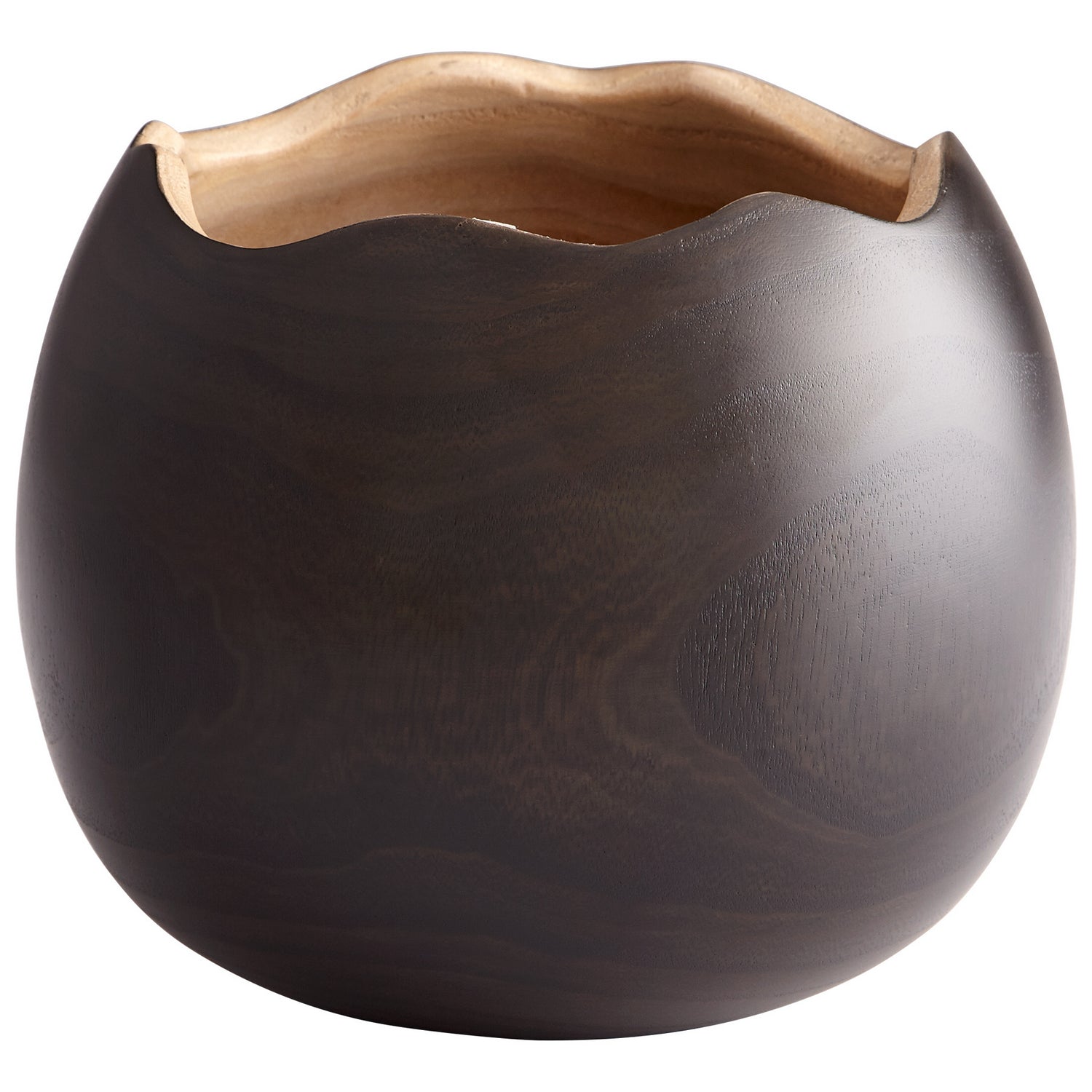
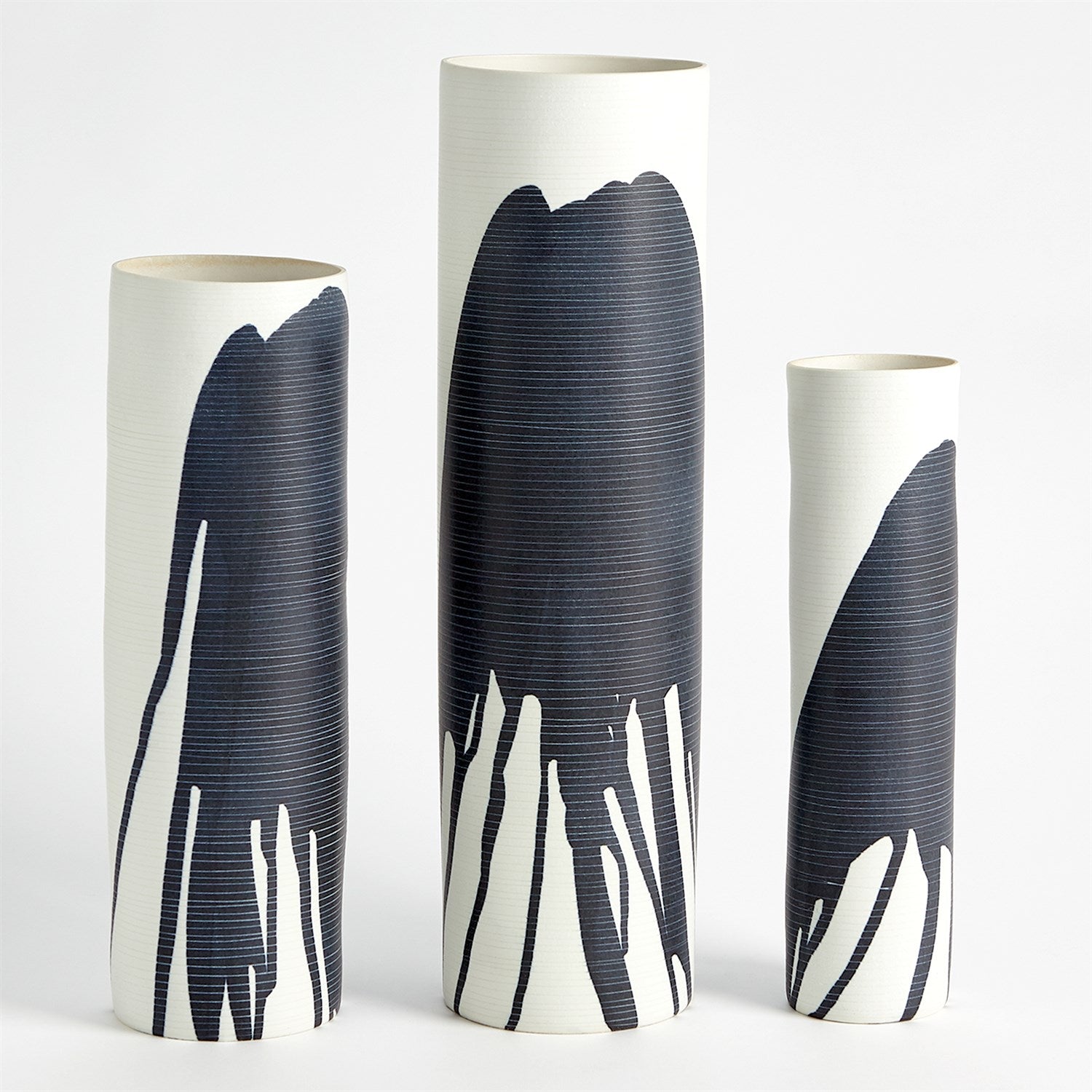
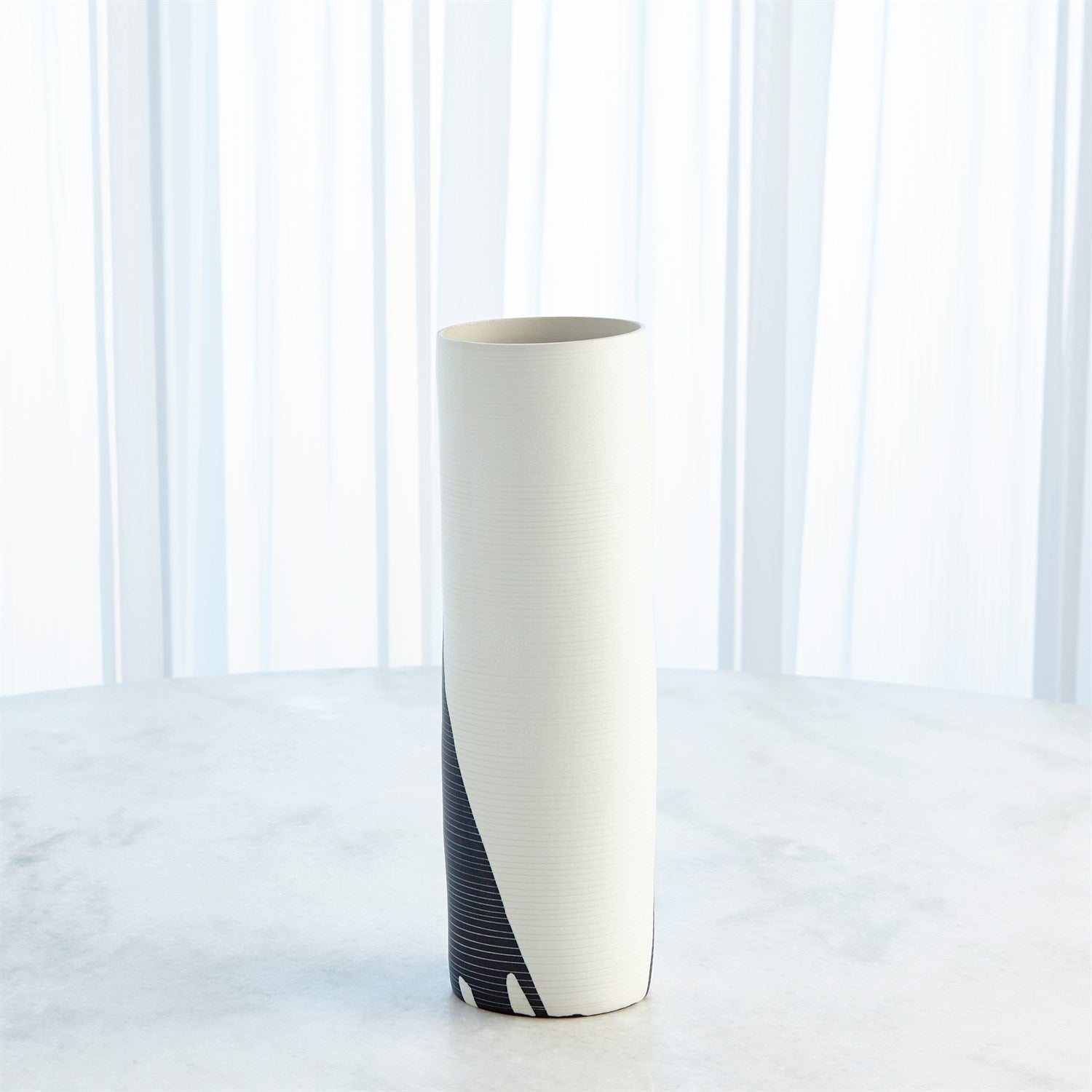
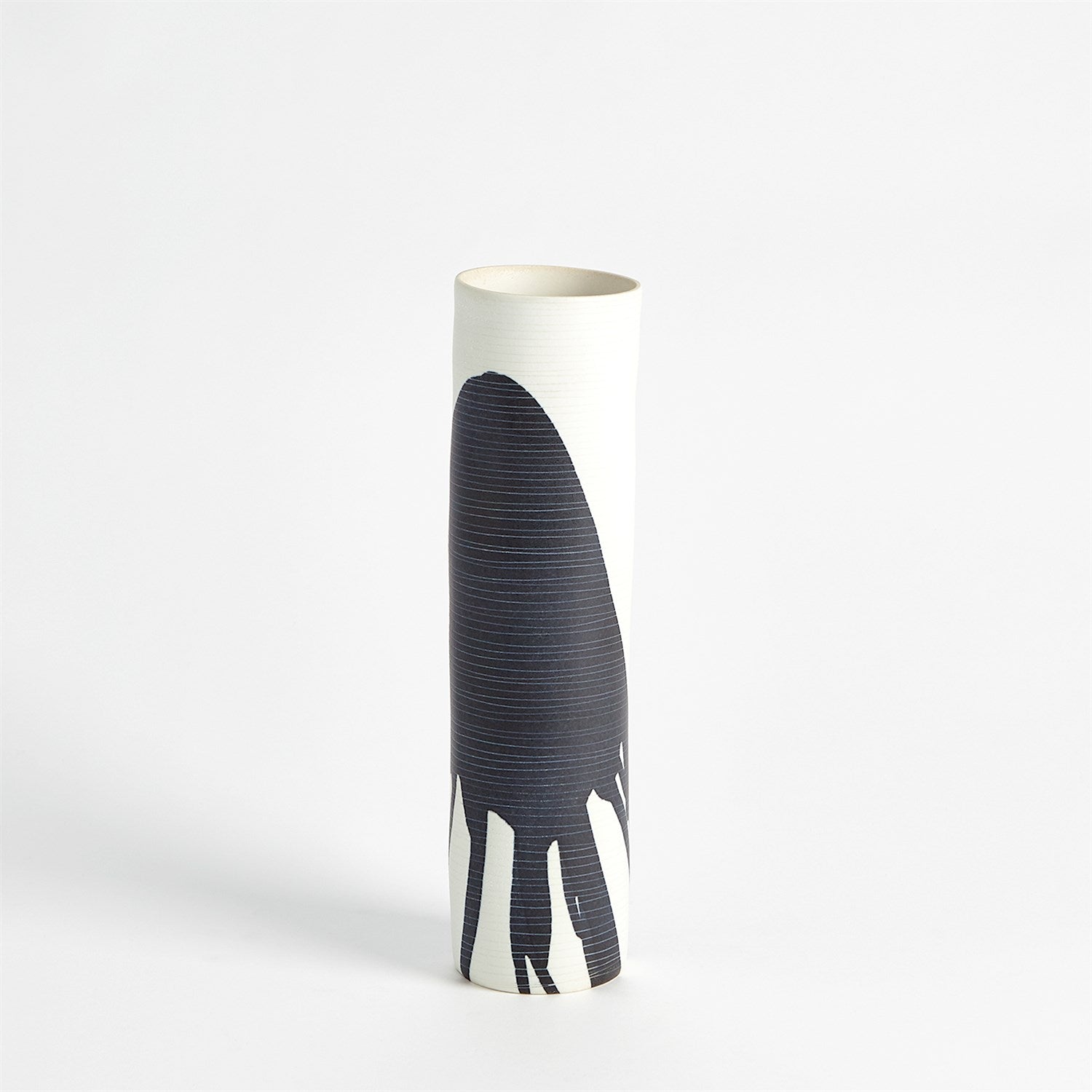
Japandi vases use matte ceramic in warm neutral glazes, hand-thrown forms with imperfect surface quality, bamboo-inspired profiles, and minimal sculptural silhouettes to bring wabi-sabi material character to tabletops and mantles. These objects are designed to be appreciated for their material quality and formal restraint as much as for their function as vessels.
A single matte ceramic vase in warm white or sand beside a small wooden object on a console creates the kind of quiet, edited tabletop arrangement that defines Japandi. Empty, with a single dried branch, or filled with minimally arranged seasonal foliage — all three read as complete. Resist the impulse to over-fill or over-group.
We carry Japandi vases from Arteriors, Kuzco Lighting, and Sonneman. All priced in Canadian dollars with free shipping on orders over $199.
Japandi Vase FAQs
What makes a vase Japandi?
A Japandi vase is defined by its material and surface quality. Matte or satin glazes over hand-thrown or hand-formed ceramic bodies, imperfect surface texture, and warm neutral colors — warm white, sand, warm grey, terracotta — are the hallmarks. Avoid highly polished, symmetrically perfect, or brightly colored vessels, which contradict the wabi-sabi acceptance of imperfection that defines the Japandi material philosophy.
How should I style a Japandi vase on a console or dining table?
Use one to three objects maximum per surface. Group by height — one tall vase, one medium object, one low element. Leave significant negative space between and around the group. A Japandi vase works best empty, with a single dried botanical, or with a minimal arrangement of three to five stems. Avoid full floral arrangements that obscure the form of the vessel.
What flowers or botanicals work best in a Japandi vase?
Dried botanicals are the most authentically Japandi choice — pampas grass, dried seed pods, cotton branches, and Japanese maple branches all complement the muted, natural palette without competing with the vase form. For fresh flowers, monochromatic arrangements in white, cream, or blush in simple odd-numbered stem counts maintain the Japandi restraint.
Do you ship Japandi vases across Canada?
Yes — all items ship Canada-wide at CAD prices with free shipping on orders over $199. Fragile ceramic pieces are carefully packaged. Most in-stock items leave our Montreal warehouse within 1–3 business days.
| Location | Height | Fill suggestion |
|---|---|---|
| Coffee table | 8" - 12" | Single stem or empty |
| Console / sideboard | 12" - 20" | Single branch or empty |
| Mantle | Scale to mirror | Single dried botanical |
| Dining table | Under 10" (sightlines) | Single stem or empty |
| Floor arrangement | 20" and taller | Single branch or pampas grass |