

Transitional Pillows
Velvet, linen, and cotton with warm neutral tones for sofas and beds in mixed-style interiors. Shop from Elk Lighting, Progress Lighting, and more.
Learn more138 products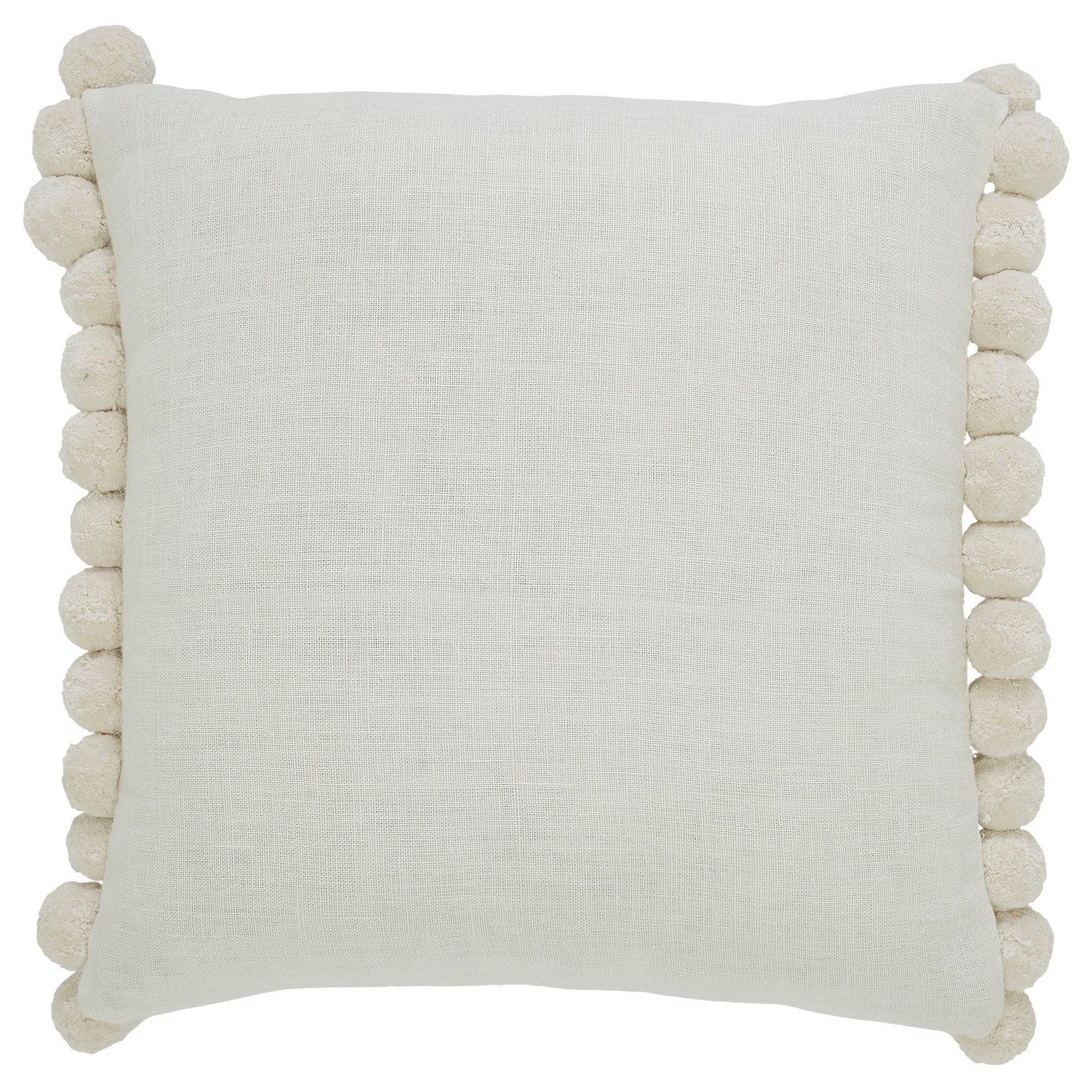
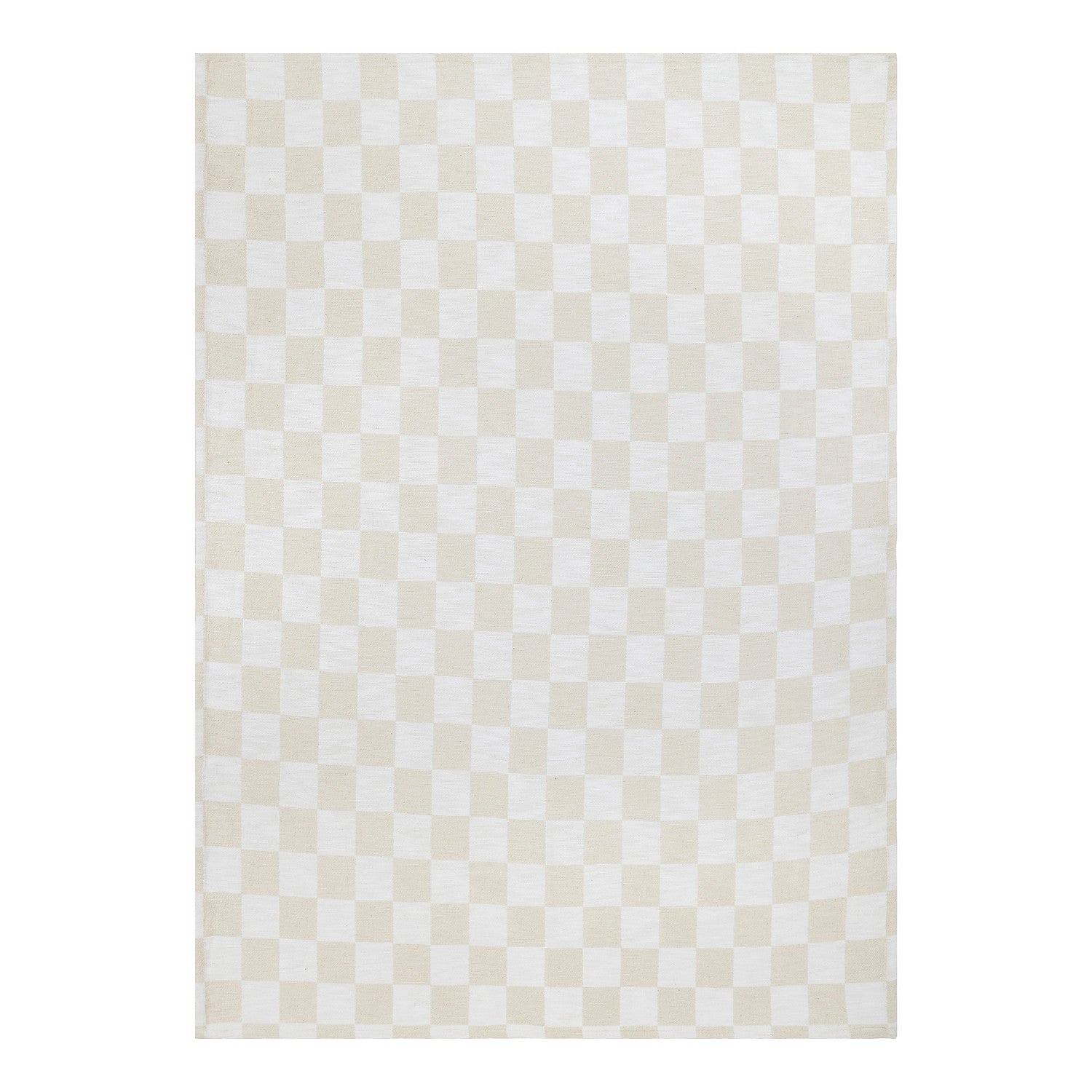
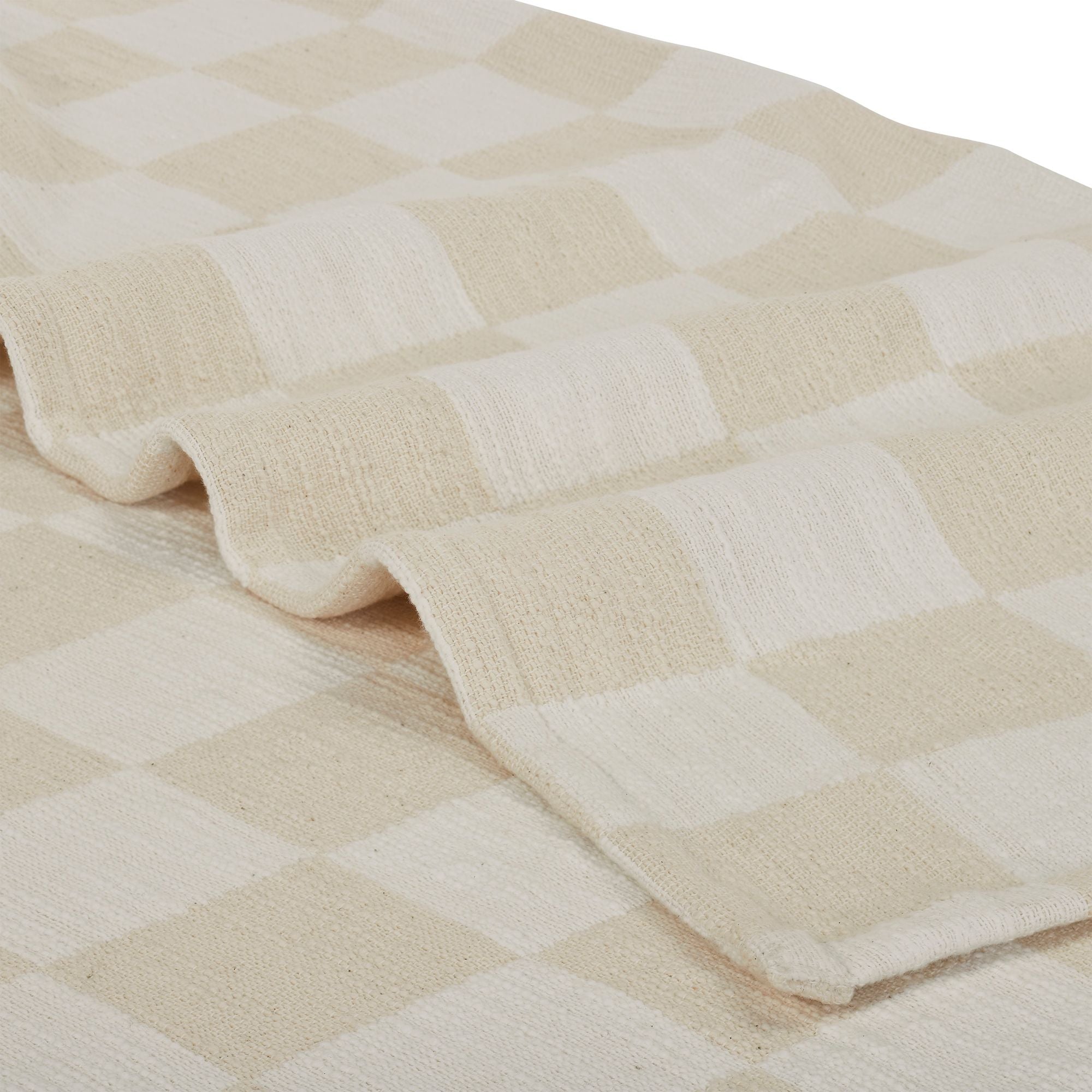
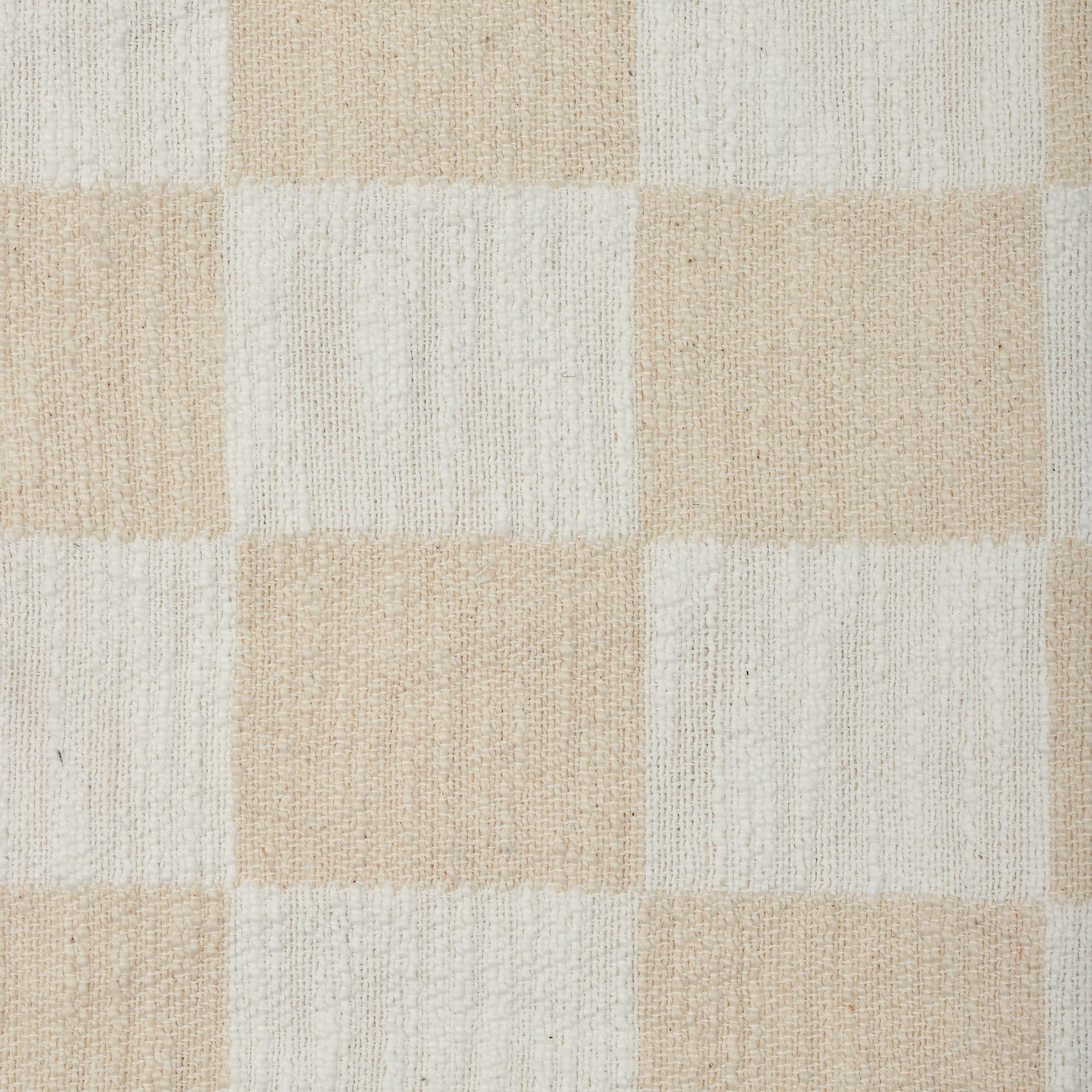
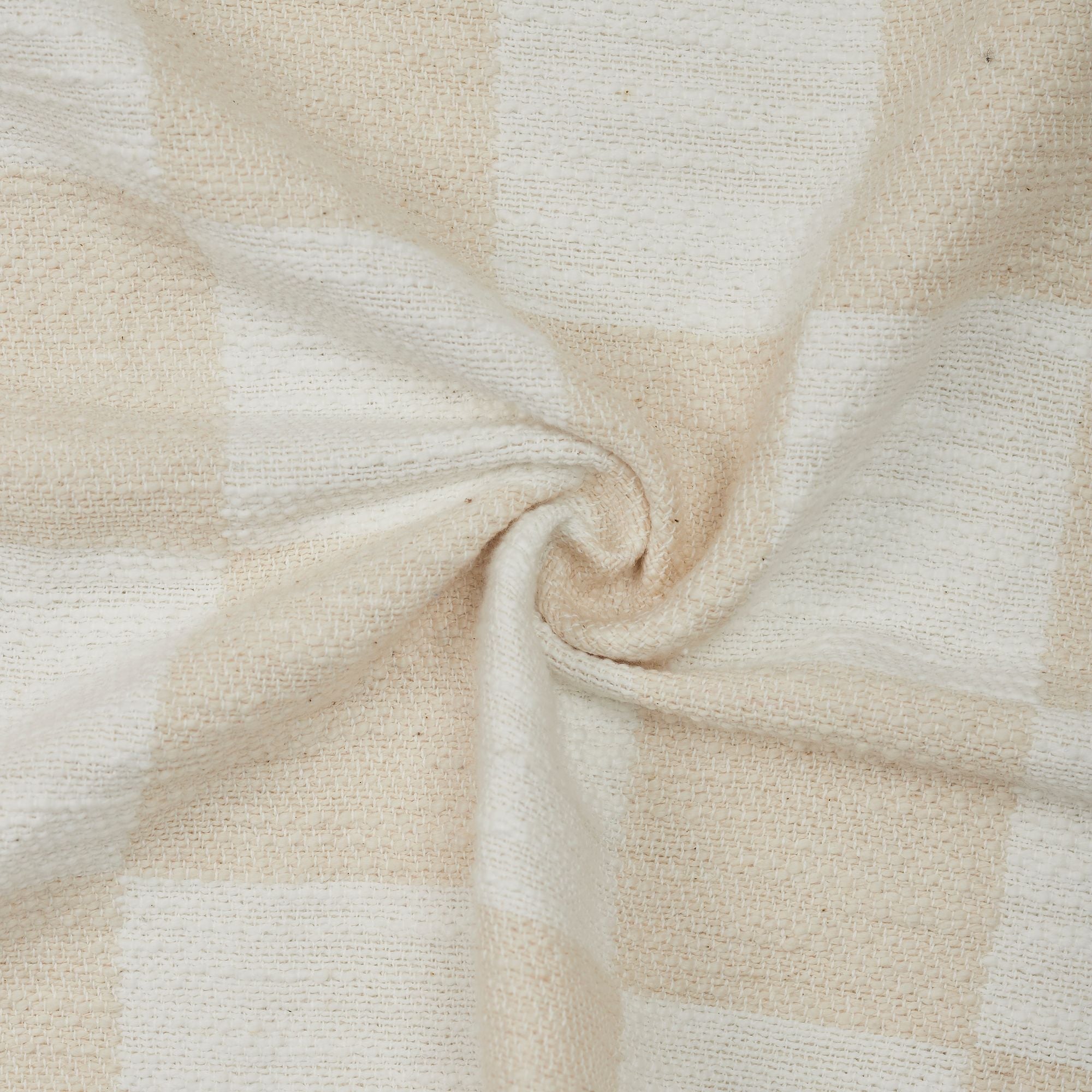
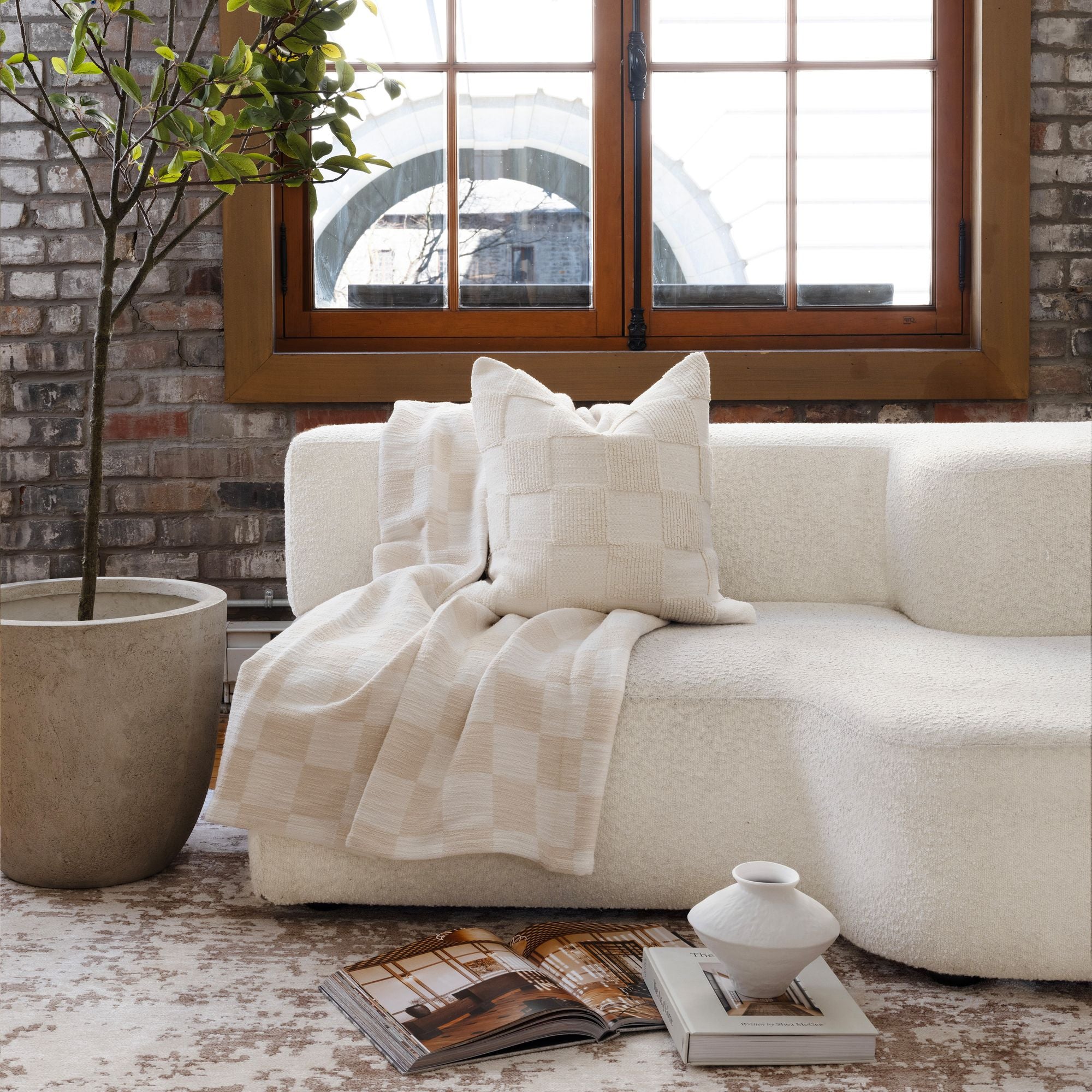
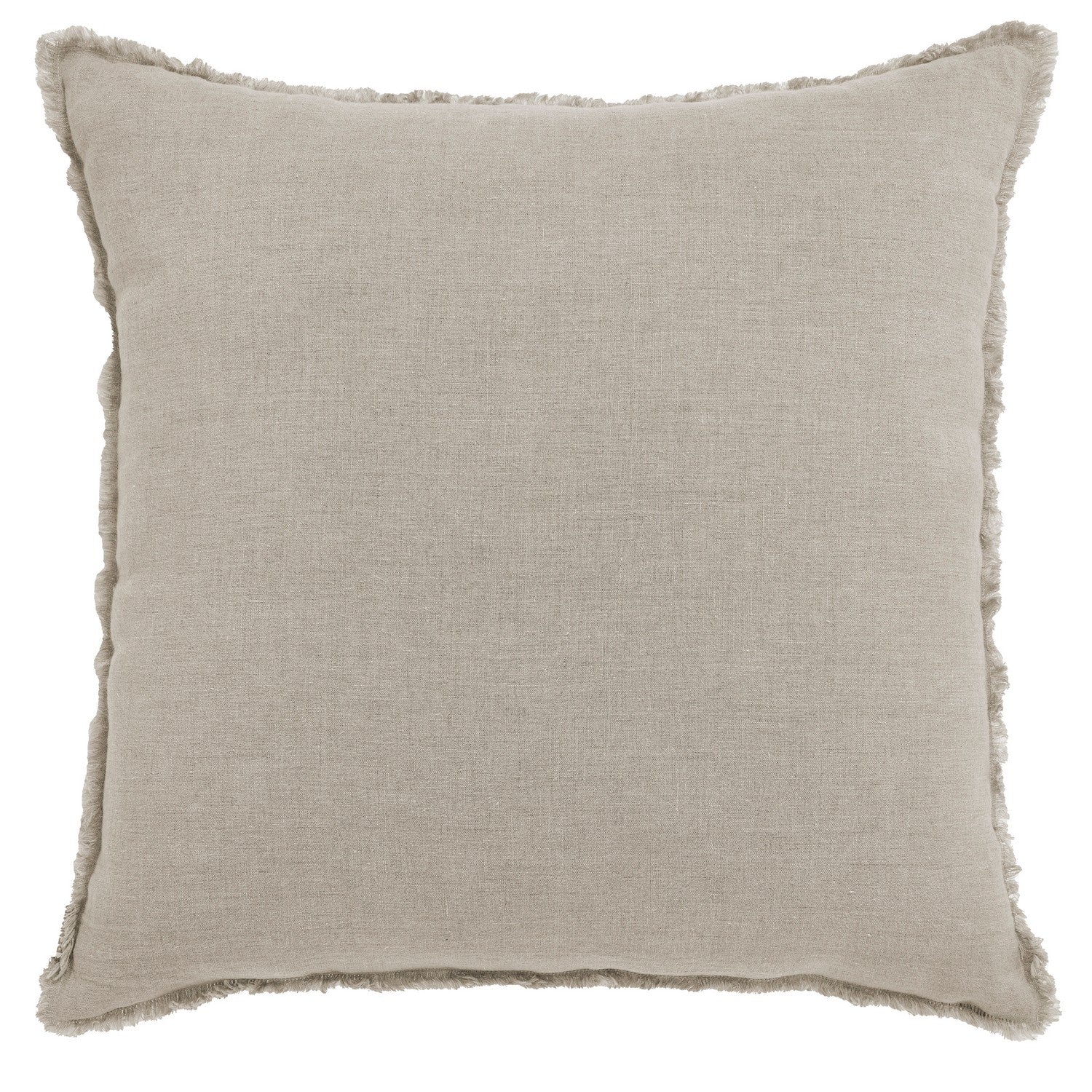
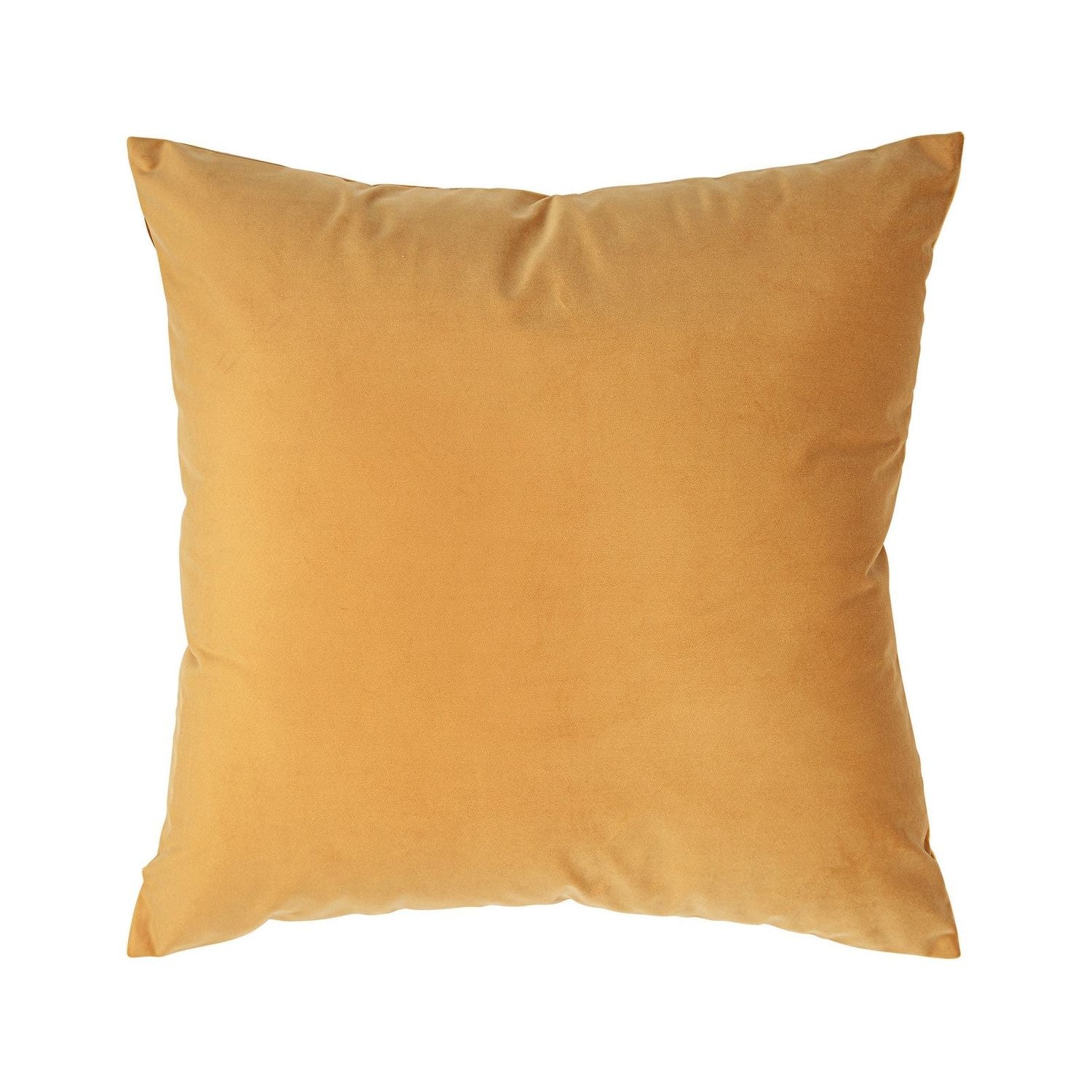
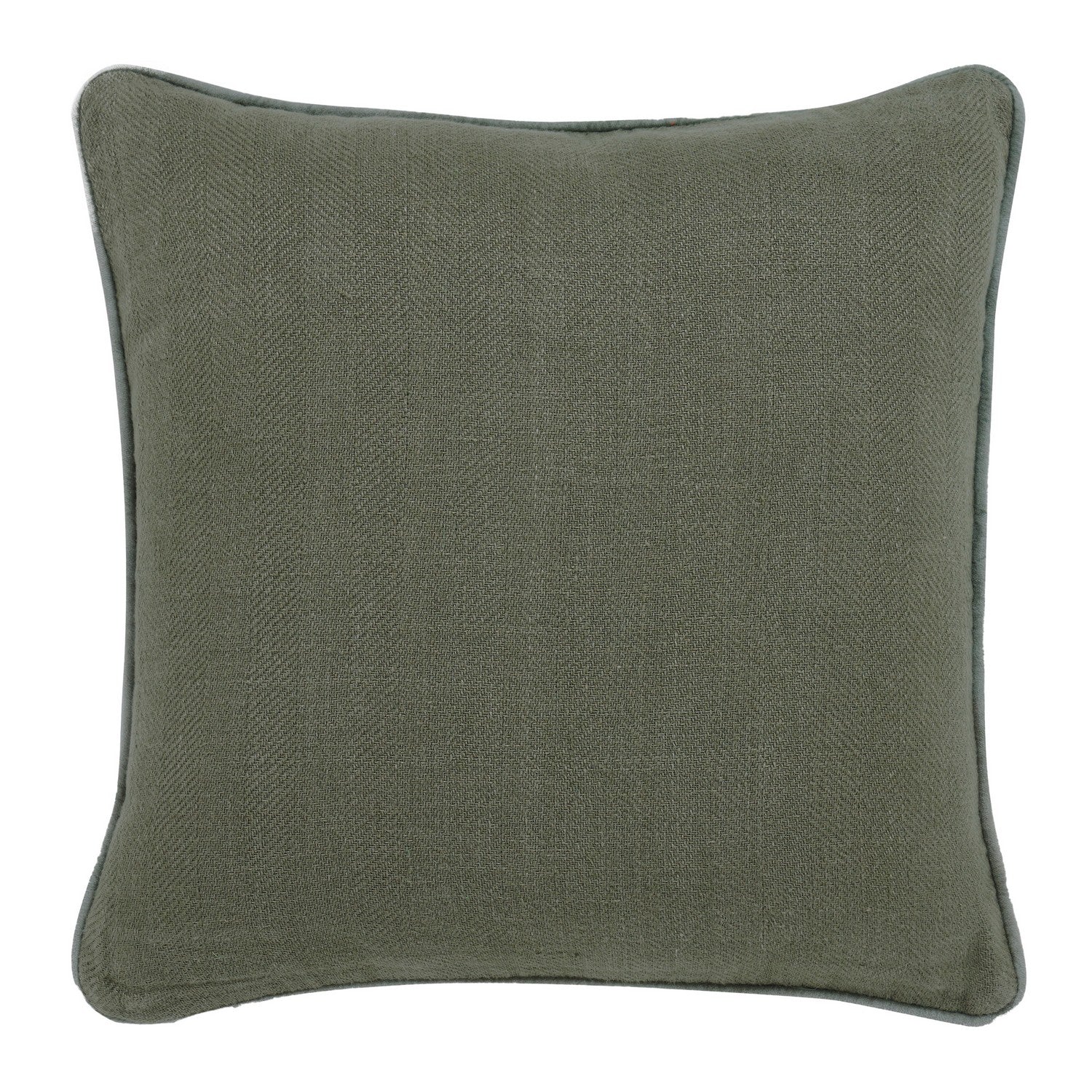
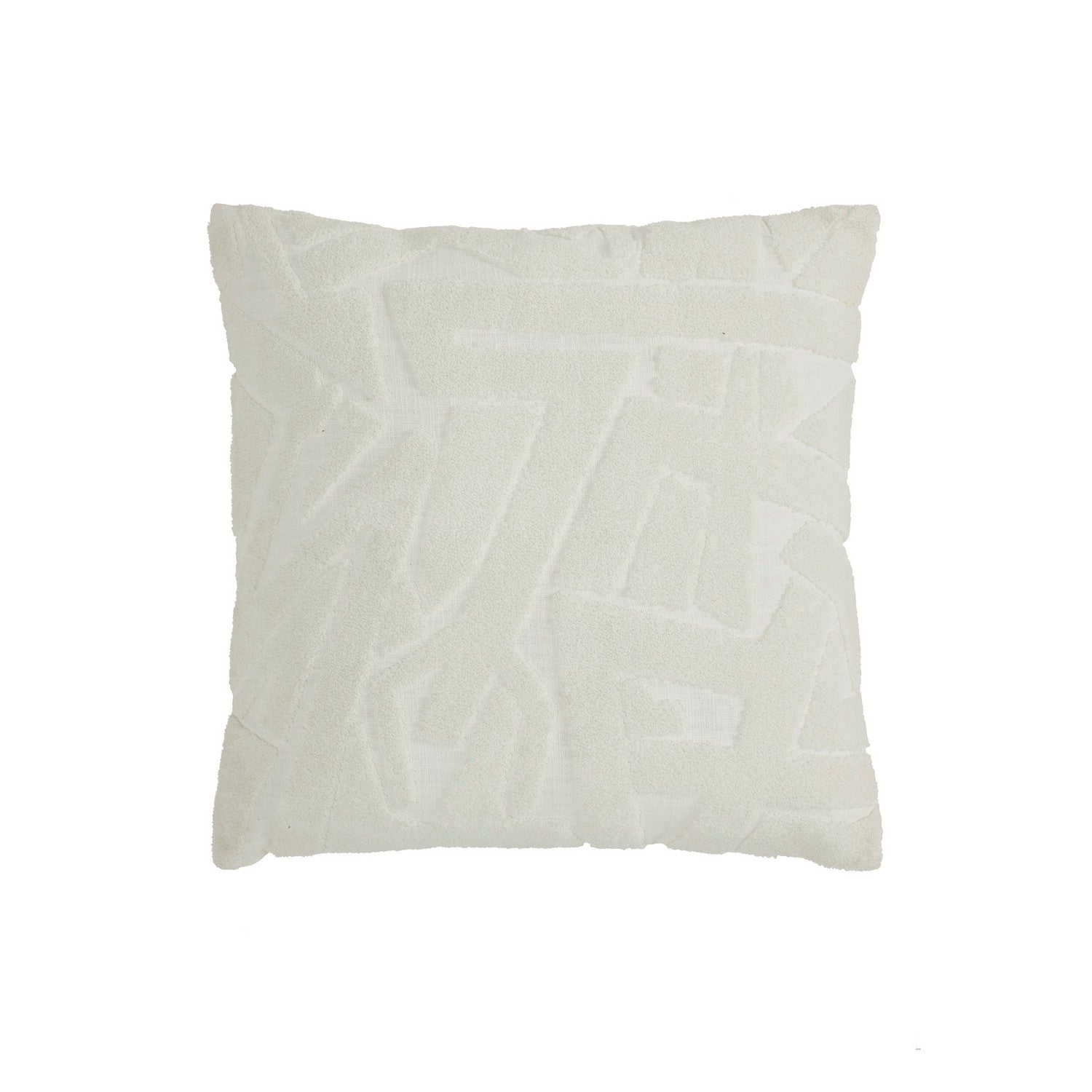
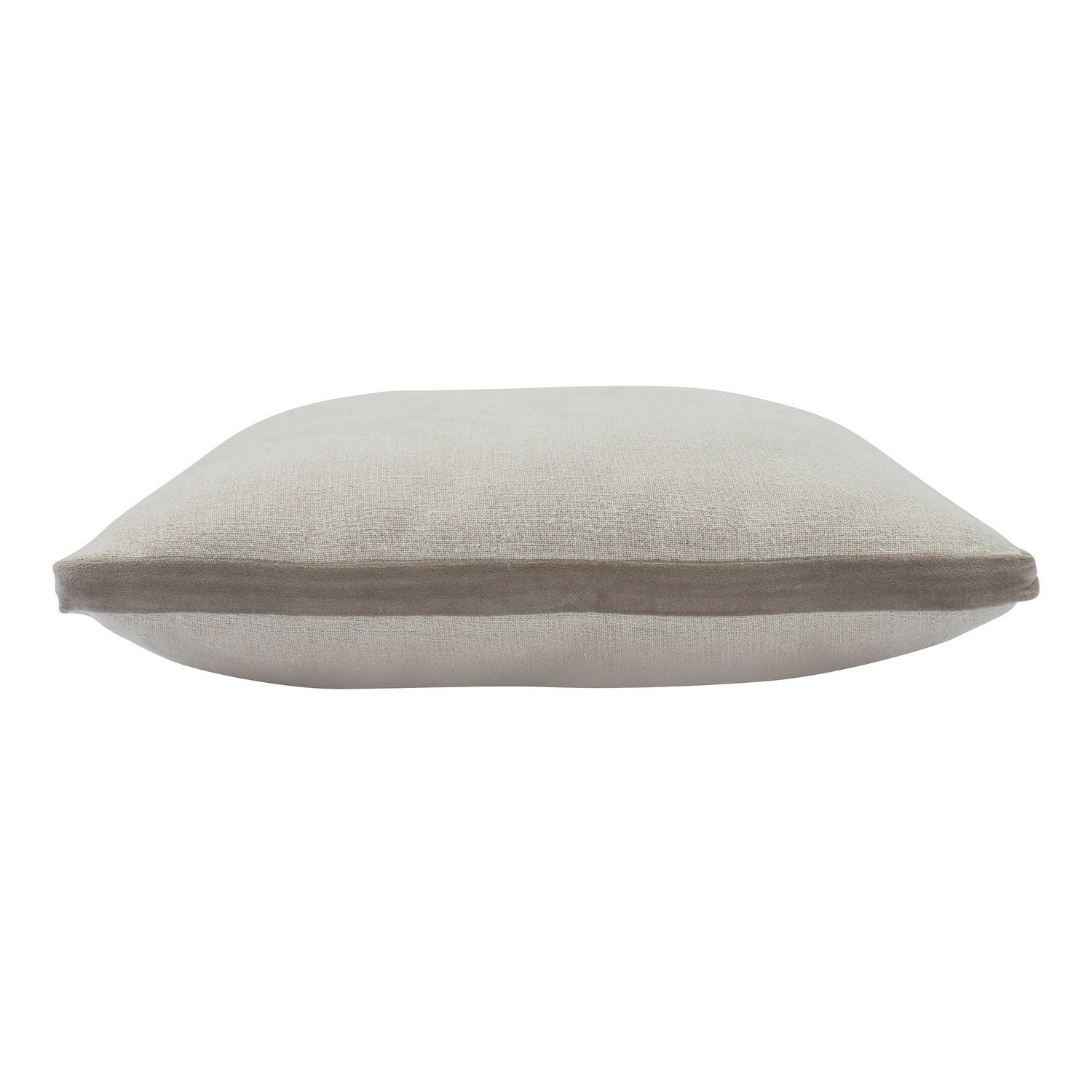
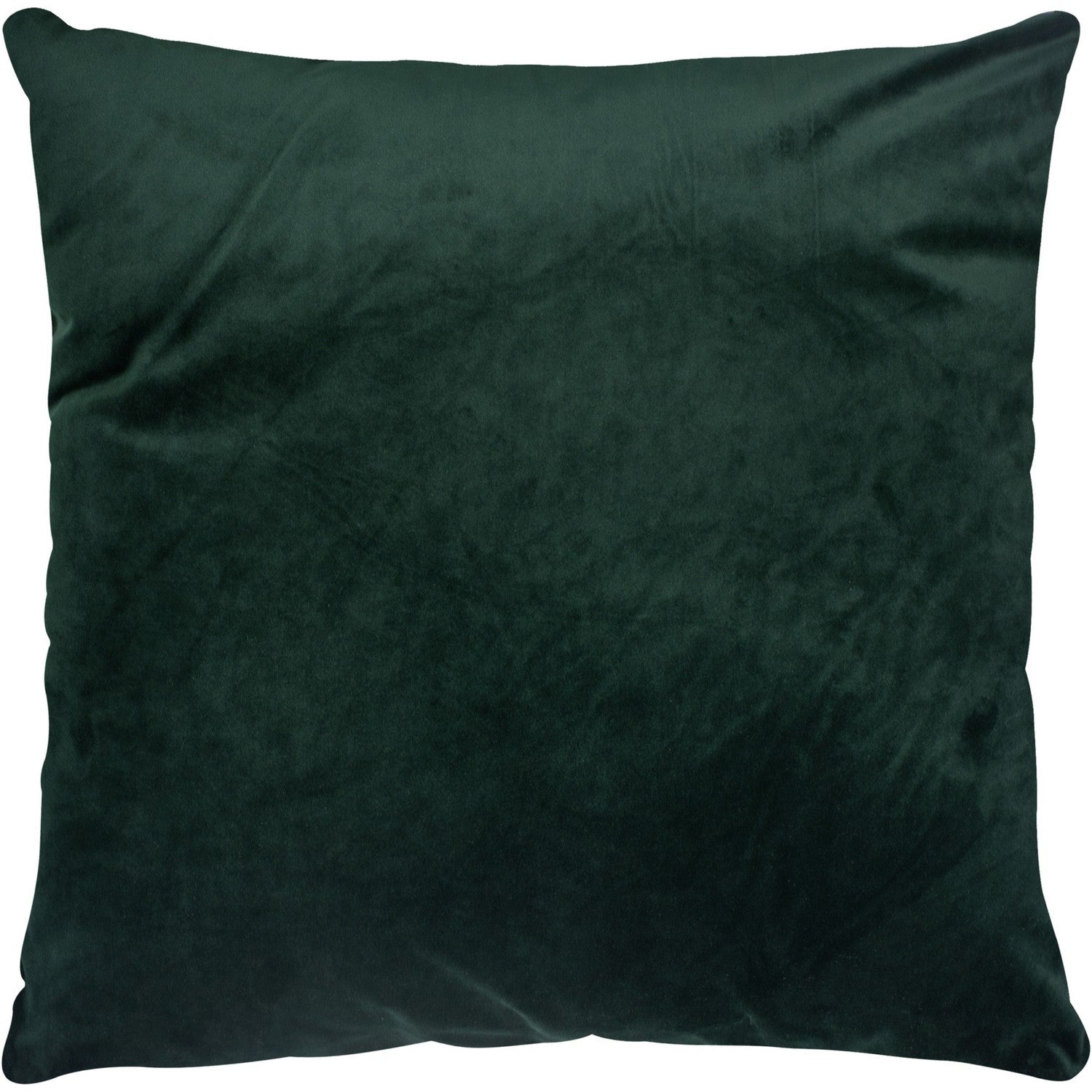
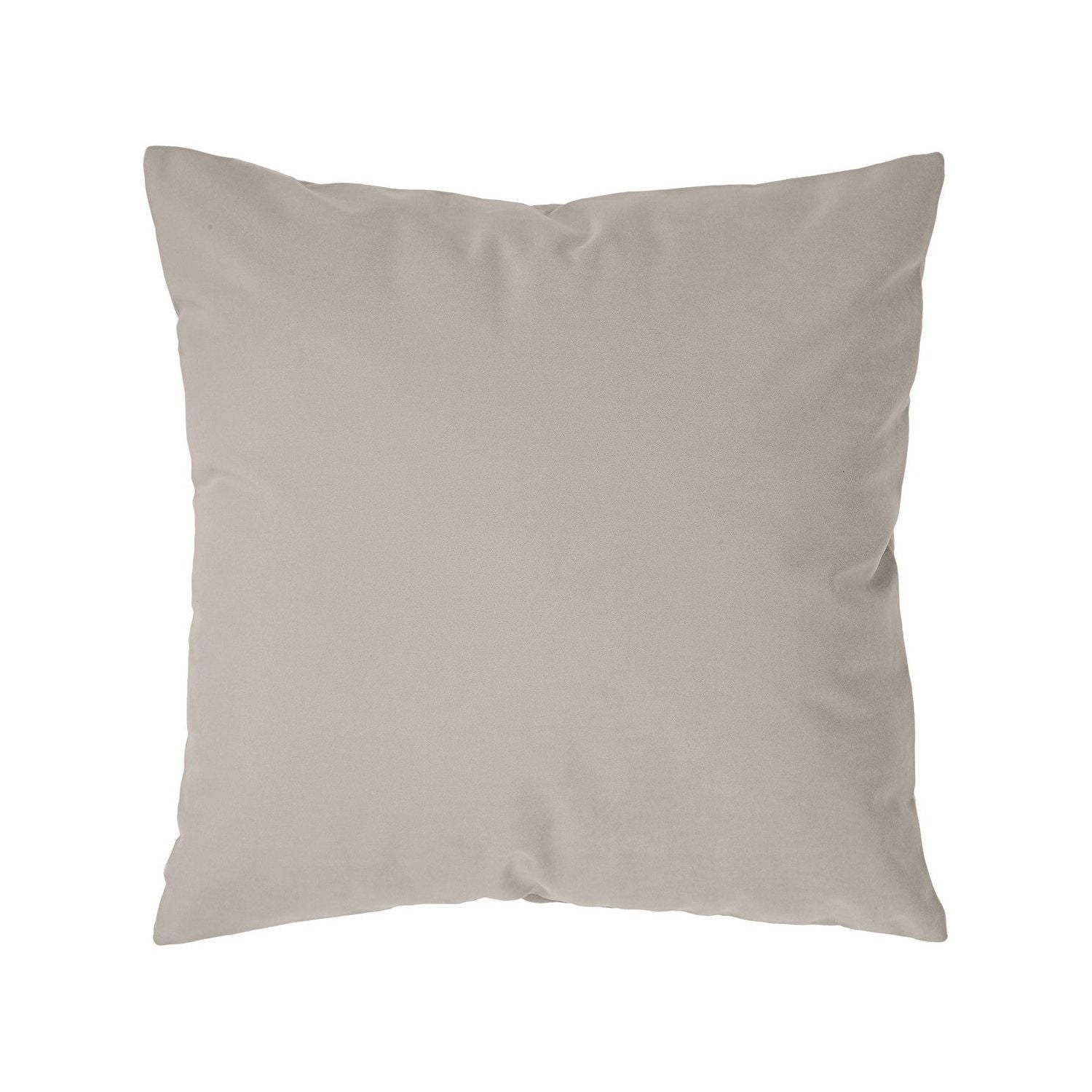
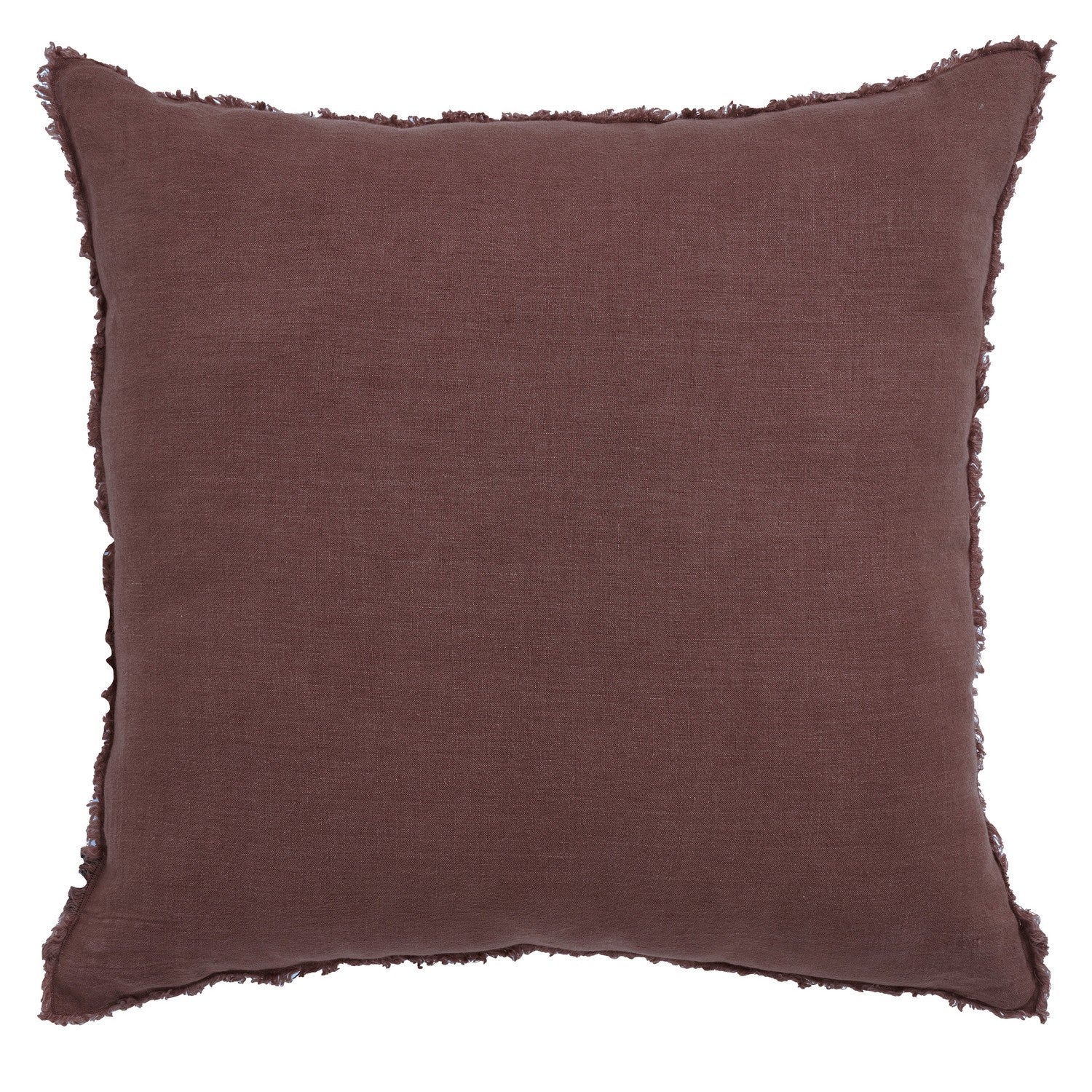
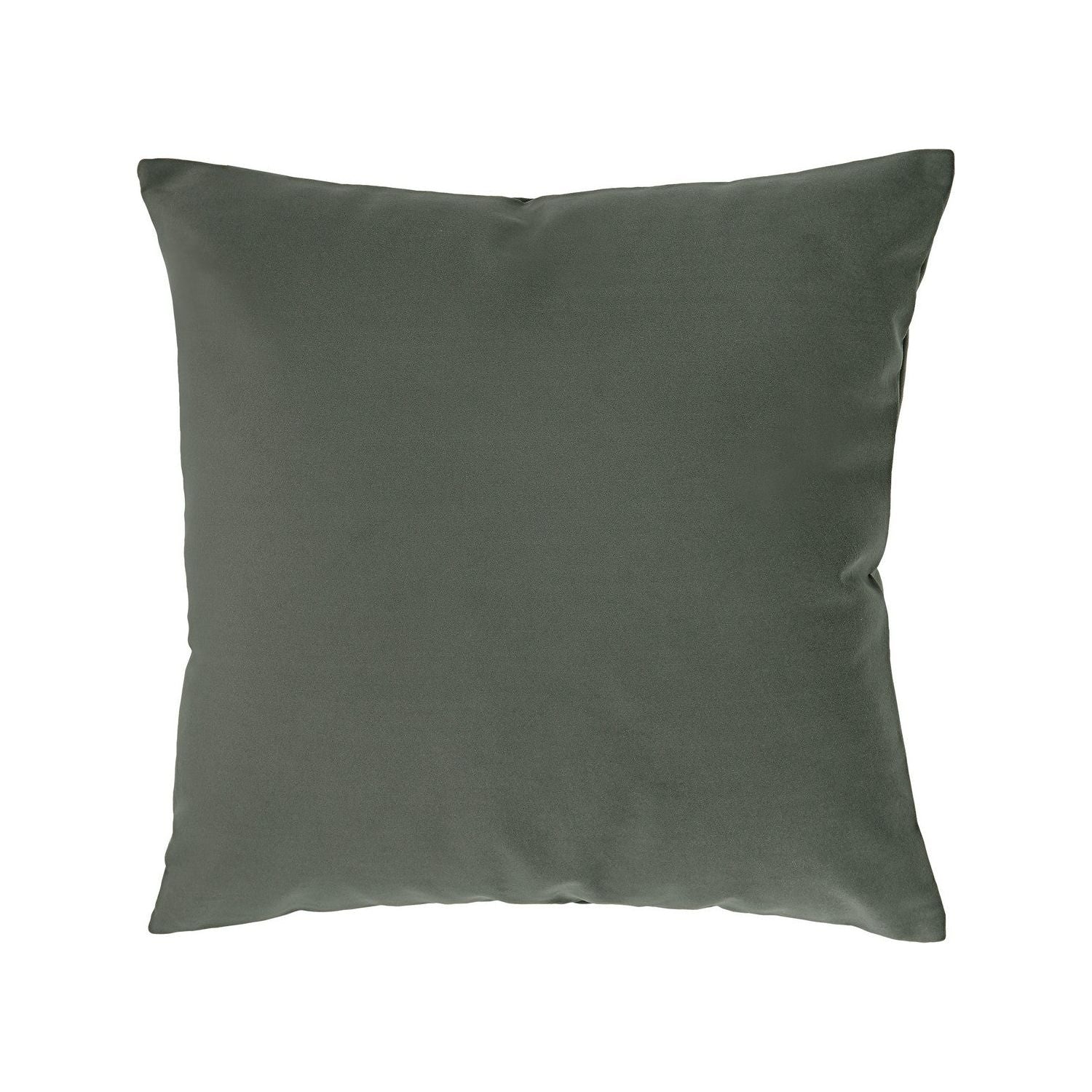
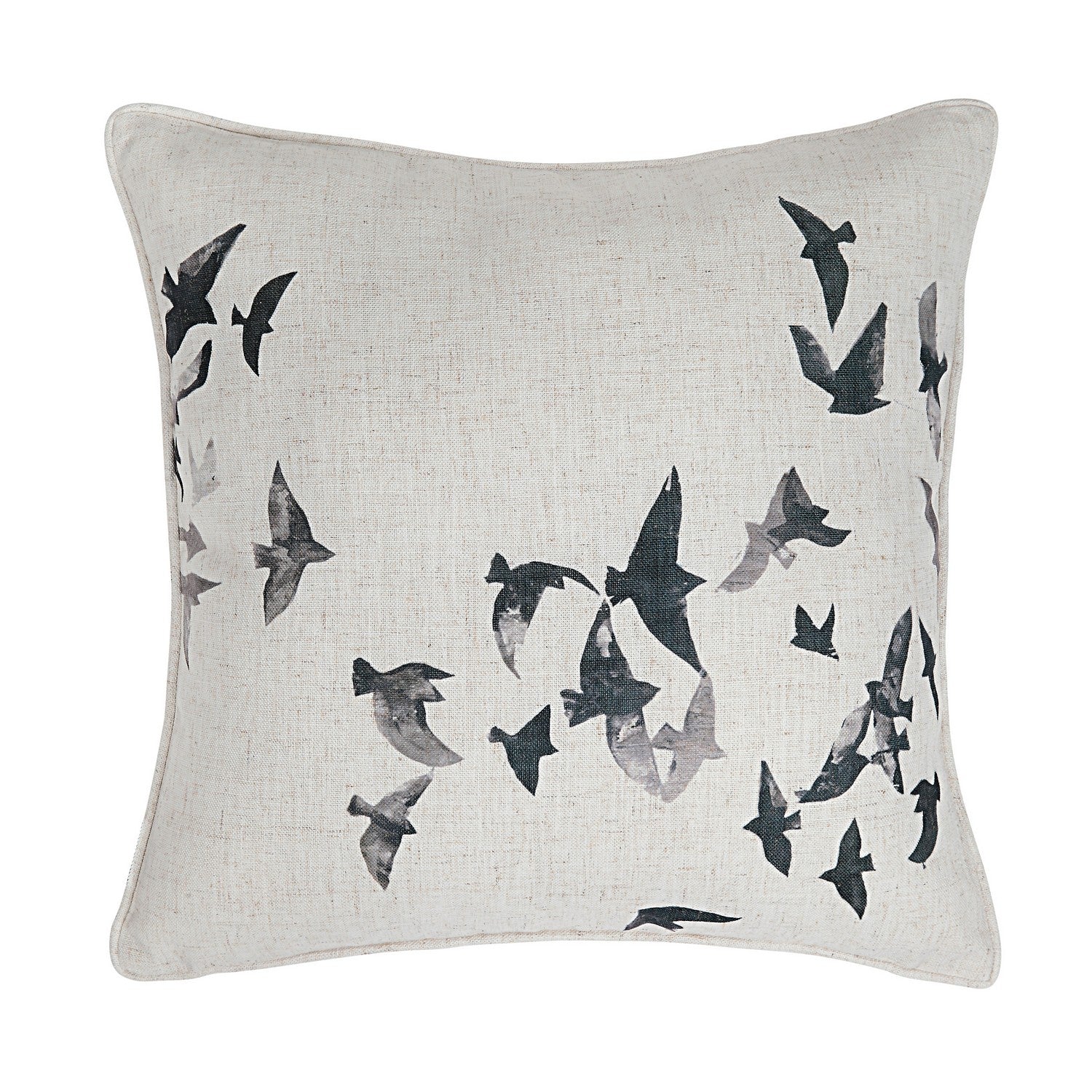
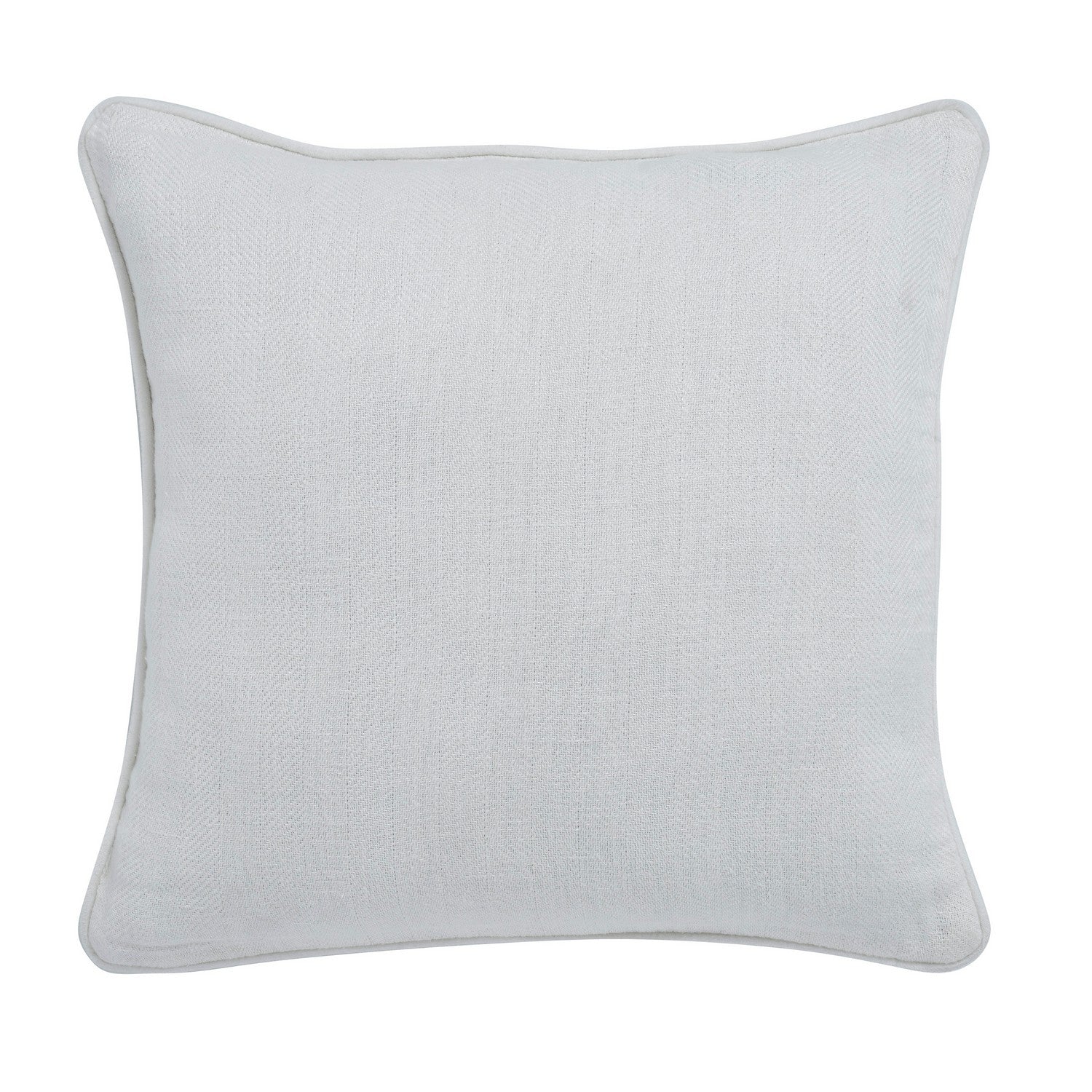
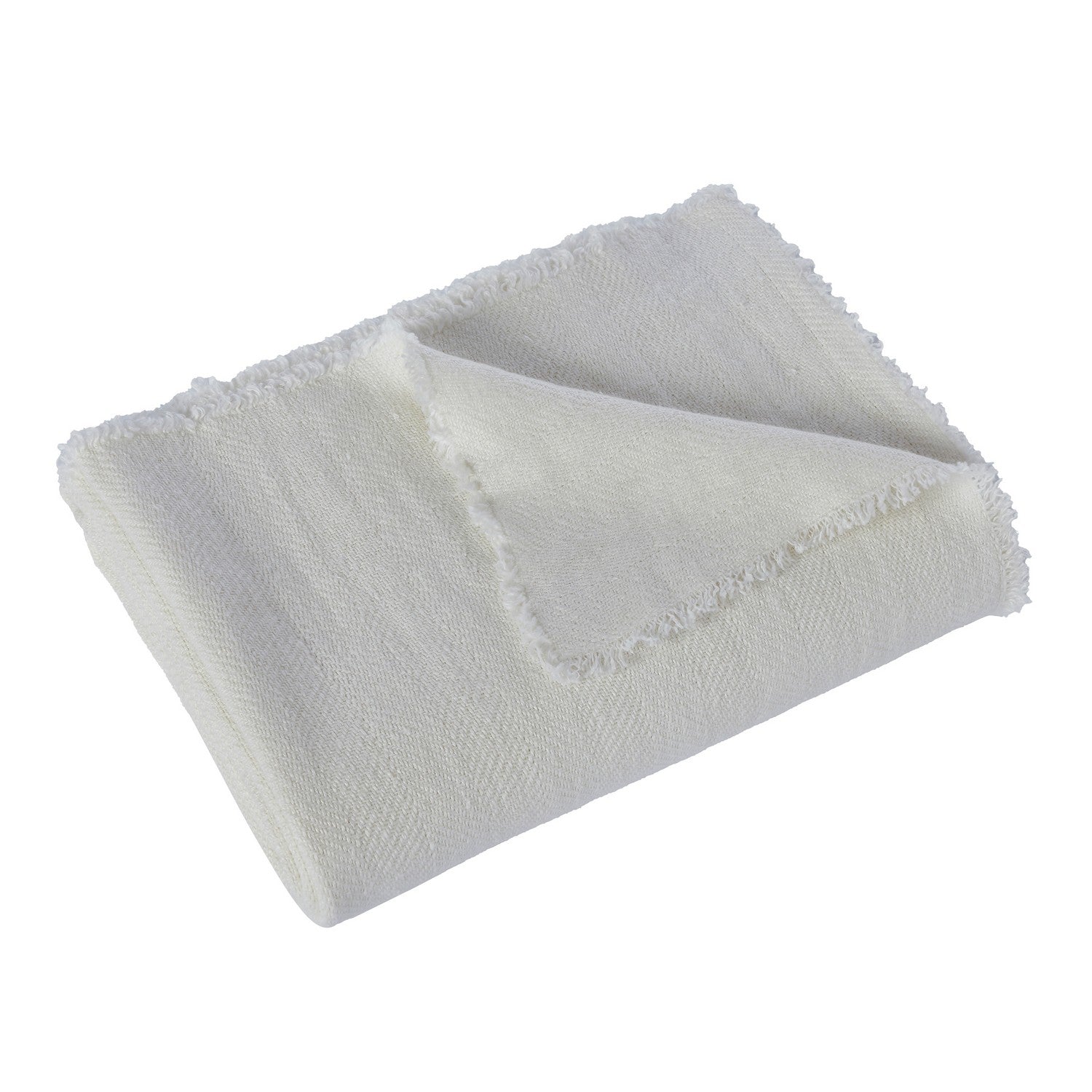
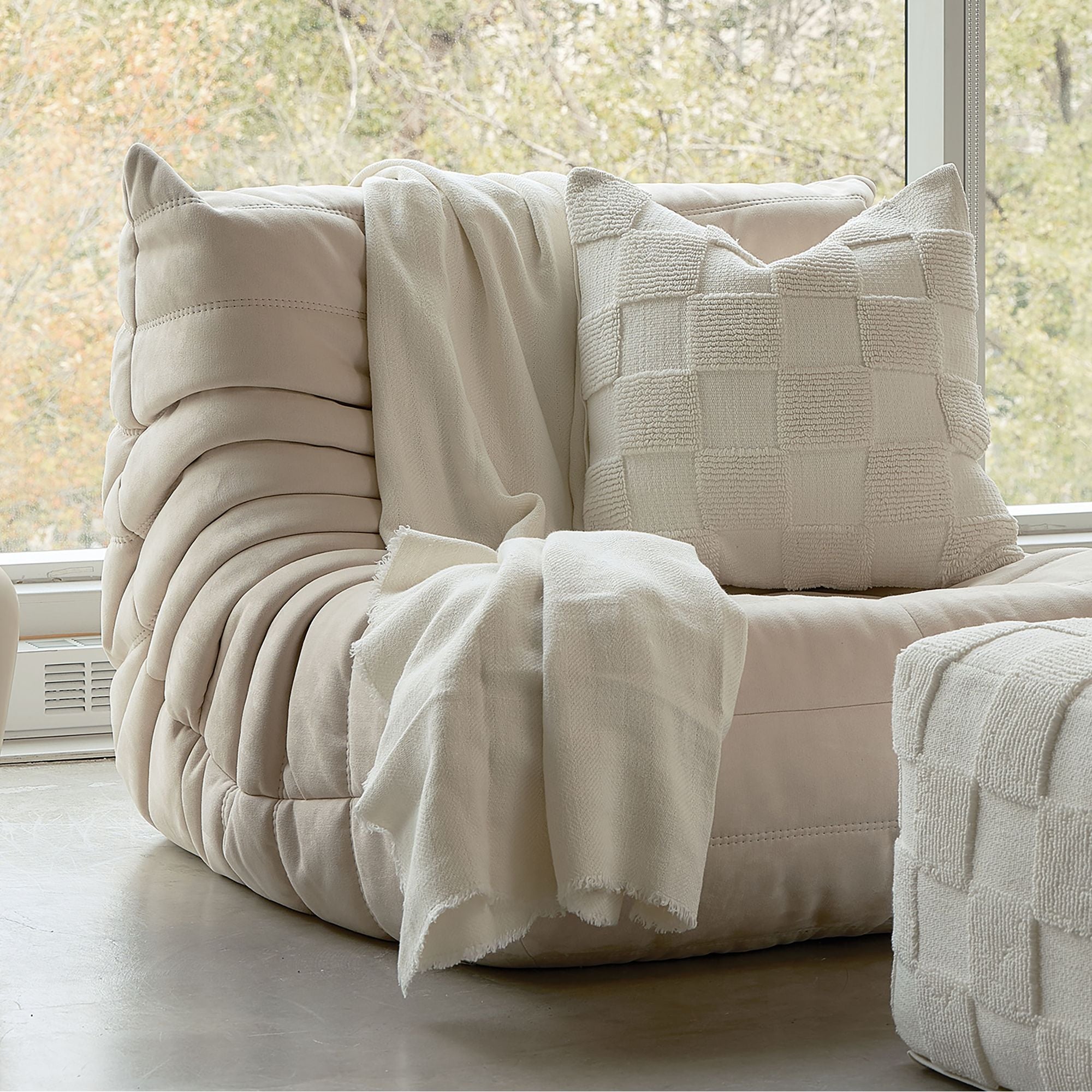
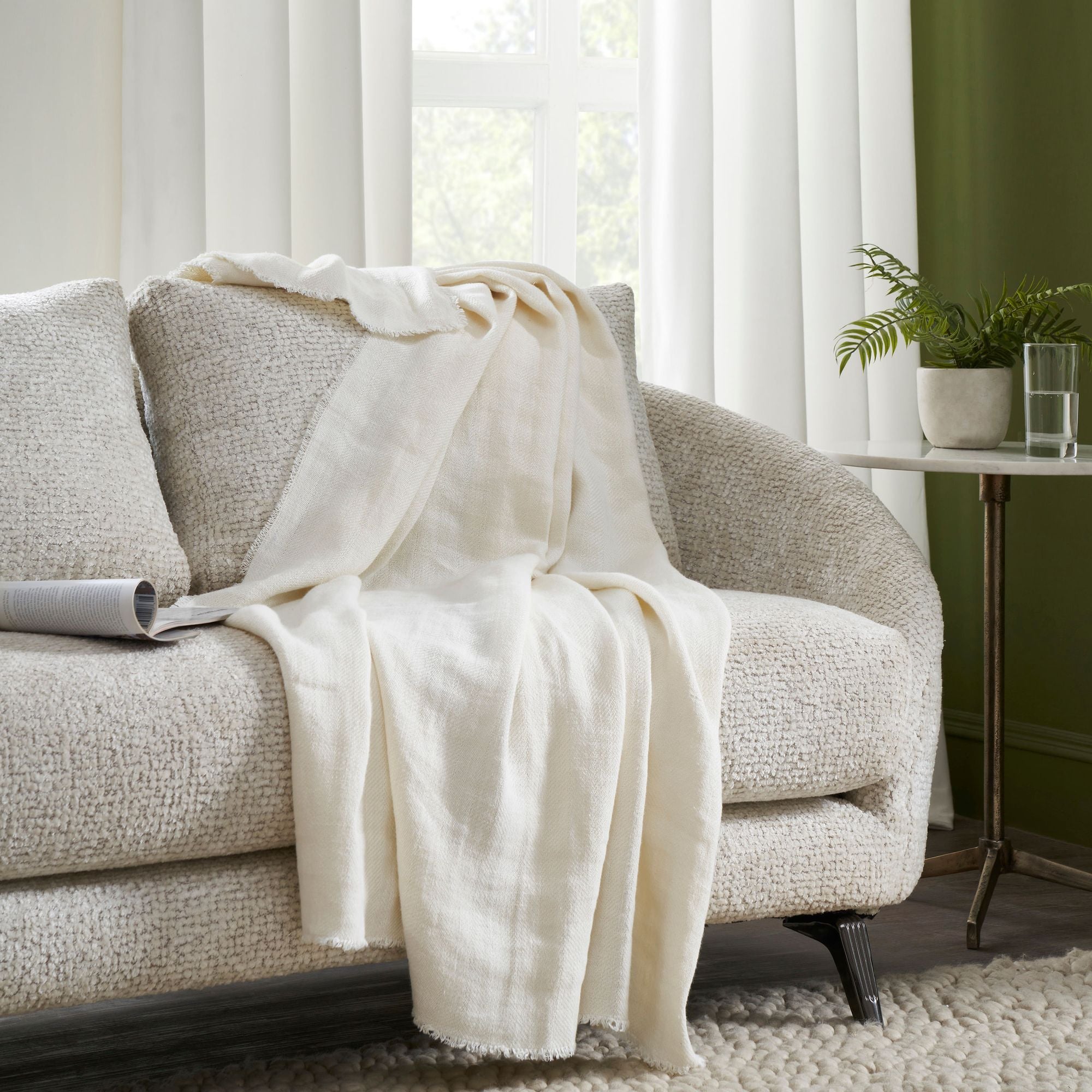
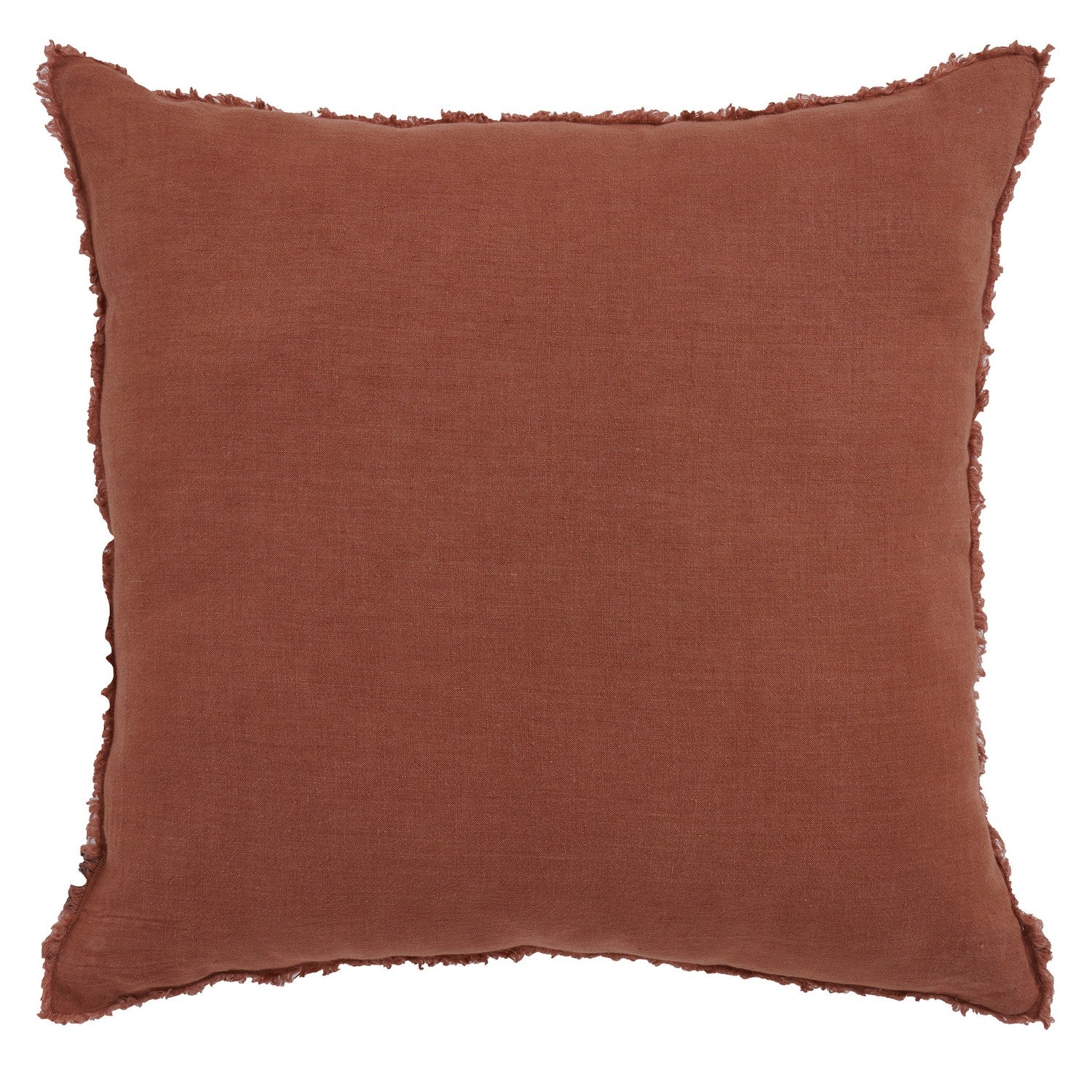
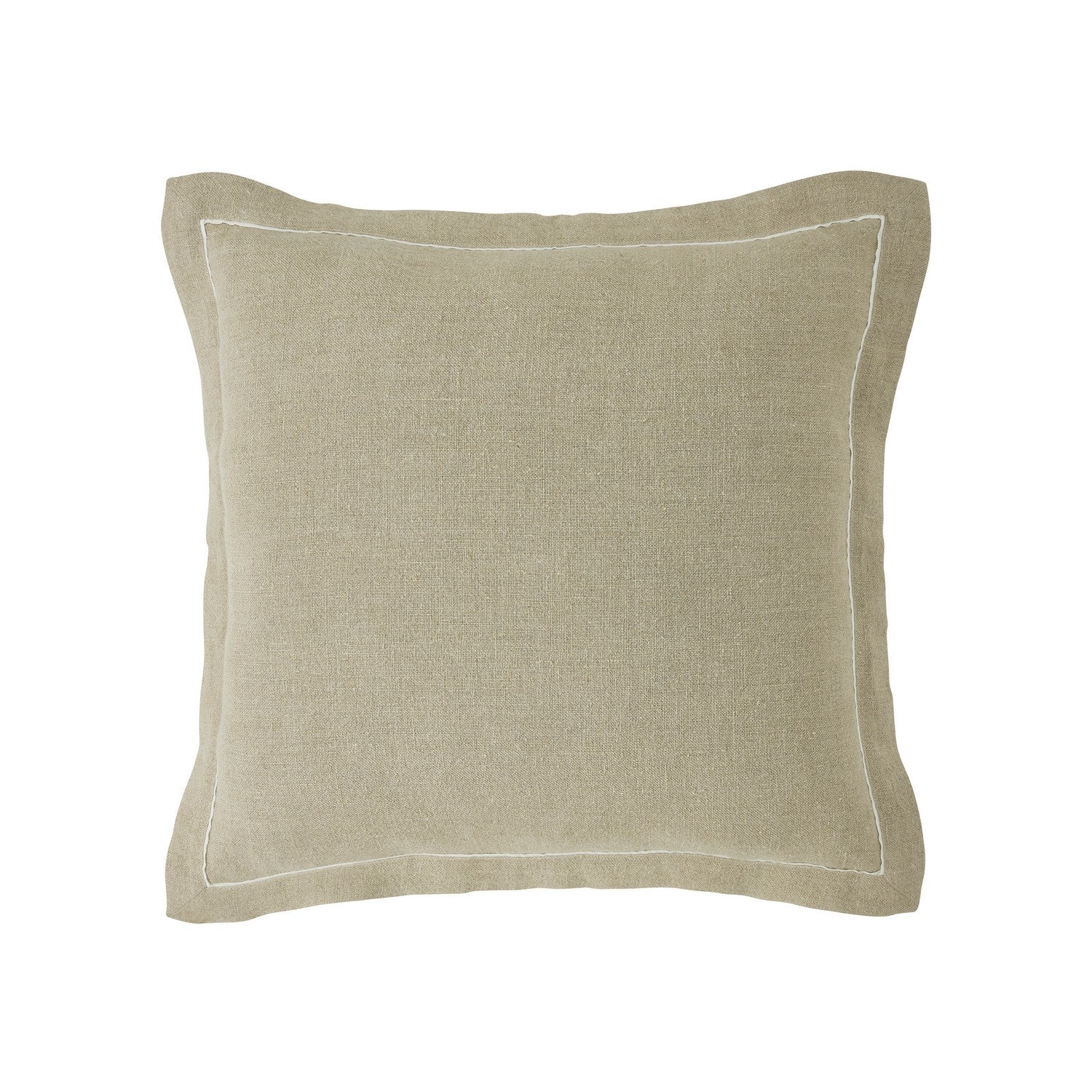
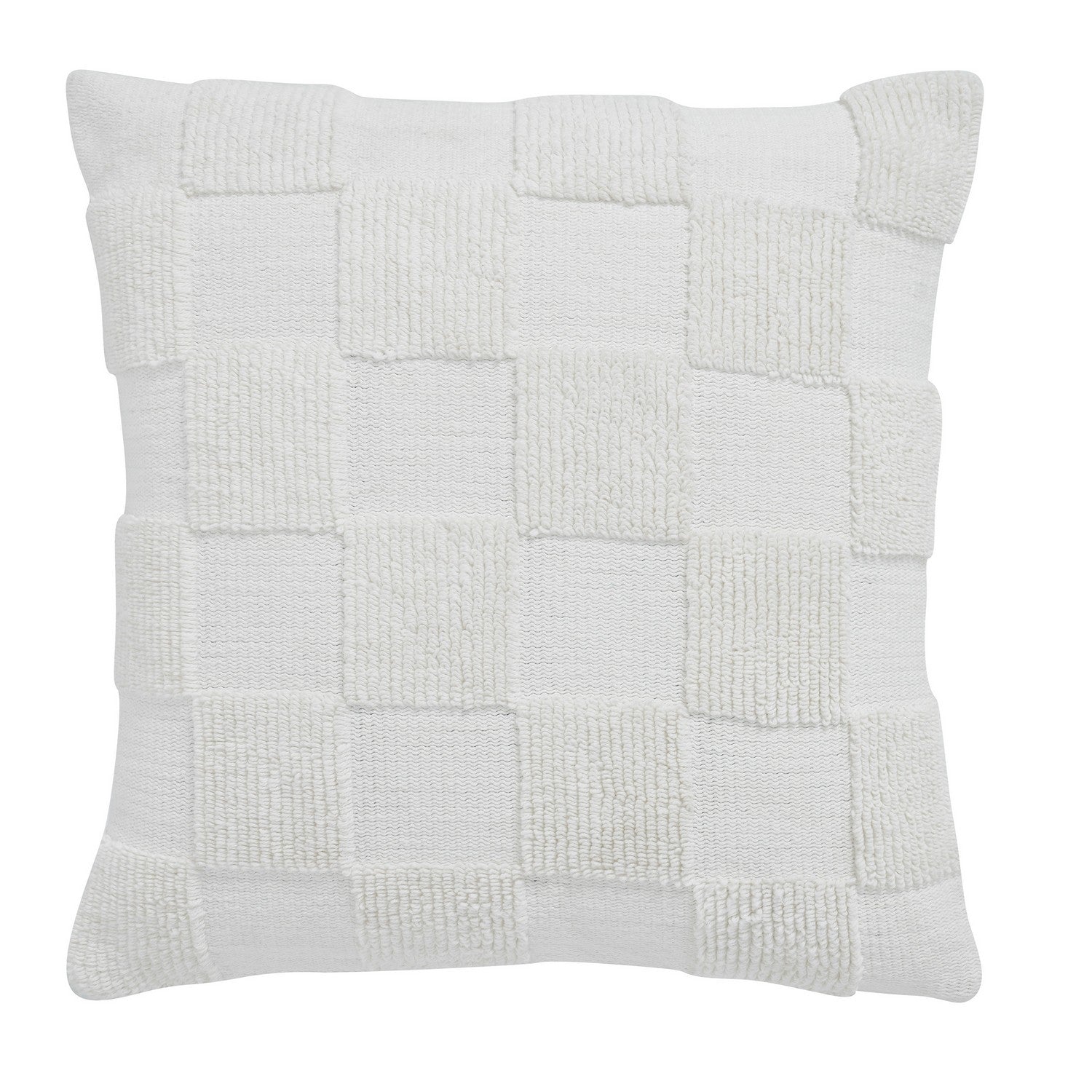
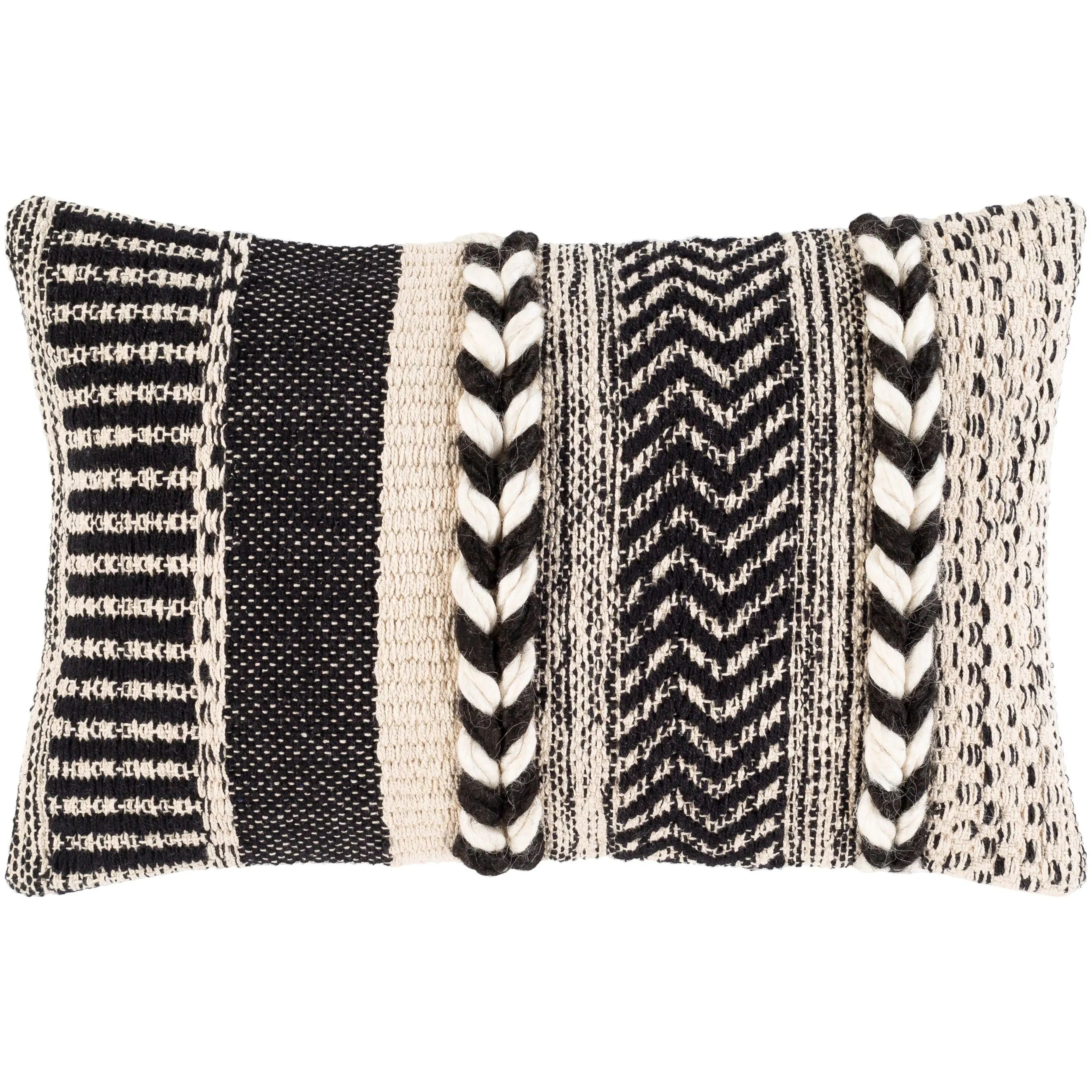
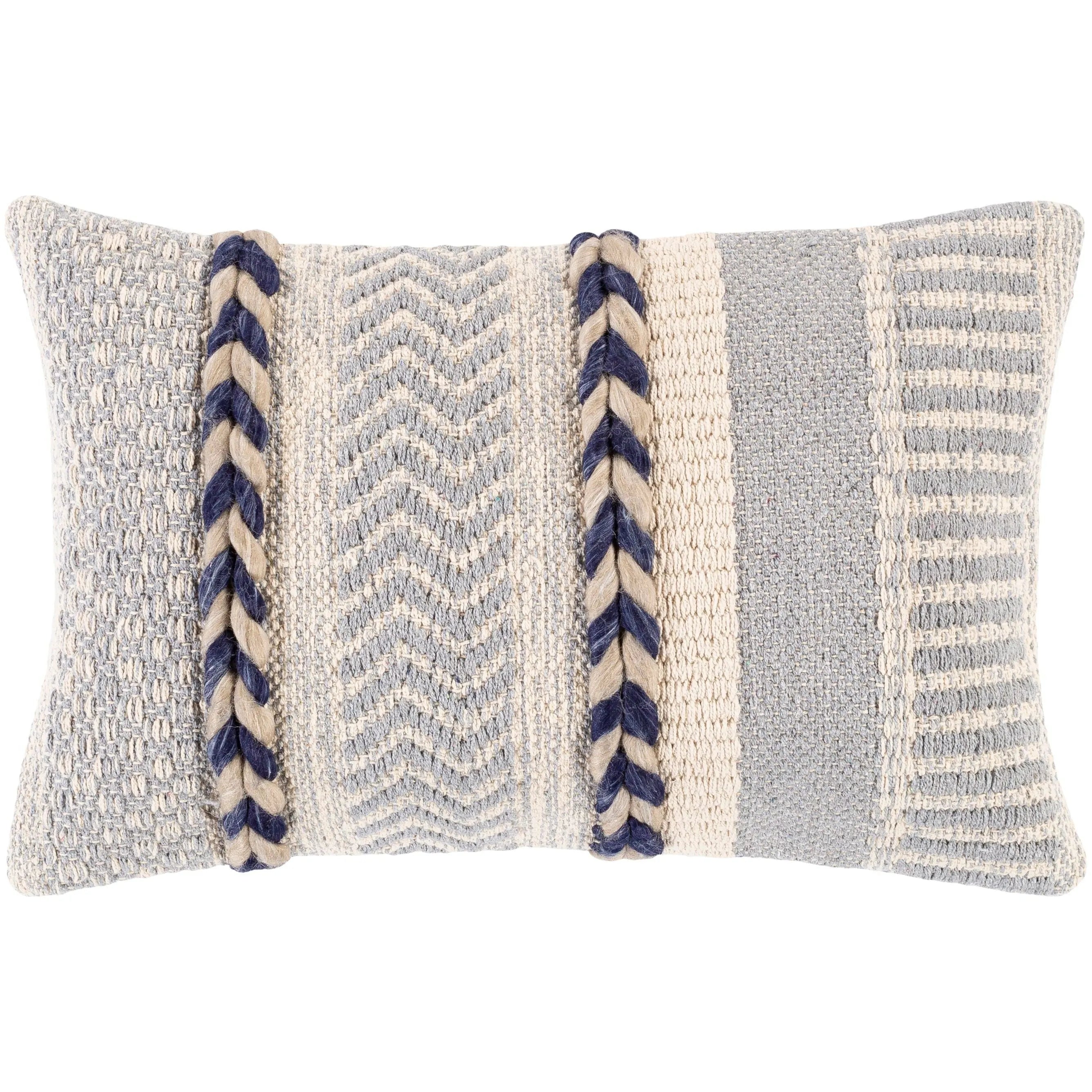
Transitional Pillows Canada – Velvet, Linen, Cotton, Subtle Pattern
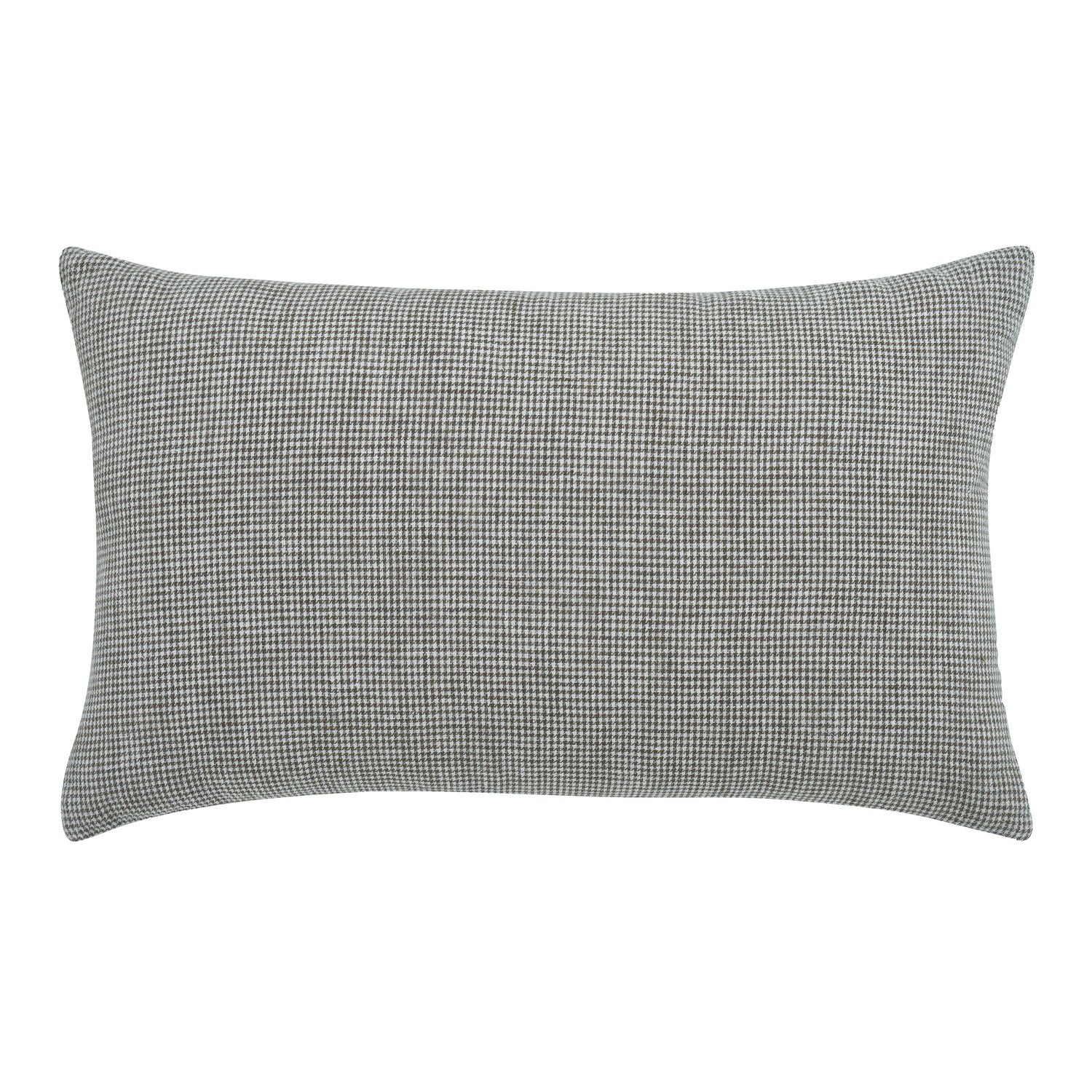
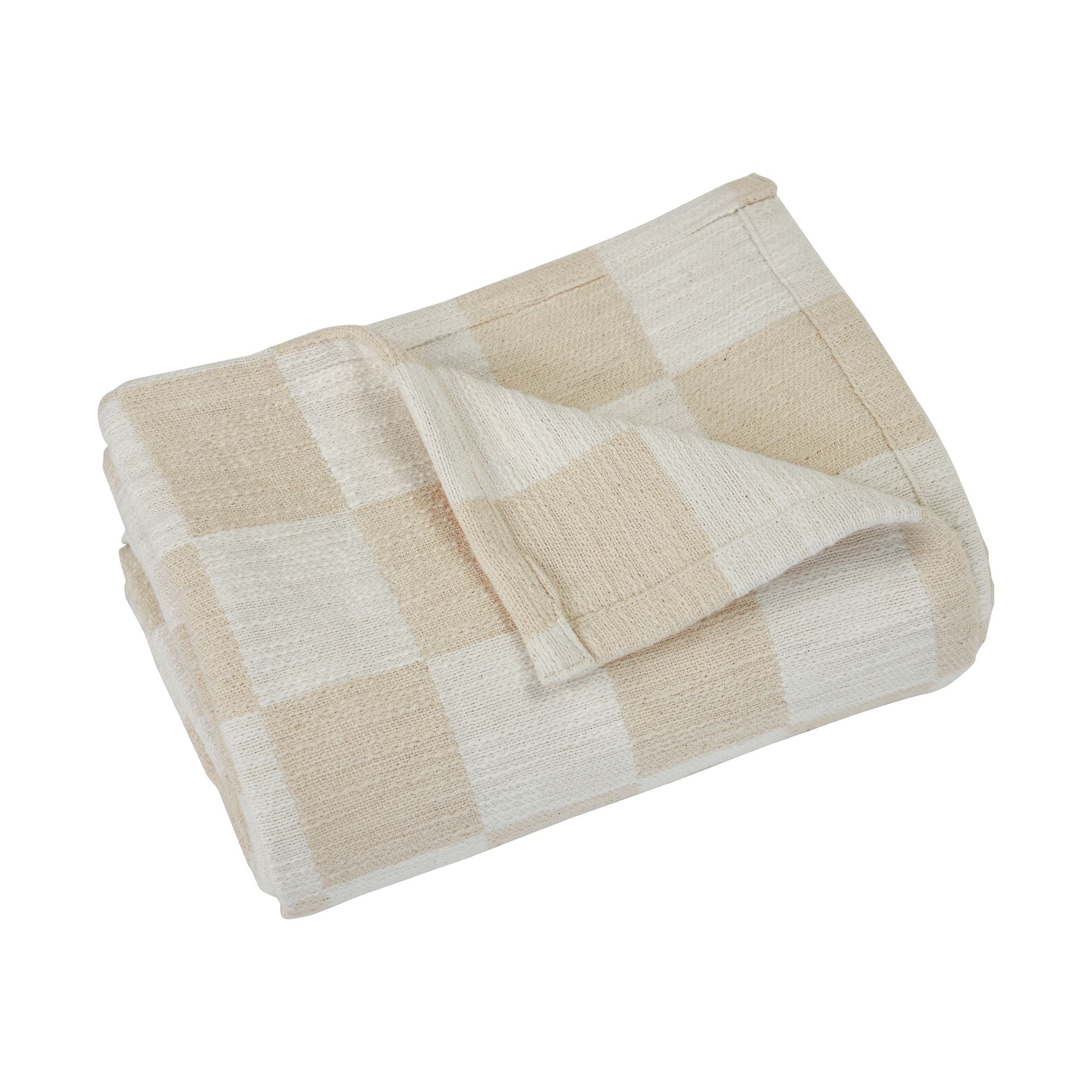
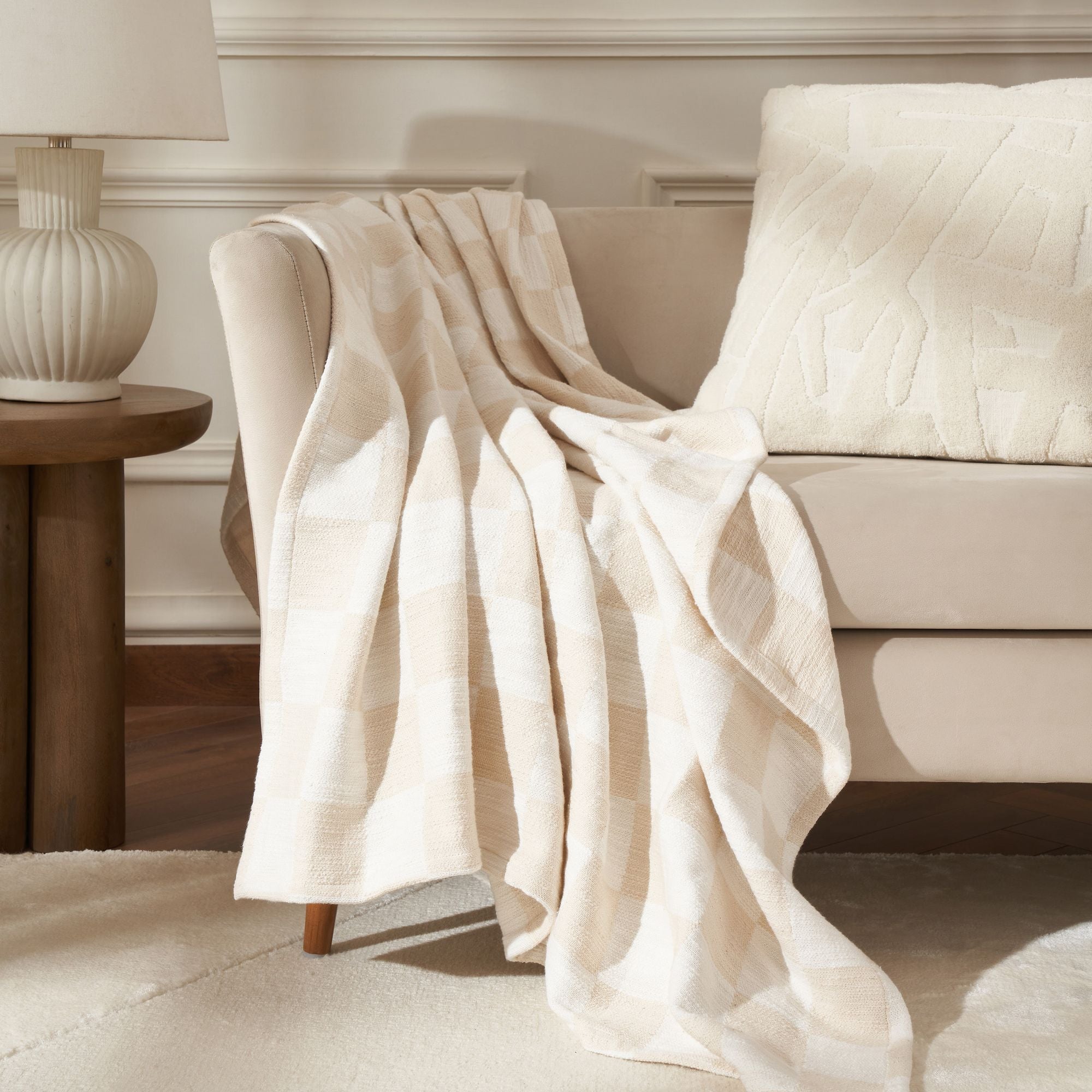
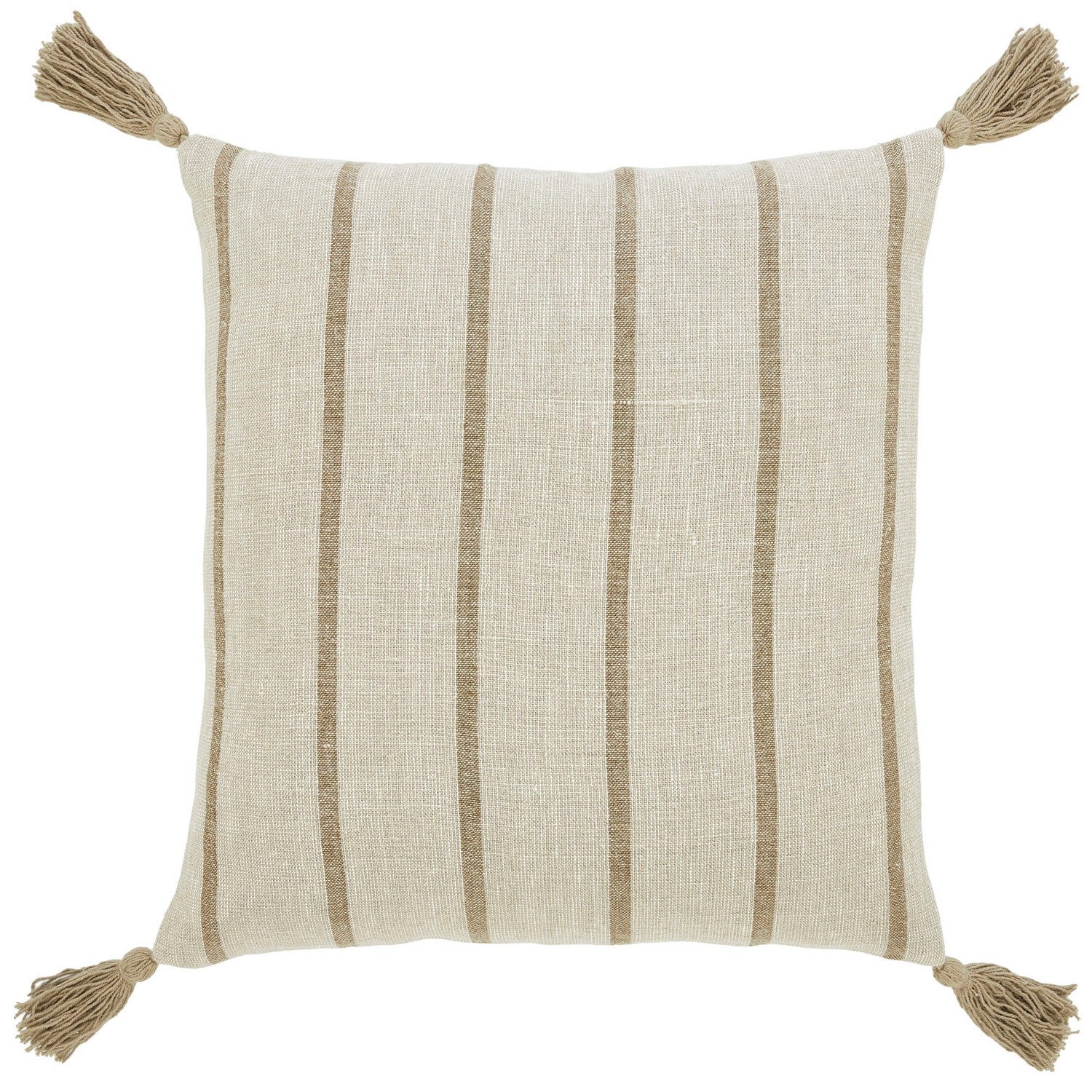
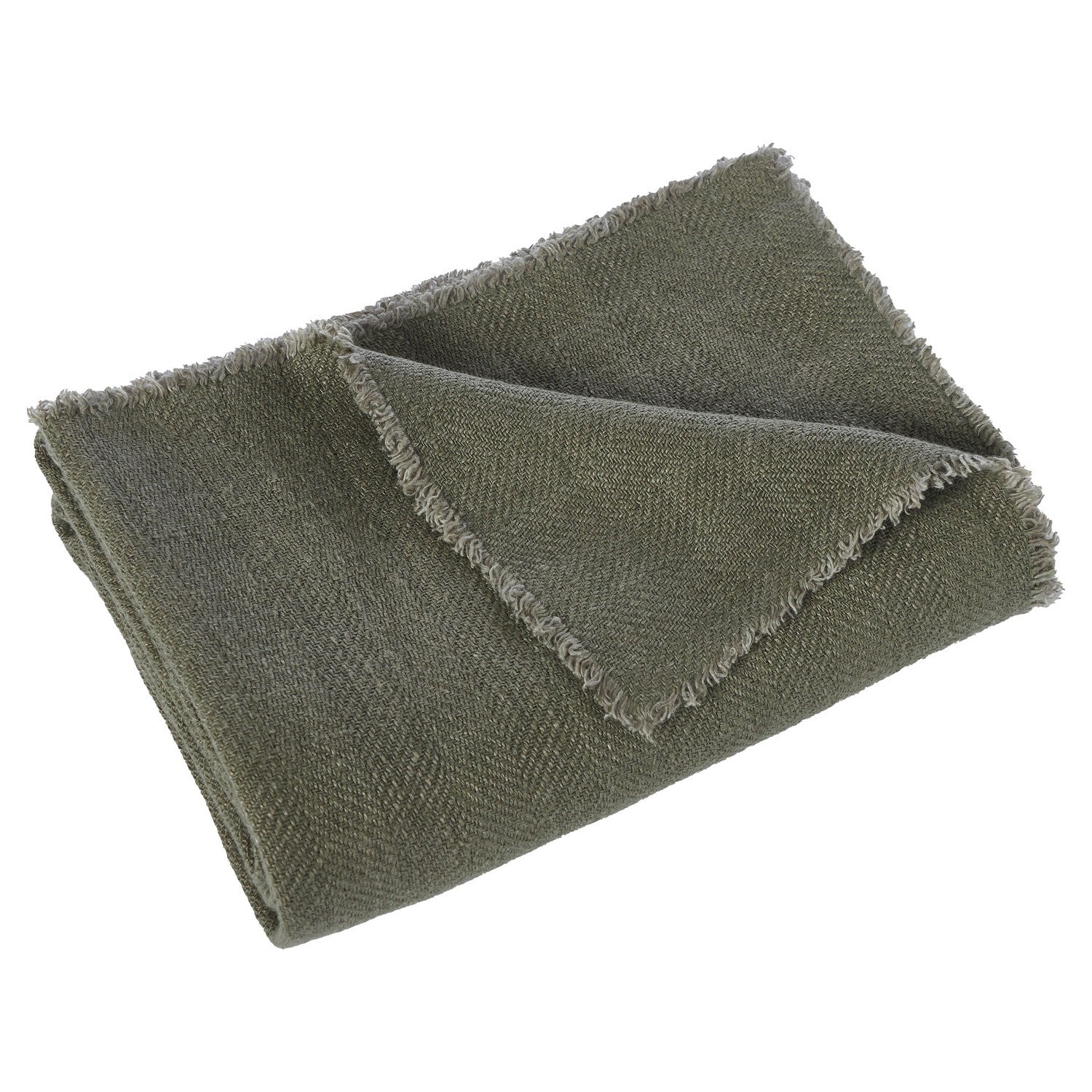
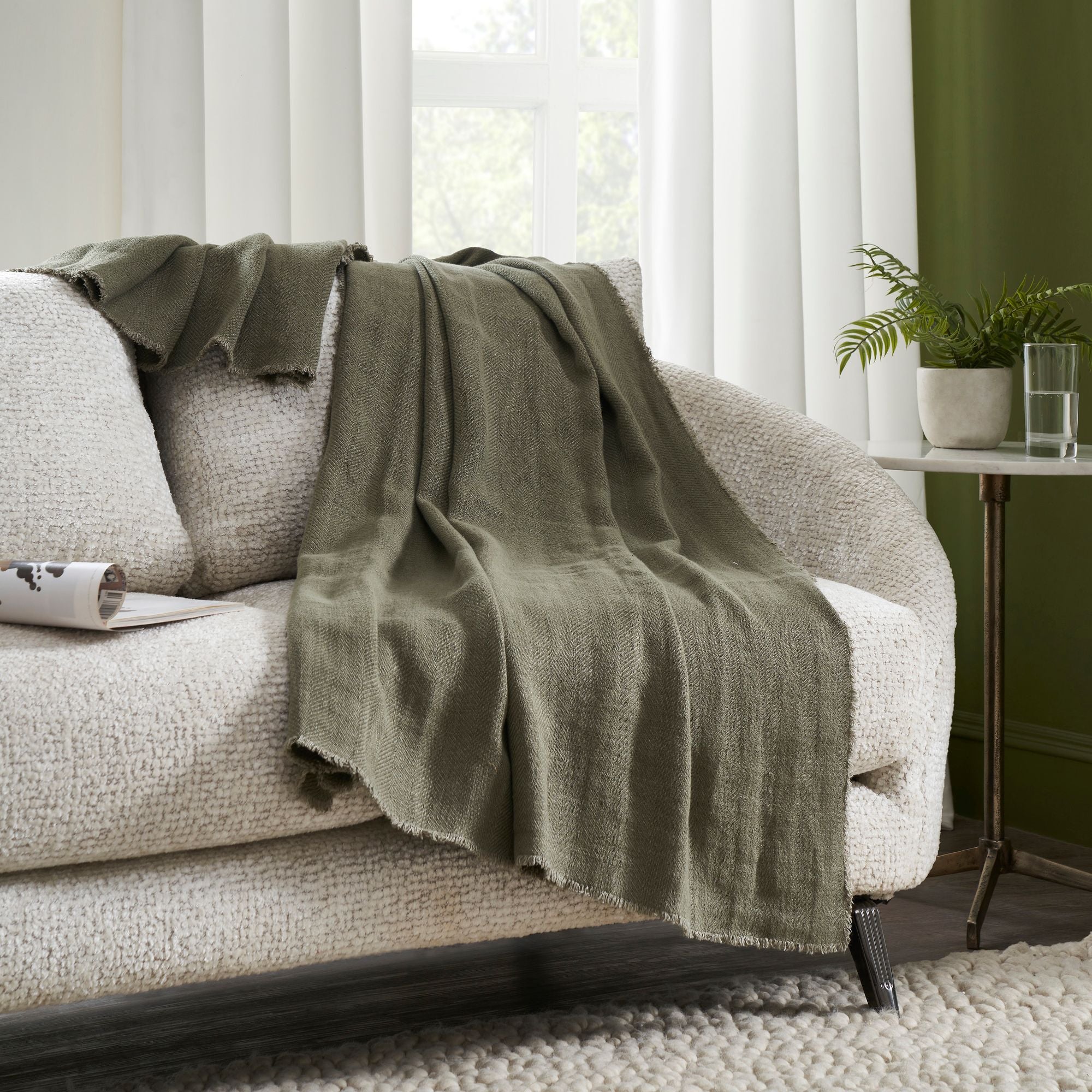
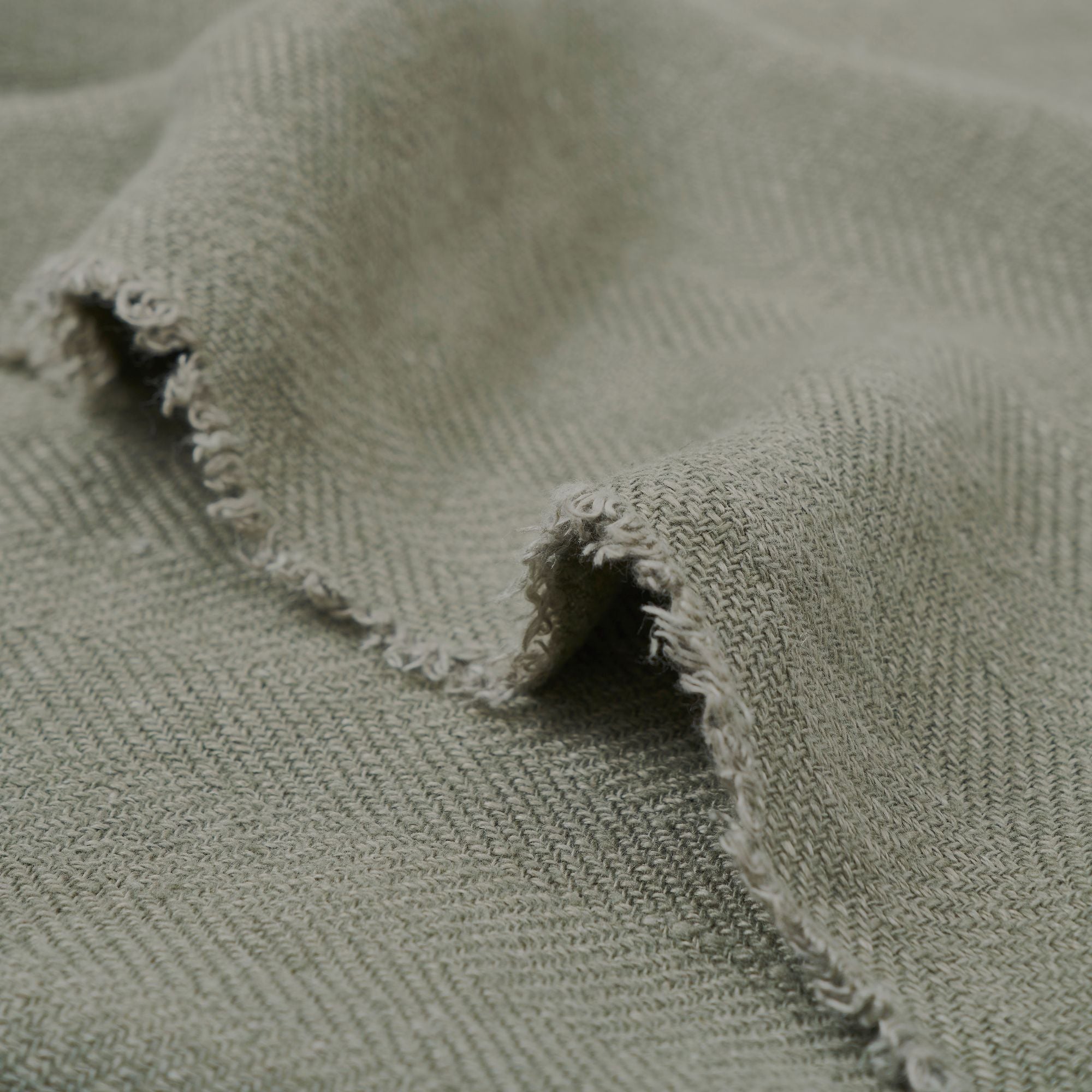
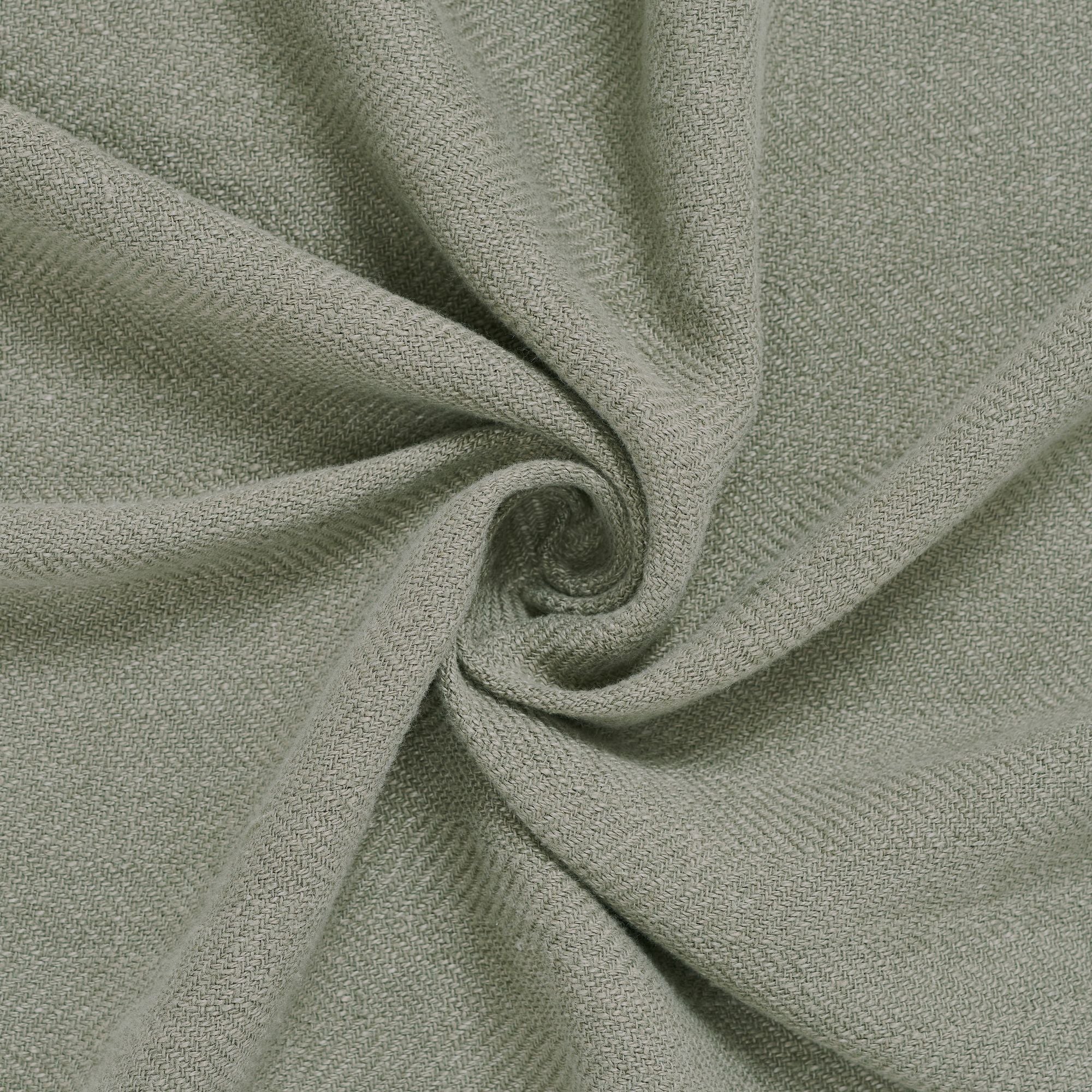
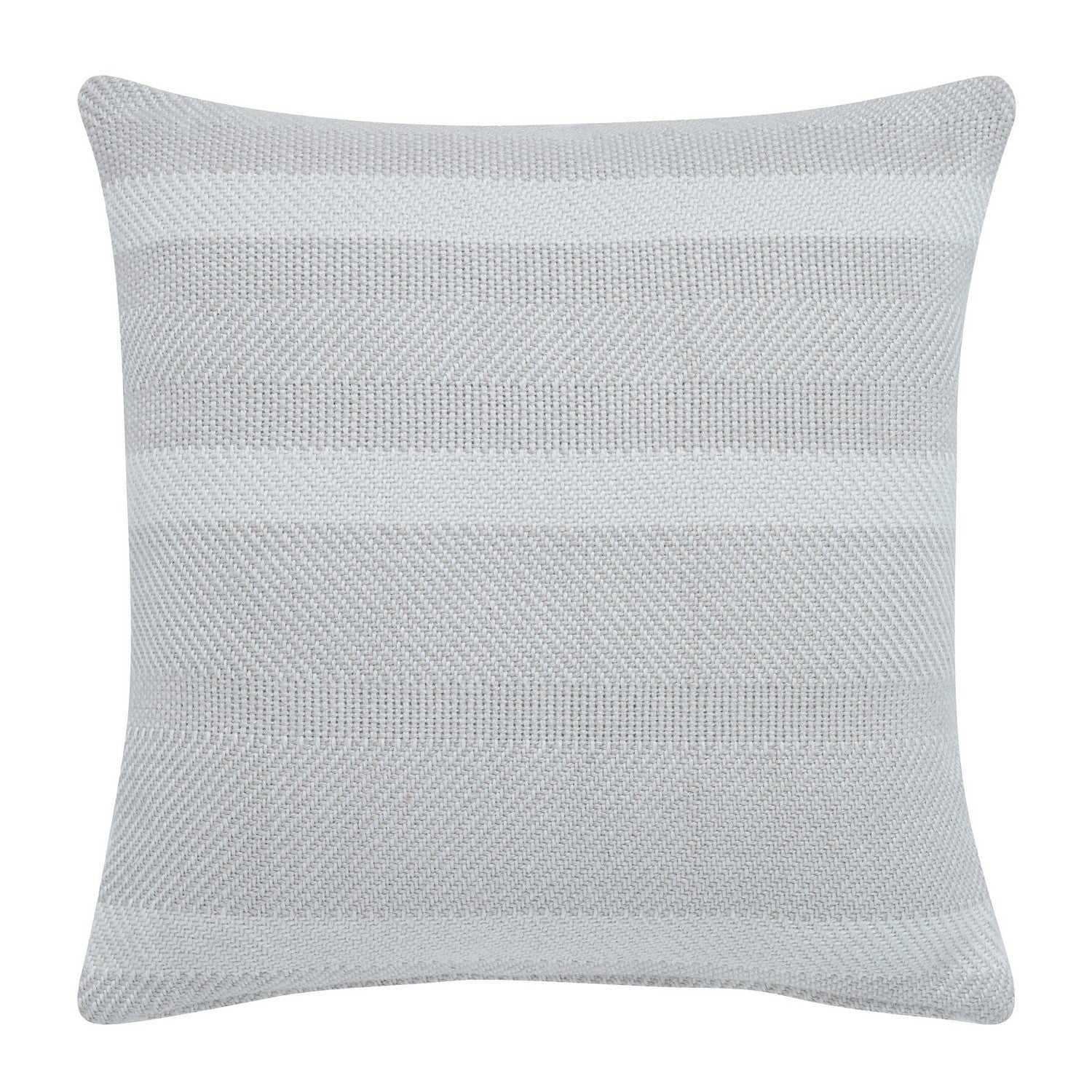
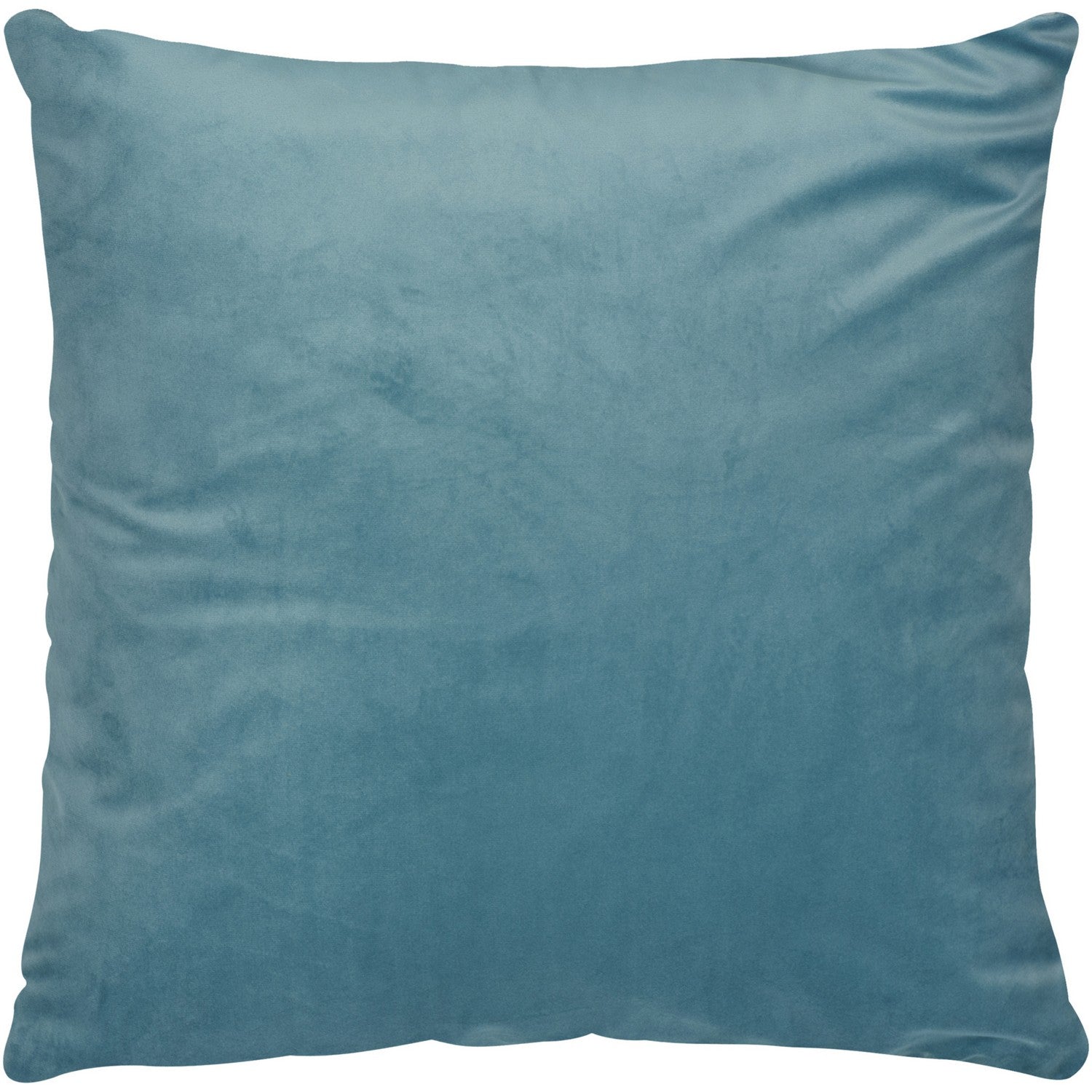
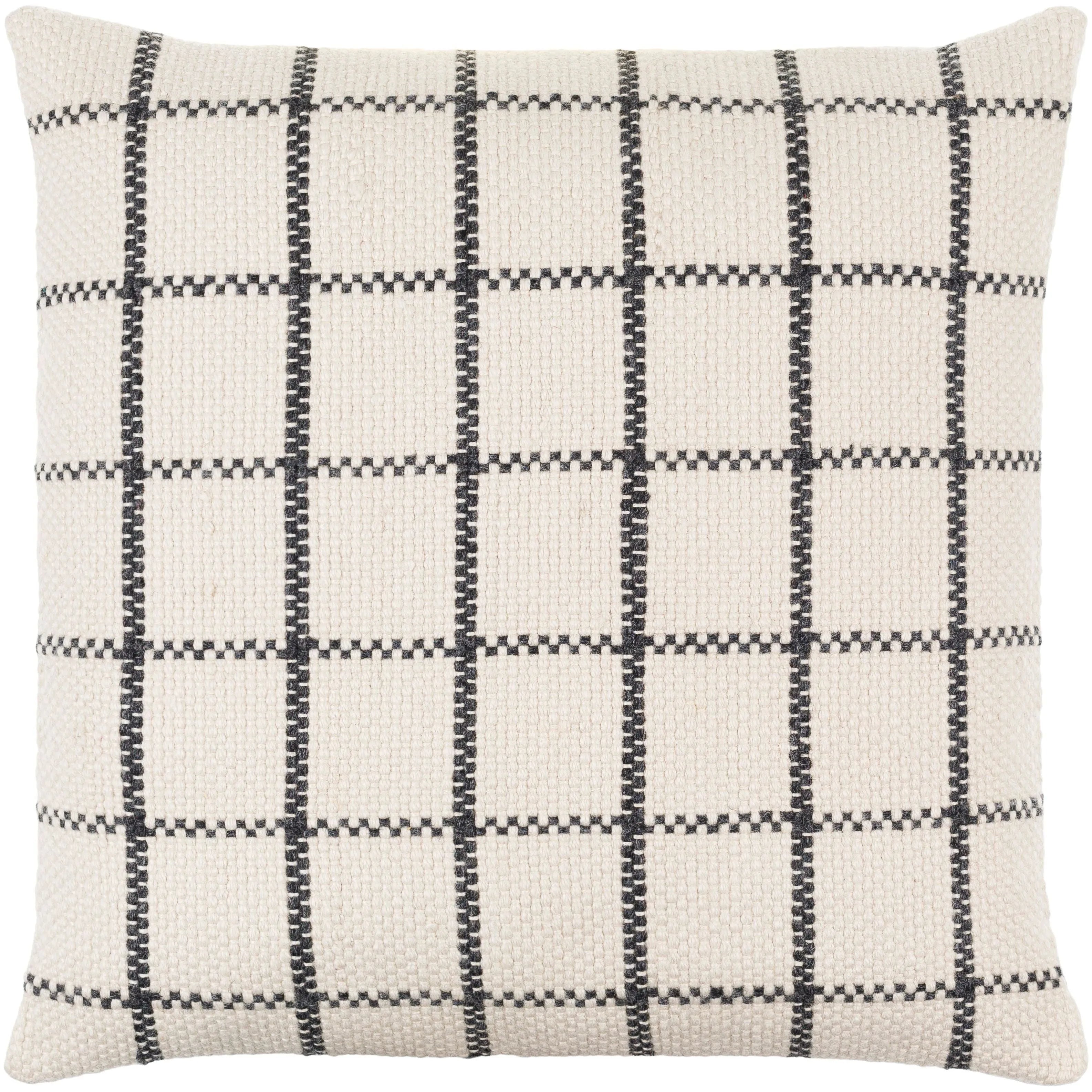
Transitional pillows use fabric, velvet, cotton, and linen in neutral and warm tonal palettes with subtle pattern work — small geometric weaves, tone-on-tone texture, simple striped borders, and soft damask — to add finishing warmth to sofas, chairs, and beds in mixed-style interiors. These pillows avoid both the bold pattern of traditional fabric and the stark minimalism of contemporary textile in favour of the broad middle ground where most homes actually live.
For a transitional sofa arrangement, combine pillows in two or three complementary fabric weights in the same warm neutral palette — a smooth velvet beside a linen weave beside a subtle geometric — in shades of cream, warm grey, soft blue, or sage green. Sizes 20 by 20 and 22 by 22 suit most sofas. Add a 14 by 22 lumbar for a front layer that completes the arrangement without visual weight.
We carry transitional pillows from Elk Lighting, Progress Lighting, Maxim Lighting, and Hinkley Lighting. All priced in Canadian dollars with free shipping on orders over $199.
Transitional Pillow FAQs
How many pillows should I use on a transitional sofa?
For a standard 84-inch sofa, four to five pillows in two or three sizes creates the right balance — two 22-inch squares in the back corners, two 20-inch squares in front of those, and one lumbar centered at the front. For a 72-inch sofa, three to four pillows. Transitional arrangements favour a finished, considered look rather than a maximally full one — the goal is warmth and comfort, not volume.
What colors work best for transitional pillows?
Cream, warm white, warm grey, soft blue, sage green, taupe, dusty rose, and soft gold are the most broadly transitional pillow colors. These are warm rather than cool, and muted rather than saturated — the same principle that defines transitional lighting finishes. Avoid bright colors, strongly contrasting patterns, and very dark tones that push the arrangement too far toward either traditional formality or contemporary boldness.
Can I mix pillow fabrics on a transitional sofa?
Yes — mixing two or three complementary fabric weights in the same color palette is the standard transitional approach. A smooth velvet beside a linen weave beside a subtle jacquard creates tactile variety without visual chaos. The key is staying within the same warm neutral color family across all three fabrics and keeping the scale of any pattern small enough to read as texture rather than graphic pattern from the sofa's normal viewing distance.
Do you ship transitional pillows across Canada?
Yes — all pillows ship Canada-wide at CAD prices with free shipping on orders over $199. Most in-stock items leave our Montreal warehouse within 1–3 business days.
| Sofa size | Pillow quantity | Sizes |
|---|---|---|
| Loveseat / 2-seat | 2-3 pillows | 20x20 or 22x22 |
| Standard 3-seat sofa | 4-5 pillows | Mix 20x20, 22x22, lumbar |
| Large 3-seat sofa | 5-6 pillows | Mix 22x22, 24x24, lumbar |
| Sectional | 6-8 pillows | Mix 24x24, 22x22, lumbar |
| Bed (queen / king) | 4-6 pillows | Euros + standards + lumbar |