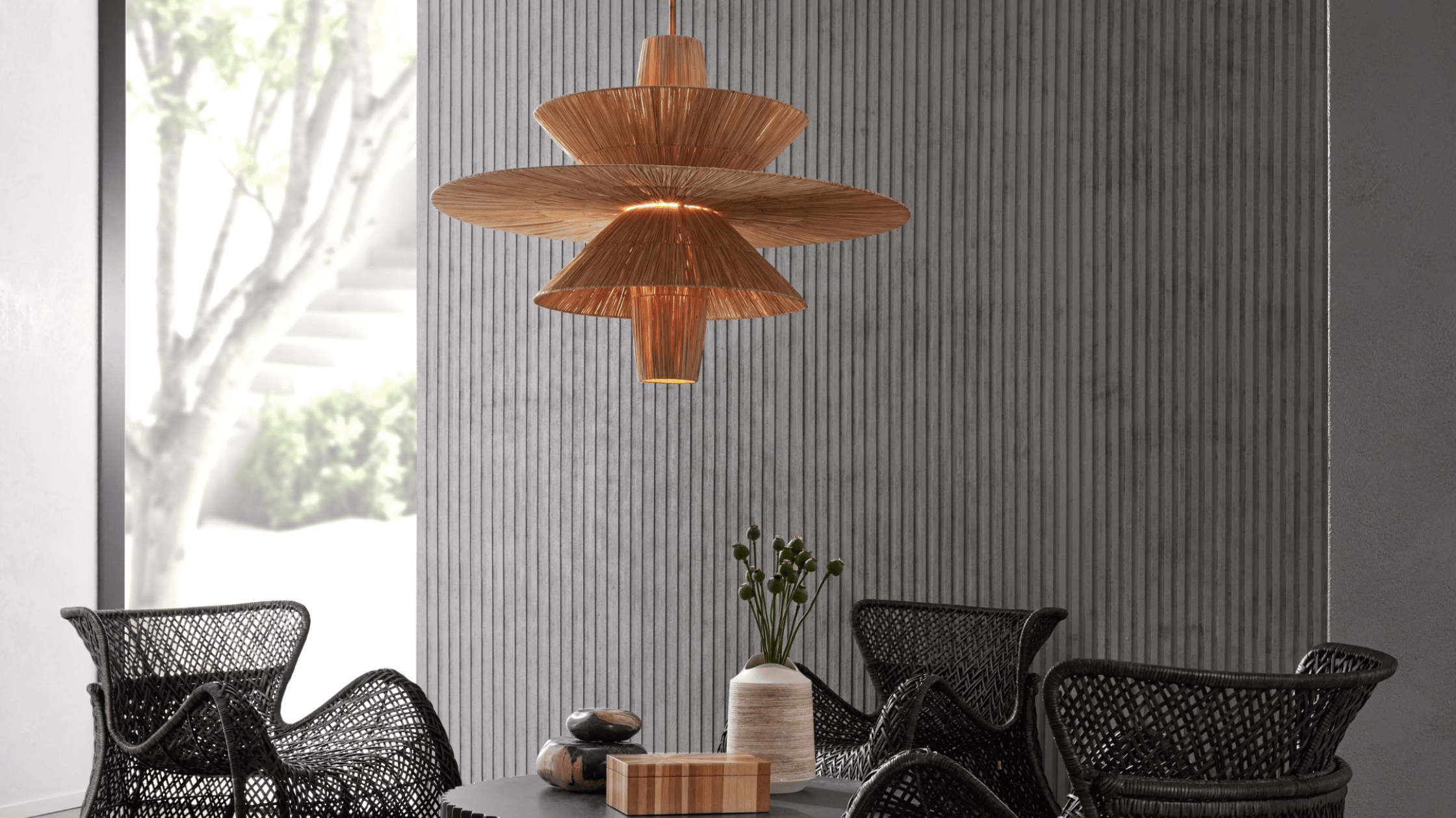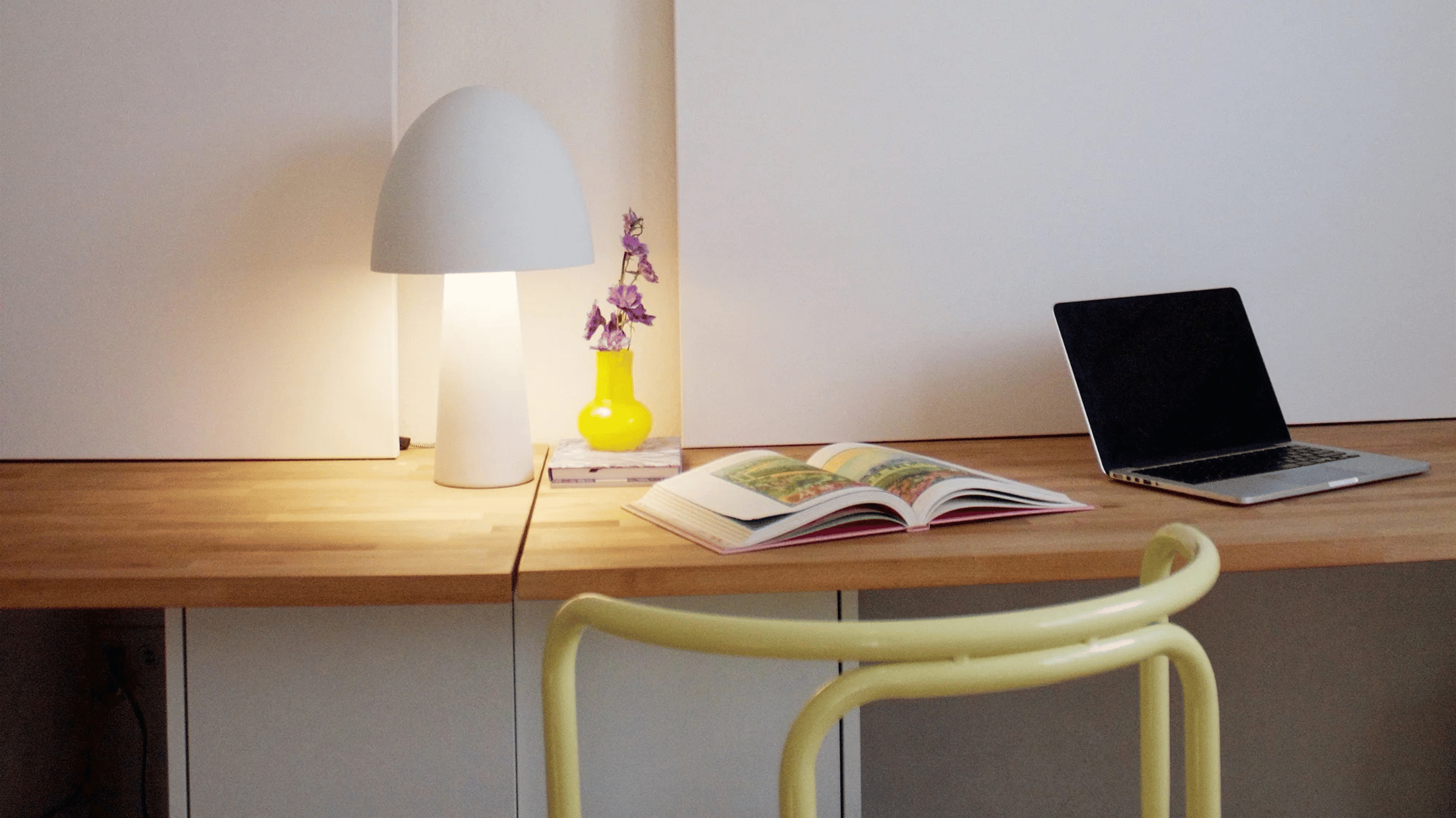

Art Deco Pendants
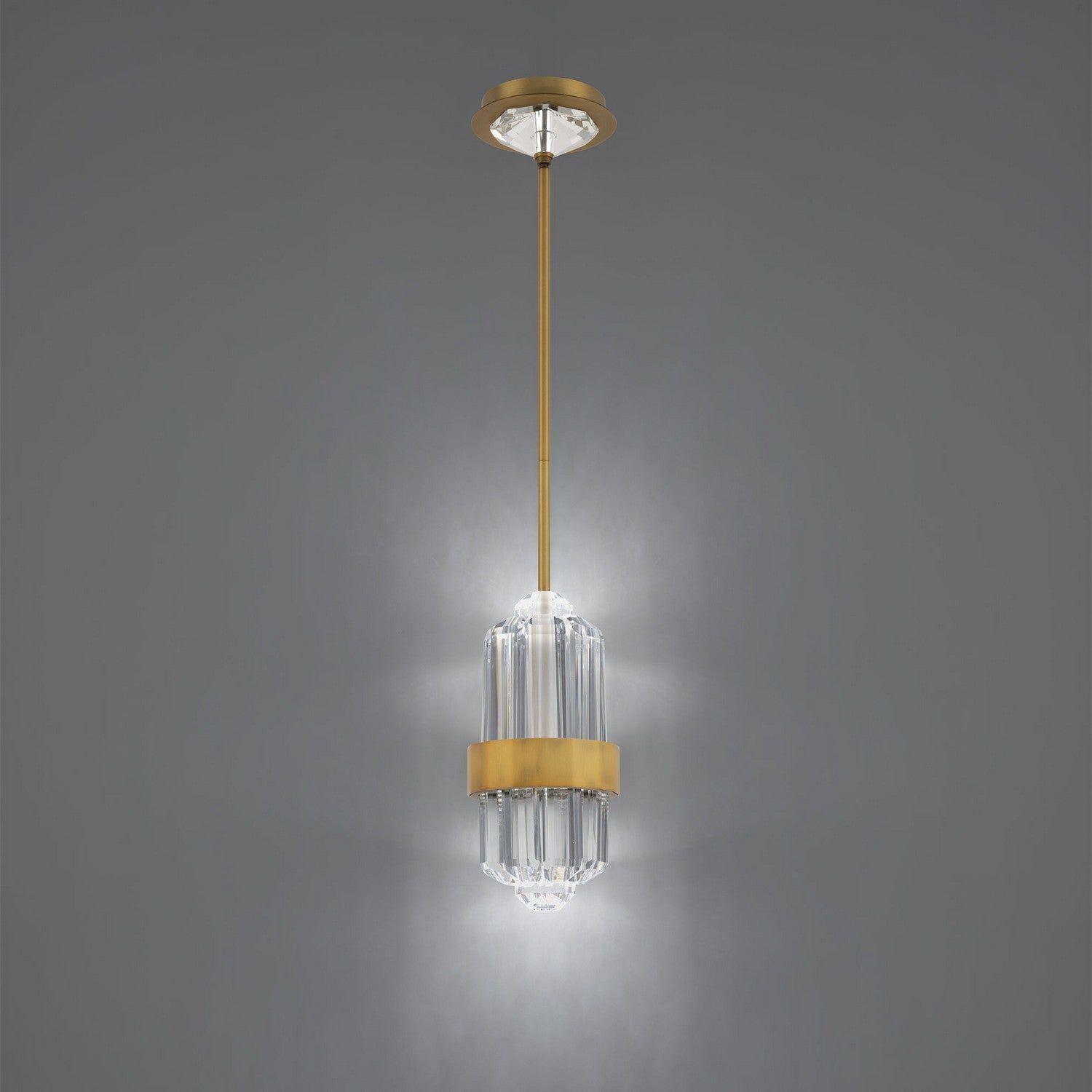
Faceted crystal drops, frosted glass globes, and stepped brass forms for dining rooms and kitchen islands. Shop from Corbett Lighting, Crystorama, Hudson Valley, and more.
Learn more307 products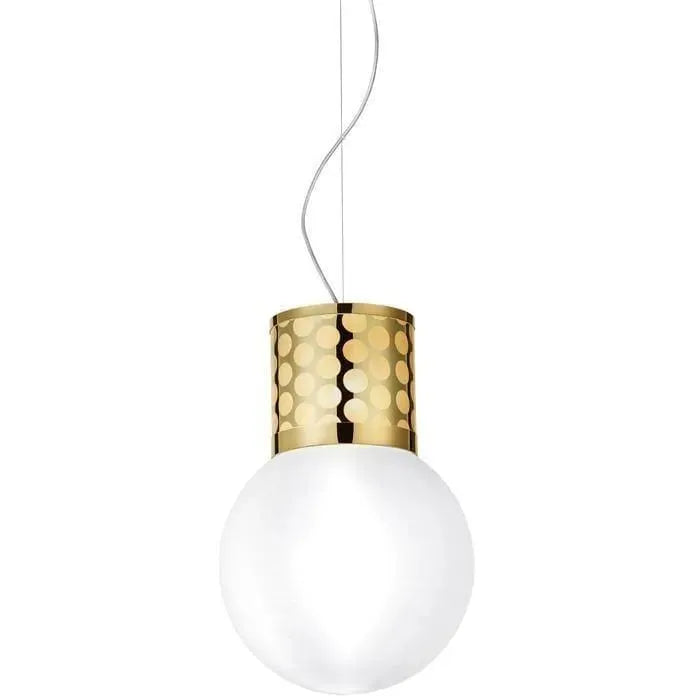
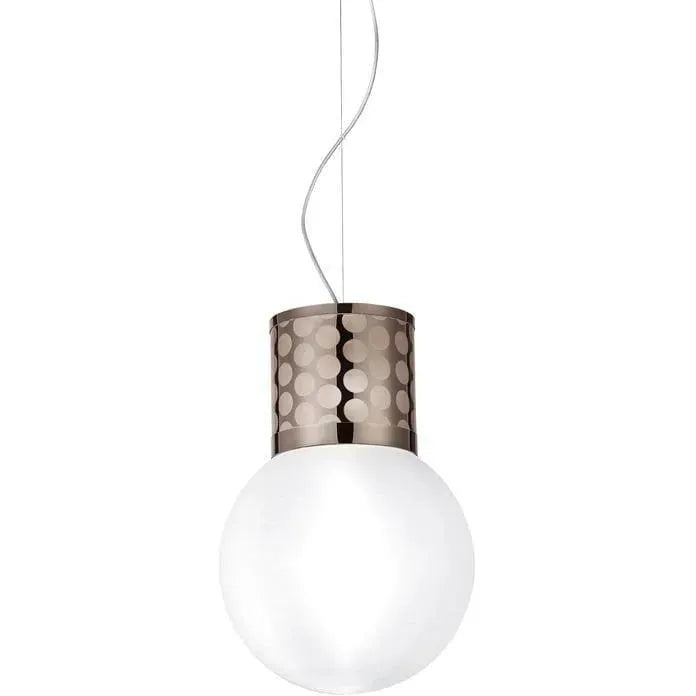
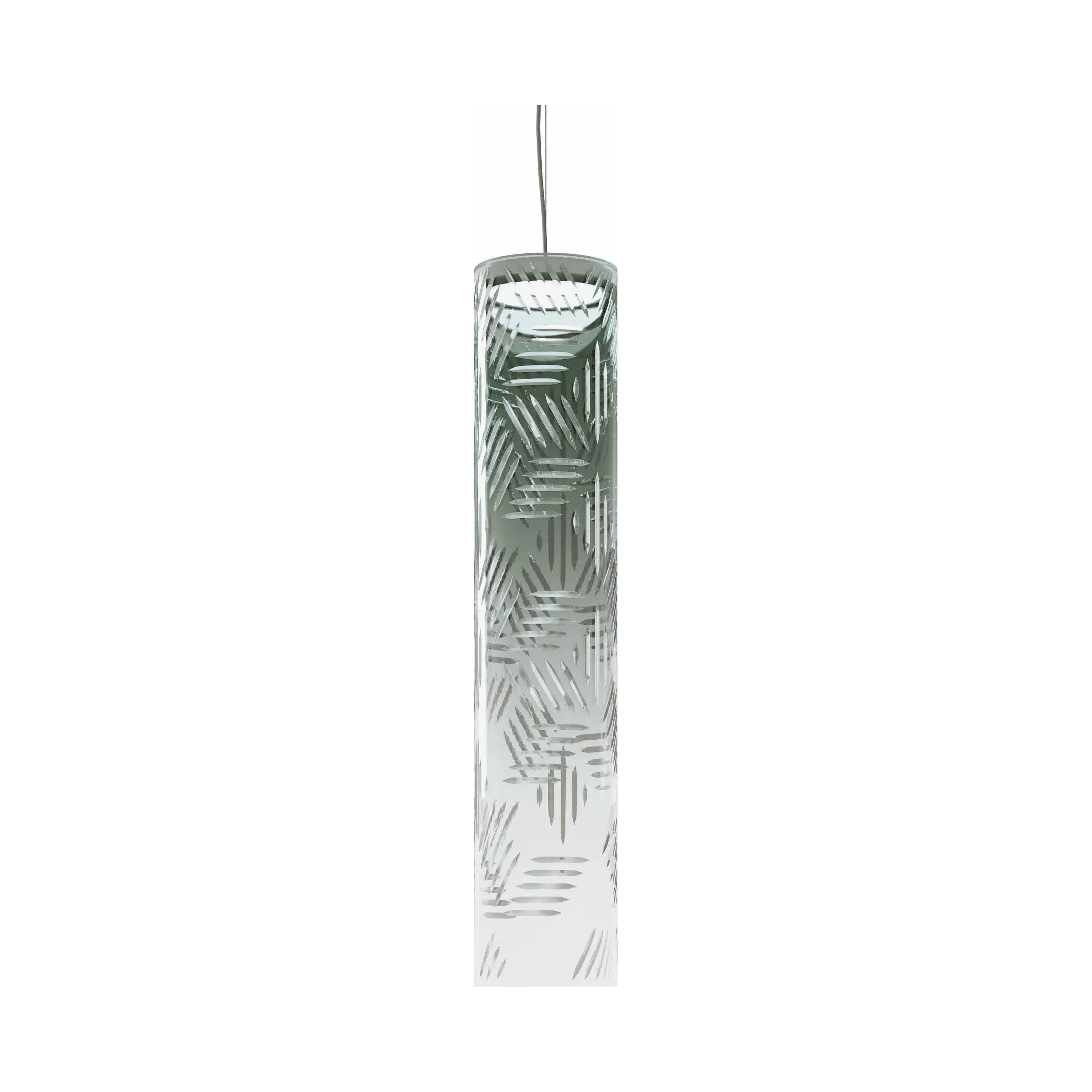
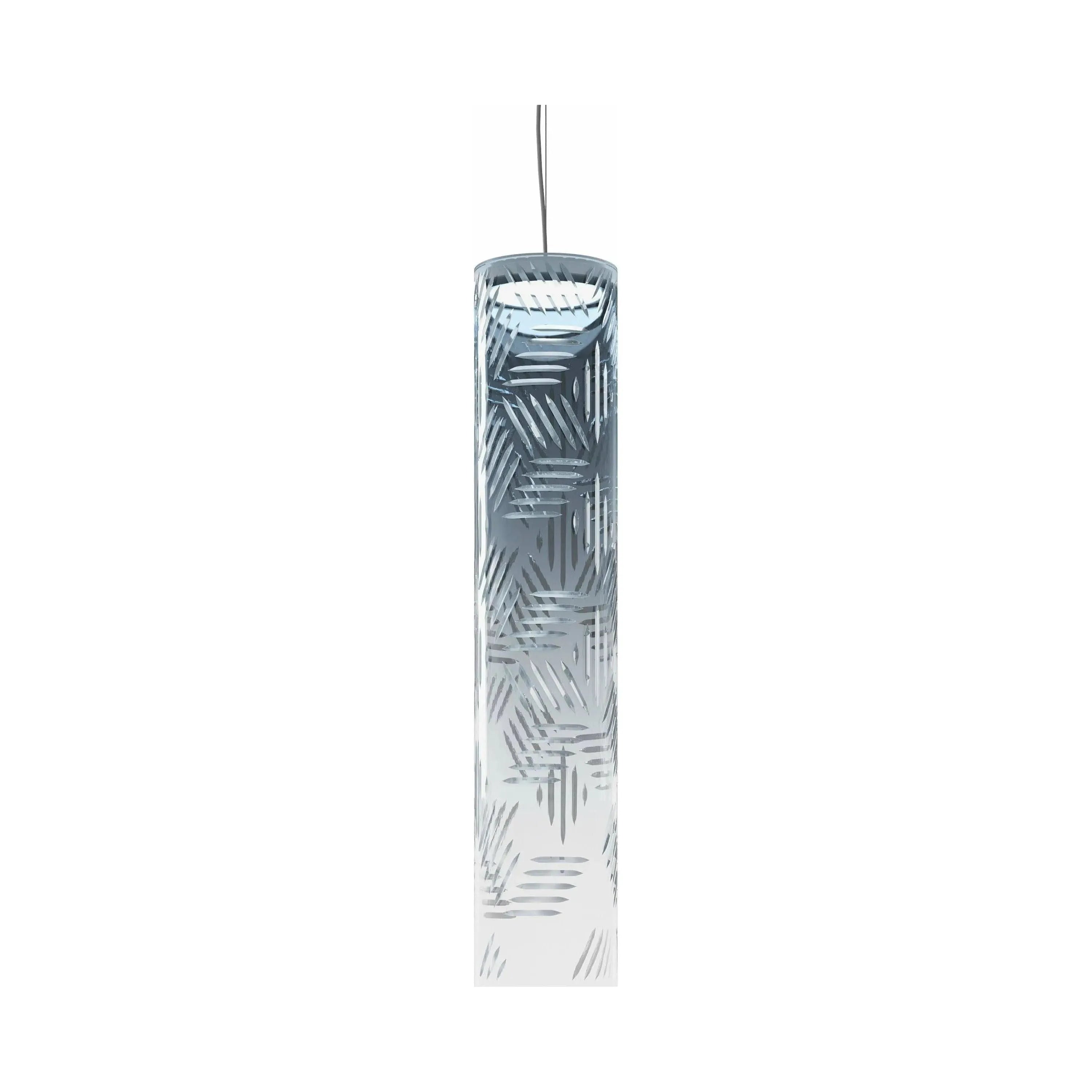
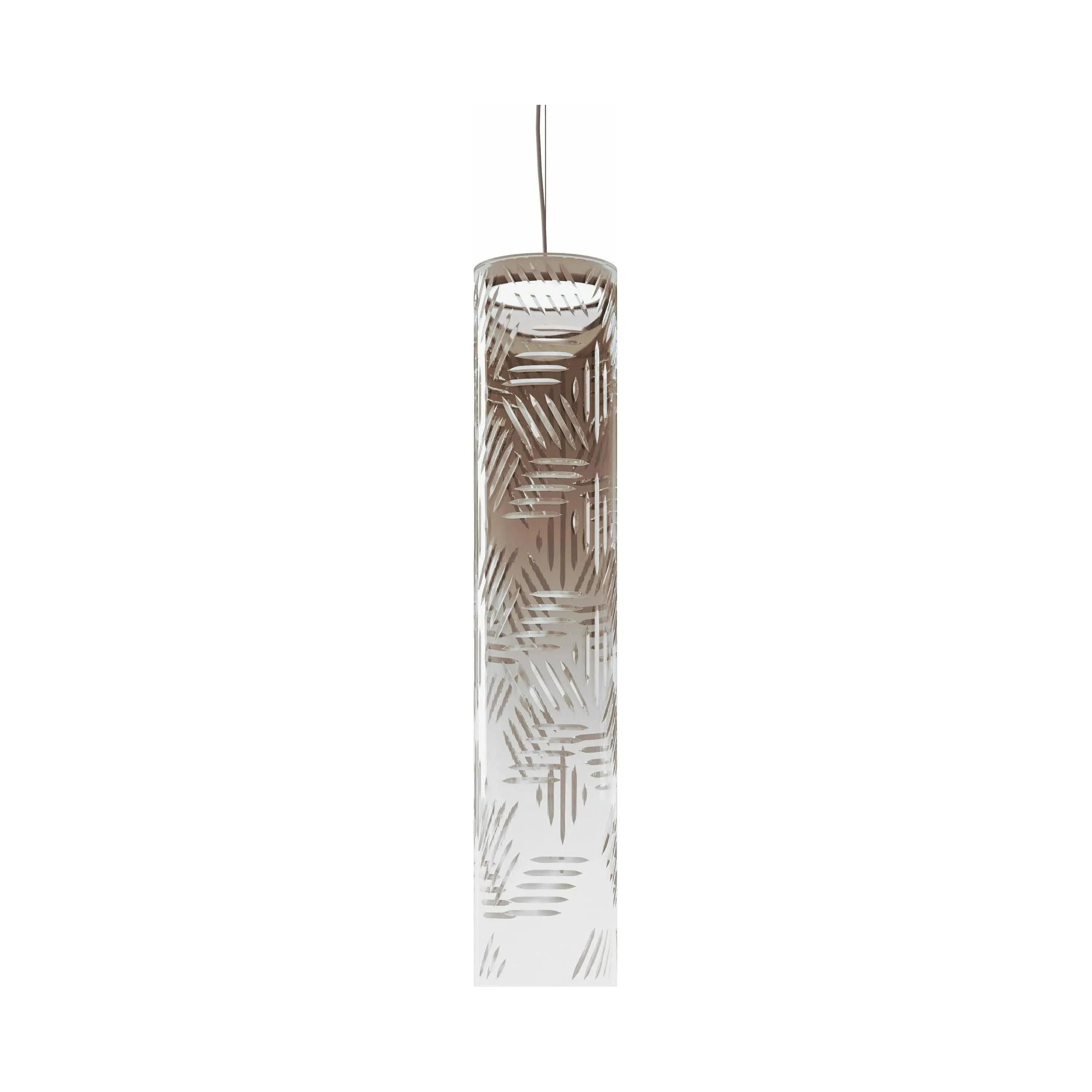
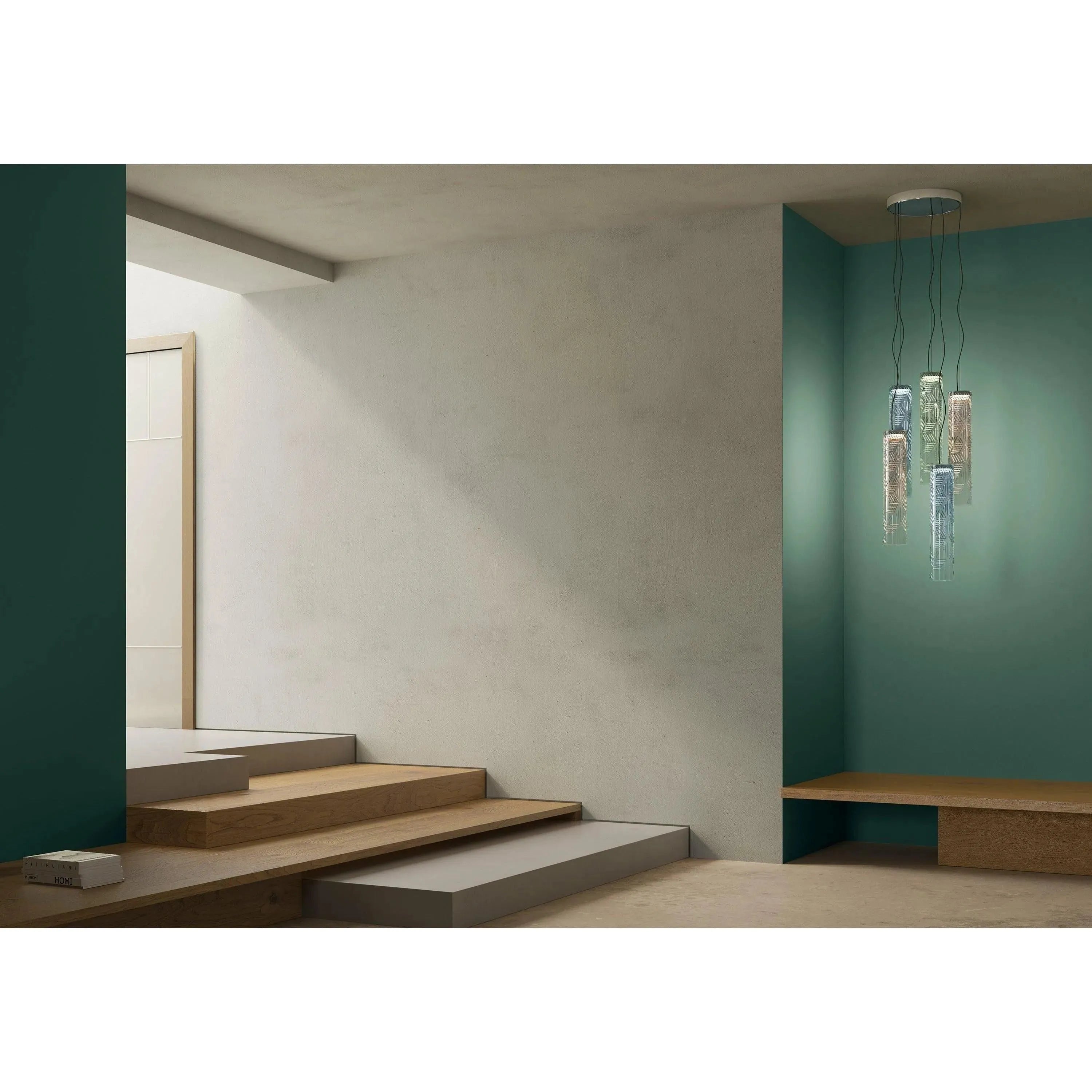
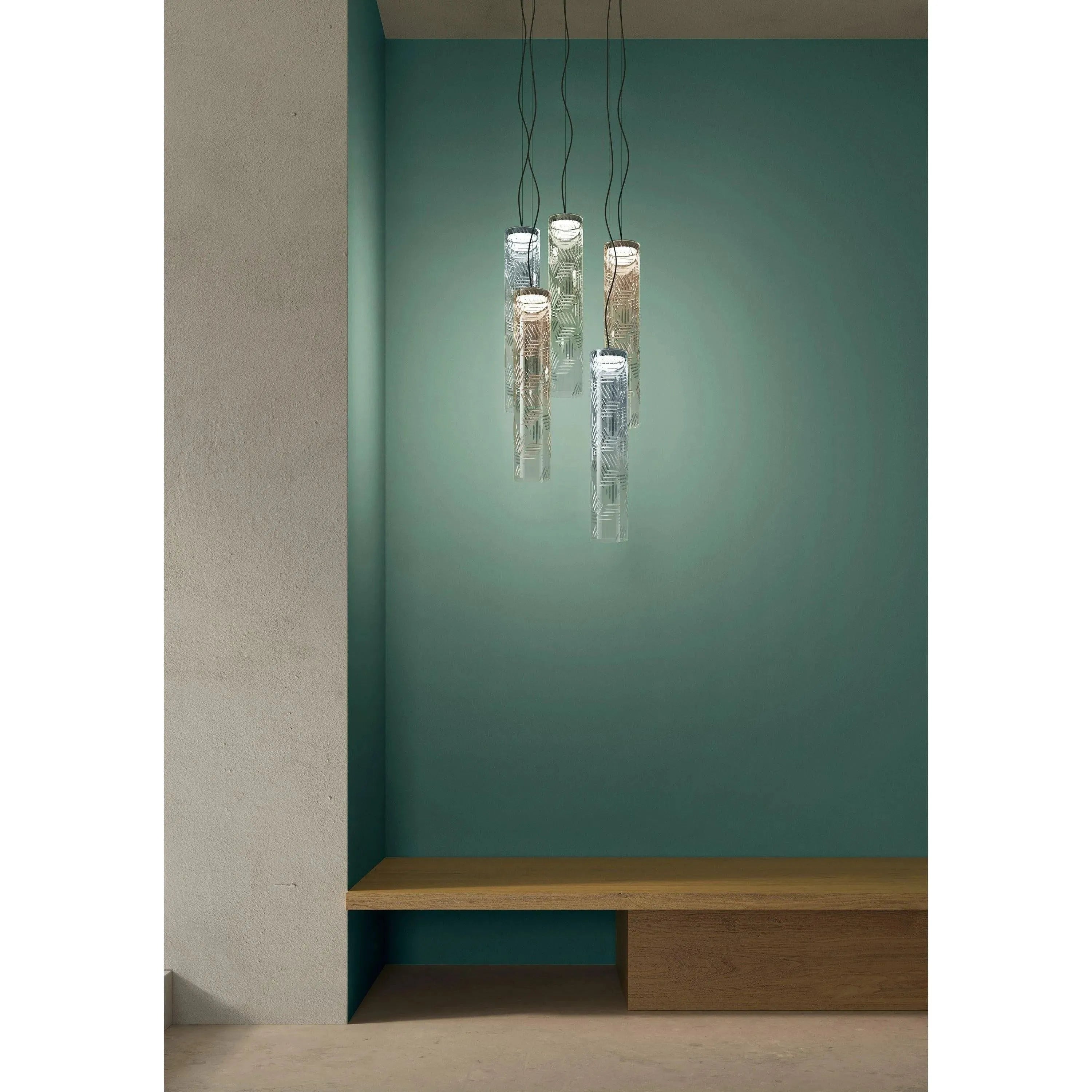
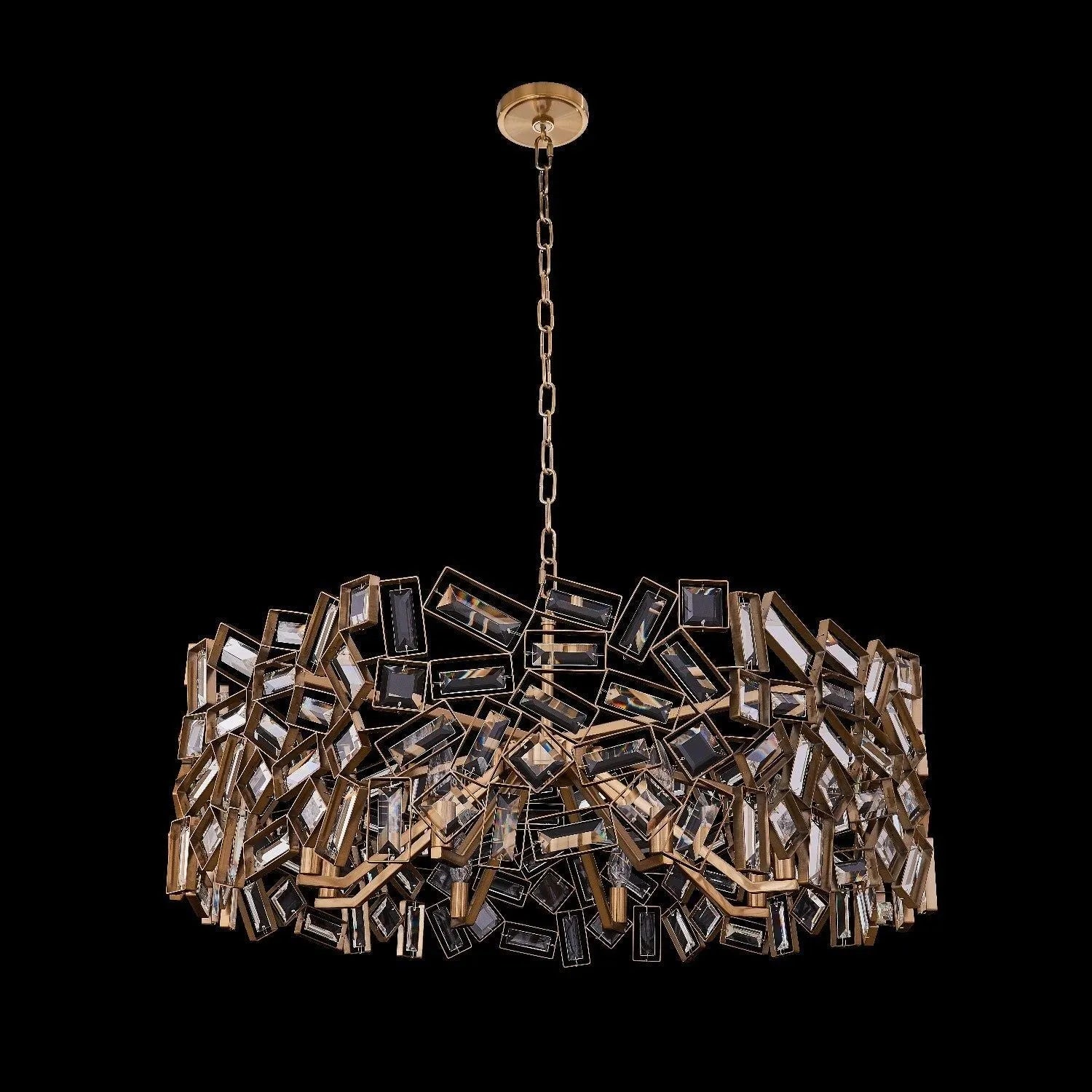
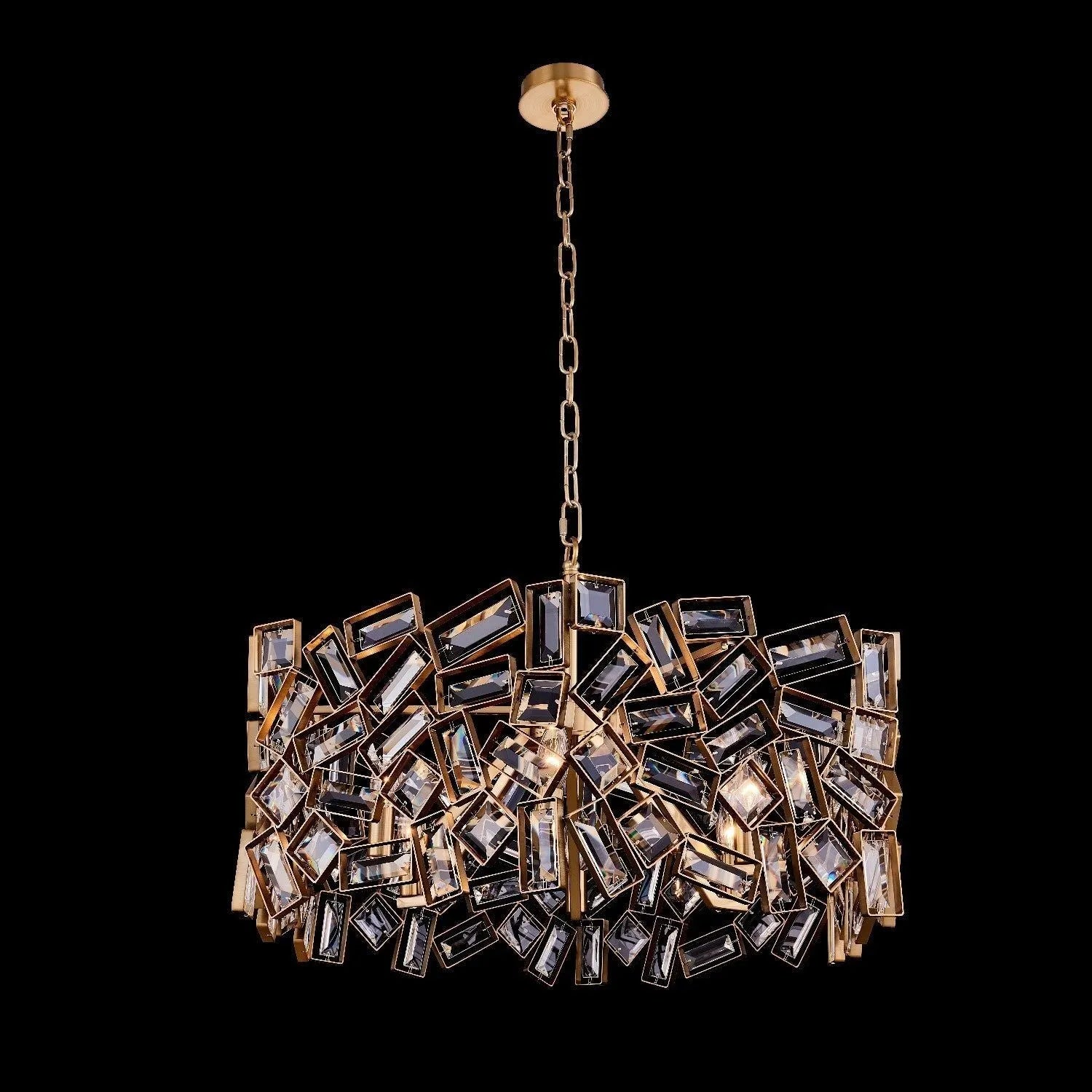
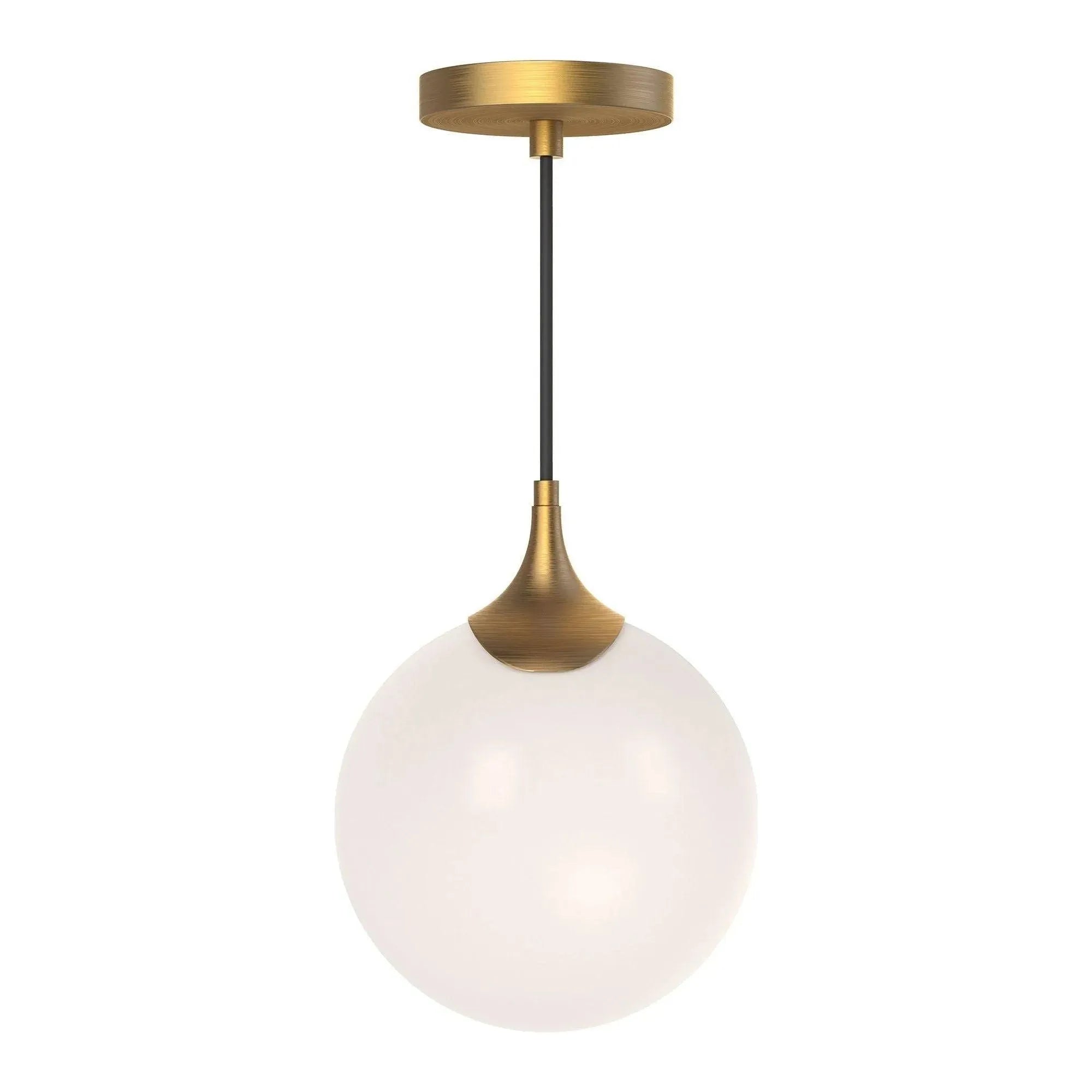
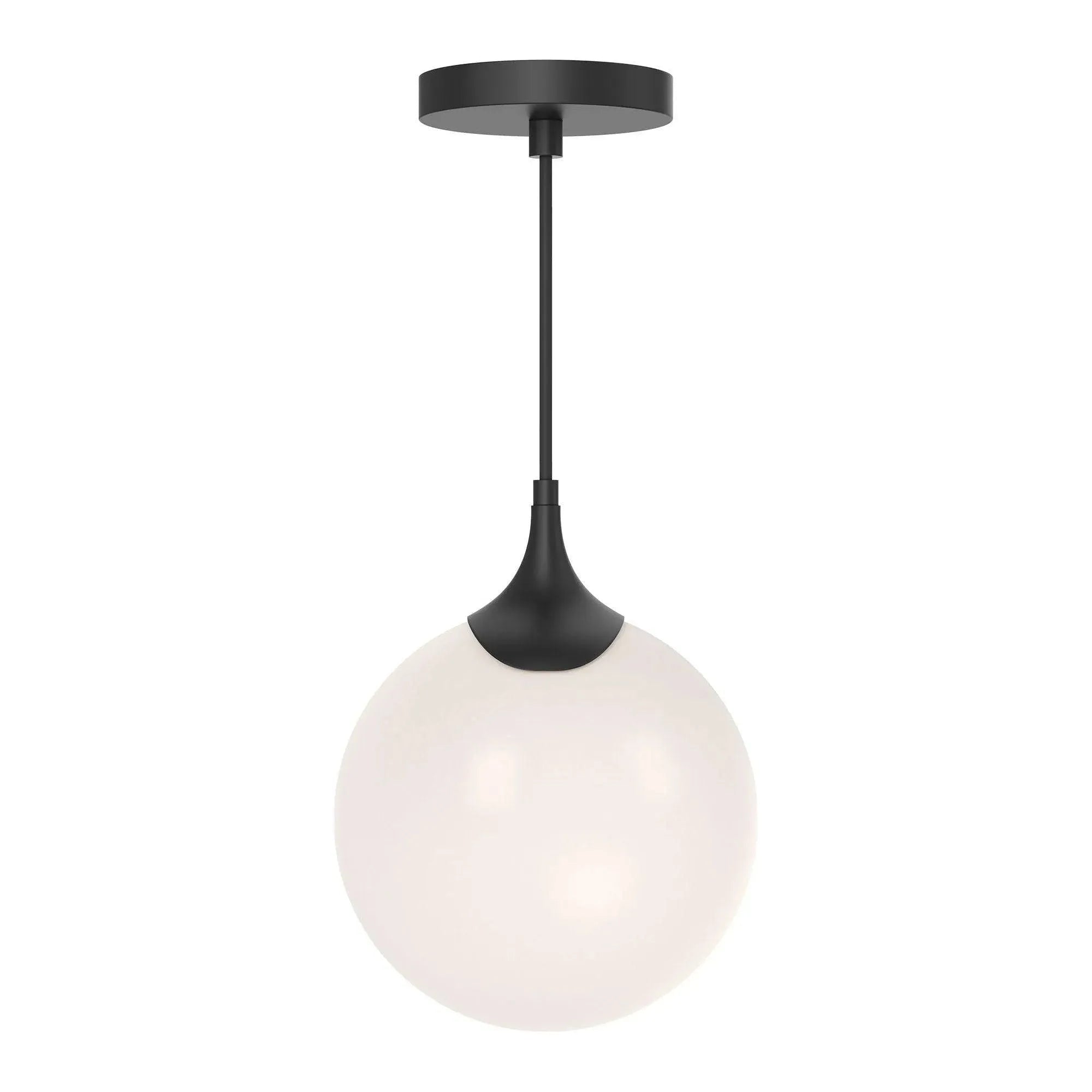
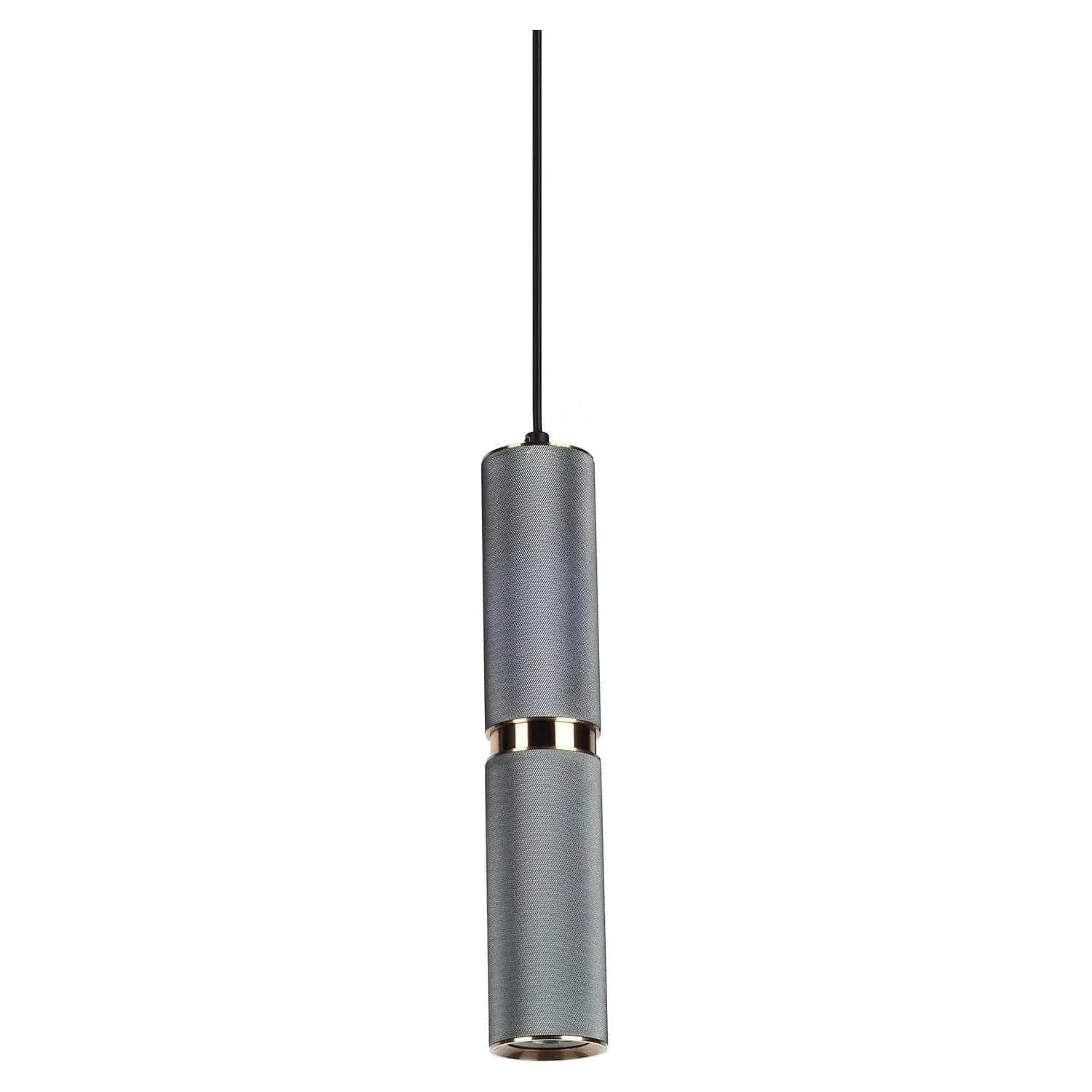
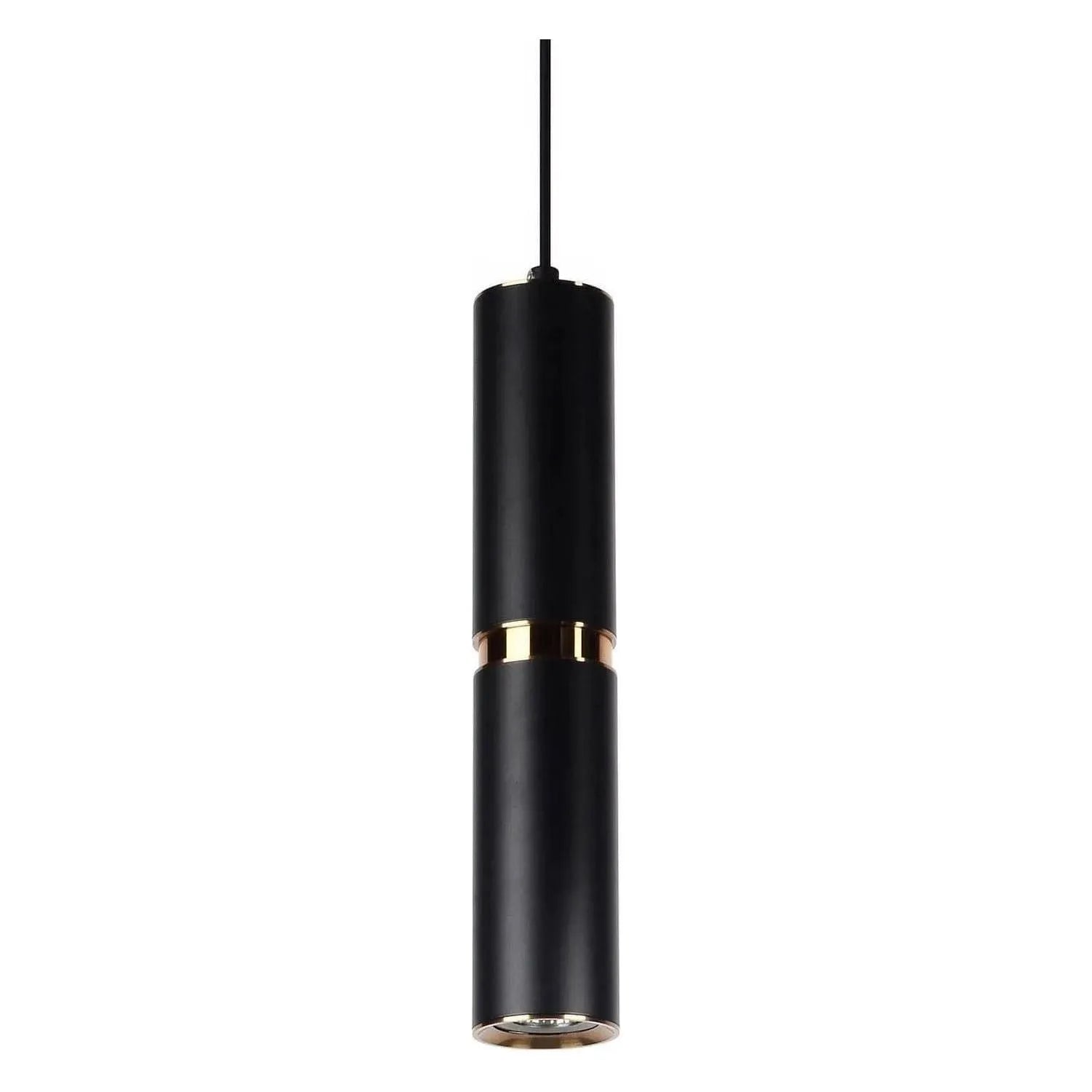
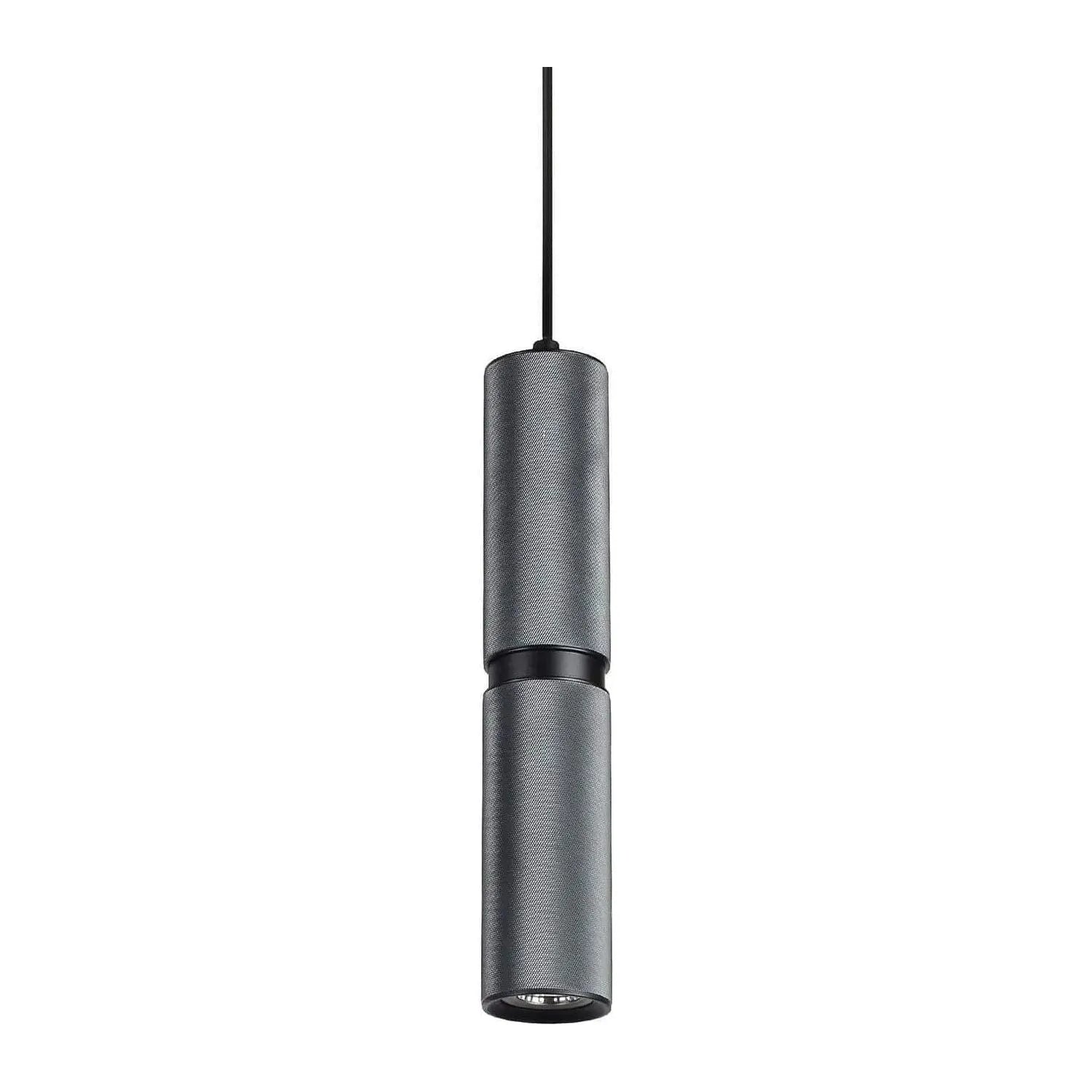

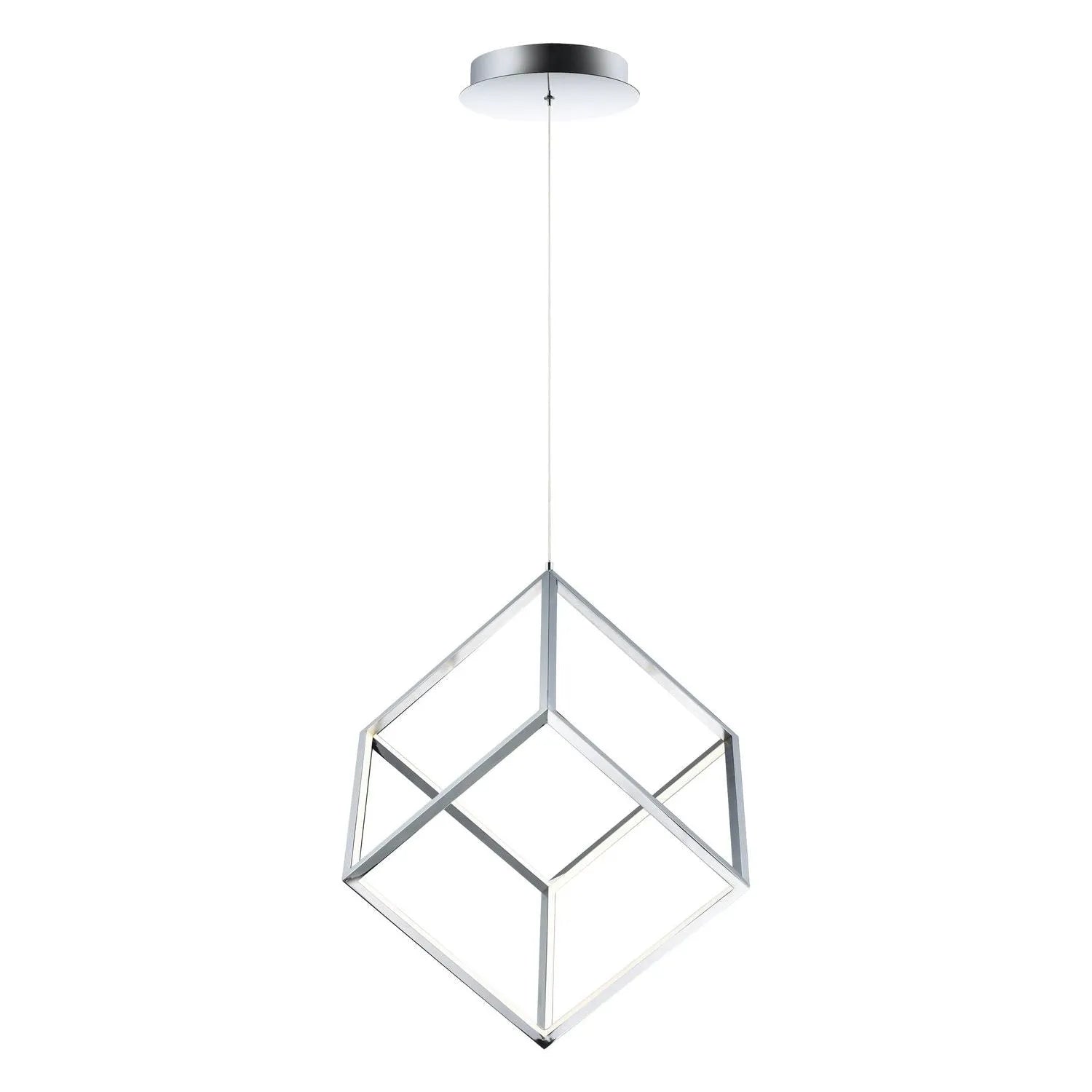
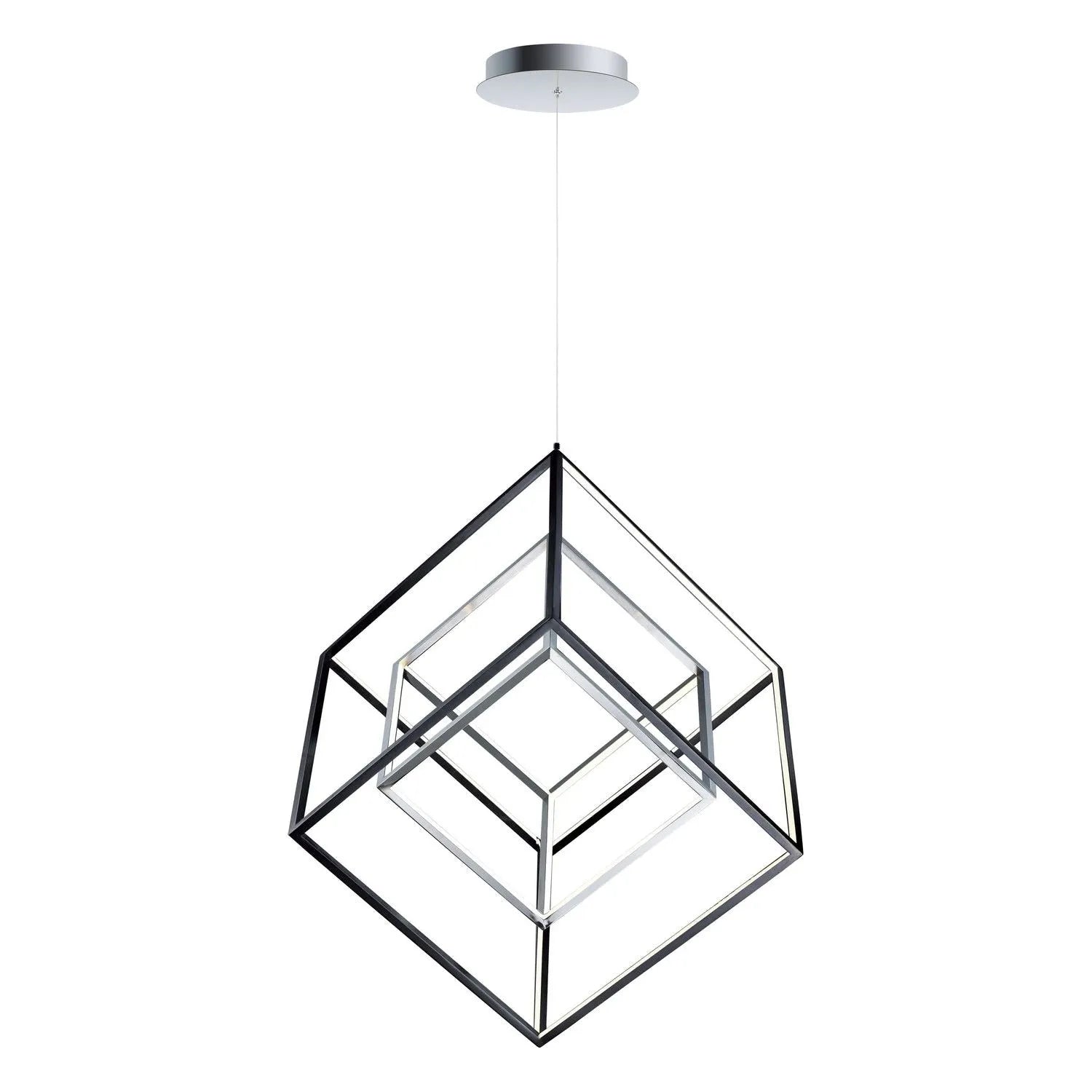

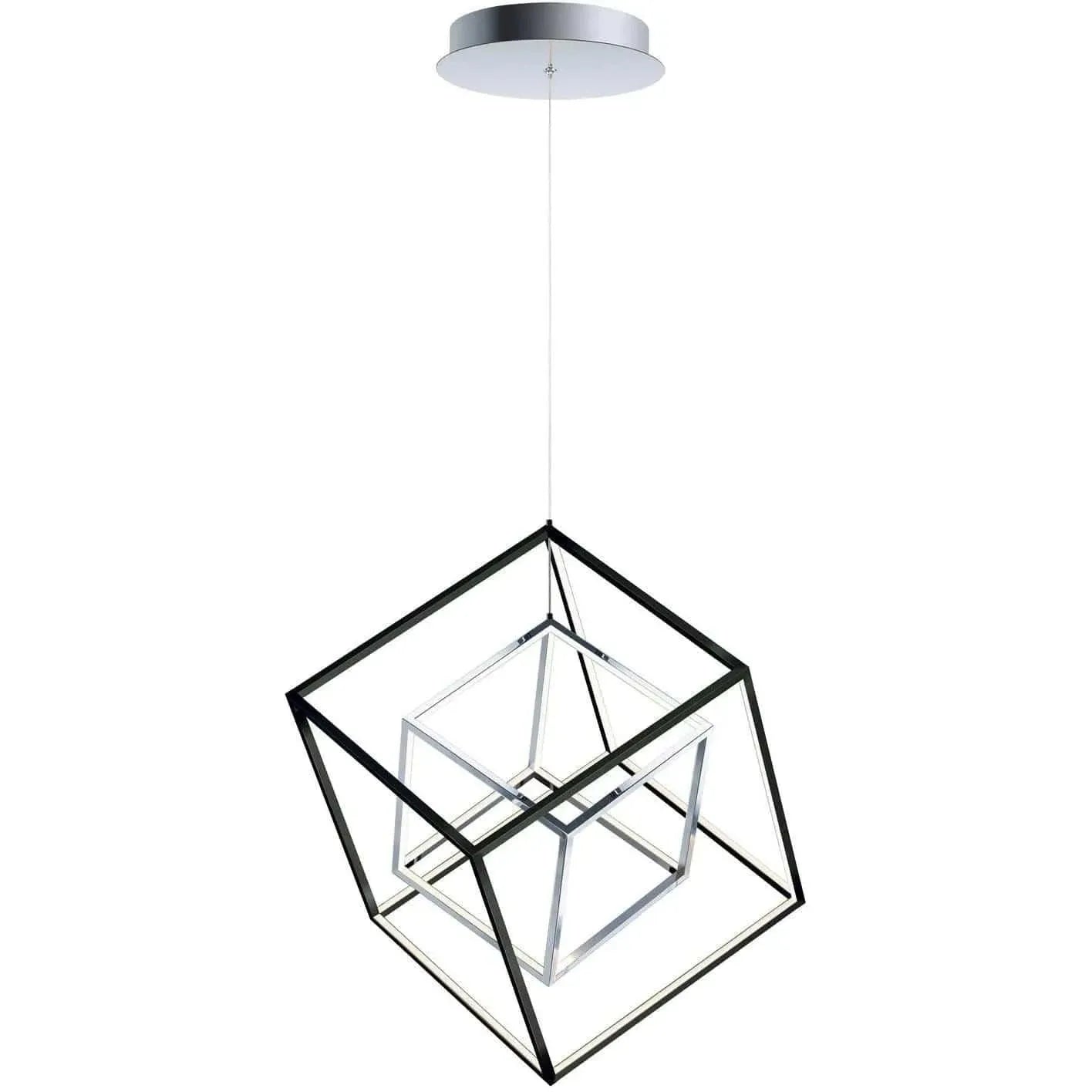
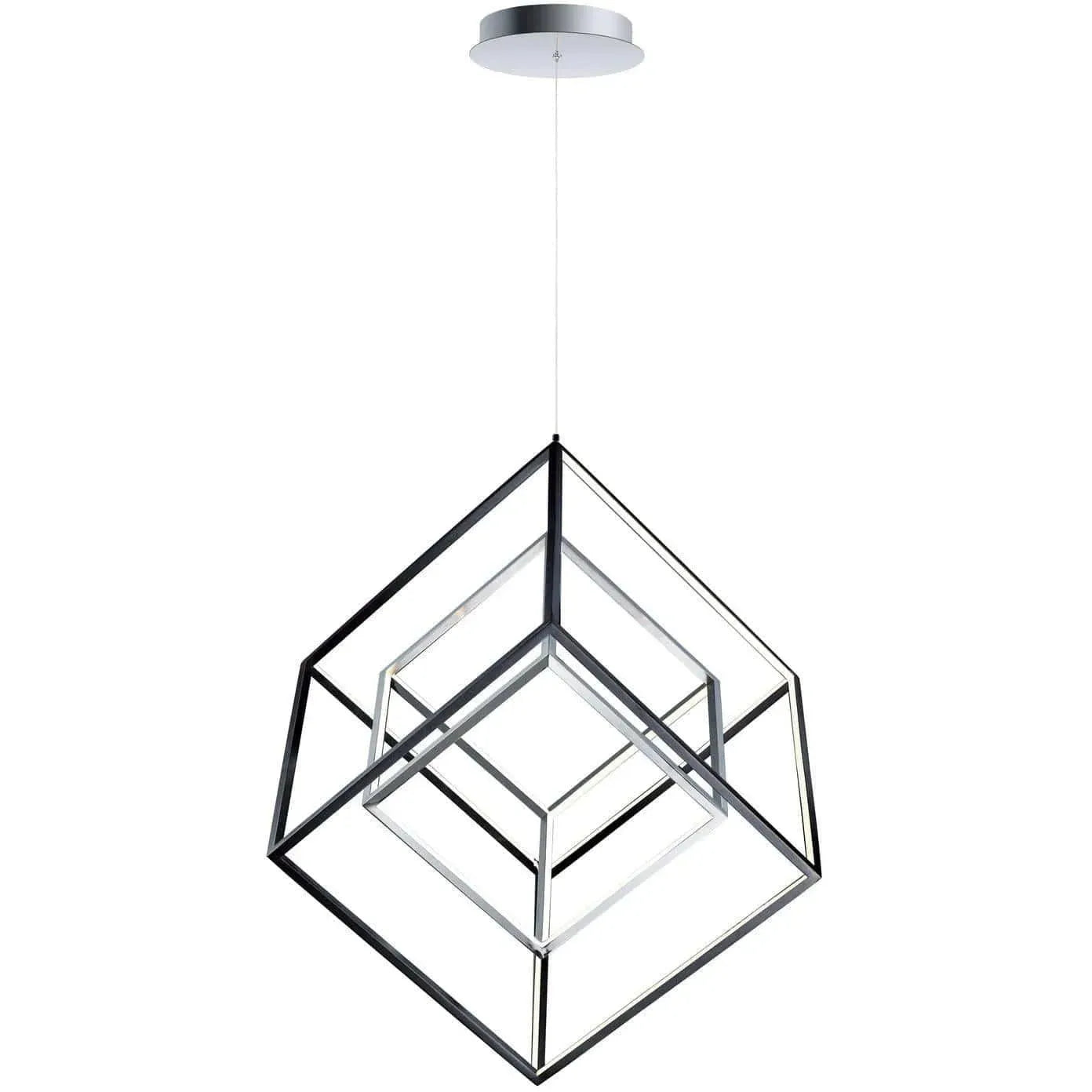
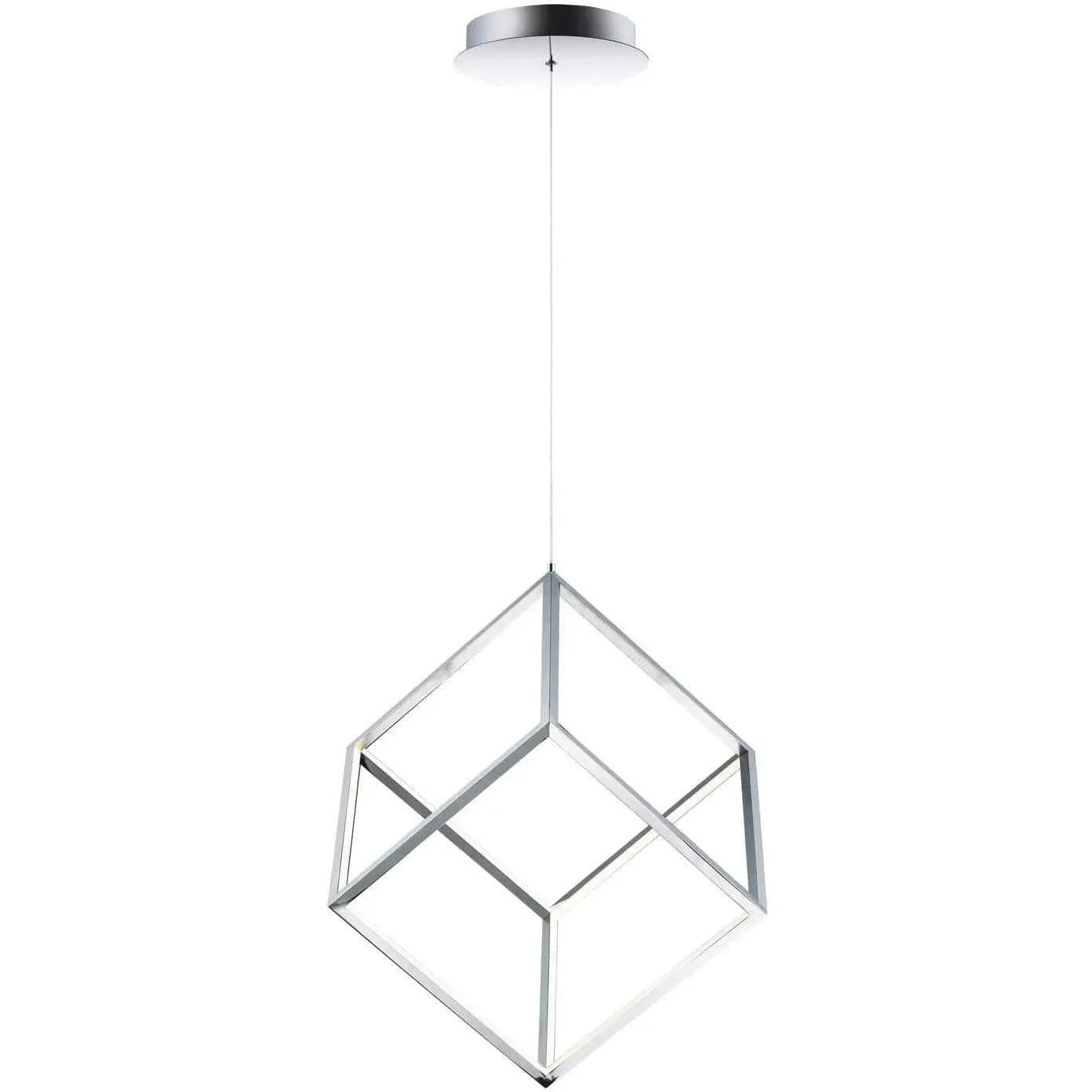
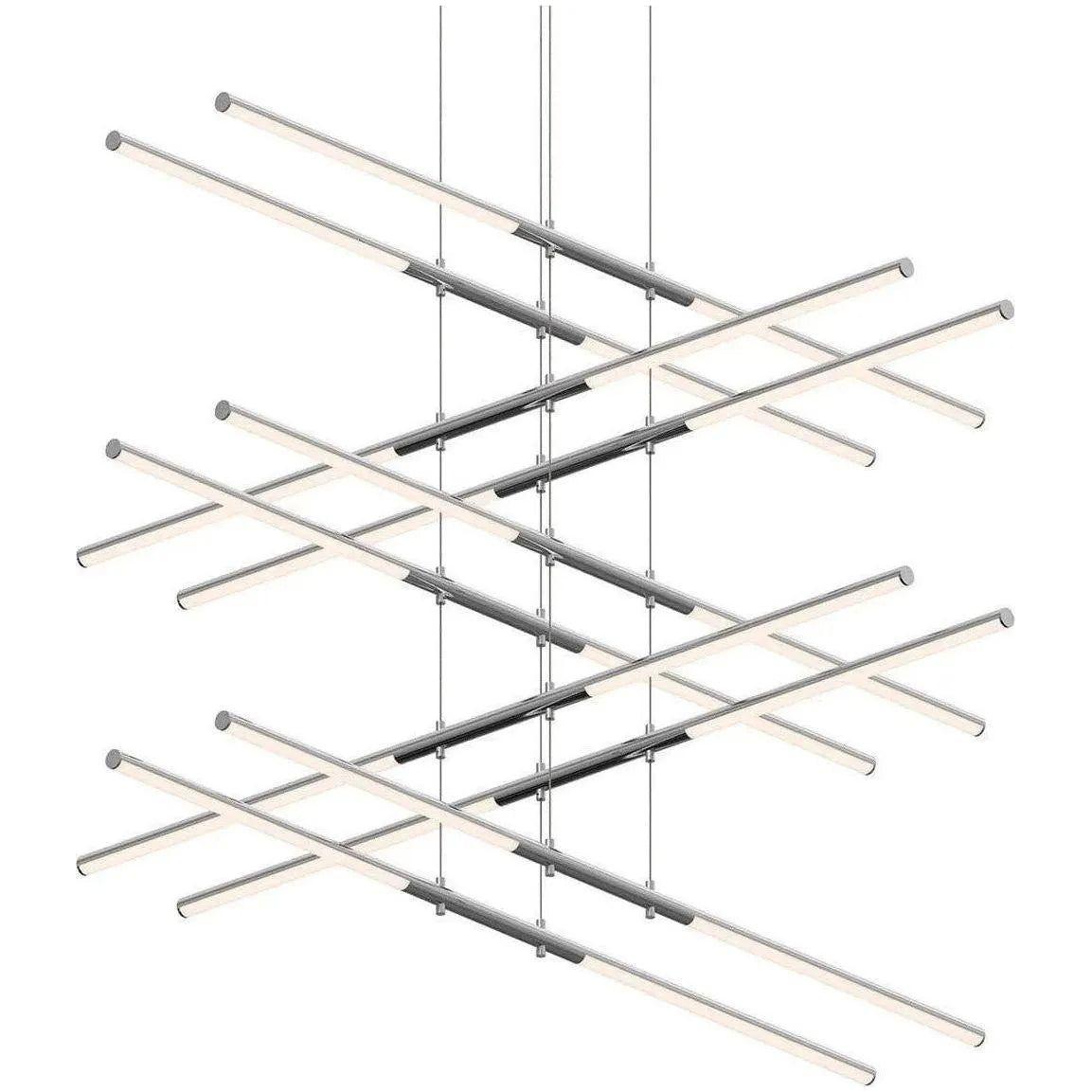
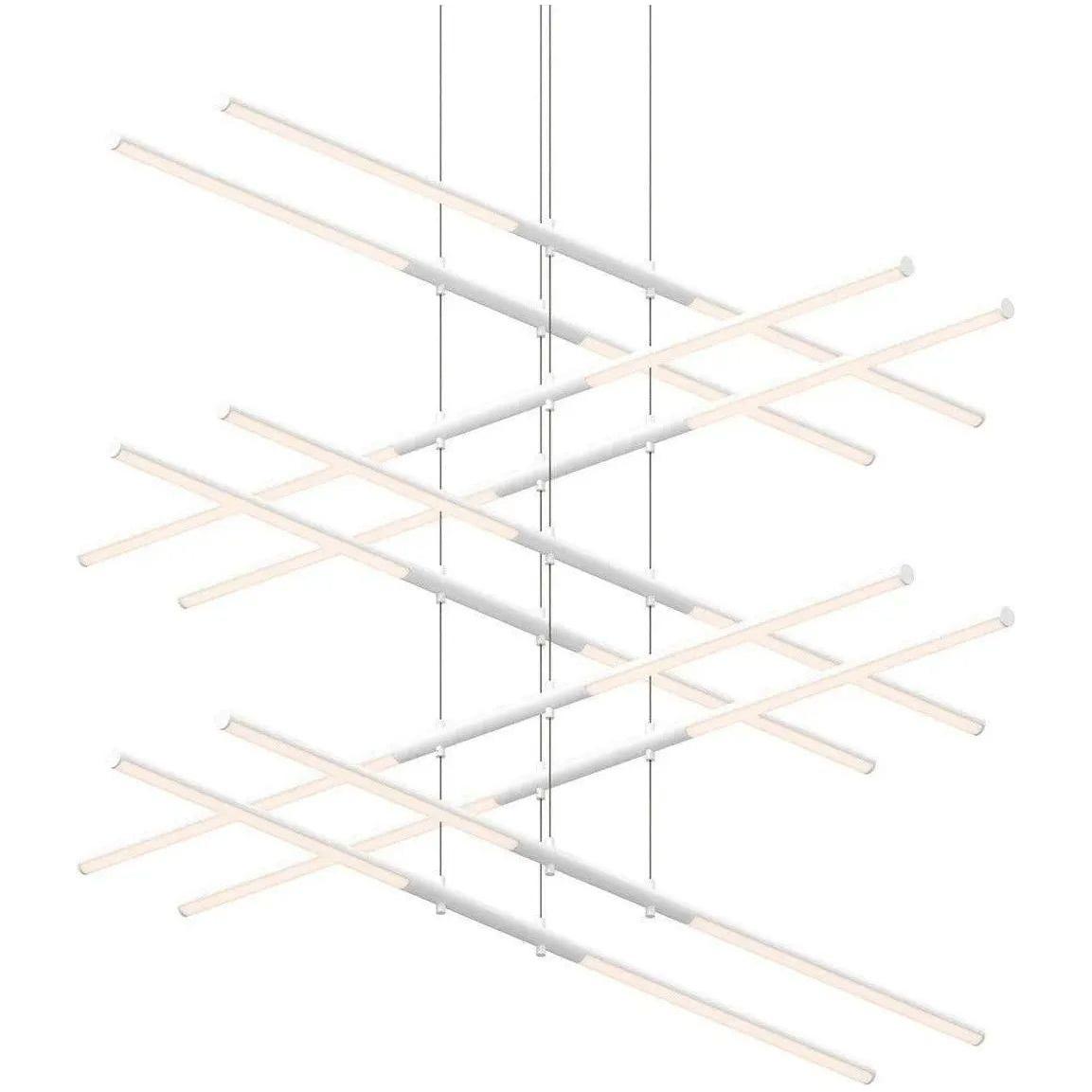

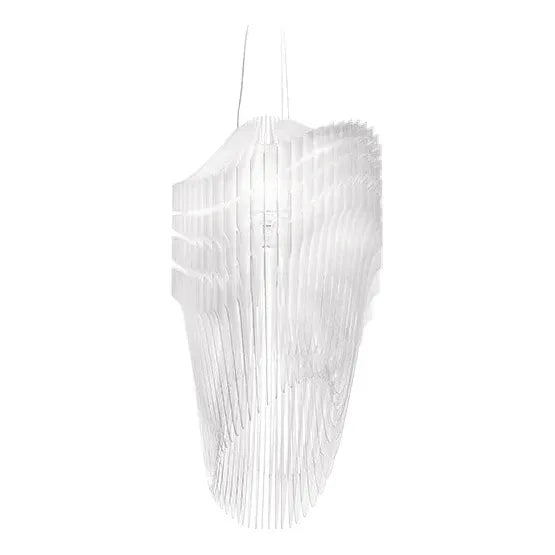
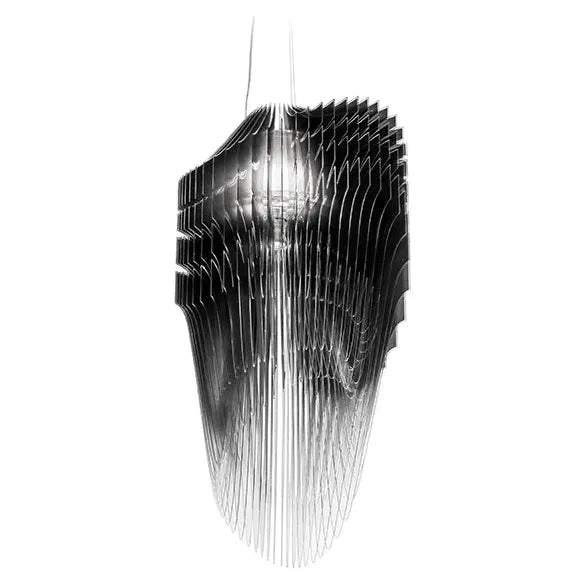
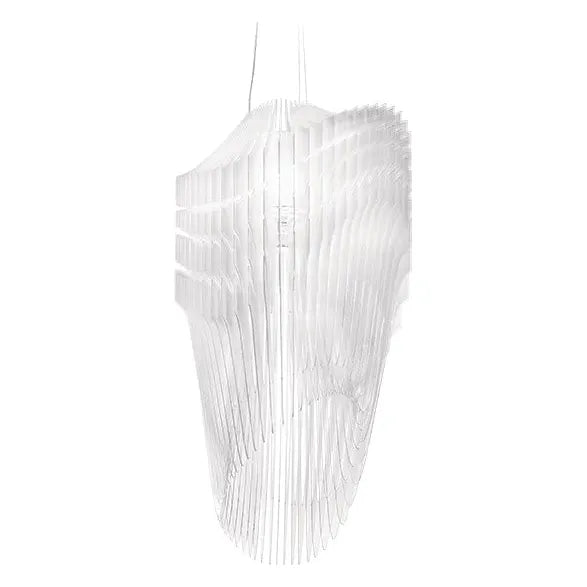

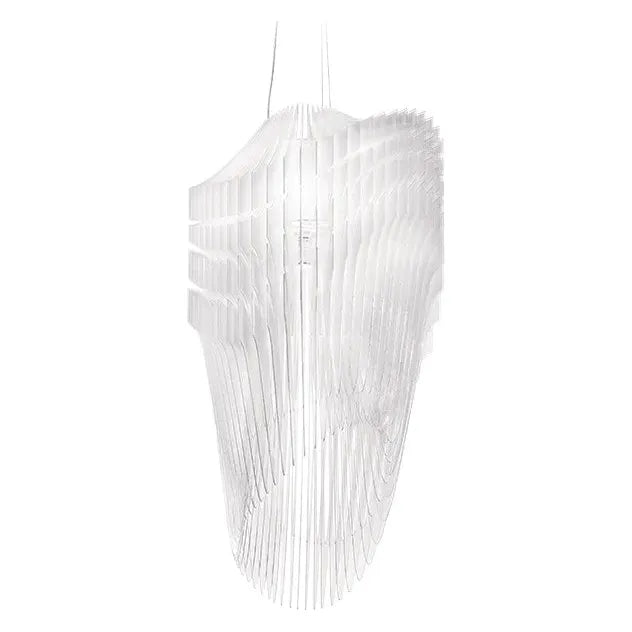


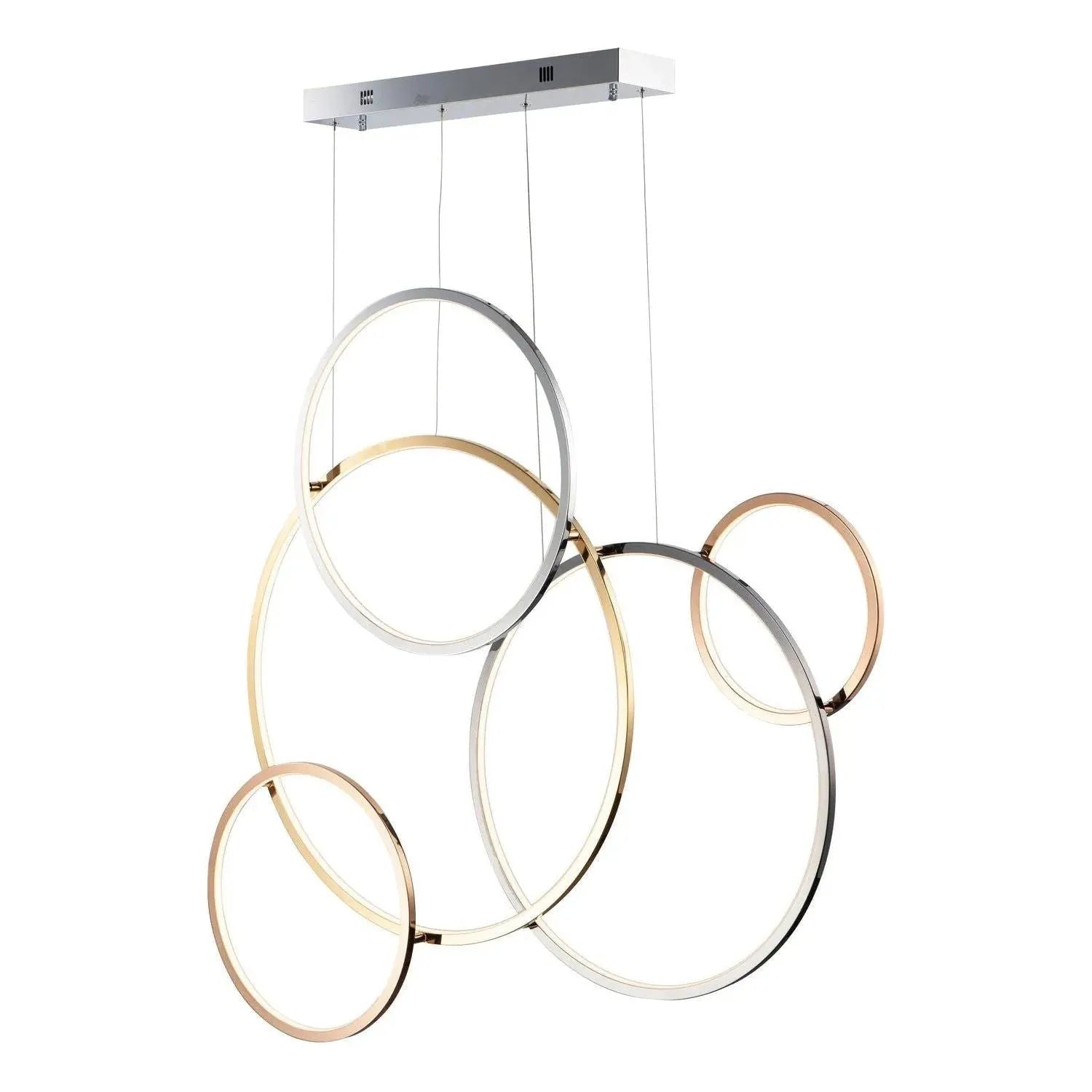


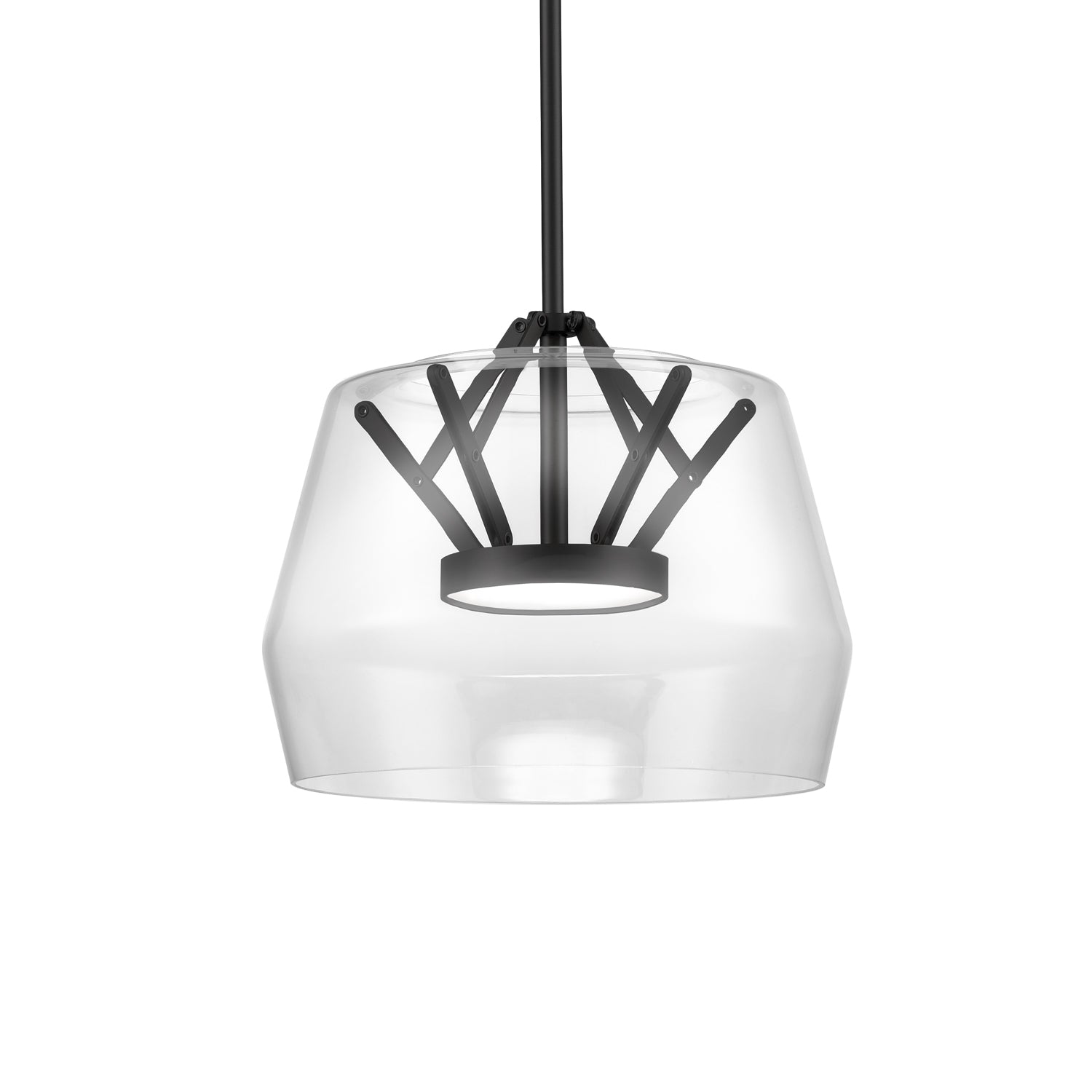
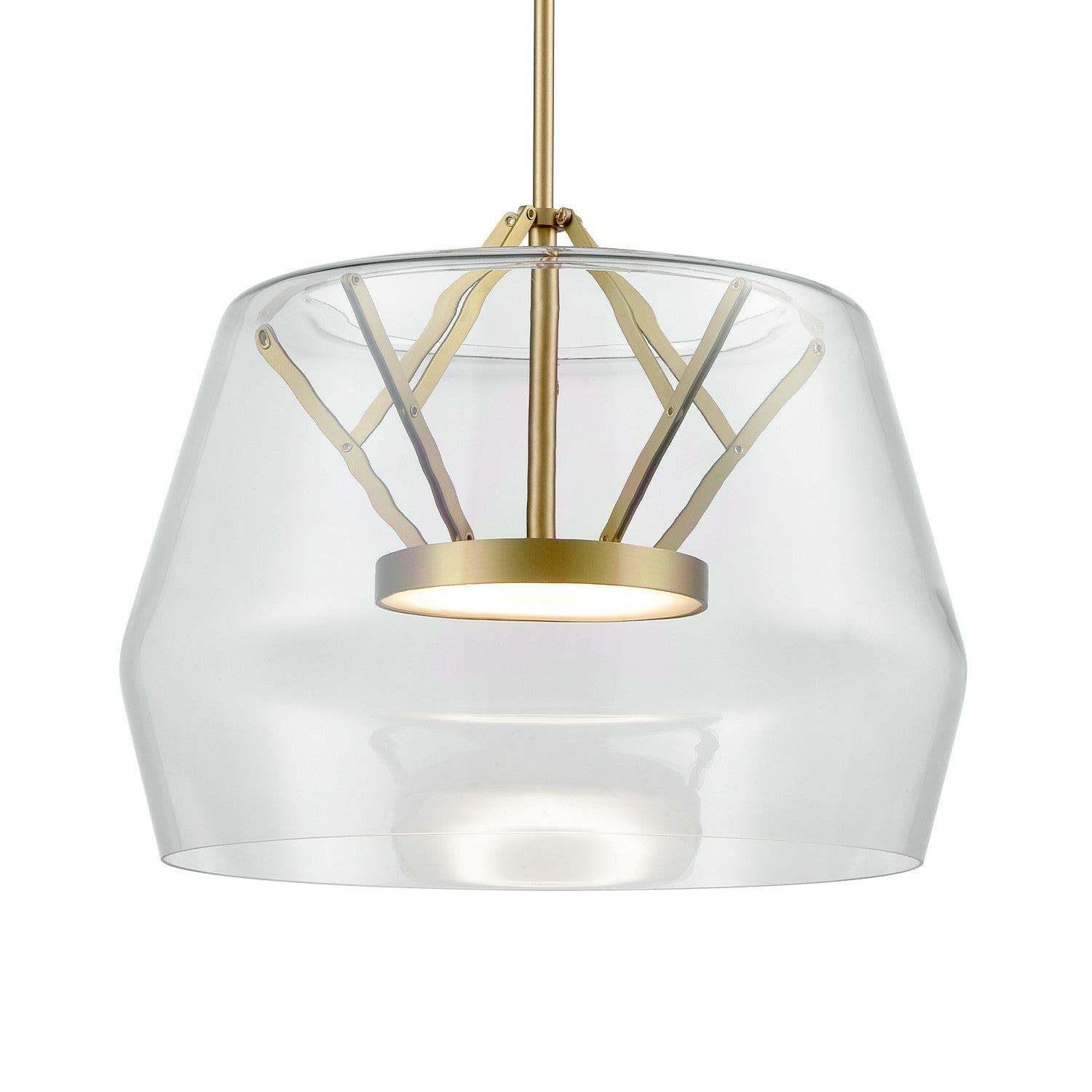
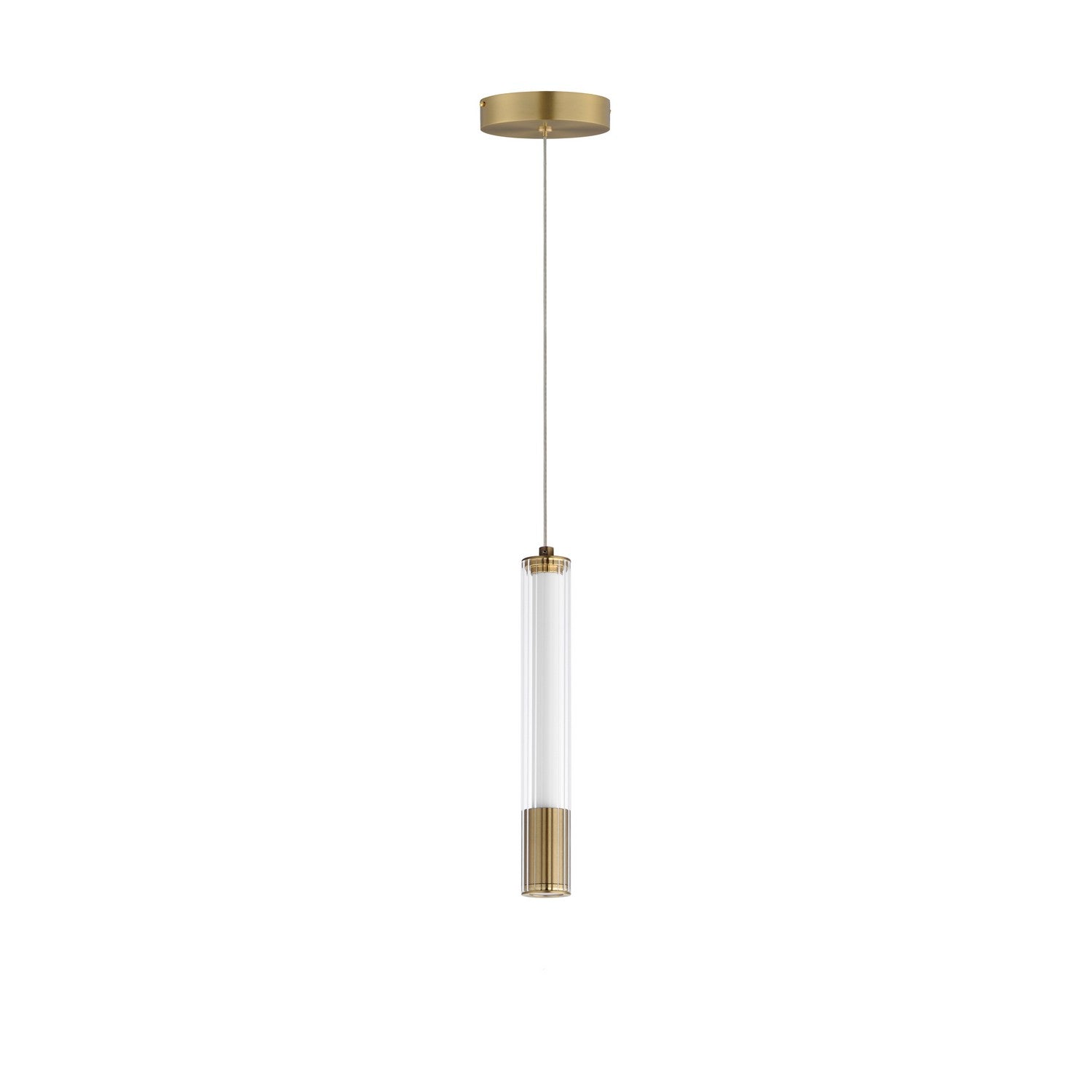
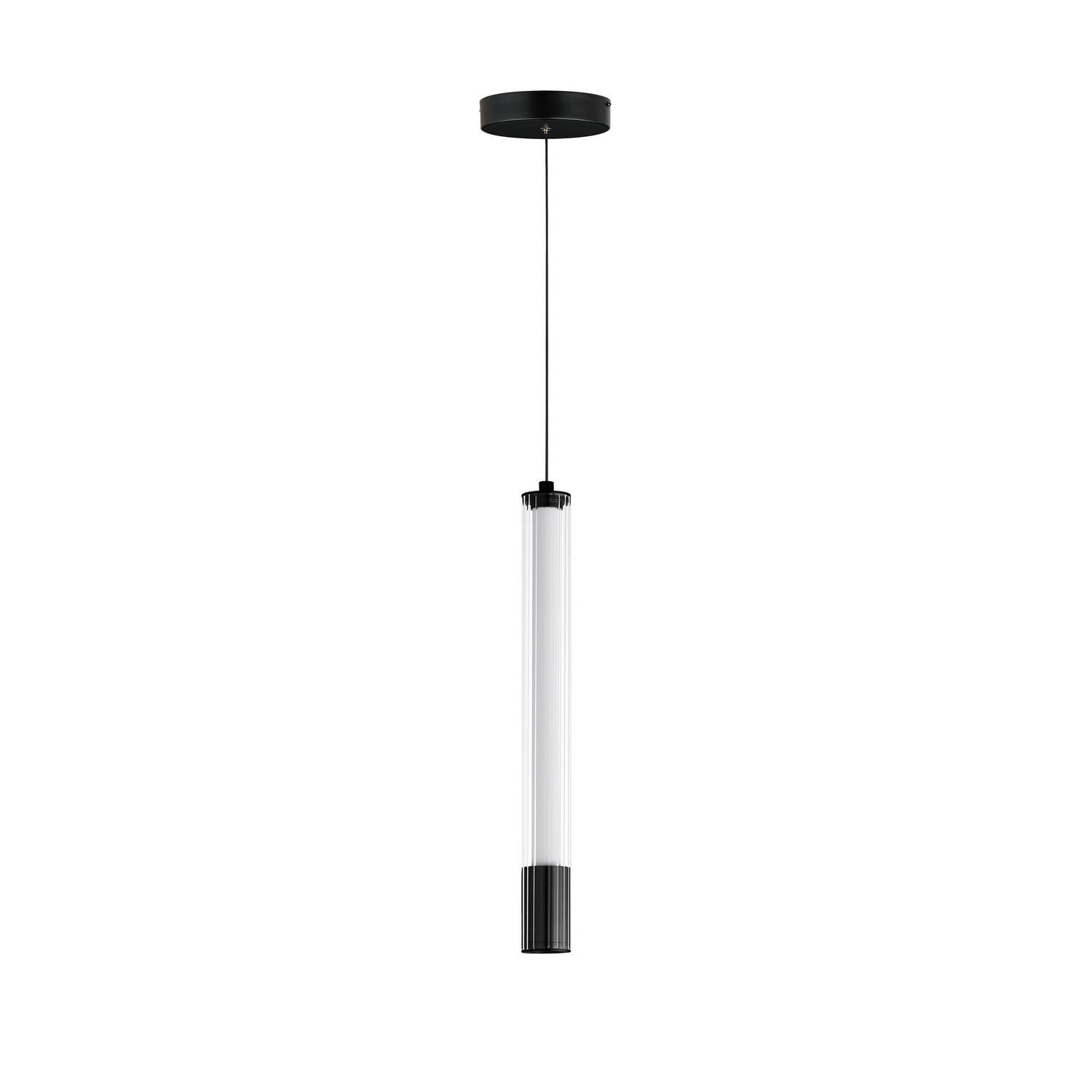


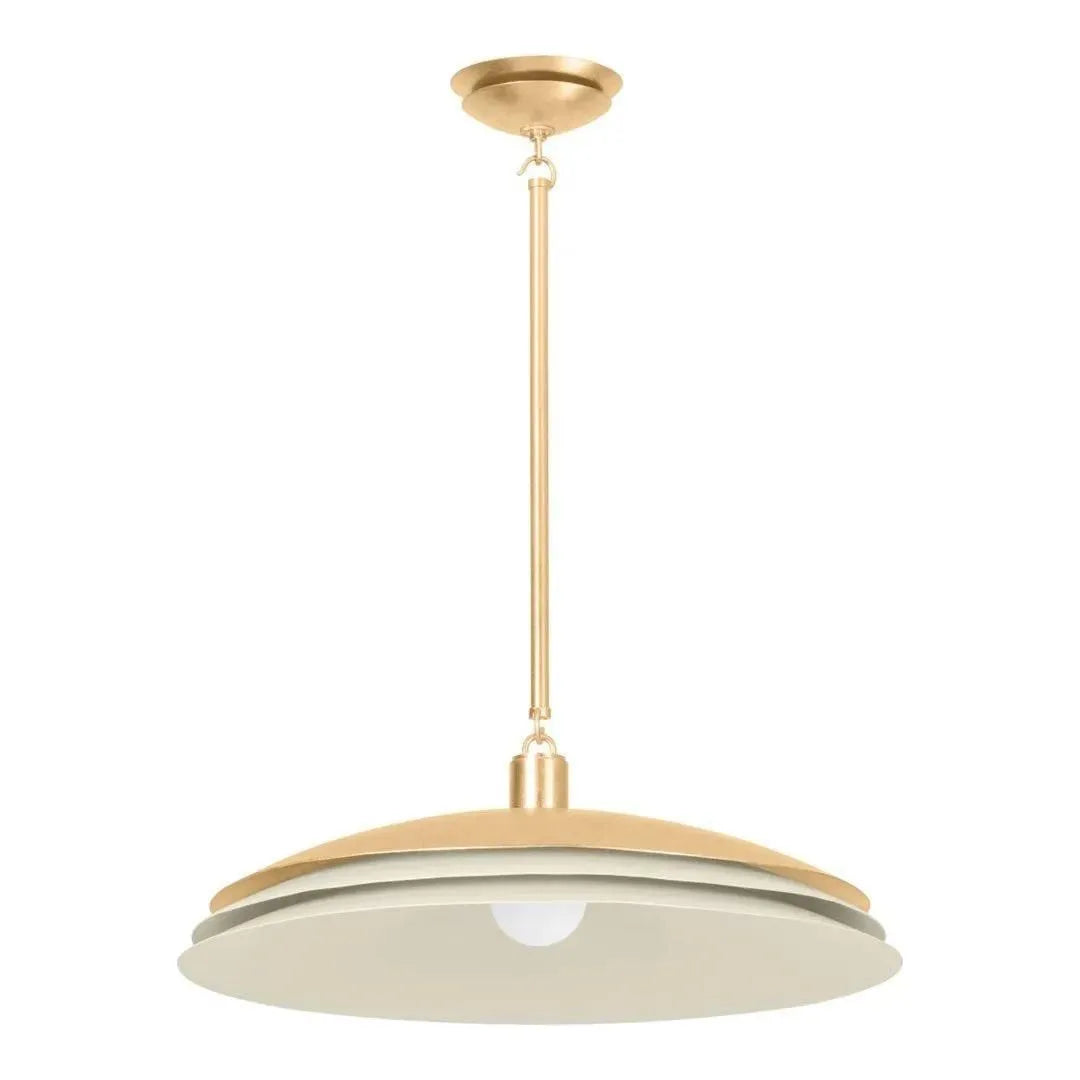
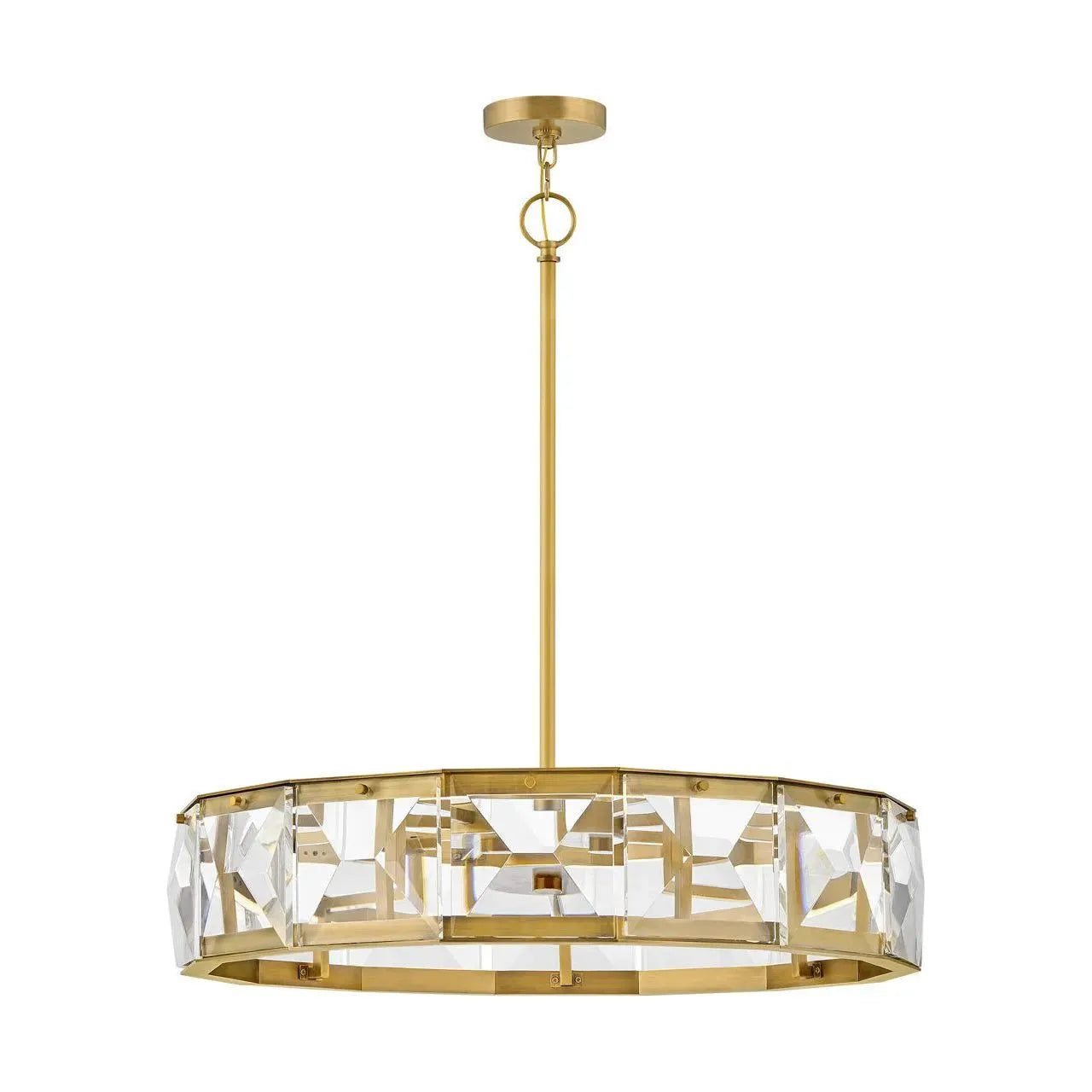


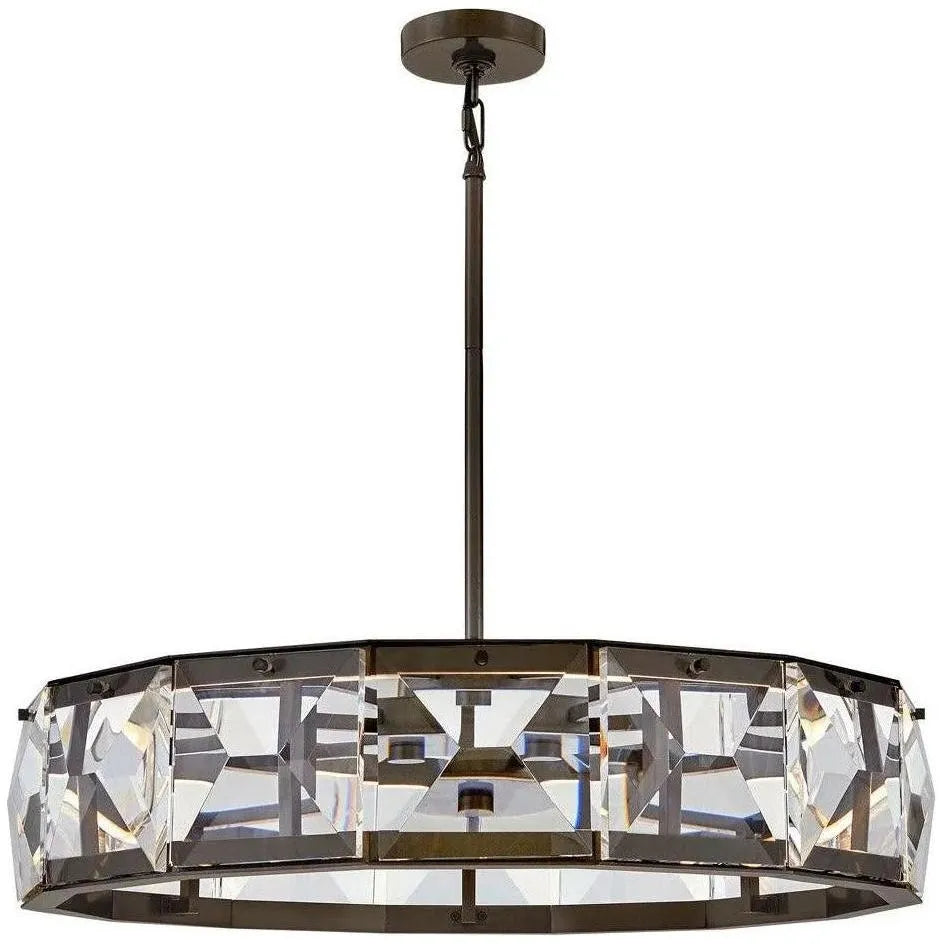


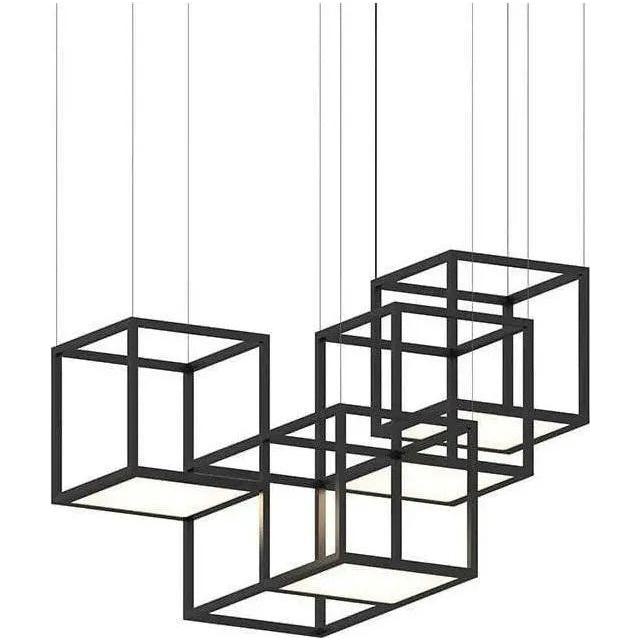
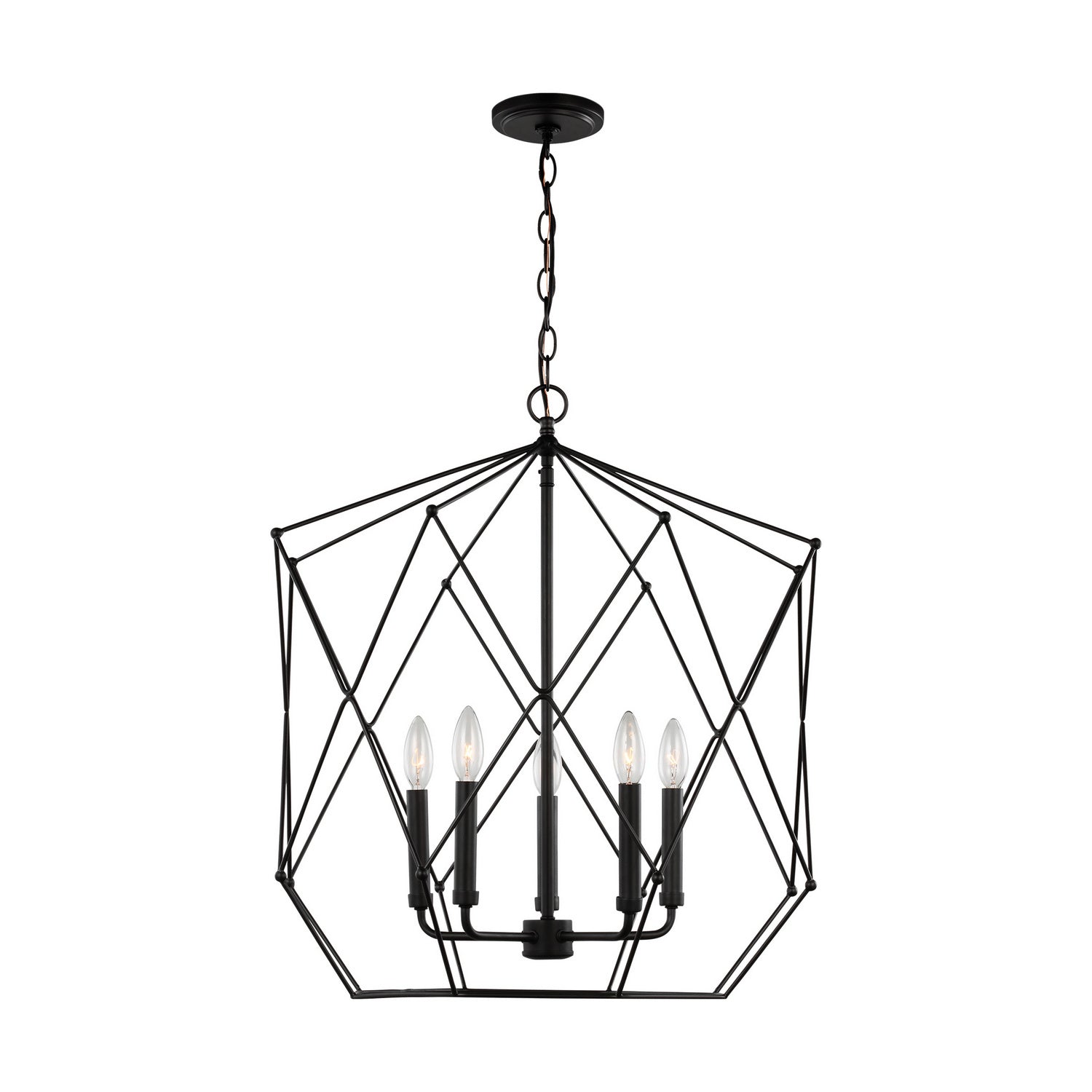
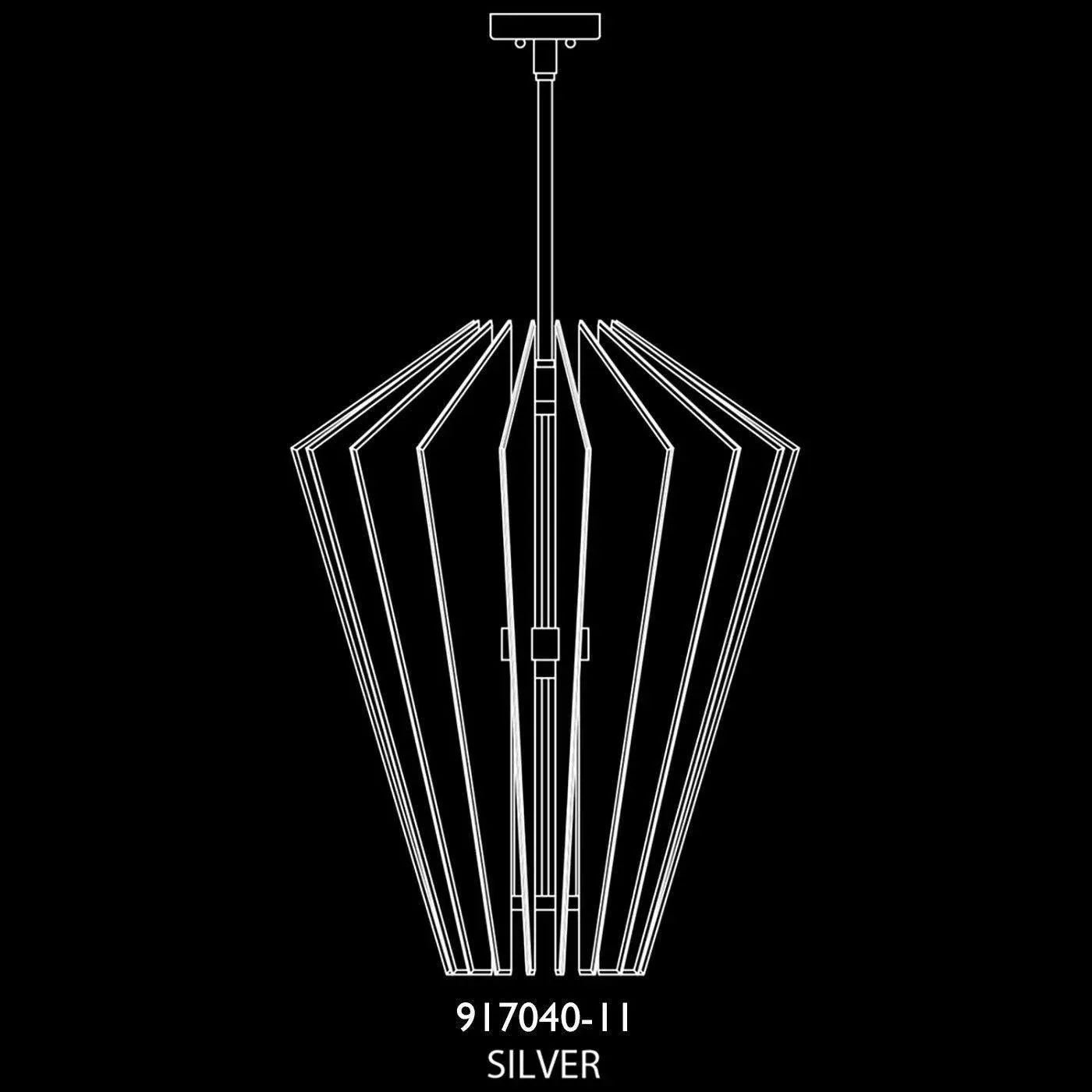
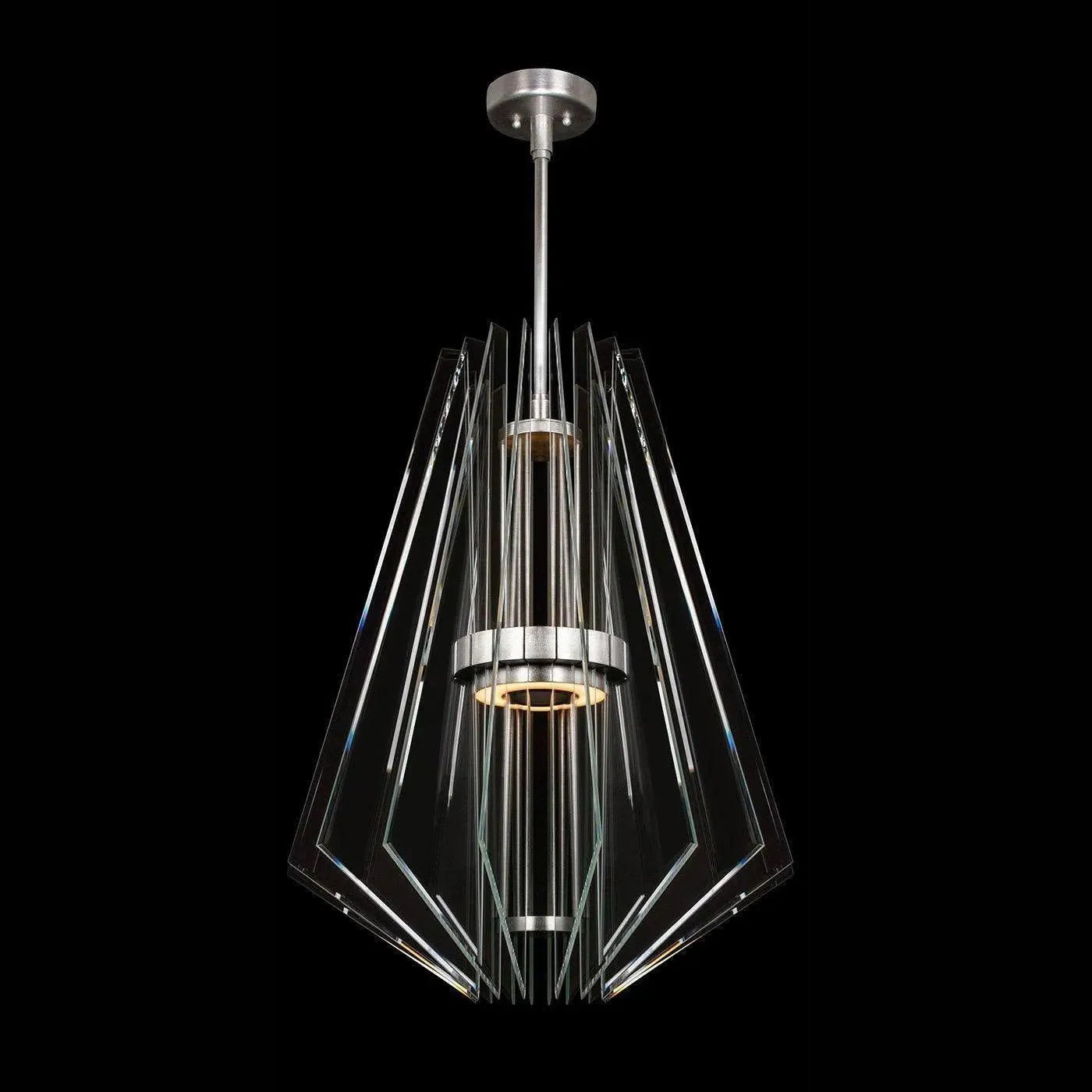
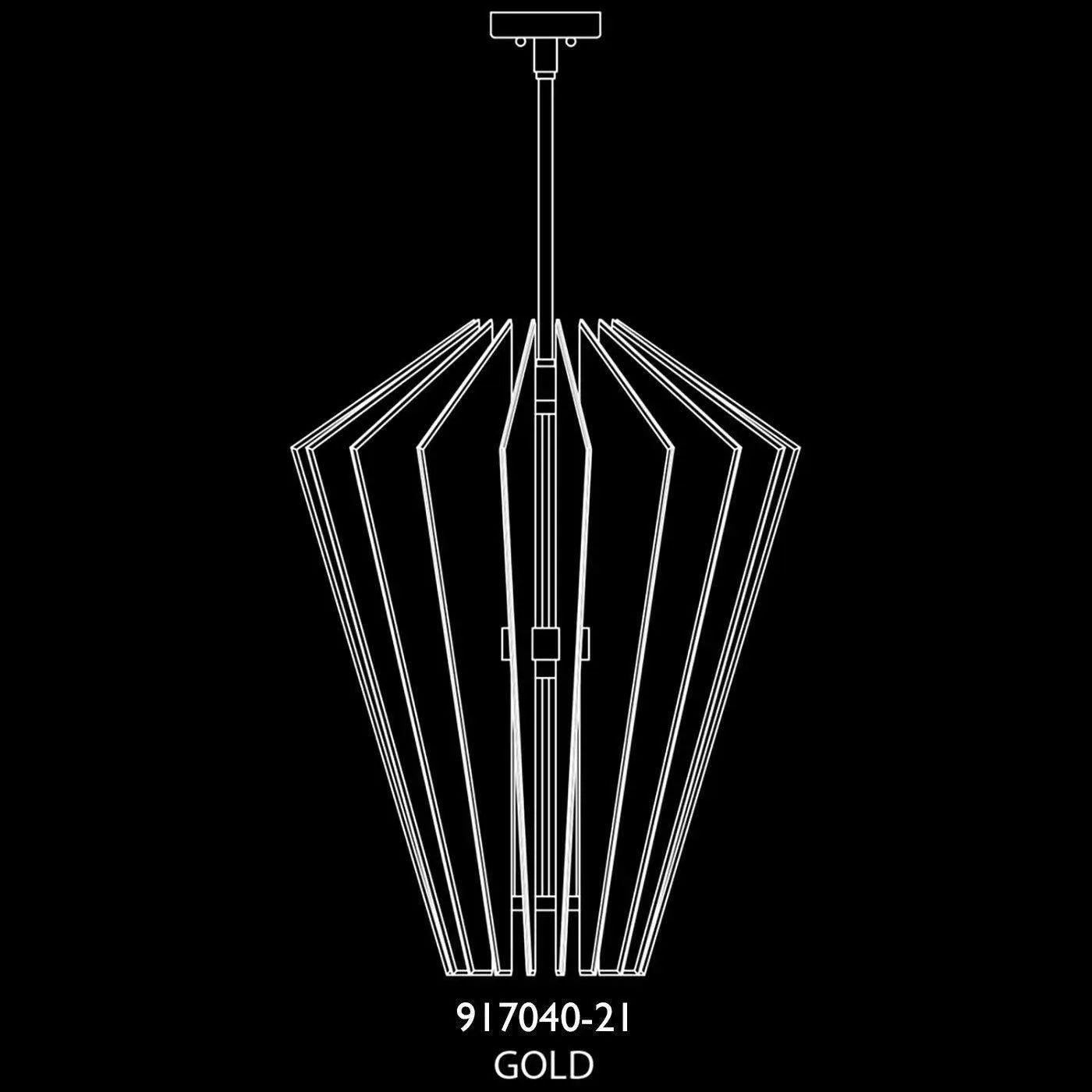
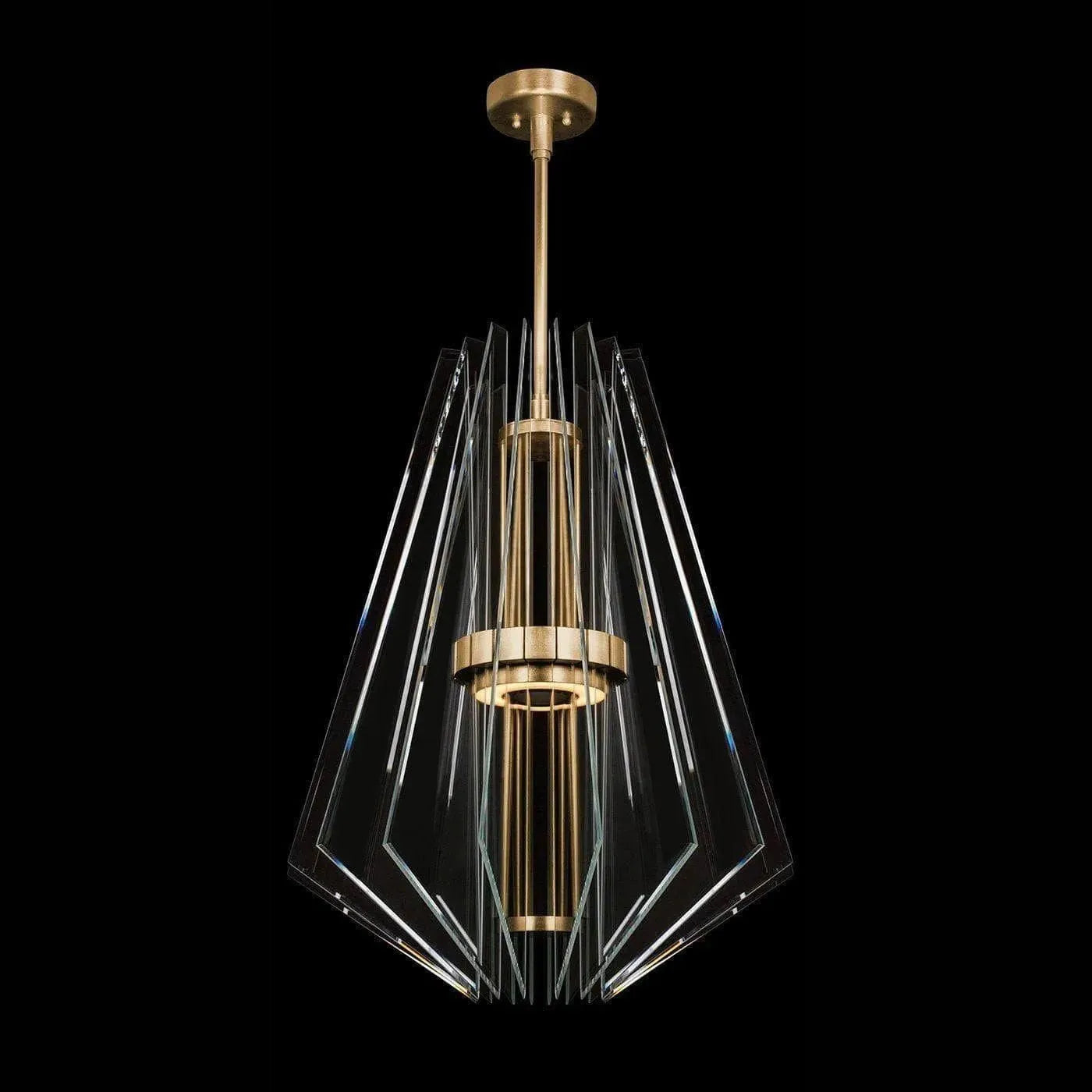
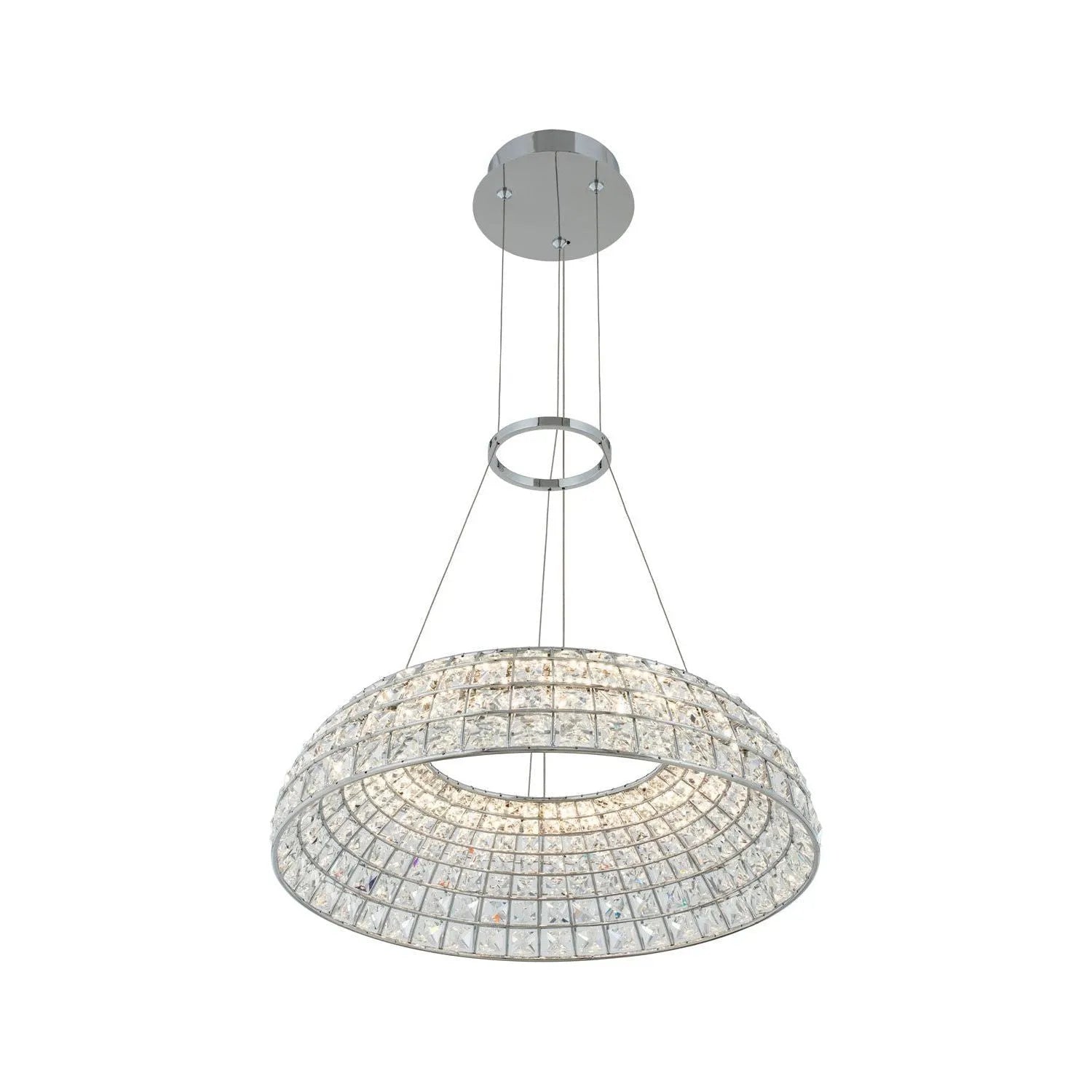
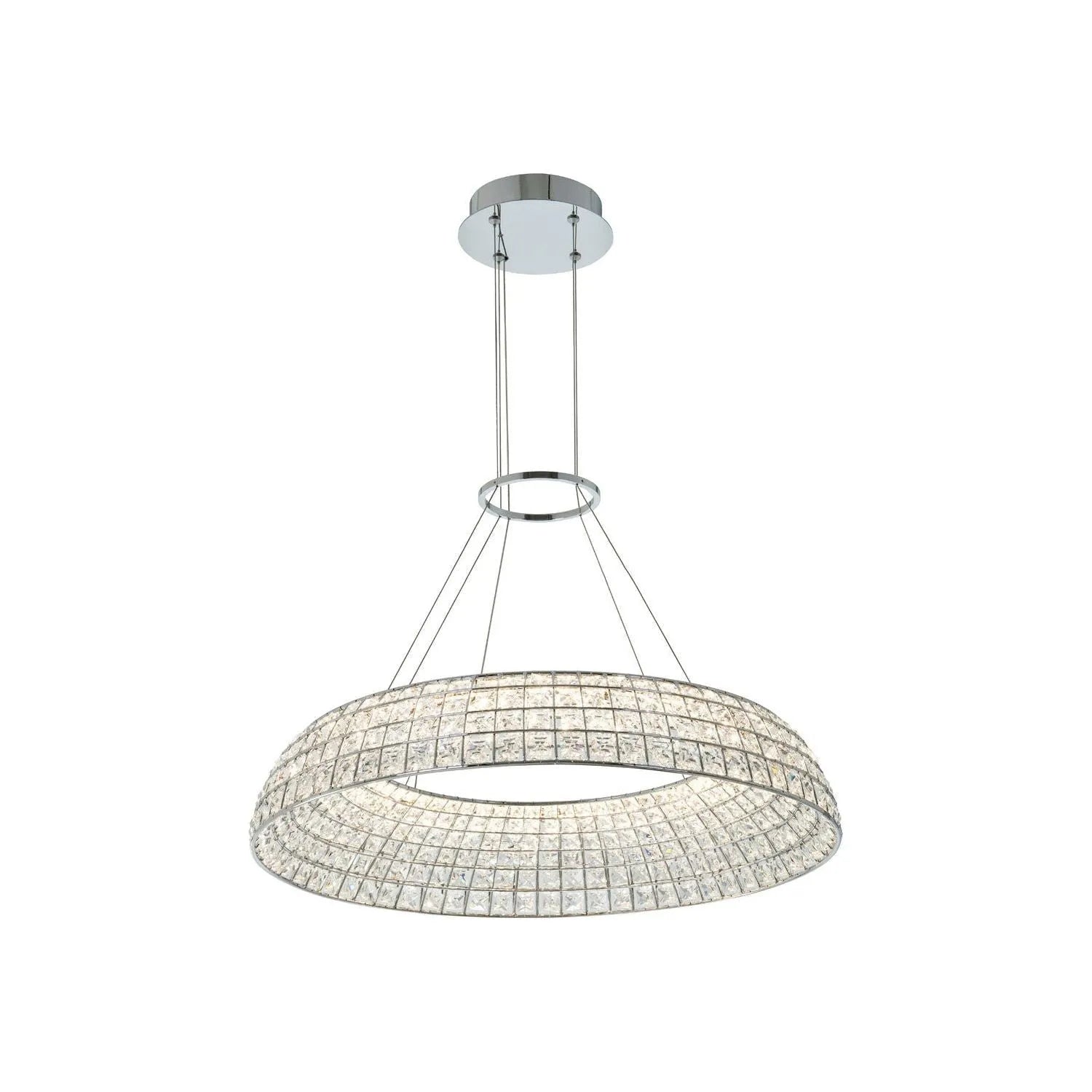
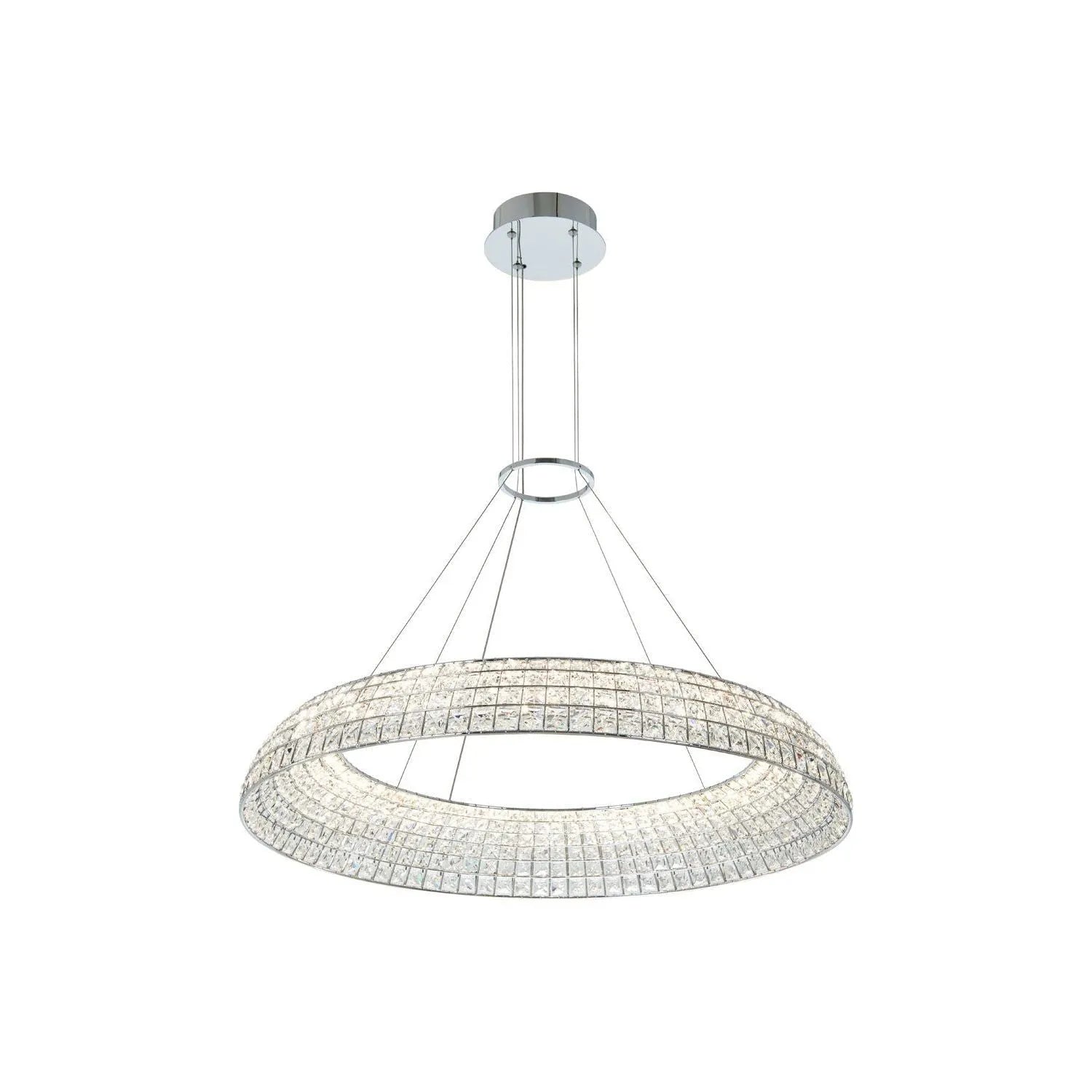
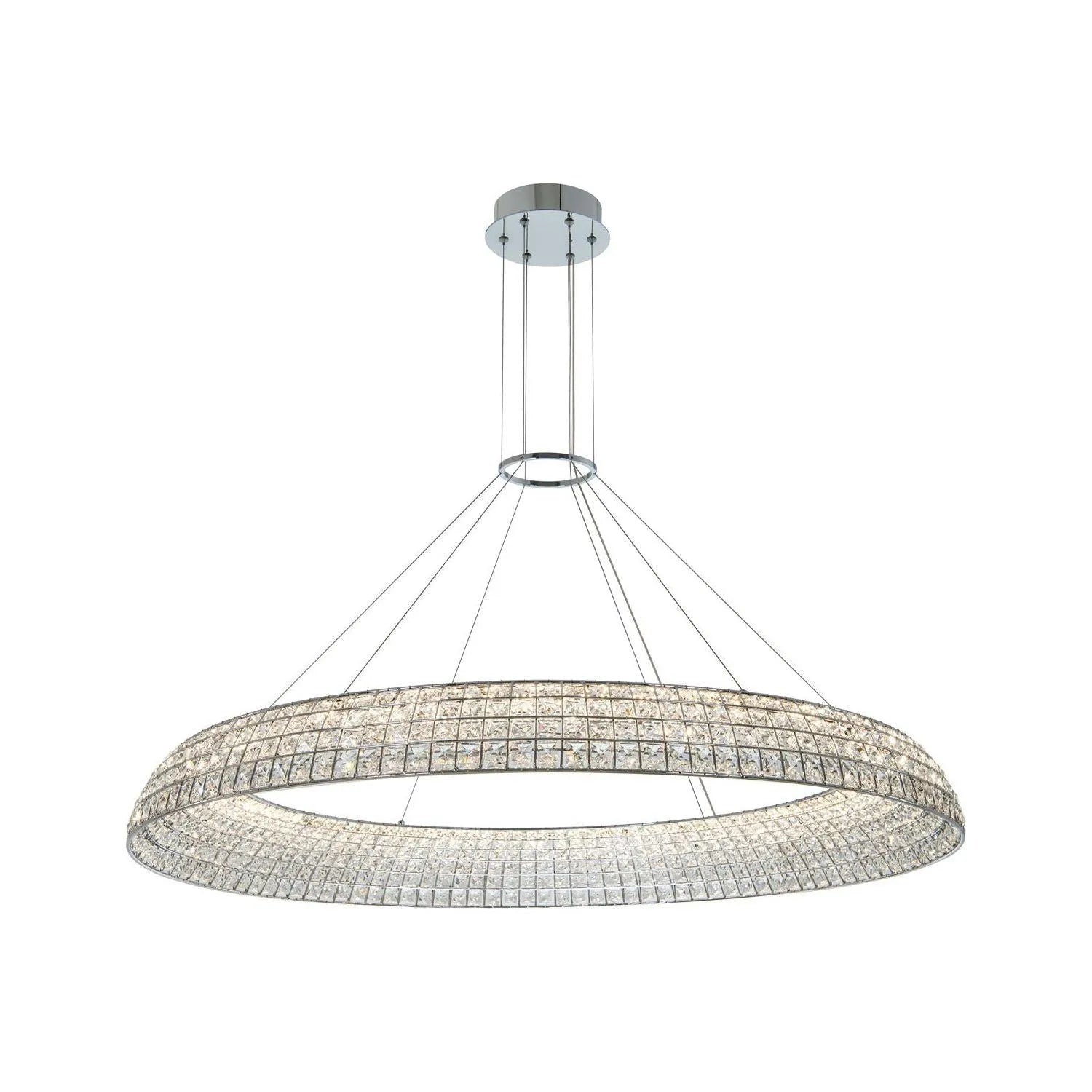
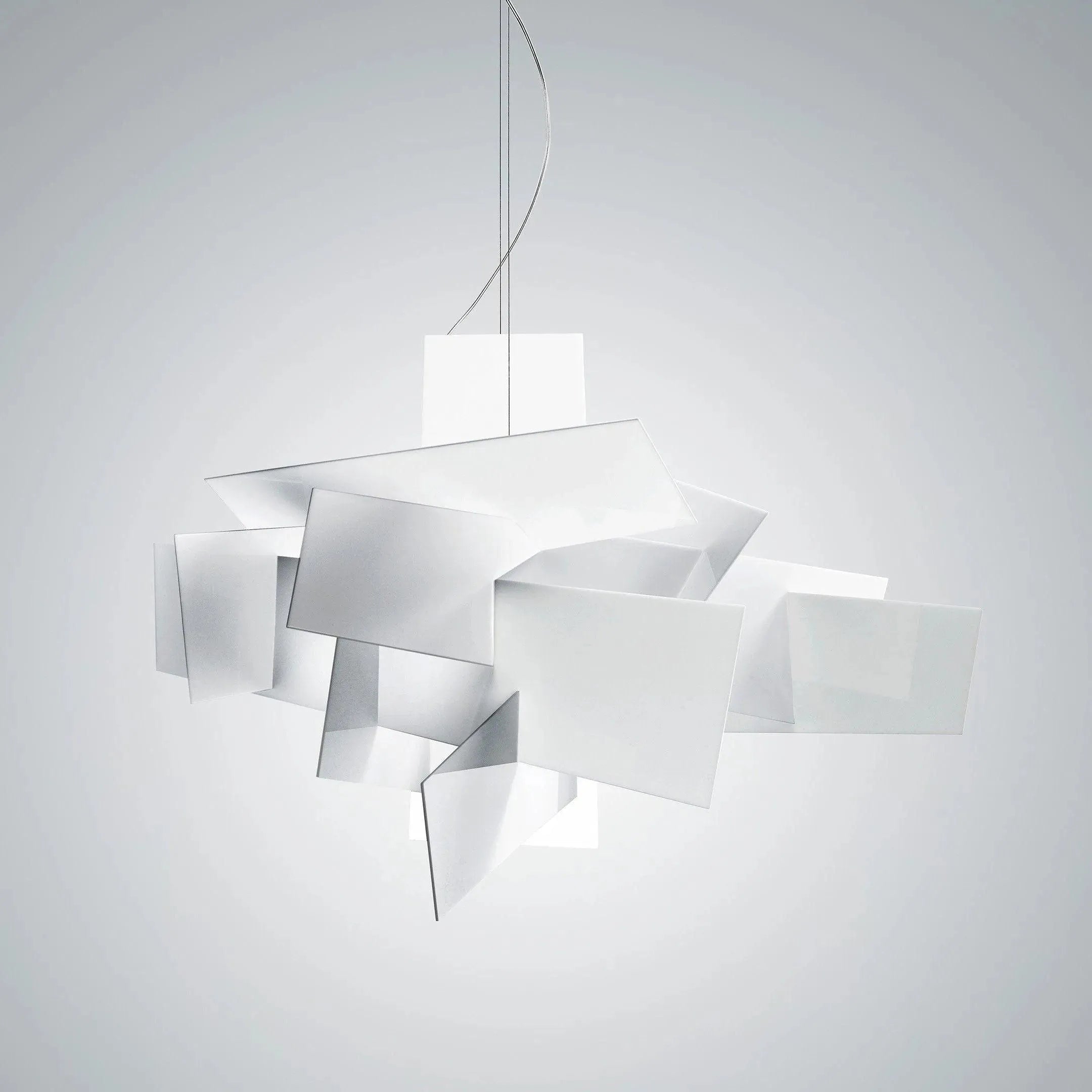
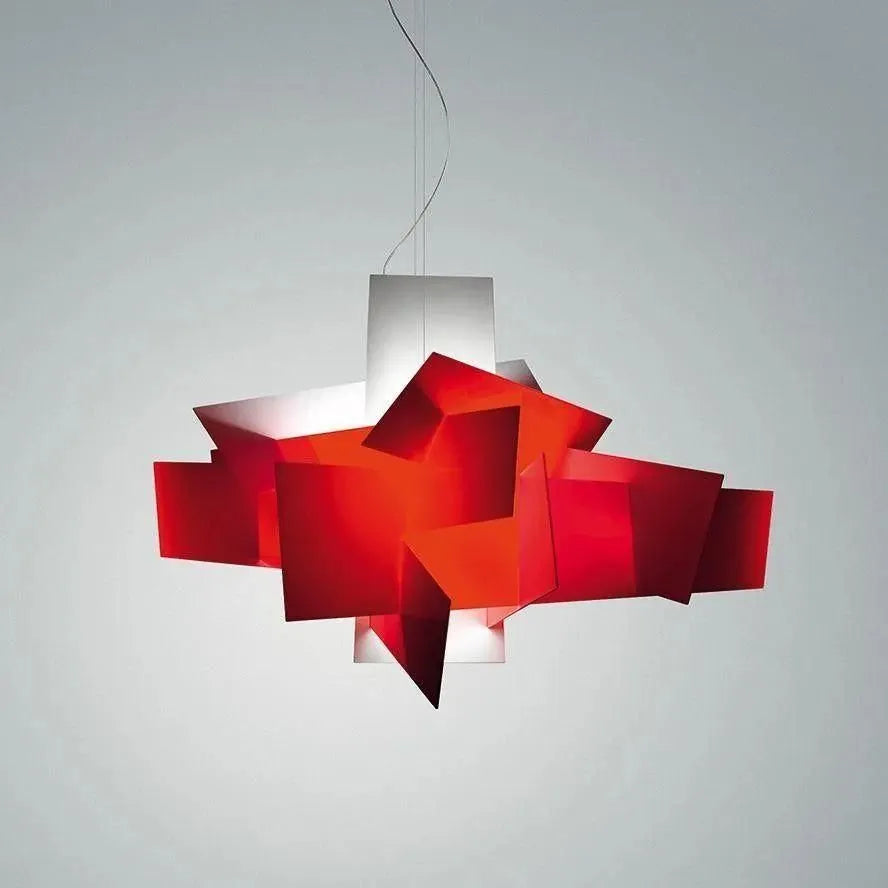
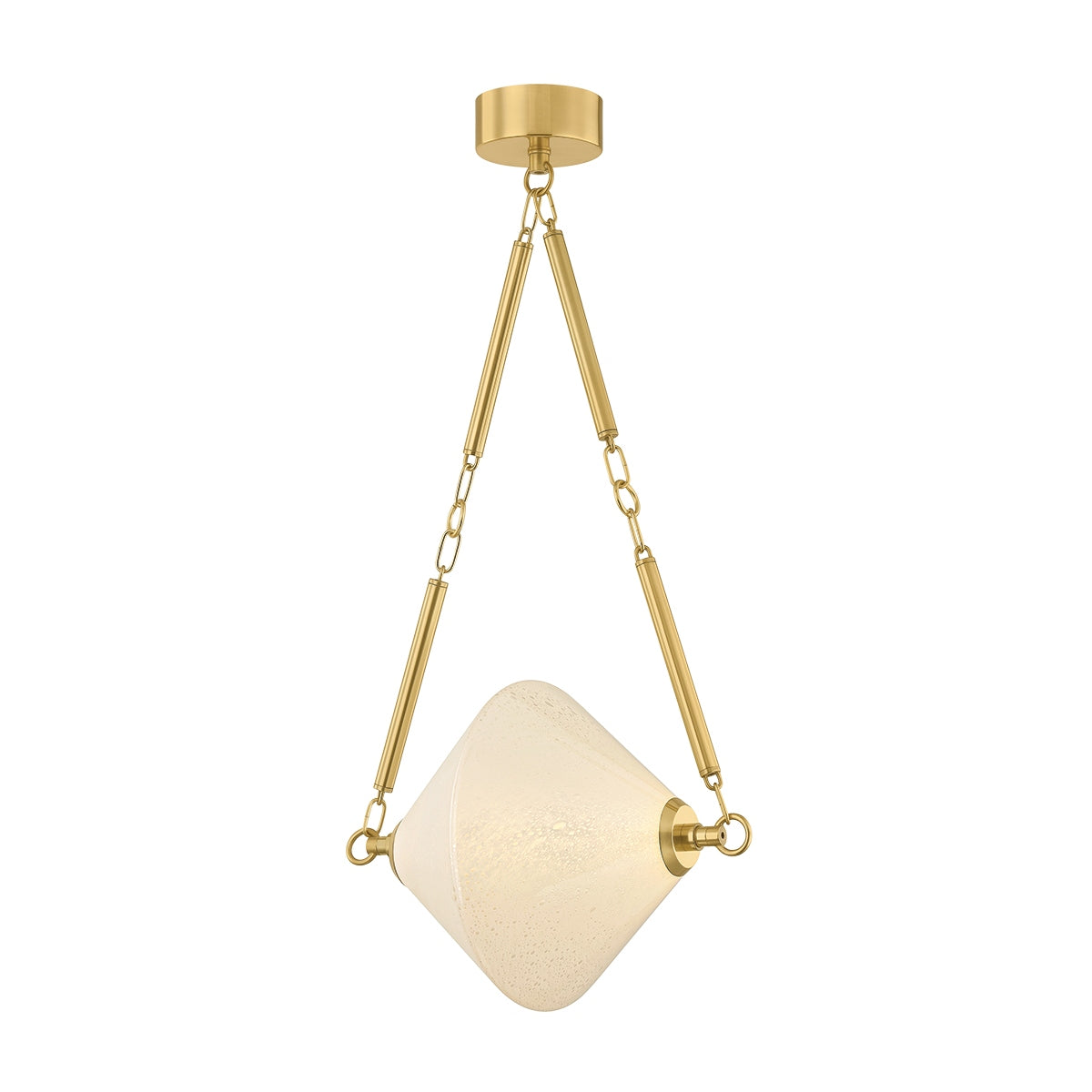
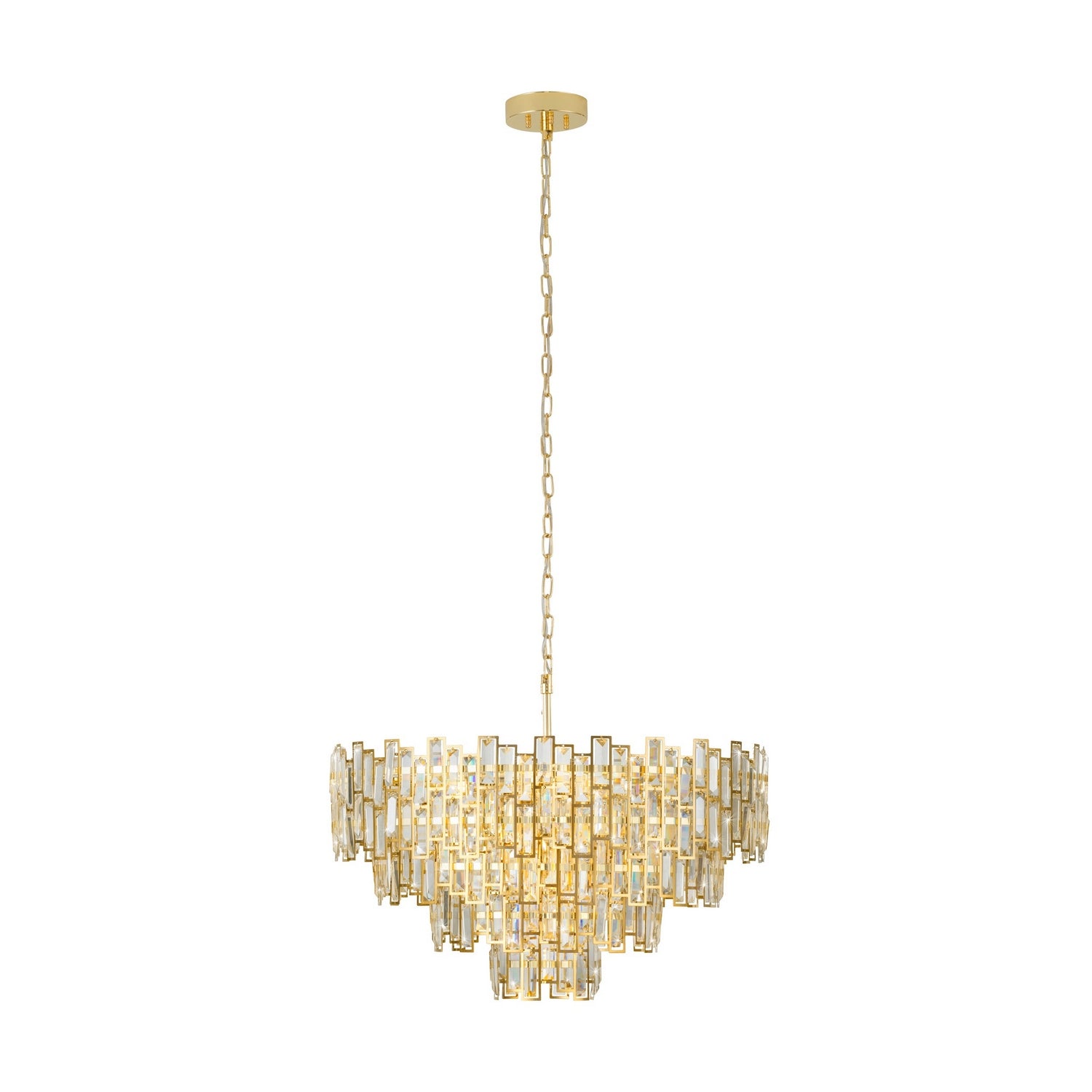
Art Deco Pendants Canada – Geometric Glass & Faceted Hanging Fixtures
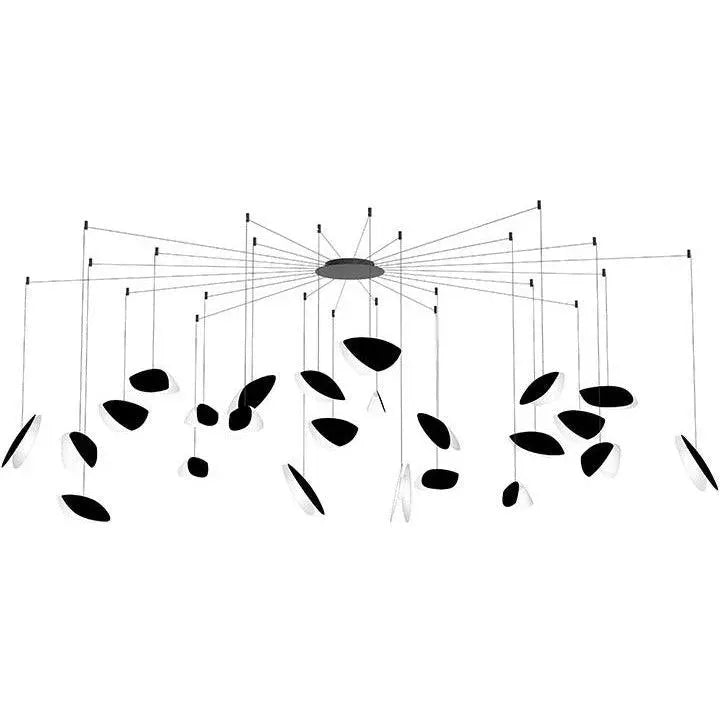
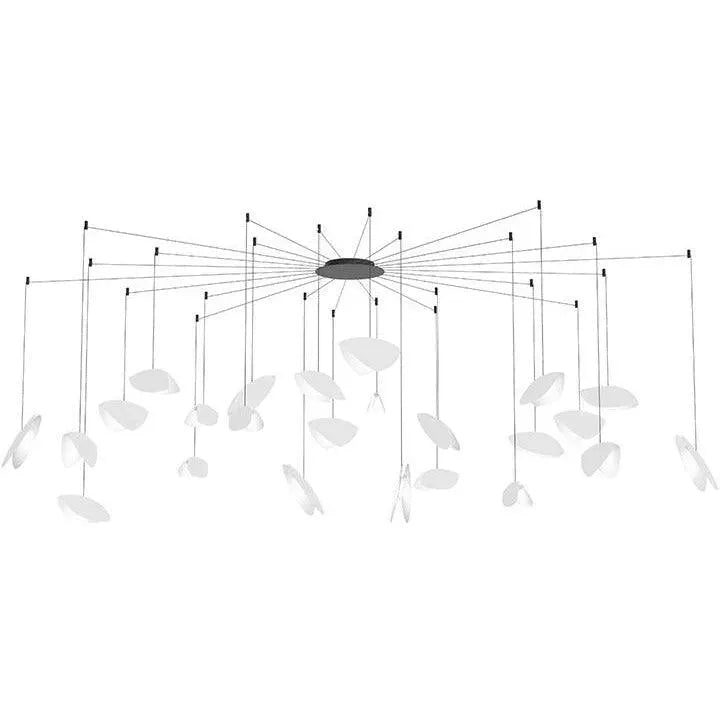
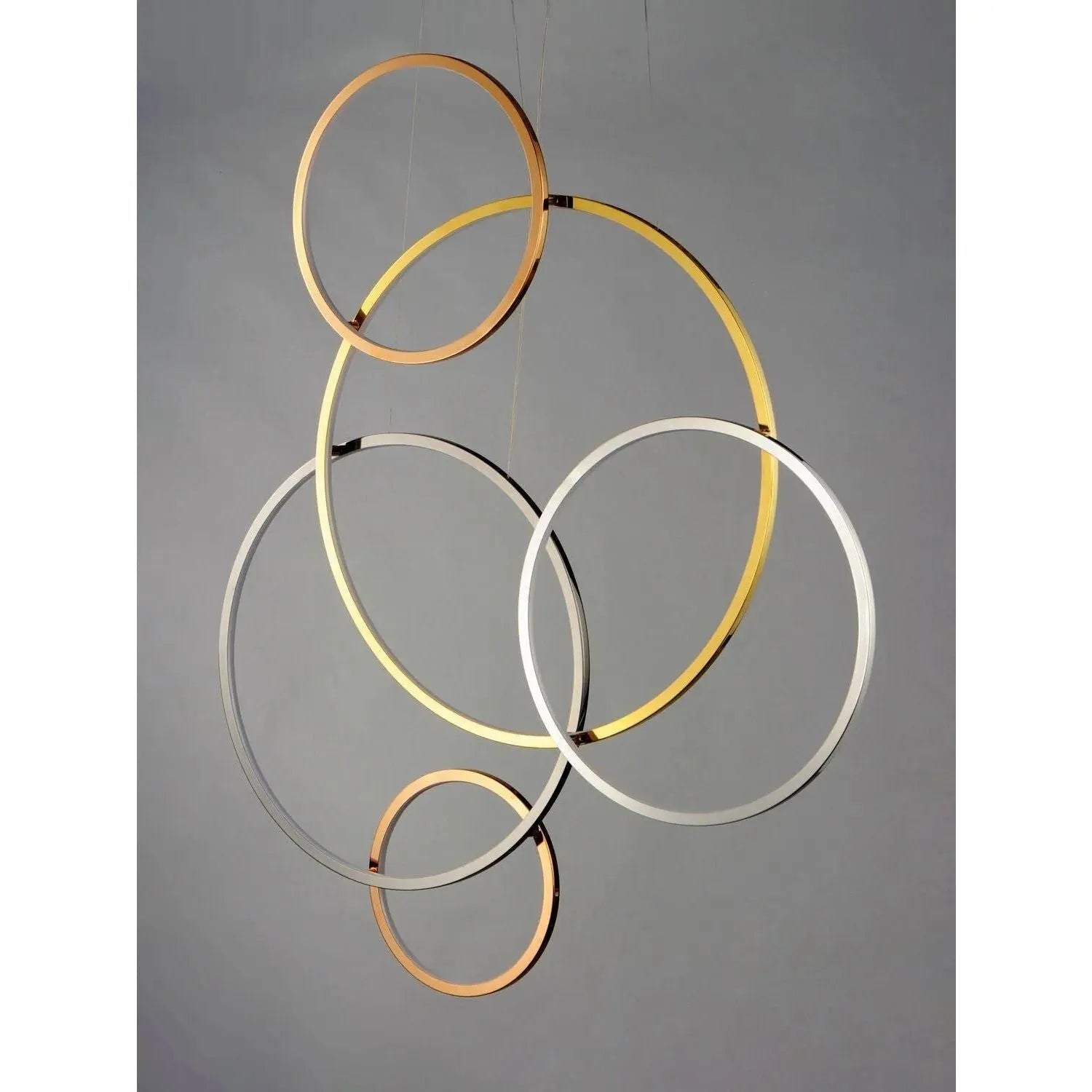
Art Deco pendants bring the geometric confidence of the 1920s and 1930s to single hanging fixtures — faceted glass drops on brass and nickel canopies, frosted globes and cones with stepped and fluted detail, amber and smoke glass in decorative metal frames, and schoolhouse-derived forms reworked in a bolder geometric vocabulary. Most are contemporary designs working in the Deco idiom rather than period reproductions.
Explore our full pendant lighting collection, or see Art Deco mini-pendants for island fixtures.
All products are priced in Canadian dollars with free shipping on orders over $199 CAD.
Placement & Sizing
Over a Dining Table
A single large faceted or frosted glass pendant makes a strong ceiling statement. Hang the bottom 30 to 36 inches above the table for an 8-foot ceiling, adding about 3 inches per additional foot.
Over a Kitchen Island
A pair of geometric glass pendants in brass or nickel suits kitchens with dark cabinetry and stone counters. Hang 28 to 34 inches above the counter.
Entryways & Stairwells
A single sculptural pendant with faceted glass creates a focal point in an entry, keeping at least 7 feet of clearance in walkways.
Brands in This Collection
Fixtures from Alora Lighting, Corbett Lighting, Eurofase, and Mullan Lighting.
Art Deco Pendant FAQs
What makes a pendant Art Deco in style?
Deco pendants favour geometry and material contrast — stepped, faceted, and fluted forms in frosted, amber, or smoke glass, set in brass, chrome, or blackened metal. The emphasis is on precise, machine-age geometry rather than the organic curves of Art Nouveau that preceded it.
How high should an Art Deco pendant hang?
Over a dining table, 30 to 36 inches above the surface for an 8-foot ceiling, adding roughly 3 inches per additional foot. Over a kitchen counter, 28 to 34 inches. In walkways, maintain at least 7 feet of clearance.
What is the difference between Art Deco and Art Nouveau lighting?
Art Nouveau (roughly 1890–1910) uses flowing organic curves, botanical motifs, and asymmetry. Art Deco (roughly 1920–1940) replaced that with hard geometry — steps, chevrons, fans, and sunbursts — and celebrated industrial materials like chrome and glass.
What bulbs work best with faceted glass?
Warm white around 2700K maximizes the light play through faceted and frosted surfaces. Clear filament bulbs work well in fixtures with open or clear glass where the bulb itself is part of the composition.
Are these pendants dimmable?
Many are dimmable with a compatible dimmable bulb and an LED-rated dimmer. Several fixtures use integrated LED — check the product spec sheet for the dimming method before pairing with a dimmer.
Where can I buy Art Deco pendants in Canada?
Montreal Lighting & Hardware carries them online and at our Mount-Royal showroom (5670 Paré Street, Quebec, H4P 2M2). We ship Canada-wide at CAD prices with free shipping on orders over $199. Call (514) 416-2013.
| Location | Size | Hanging height |
|---|---|---|
| Dining table (single) | 2/3 table width | 30-36" above table |
| Kitchen island (single) | 14" - 20" | 28-34" above counter |
| Kitchen island (pair) | 10" - 16" each | 28-34" above counter |
| Entryway / foyer | Scale to volume | 7'+ from floor |
| Powder room | 8" - 14" | 7'+ from floor |