
Traditional Wall Mirrors
Gilded frames, bevelled pier mirrors, and Chippendale fretwork for formal entryways and living rooms. Shop from Currey and Company, Global Views, Hinkley Lighting, and more.
Learn more47 products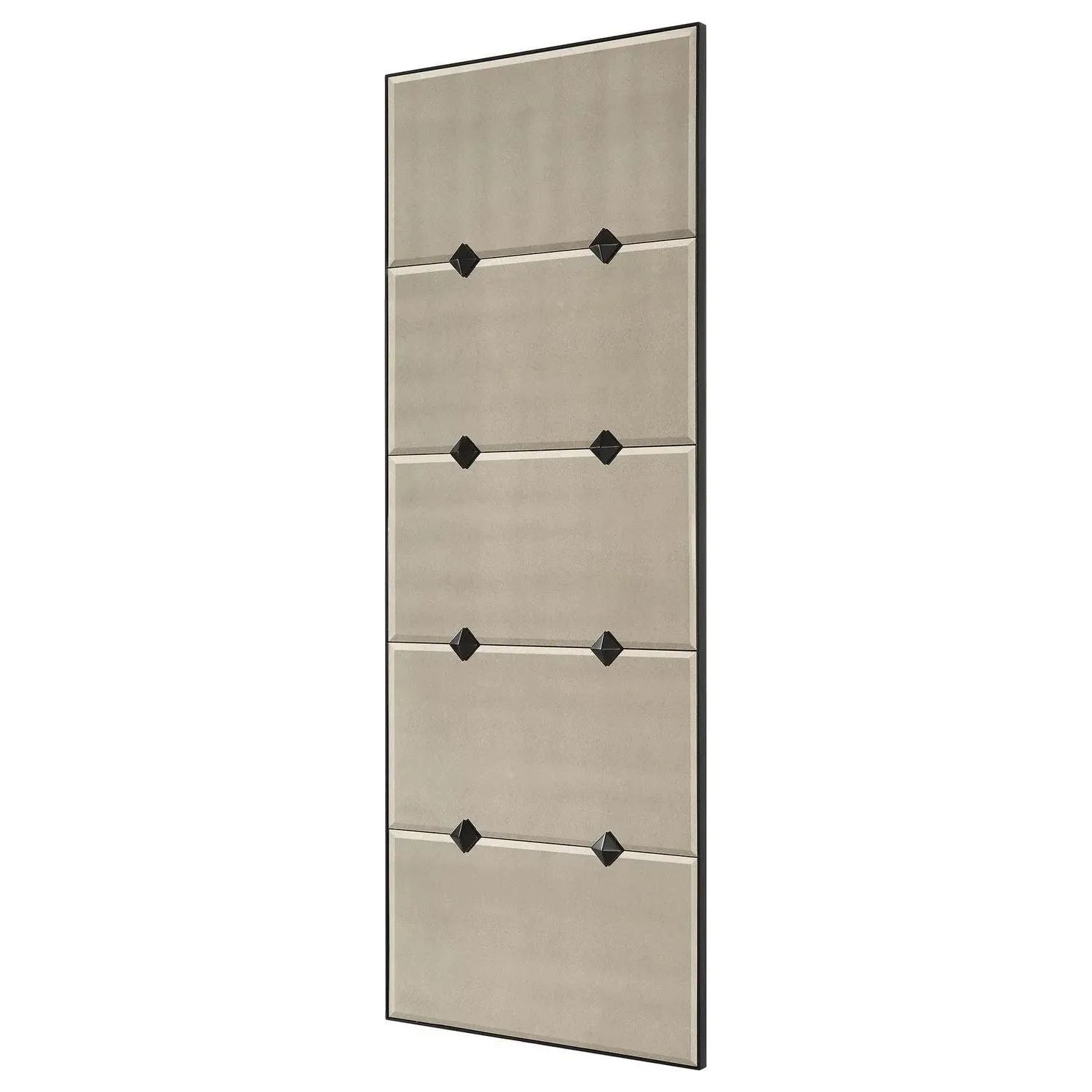


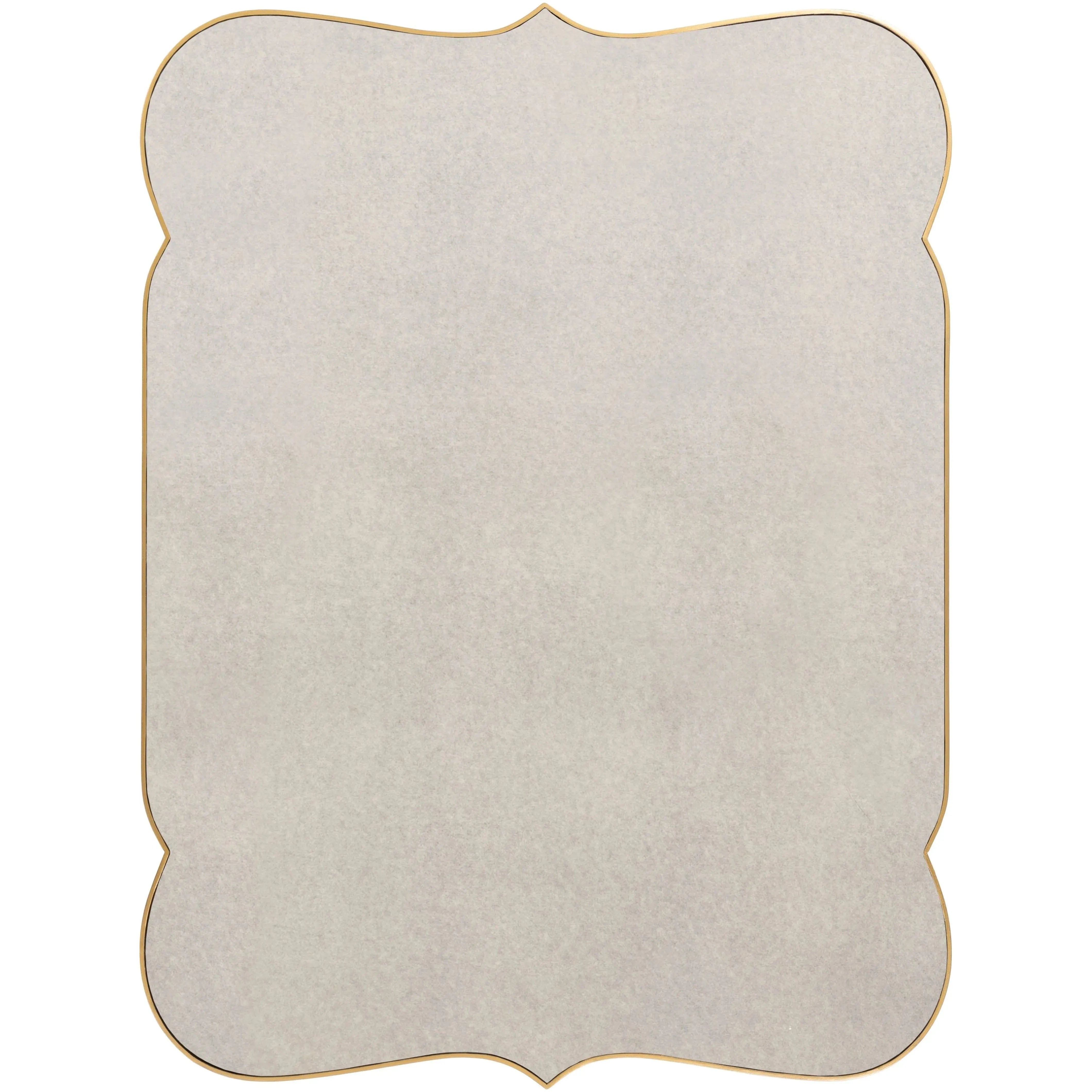
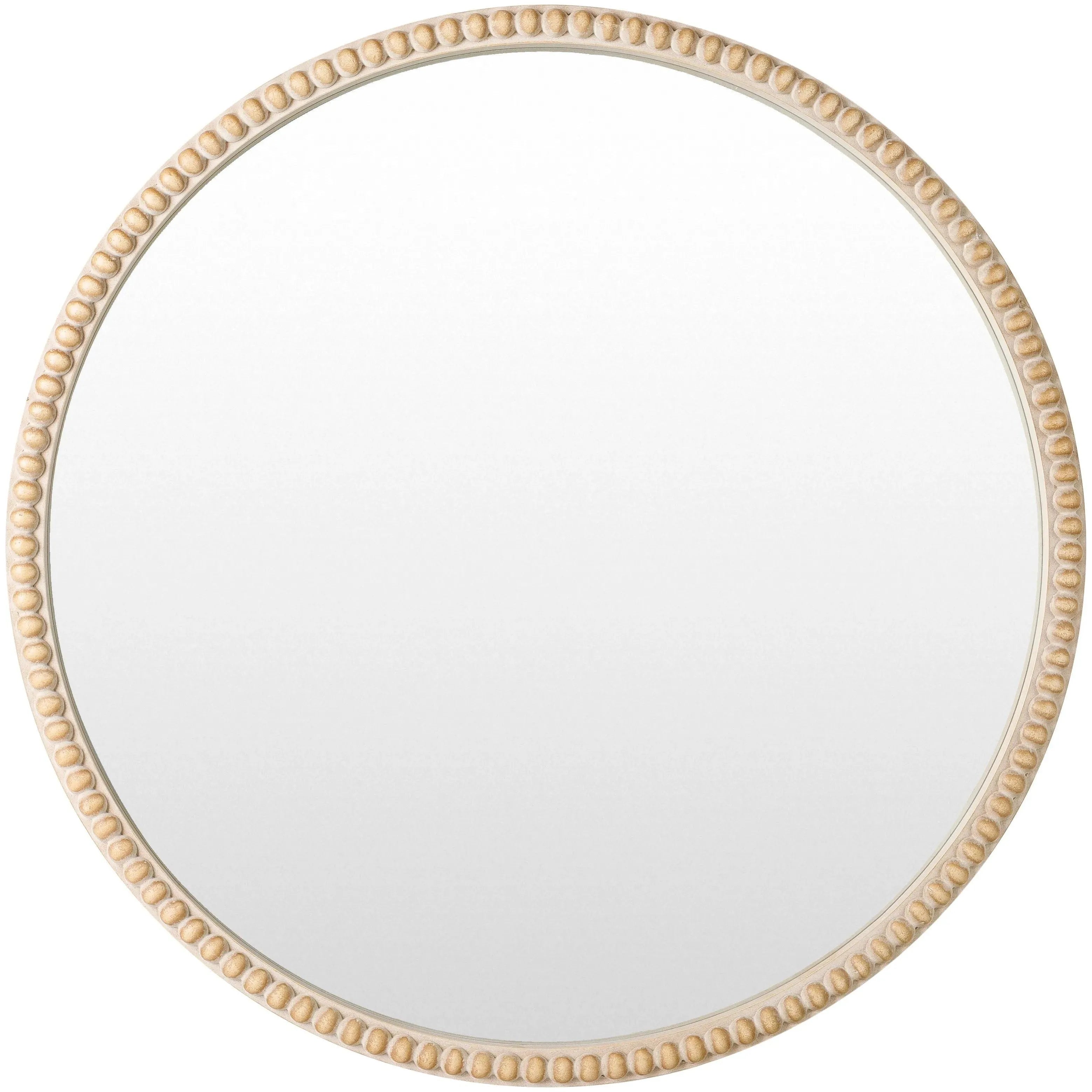
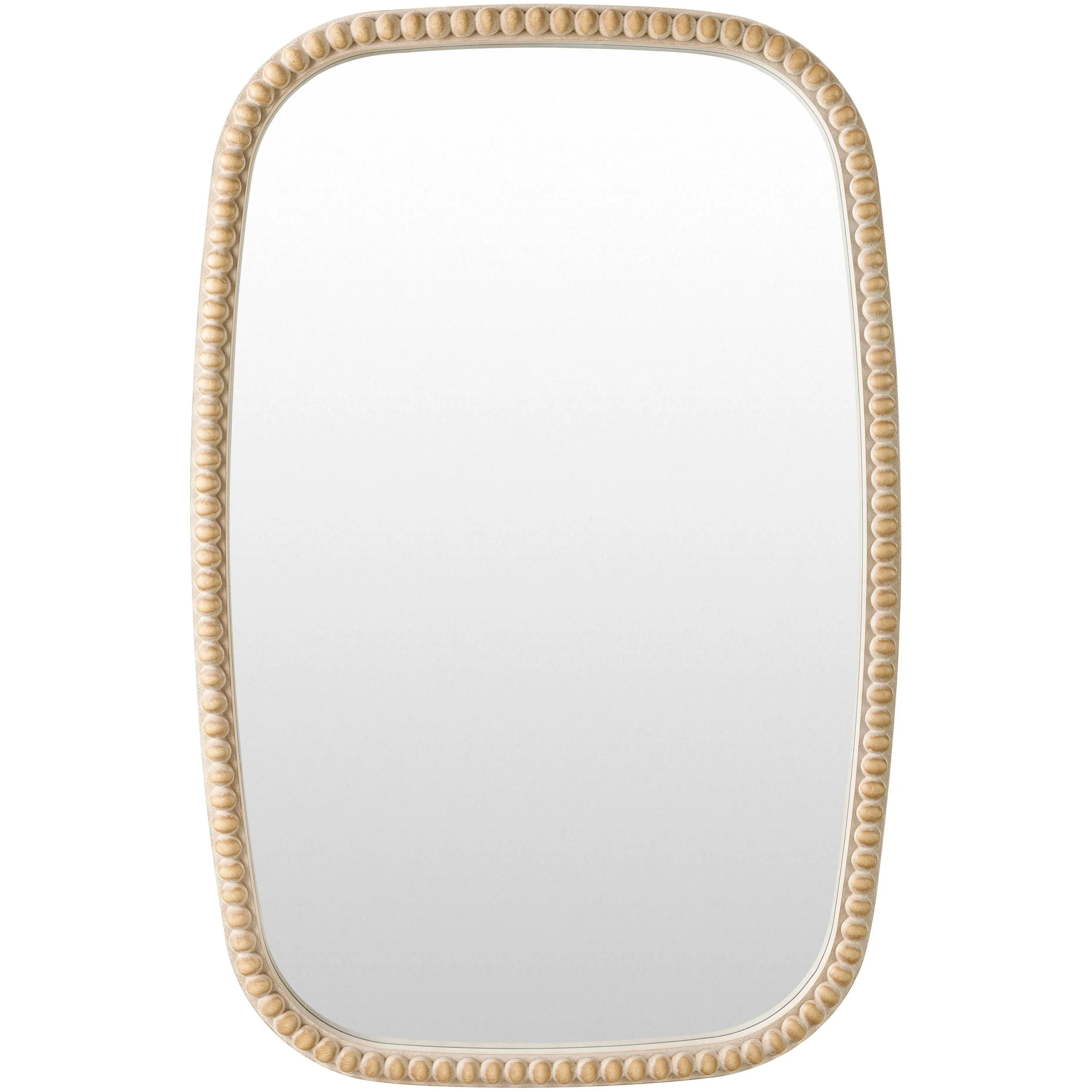

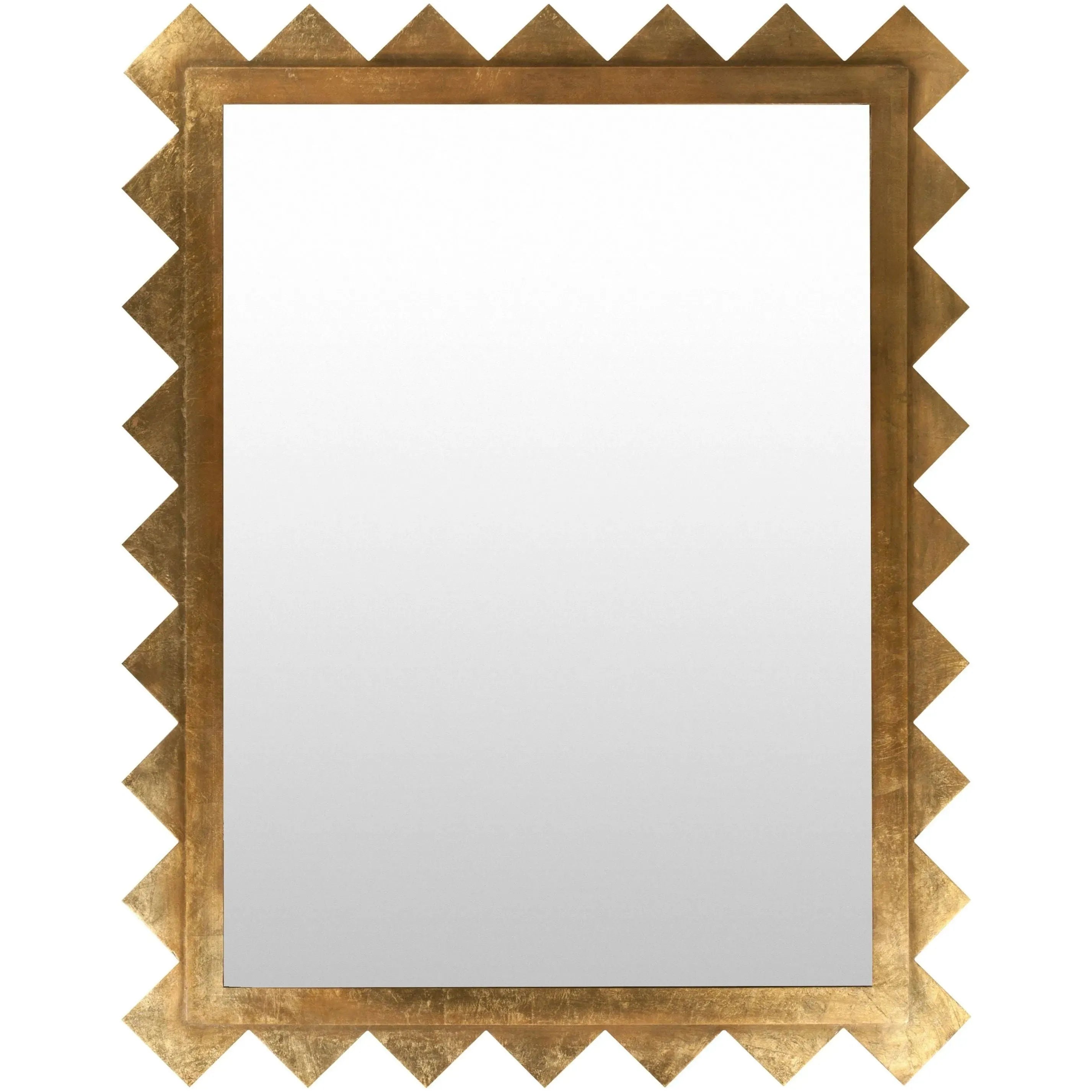
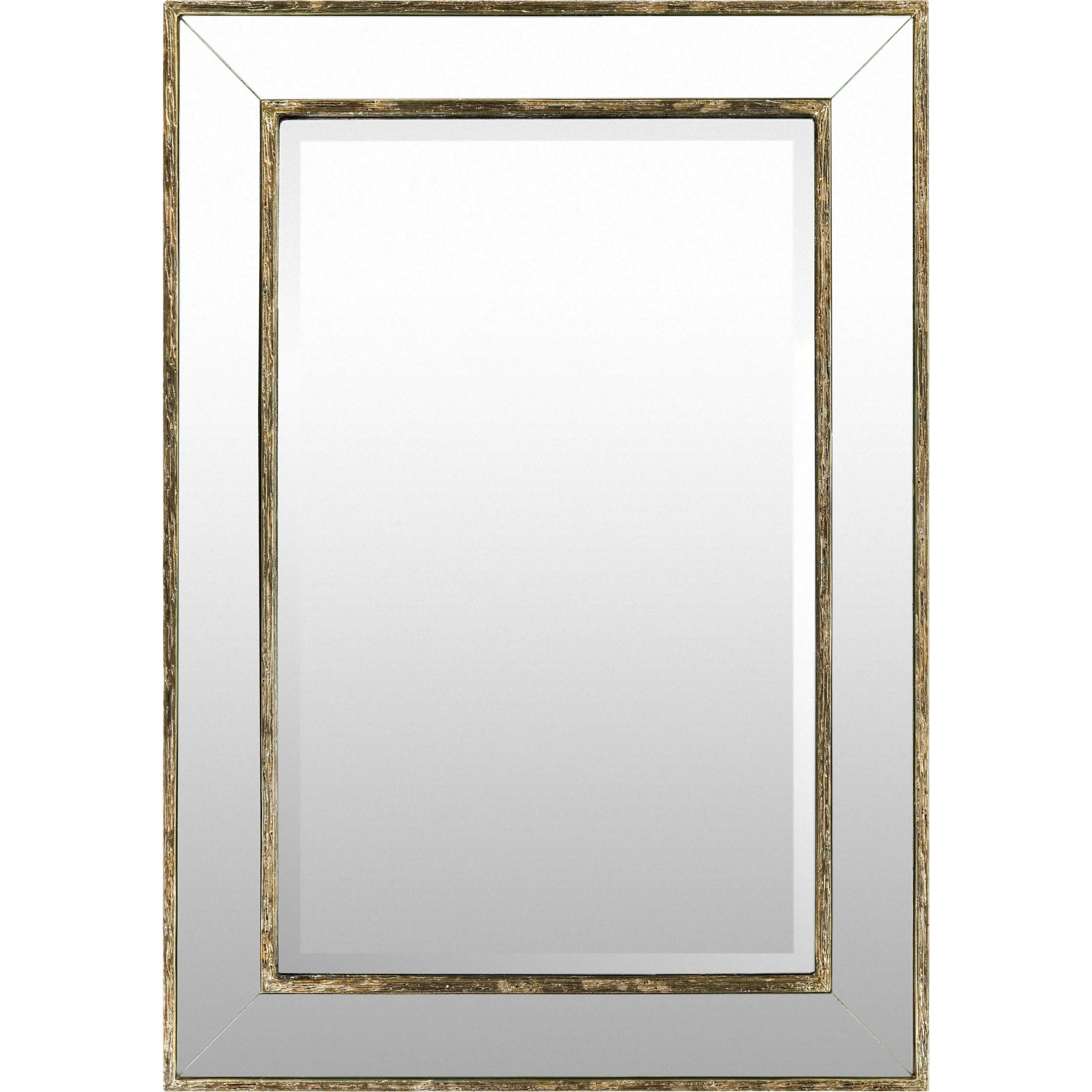
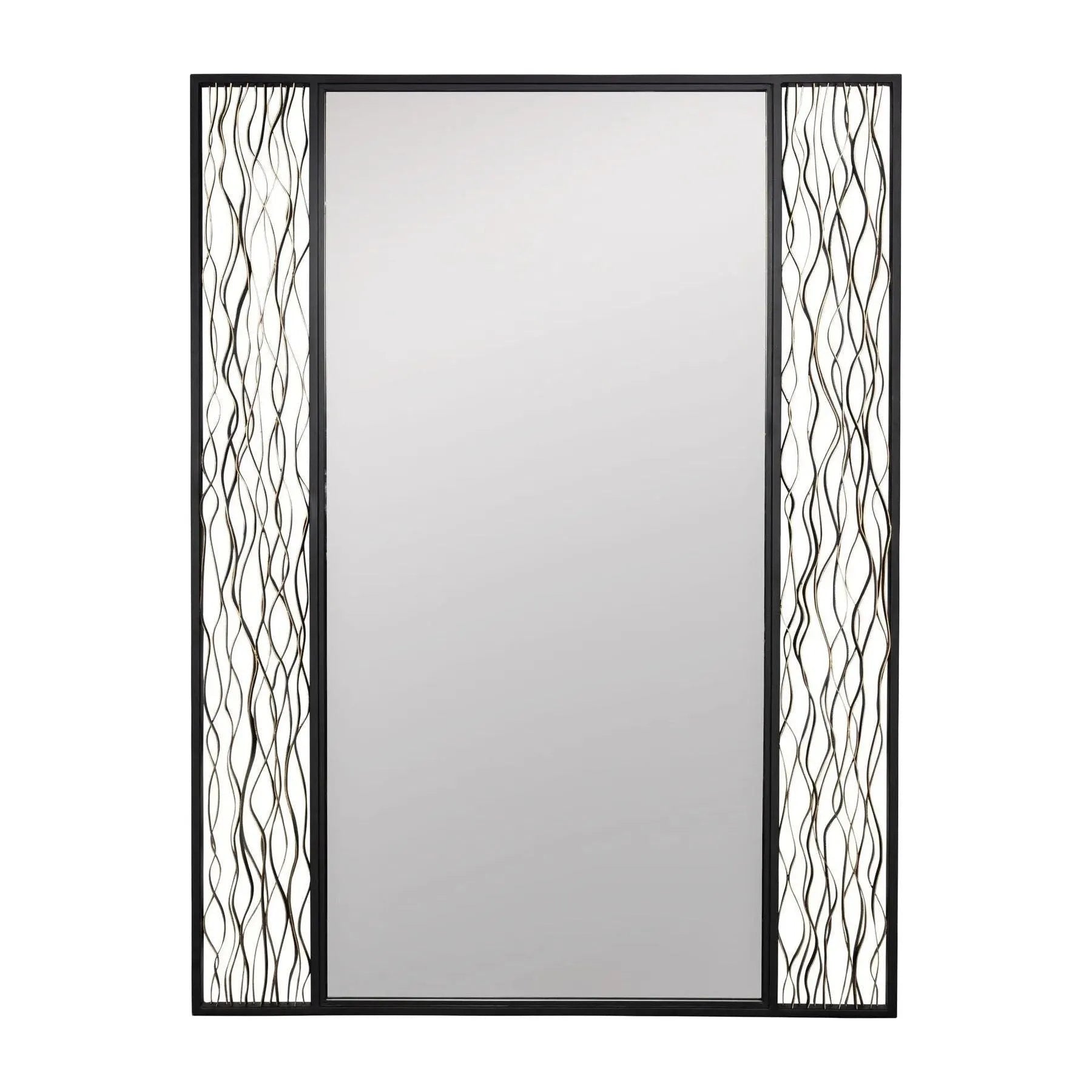
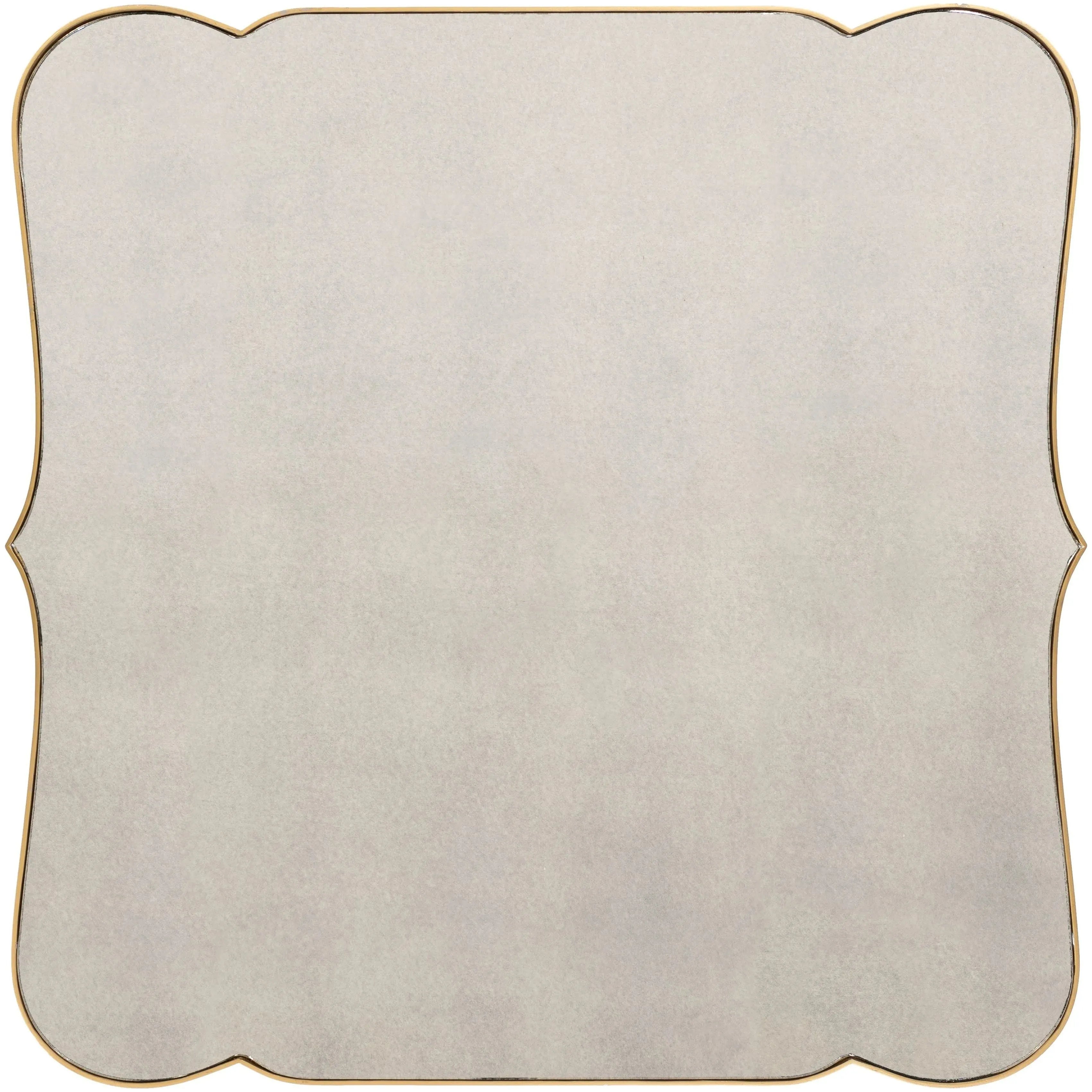
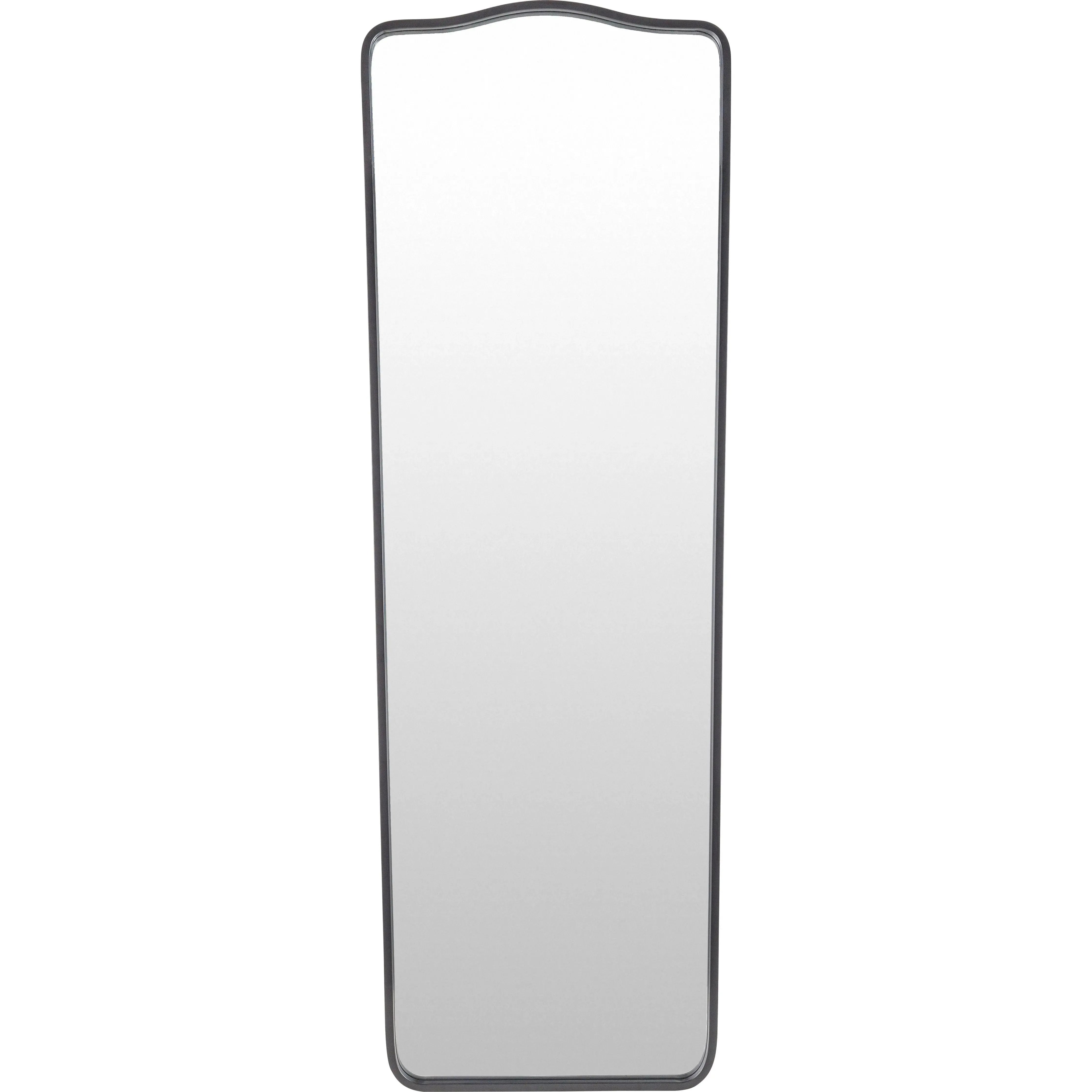
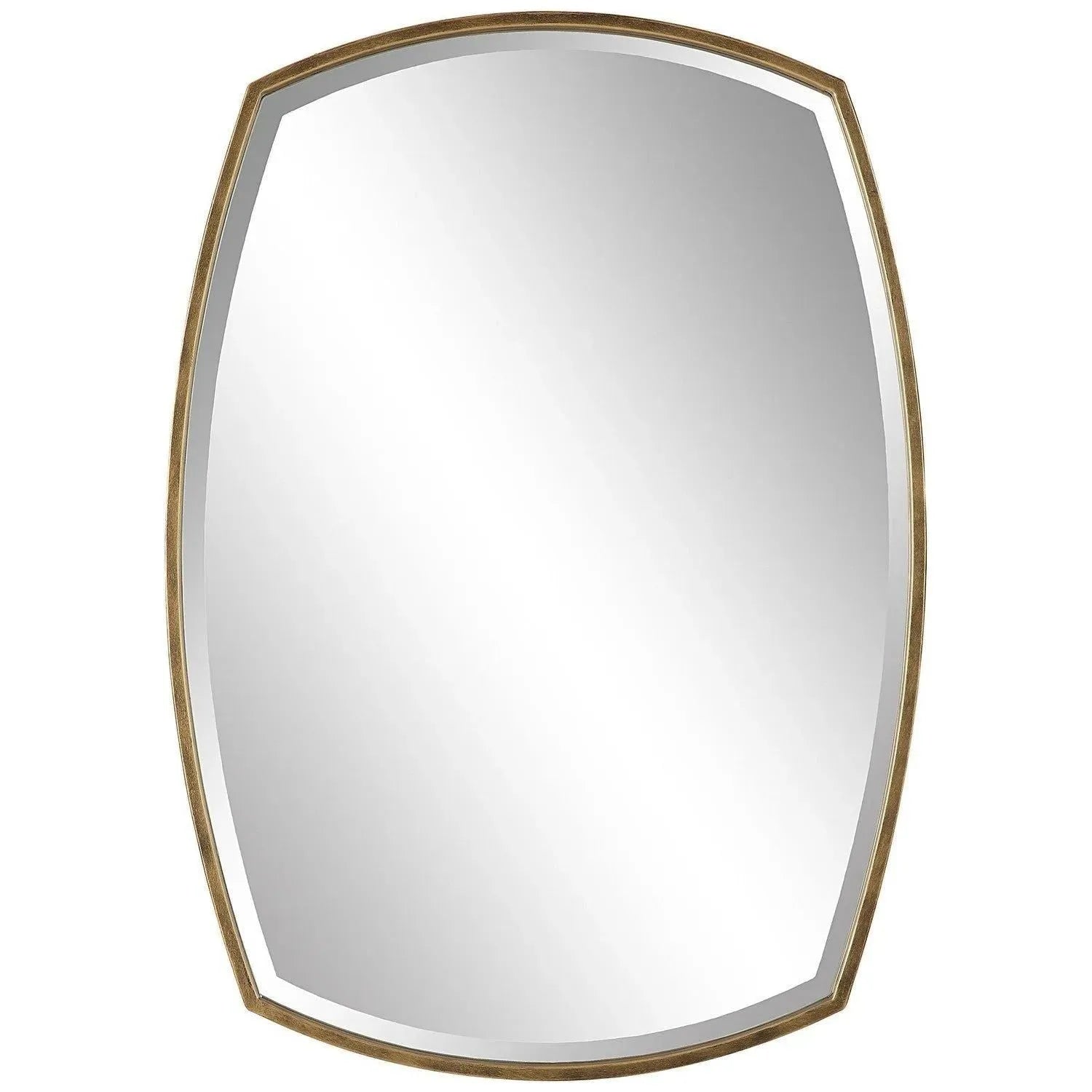


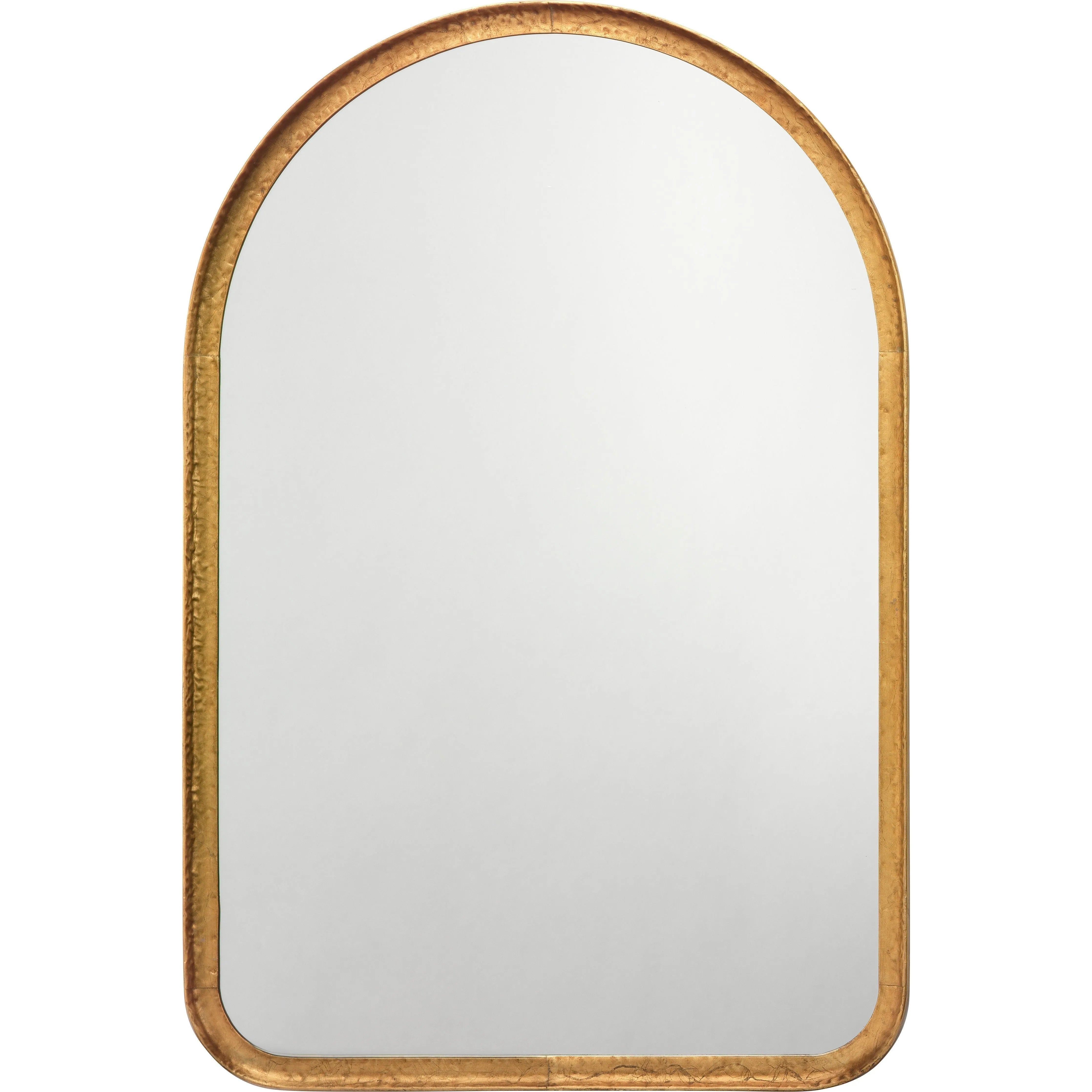

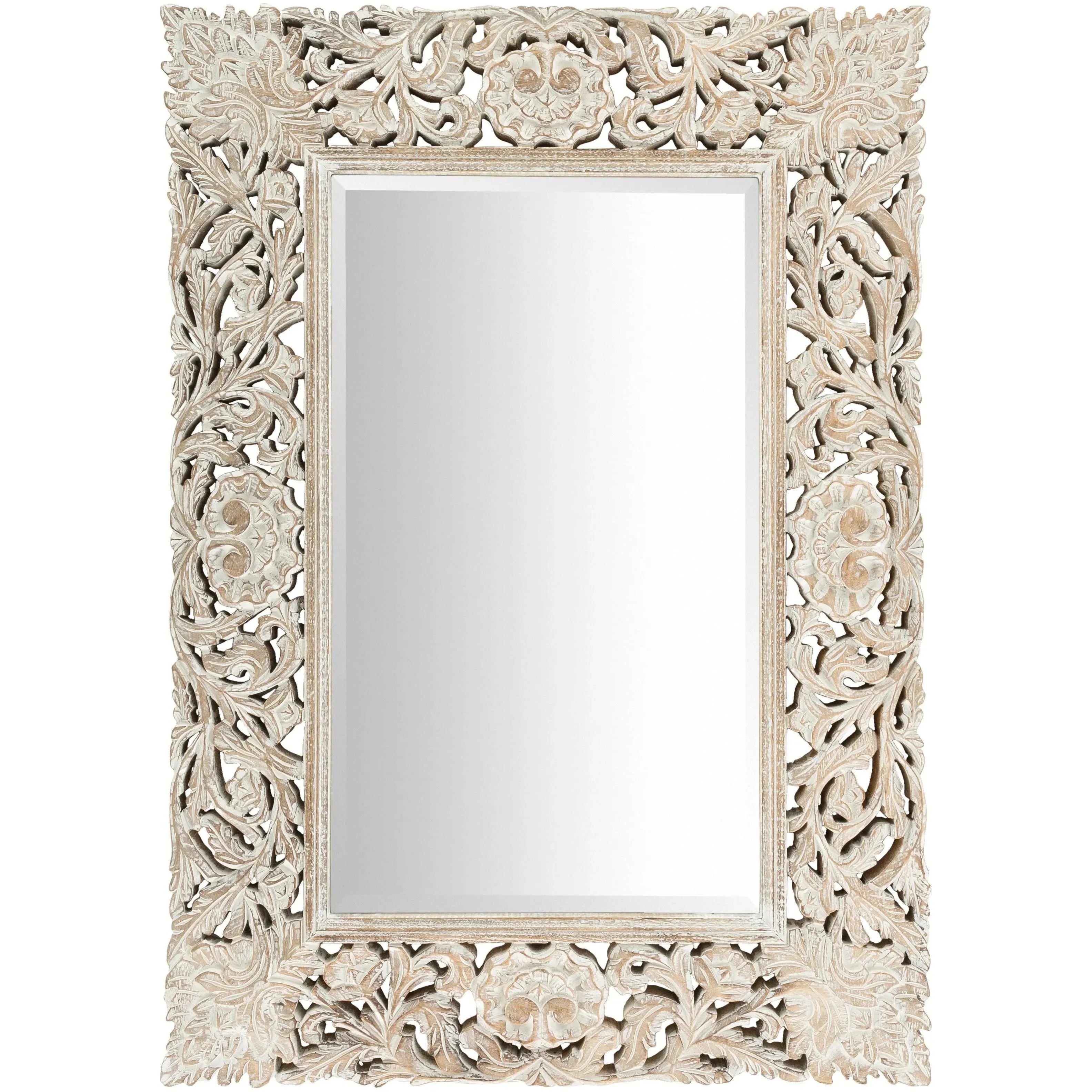
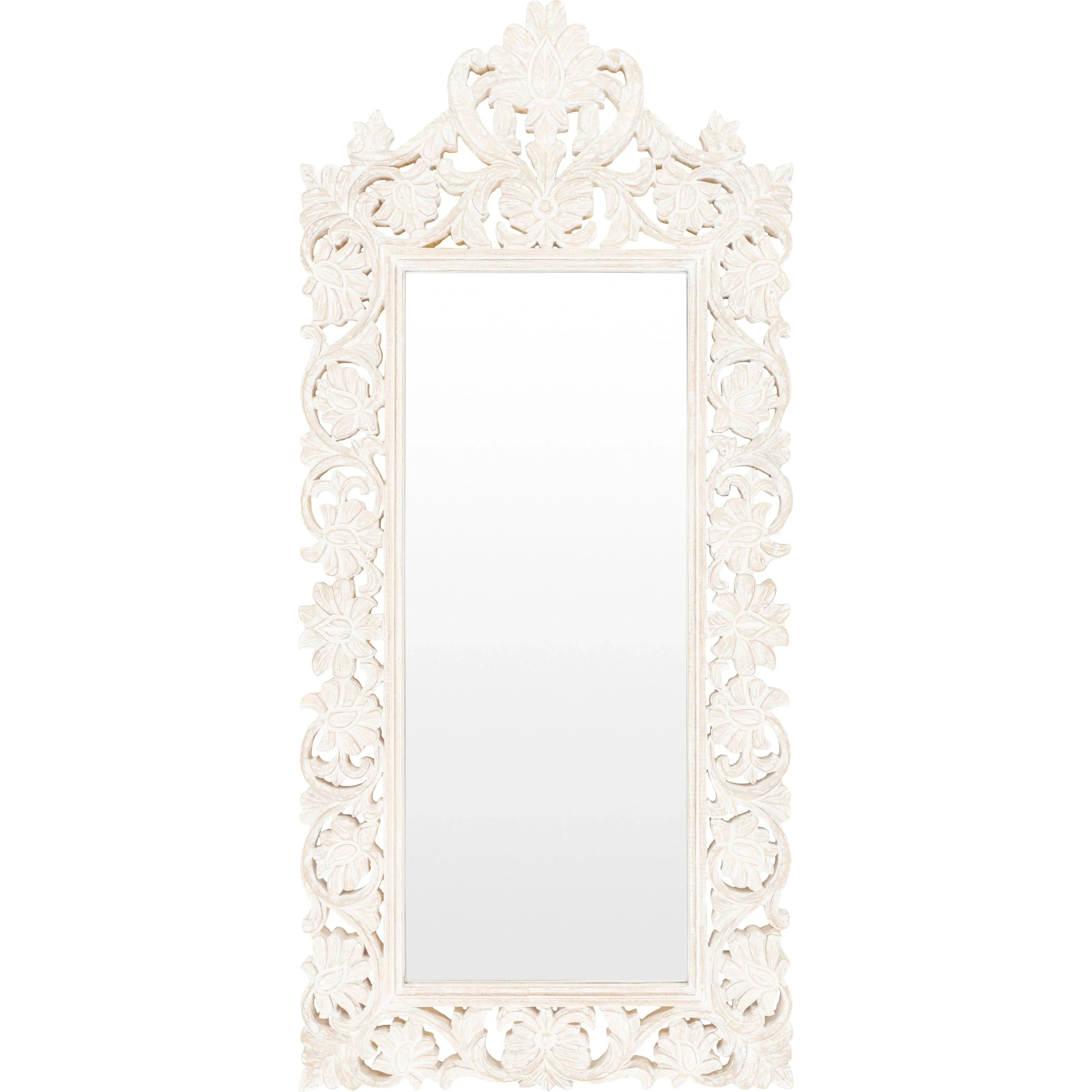


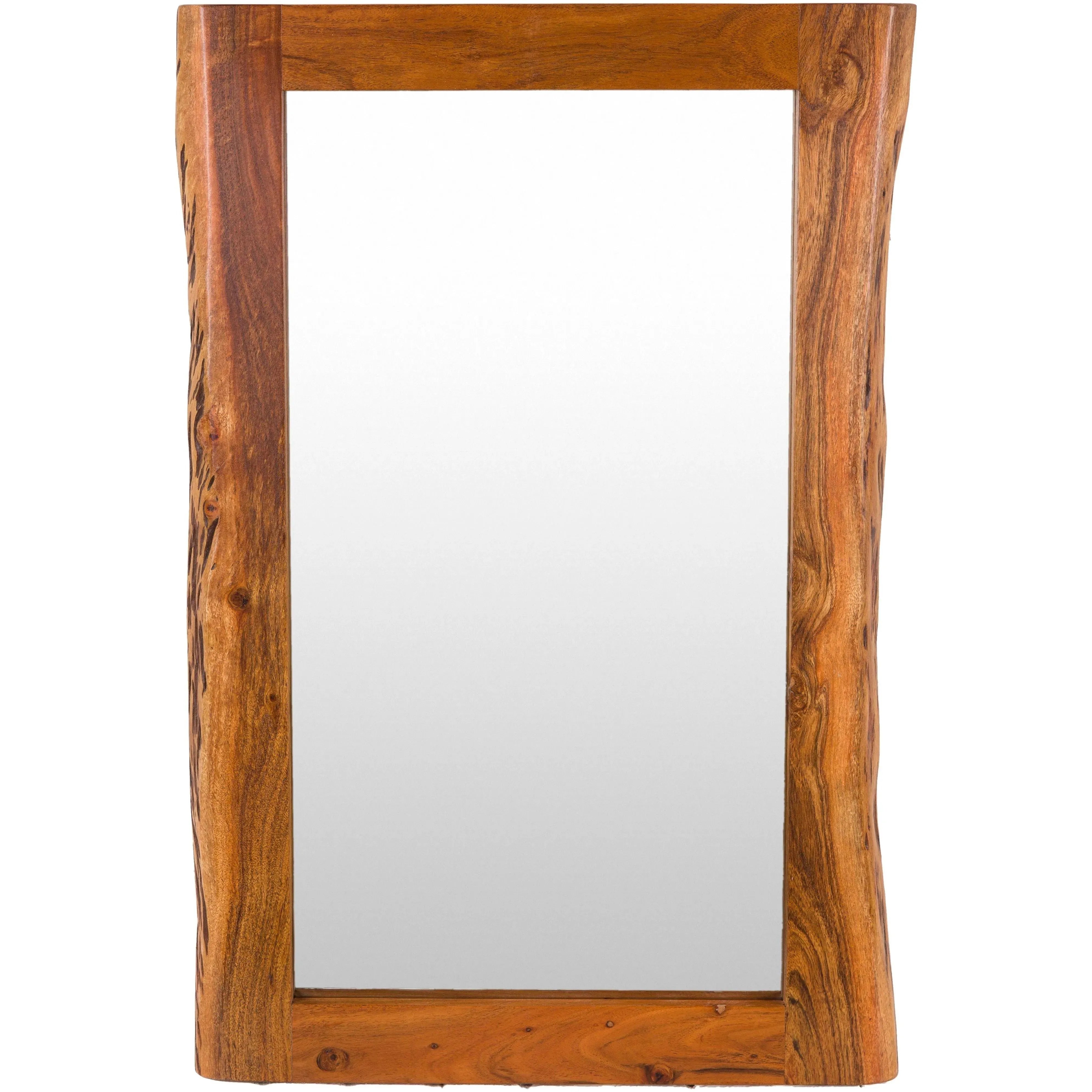
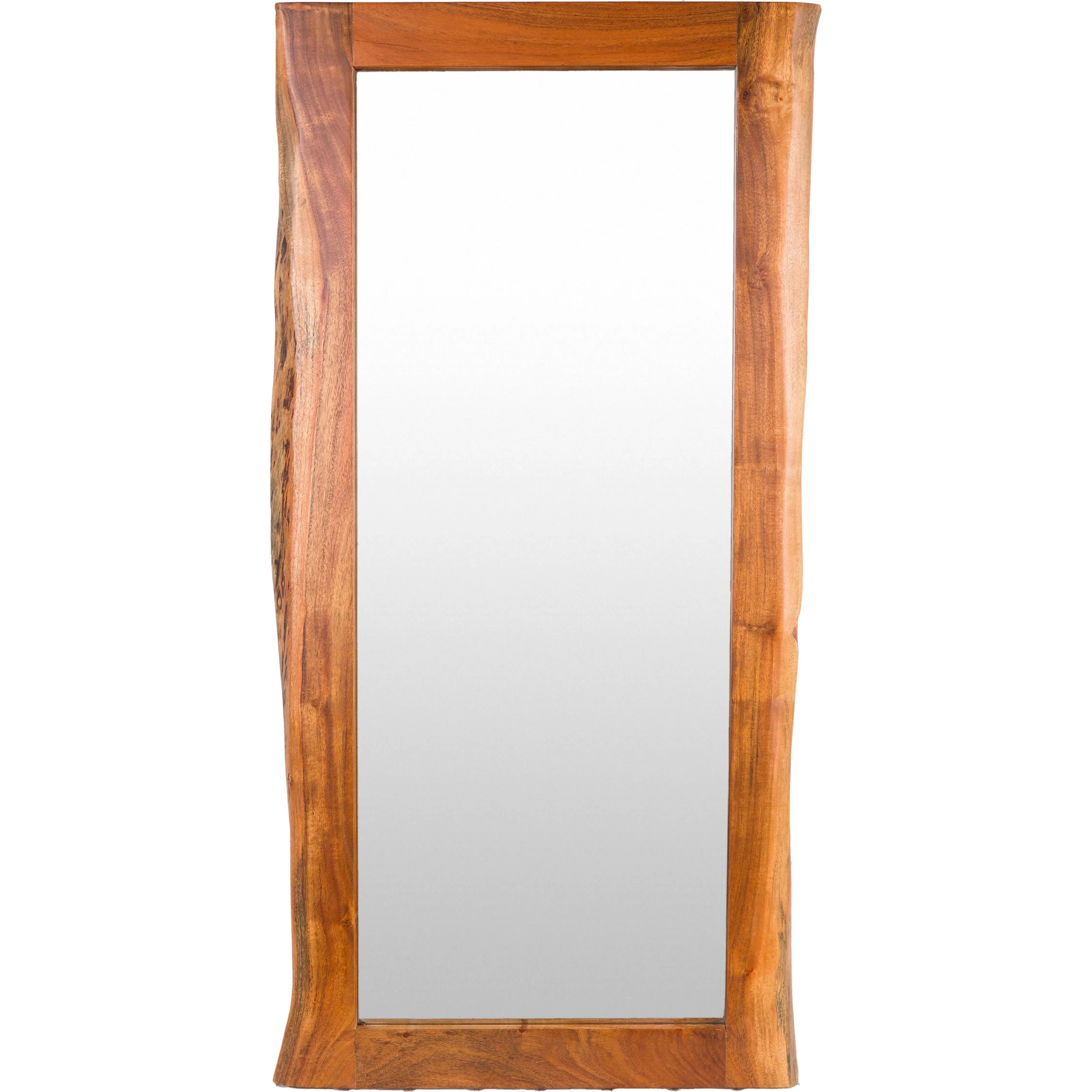
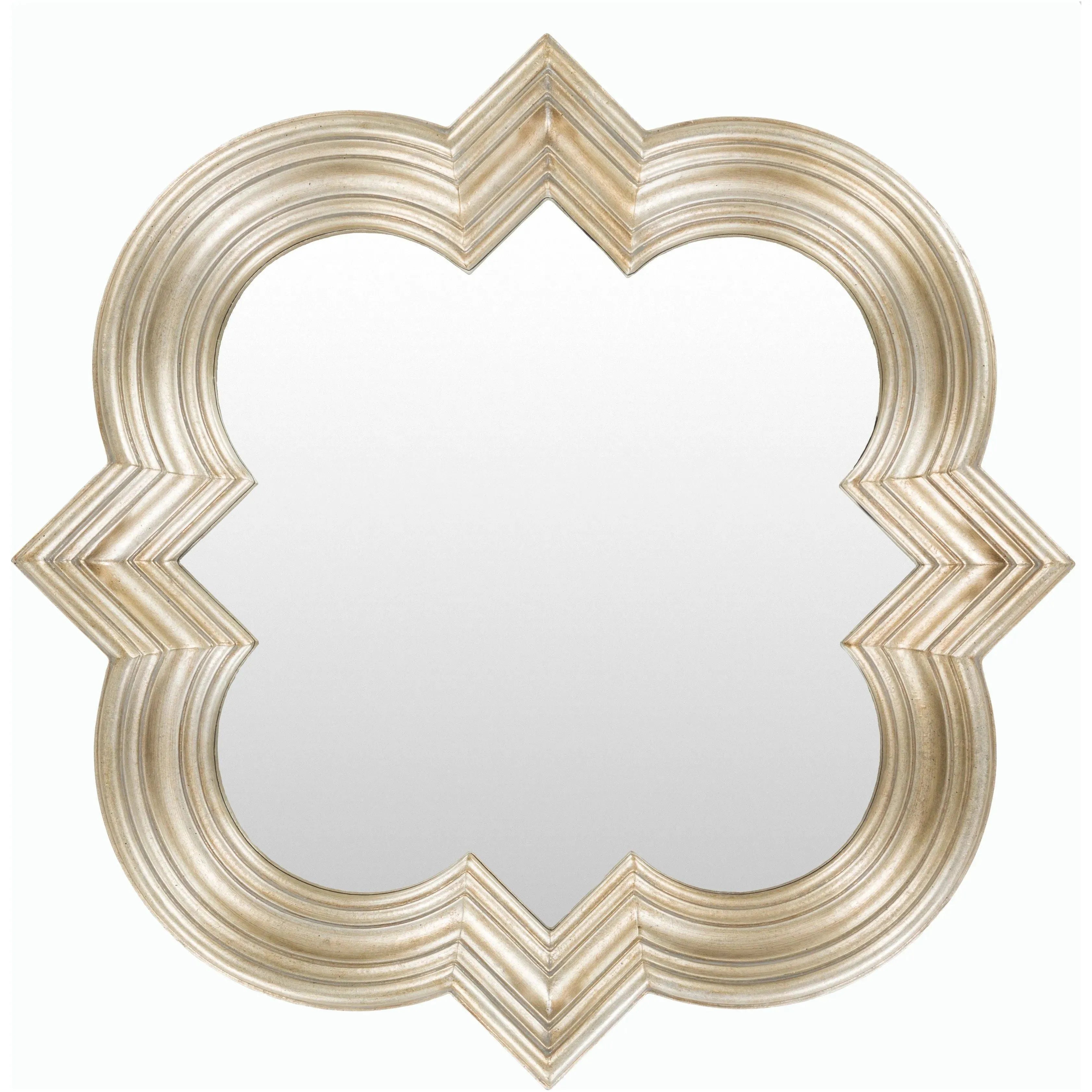
Traditional Wall Mirrors Canada – Ornate, Gilded & Bevelled Designs
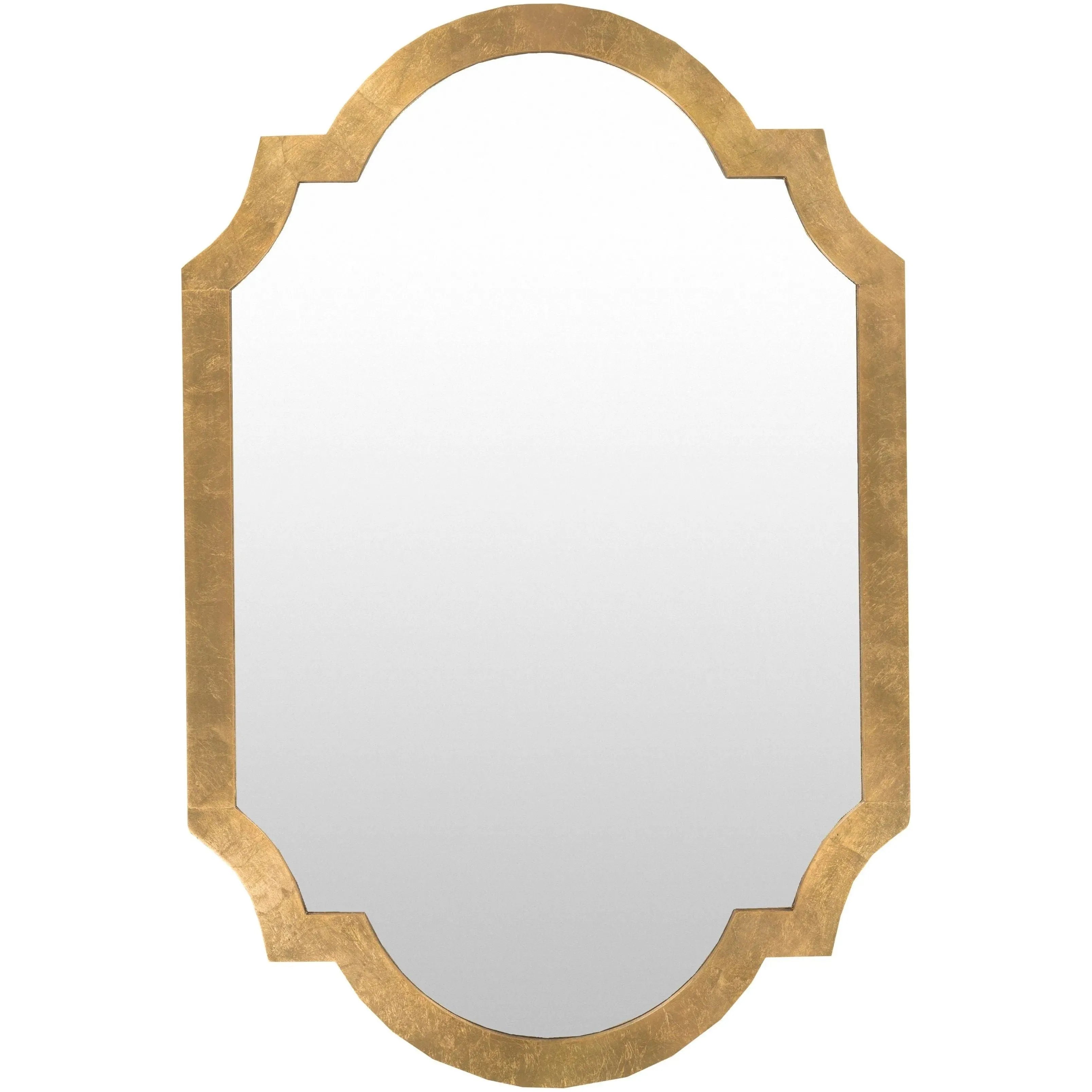
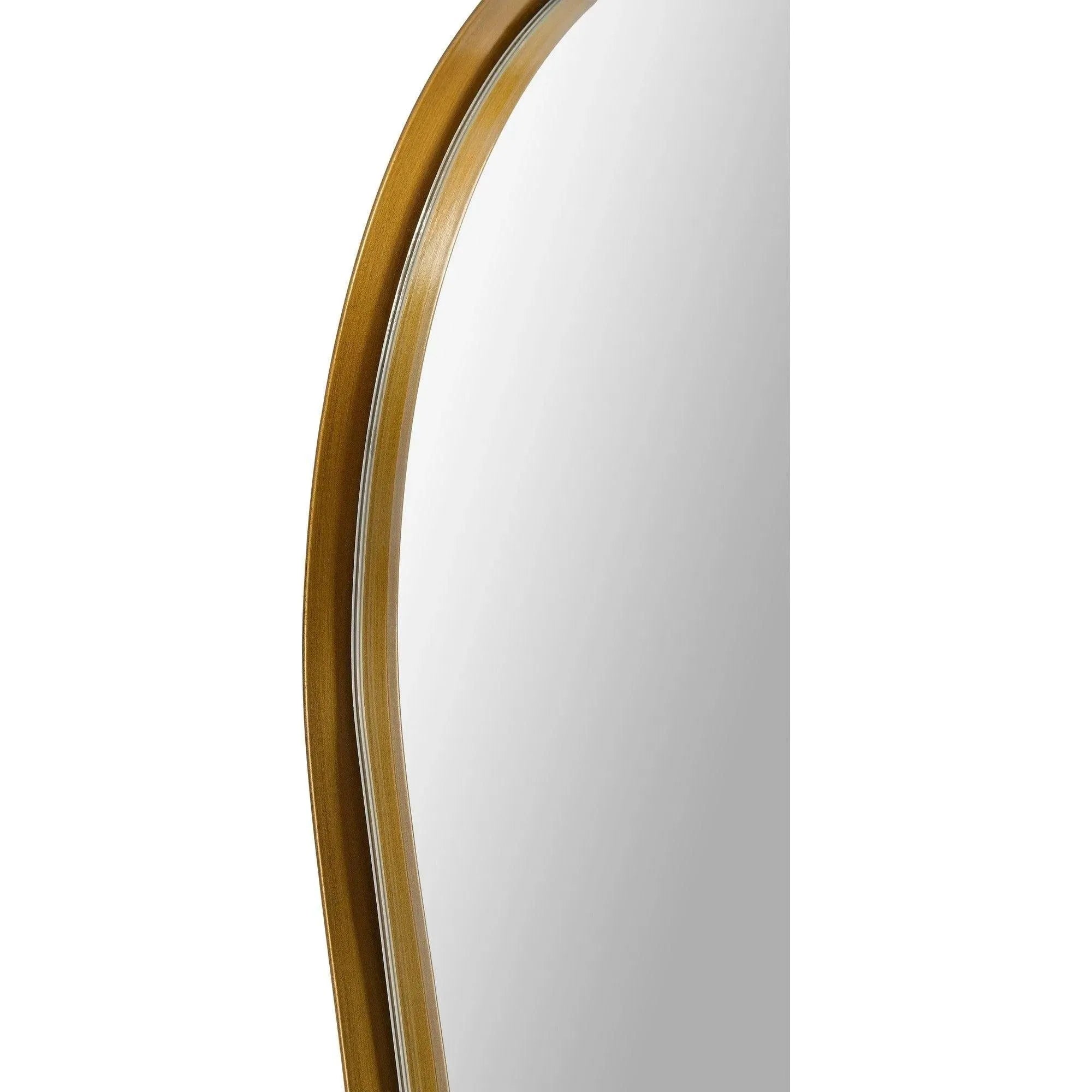
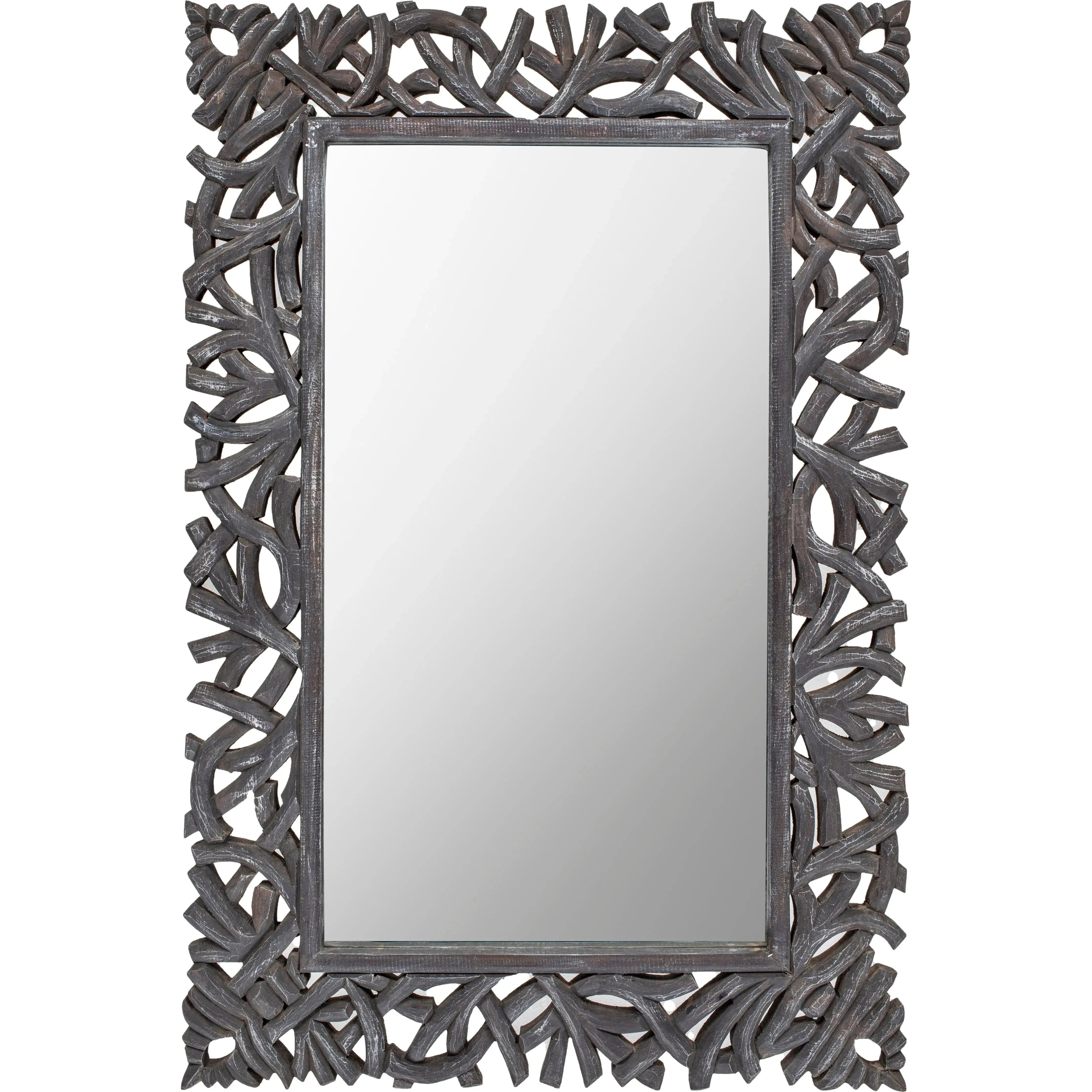
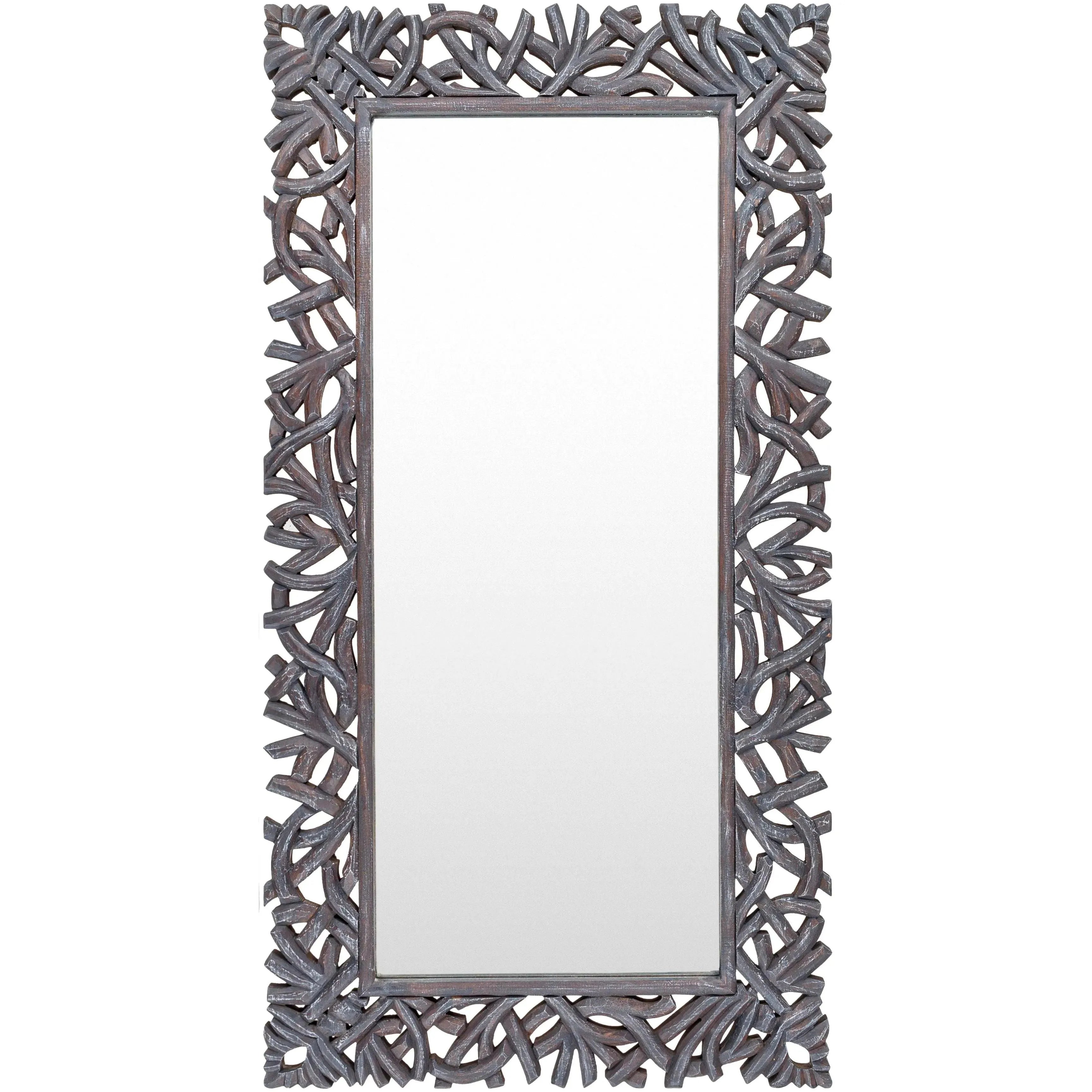
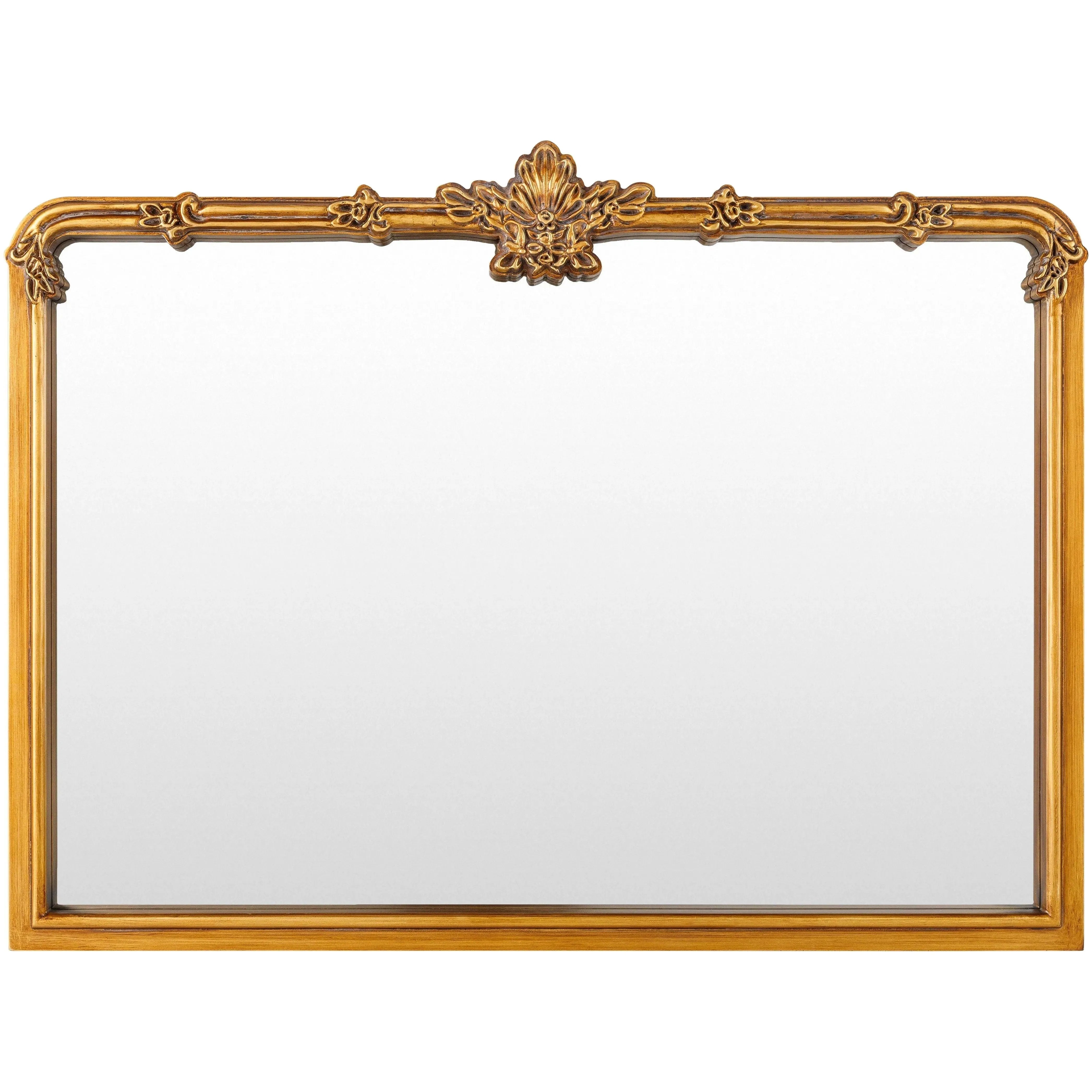
Traditional wall mirrors use carved and gilded frames referencing European Baroque and Rococo design, bevelled rectangular pier and overmantle mirrors in antique gold and silver, oval medallion mirrors with moulded surrounds, convex bull’s-eye mirrors in ebonized and gilded frames, and Chippendale and Federal-style frames with fretwork and pediment detailing. They function as major decorative statements in formally designed rooms.
See also our traditional mirrors selection and illuminated mirrors for bathrooms.
All products are priced in Canadian dollars with free shipping on orders over $199 CAD.
Placement & Scale
Above a Fireplace
A large gilded pier or overmantle mirror above a fireplace is a defining traditional interior moment. Scale generously and leave adequate wall clearance so the ornate frame reads fully.
Entryways
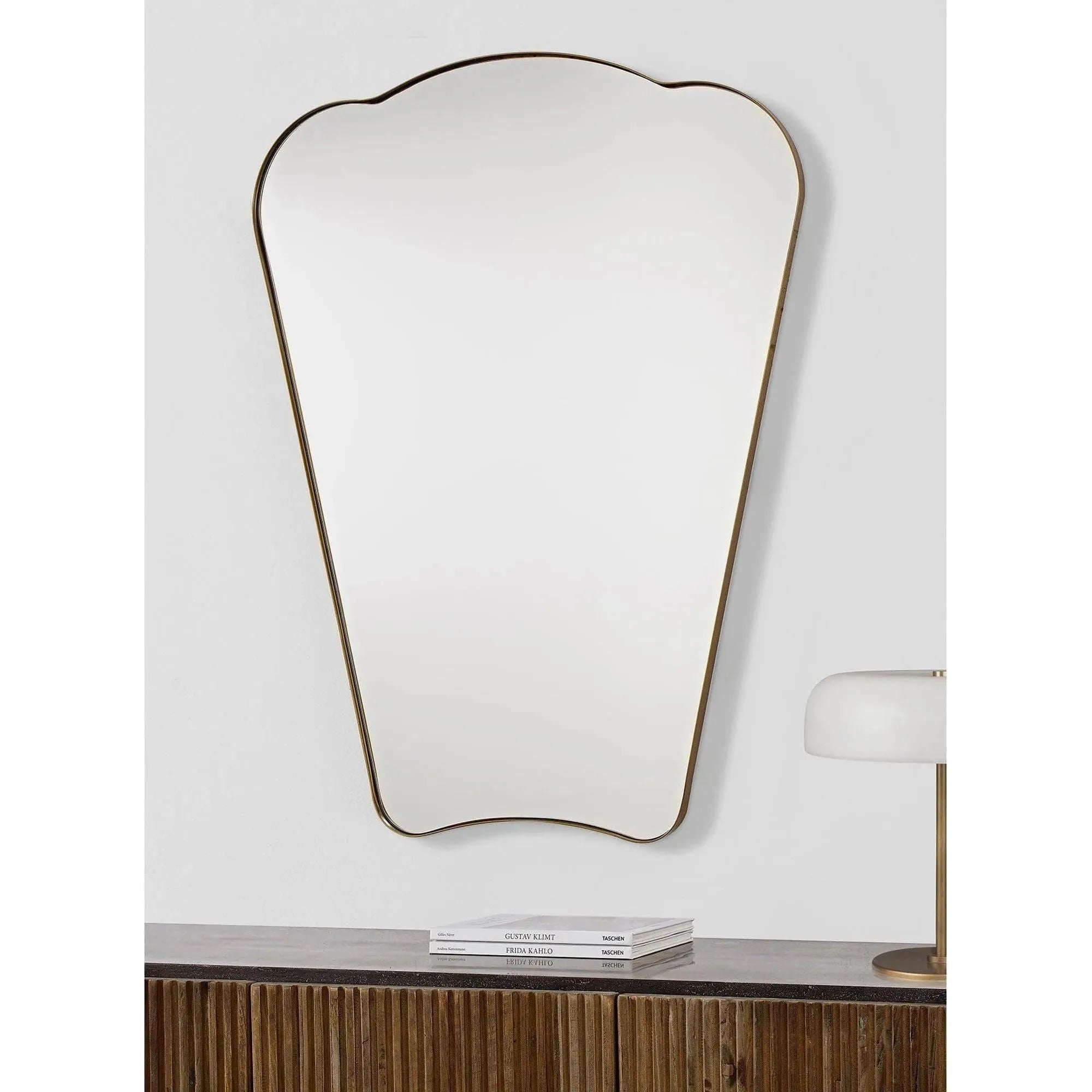
Above a console table, a bevelled rectangular mirror in a substantial antique gold frame doubles the visual depth and formality of the space. Center at roughly 57 to 60 inches from the floor.
Bedrooms & Dressing Rooms
Oval and arched framed mirrors suit dressing areas, combining a practical mirror with period decorative character.
Brands in This Collection
Mirrors from Surya and Livabliss.
Traditional Wall Mirror FAQs
What height should a wall mirror be hung at?
Center at roughly 57 to 60 inches from the floor for most applications — approximately average eye level. Above a console or mantle, leave several inches of clearance between the surface and the bottom of the frame.
What size wall mirror should I choose?
Above furniture, aim for roughly two-thirds to three-quarters the width of the piece below. Ornate frames need breathing room — allow 6 to 12 inches of clear wall beyond the frame on each side.
What is a convex or bull’s-eye mirror?
A convex mirror has an outward-curving surface that reflects a wide-angle view of the room. Known as bull’s-eye mirrors, they were a Federal and Regency period staple, usually in a circular gilded or ebonized frame, often with decorative detail.
How do I hang a heavy ornate mirror safely?
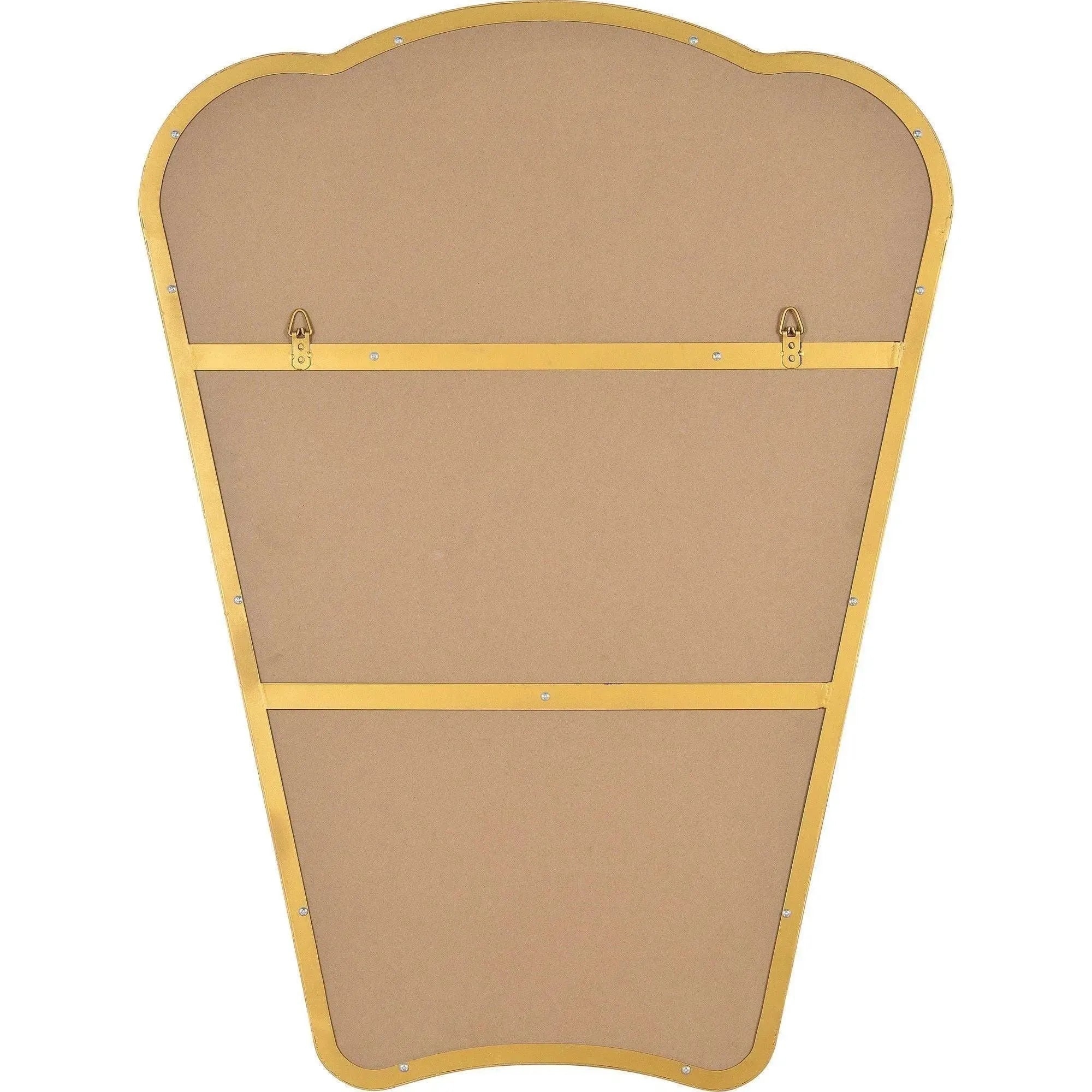
Gilded and carved mirrors are heavy. Anchor into wall studs where possible, or use hardware rated well above the mirror’s weight. Check the listed weight and included mounting hardware, and match anchors to your wall construction.
Can traditional mirrors work in a modern room?
Yes — an ornate gilded frame against a plain contemporary wall is a long-standing designer contrast that adds warmth and history without requiring the rest of the room to be traditional.
Where can I buy traditional wall mirrors in Canada?
Montreal Lighting & Hardware carries them online and at our Mount-Royal showroom (5670 Paré Street, Quebec, H4P 2M2). We ship Canada-wide at CAD prices with free shipping on orders over $199. Call (514) 416-2013.
| Location | Size | Mounting height |
|---|---|---|
| Above fireplace | Scale to chimney breast | 6-12" above mantle |
| Above console (entryway) | 2/3 - 3/4 console width | 6-12" above table |
| Living room (pier) | 24" - 48" wide | Center at 57-60" |
| Hallway (bull's-eye) | 18" - 30" diameter | Center at 57-60" |
| Formal bedroom | Scale to dresser | 6-12" above dresser |