Japandi Decorative Accessories
Matte ceramic, natural wood, and woven rattan for calm, intentional interiors. Shop from Arteriors, Kuzco Lighting, and more.
Learn more27 products

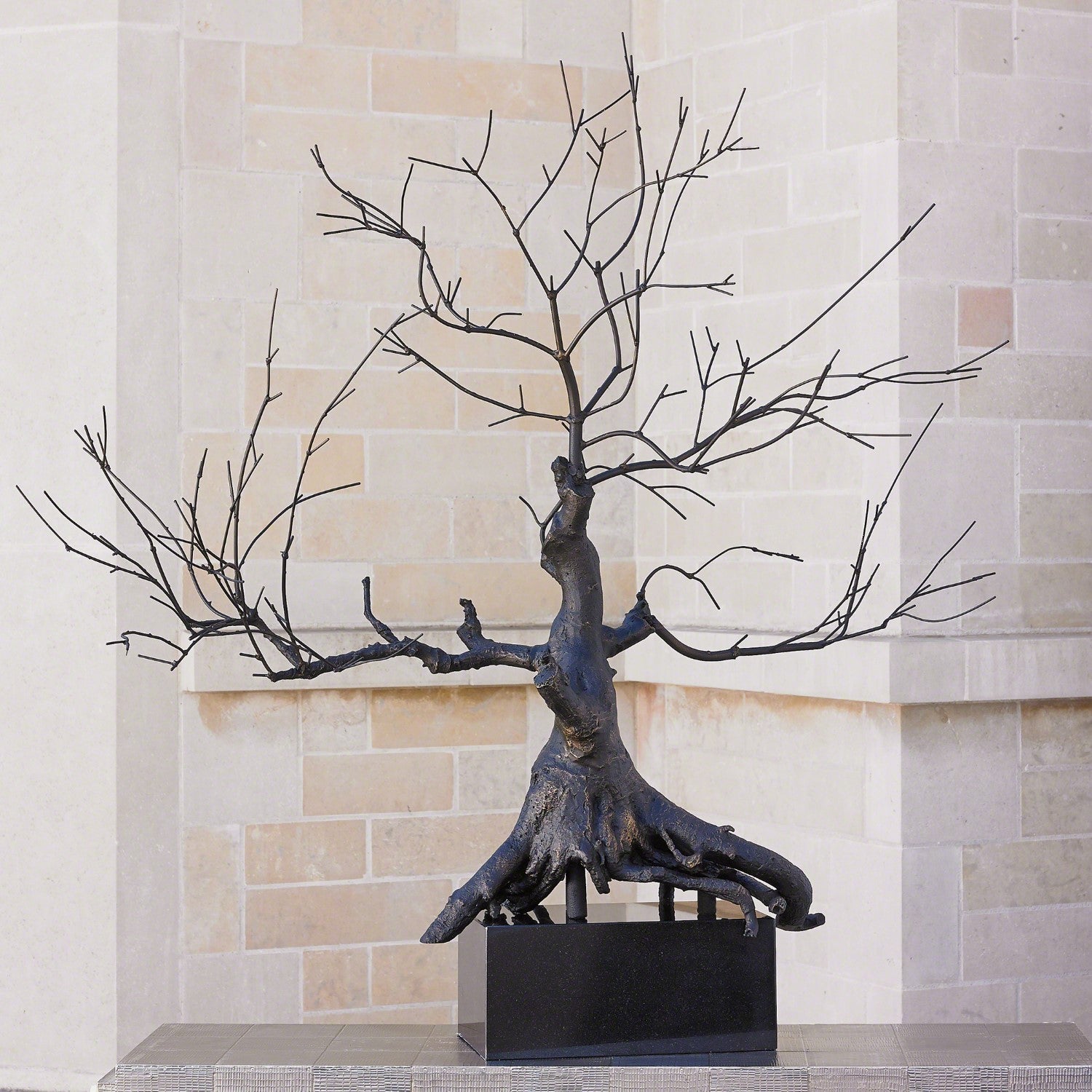

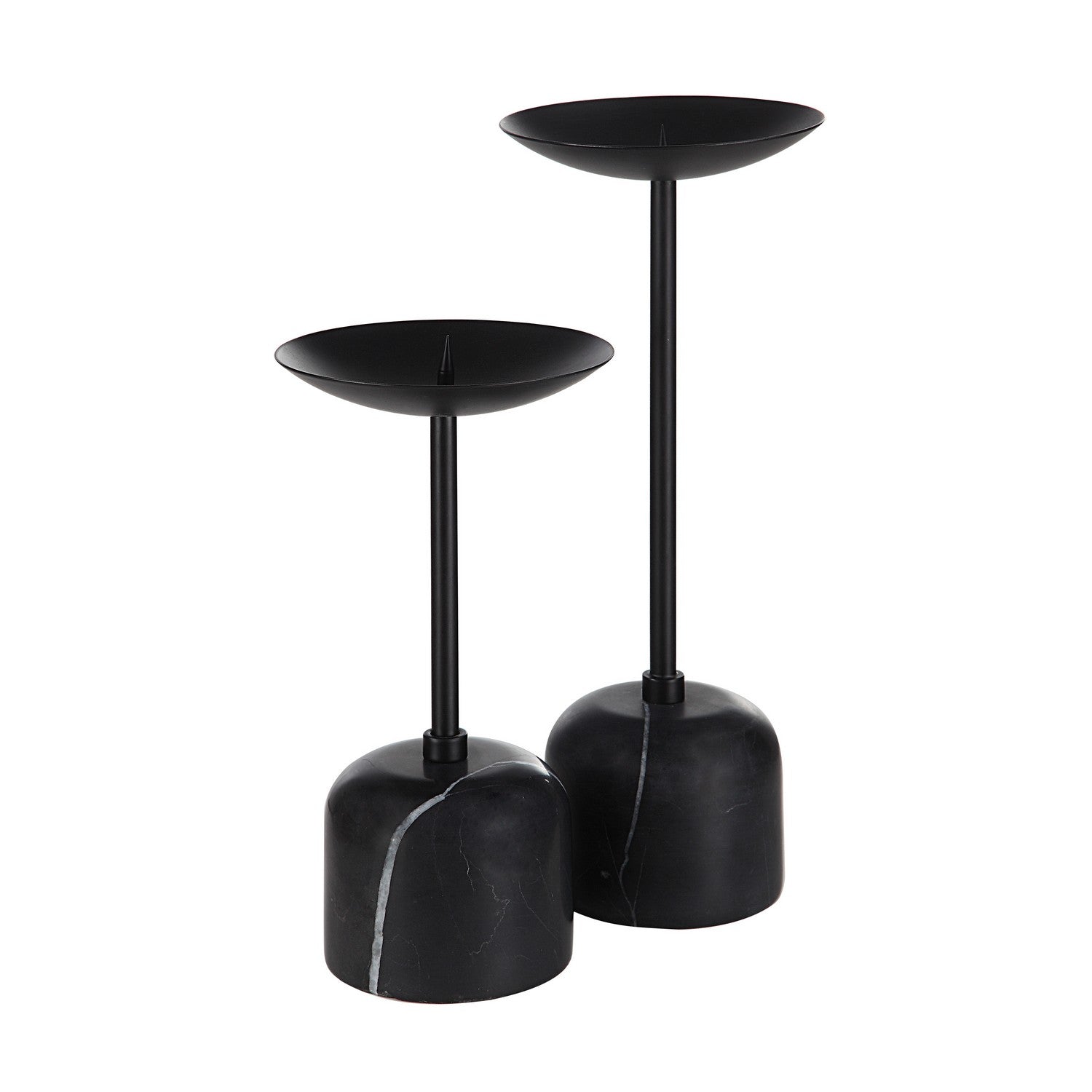
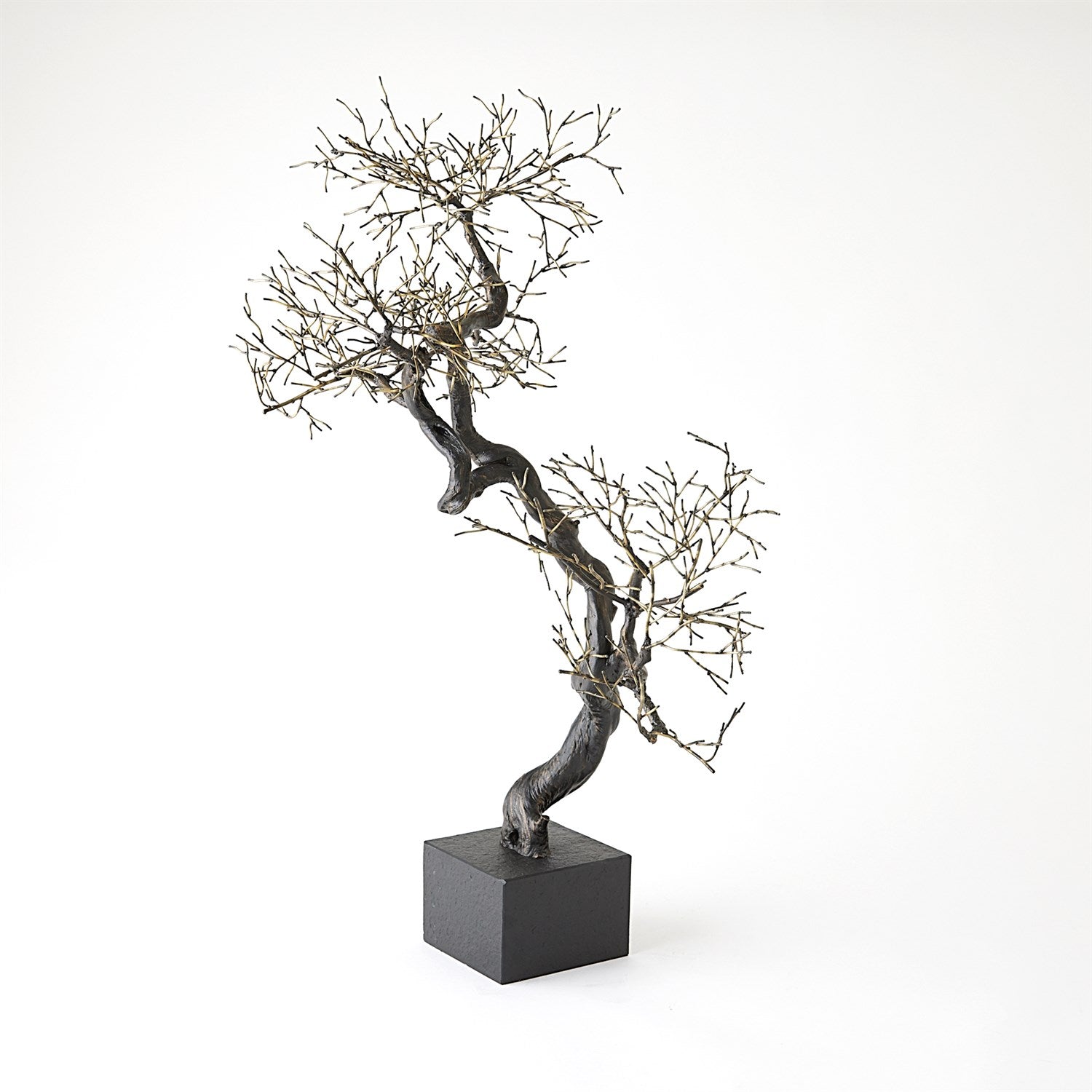
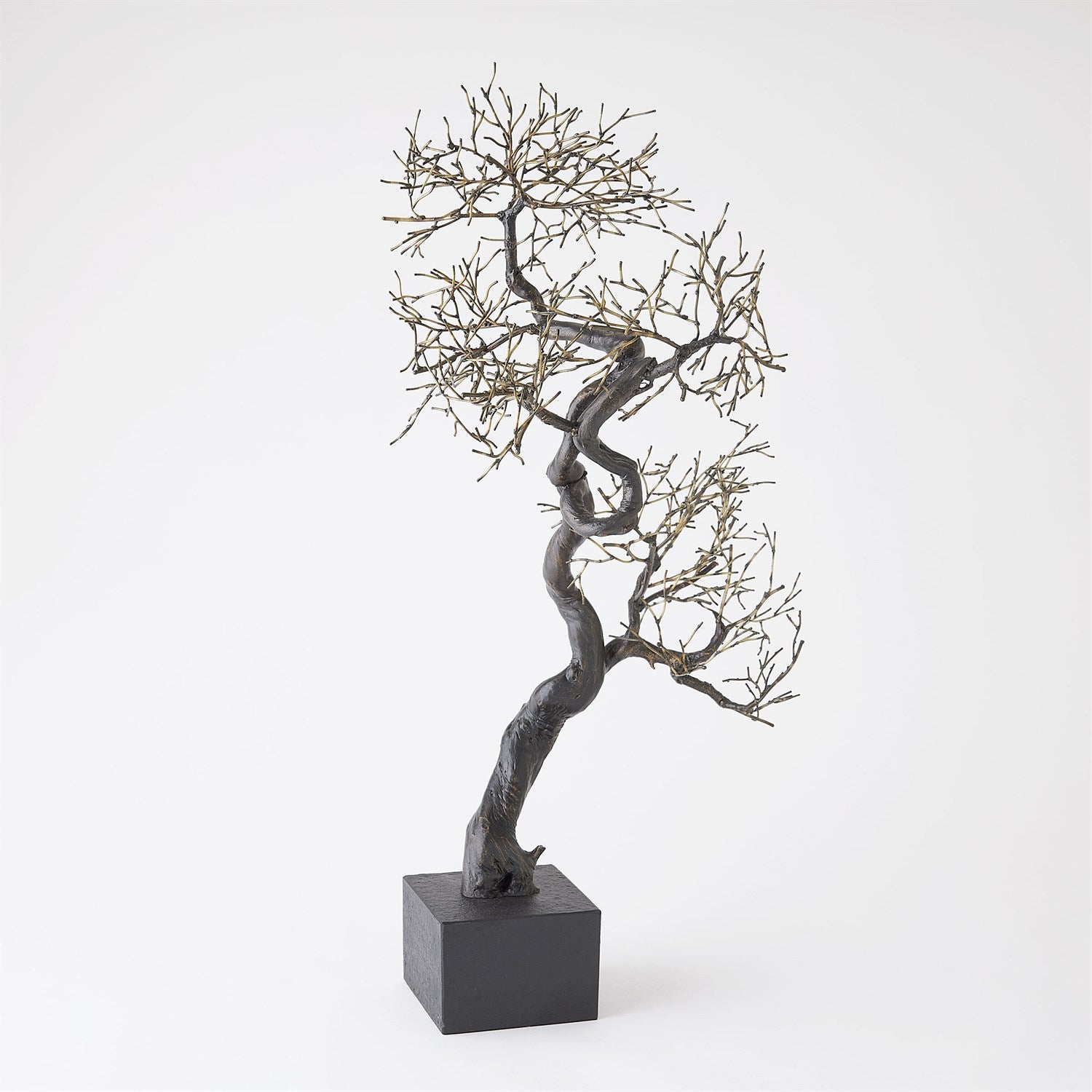
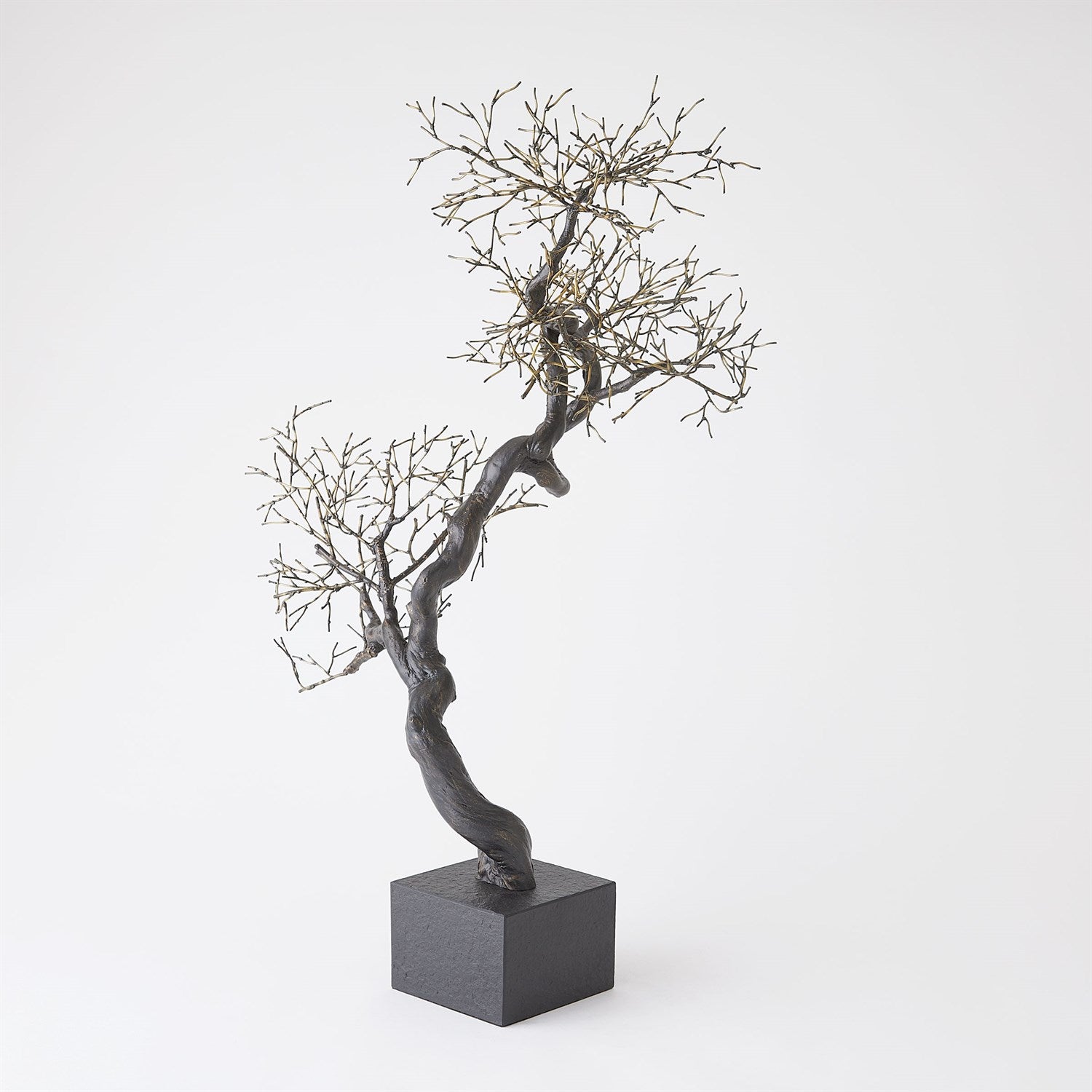
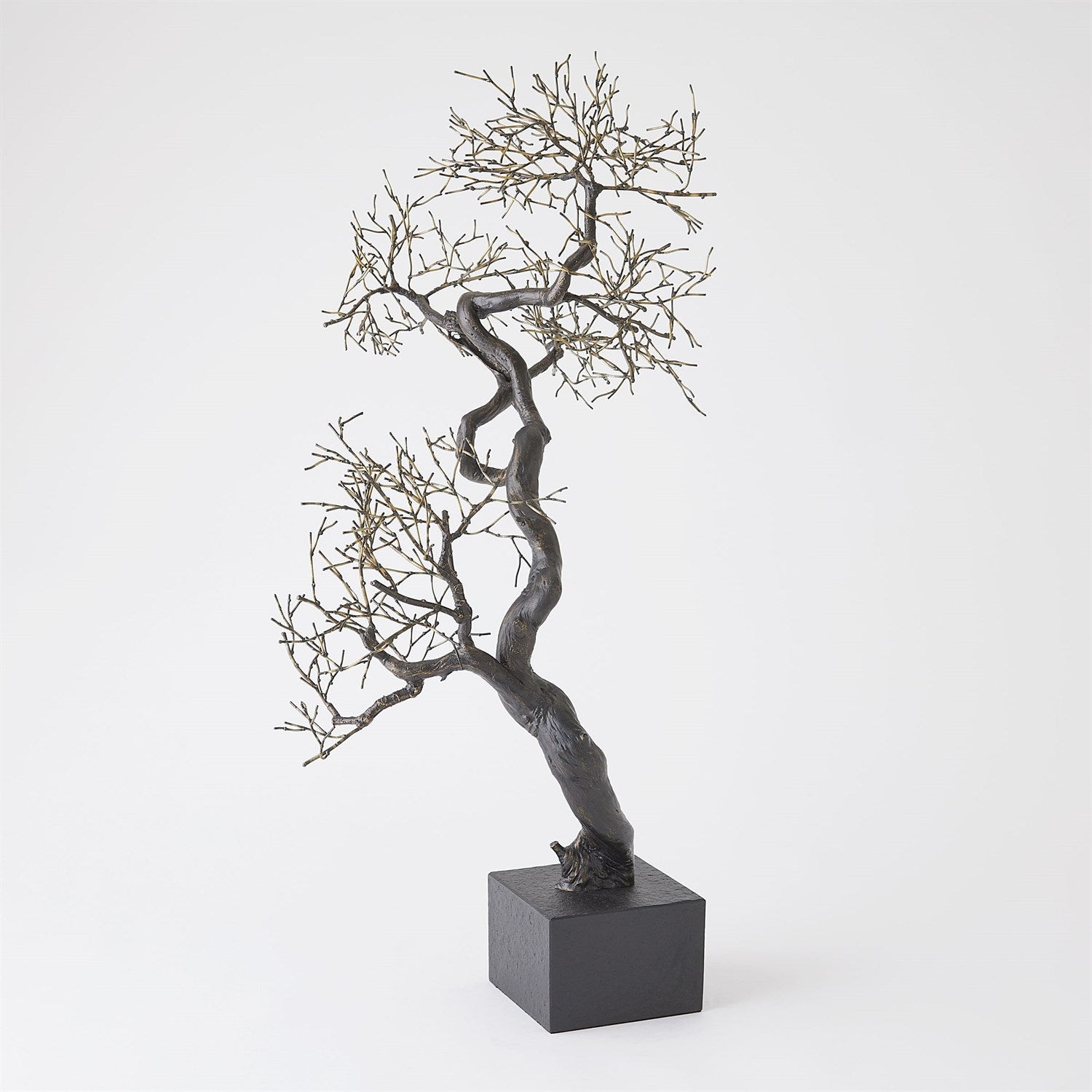
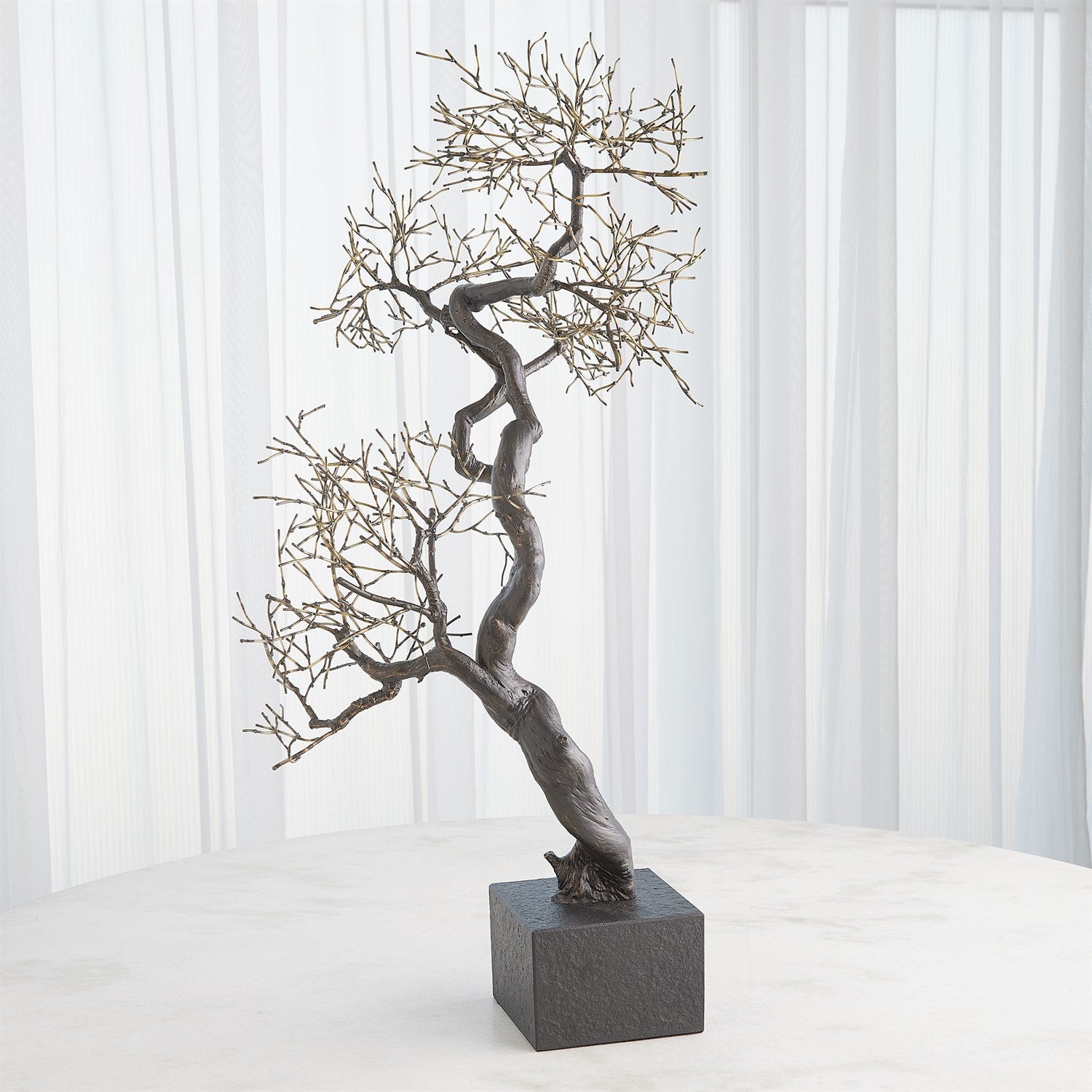
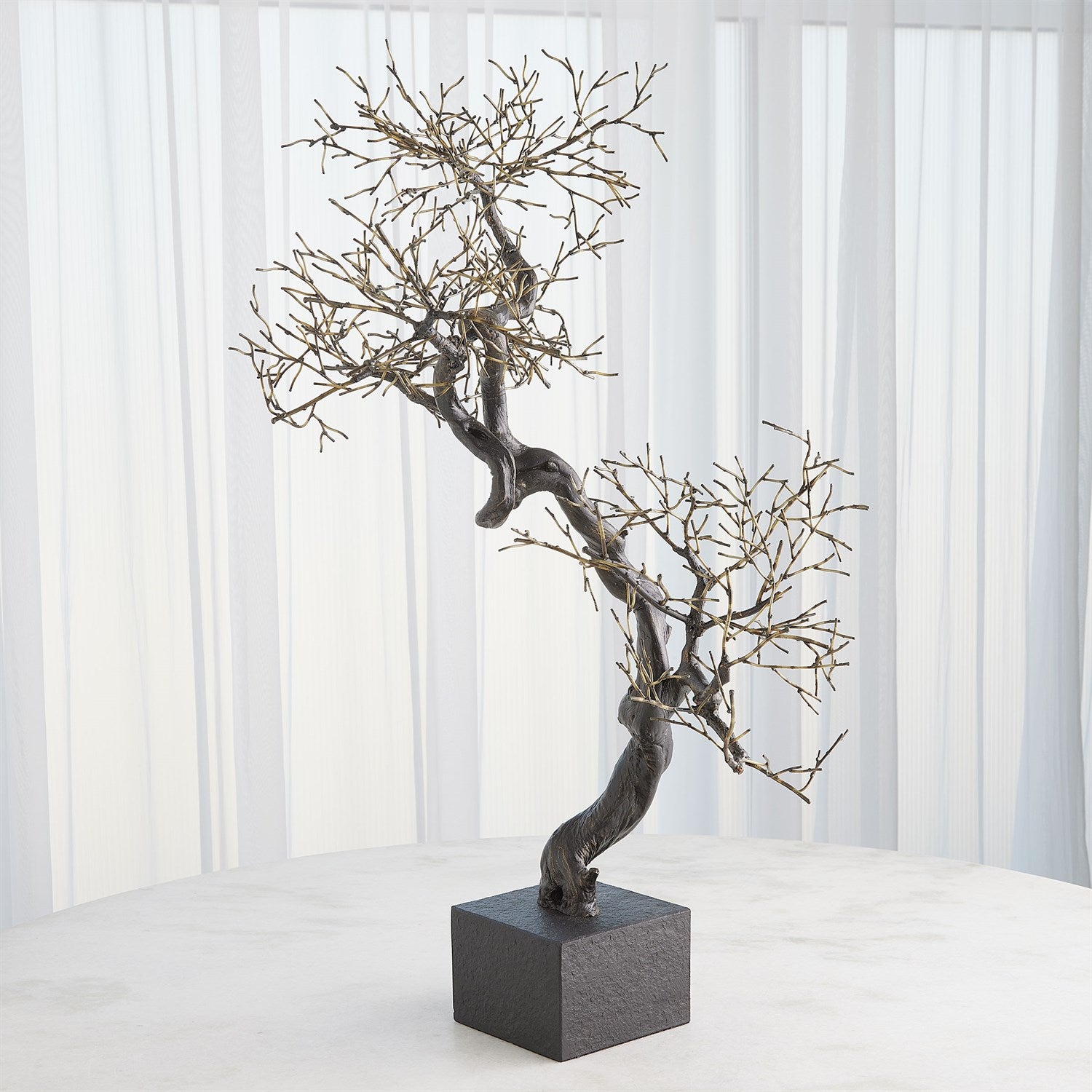
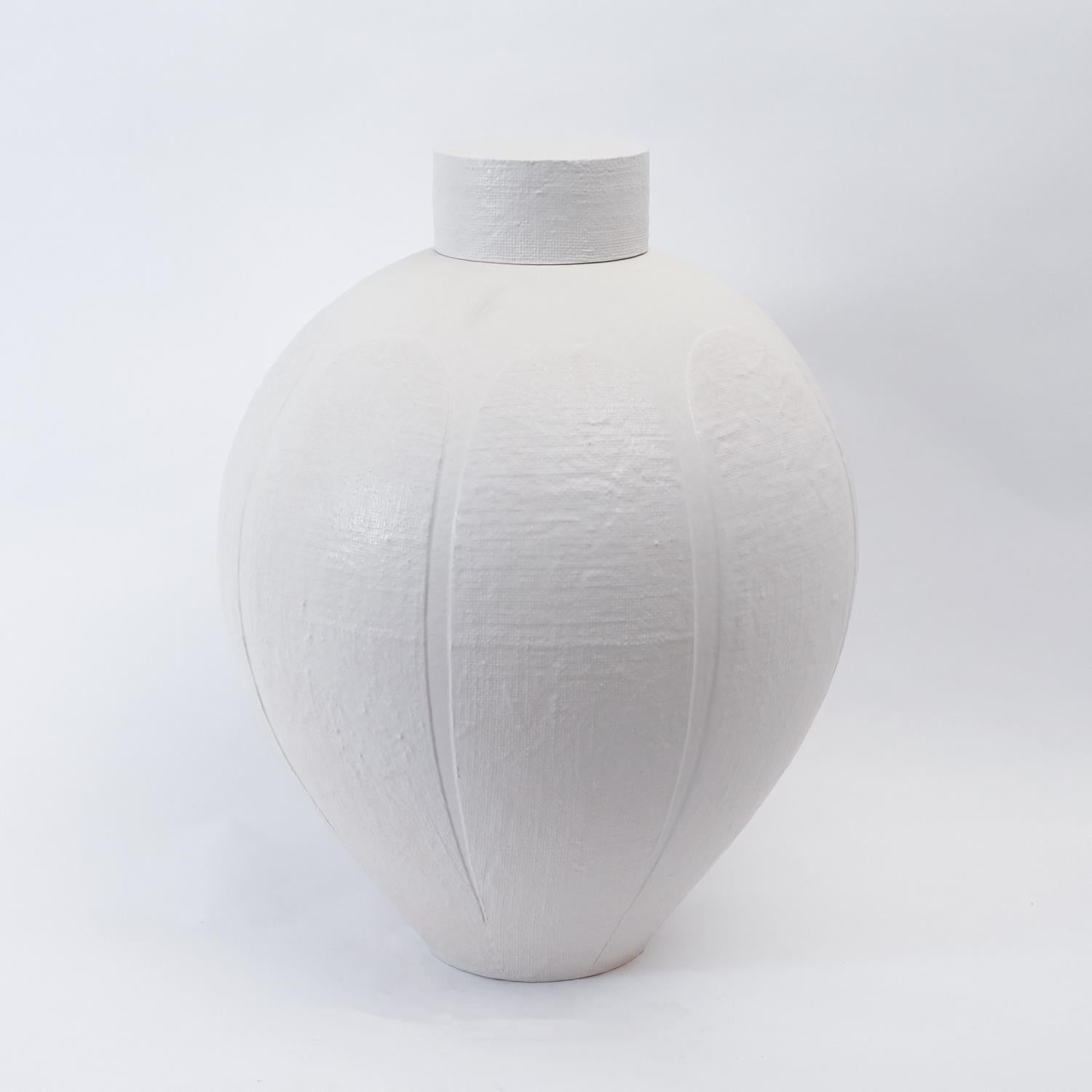
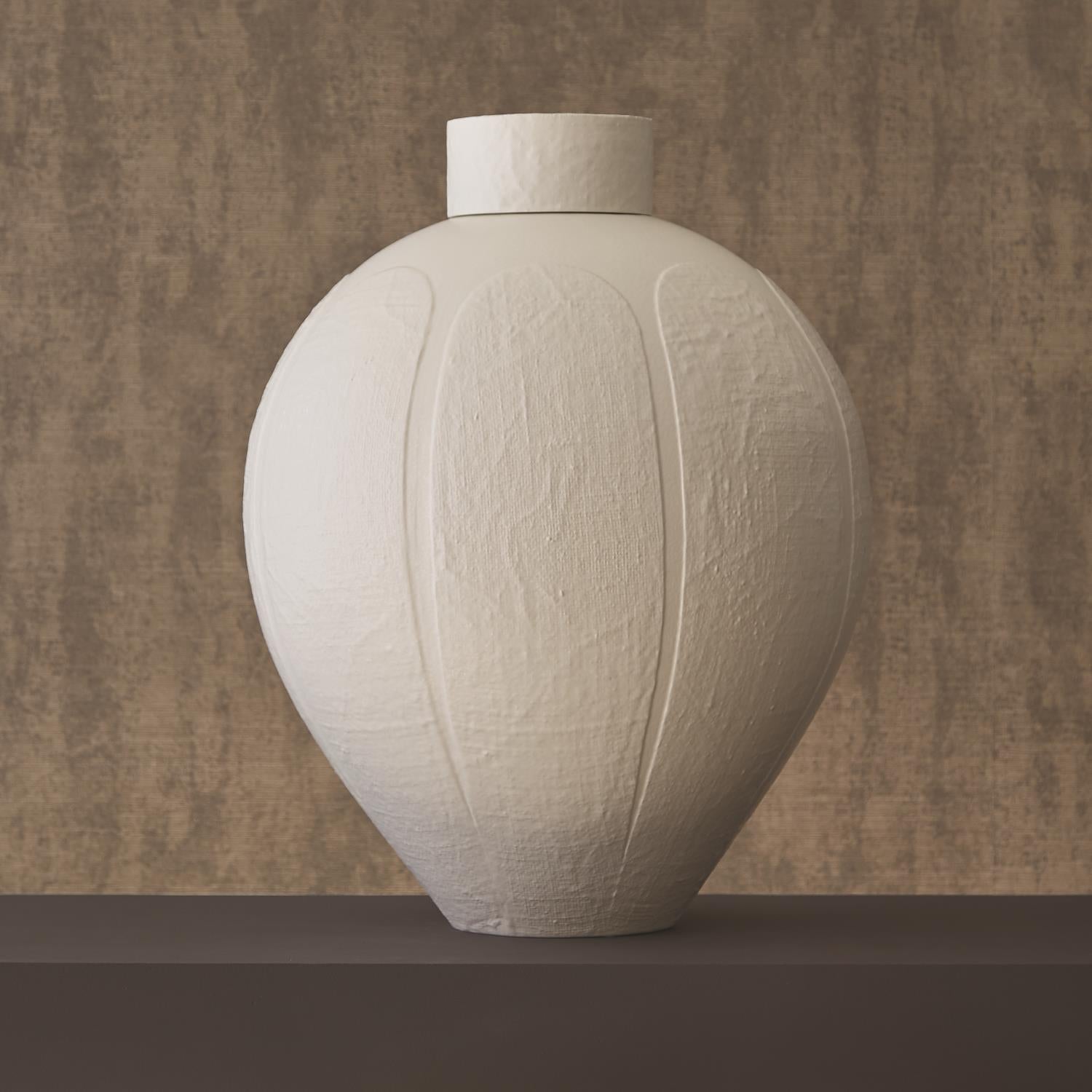
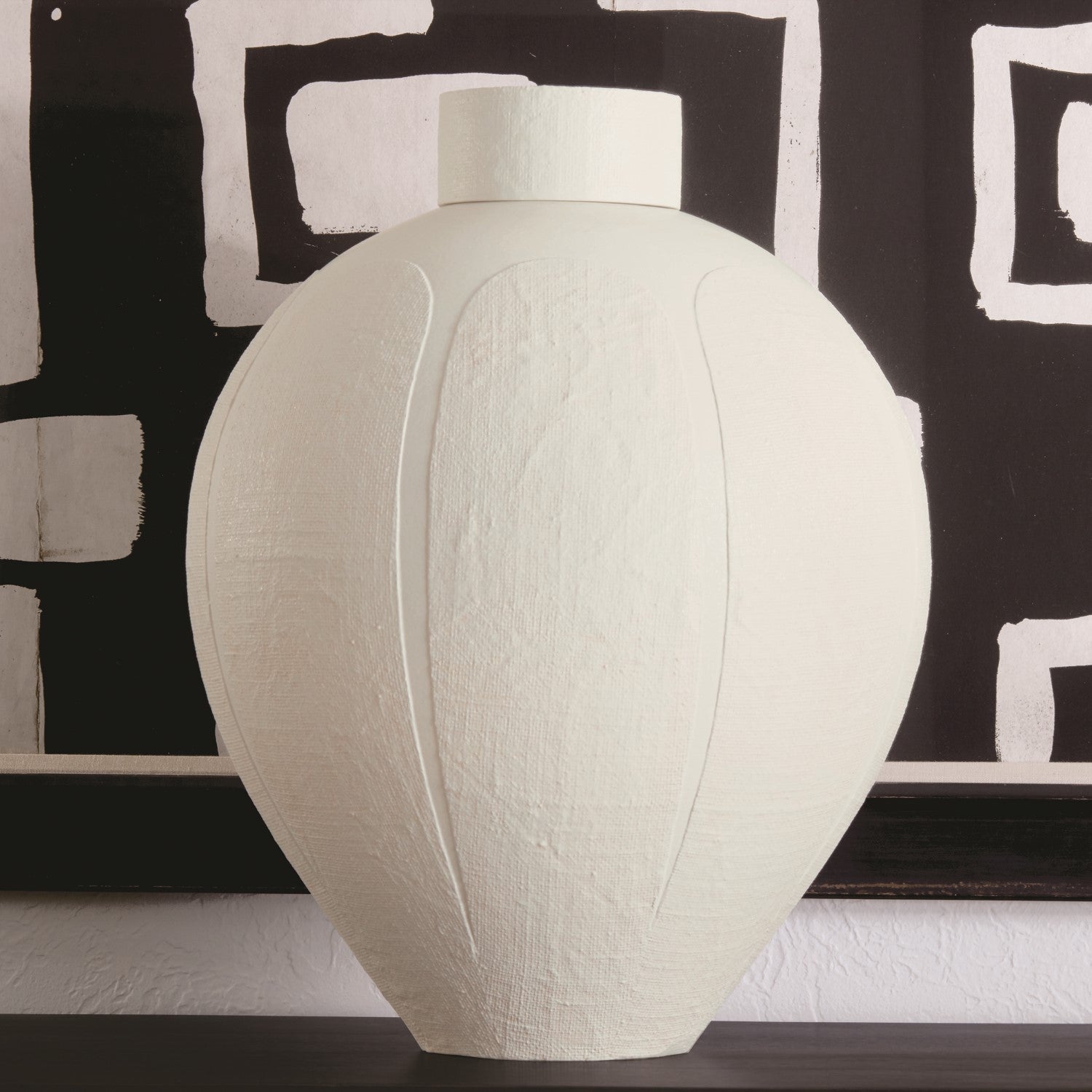
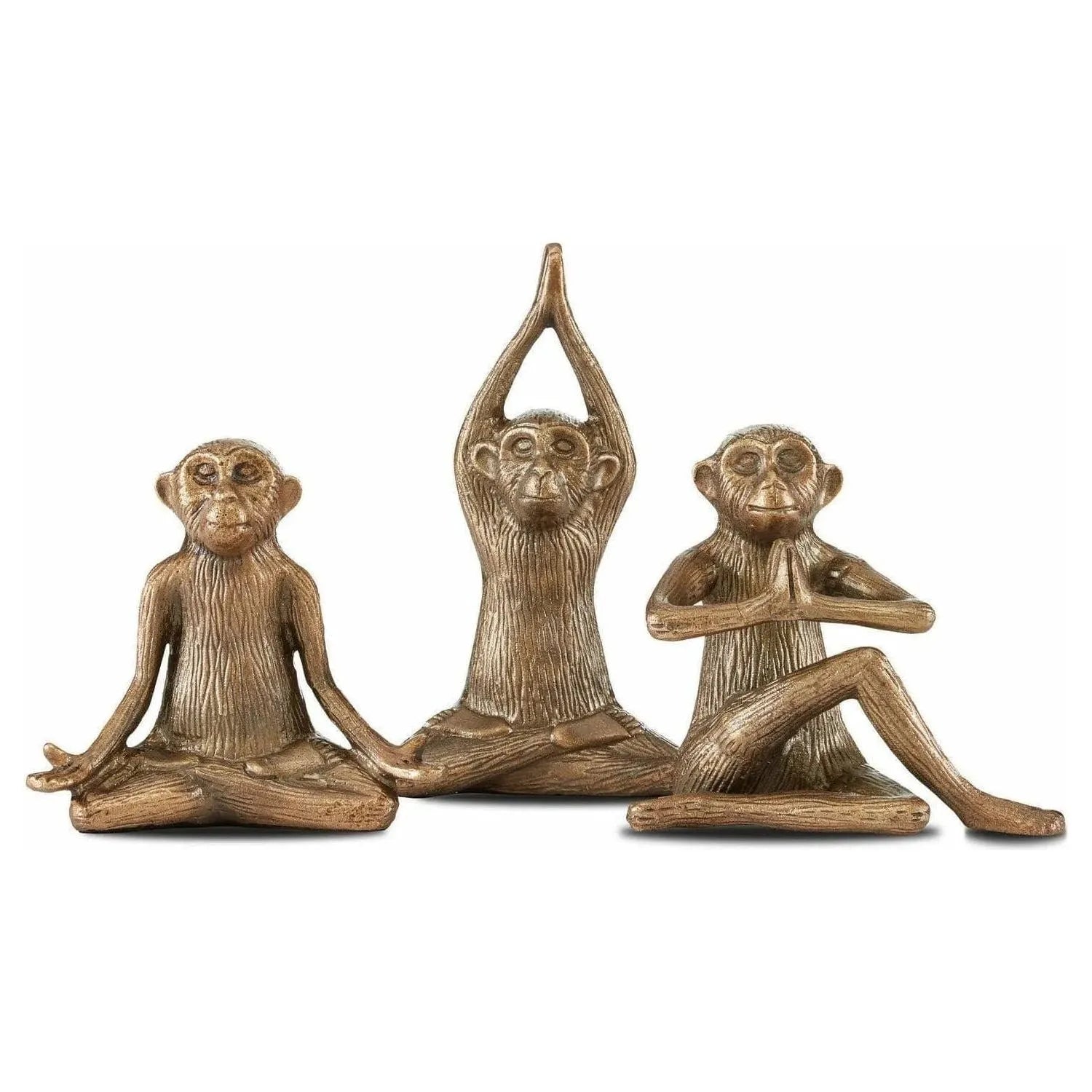
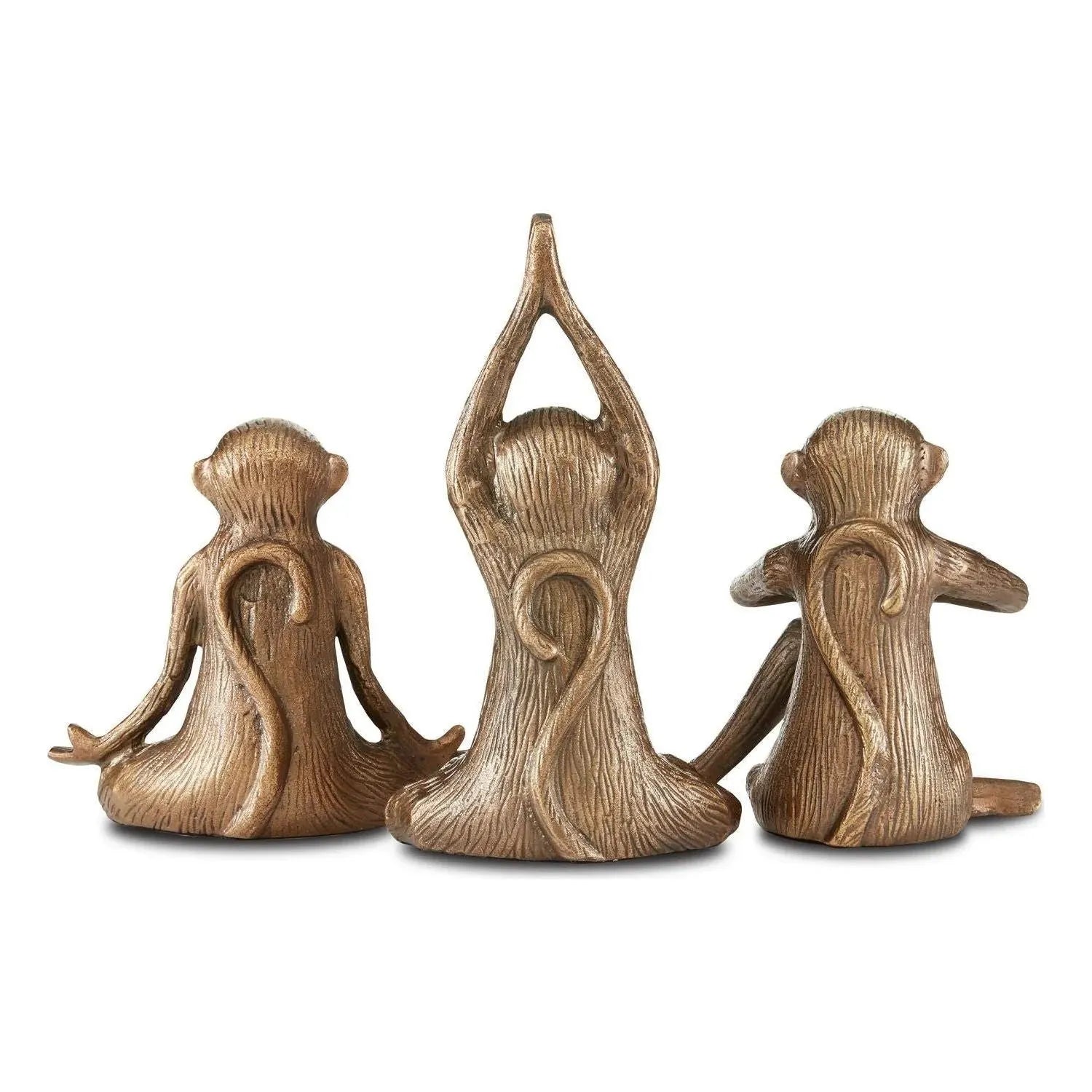
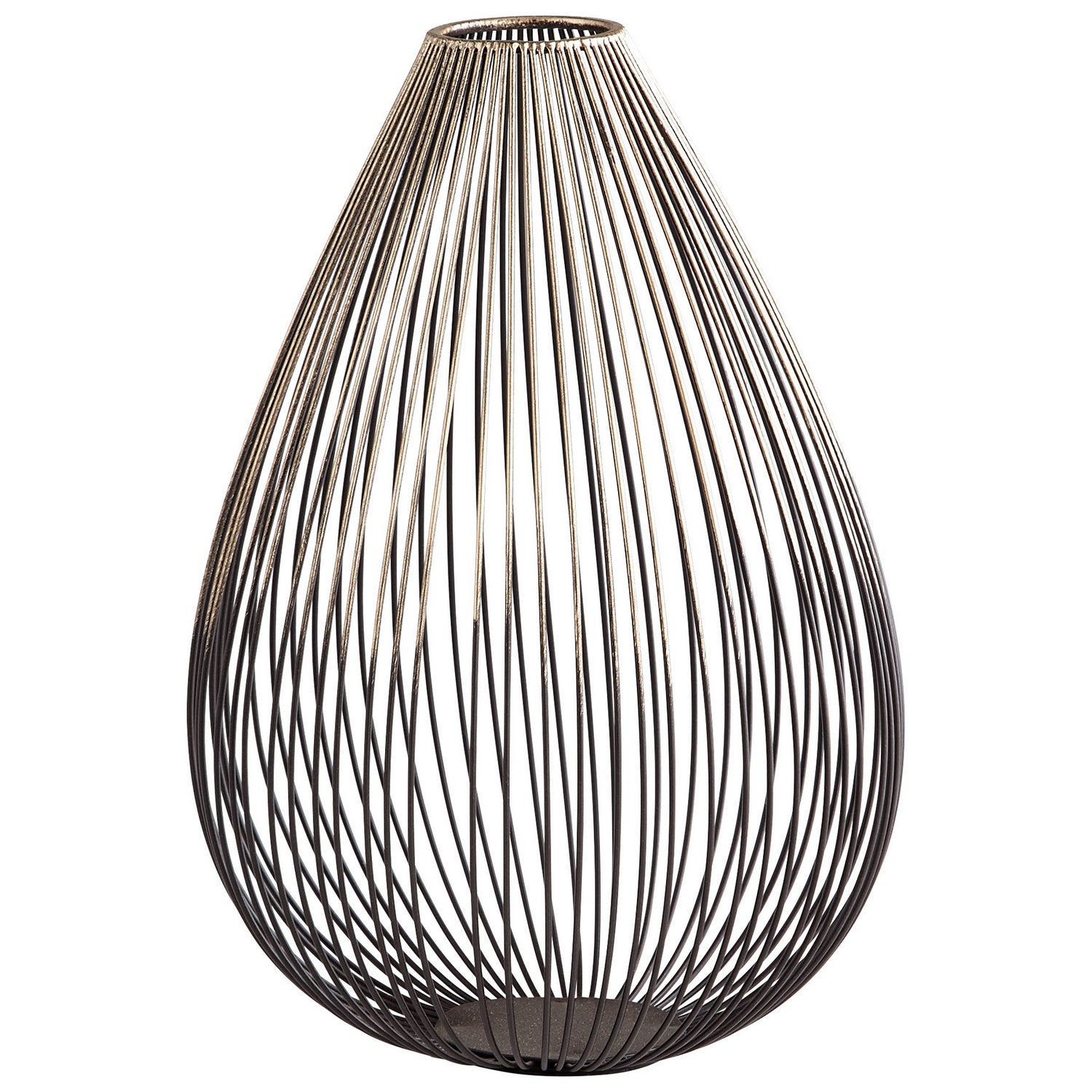
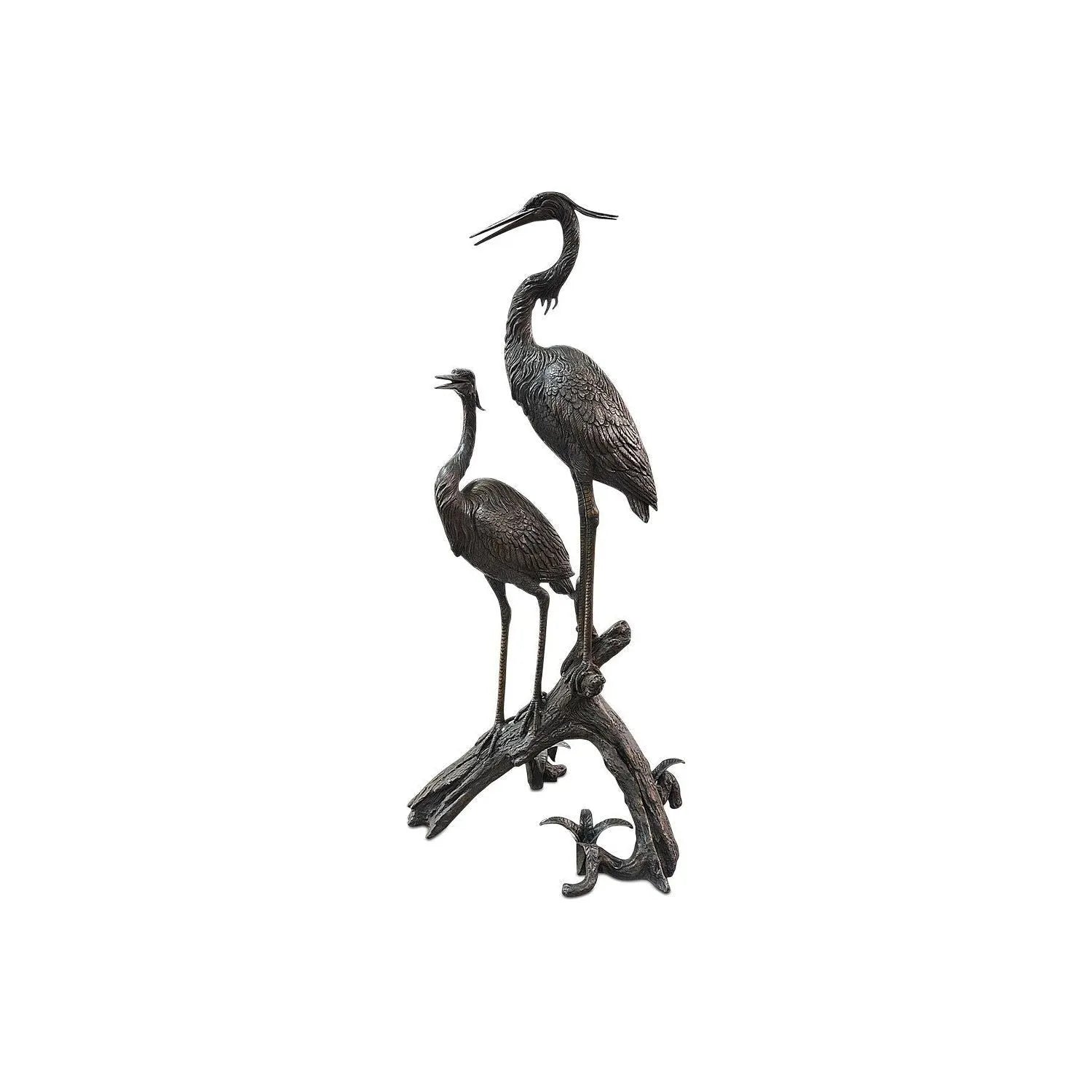
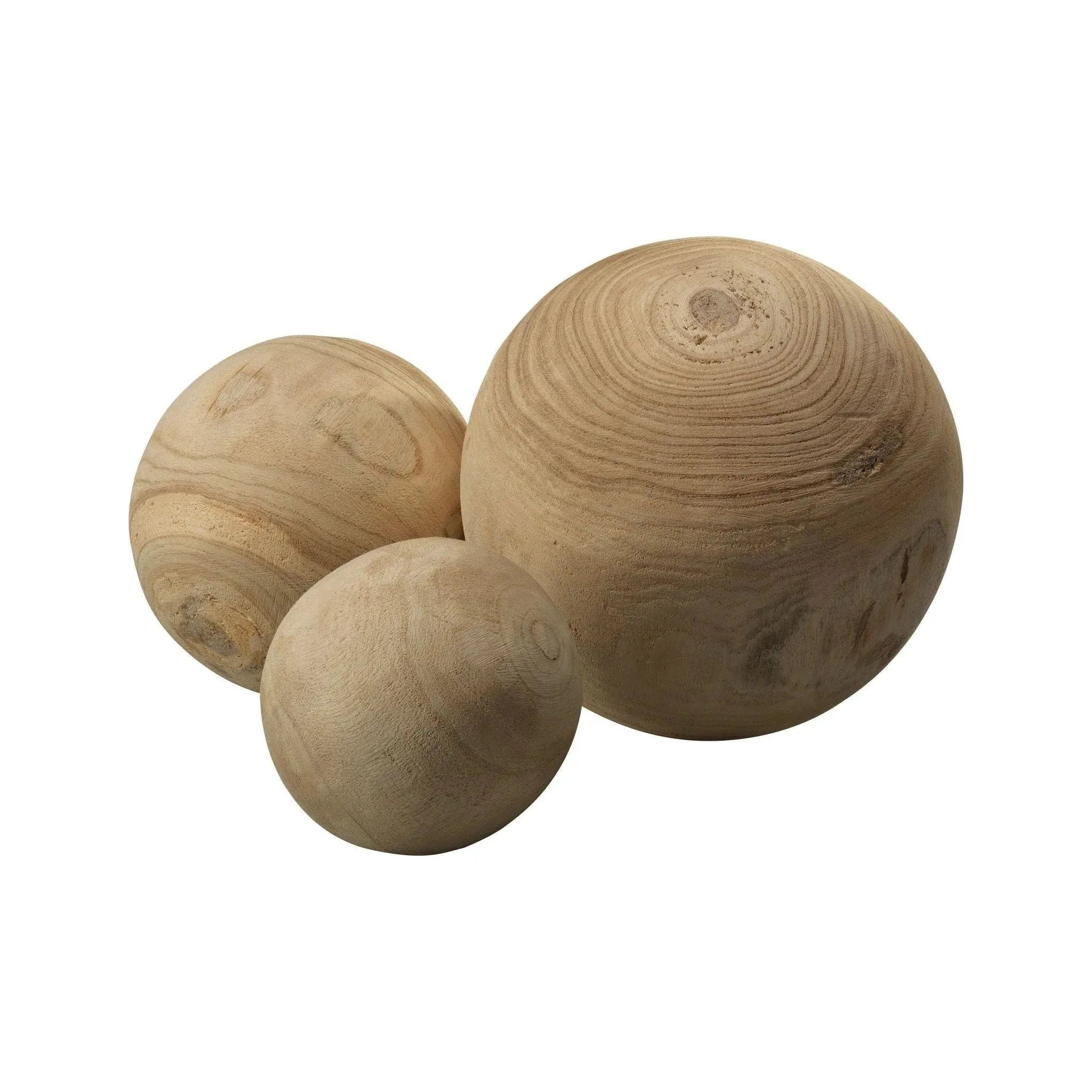
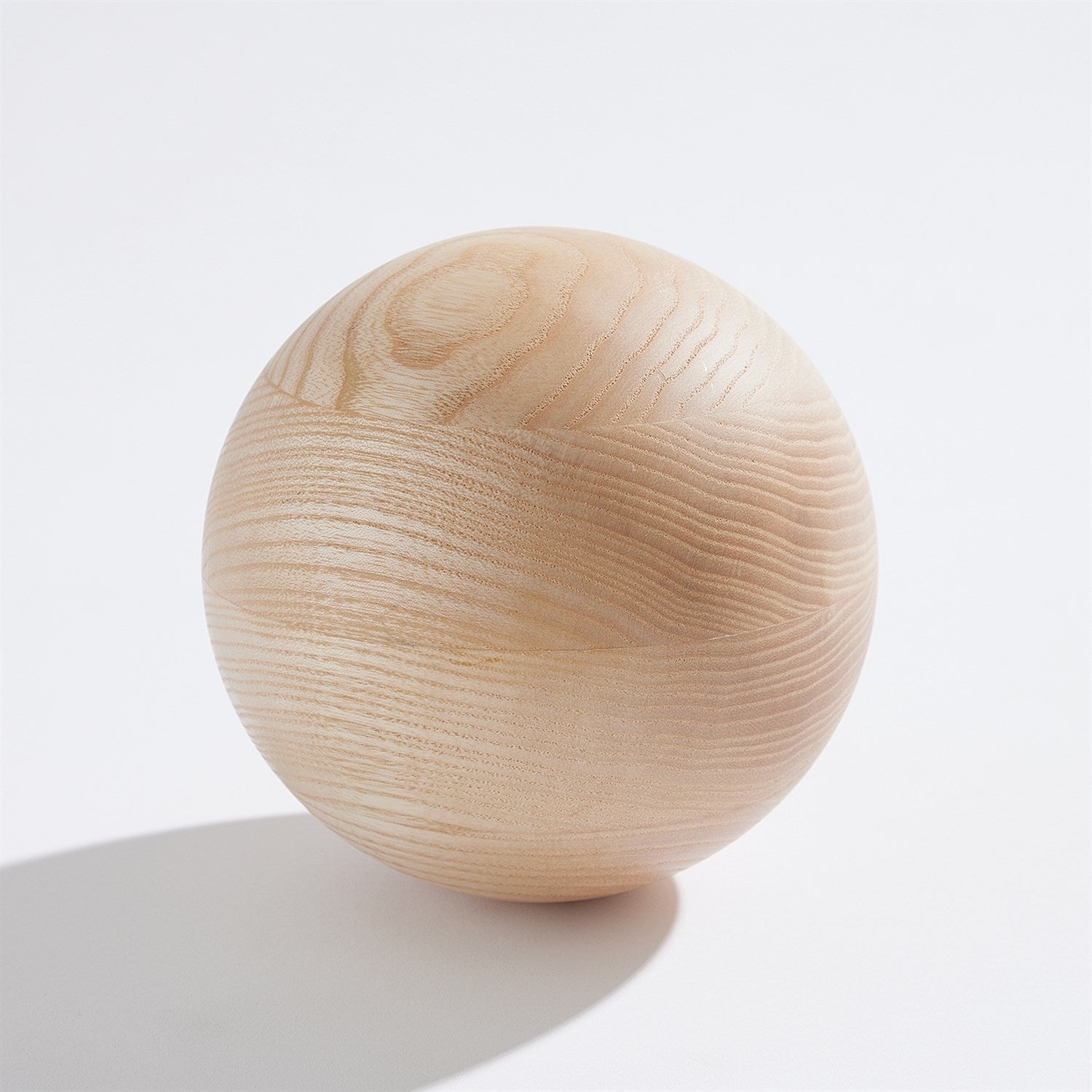
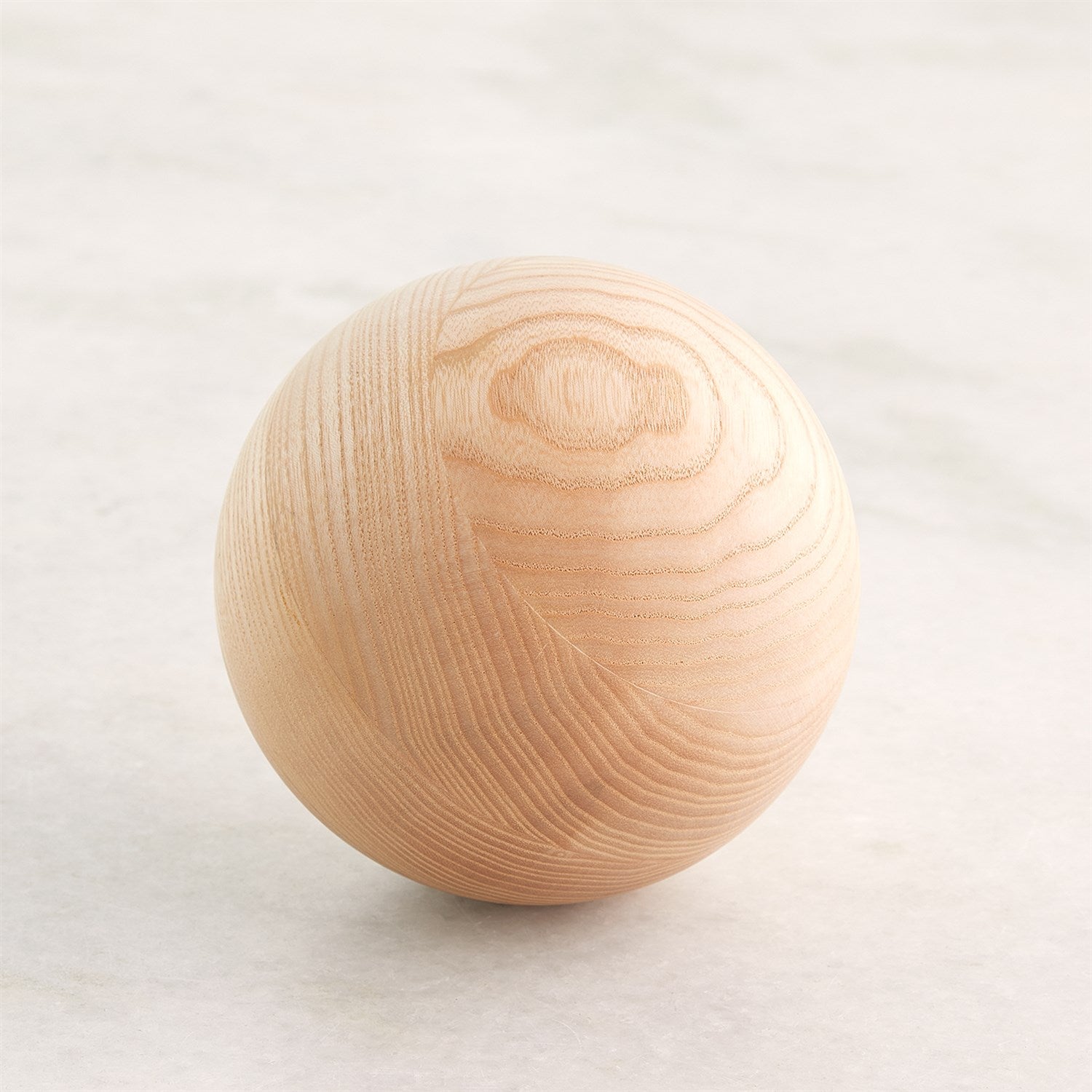
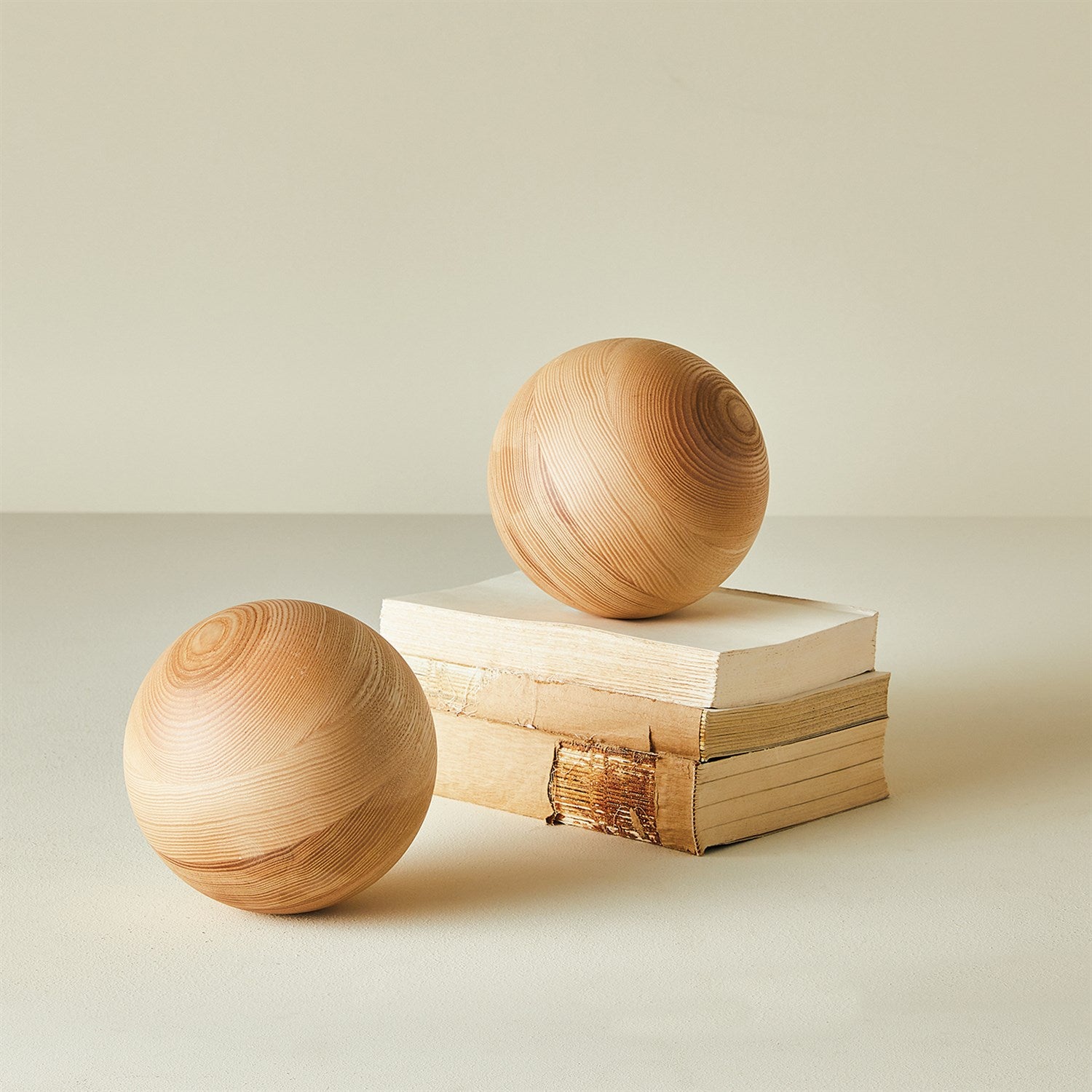
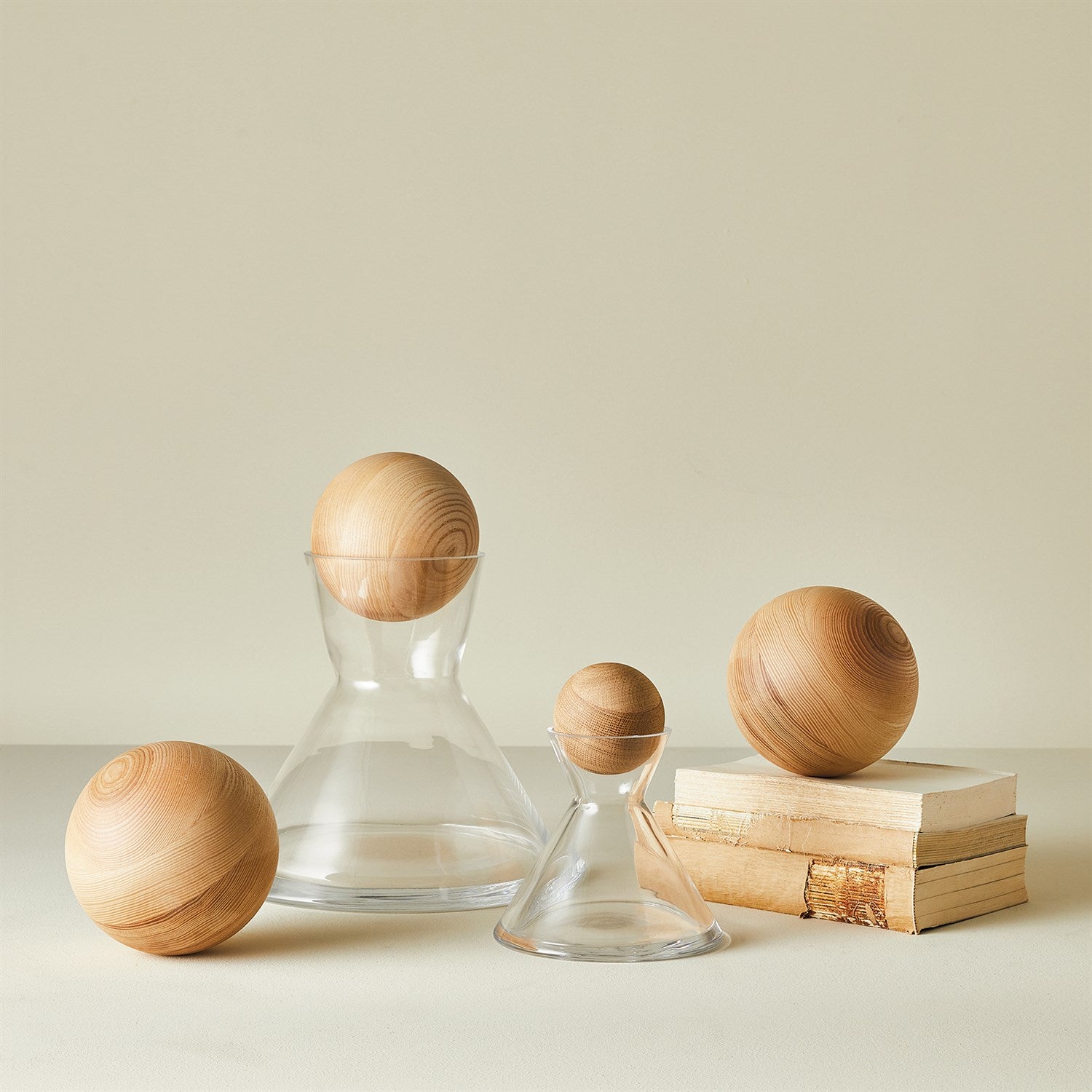
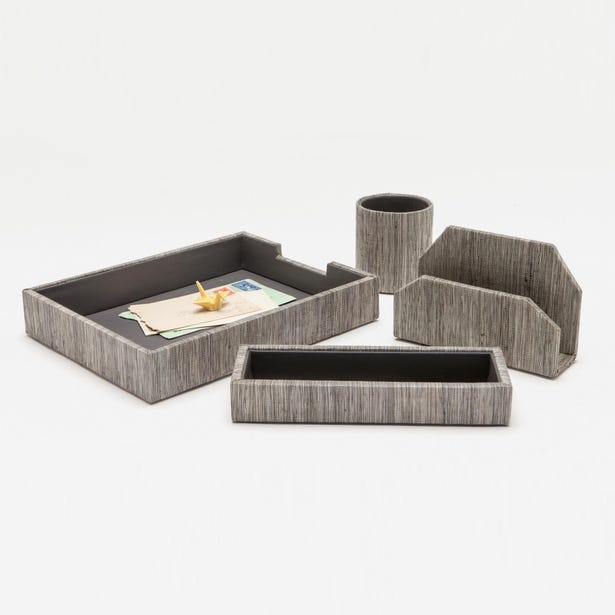


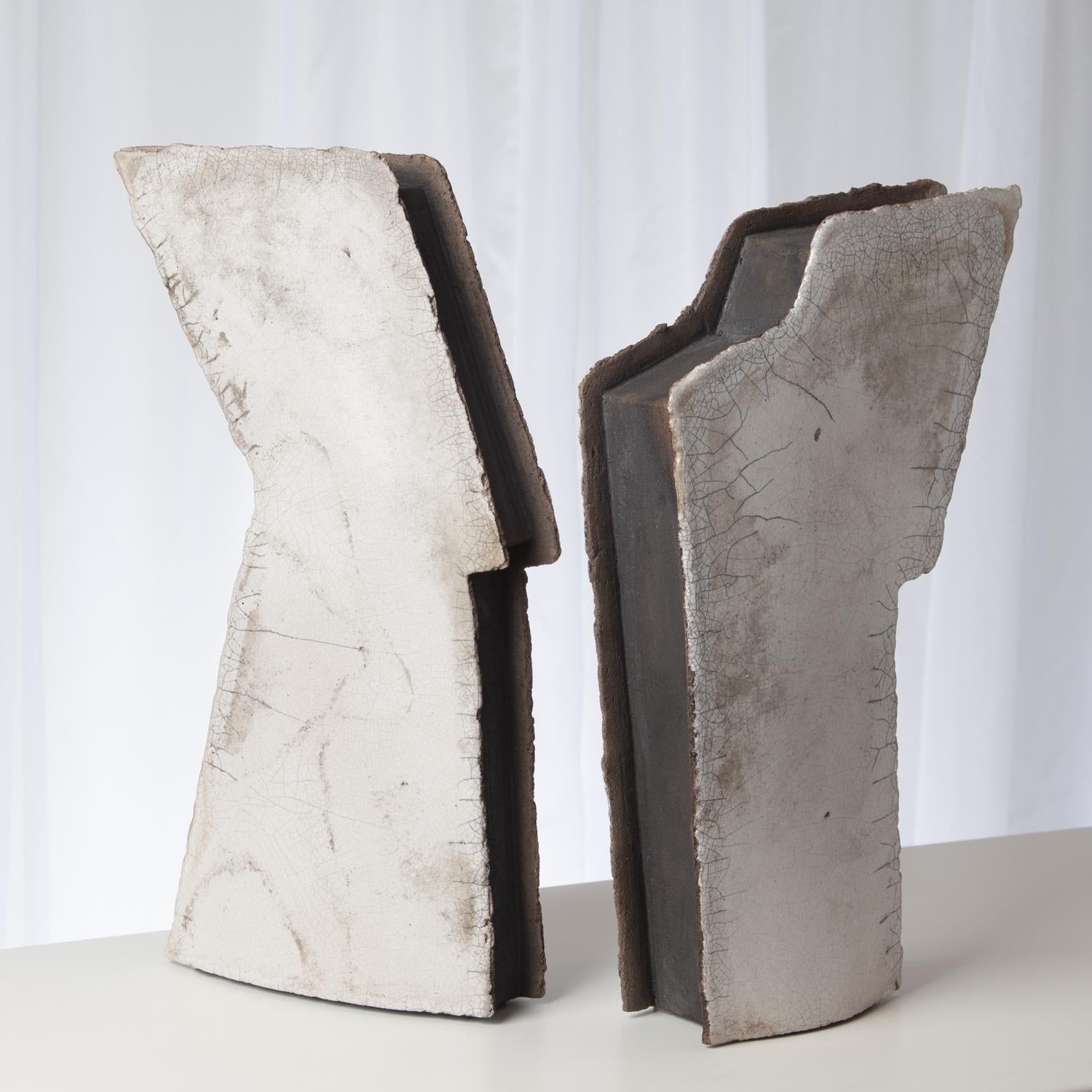

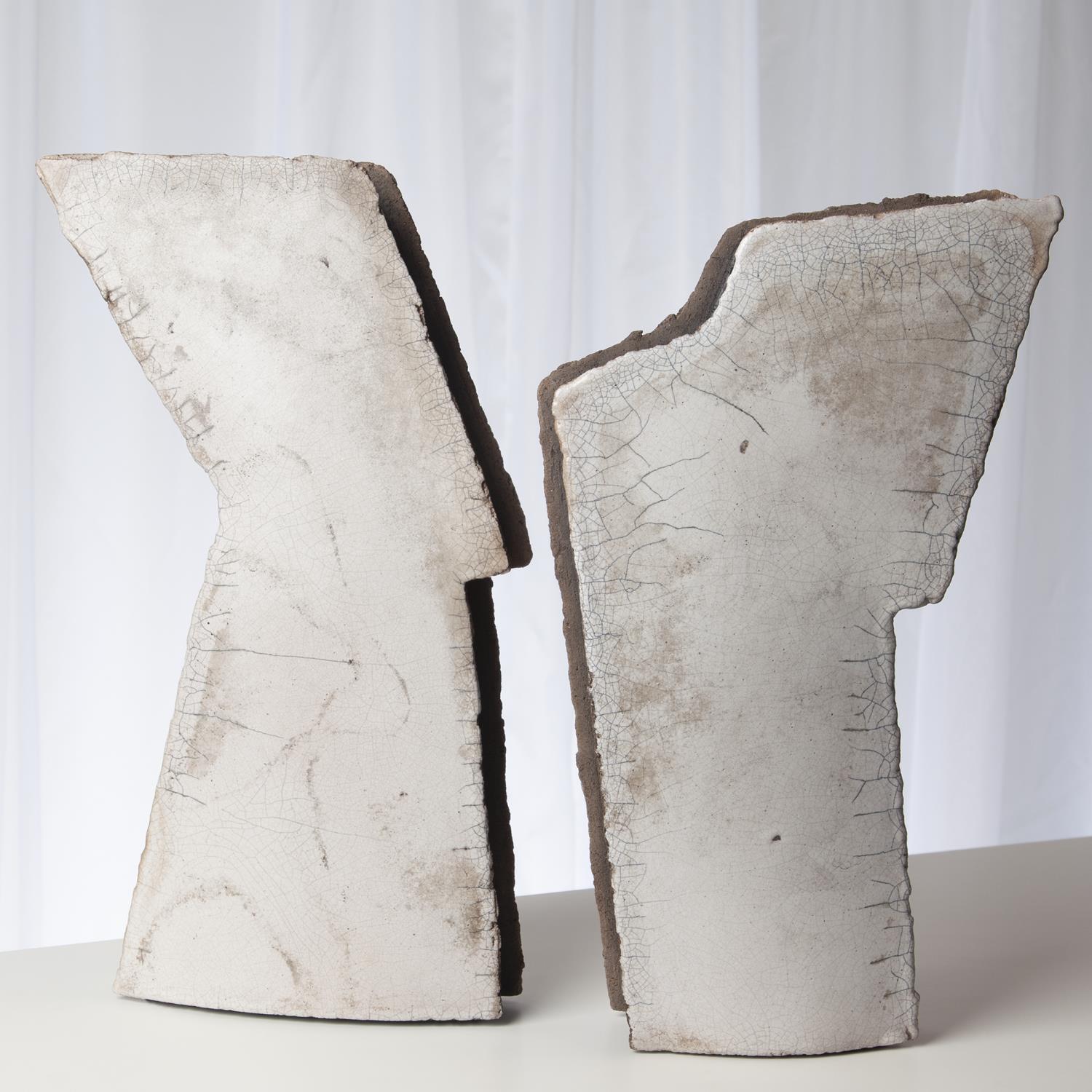
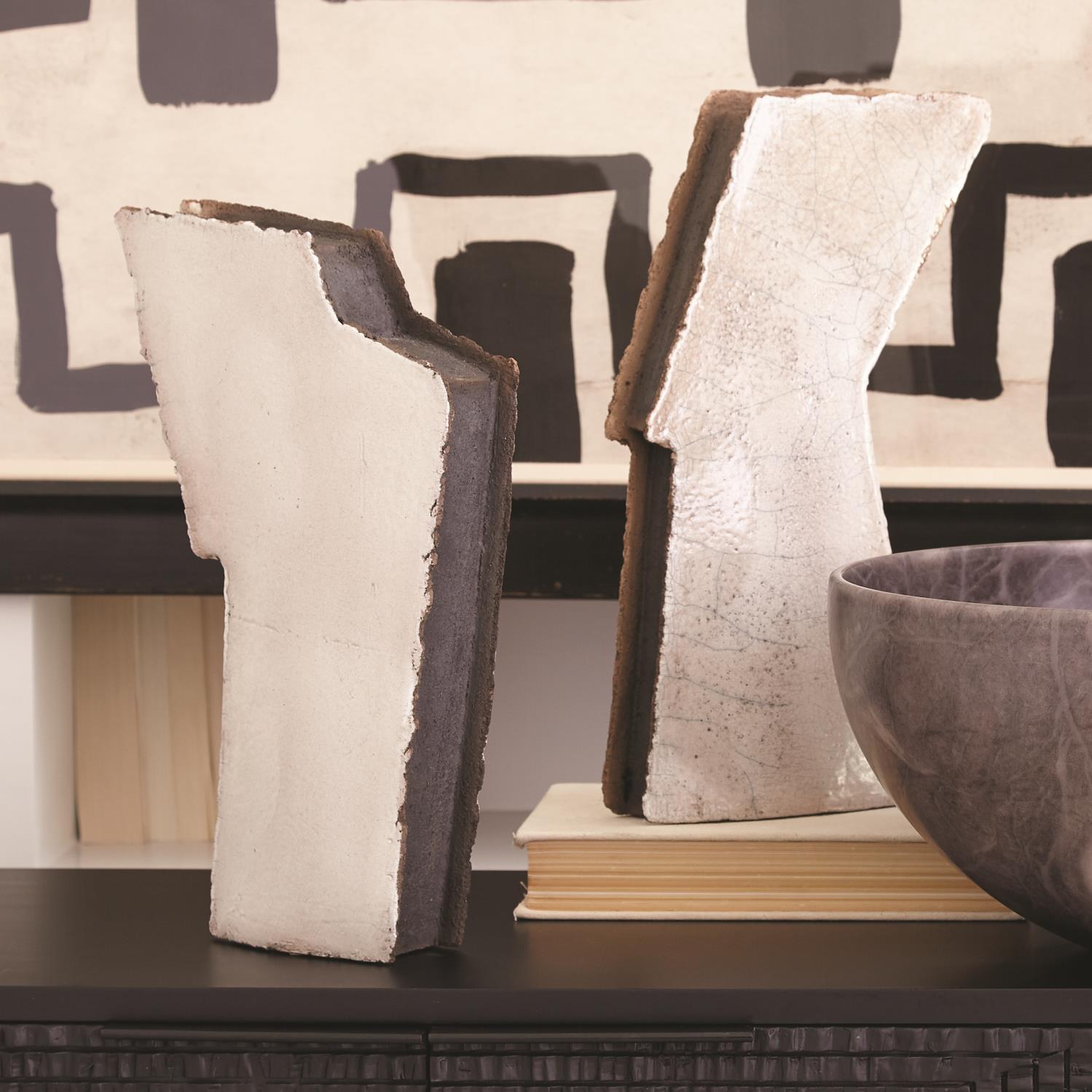


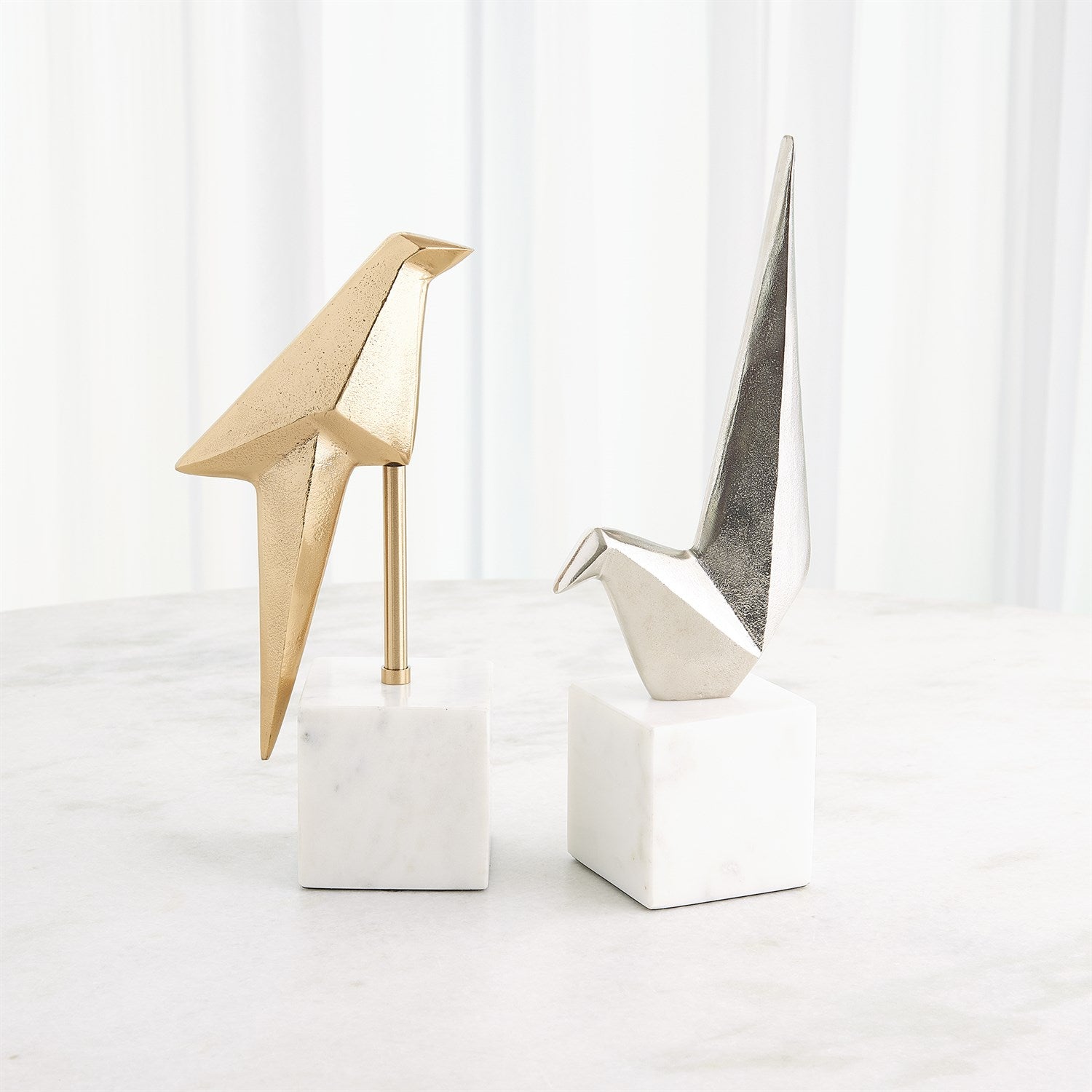
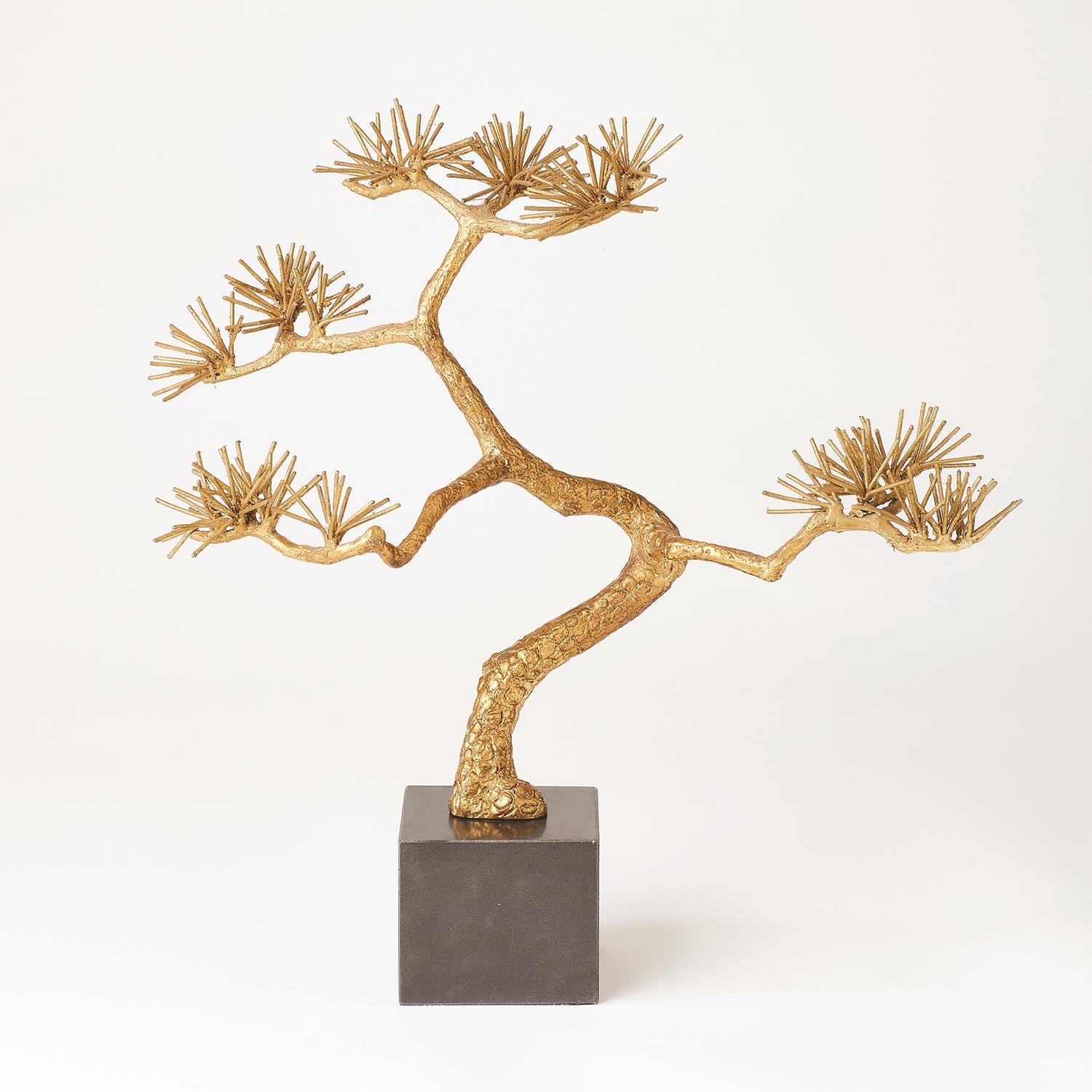
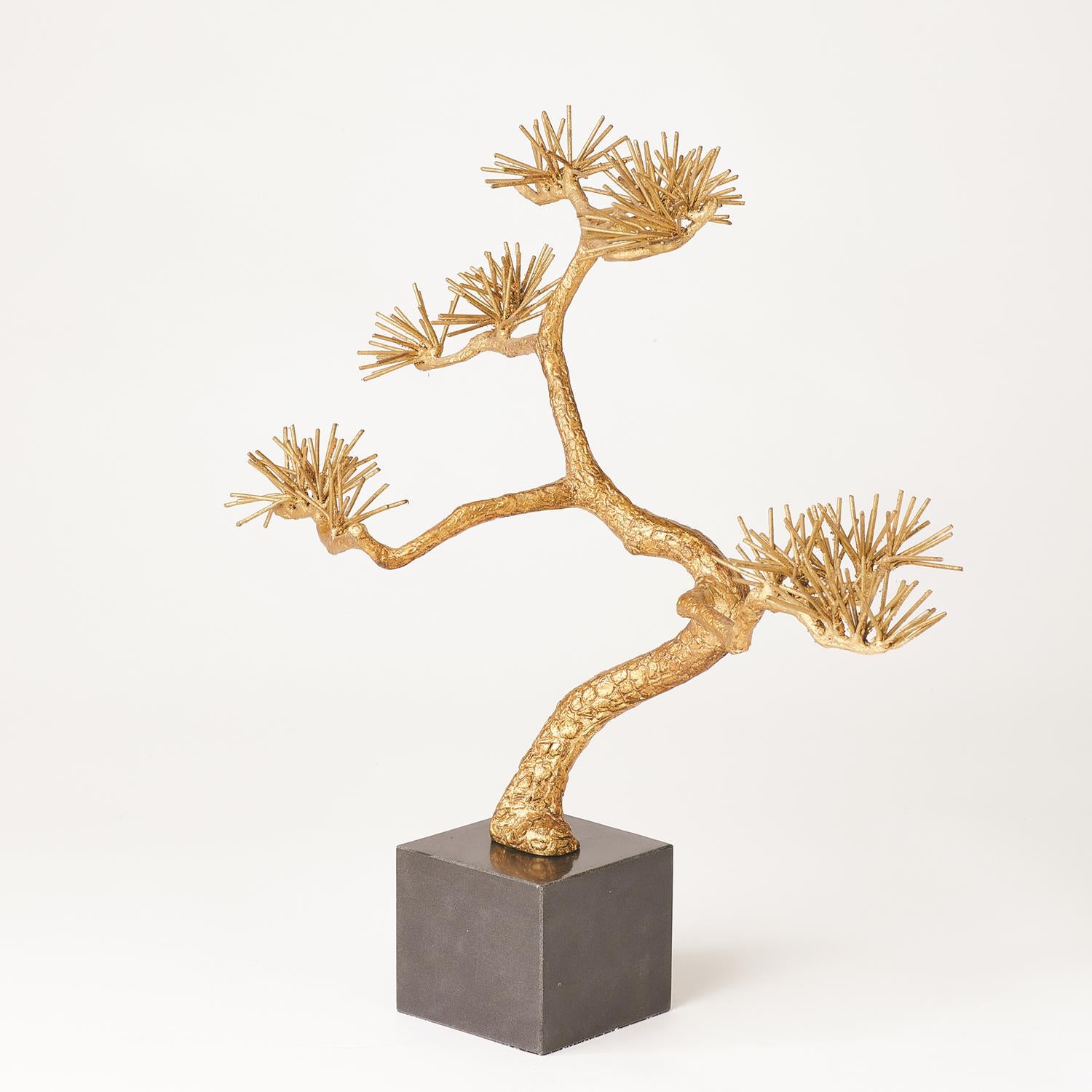
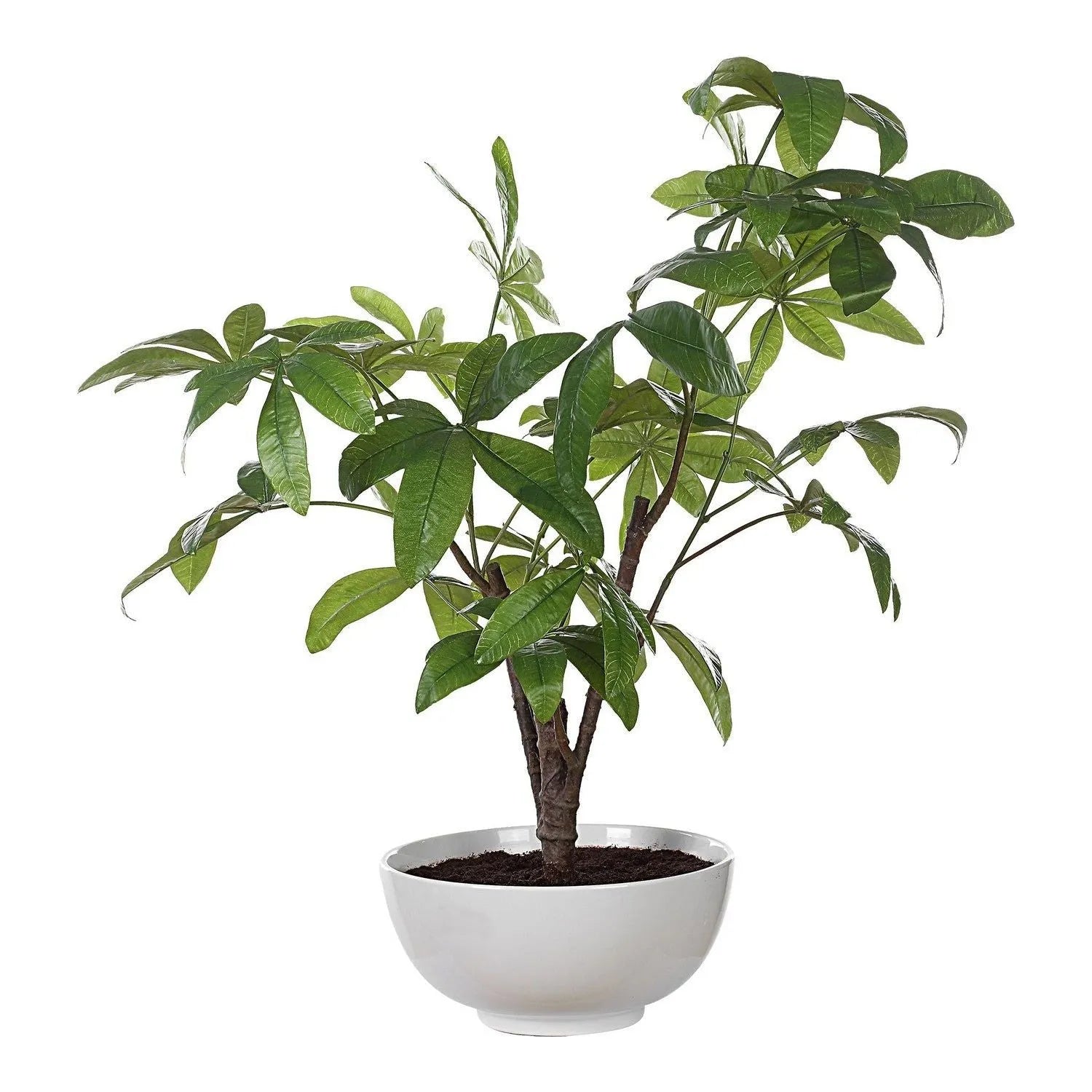
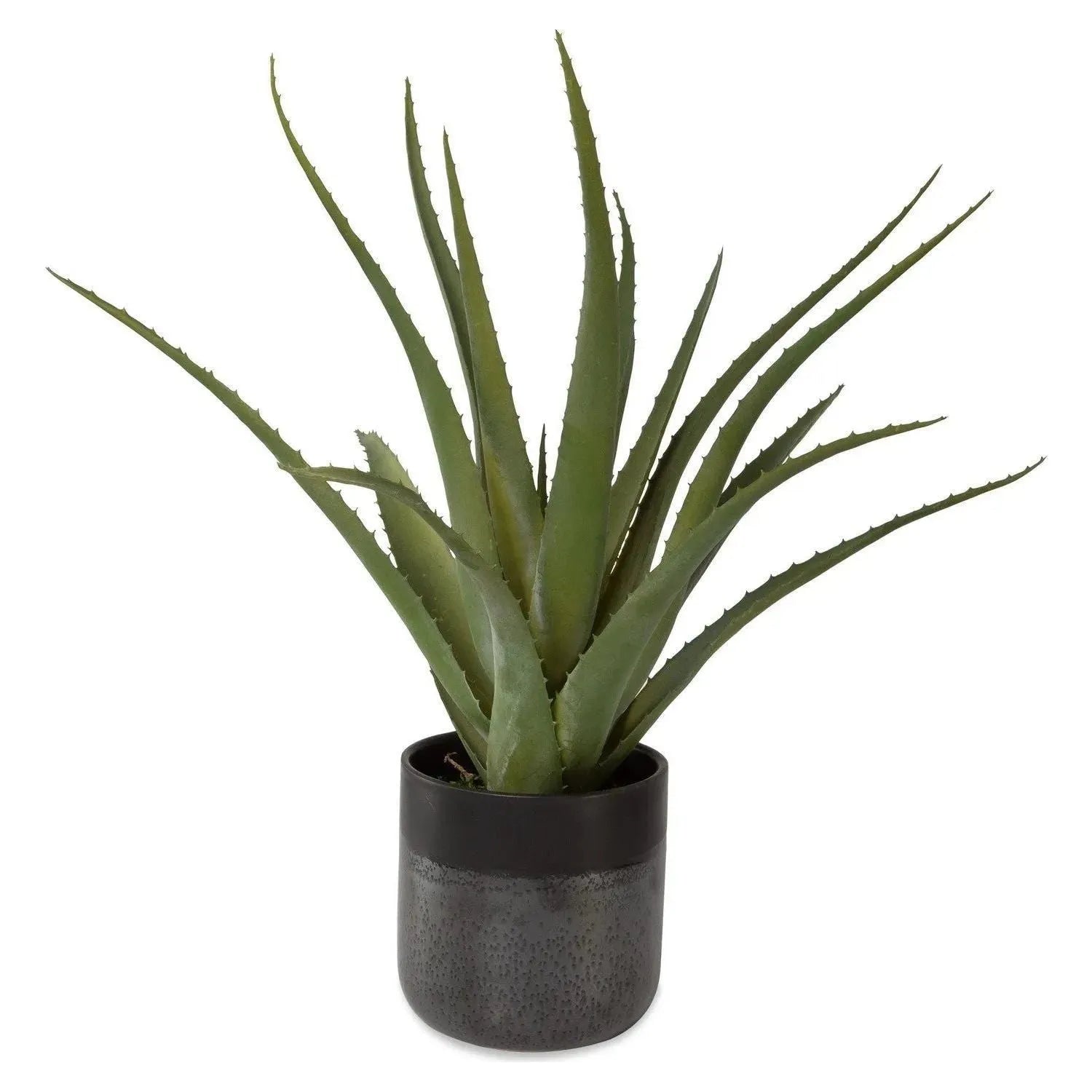
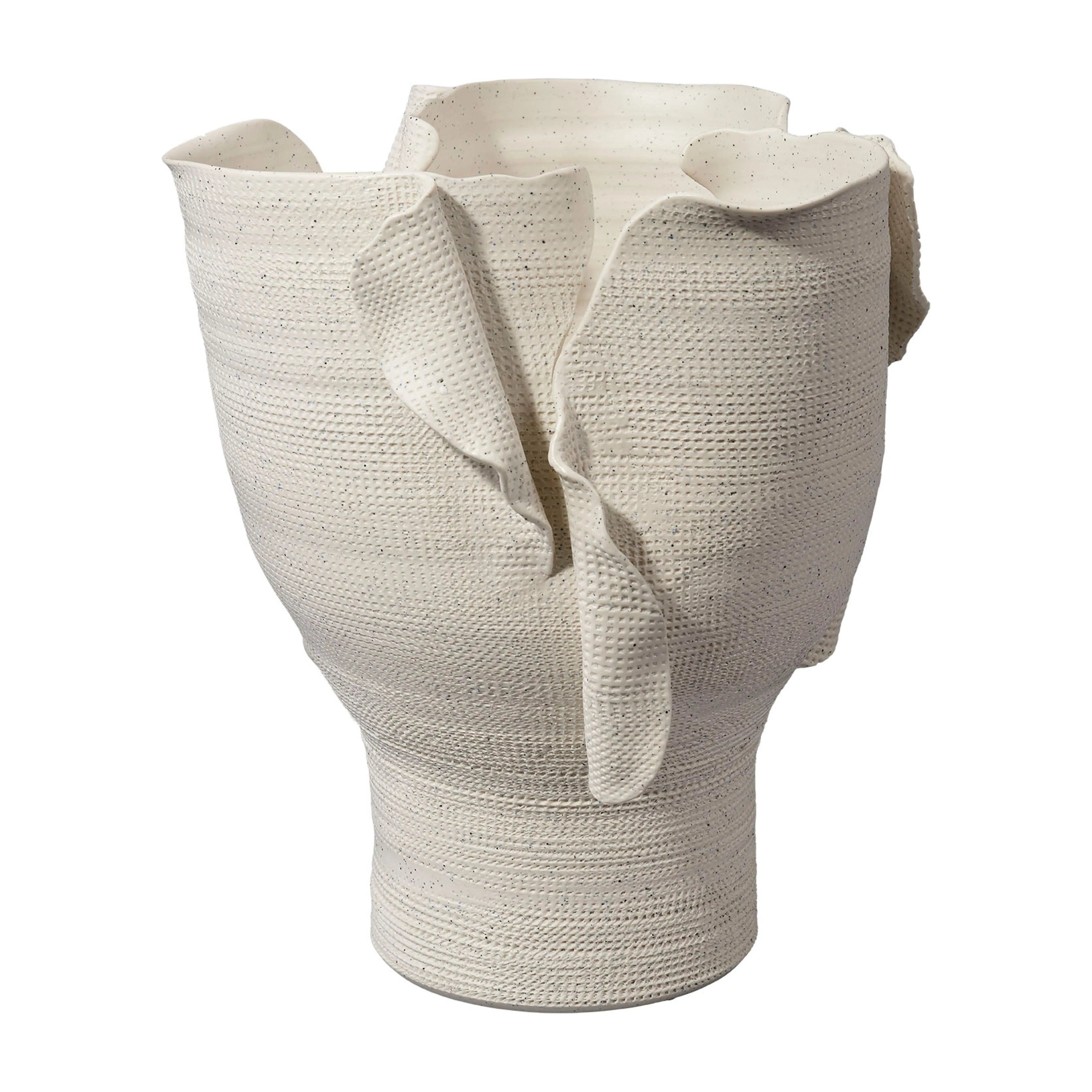
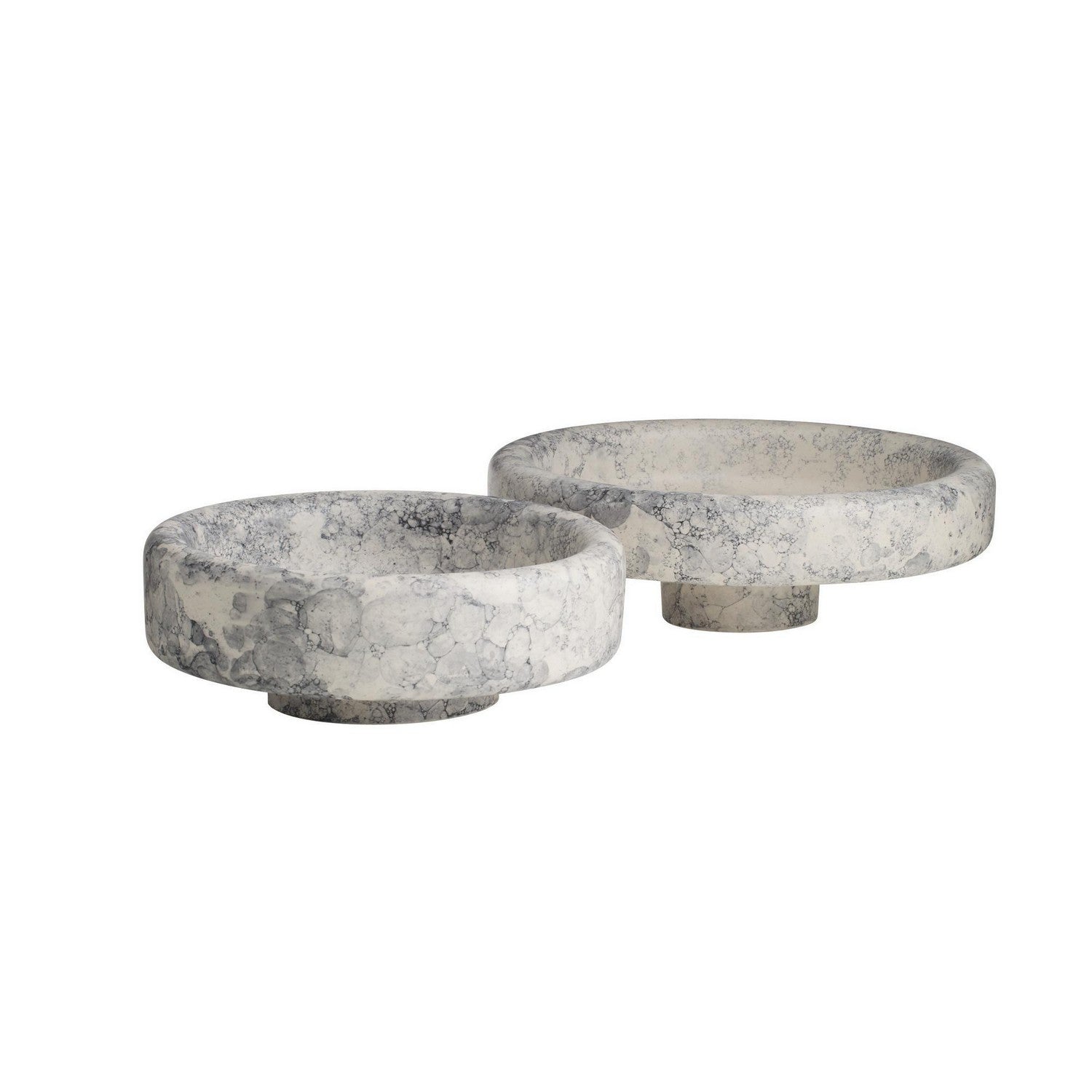
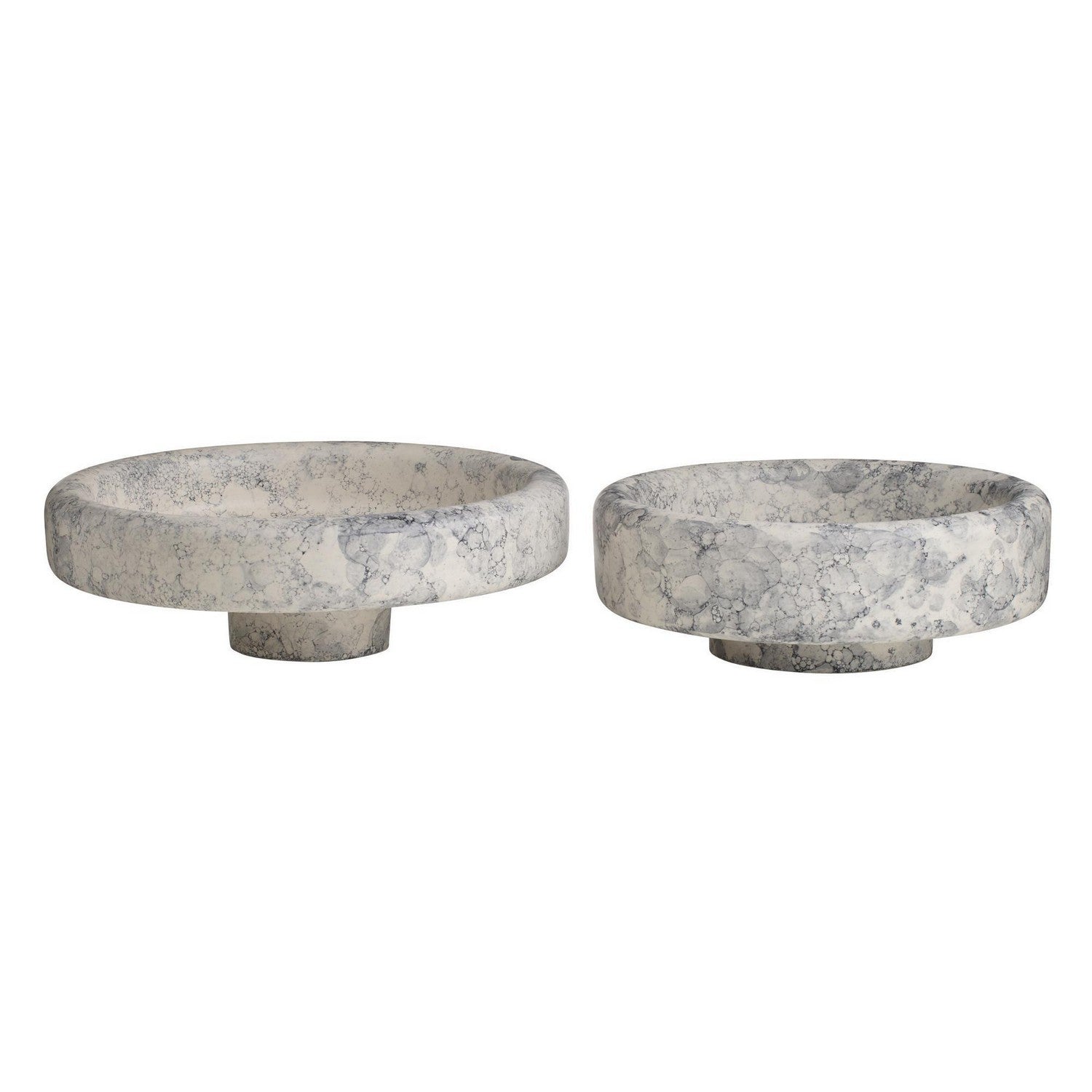
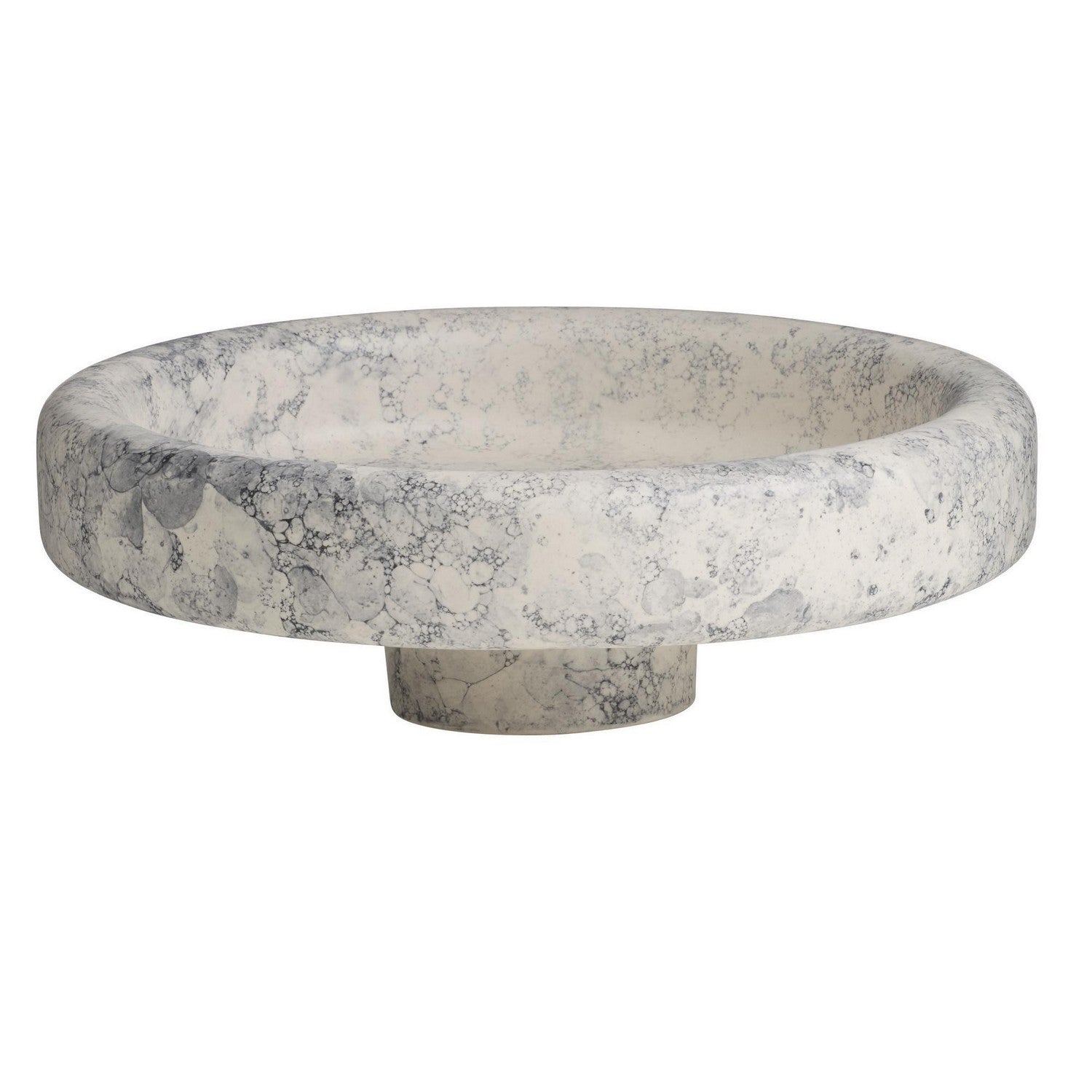
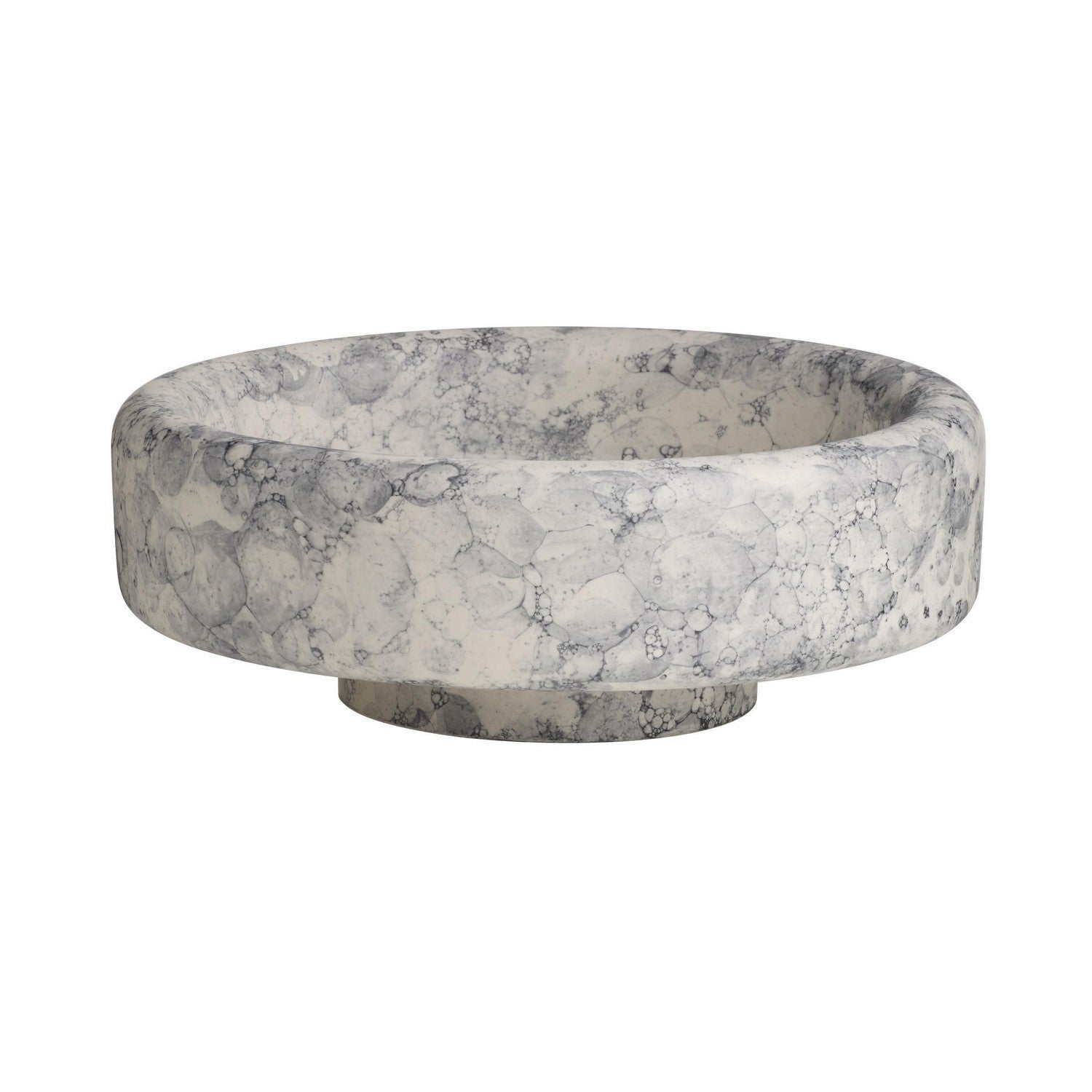
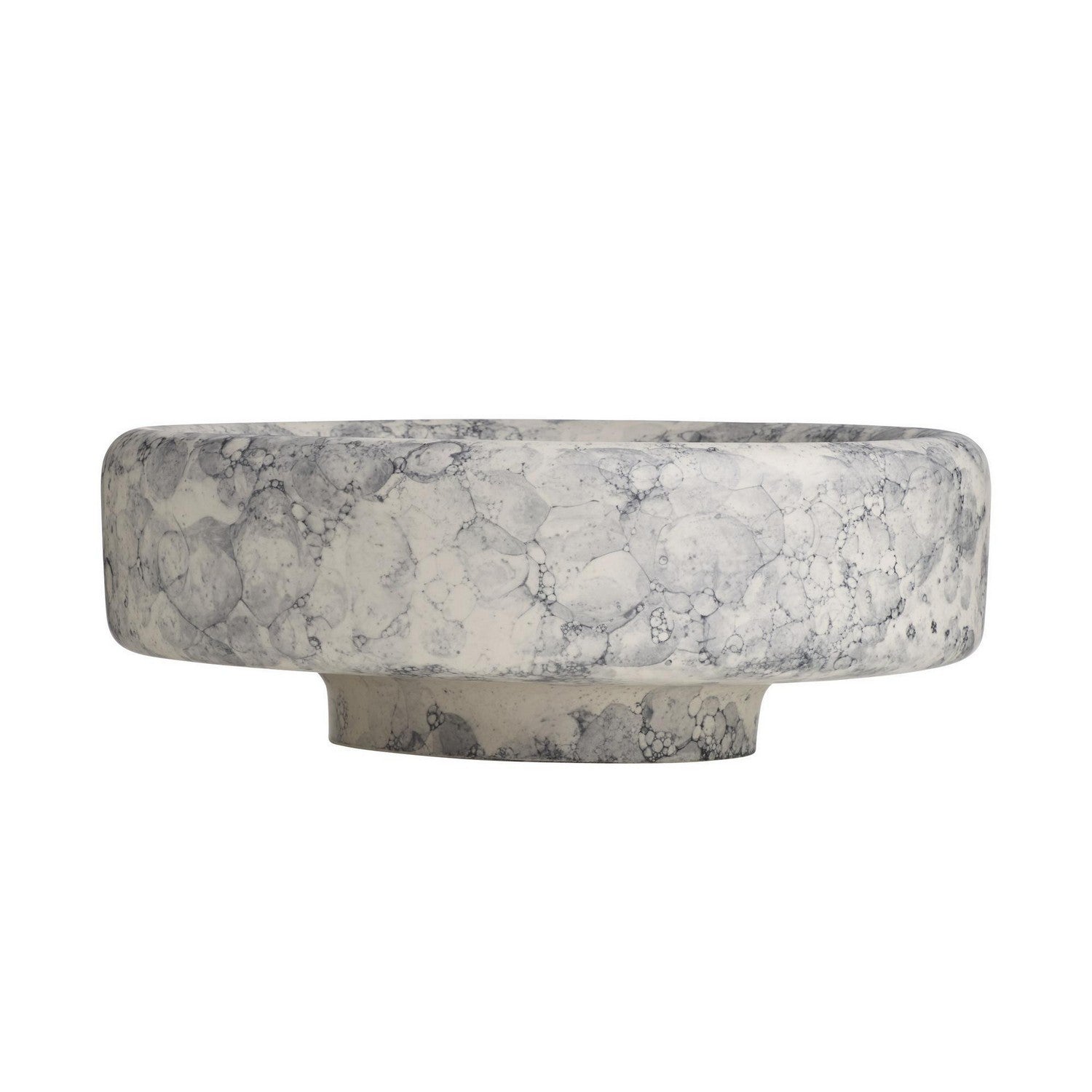
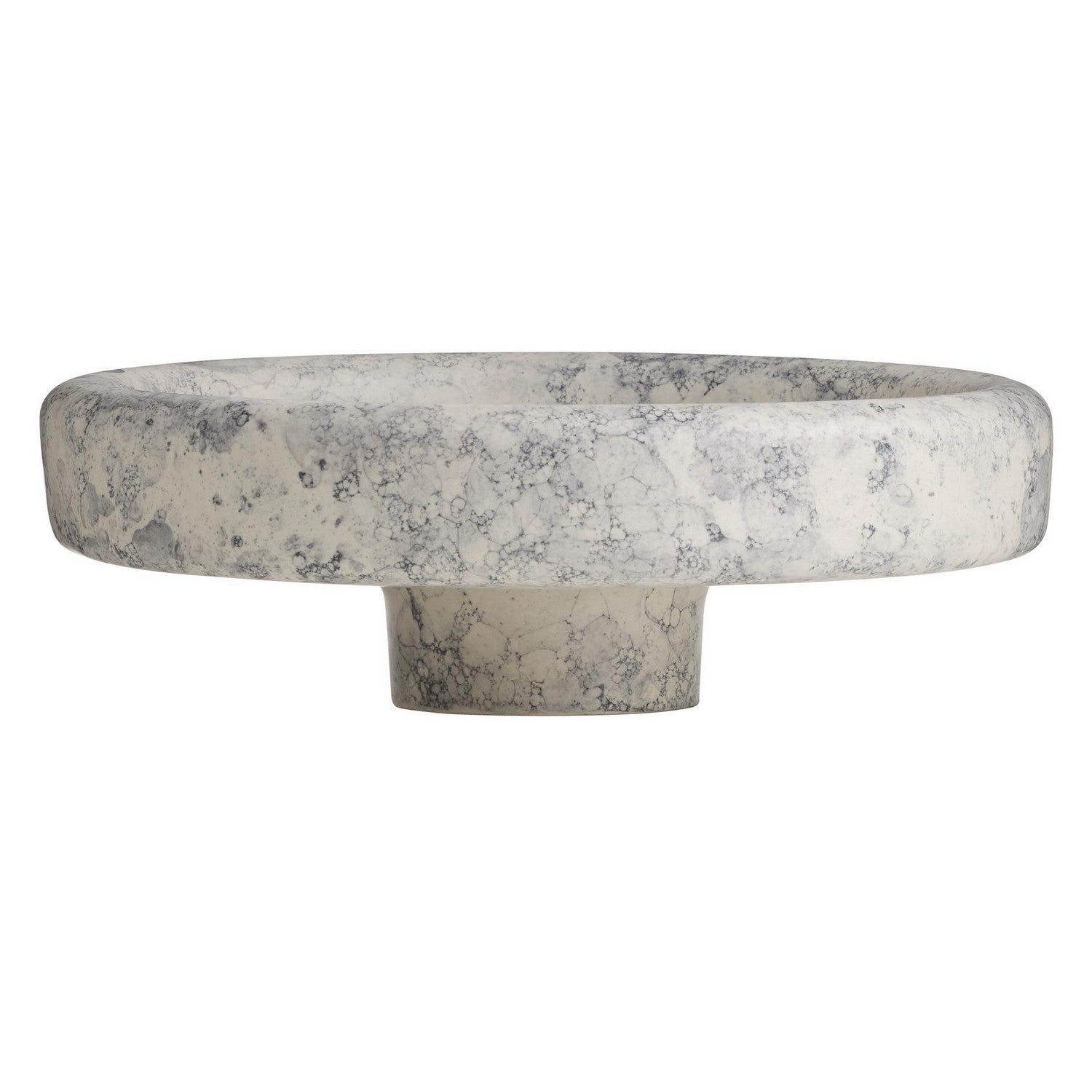
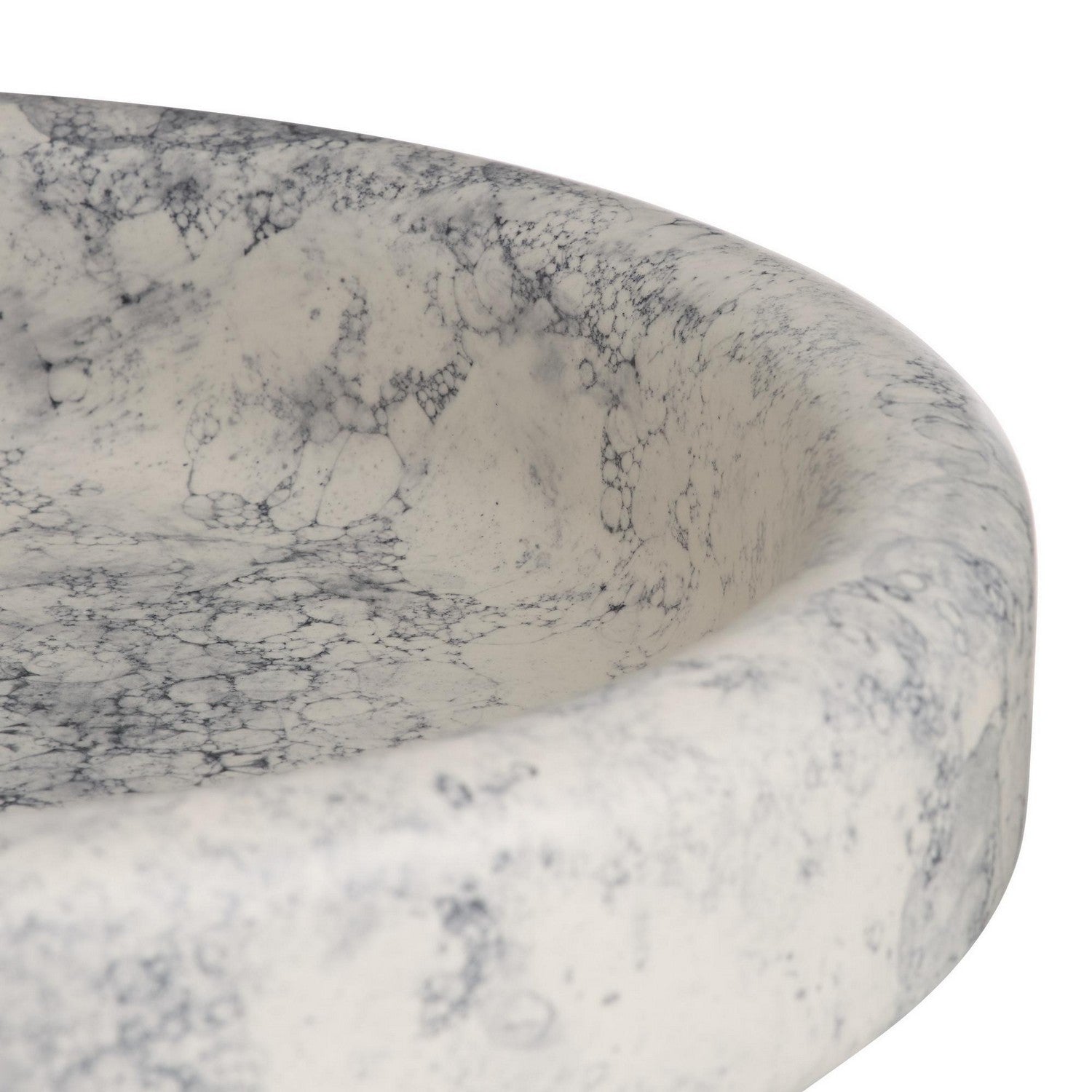
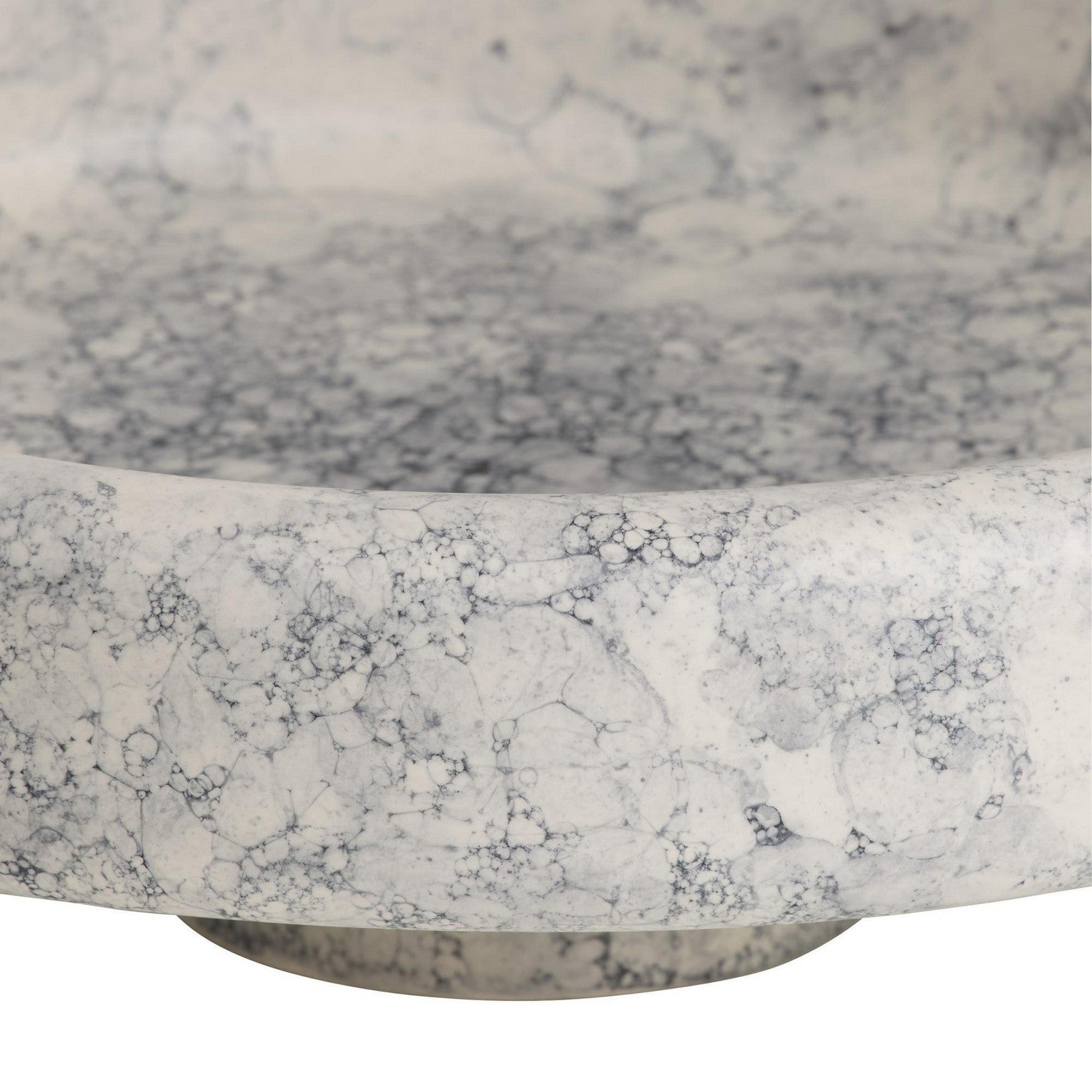
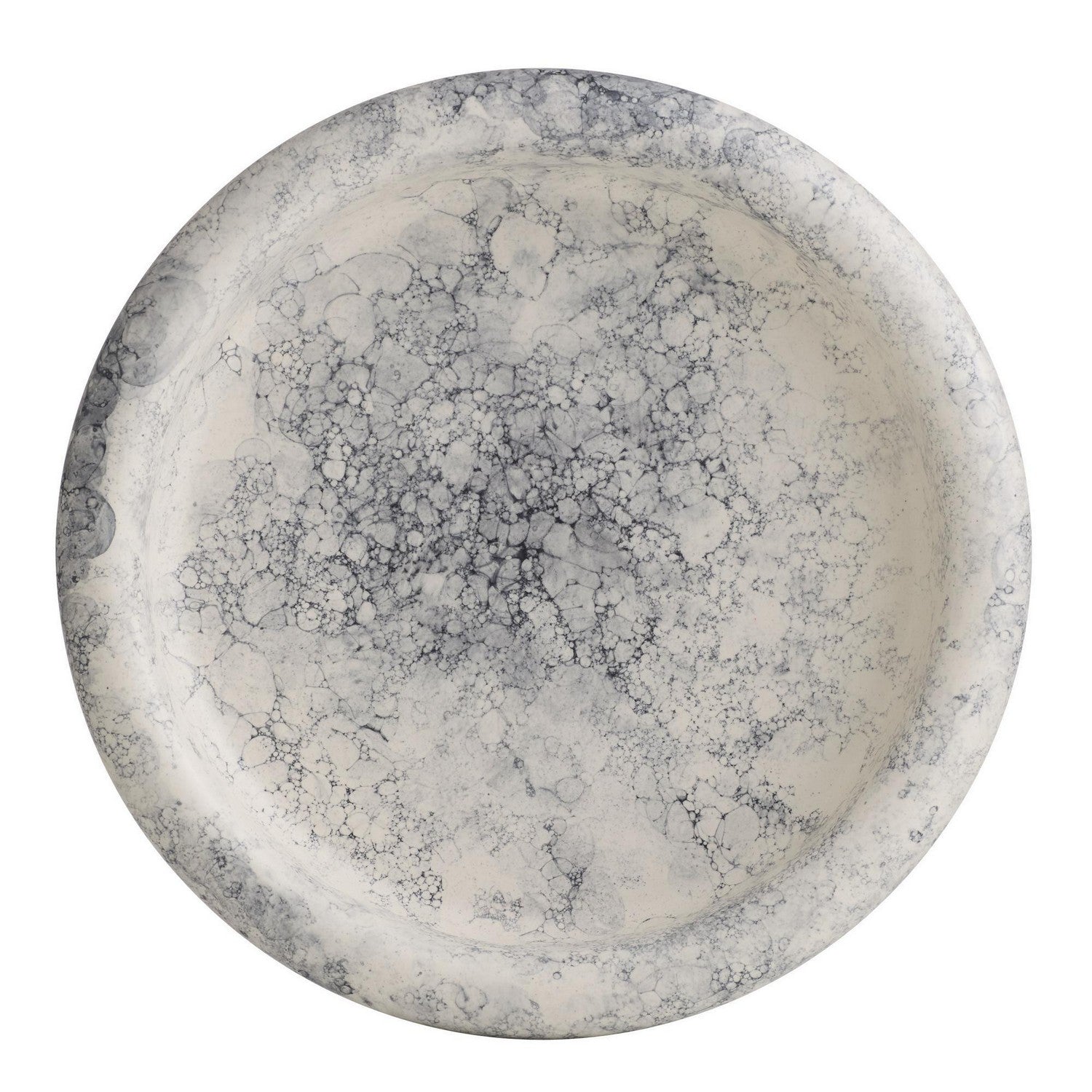
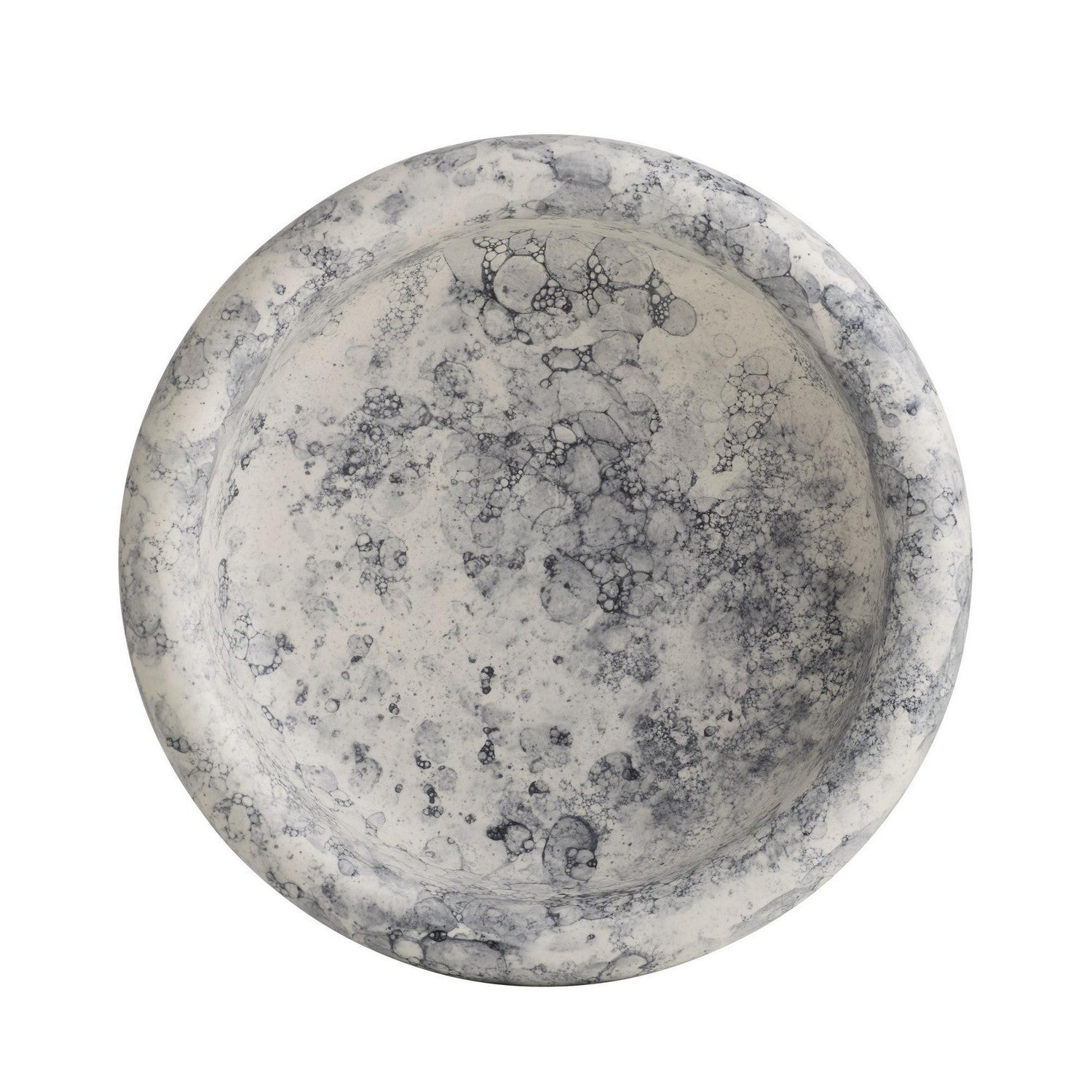
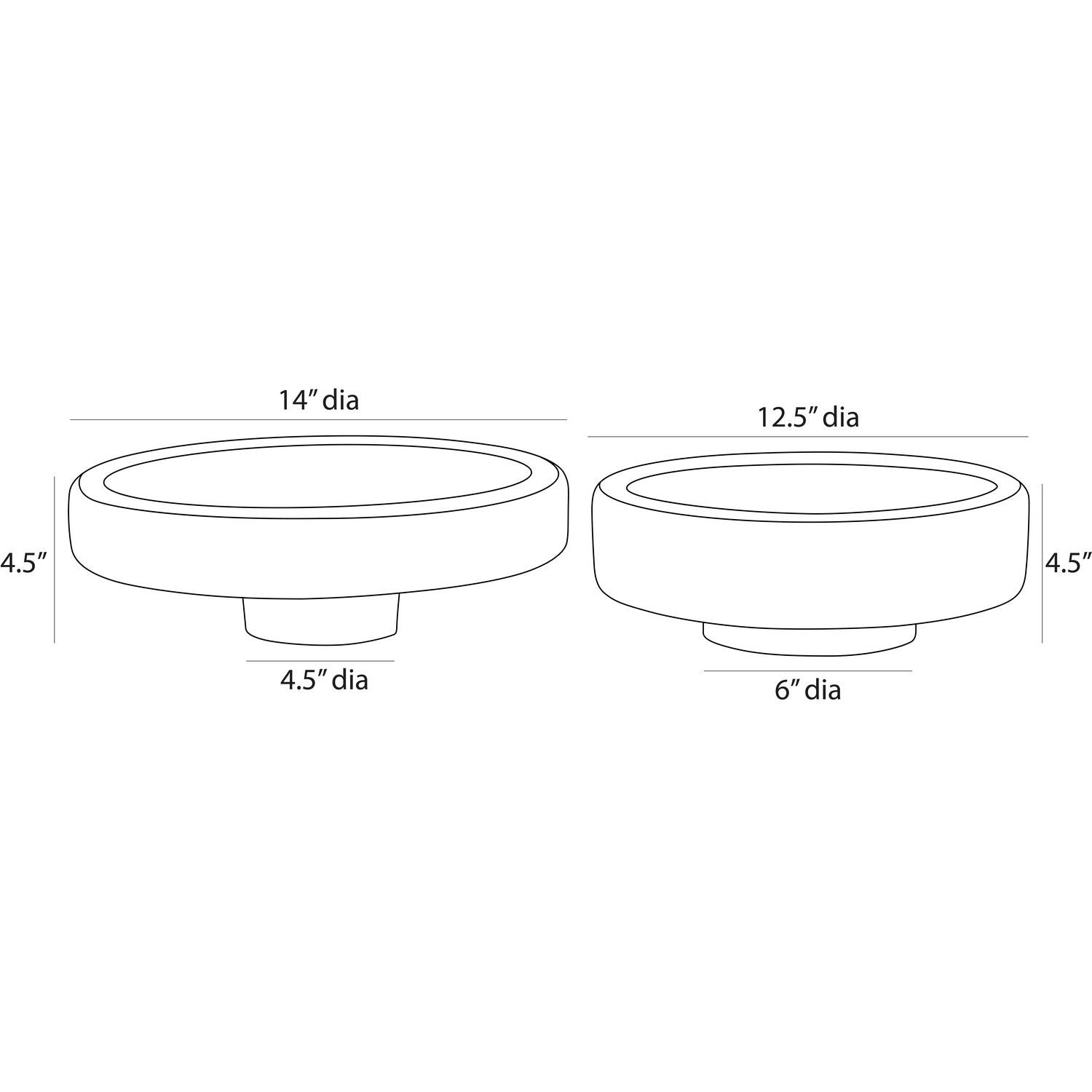


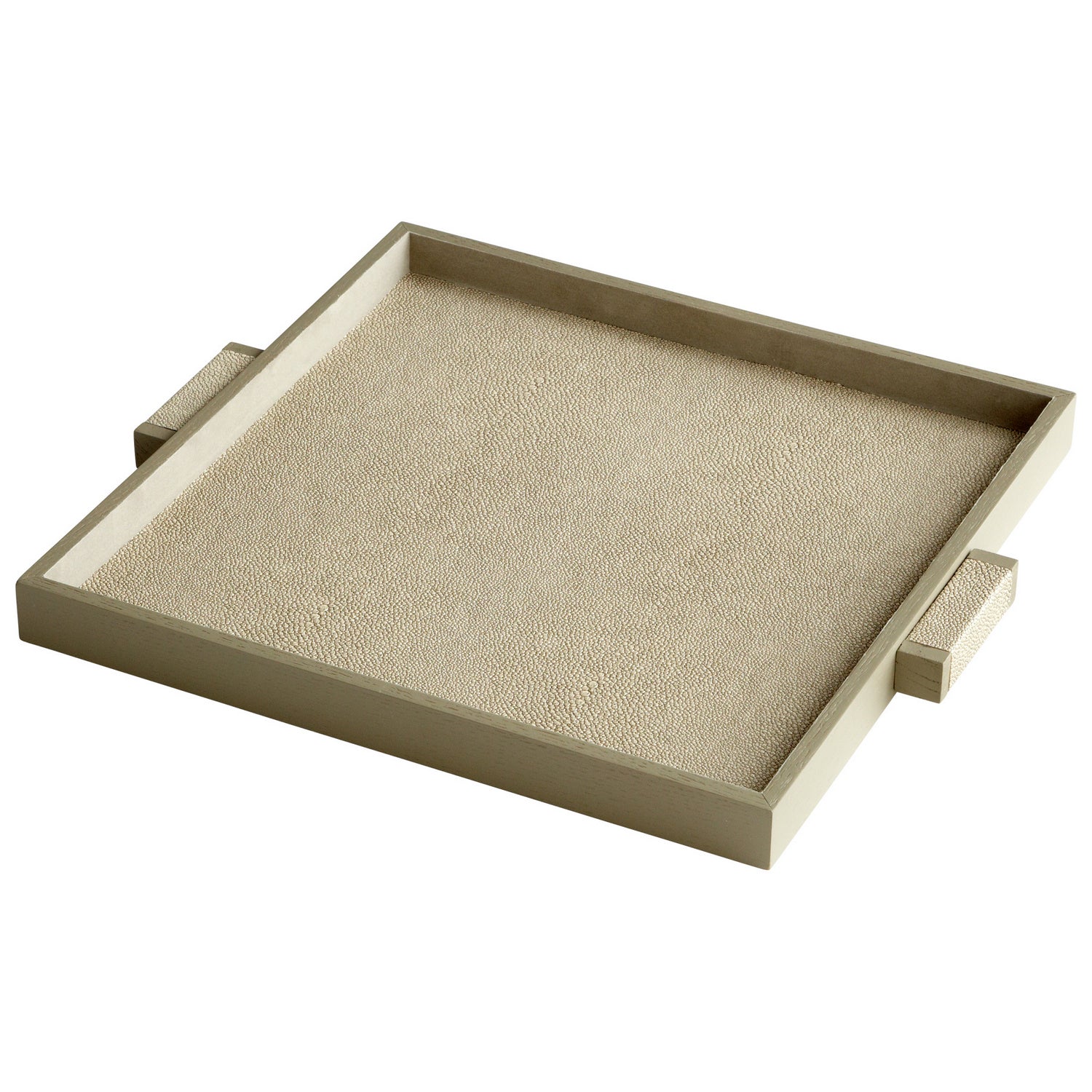

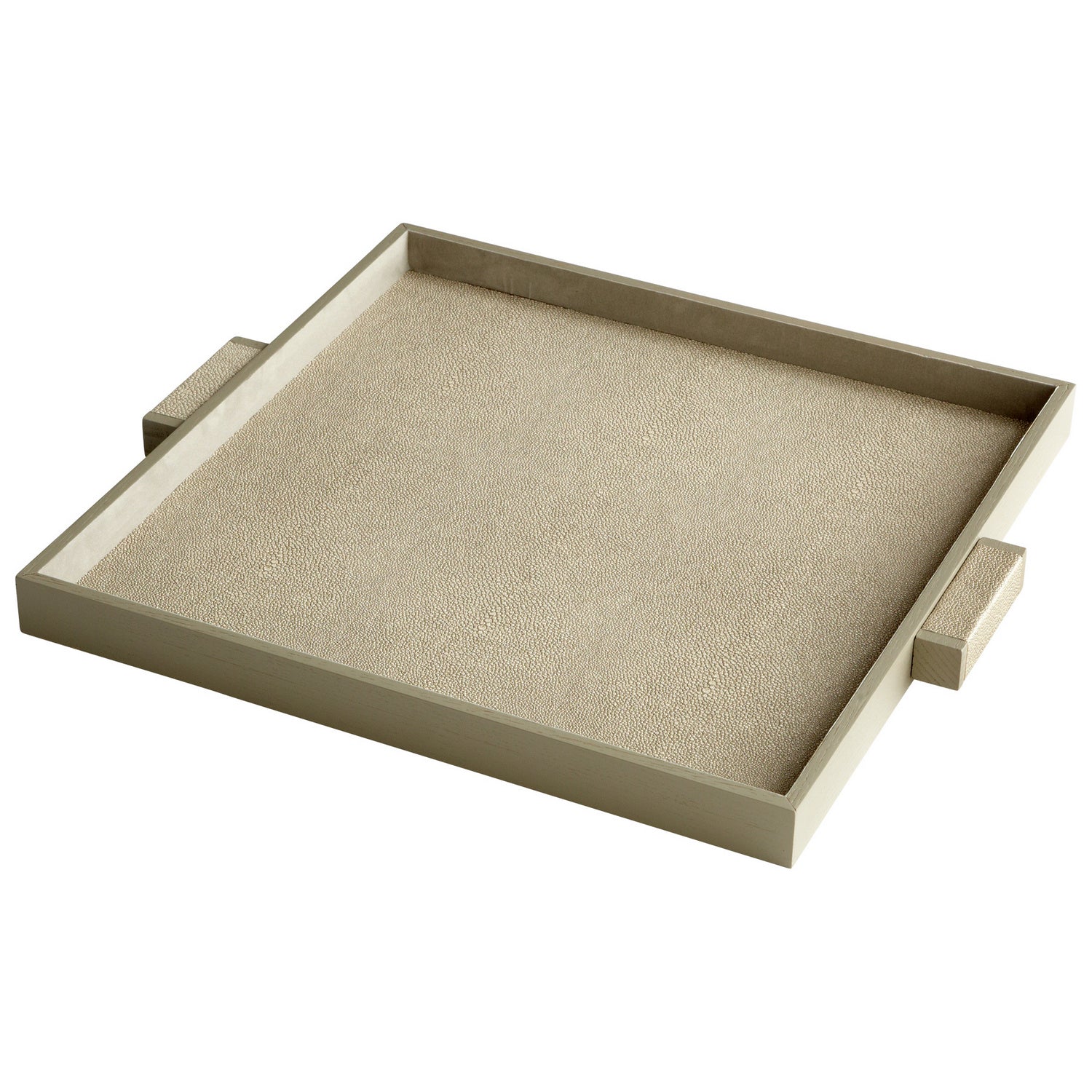
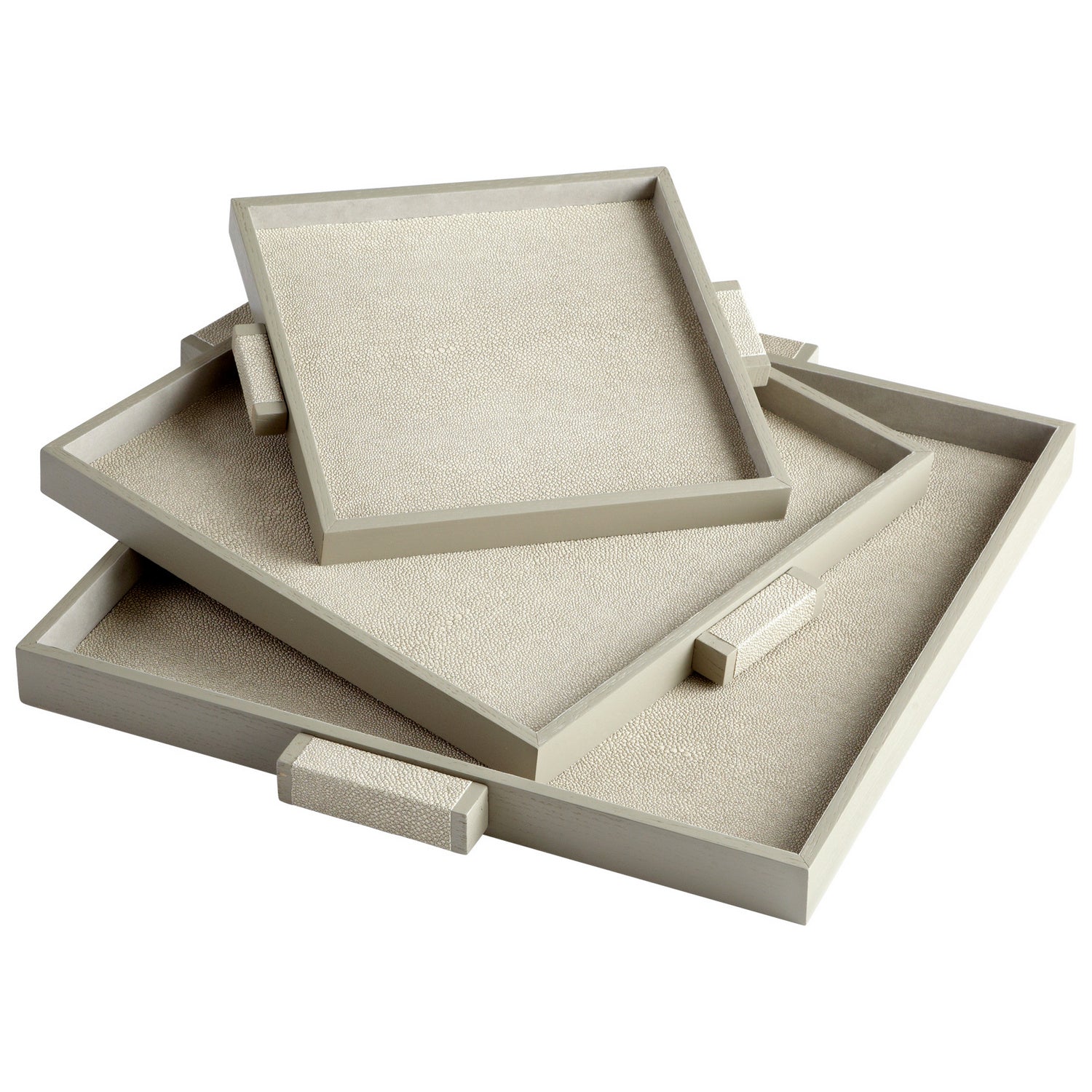
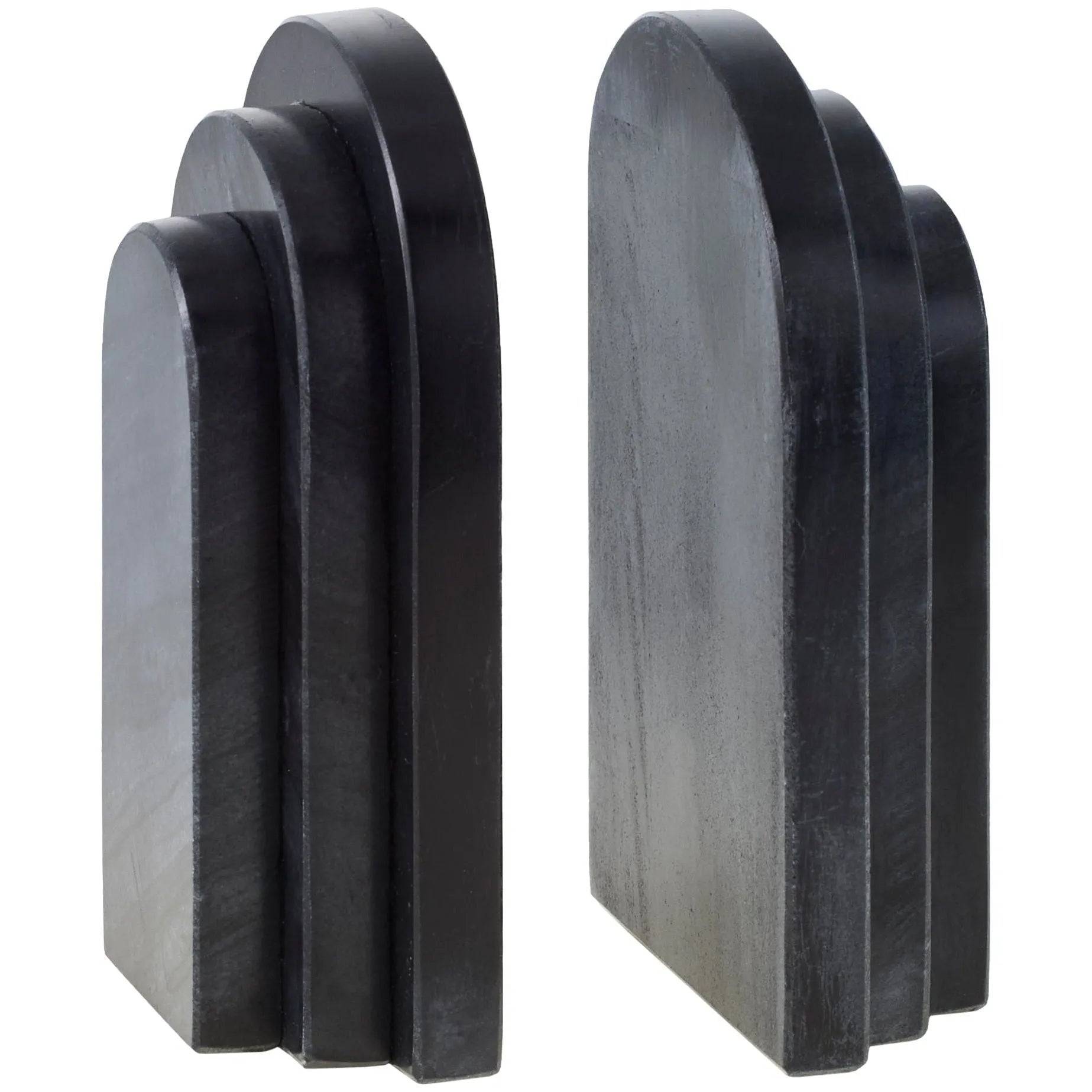
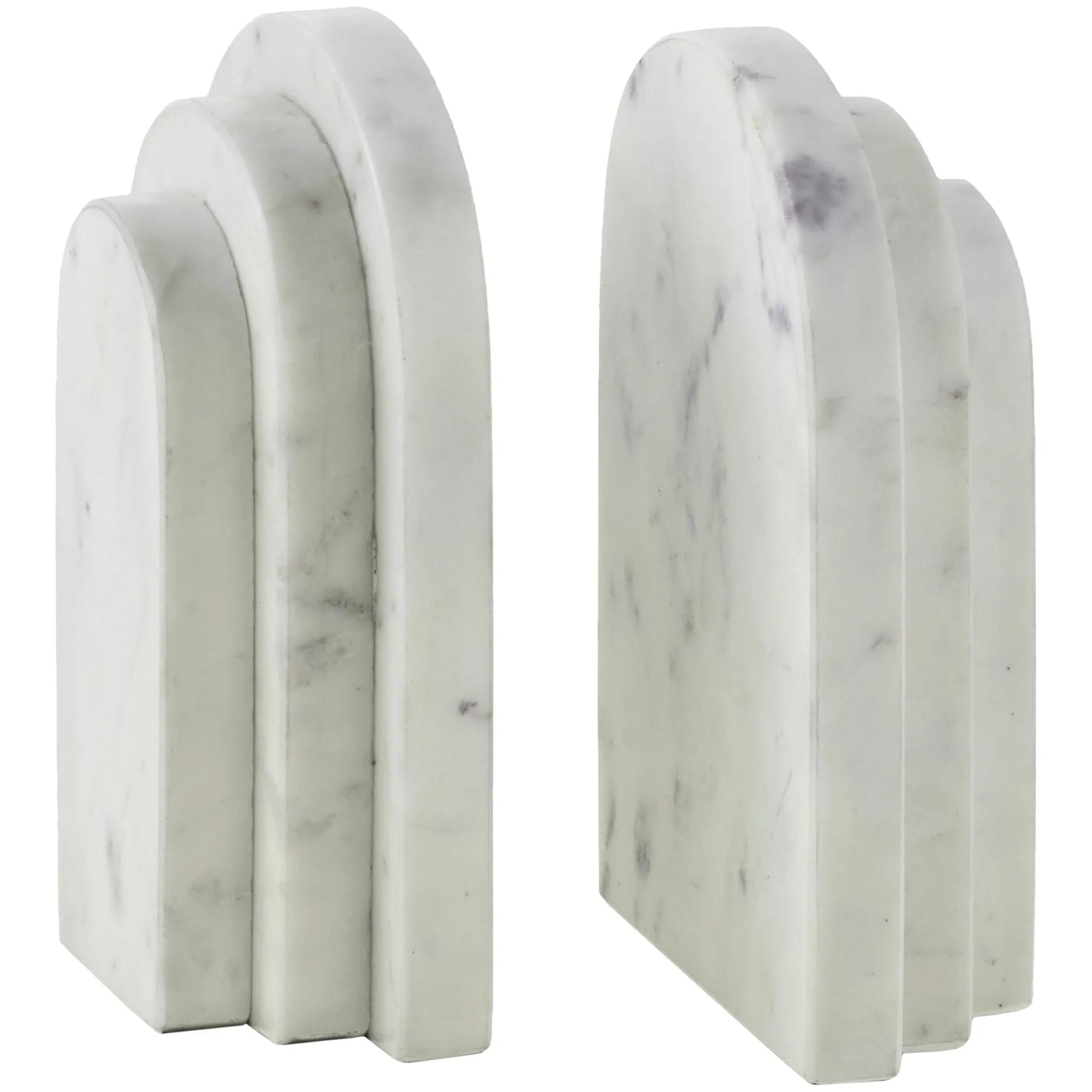


Japandi Decorative Accessories Canada – Matte Ceramic, Natural Wood, Woven Rattan
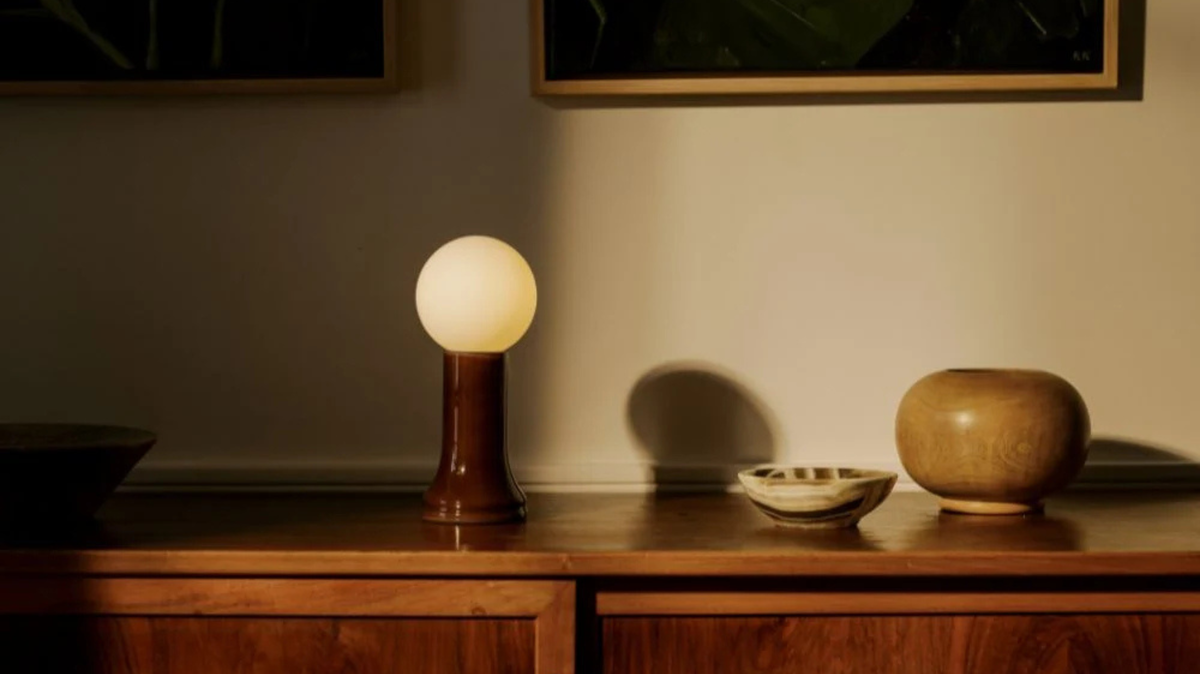
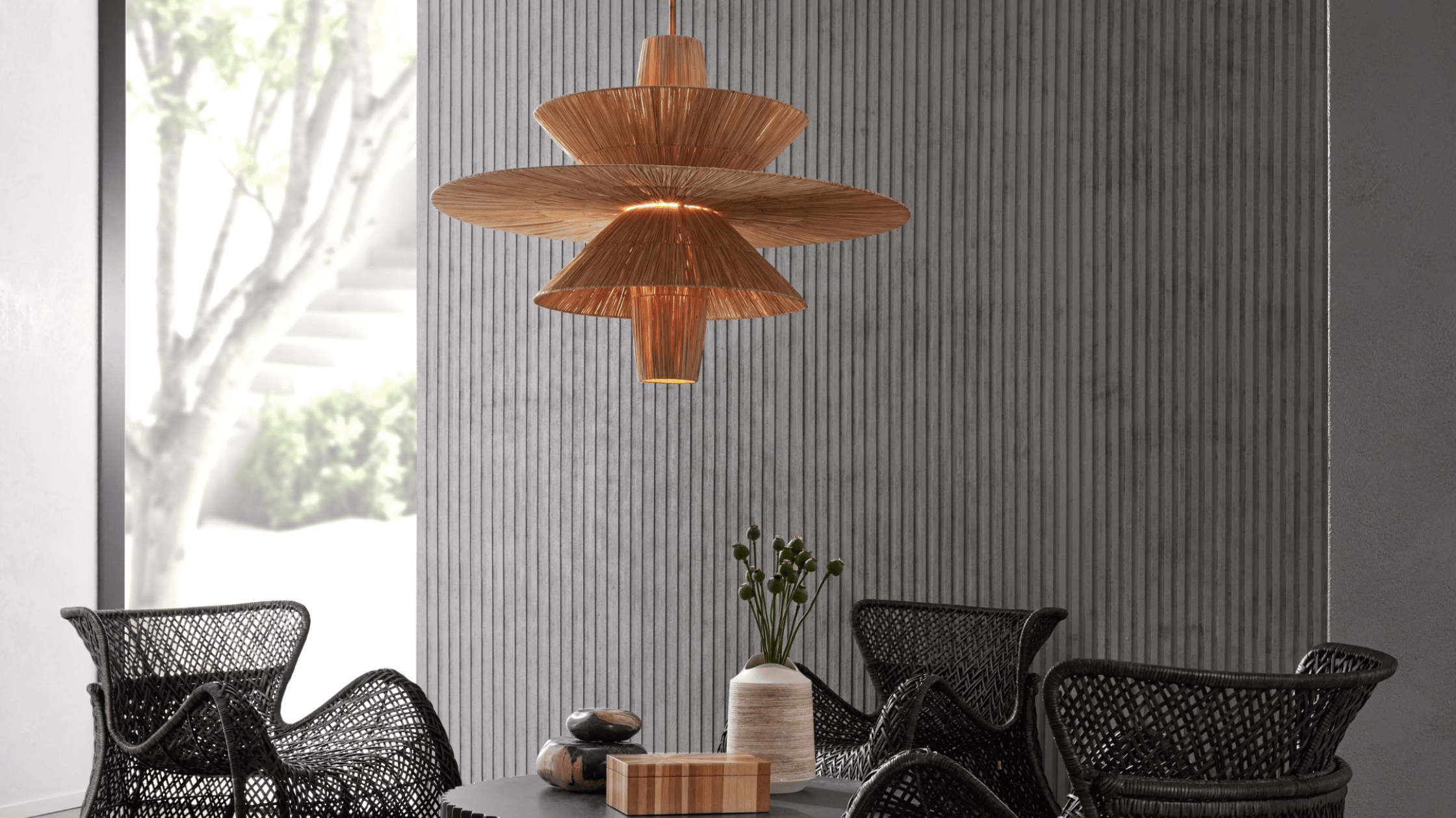
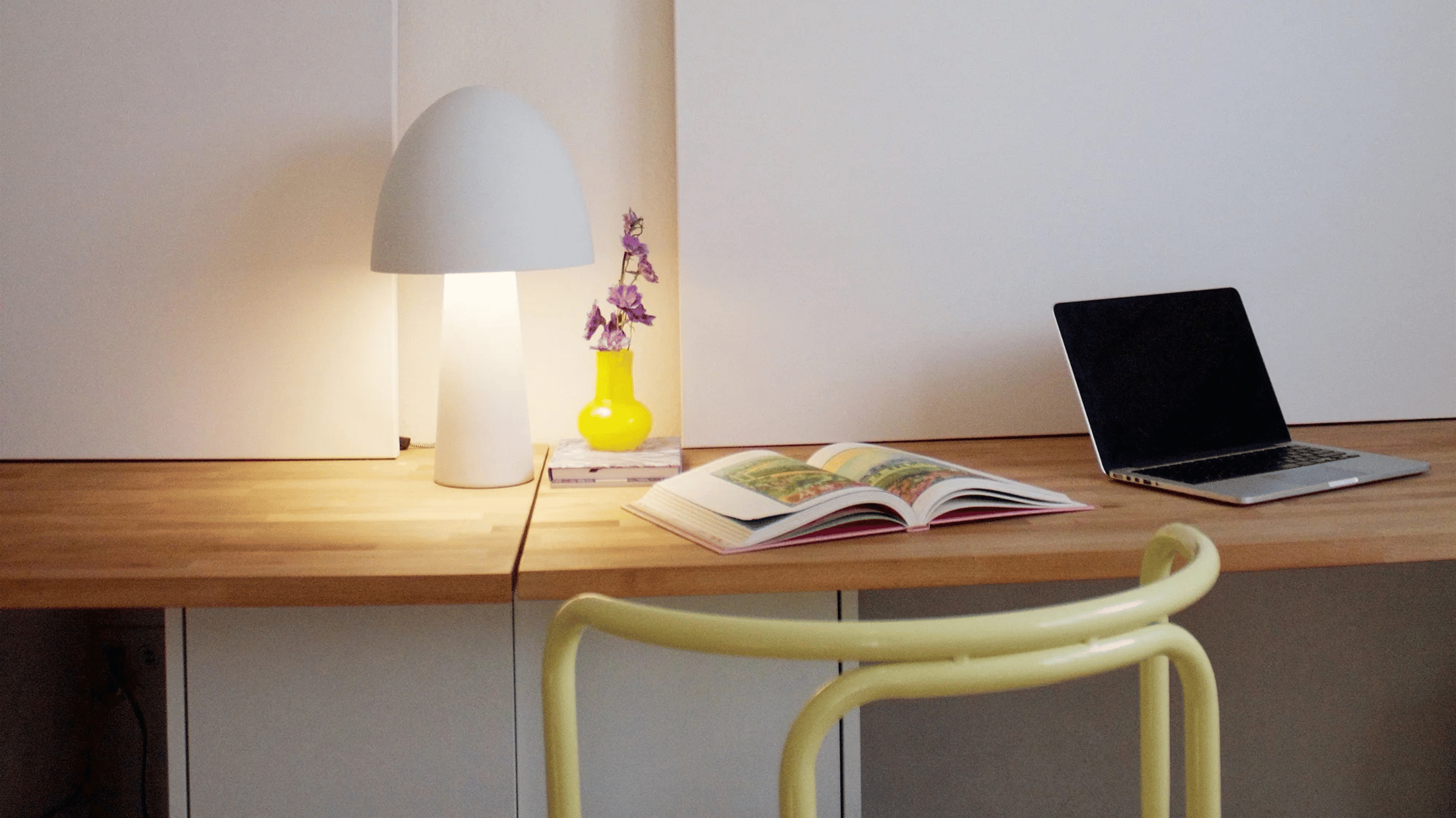
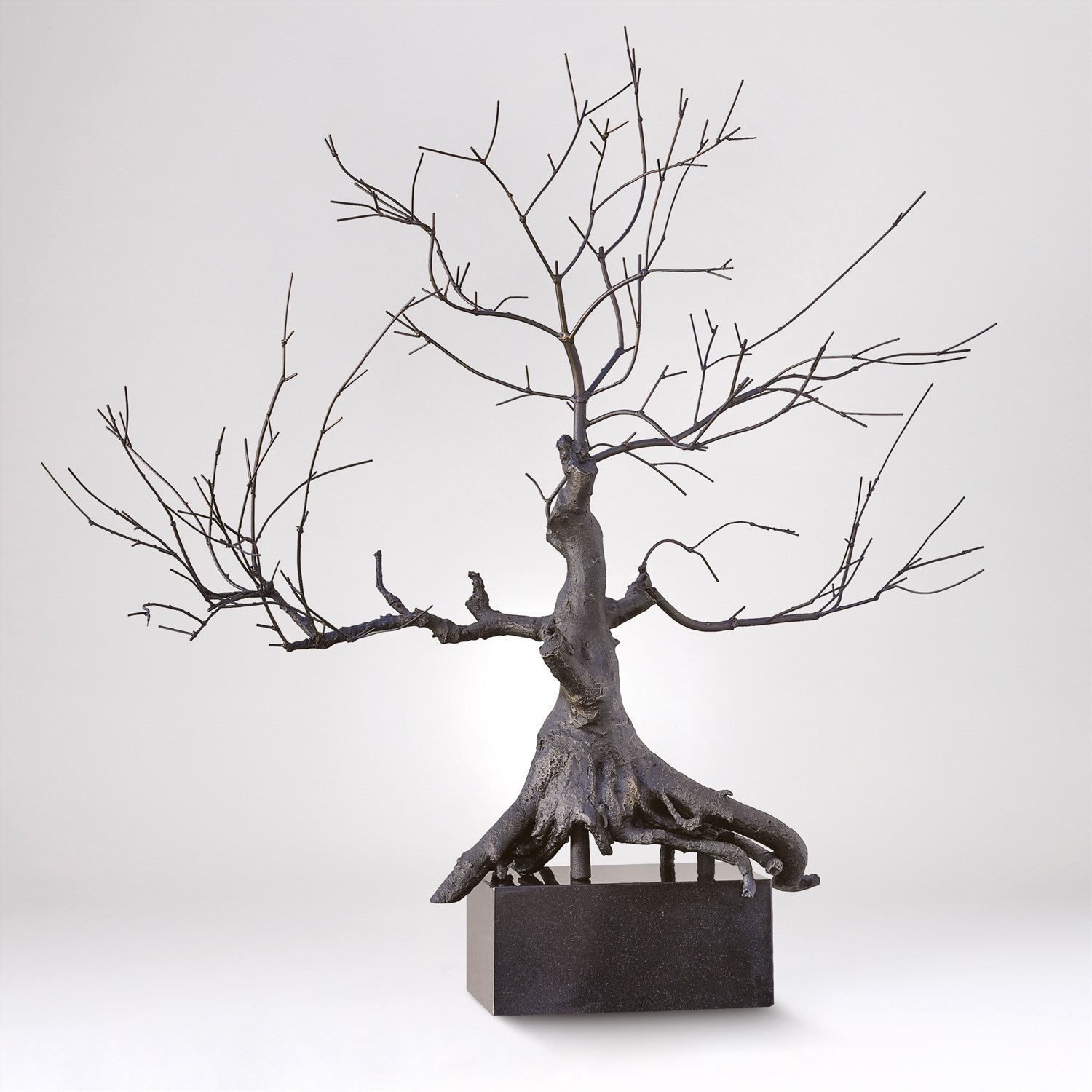
Japandi decorative accessories use natural materials, handcrafted surfaces, and minimal form to add finishing detail to interiors that prize intentional restraint. Matte ceramic bowls in warm neutral glazes, small wooden sculptural objects, hand-woven rattan trays, river stone arrangements, and single dried botanical specimens all define the Japandi accessory aesthetic through what they remove from the surface rather than what they add to it.
In Japandi interiors, the edit is the design. Three objects maximum per surface. Each object should hold its own meaning and material quality independently. A matte ceramic bowl beside a small smooth stone beside a single sprig of dried pampas grass reads as a moment of intentional calm rather than a collection of objects.
We carry Japandi decorative accessories from Arteriors, Kuzco Lighting, and Sonneman. All priced in Canadian dollars with free shipping on orders over $199.
Japandi Decorative Accessories FAQs
What is the difference between Japandi and Wabi-Sabi decor?
Wabi-sabi is a Japanese philosophical aesthetic that finds beauty in imperfection, transience, and incompleteness. Japandi uses wabi-sabi as one of its material principles but combines it with Scandinavian functional minimalism — the result is an aesthetic that is warm and natural like wabi-sabi, but more structured and purposeful than pure wabi-sabi which can feel raw and unresolved. In practice, Japandi accessories tend to be slightly more refined than pure wabi-sabi objects.
How many decorative objects should I use in a Japandi room?
Far fewer than you think. Three objects per surface is the maximum. One is often stronger. The negative space between and around objects is as important as the objects themselves. If you are unsure whether to add a fourth object, the answer is no. The Japandi edit requires removing things until what remains feels complete, not adding things until the surface feels full.
What materials define Japandi decorative accessories?
Matte and satin ceramic, natural unfinished or lightly oiled wood, hand-woven rattan and seagrass, smooth river stones, dried botanicals, and natural fiber textiles are the primary Japandi accessory materials. Avoid highly polished metals, synthetic materials, bright colors, and heavily decorated surfaces. Warm neutrals — warm white, sand, warm grey, natural wood tones — define the palette.
Can Japandi accessories work in a minimalist modern interior?
Yes — the material warmth of Japandi accessories — ceramic, rattan, natural wood — addresses the most common criticism of purely minimalist modern interiors, which is that they feel cold and unwelcoming. One or two carefully chosen Japandi ceramic or wood objects adds tactile warmth without compromising the clean lines of a modern interior.
Do you ship Japandi decorative accessories across Canada?
Yes — all items ship Canada-wide at CAD prices with free shipping on orders over $199. Fragile ceramic and glass items are carefully packaged. Most in-stock items leave our Montreal warehouse within 1–3 business days.
| Location | Scale | Grouping |
|---|---|---|
| Coffee table | 4" - 12" height | 1-2 objects + tray or stone |
| Console | 8" - 18" height | 2-3 objects maximum |
| Mantle | Scale to space above | 1-2 objects, negative space |
| Bookshelf | Scale to opening | 1 object per shelf zone |
| Tatami / meditation space | Low profile | 1 object, floor or low platform |