Transitional Wall Mirrors
Beveled glass and clean profiles in brushed nickel, soft gold, and aged bronze for entryways, living rooms, and bedrooms. Shop from Visual Comfort, Feiss, and more.
Learn more185 products
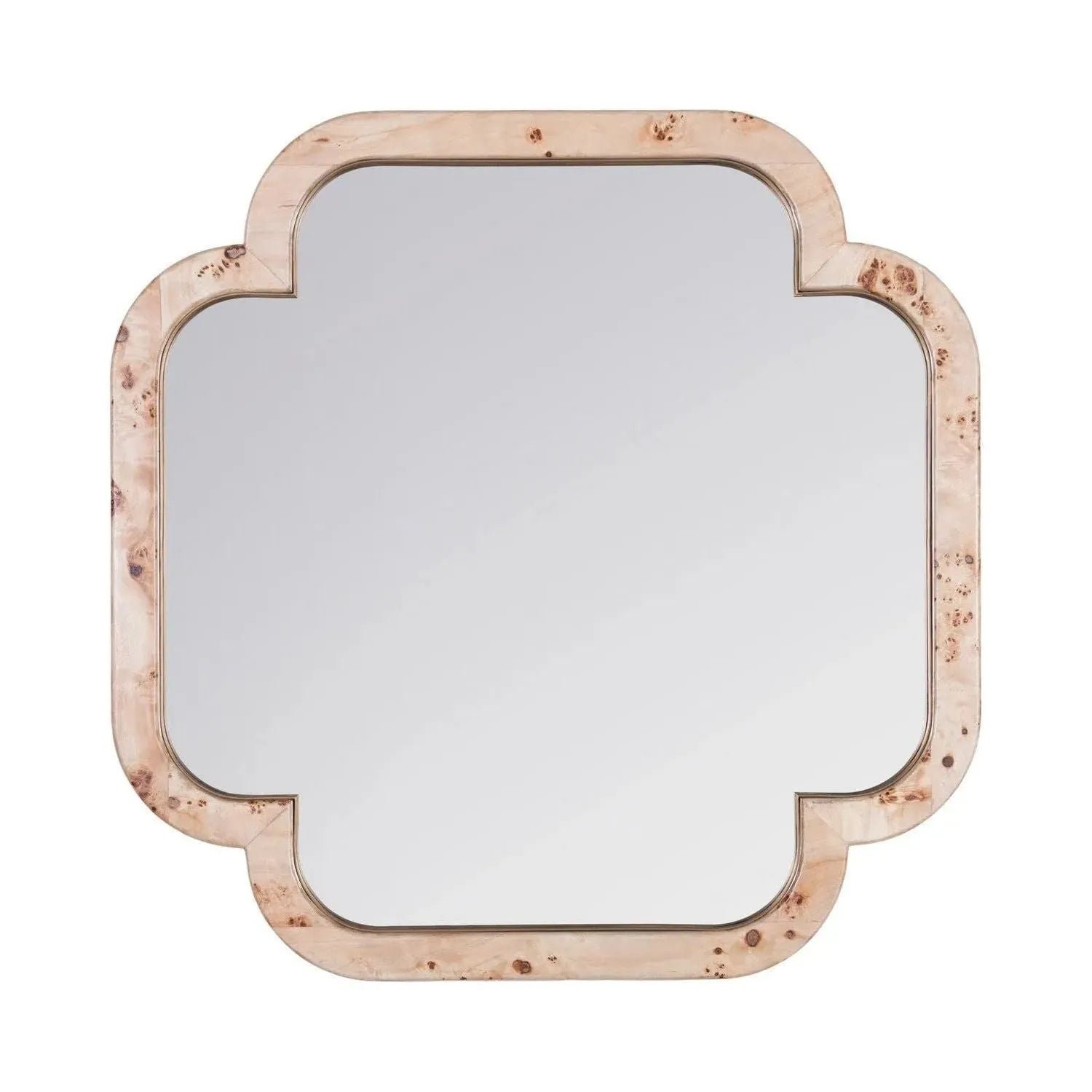
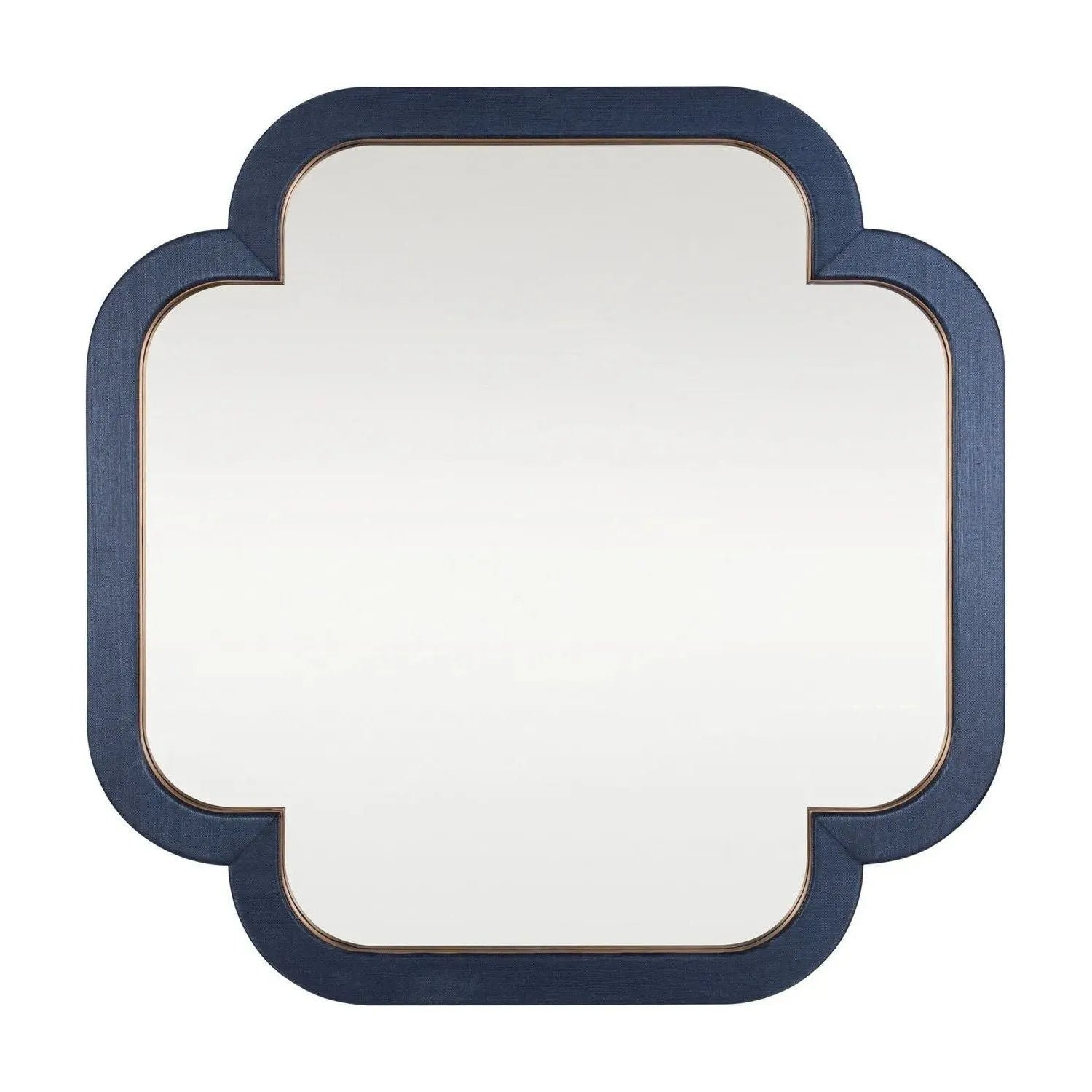
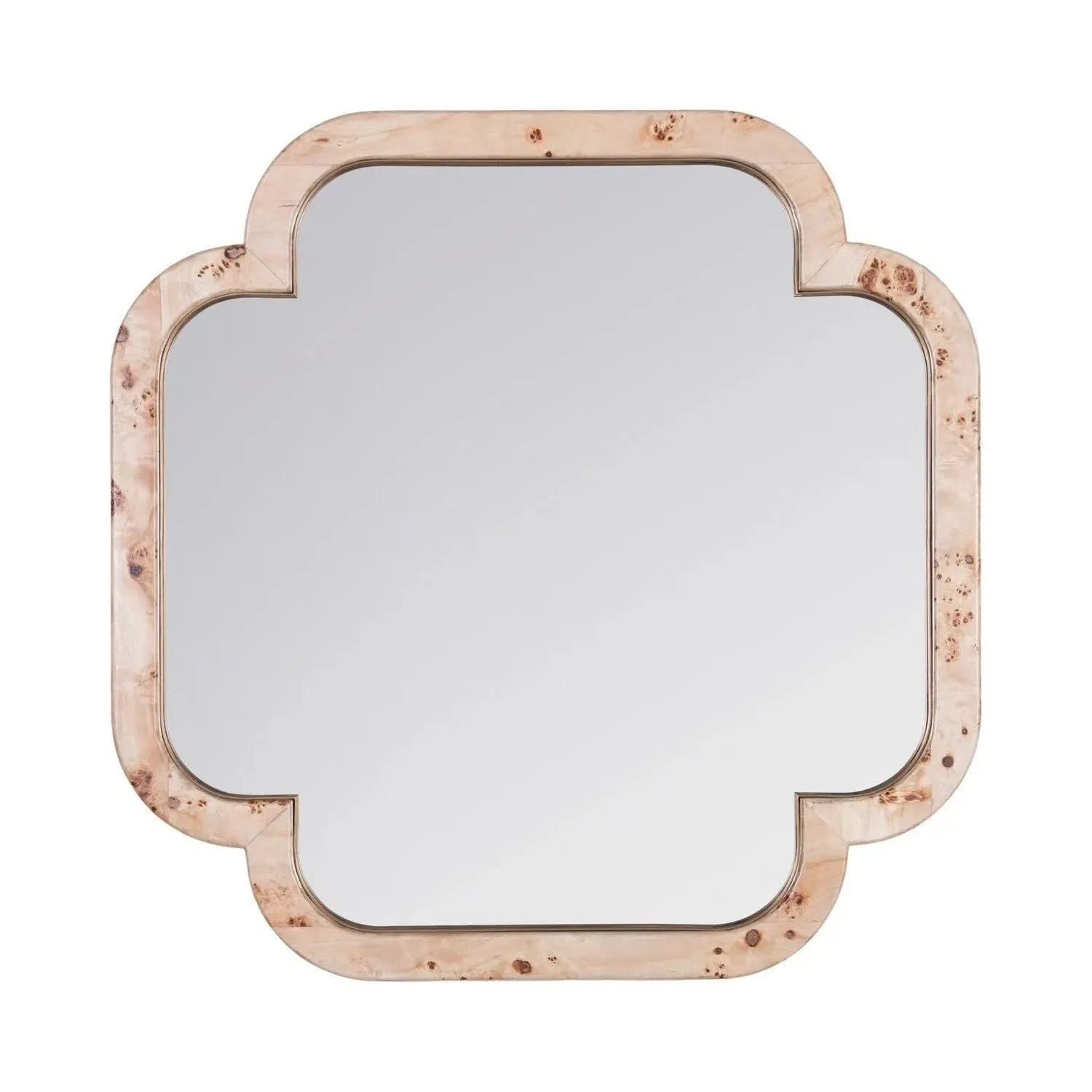


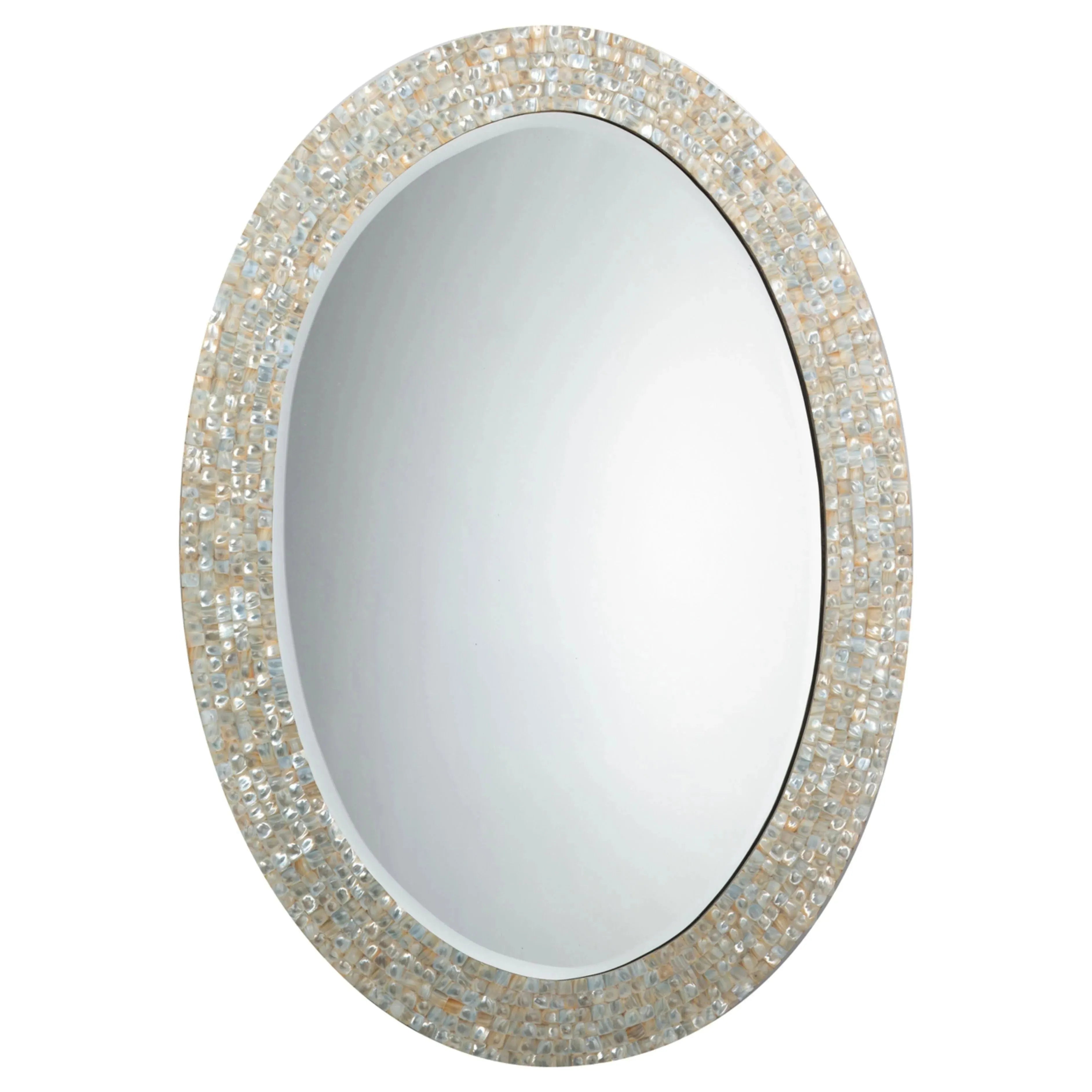
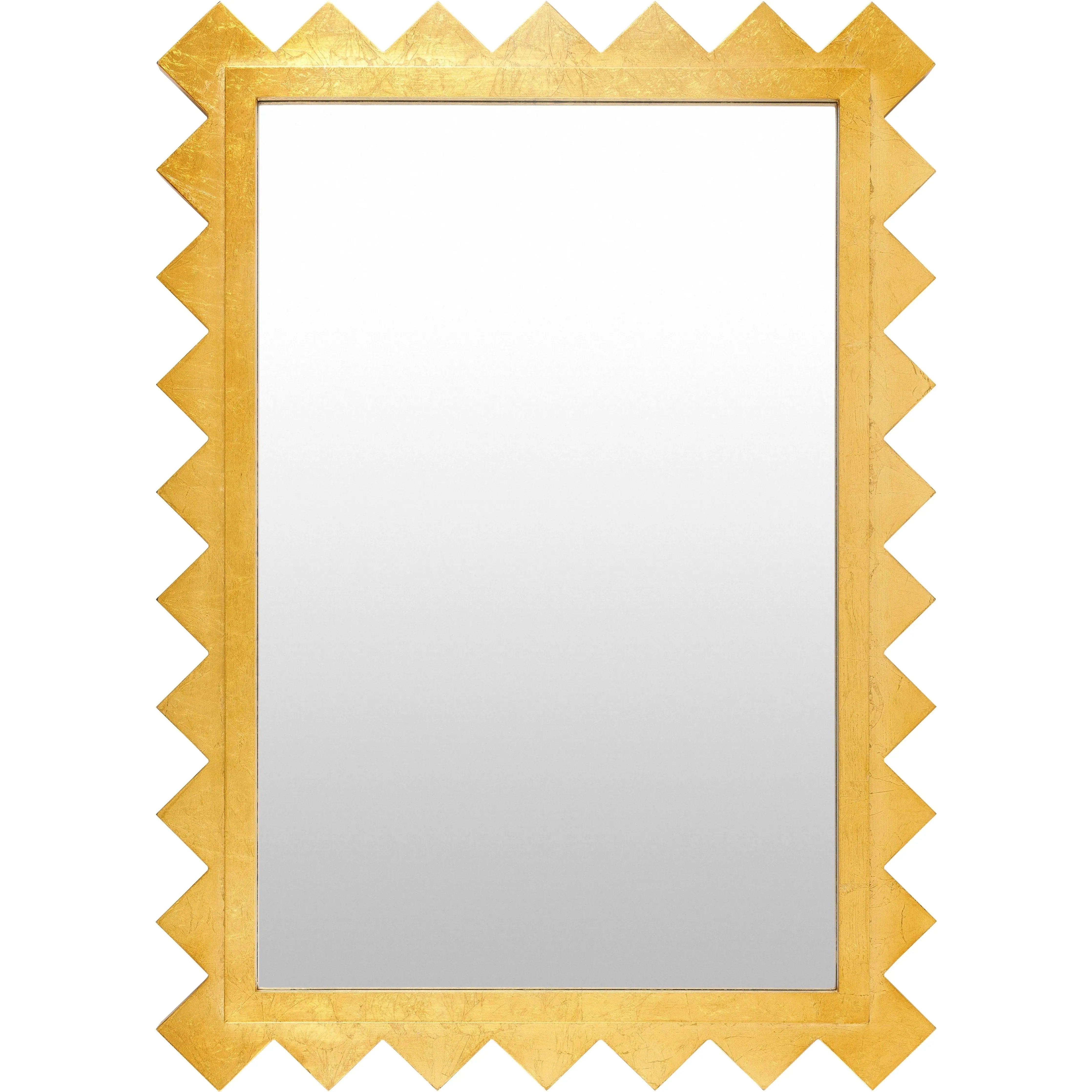
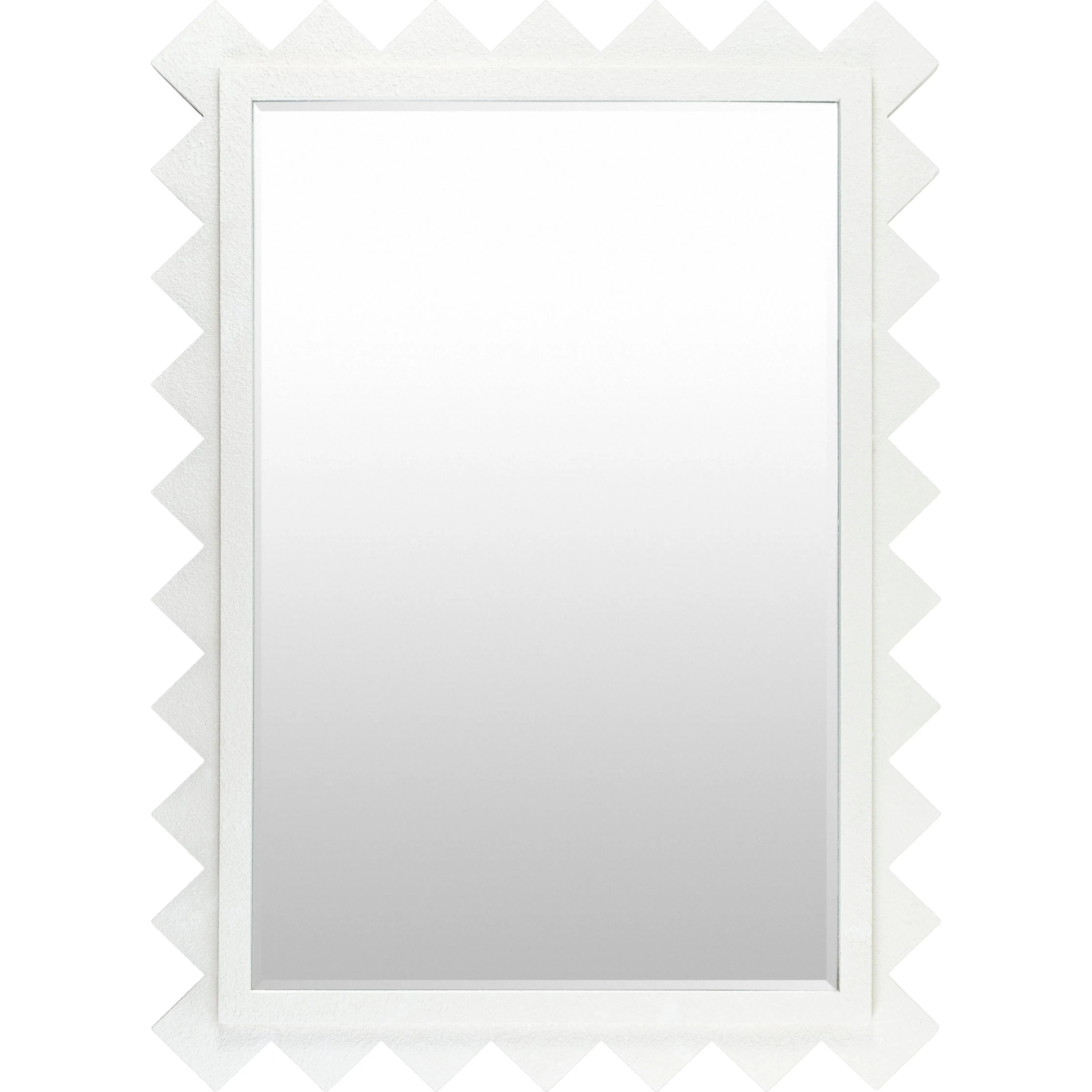
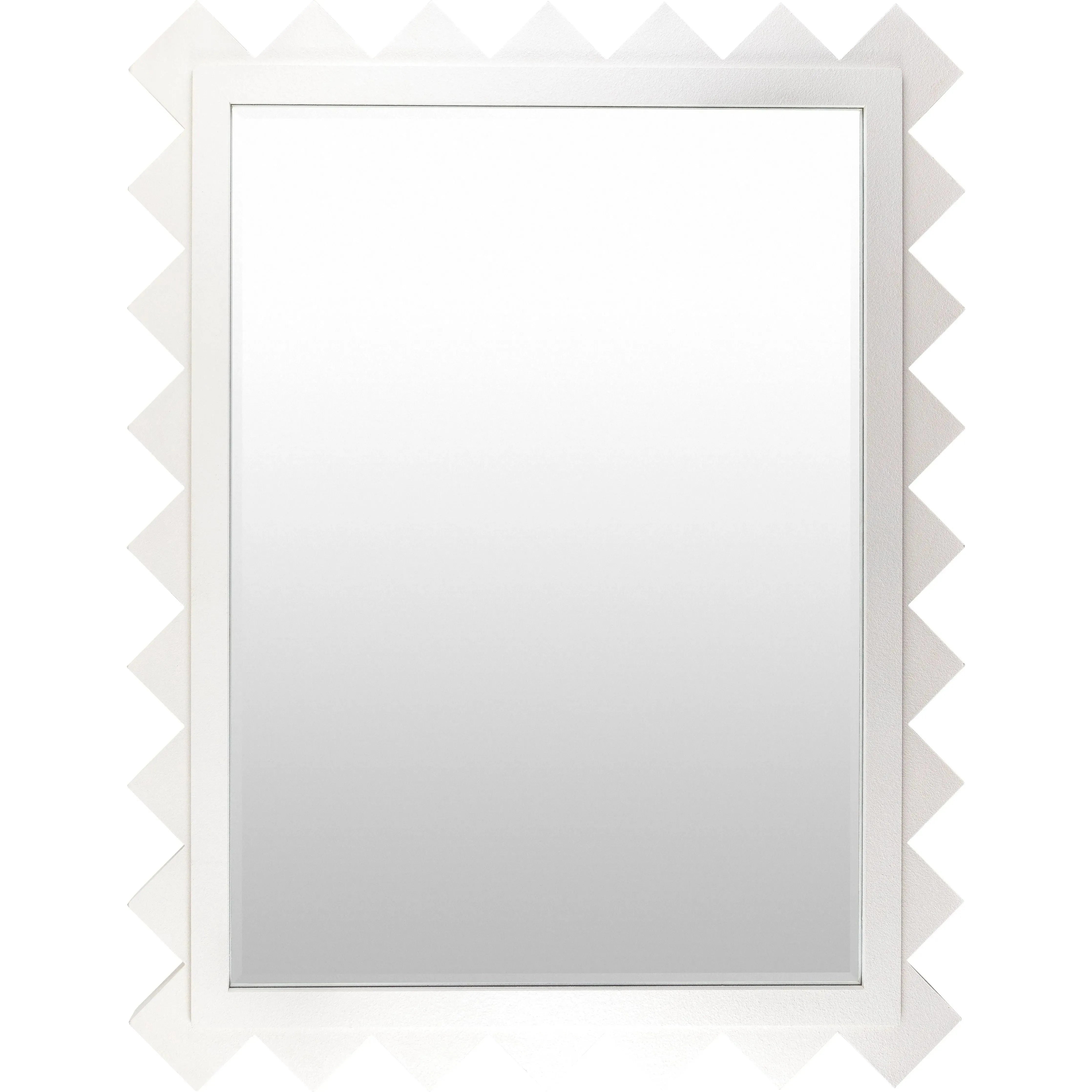
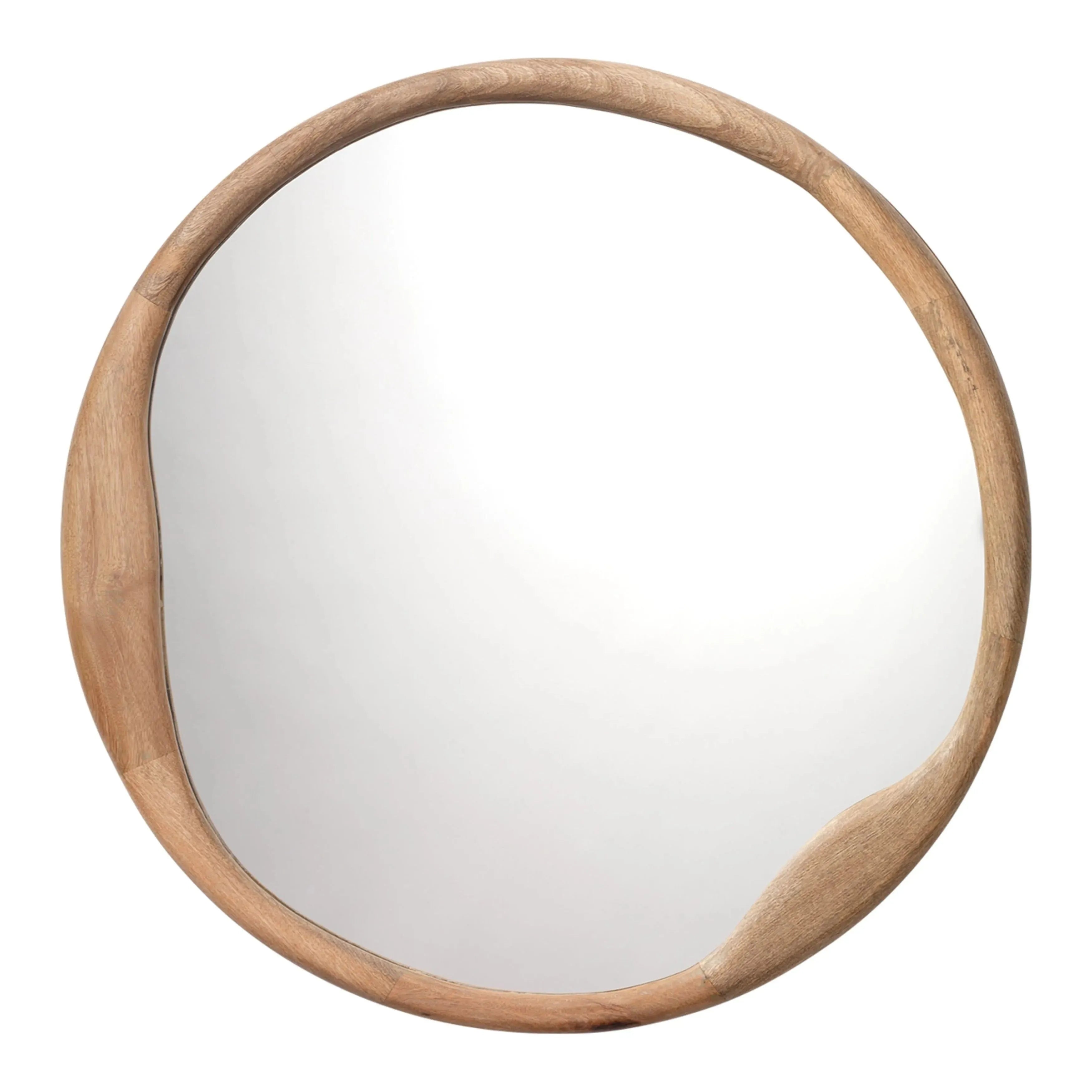
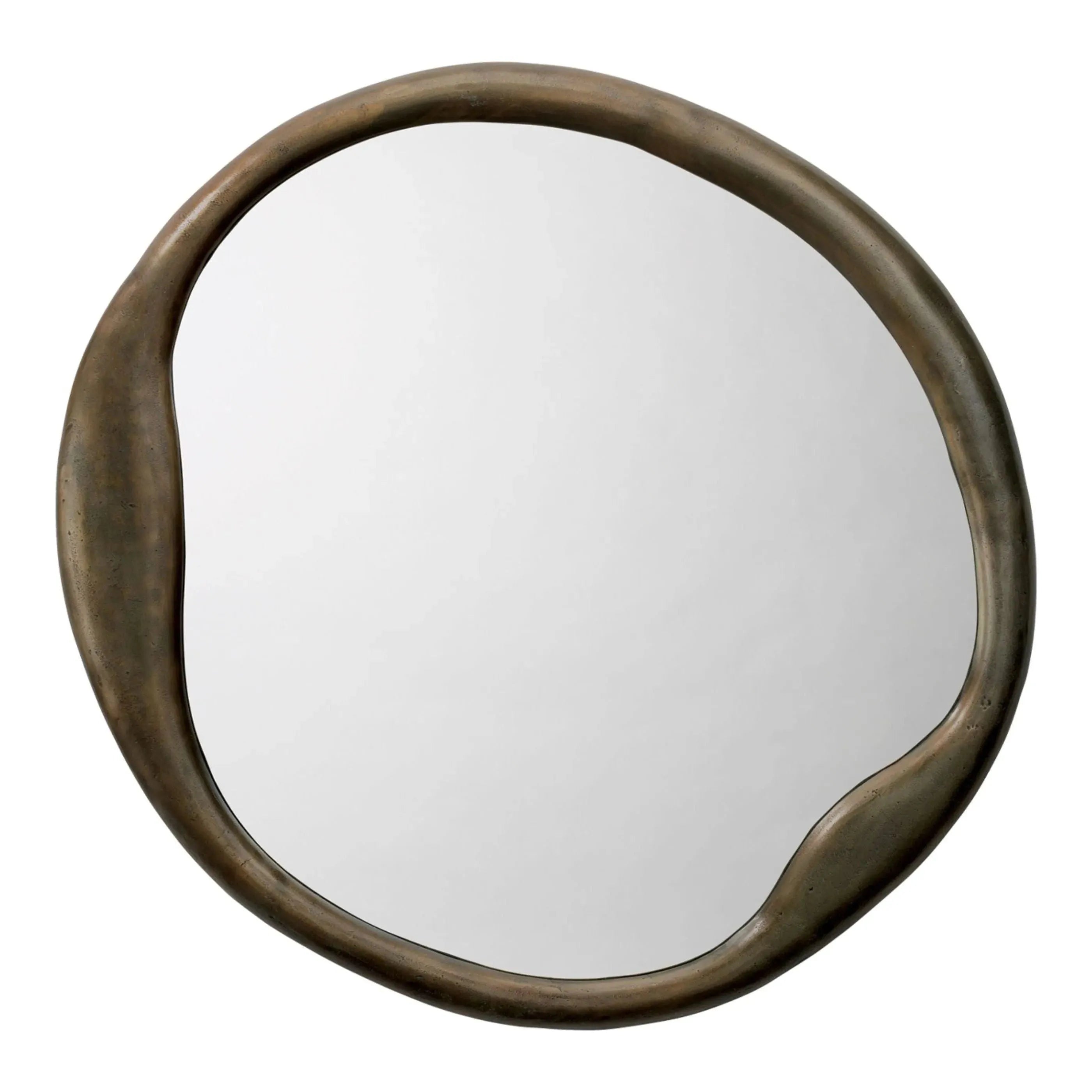

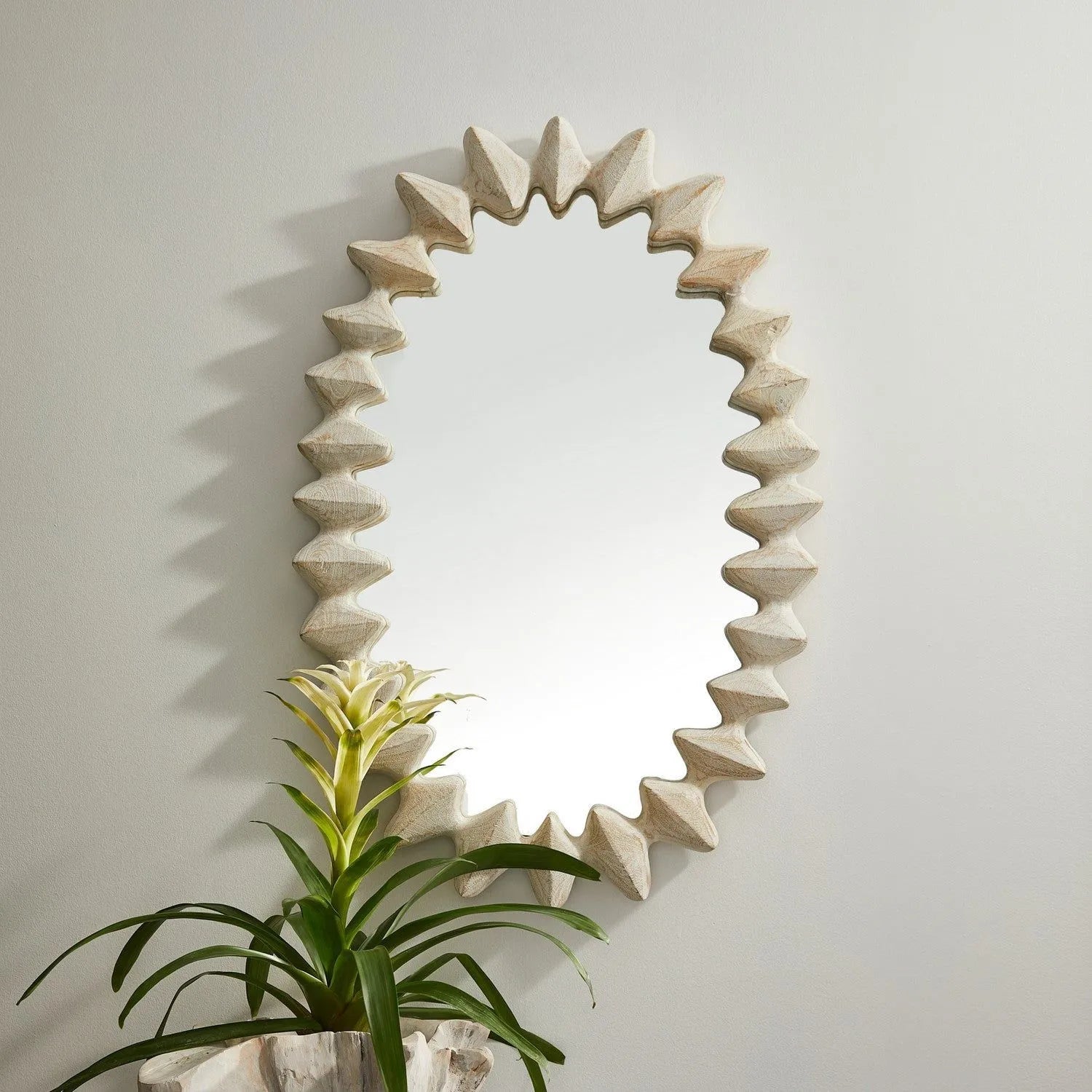
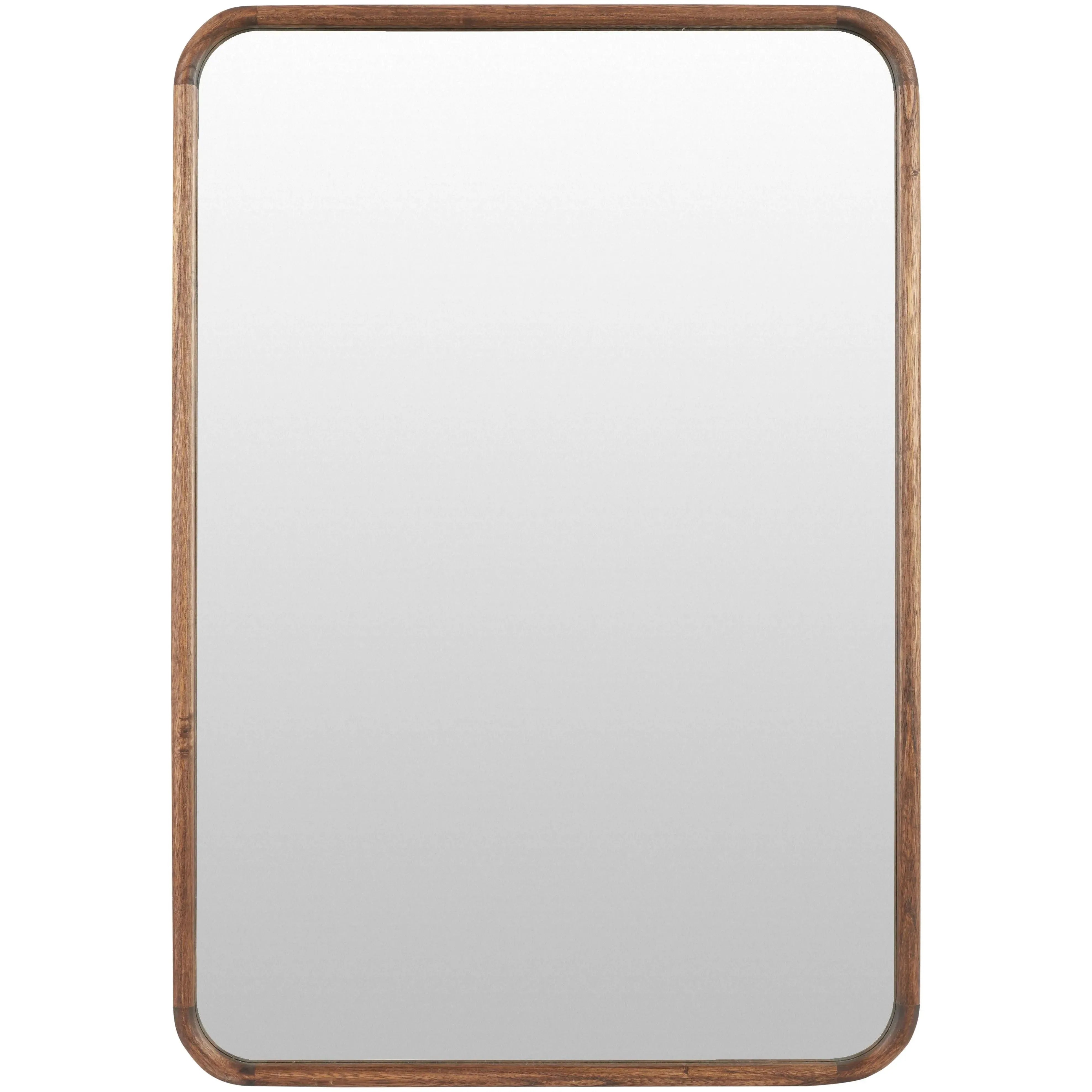
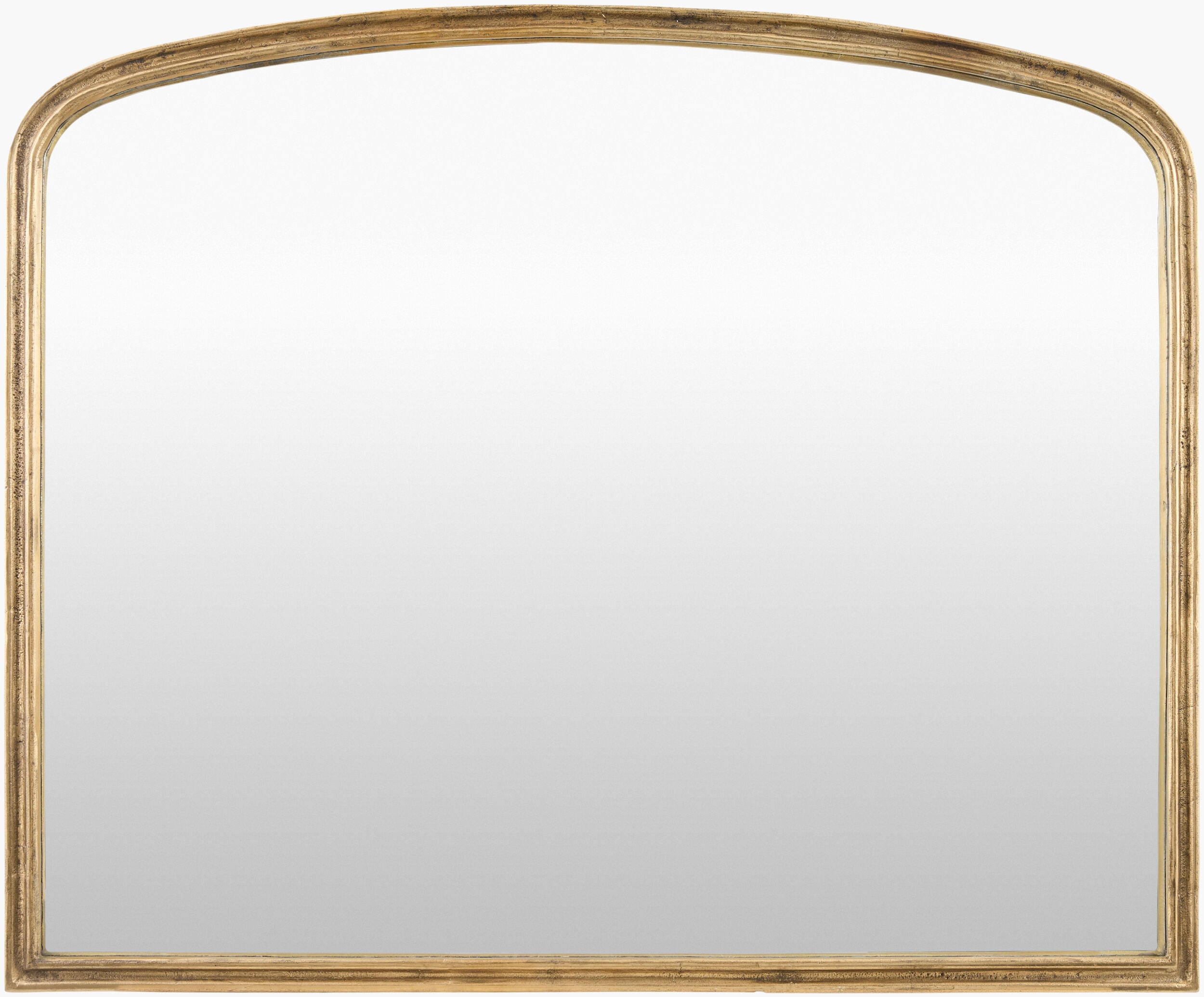

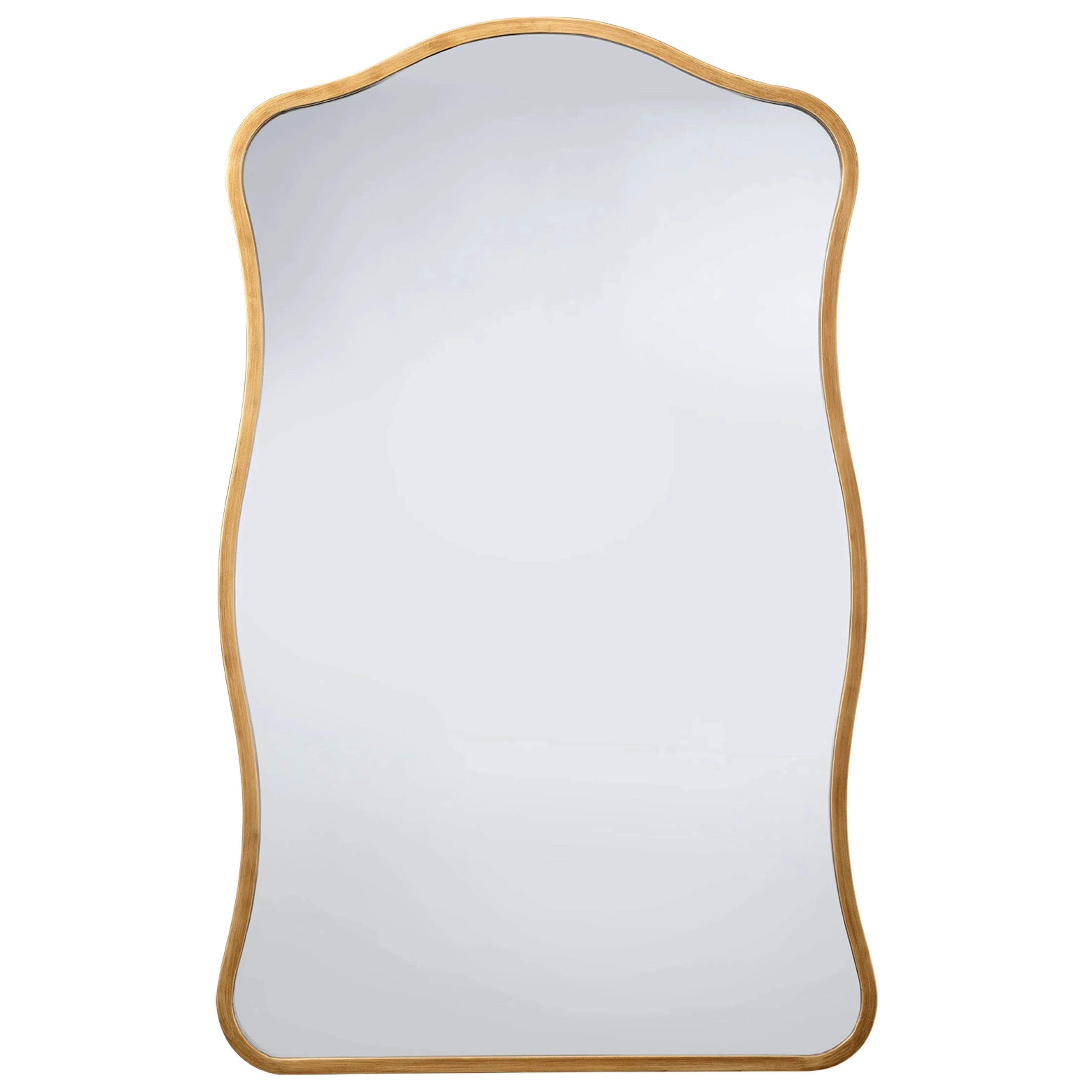
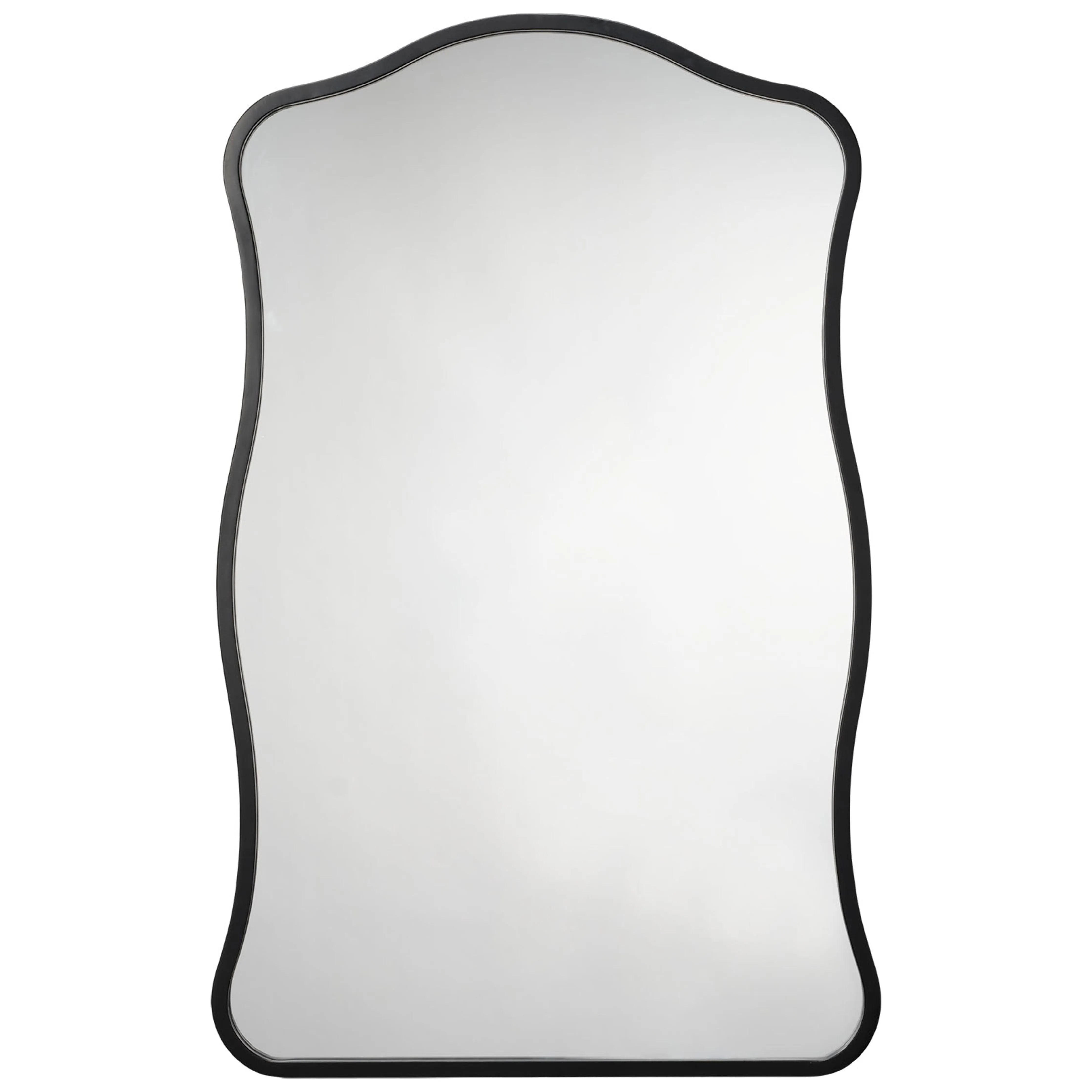
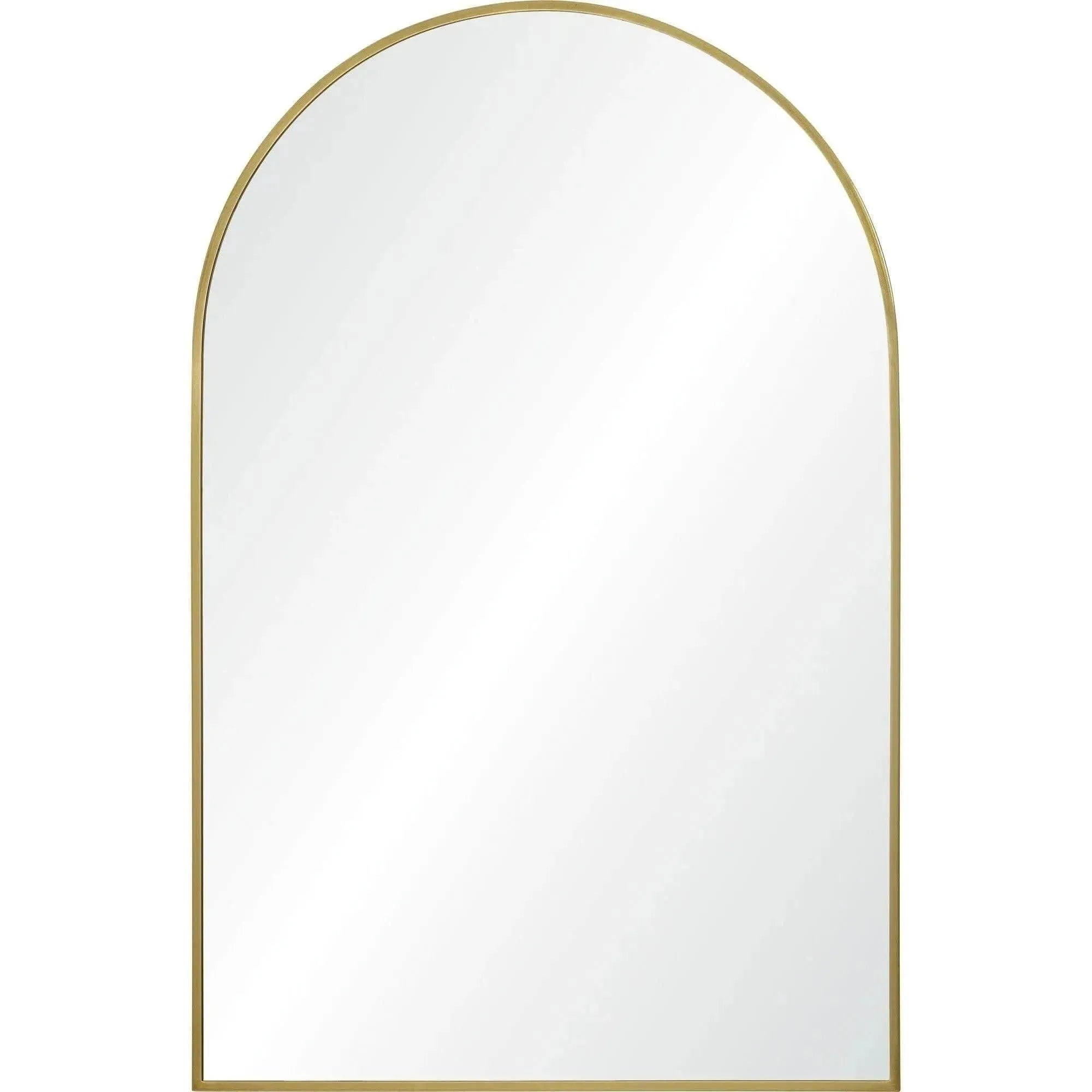
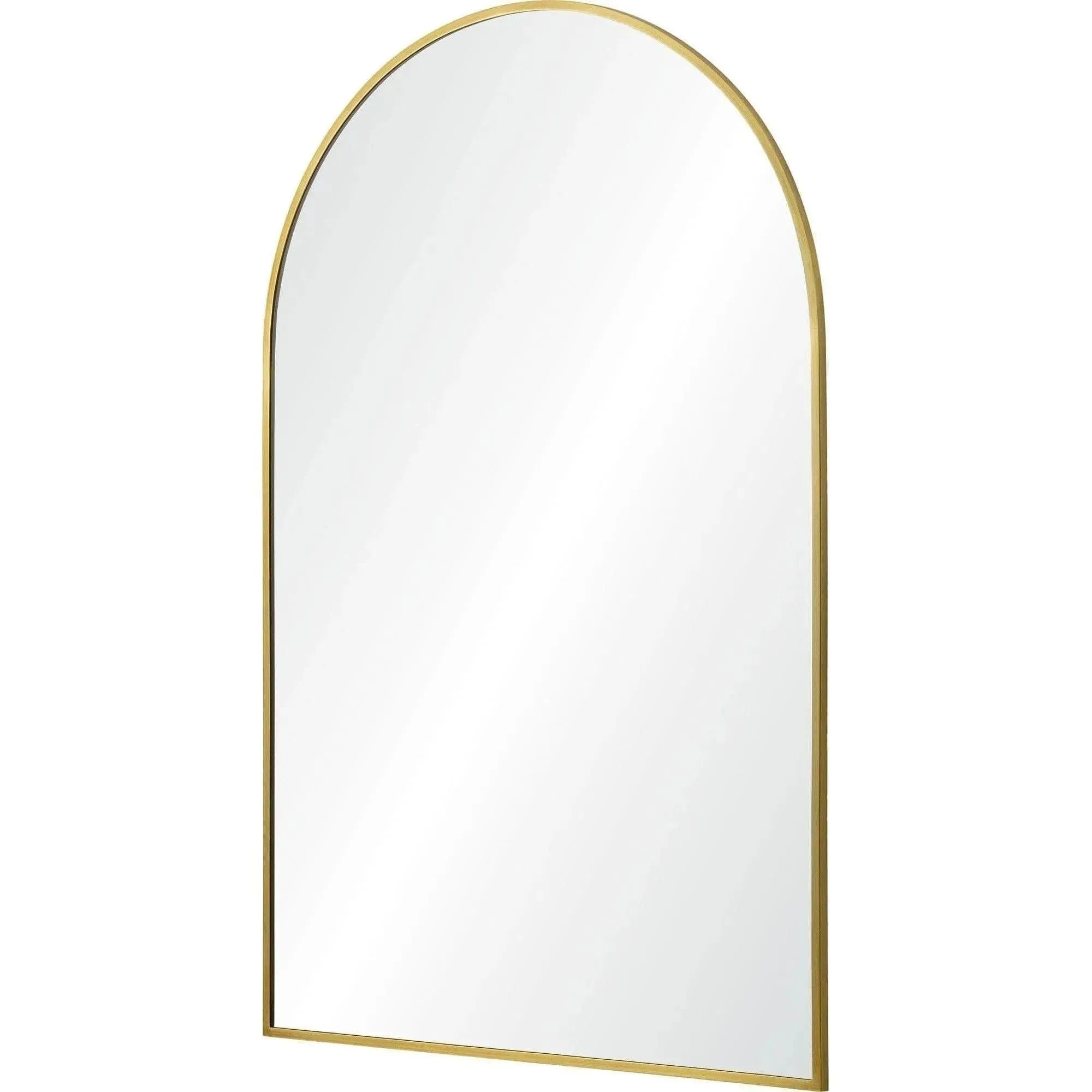

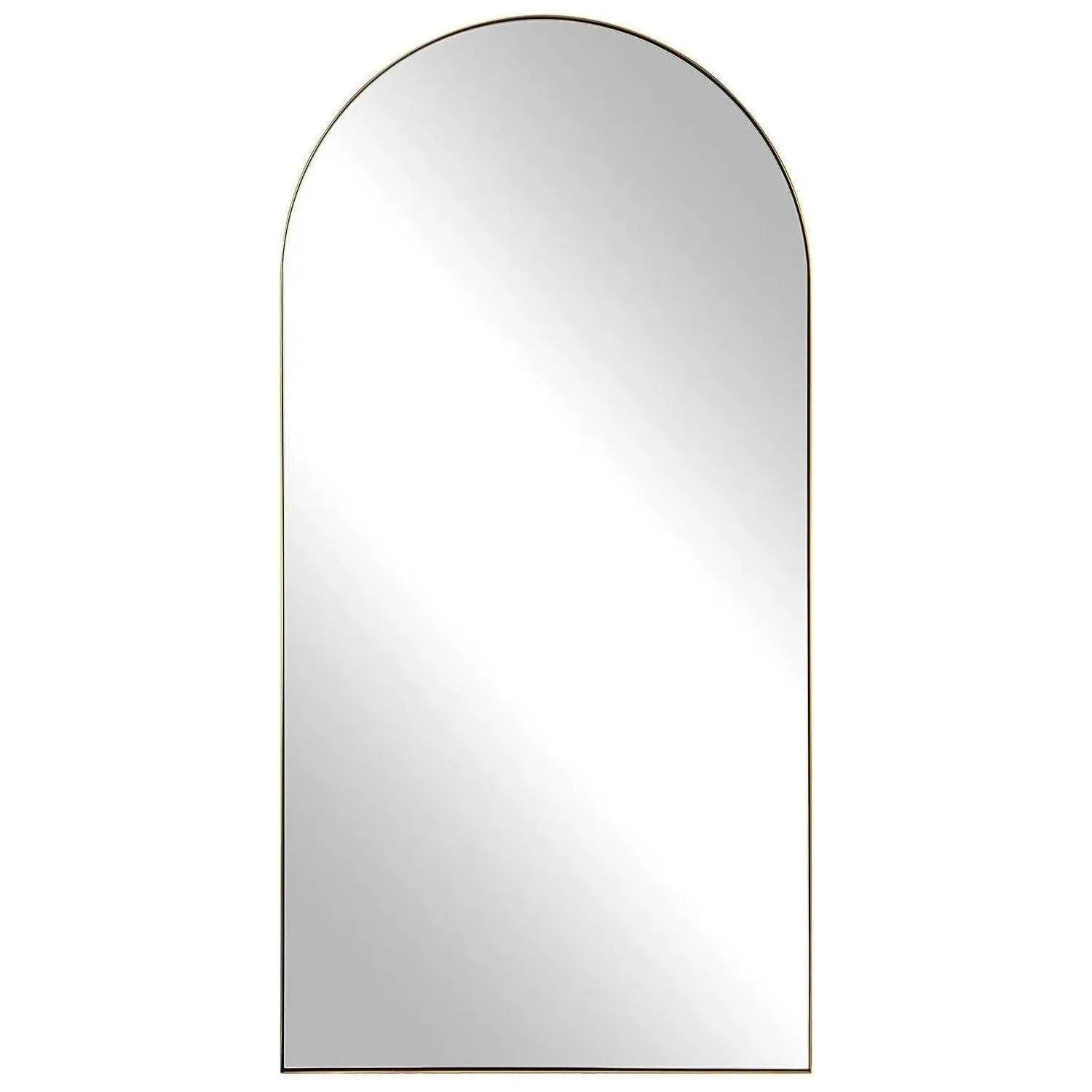
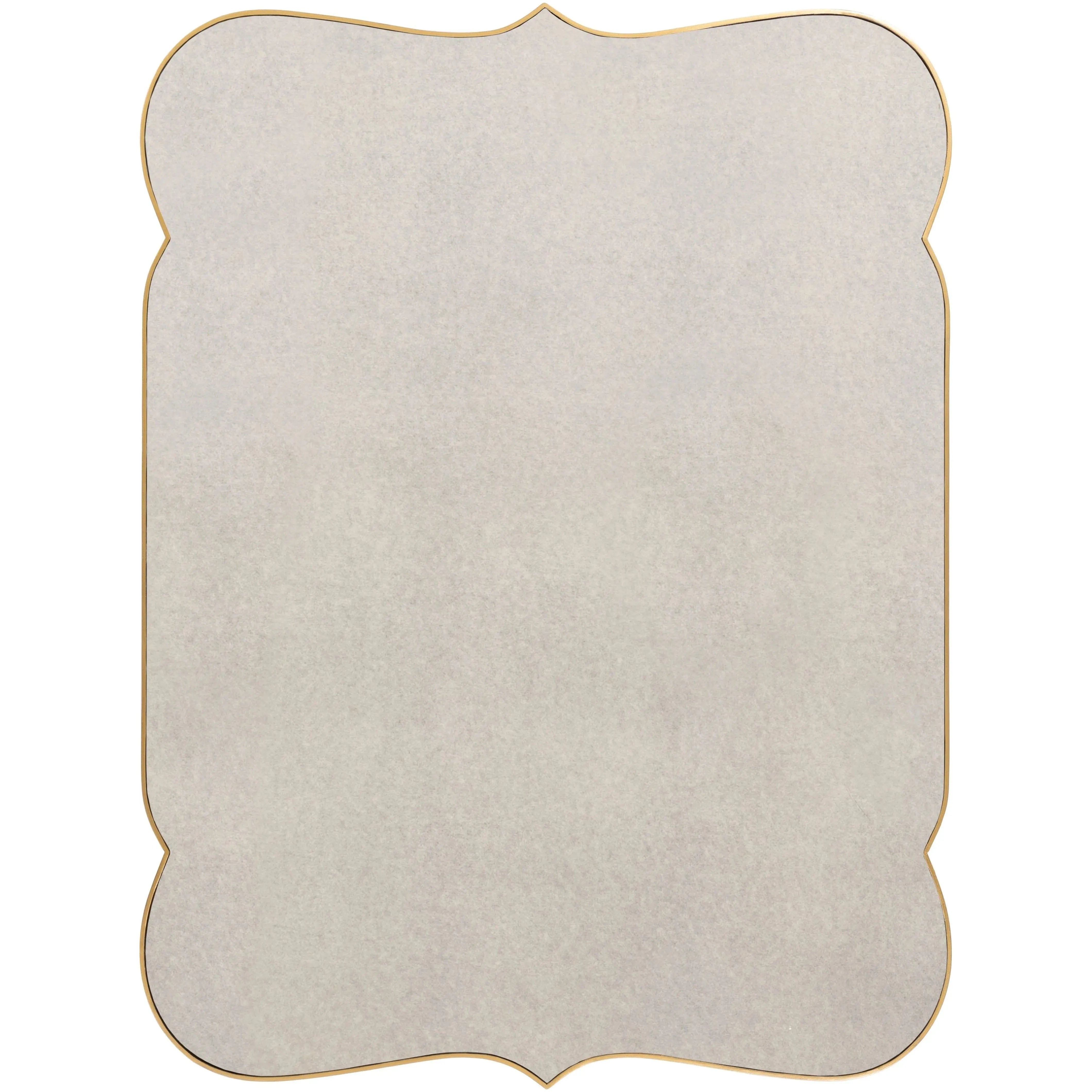
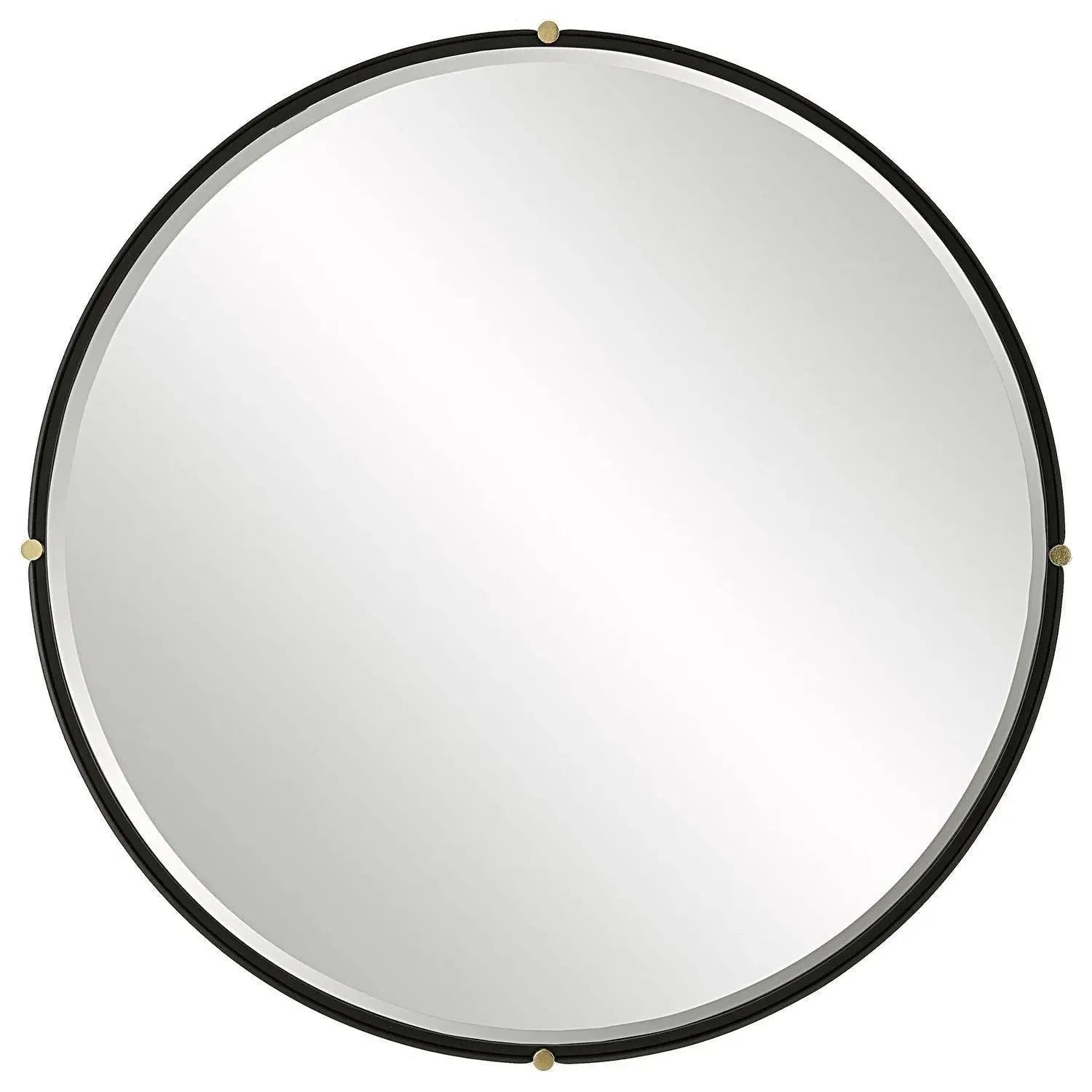


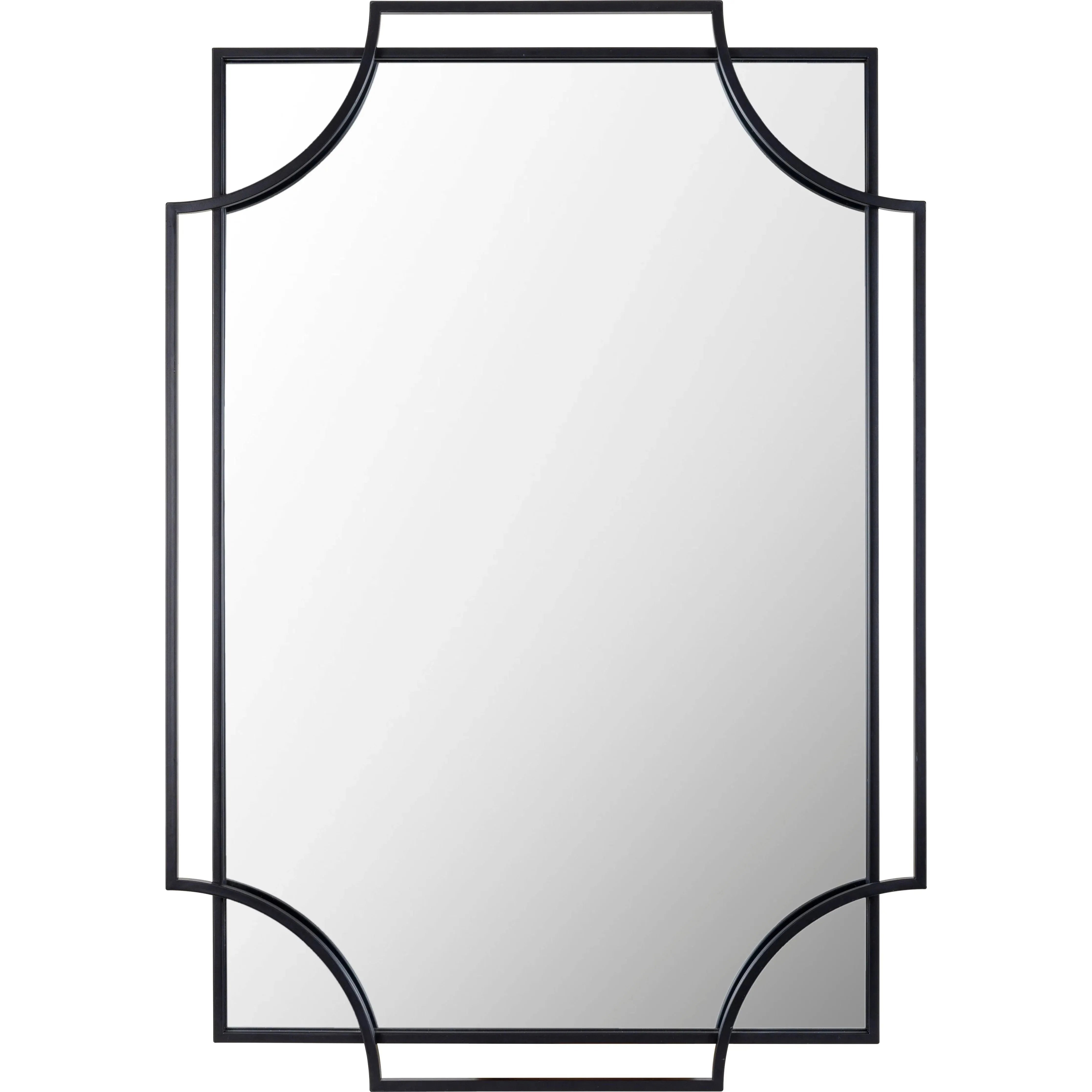
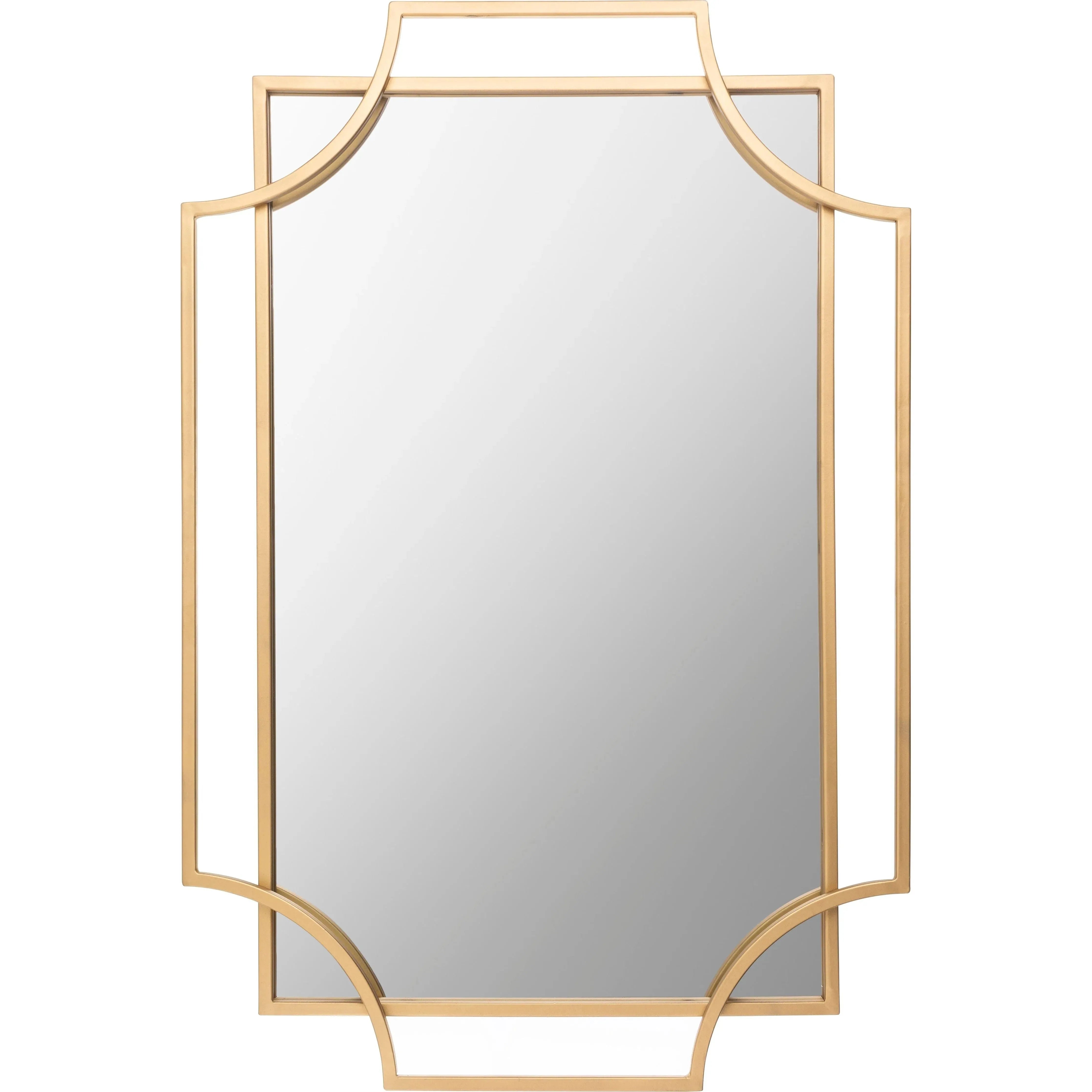
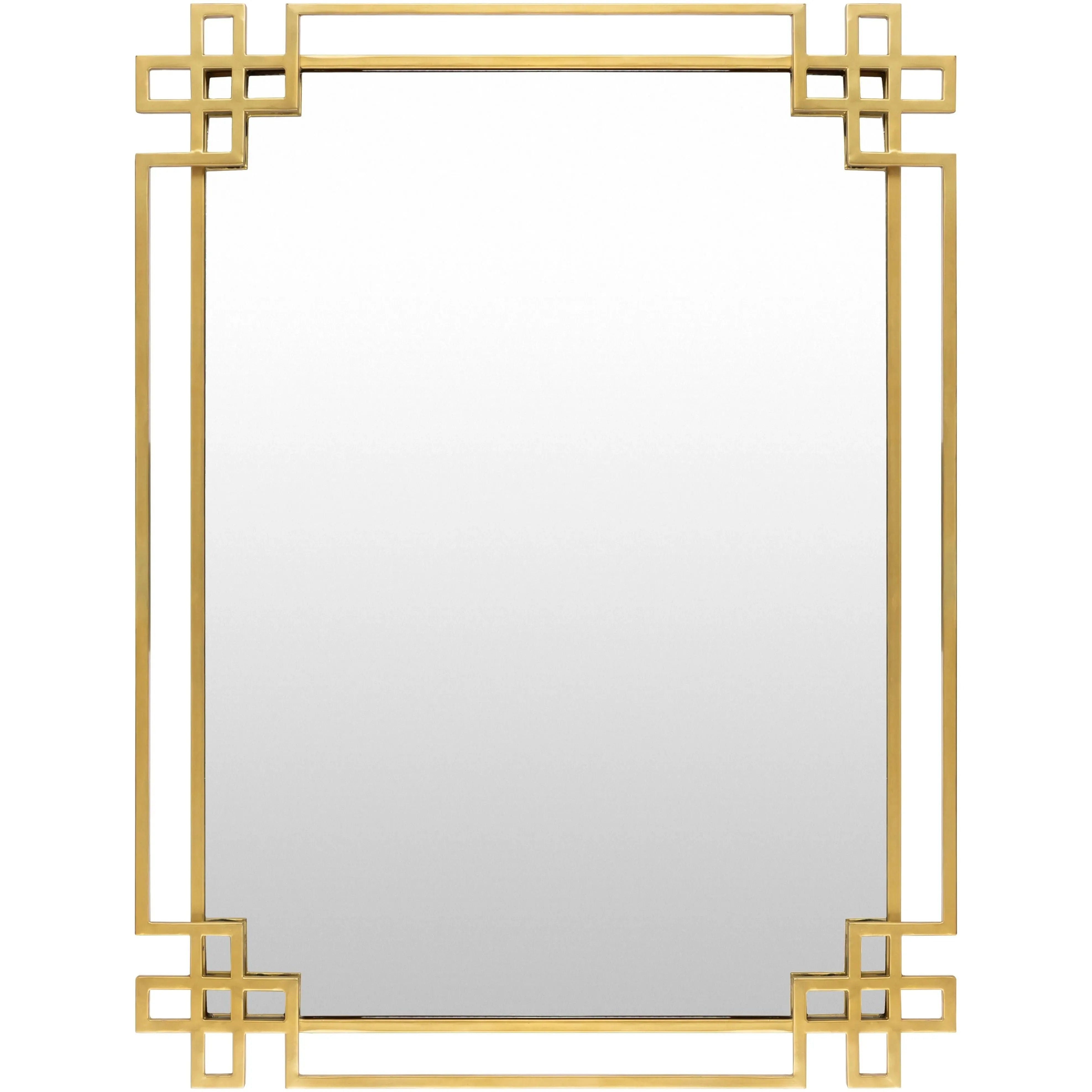
Transitional Wall Mirrors Canada – Brushed Nickel, Soft Gold, Aged Bronze
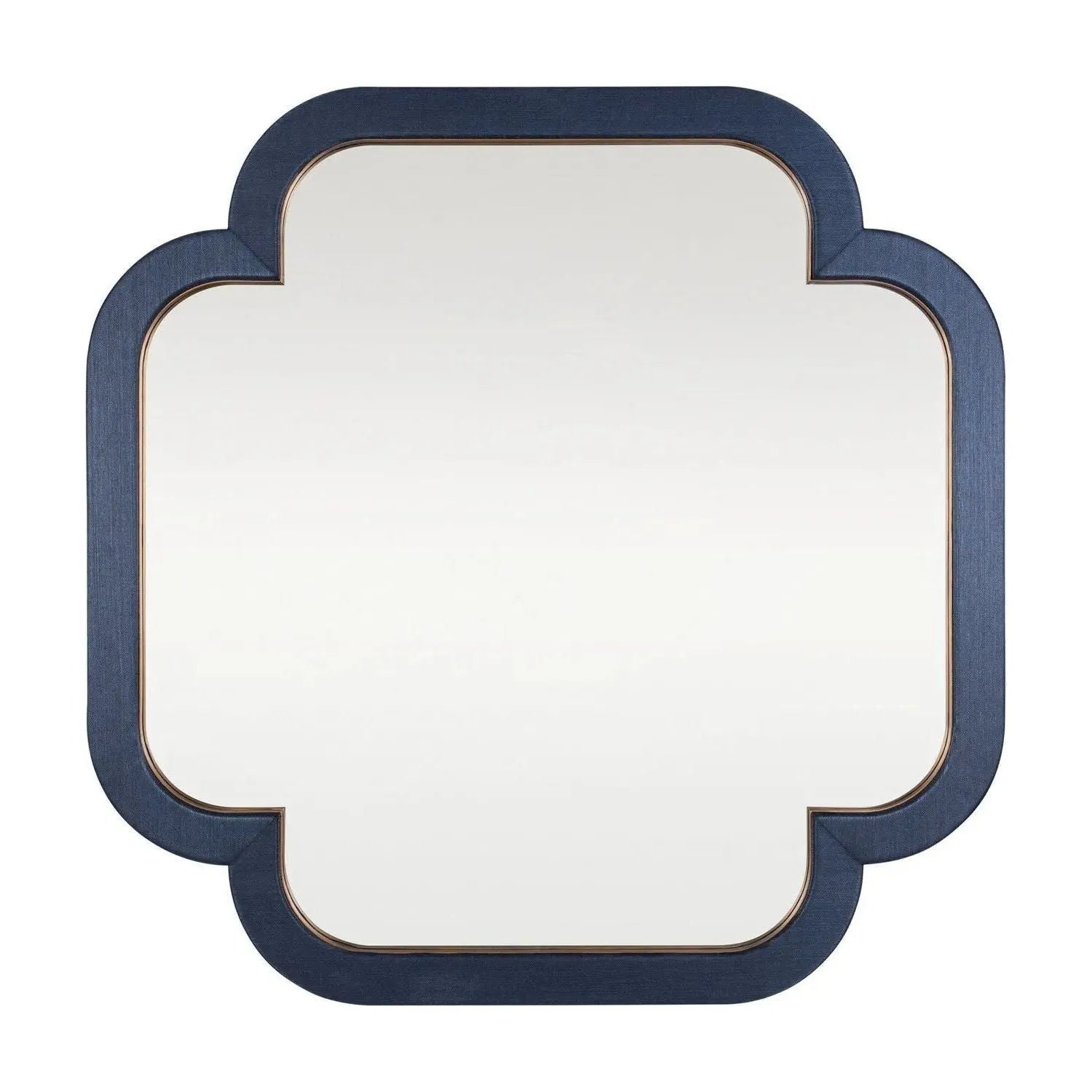
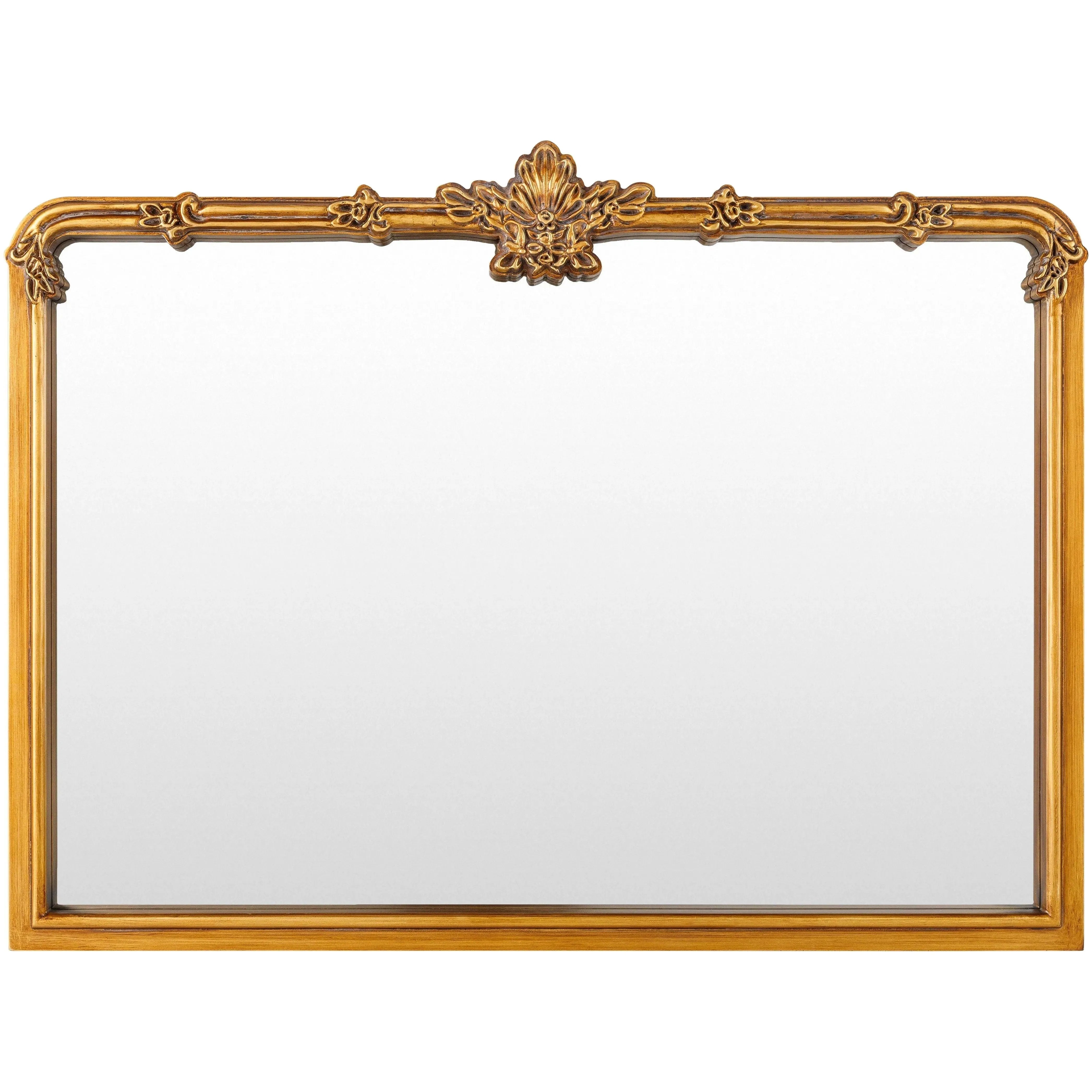
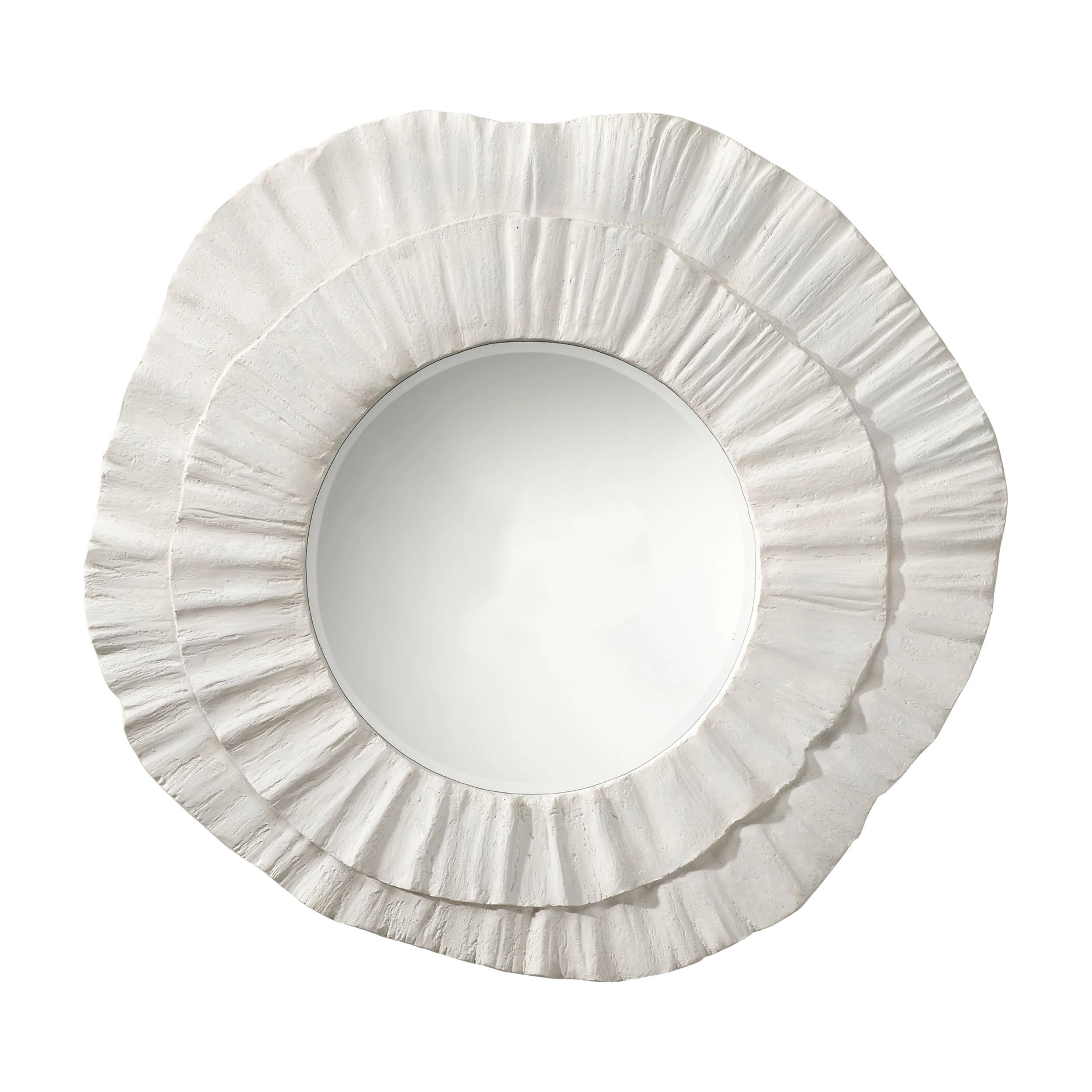
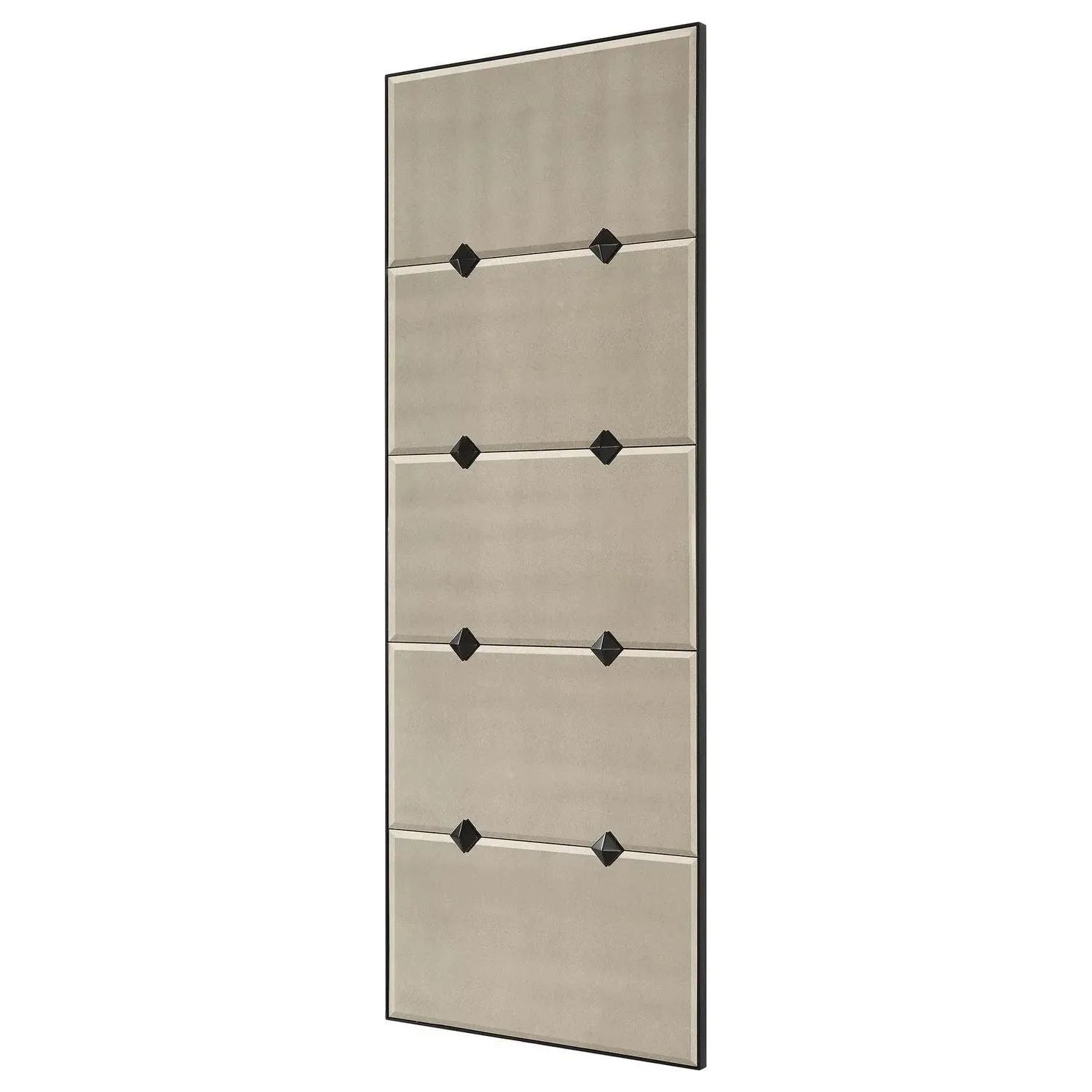
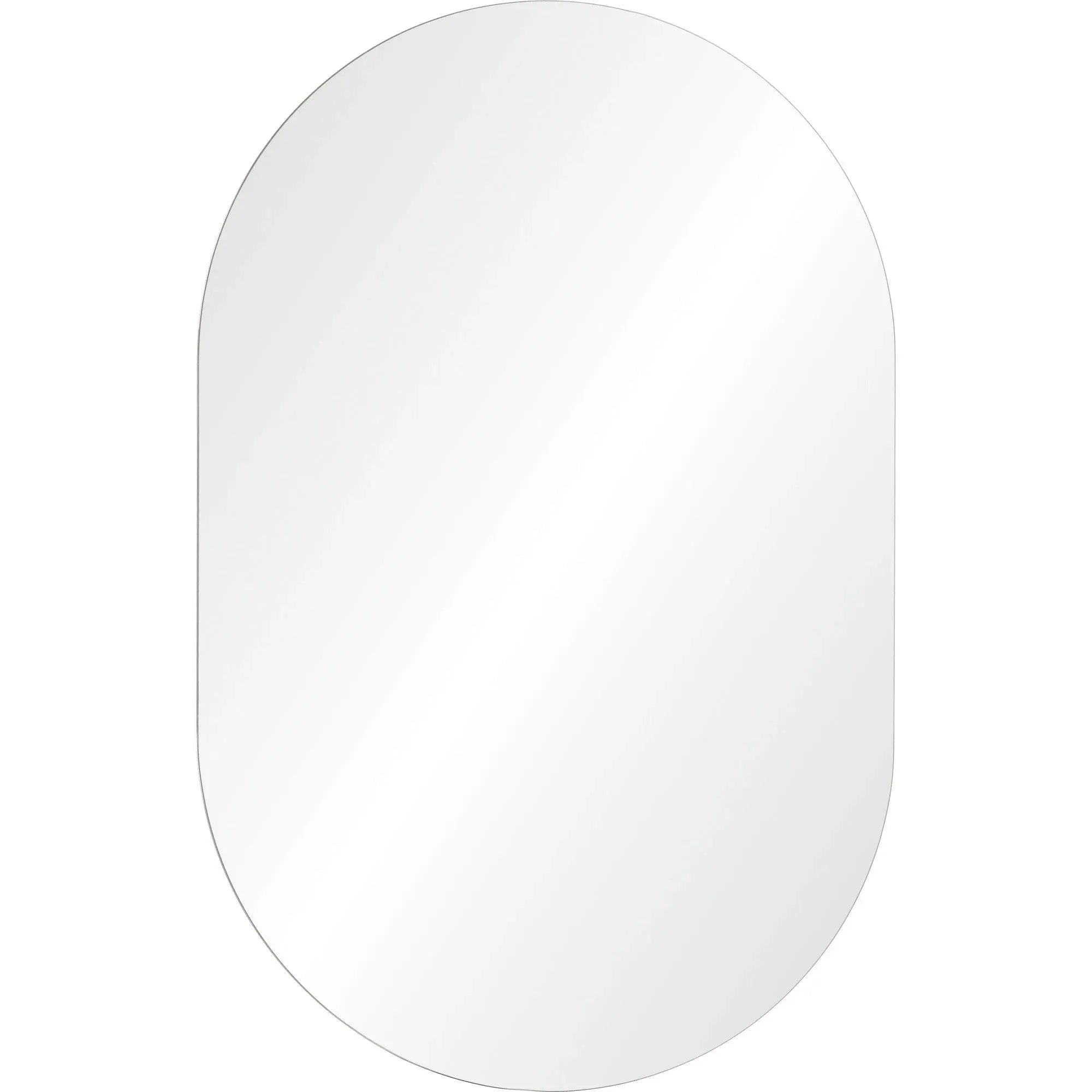
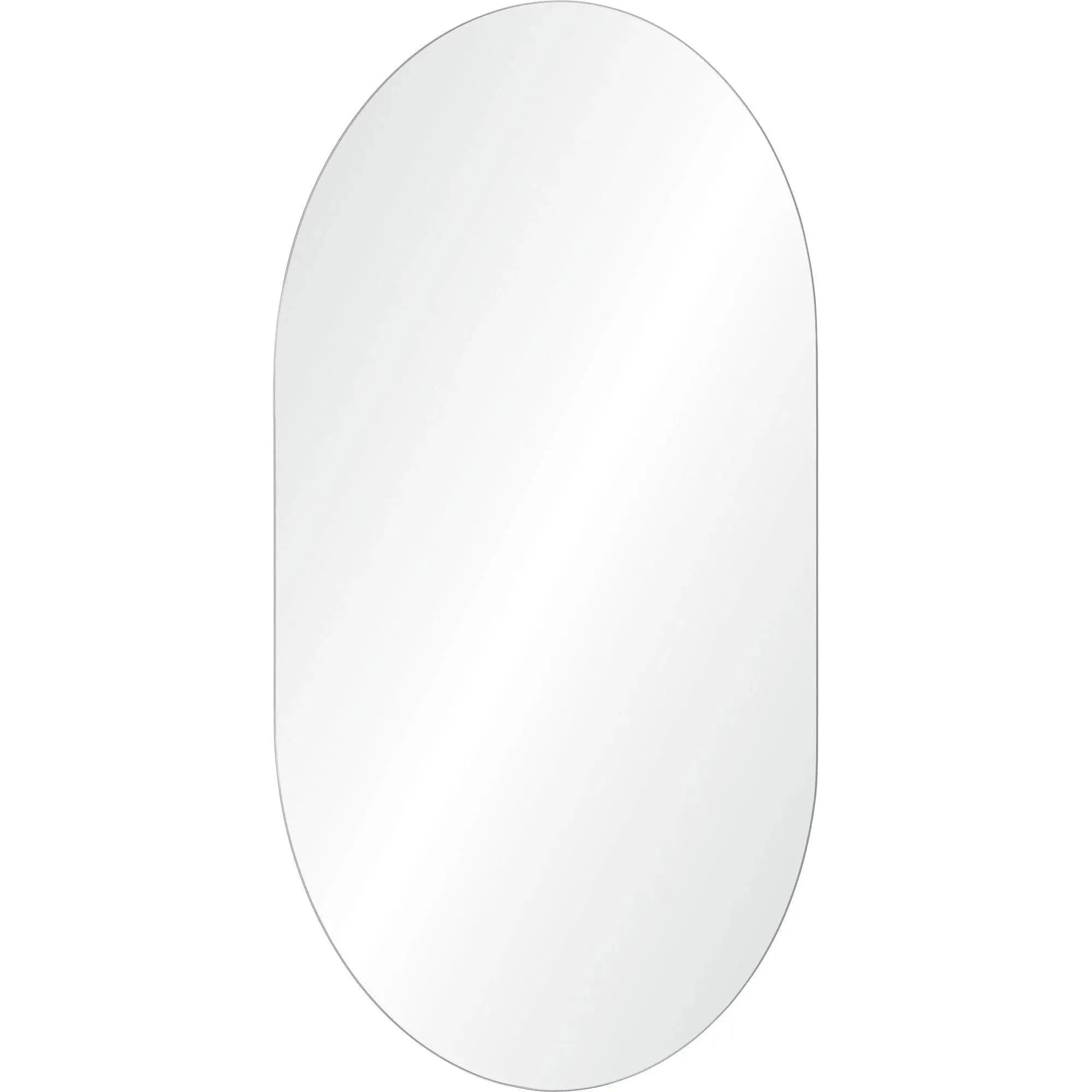
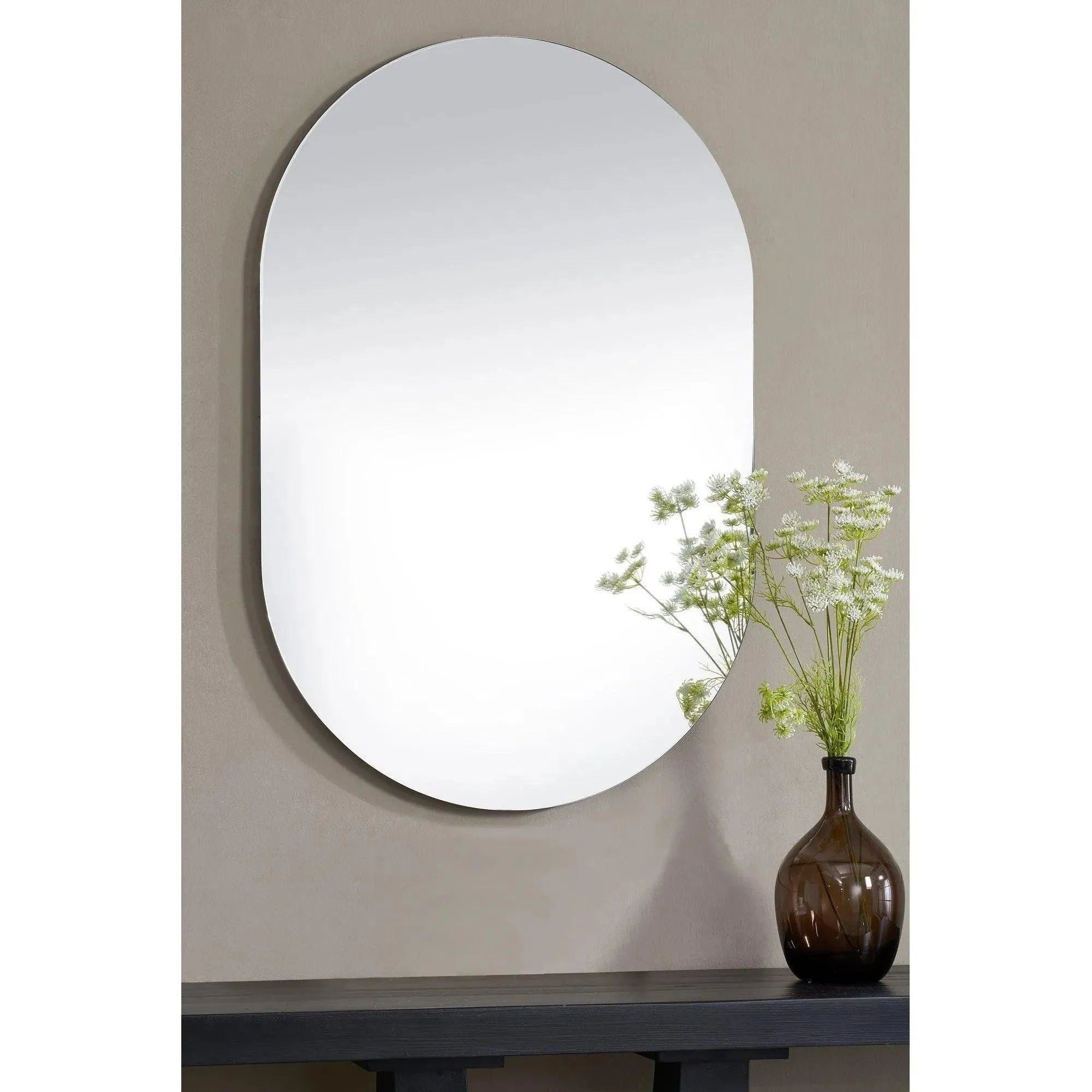
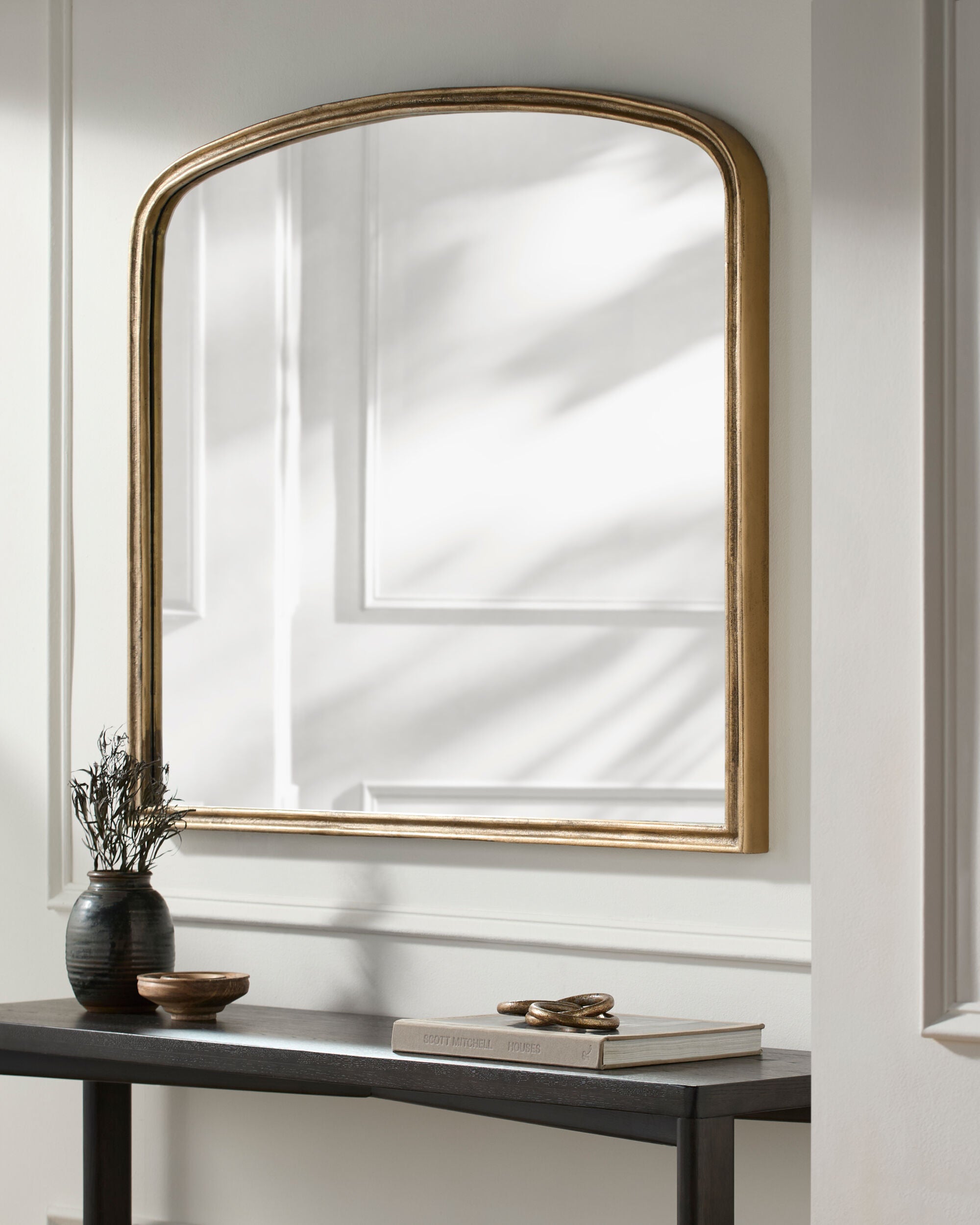
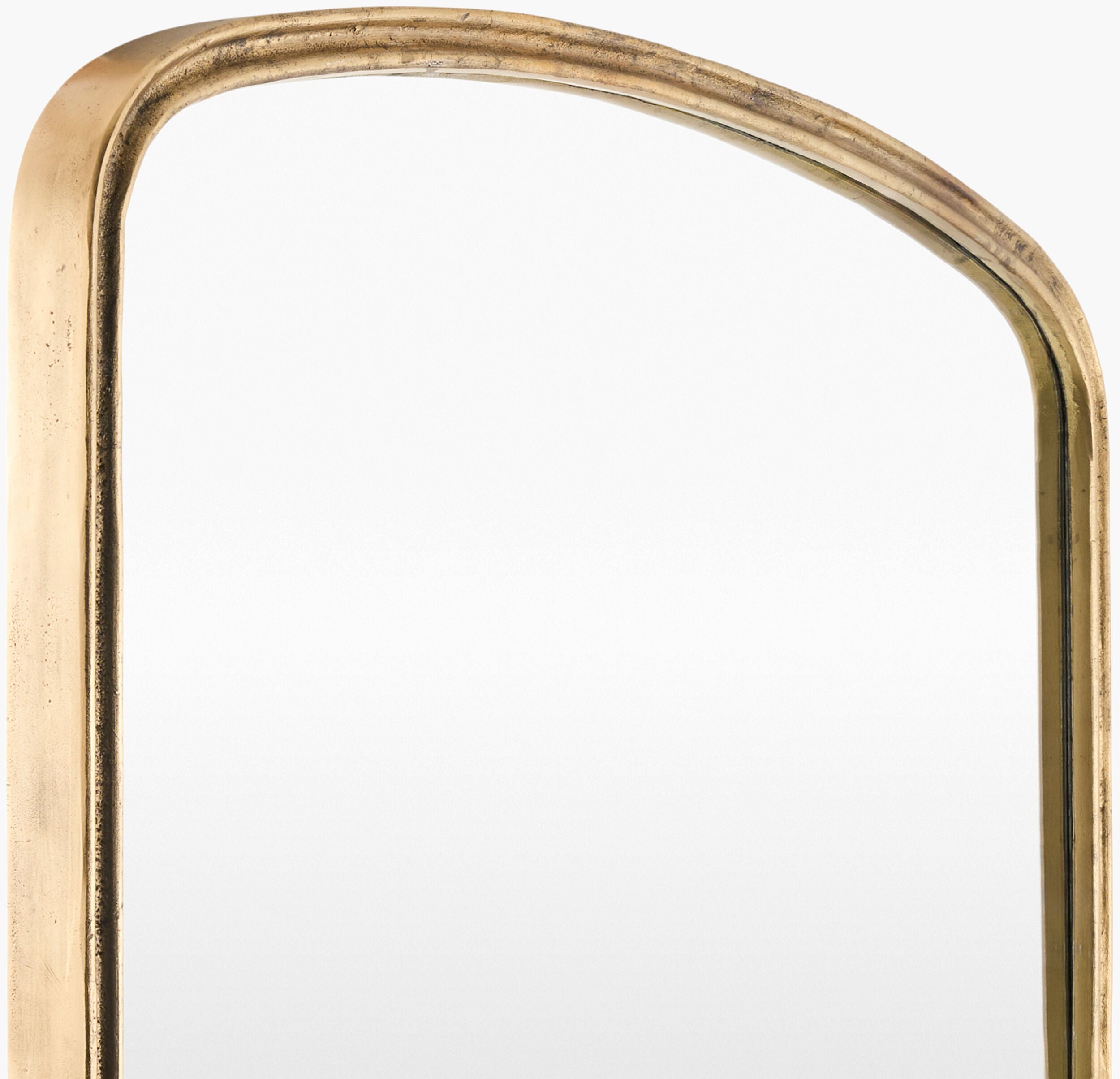
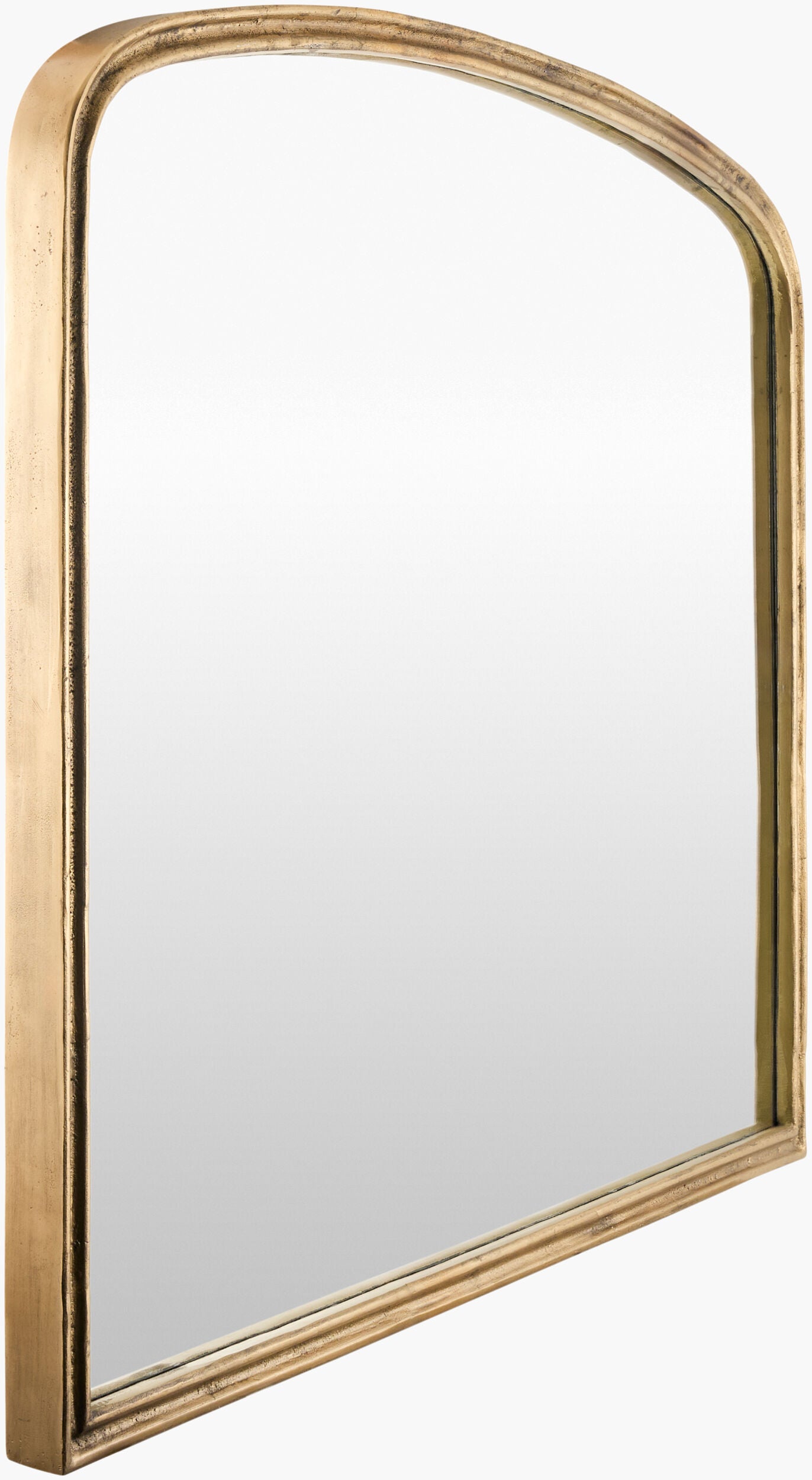
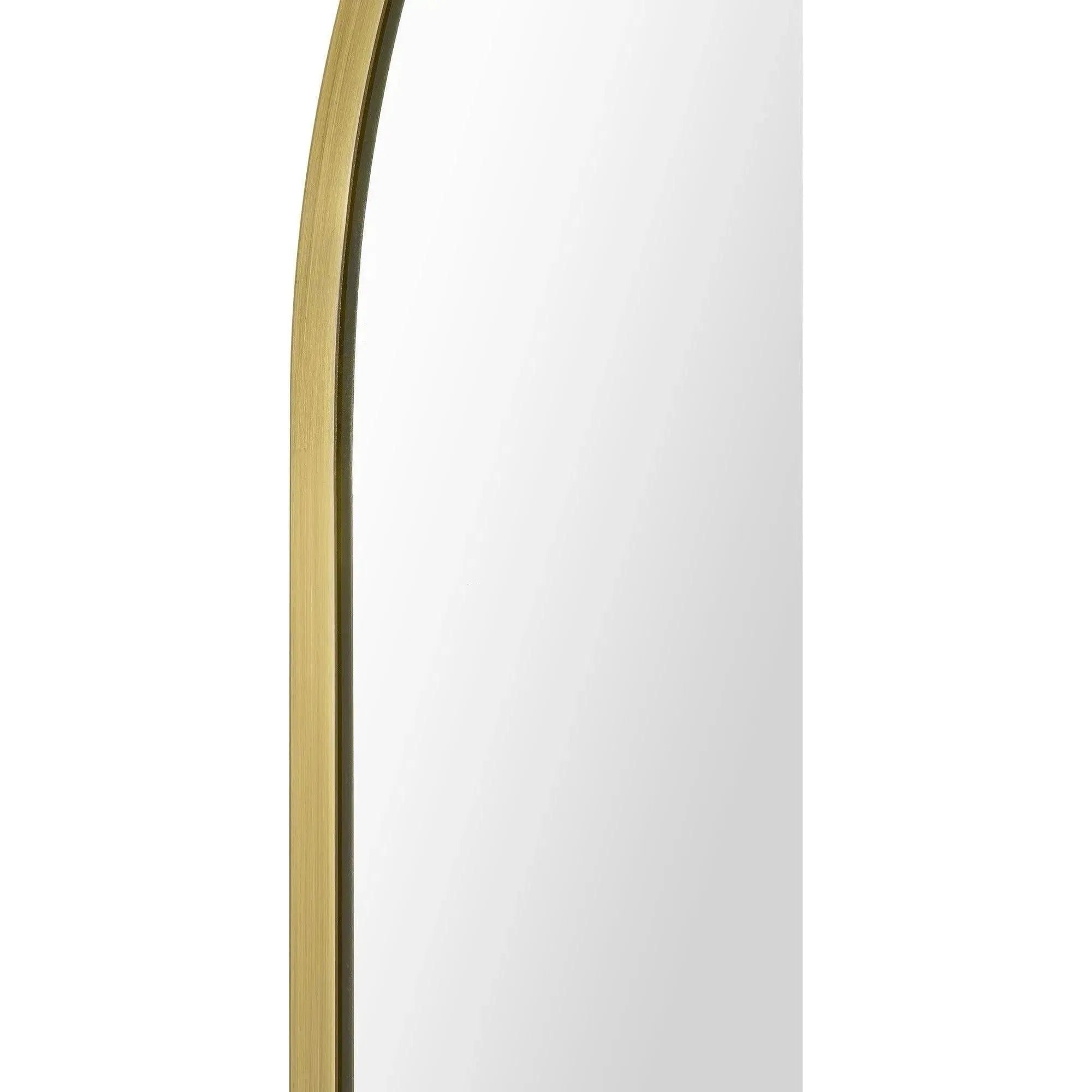
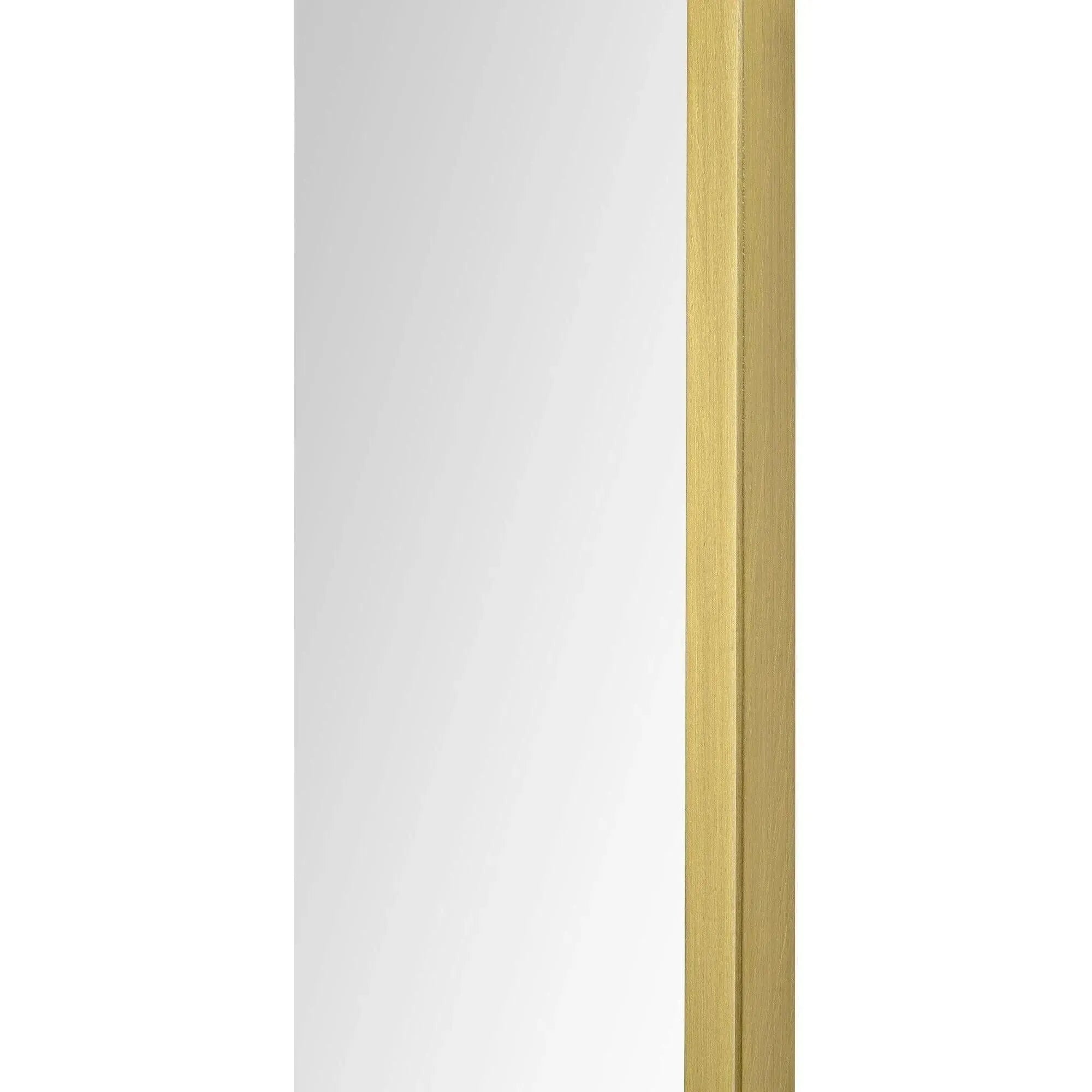
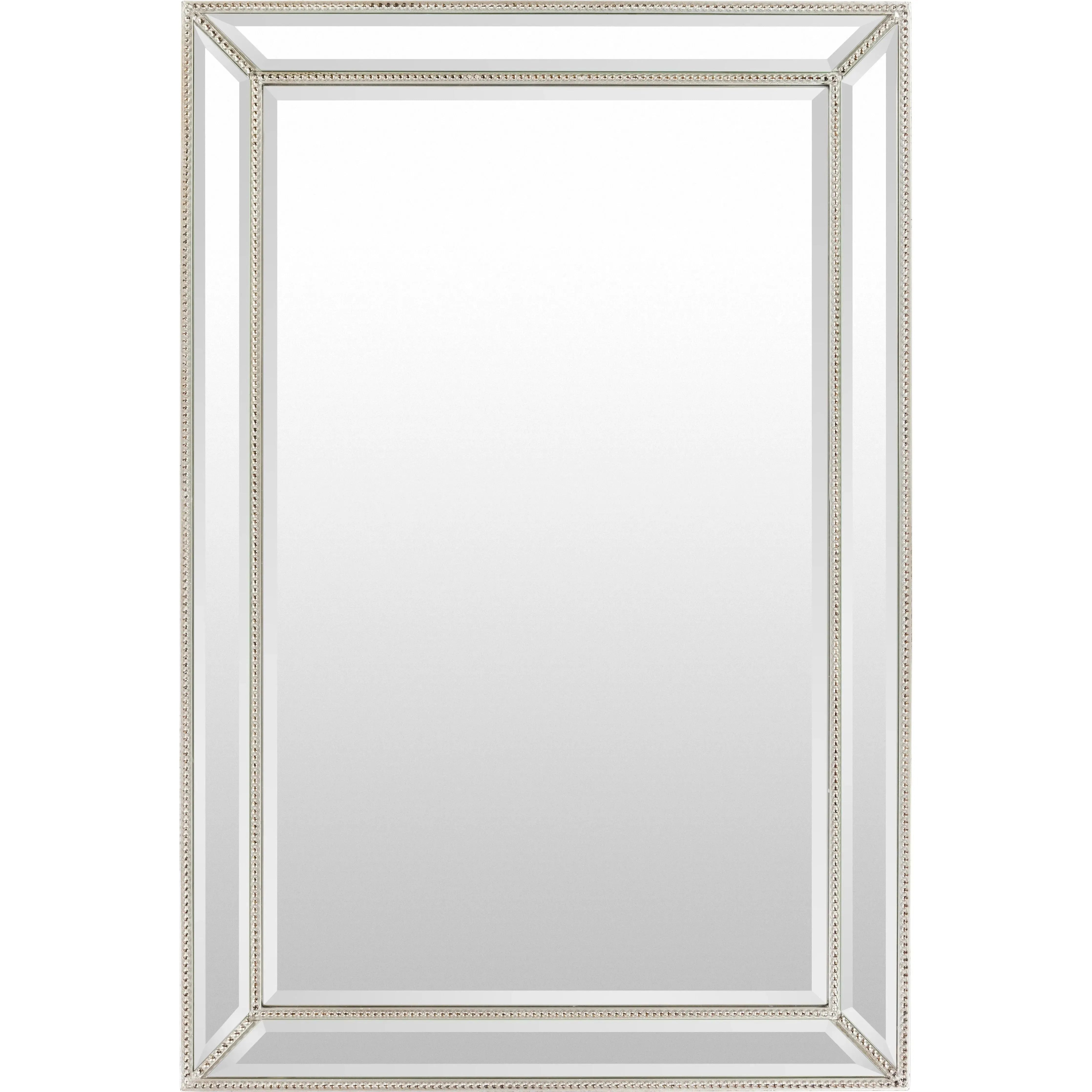
Transitional wall mirrors use beveled glass in brushed nickel and soft gold frames, simple rectangular profiles in aged bronze, and clean oval forms in oil-rubbed bronze to add reflective surface and visual depth to rooms that bridge traditional and contemporary aesthetics. These mirrors are the most broadly deployable in any home because their frames make a clear material commitment without a strong style declaration.
Above a console in an entryway, a transitional wall mirror in brushed nickel or soft gold creates a focal point that suits both a home with crown moulding and one with flat-painted ceilings. In a living room, an oversized transitional mirror opposite a window doubles natural light in a way that works with any furniture arrangement. Mount at 57 to 60 inches from the floor to center for most wall applications.
We carry transitional wall mirrors from Visual Comfort, Feiss, Hinkley Lighting, Progress Lighting, and Elk Lighting. All priced in Canadian dollars with free shipping on orders over $199.
Transitional Wall Mirror FAQs
What is the most popular transitional wall mirror shape in Canada?
Arched and rectangular mirrors in aged brass and soft gold frames are currently the most popular transitional wall mirror shapes in Canadian residential design. The arch adds a traditional silhouette reference while the clean framing keeps it firmly transitional. Large-format arched mirrors in aged brass above a console or fireplace are appearing in renovated homes across all architectural styles because the shape works against both traditional millwork and flat contemporary walls.
How do I choose between a round, rectangular, and arched transitional mirror?
Round mirrors suit smaller spaces and powder rooms where a rectangular frame would feel heavy — and they add softness to rooms with a lot of straight architectural lines. Rectangular mirrors suit most entryways and living rooms and provide the most even reflection for functional use. Arched mirrors add a traditional silhouette reference that suits transitional spaces particularly well — they are the most style-forward choice within the transitional category while remaining broadly compatible.
How do I mount a transitional wall mirror safely?
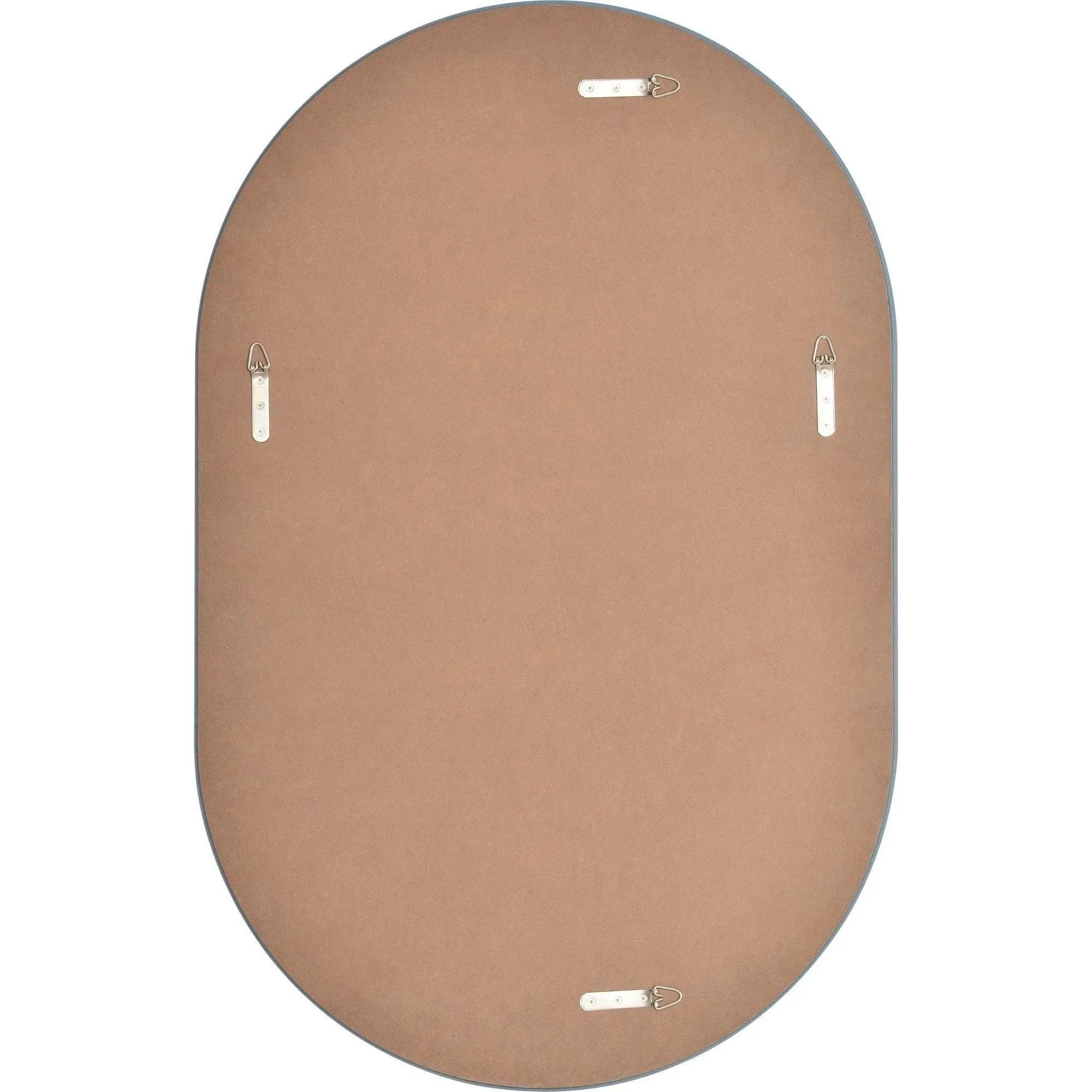
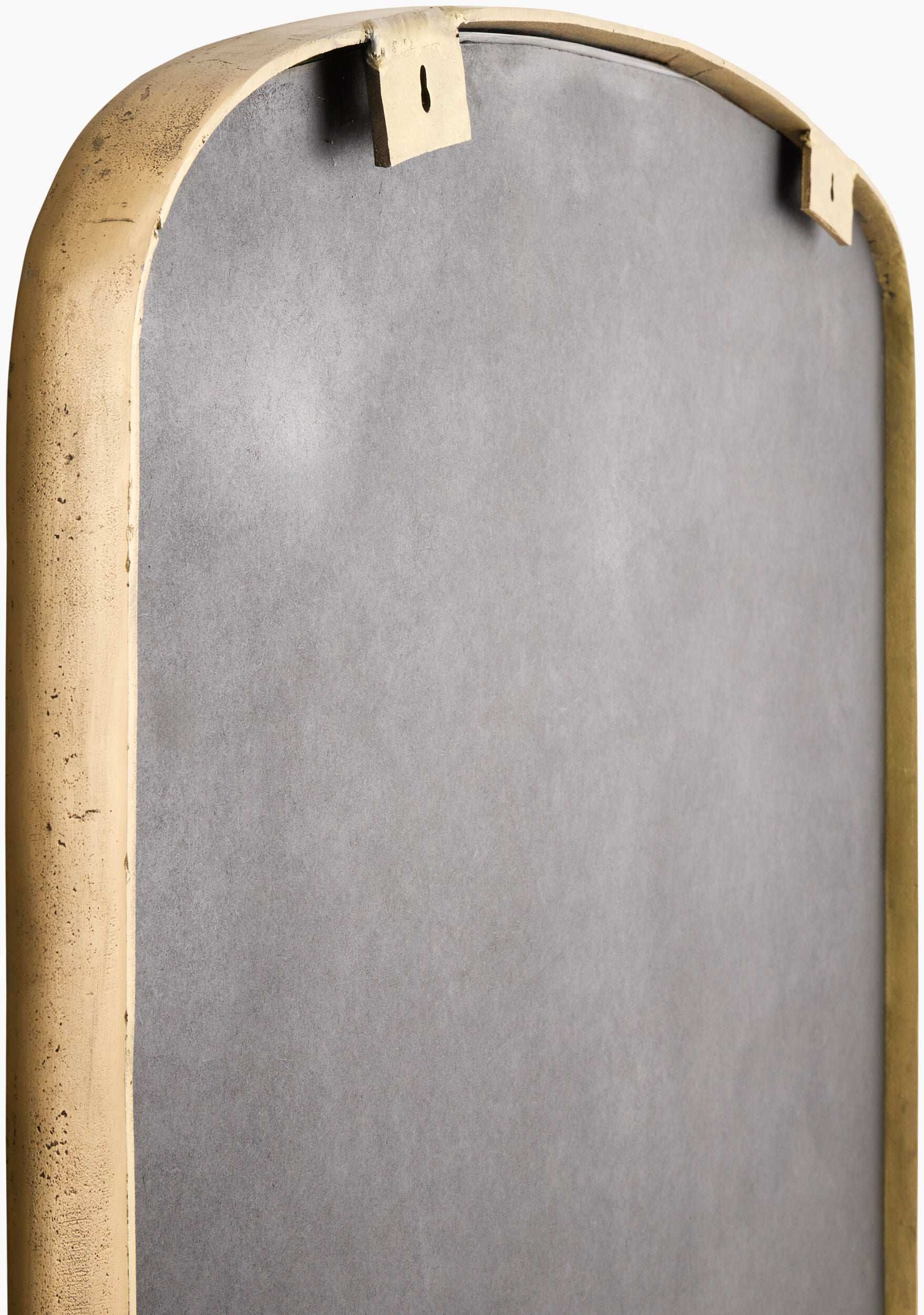
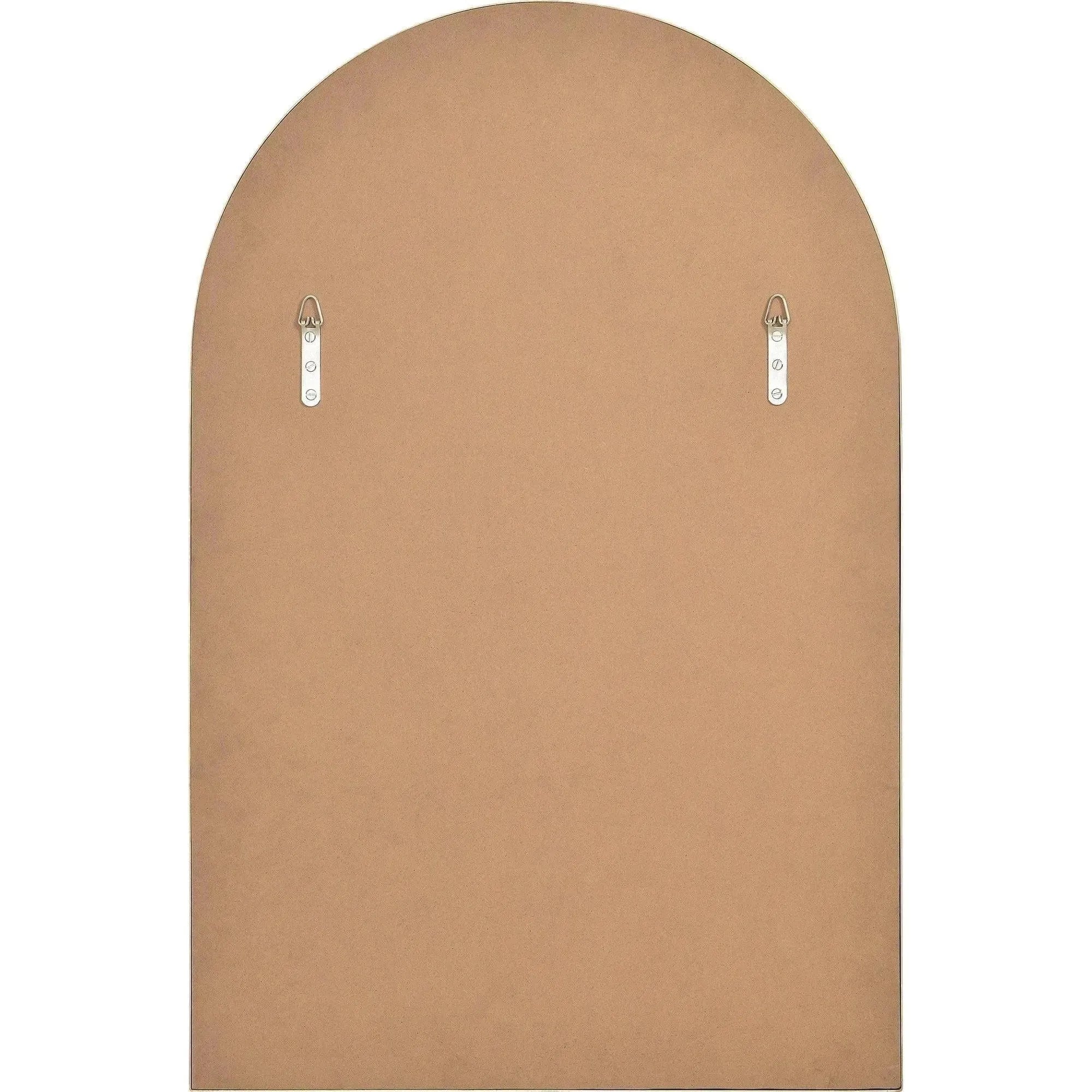
Transitional wall mirrors should be mounted into wall studs or using toggle anchors rated for the mirror weight. For mirrors over 20 pounds, two mounting points are the minimum safe approach. Most transitional wall mirrors include D-ring or keyhole hardware at two points. Use a level to mark mounting positions at the same height before drilling. Never hang a mirror over 15 pounds from a single drywall anchor.
Do you ship transitional wall mirrors across Canada?
Yes — all mirrors ship Canada-wide at CAD prices with free shipping on orders over $199. Larger mirrors may require freight delivery — our team will confirm at order confirmation.
| Location | Width | Height |
|---|---|---|
| Above console | 2/3 to 3/4 table width | 6-12" above table |
| Living room accent | 24" - 48" width | Center at 57-60" |
| Bedroom (wall) | Match headboard width | Center at 57-60" |
| Entryway | Proportional to wall | Center at 57-60" |
| Bathroom vanity | Match vanity width | 4-6" above faucet |