
Traditional Vases
Chinoiserie ginger jars, majolica urns, and gilded porcelain for mantles and consoles in classical interiors. Shop from Currey and Company, Global Views, and Cyan Design.
Learn more14 products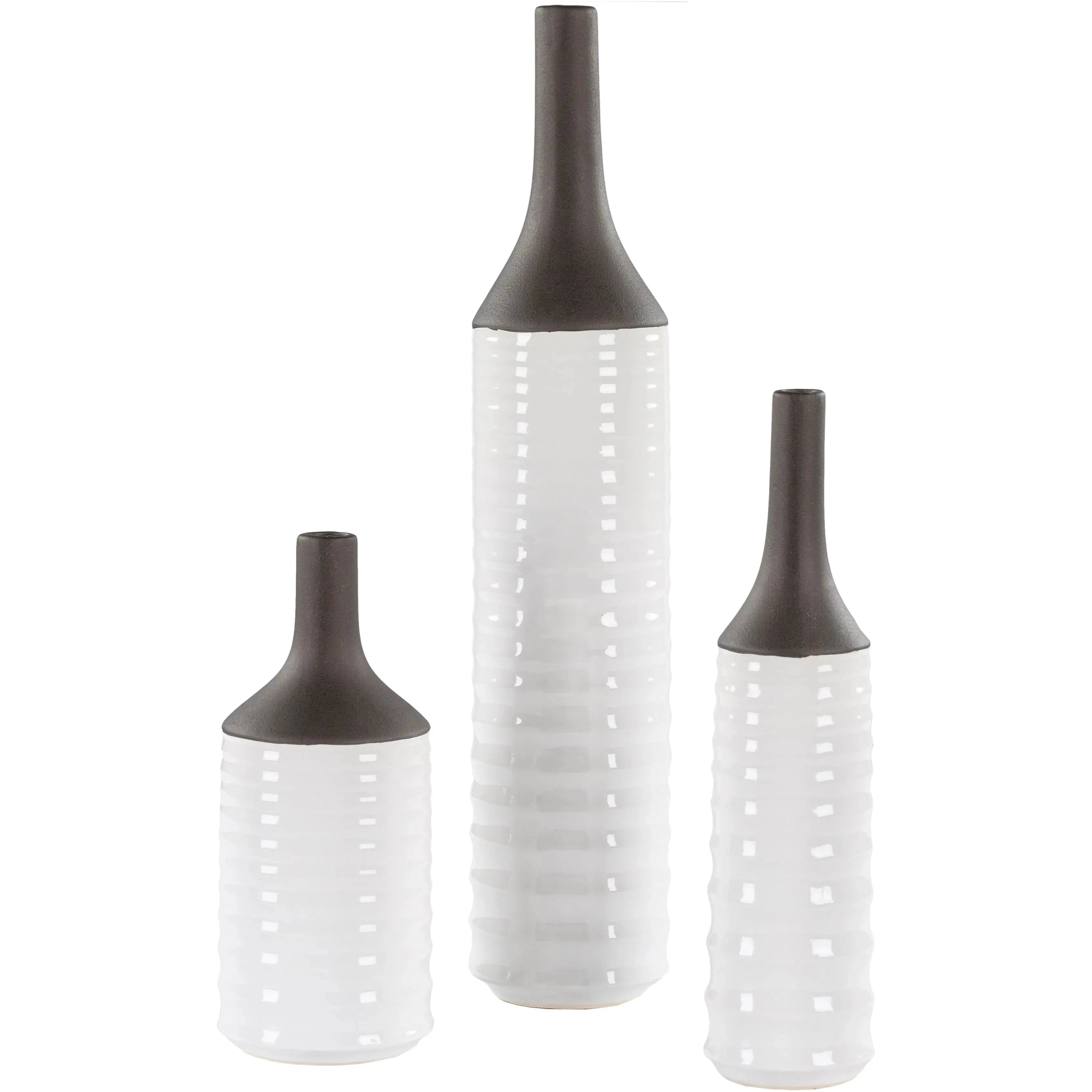

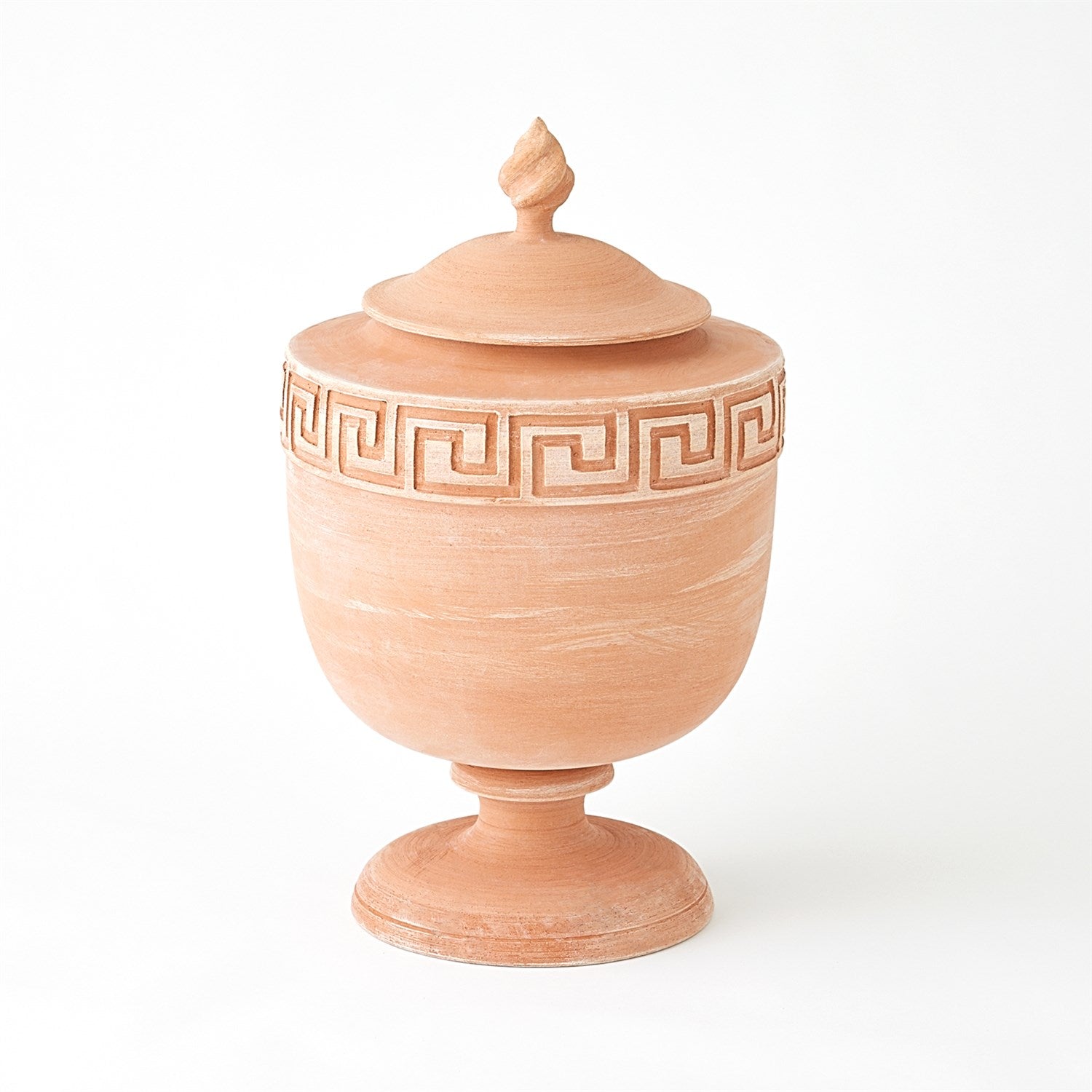
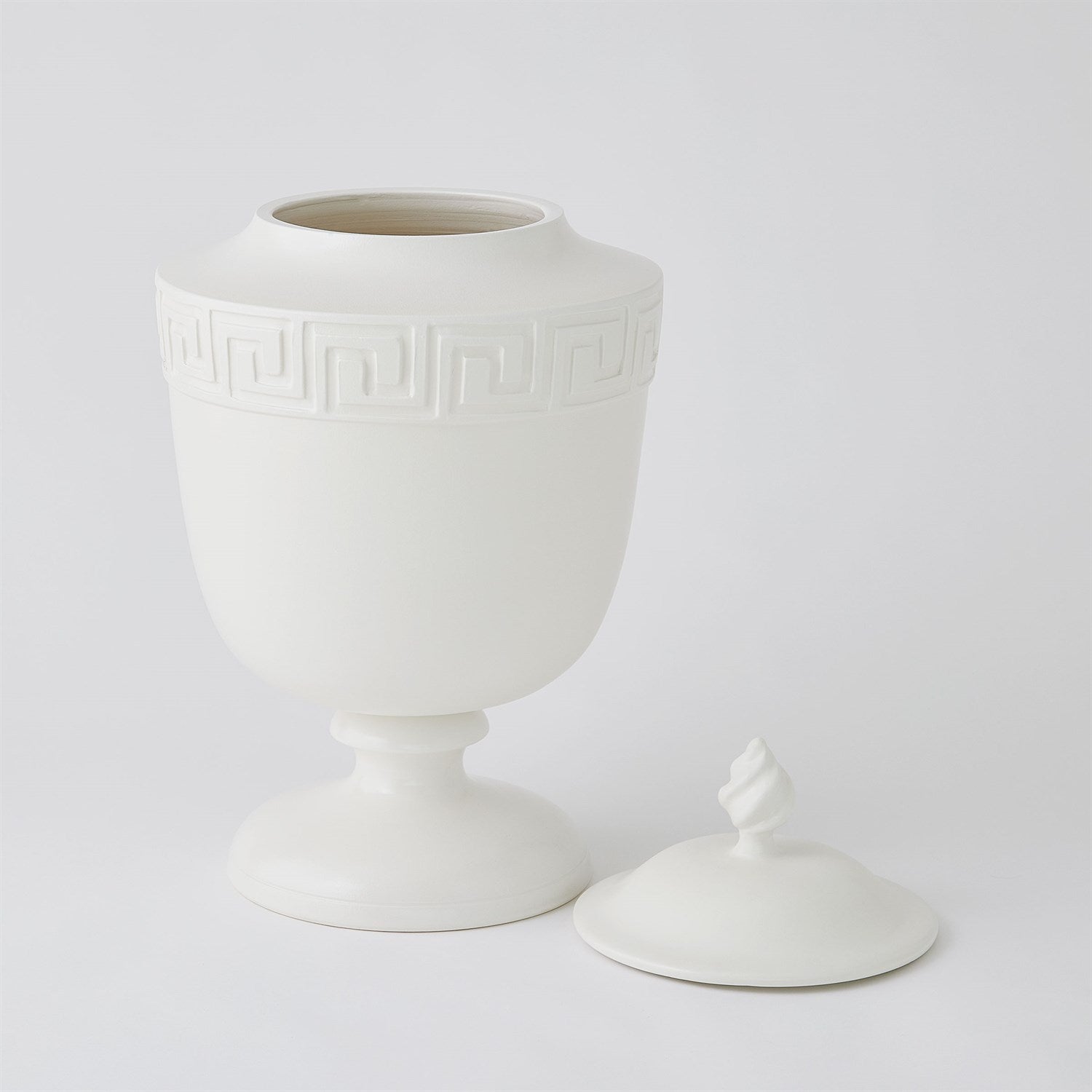
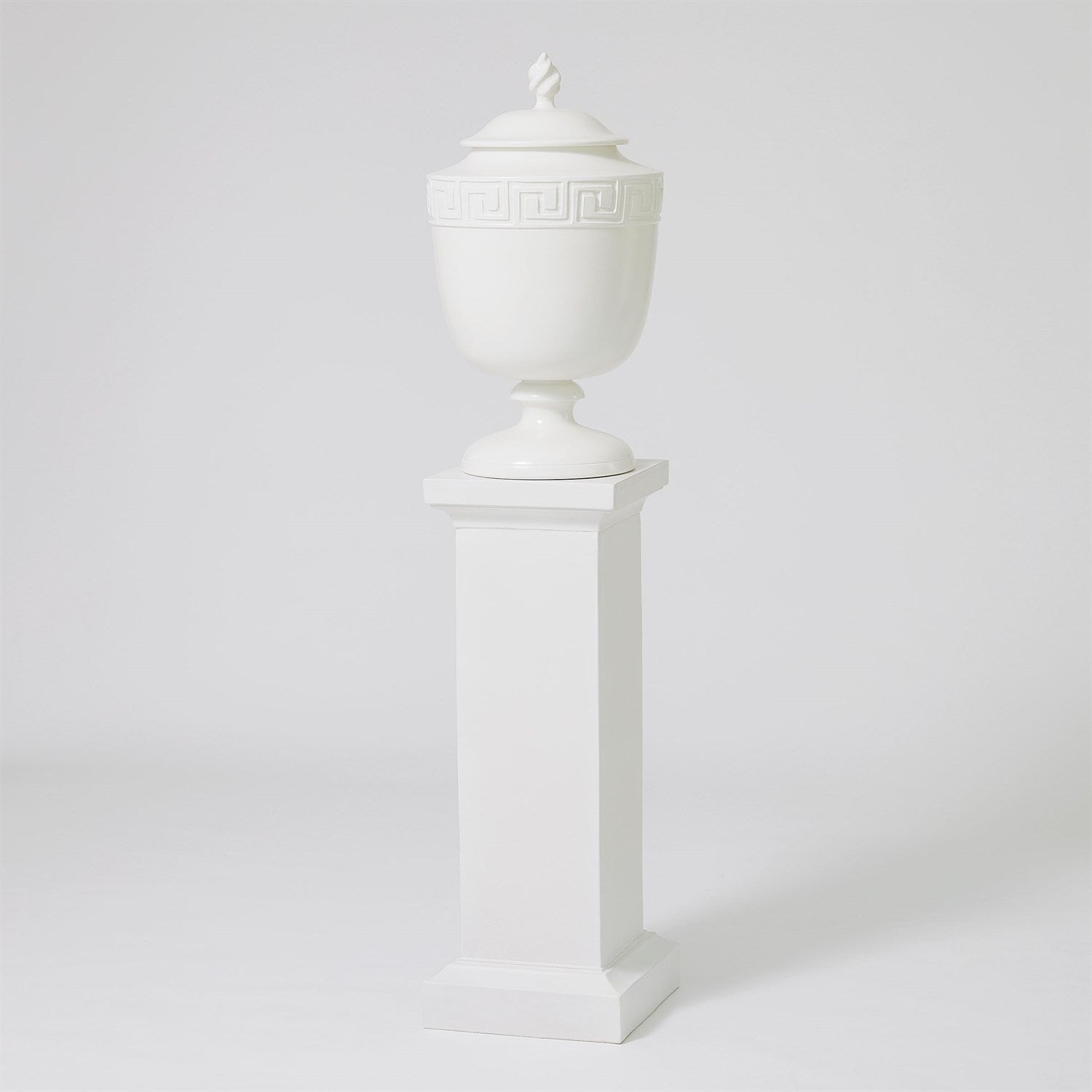

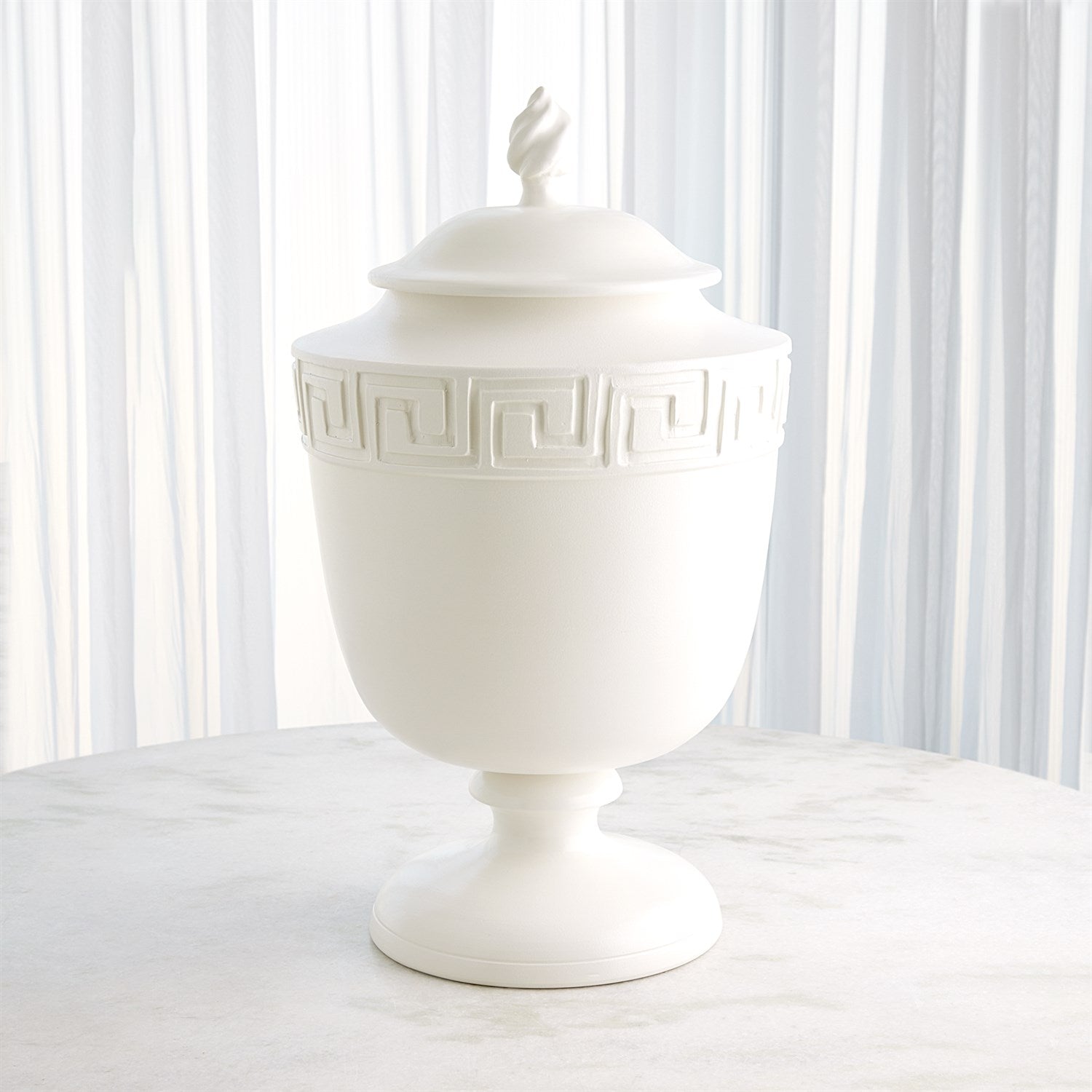

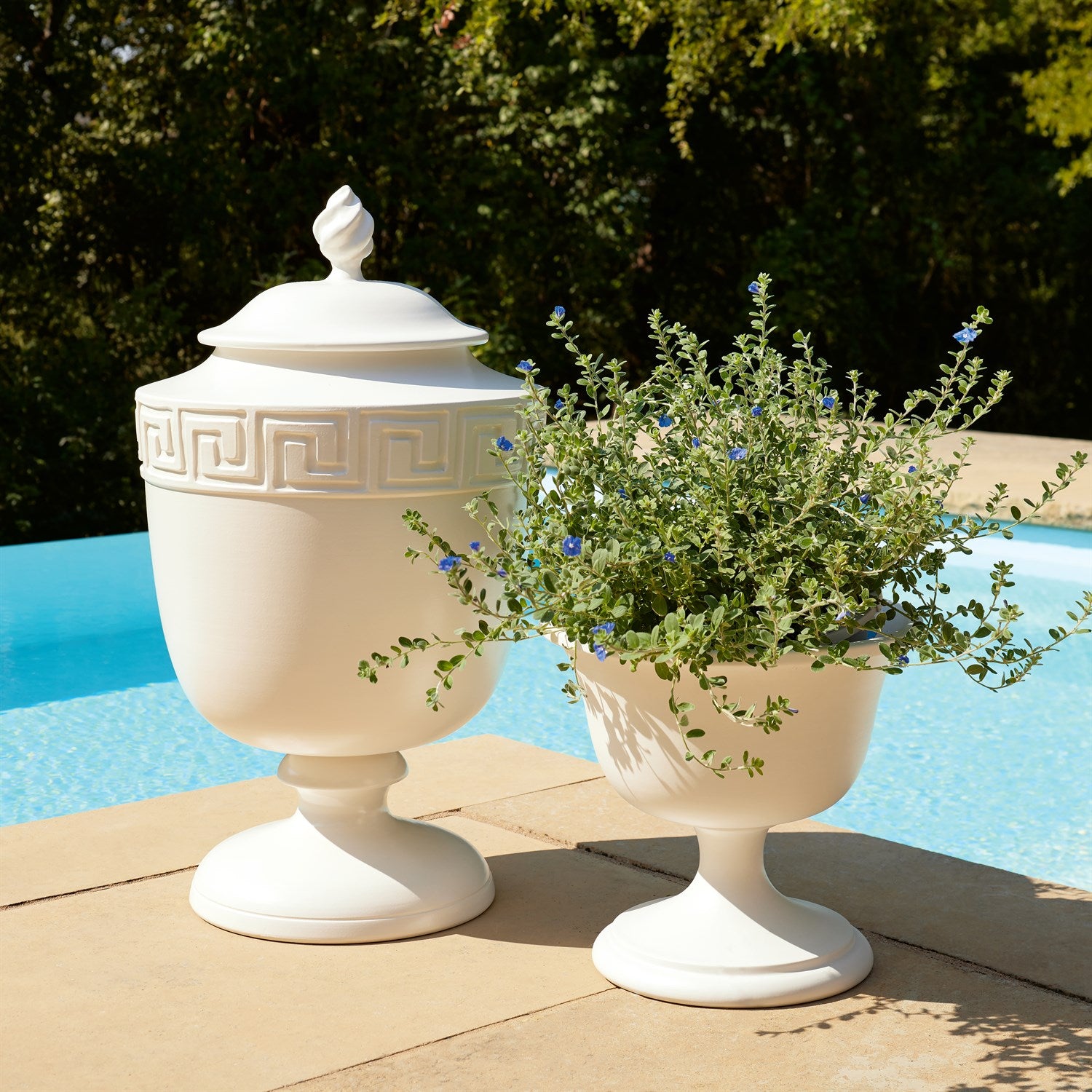
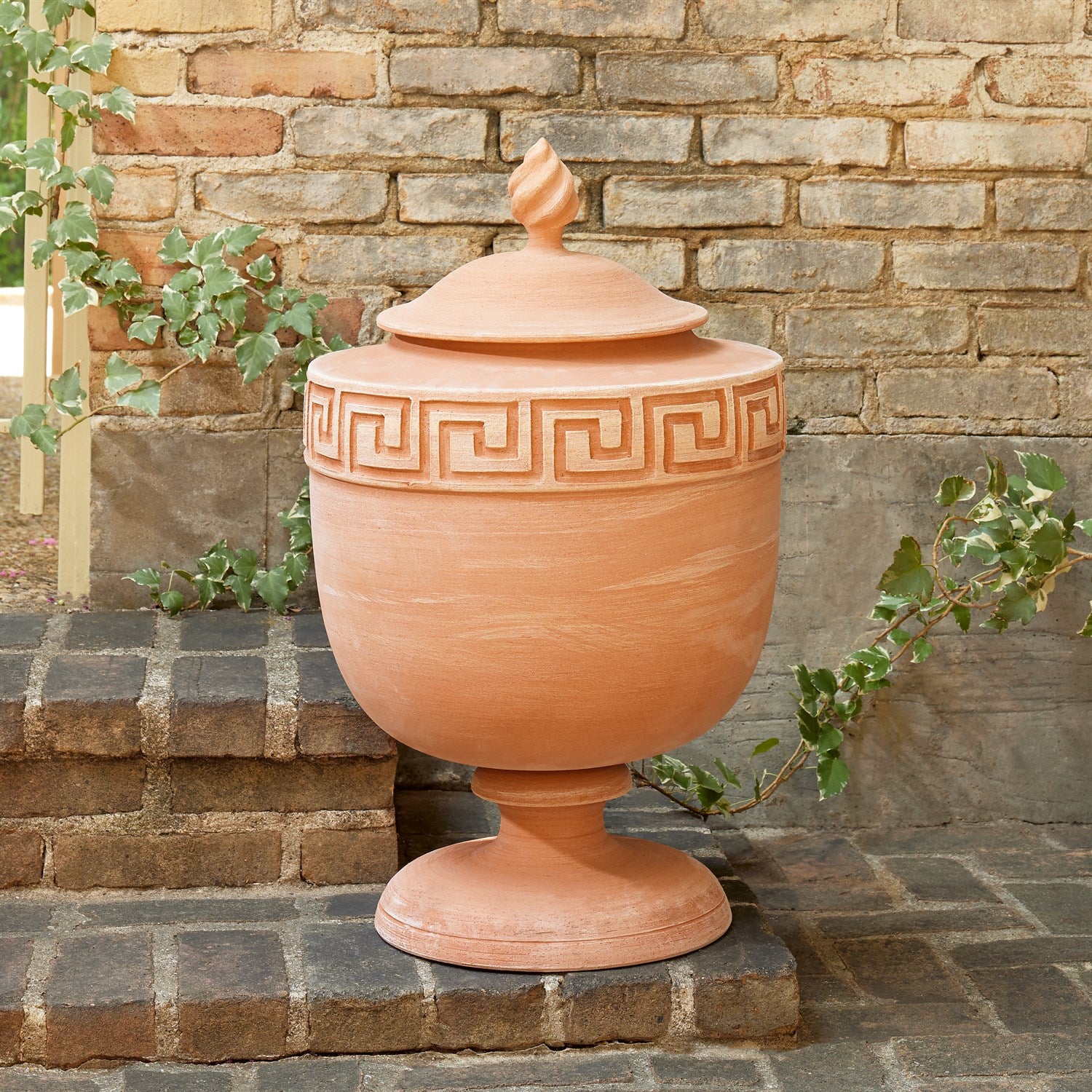
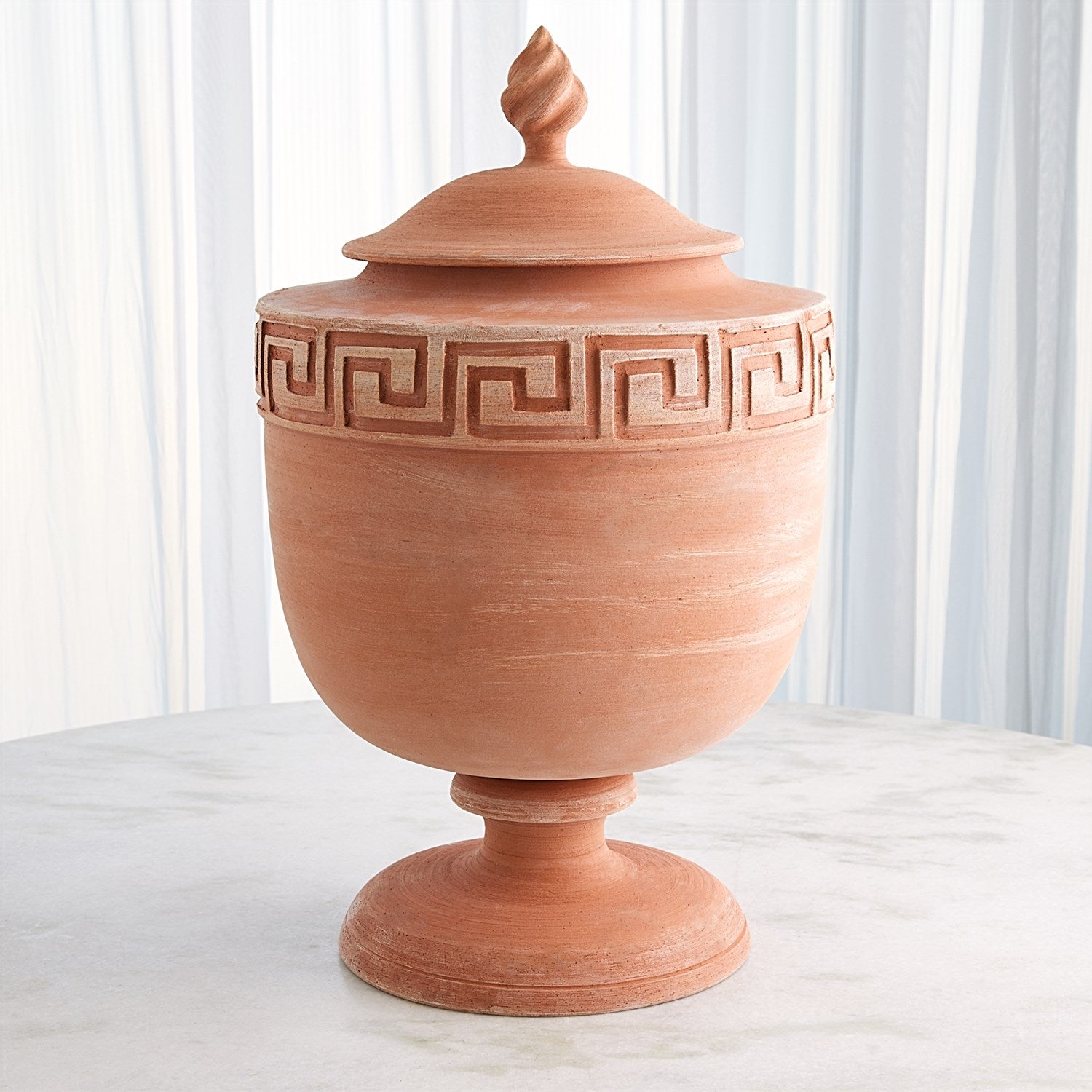
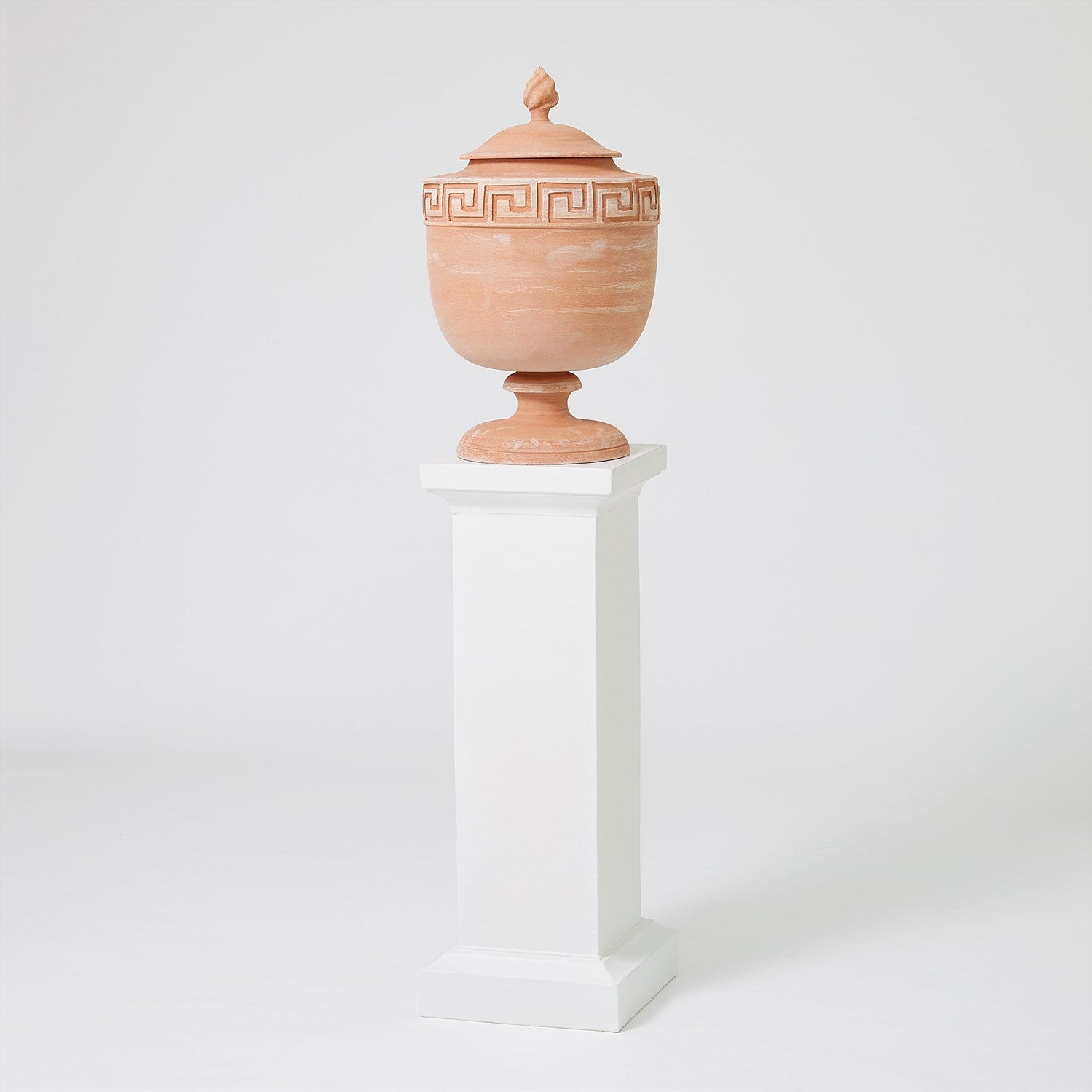
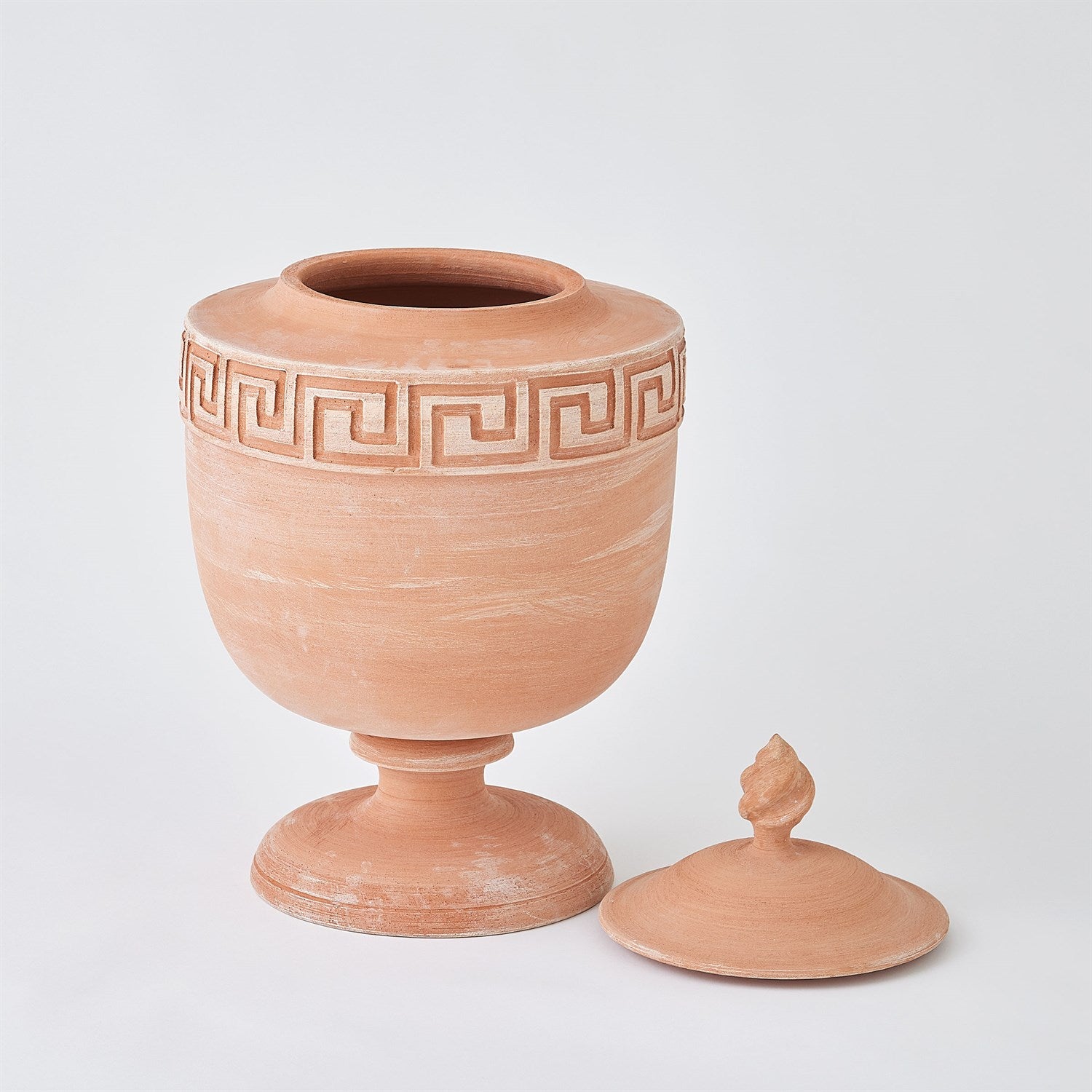
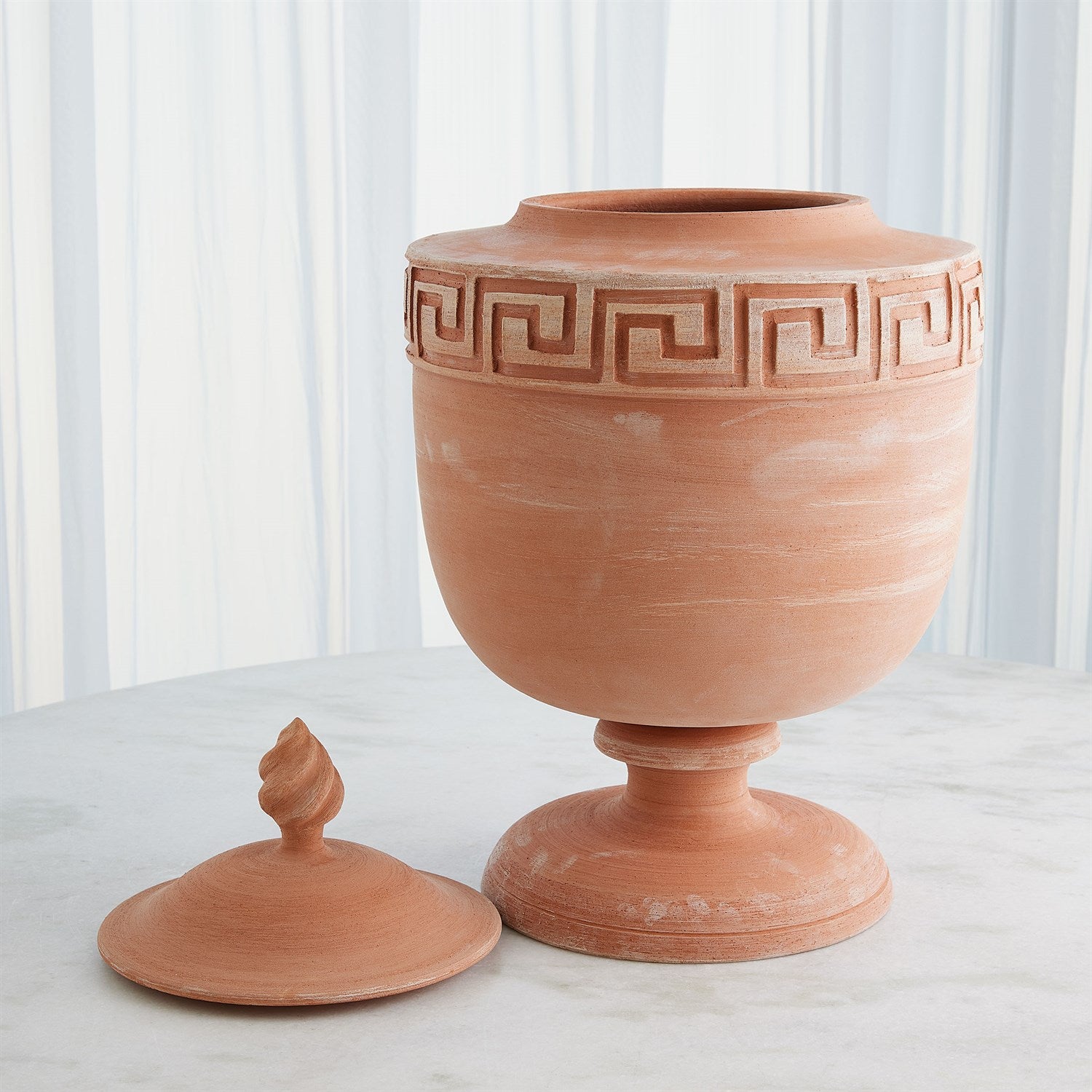
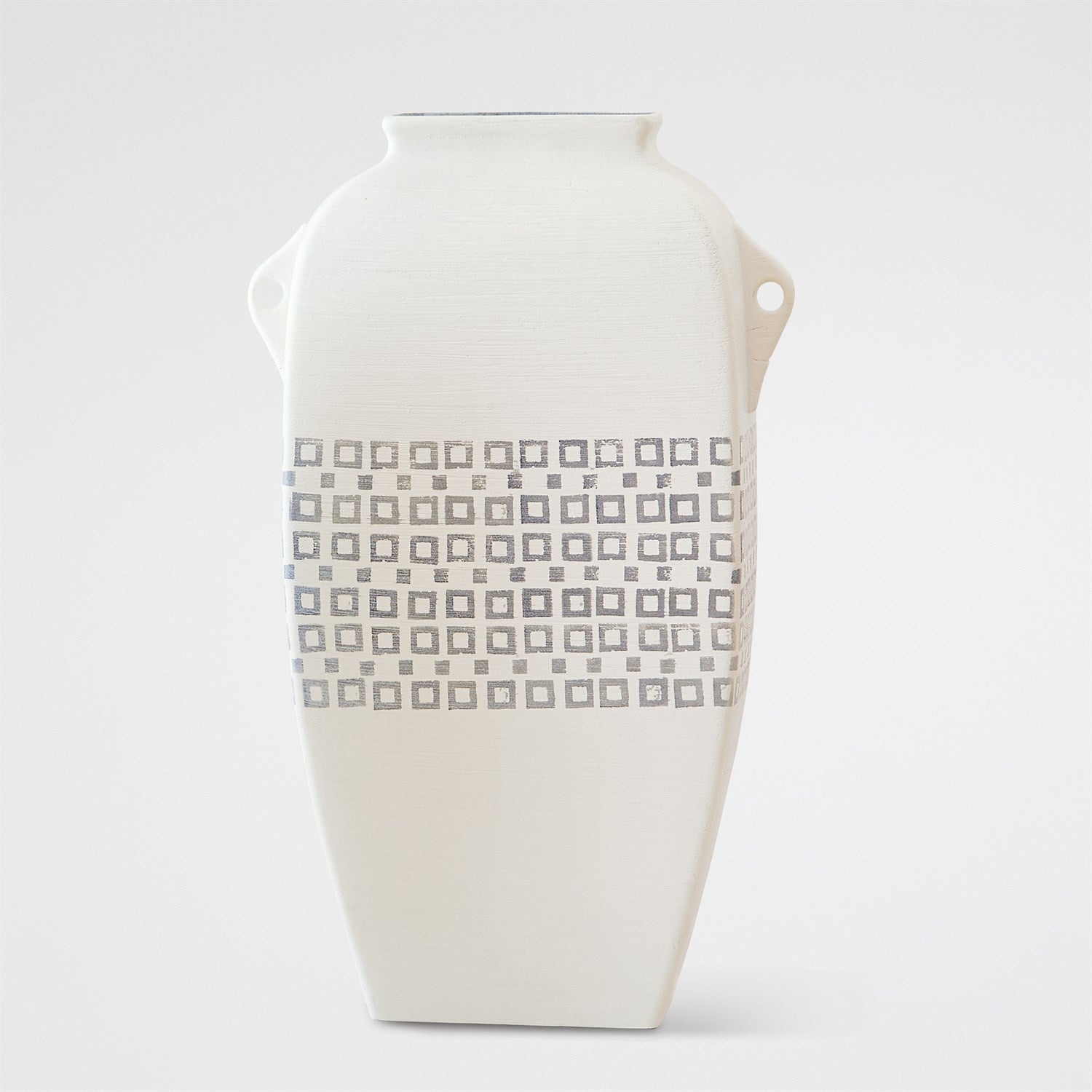
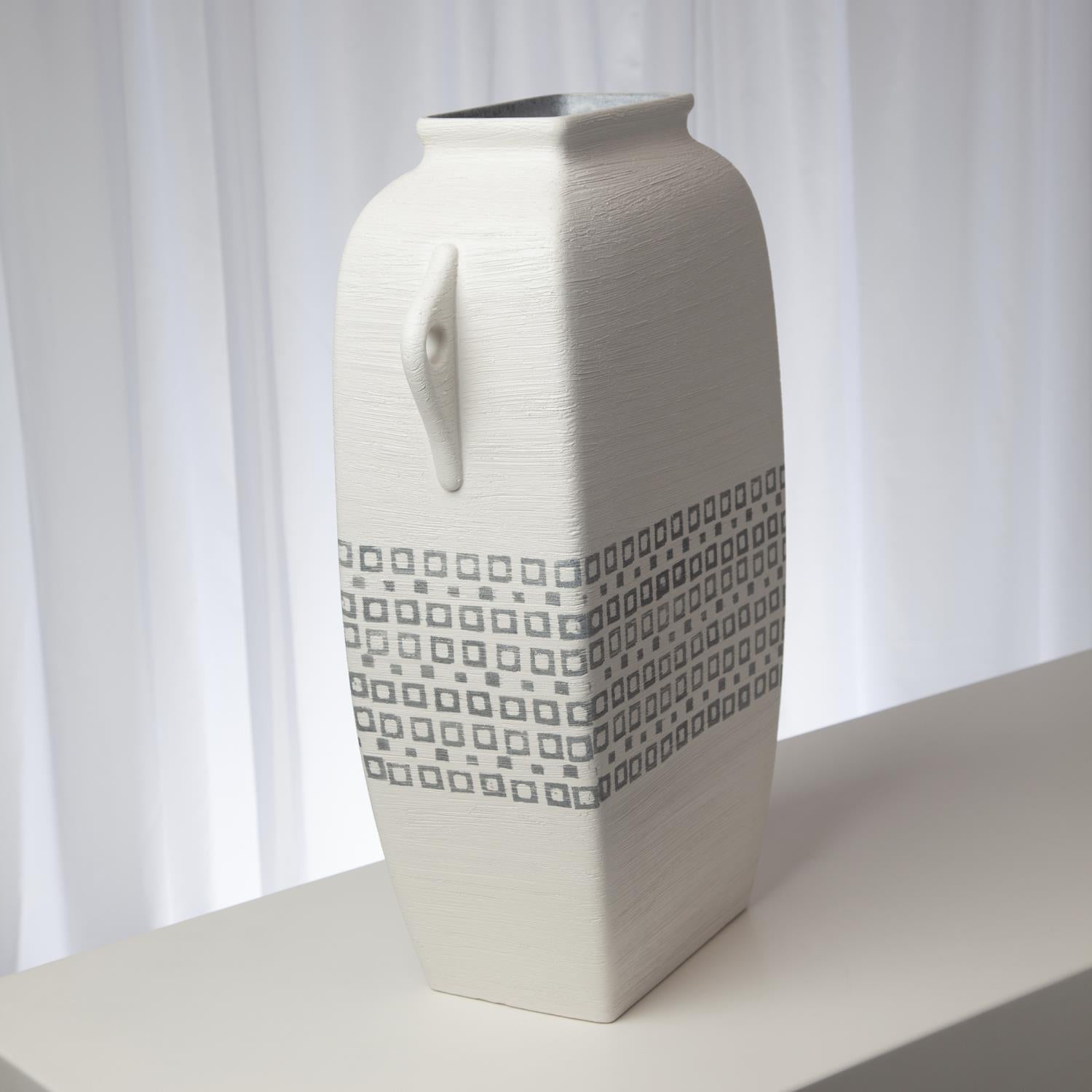
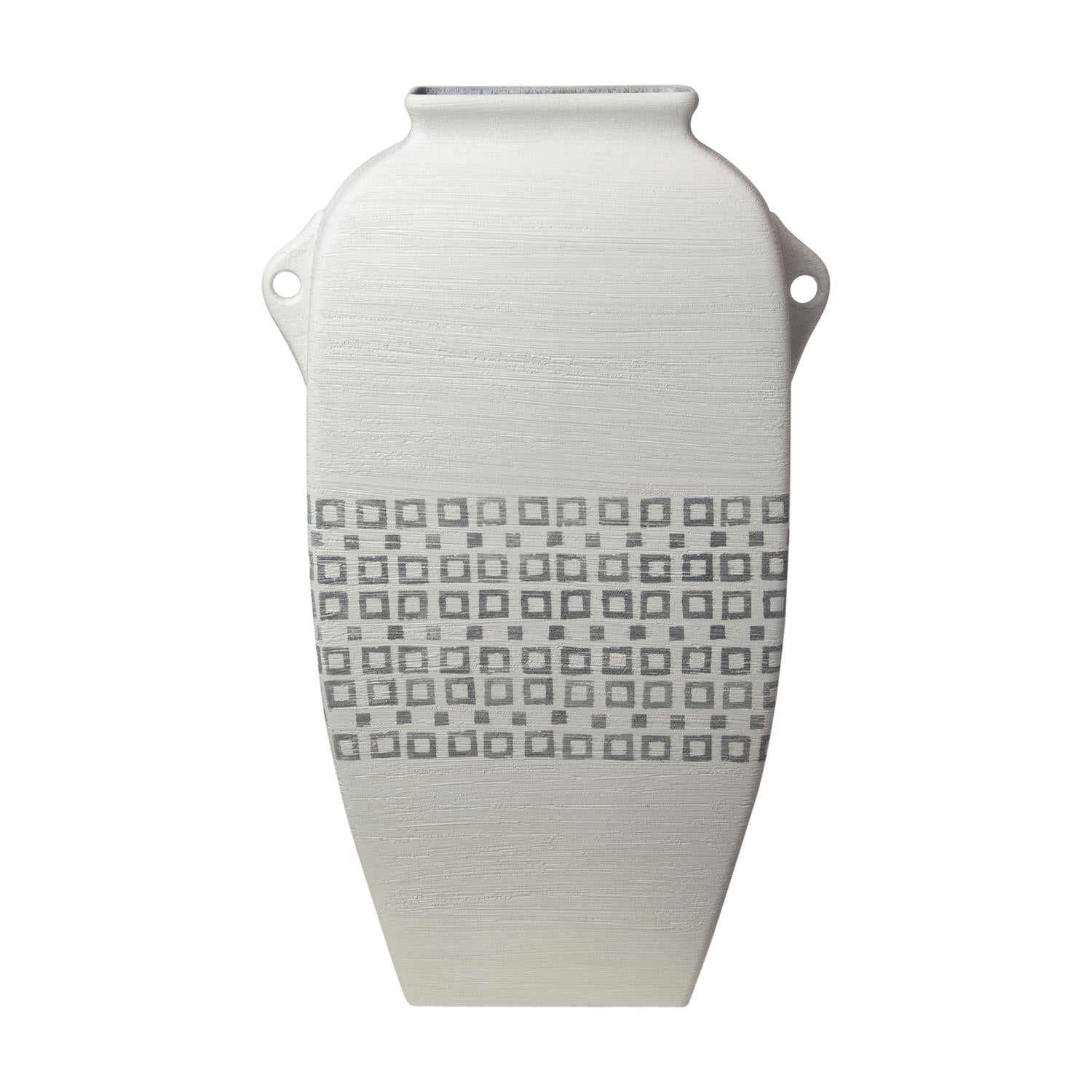
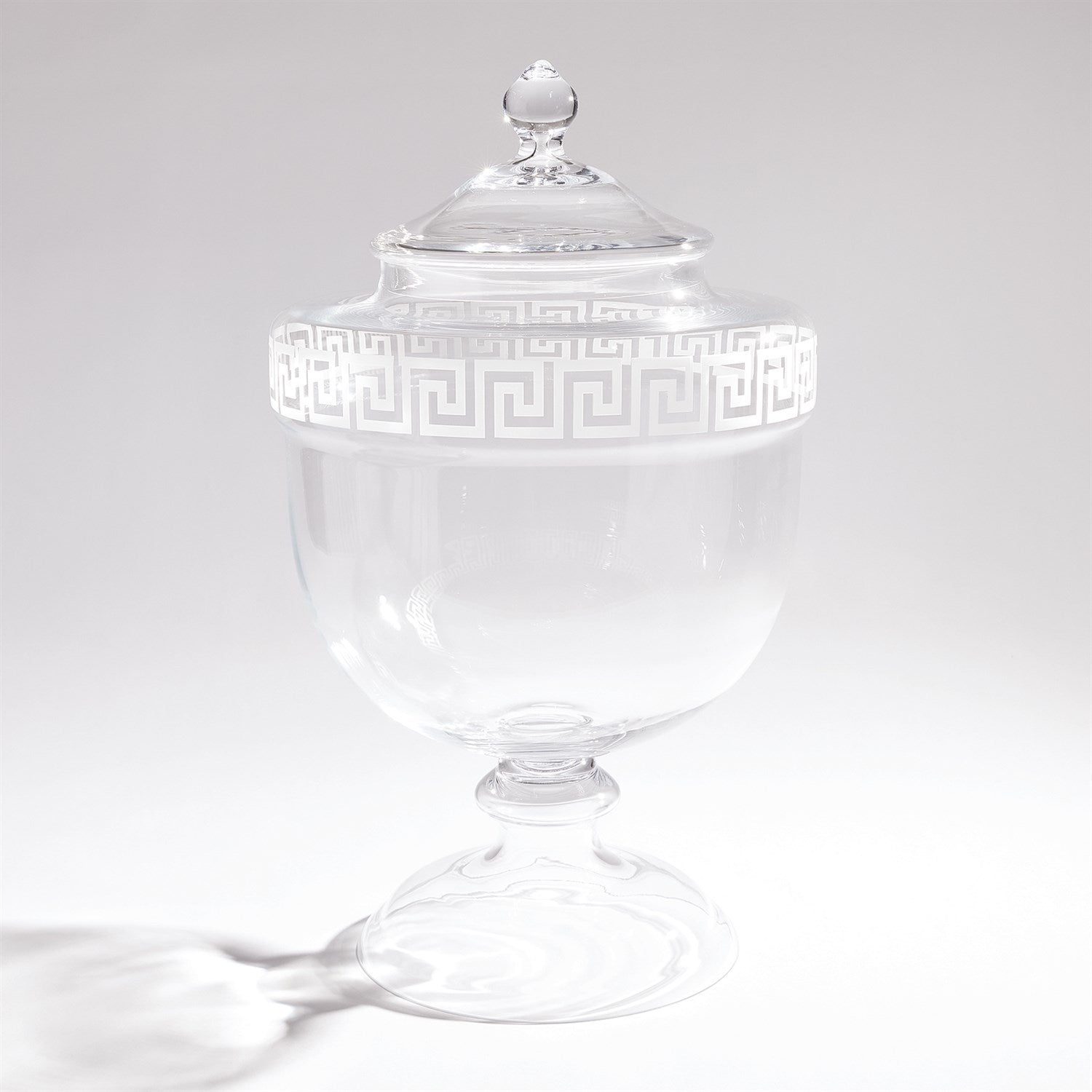
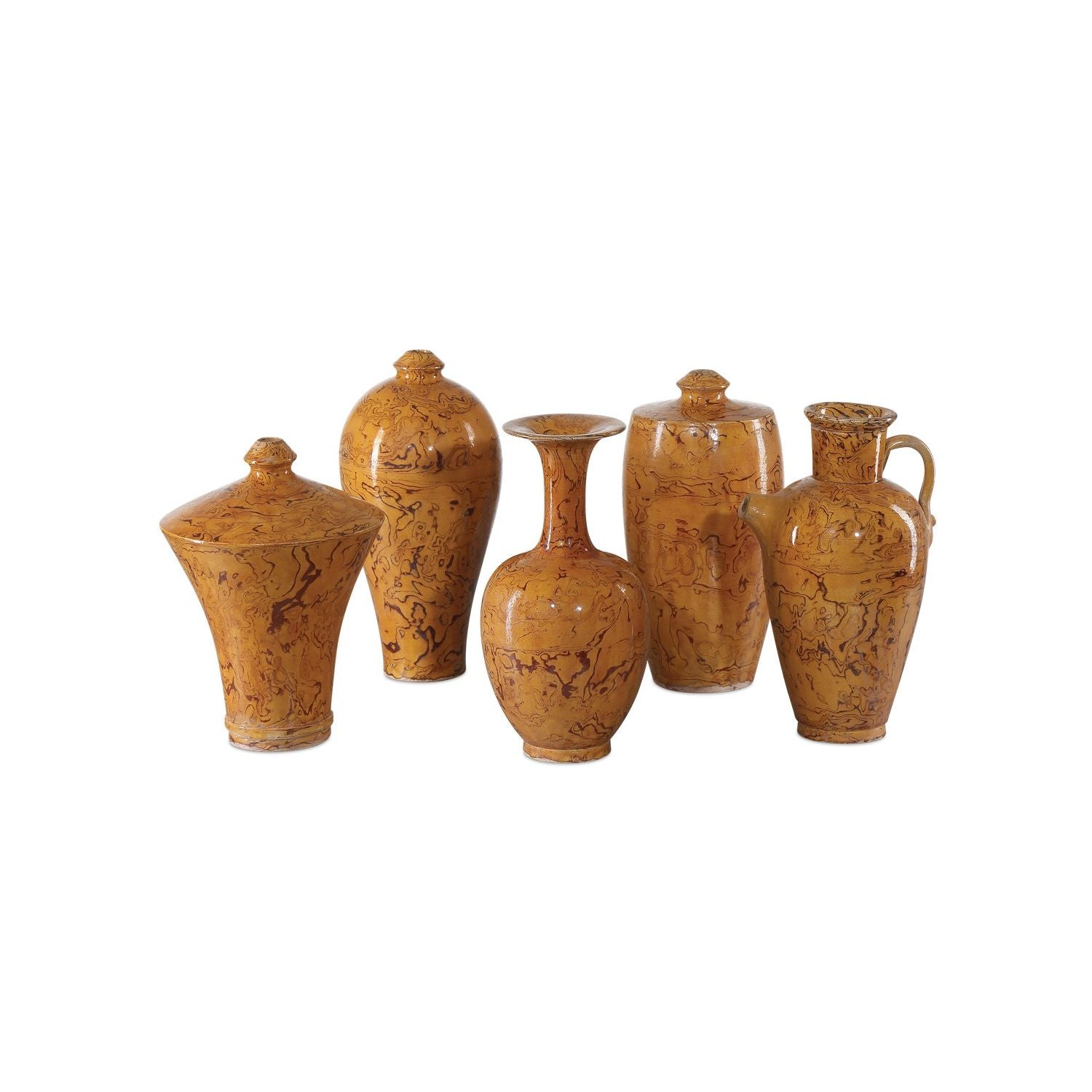


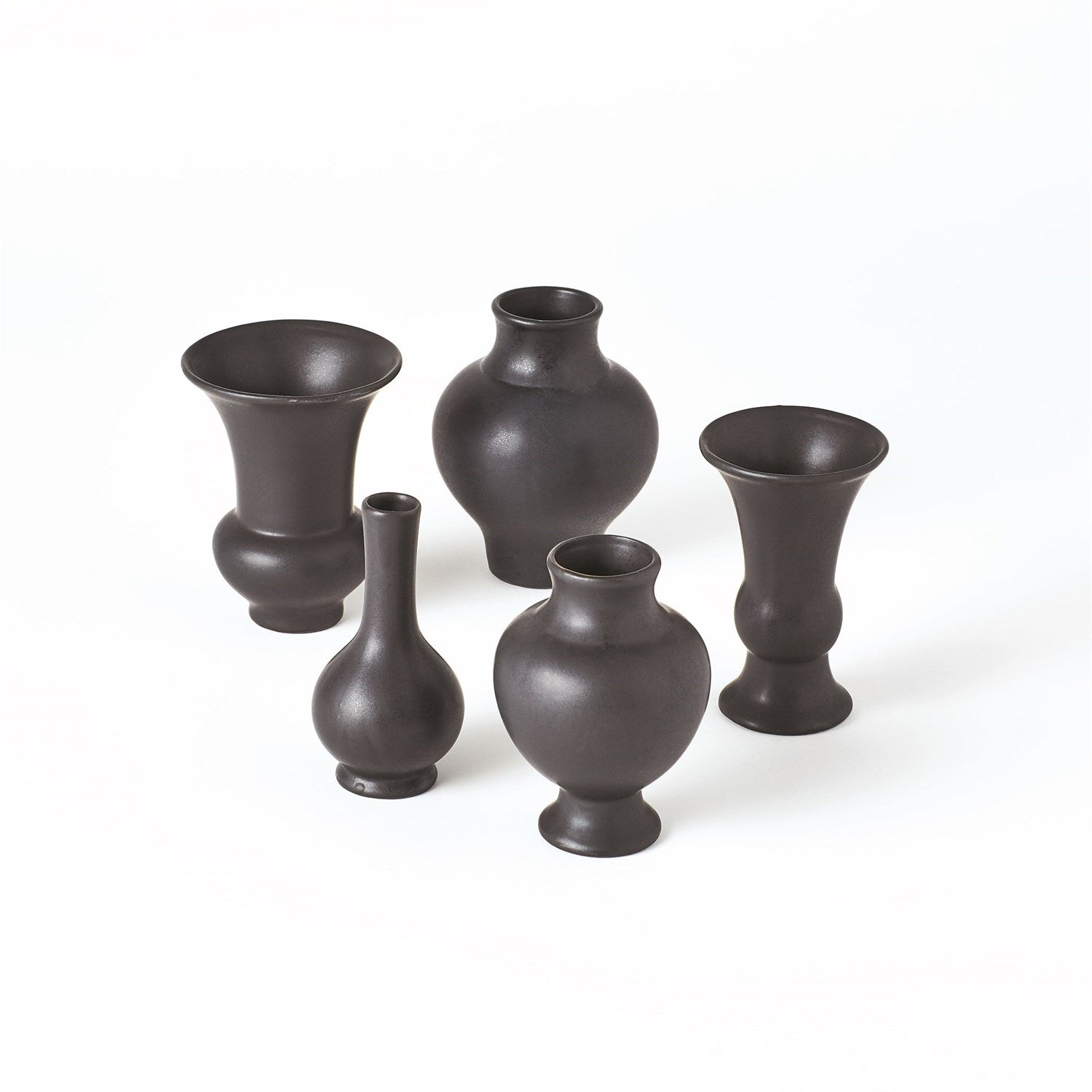
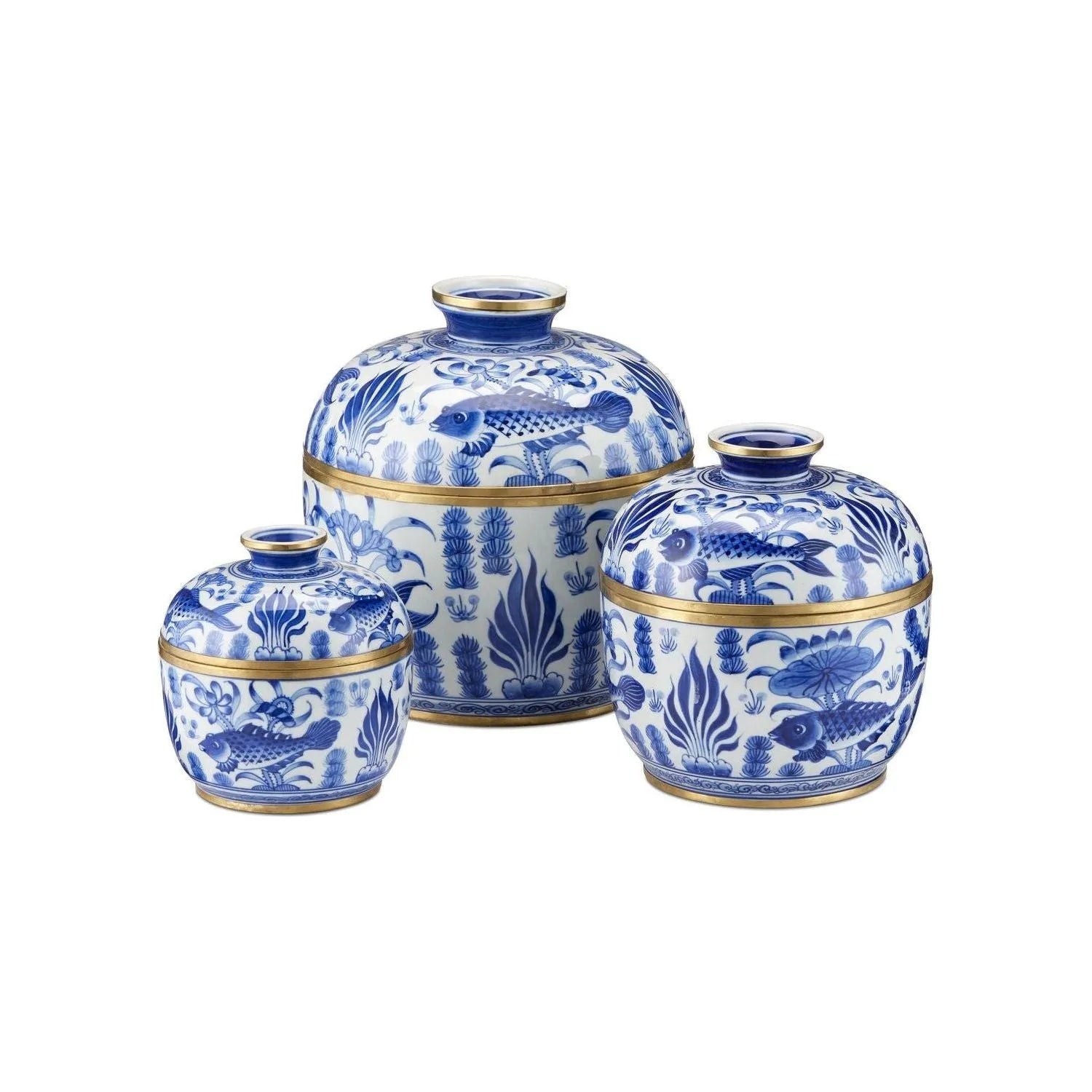
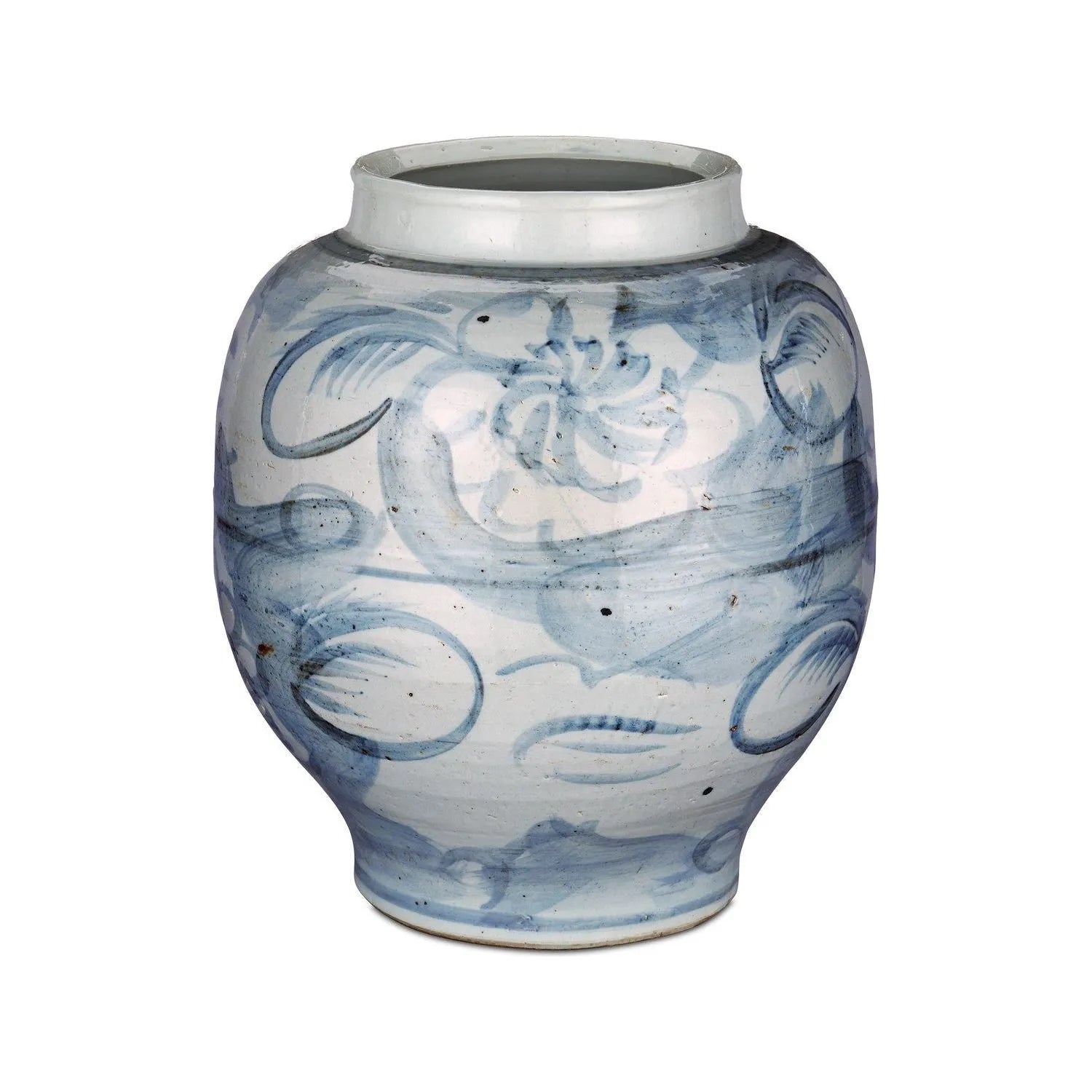
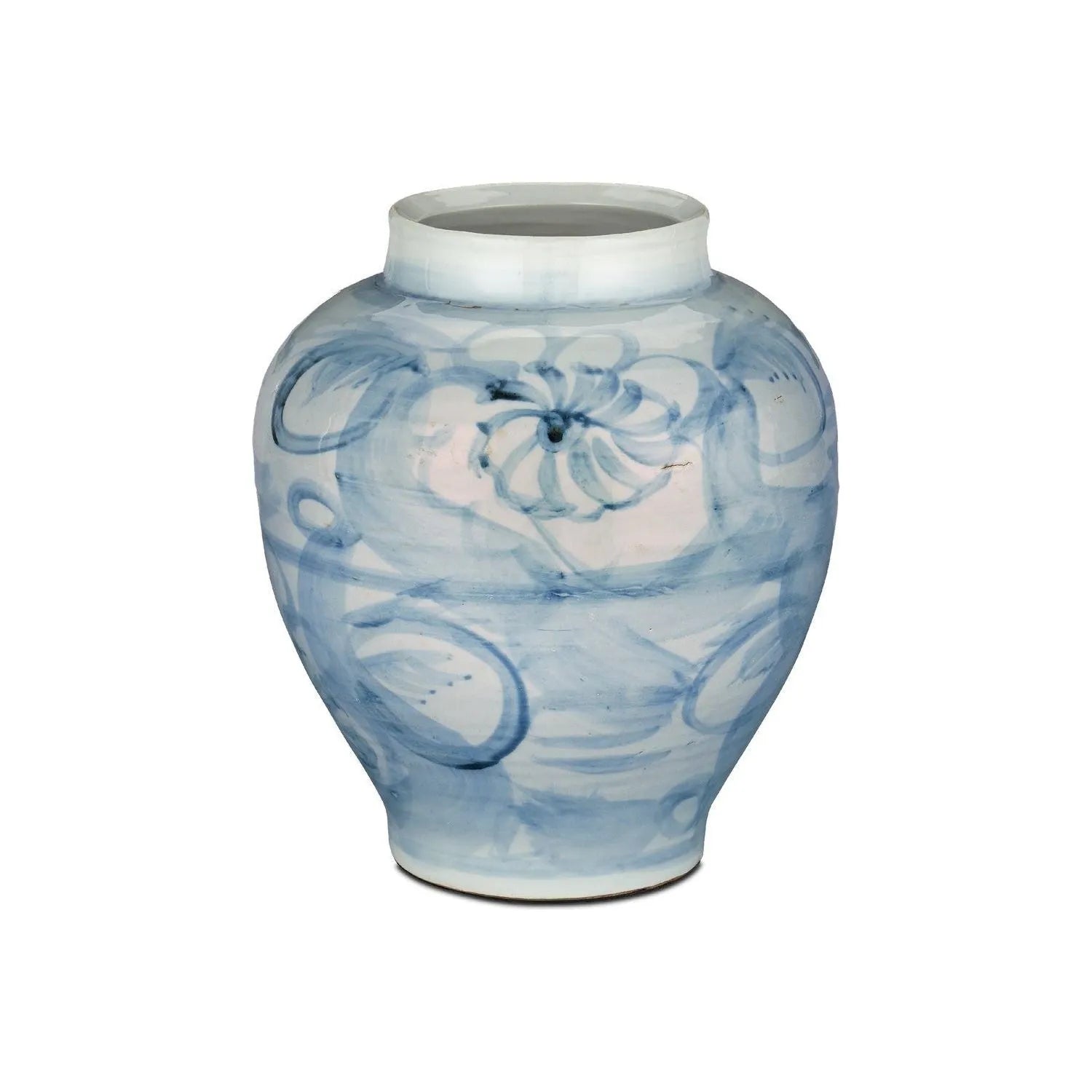
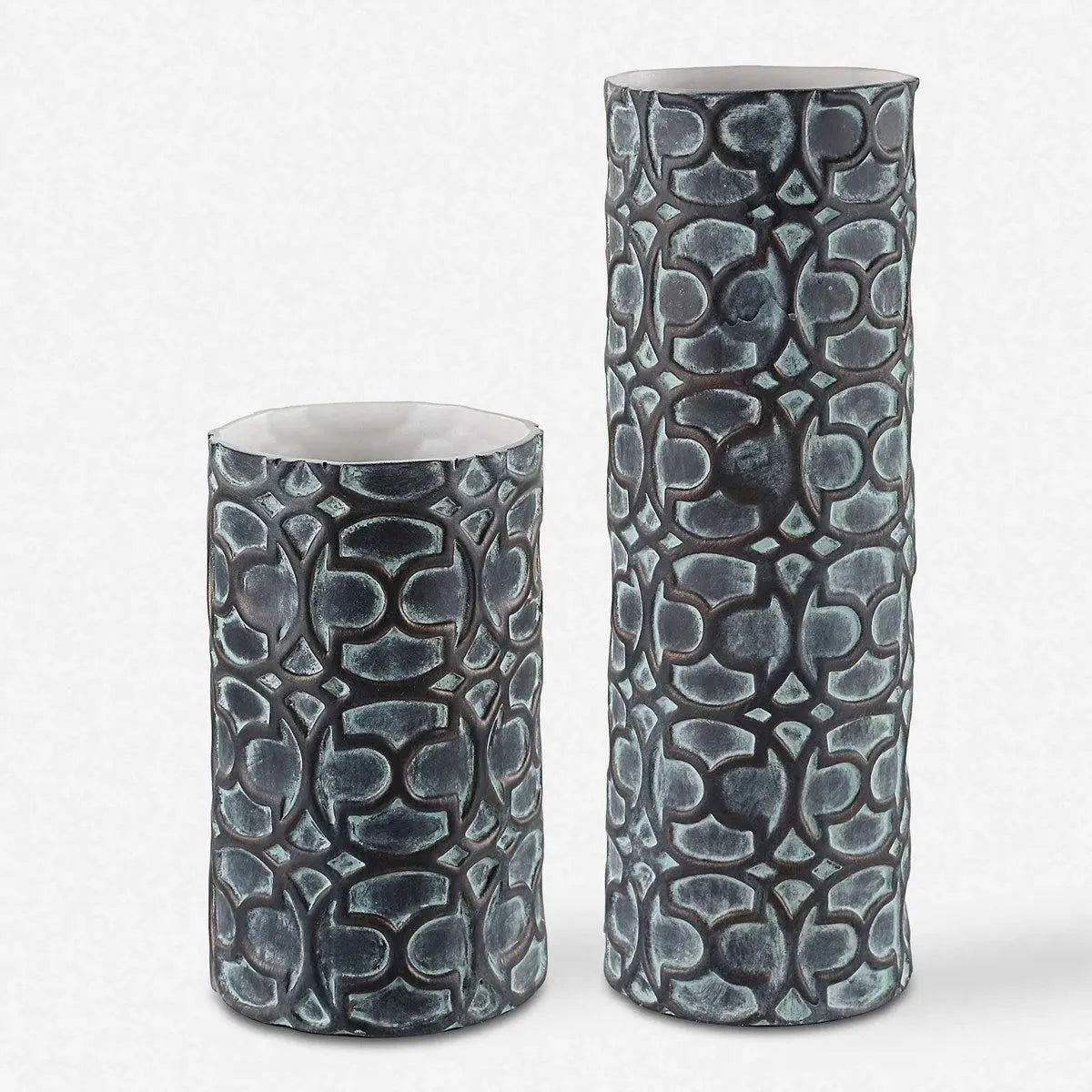
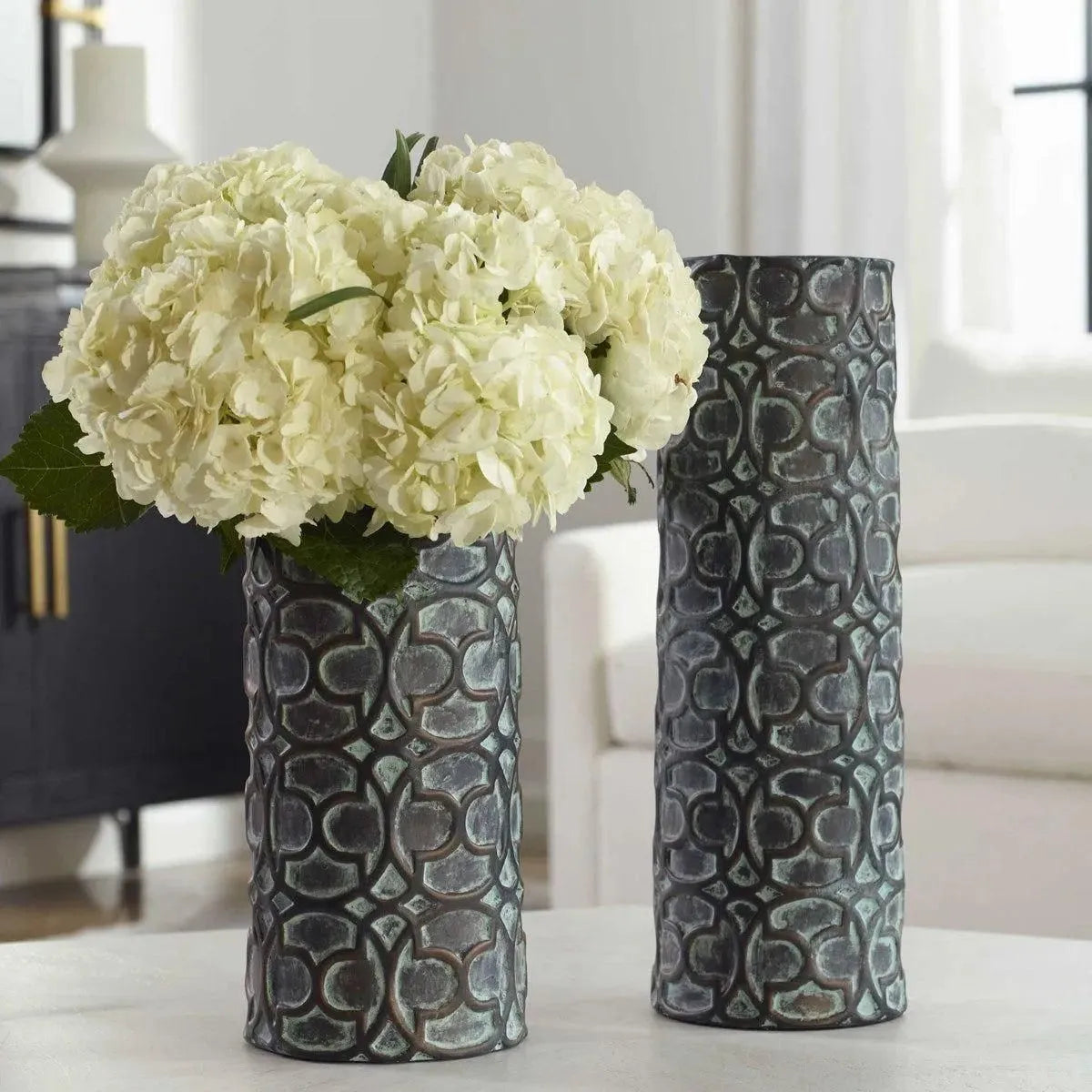
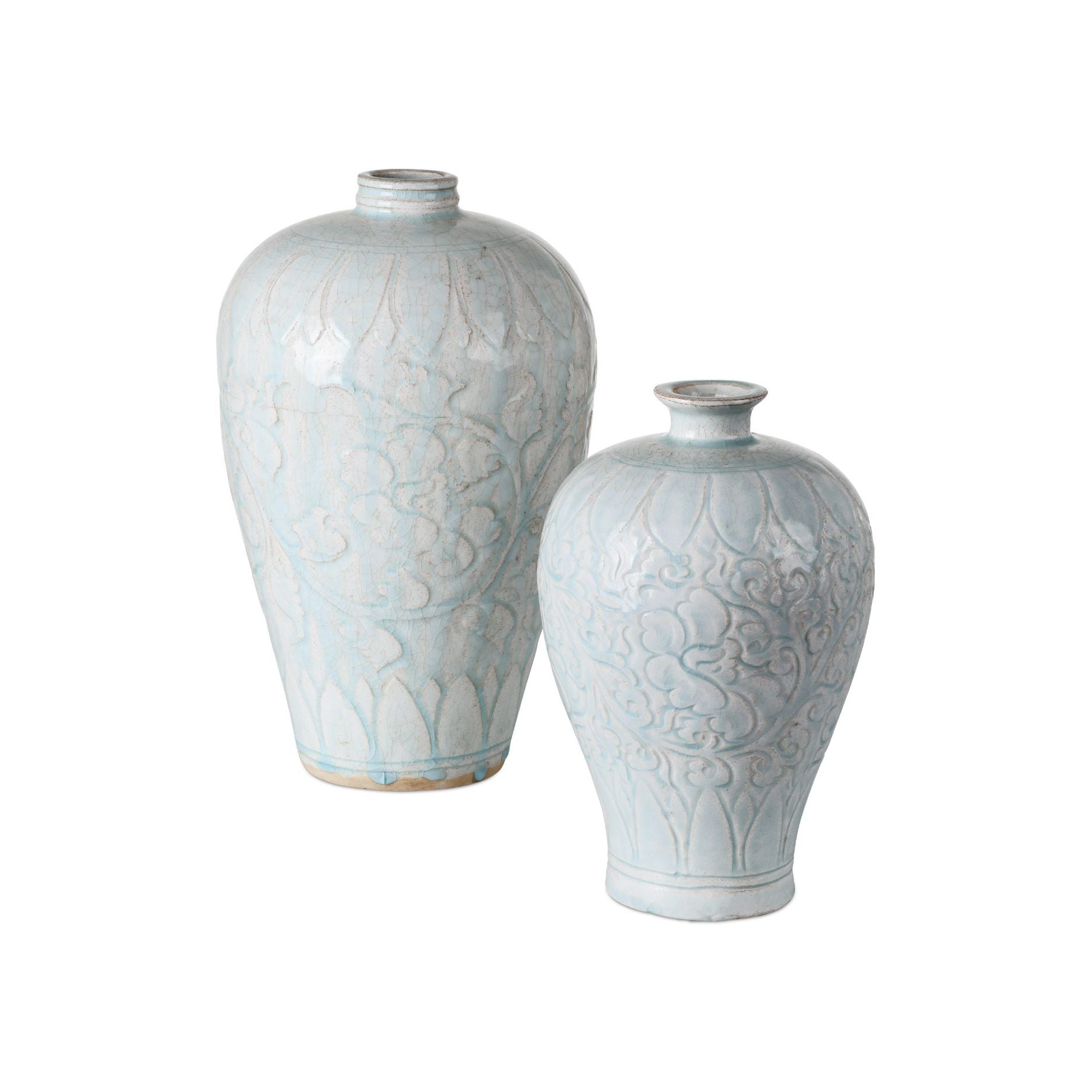
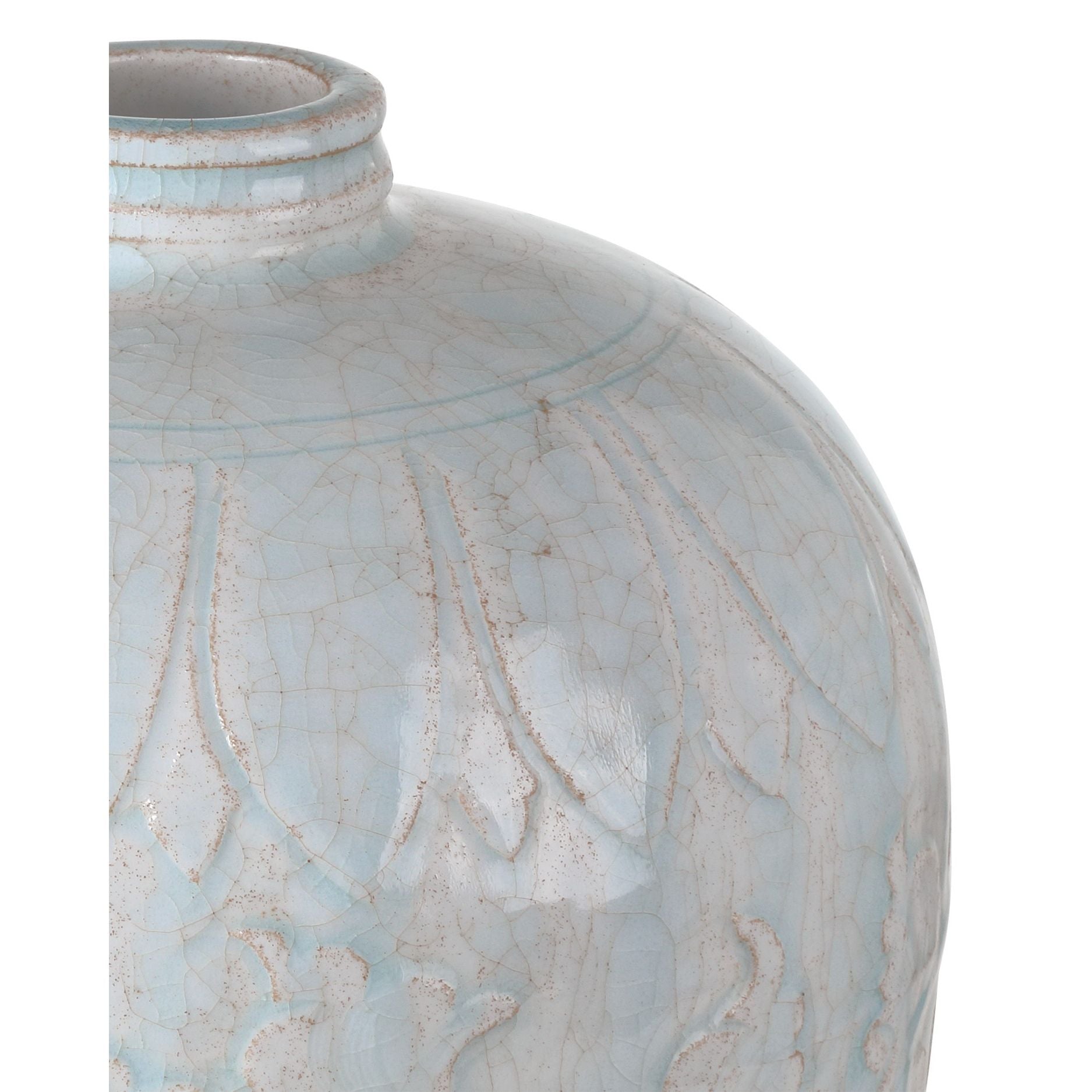
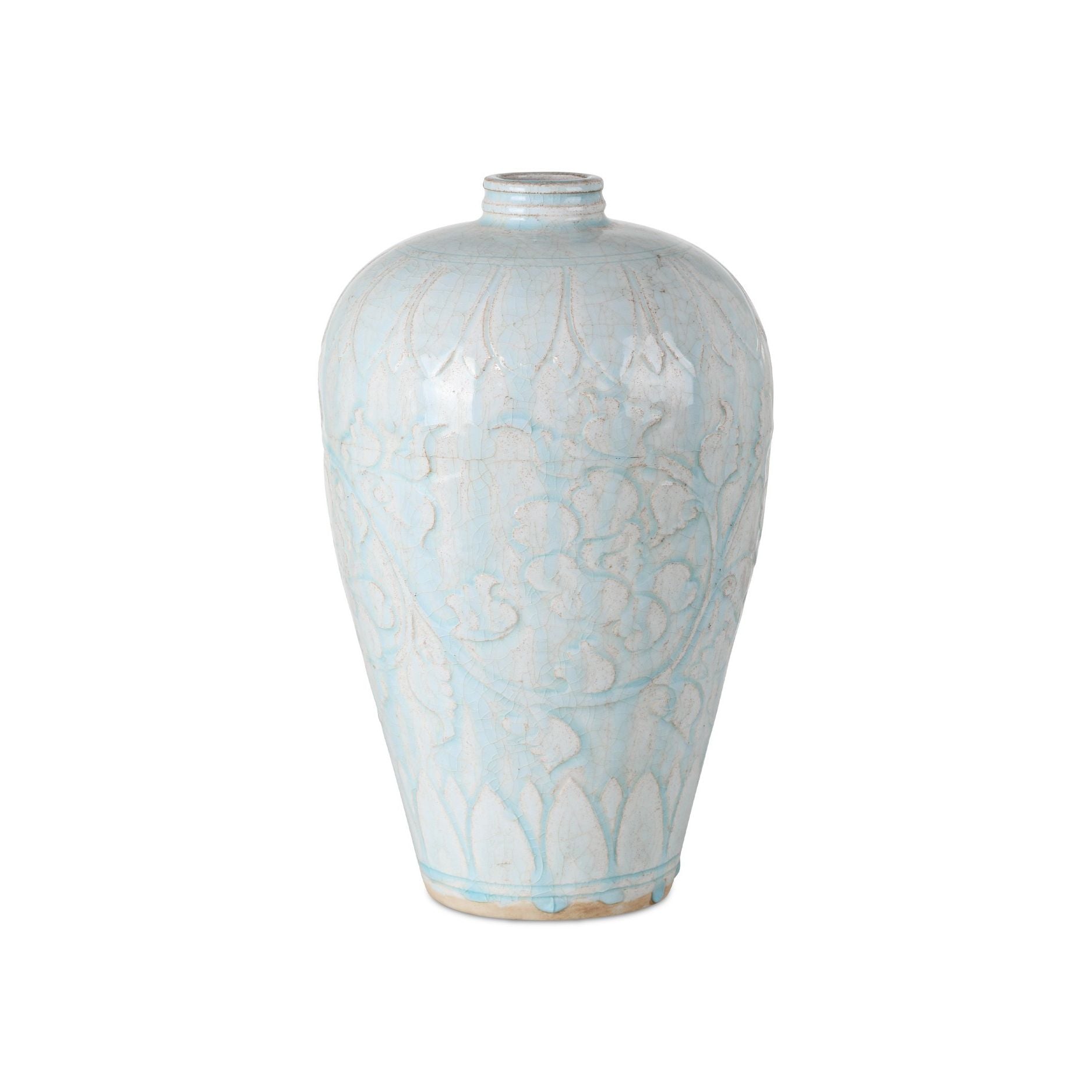
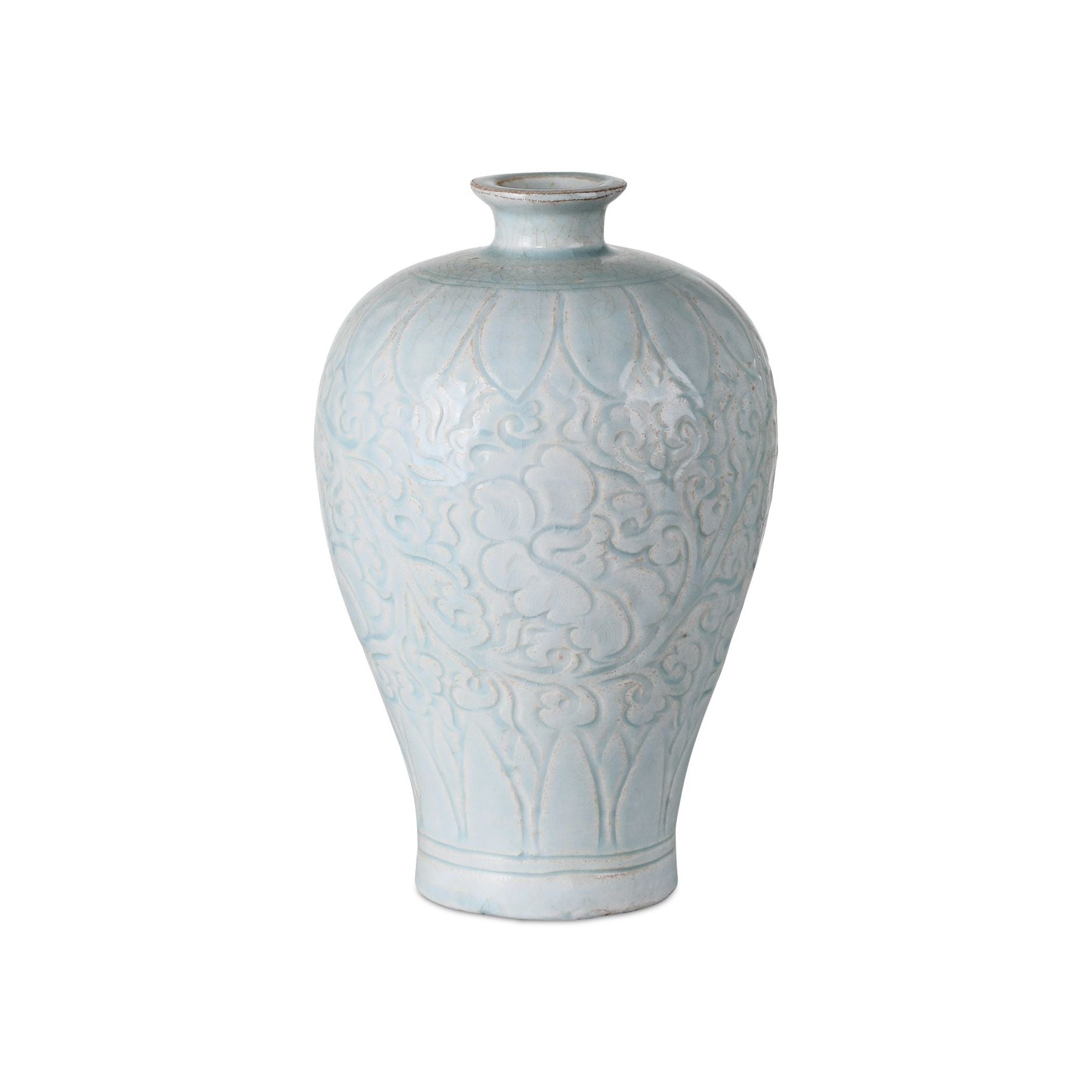
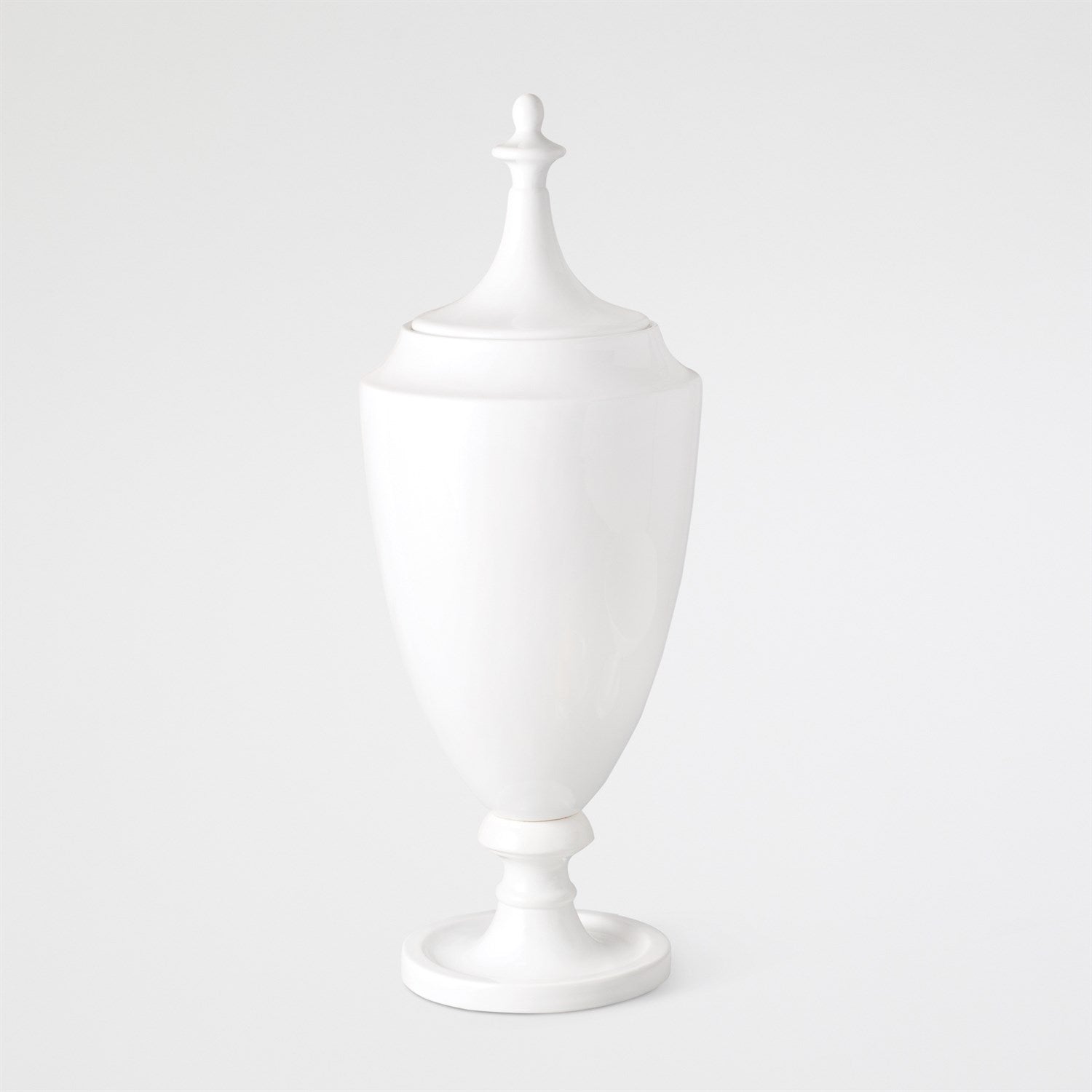
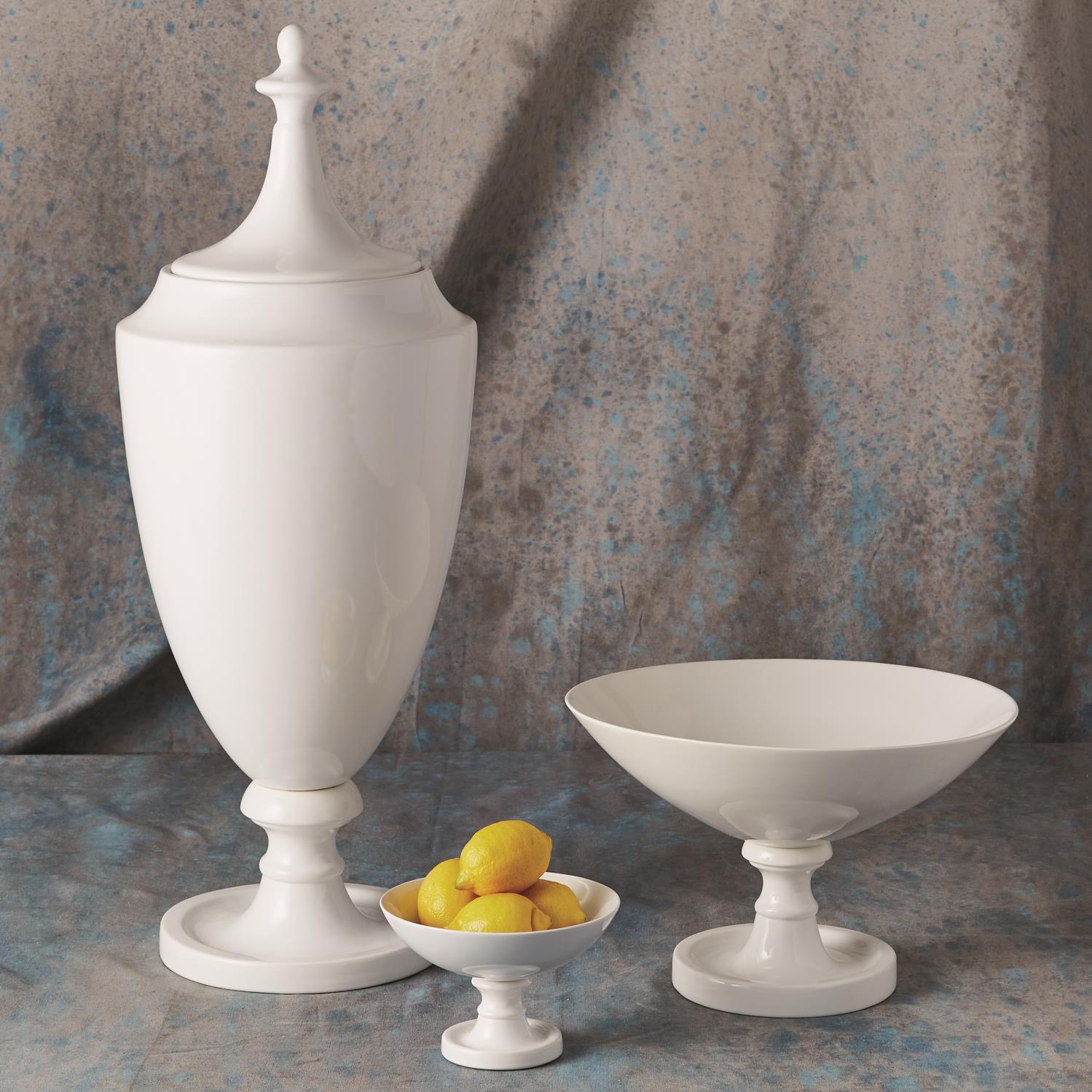
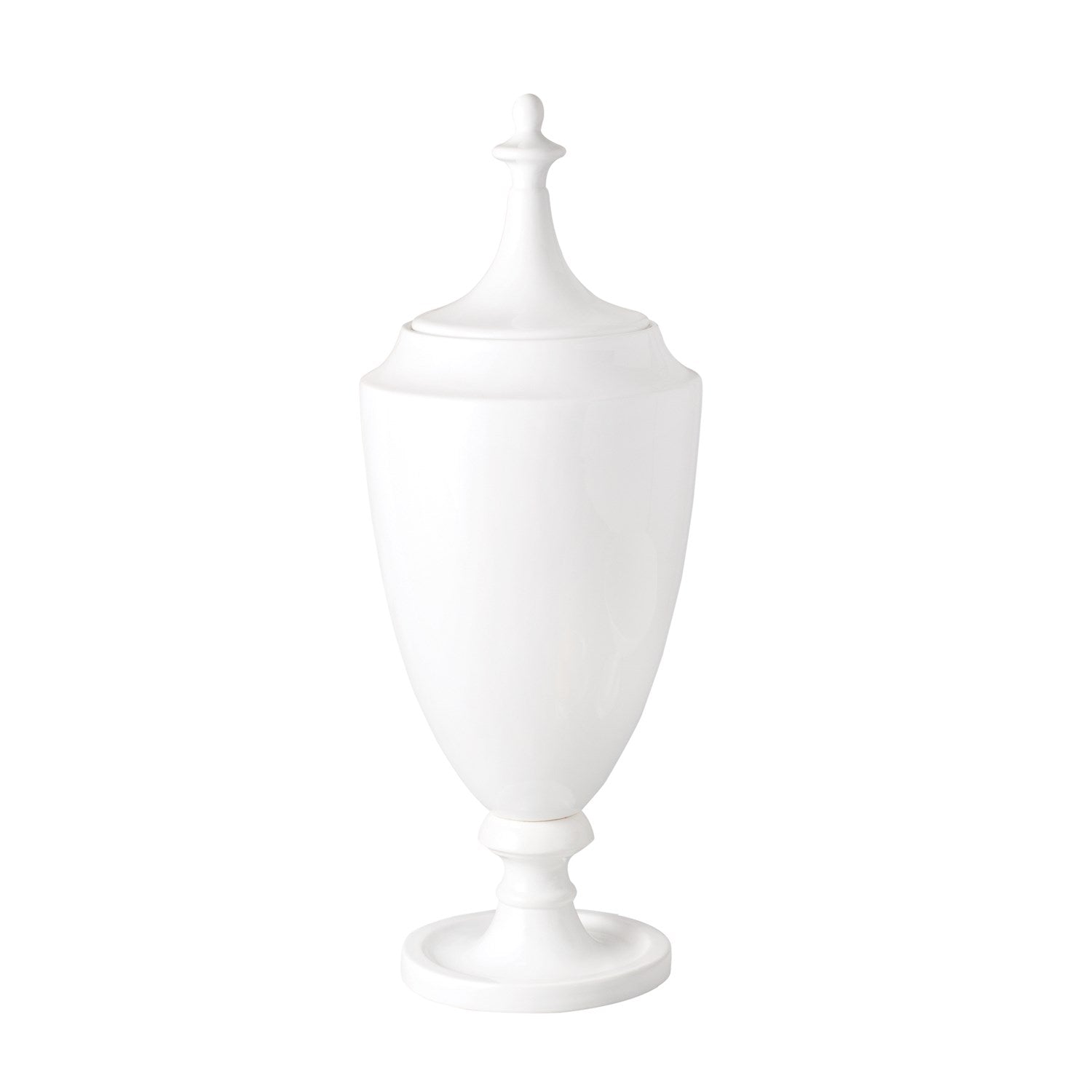
Traditional Vases Canada – Ginger Jars, Urns & Chinoiserie Porcelain
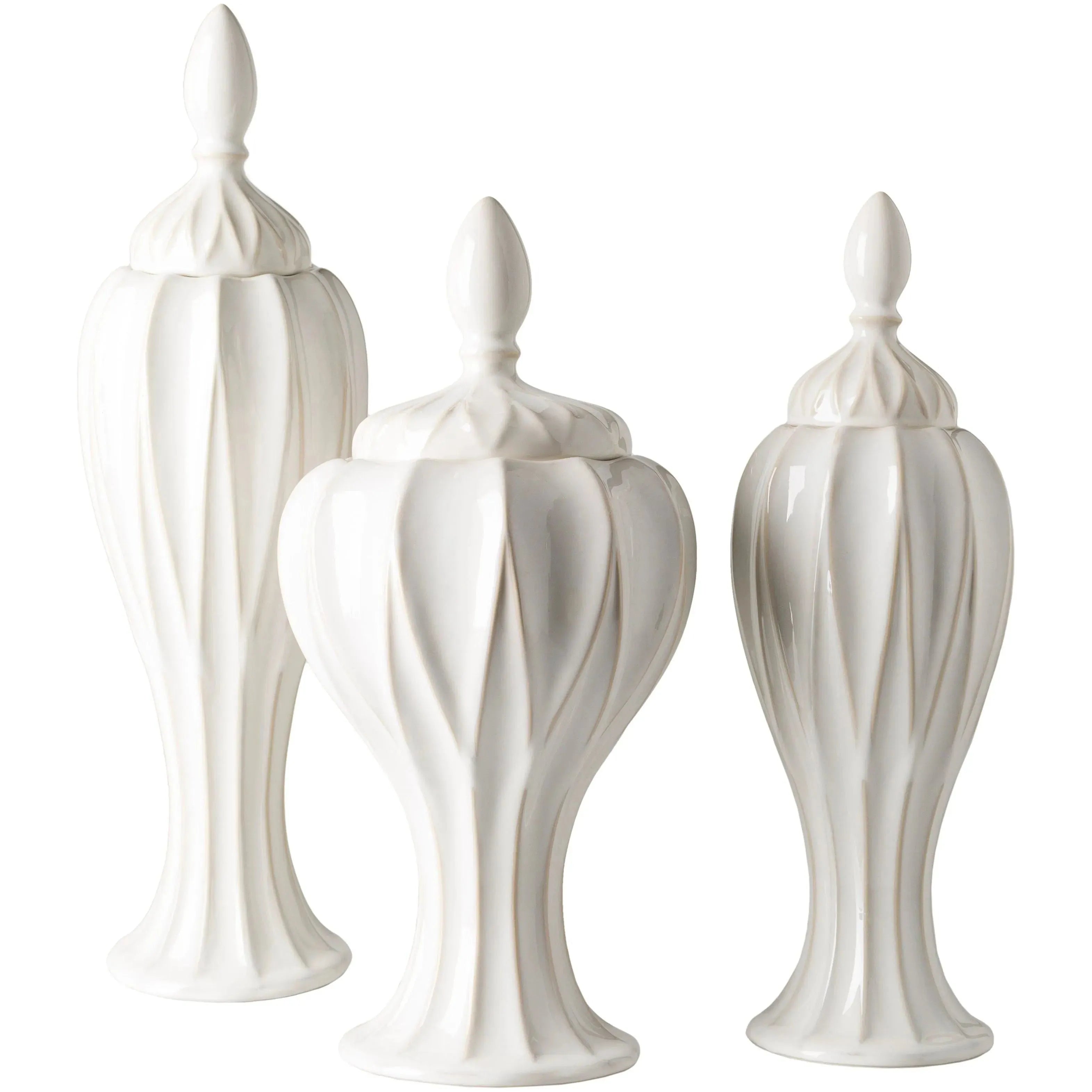
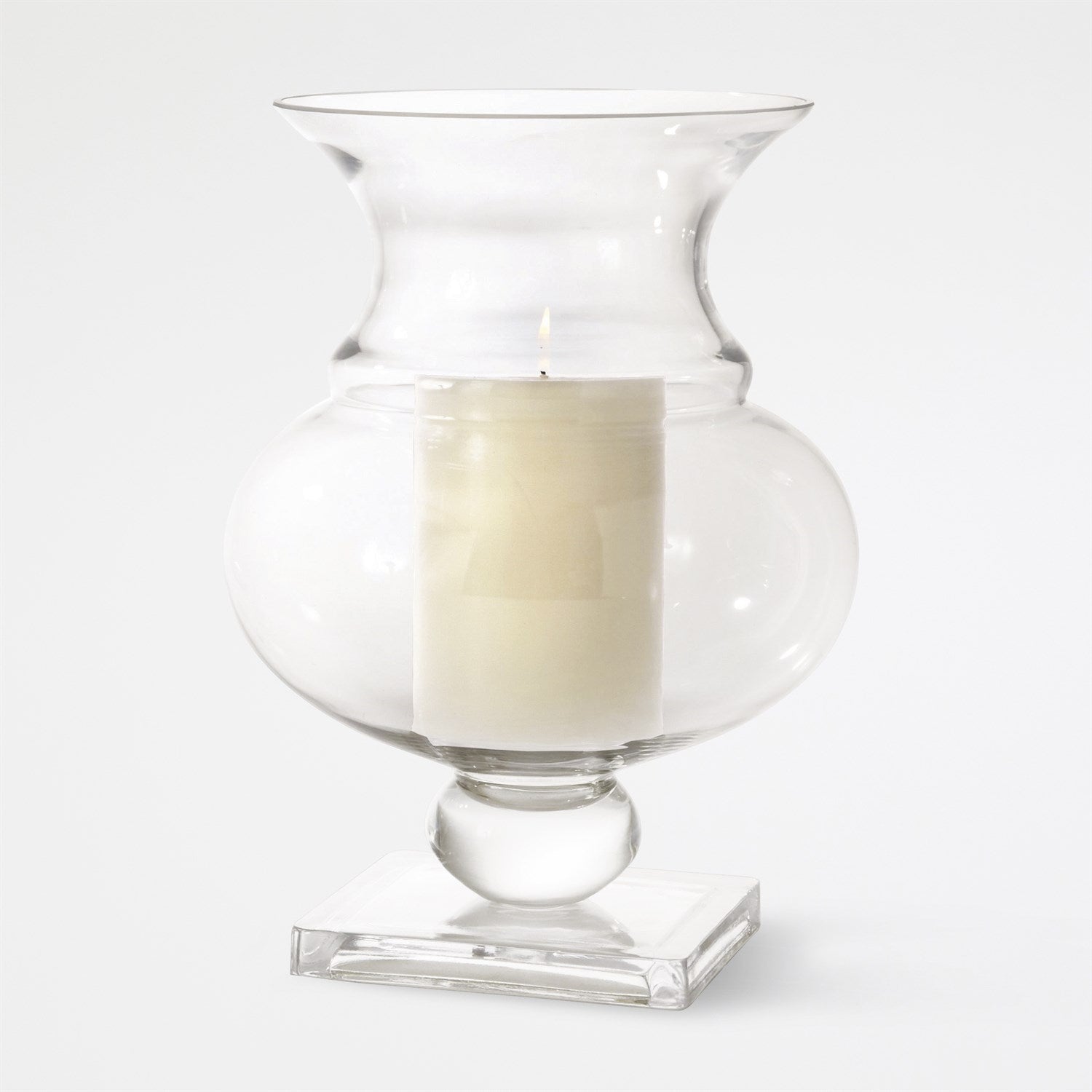
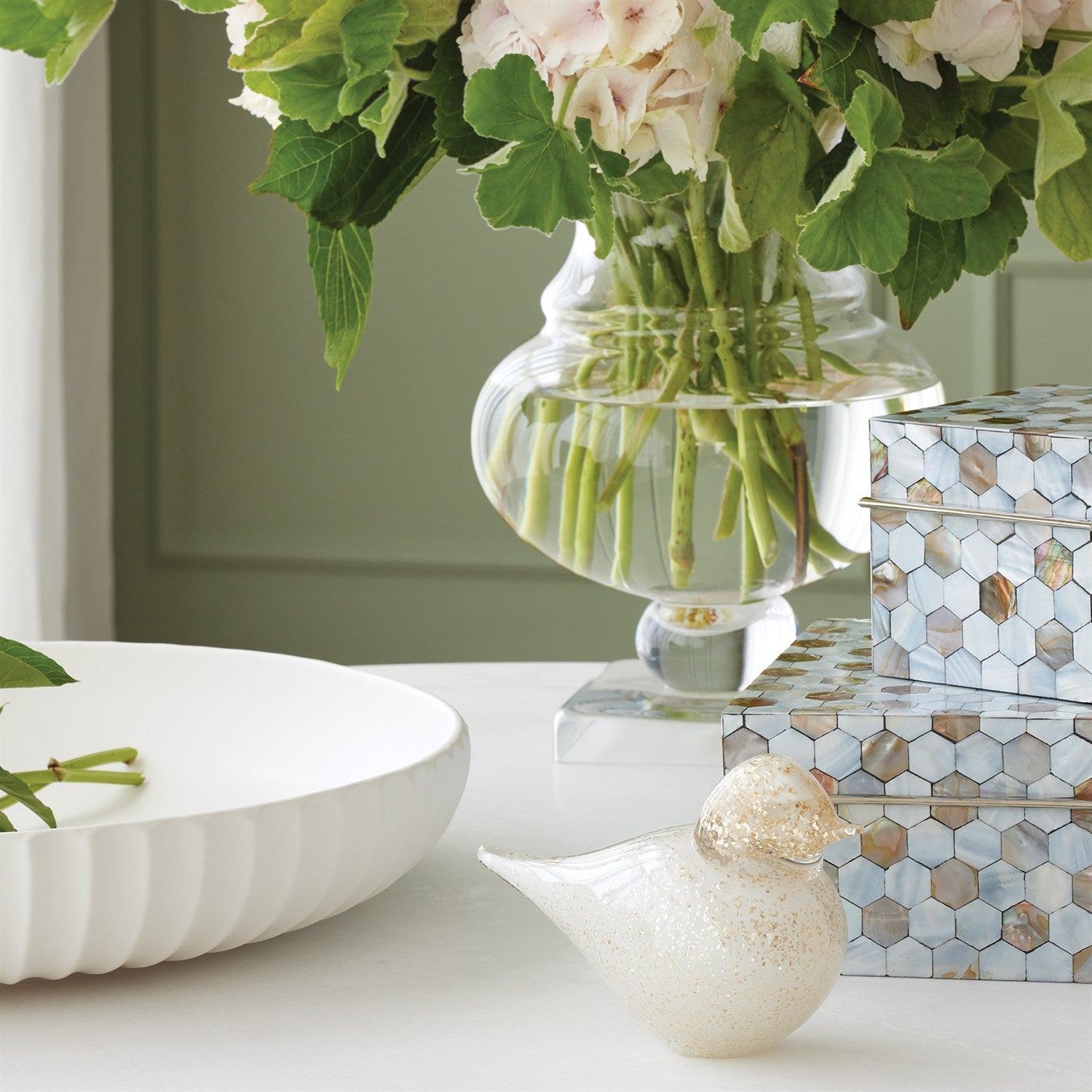
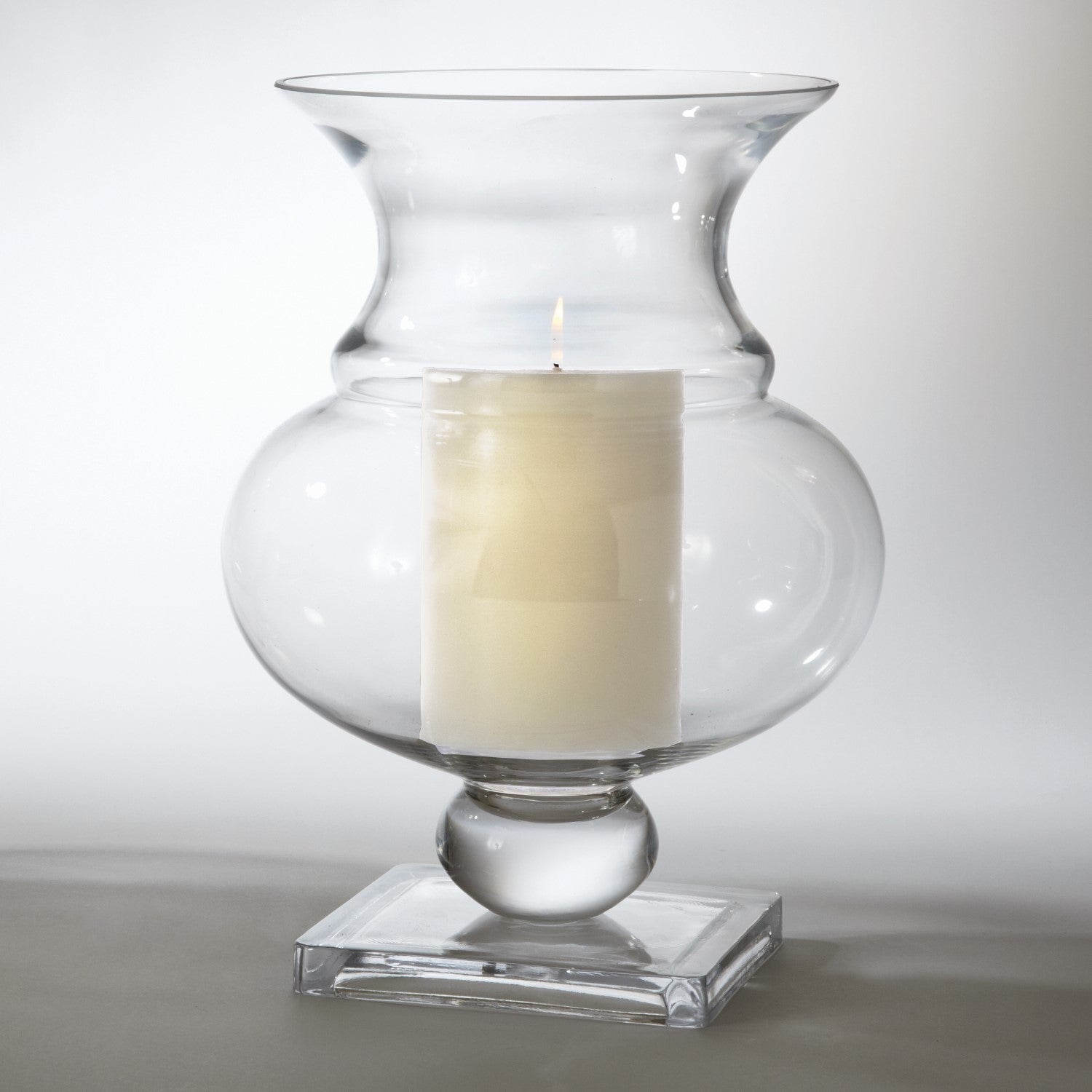
Traditional vases use the decorative ceramic and porcelain vocabulary of European and Asian export ware — blue-and-white chinoiserie ginger jars and temple vases, hand-painted floral forms, gilded and ormolu-mounted porcelain, transferware urns, and classical baluster profiles in crackle glaze and celadon. These are significant decorative statements on mantles, consoles, and sideboards.
Explore related pieces in our traditional decorative accessories collection.
All products are priced in Canadian dollars with free shipping on orders over $199 CAD.
Styling Traditional Vases
Mantles
A pair of matching ginger jars flanking a clock or central object creates the formal symmetry traditional interiors rely on.
Consoles & Entry Tables
A single large temple vase or urn makes a strong statement appropriate to the scale of formal spaces — restraint is not the governing principle here.
Dining Tables
Keep centerpiece vessels low enough to see over, or use a tall vase on a sideboard instead where sightlines matter.
Brands in This Collection
Vases from Currey and Company and Global Views.
Traditional Vase FAQs
What is a ginger jar?
A ginger jar is a rounded, high-shouldered ceramic vessel with a domed lid, originally Chinese export porcelain used to carry spices. Blue-and-white ginger jars are among the most recognizable traditional decorative objects and are frequently used in pairs.
What is chinoiserie?
Chinoiserie is a European decorative style interpreting Chinese and East Asian motifs — pagodas, birds, florals, and landscapes — popular from the 17th century onward. In vases it usually appears as hand-painted blue-and-white or polychrome patterning.
How should traditional vases be arranged?
Symmetry is the traditional default: matching pairs flanking a central object on a mantle, or a single substantial piece centered on a console. Scale up rather than down — undersized objects look lost against period furniture.
Can these vases hold water and fresh flowers?
Most ceramic and porcelain vases are watertight, but some decorative and ormolu-mounted vessels are not intended for water. Check the individual product page before using a vase for fresh arrangements.
How do I care for decorative porcelain?
Dust with a soft dry cloth, and hand-wash gently only where the piece is confirmed water-safe. Avoid dishwashers, soaking, and abrasive cleaners, particularly on gilded or hand-painted decoration.
Where can I buy traditional vases in Canada?
Montreal Lighting & Hardware carries them online and at our Mount-Royal showroom (5670 Paré Street, Quebec, H4P 2M2). We ship Canada-wide at CAD prices with free shipping on orders over $199. Call (514) 416-2013.
| Location | Height range | Fill |
|---|---|---|
| Fireplace mantle (pair) | 12" - 24" | Full floral or formal seasonal |
| Entry console (single) | 18" - 30" | Tall formal arrangement |
| Sideboard (pair) | 14" - 20" | Full floral or silk flowers |
| Dining table center | Scale to table length | Formal centerpiece arrangement |
| Library / study shelf | 8" - 16" | Formal or empty with period quality |