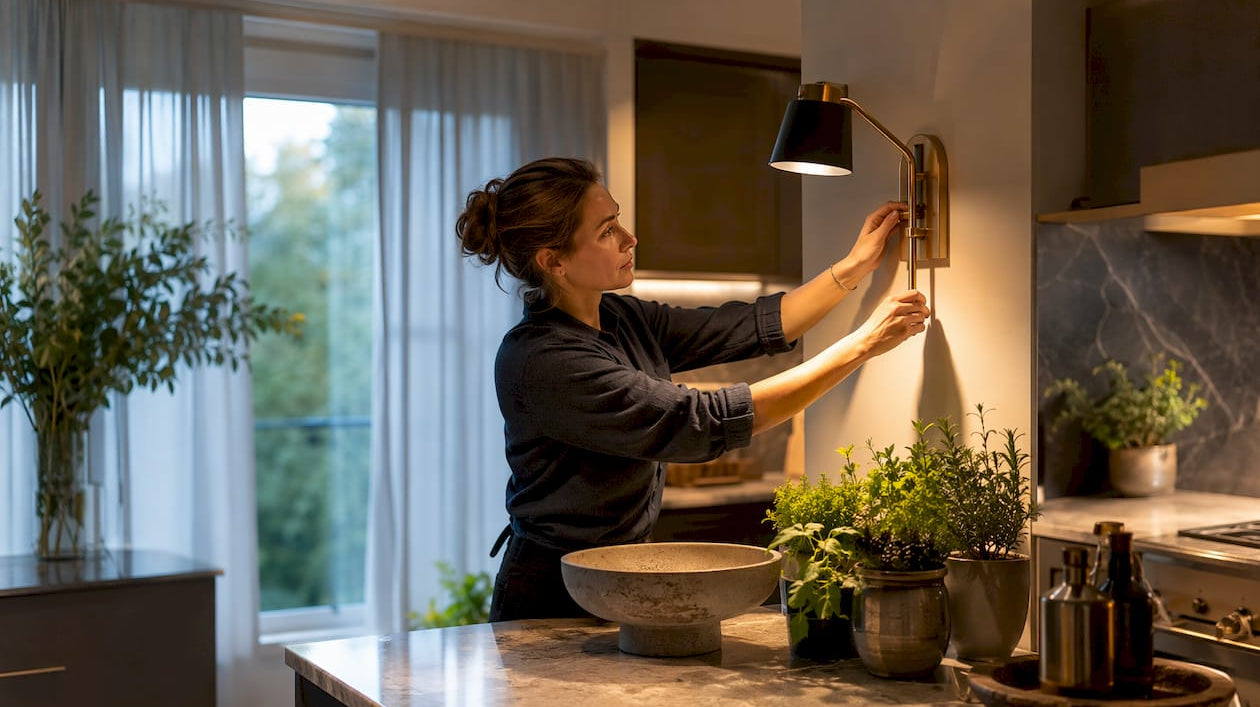

Traditional Decorative Accessories
Gilded wood objects, porcelain figurines, and silver-plate candlesticks for formally decorated classical interiors. Shop from Currey and Company, Global Views, and Cyan Design.
Learn more35 products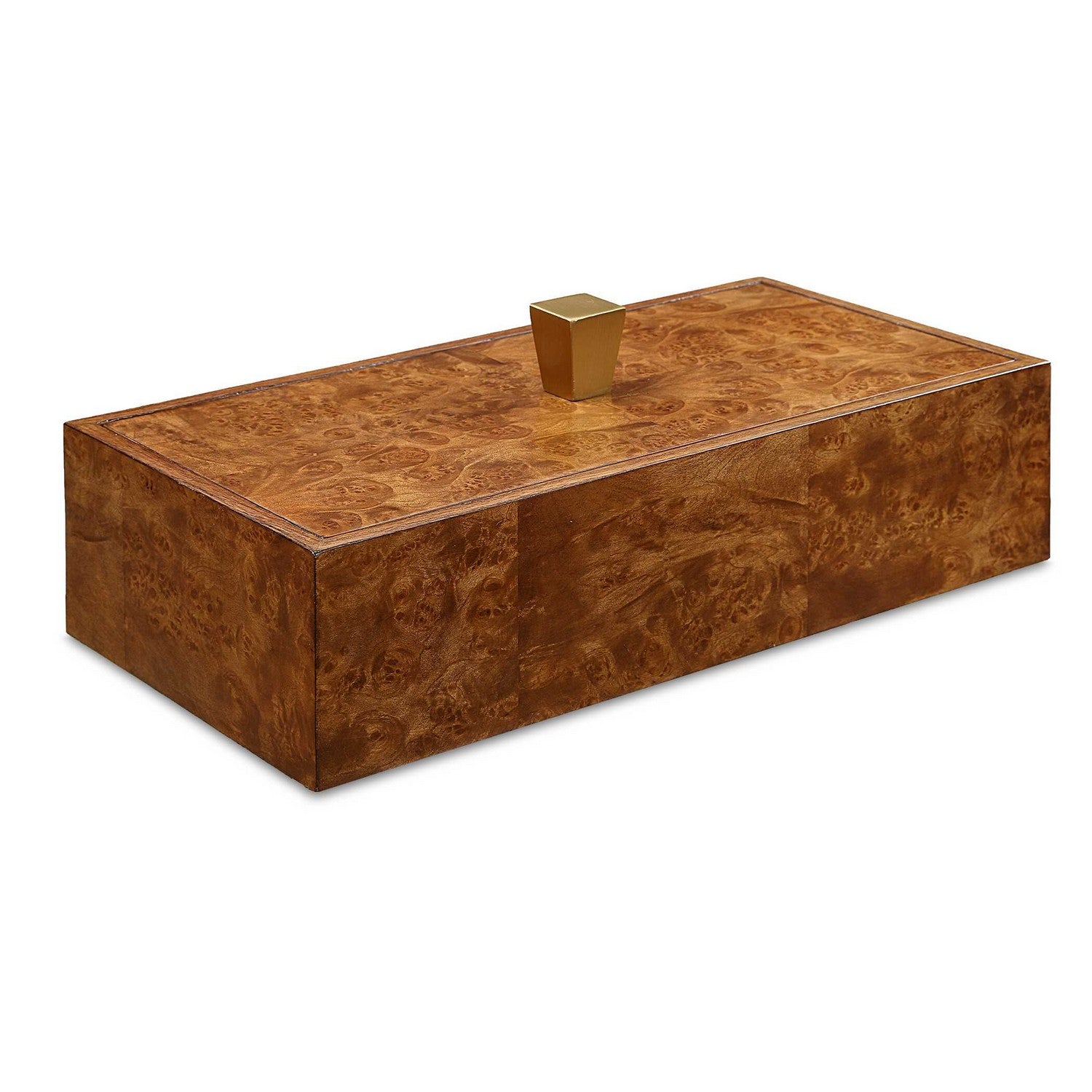
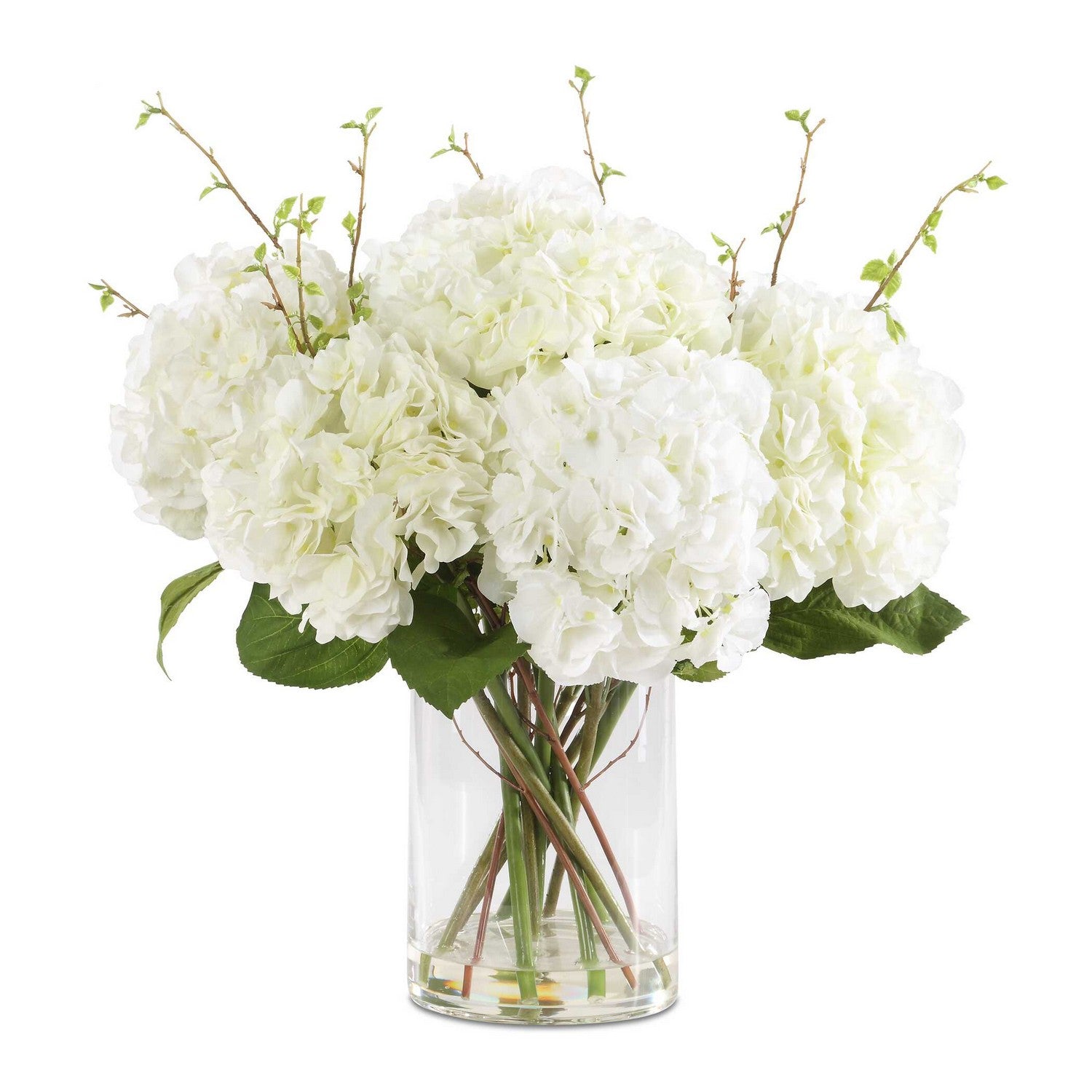
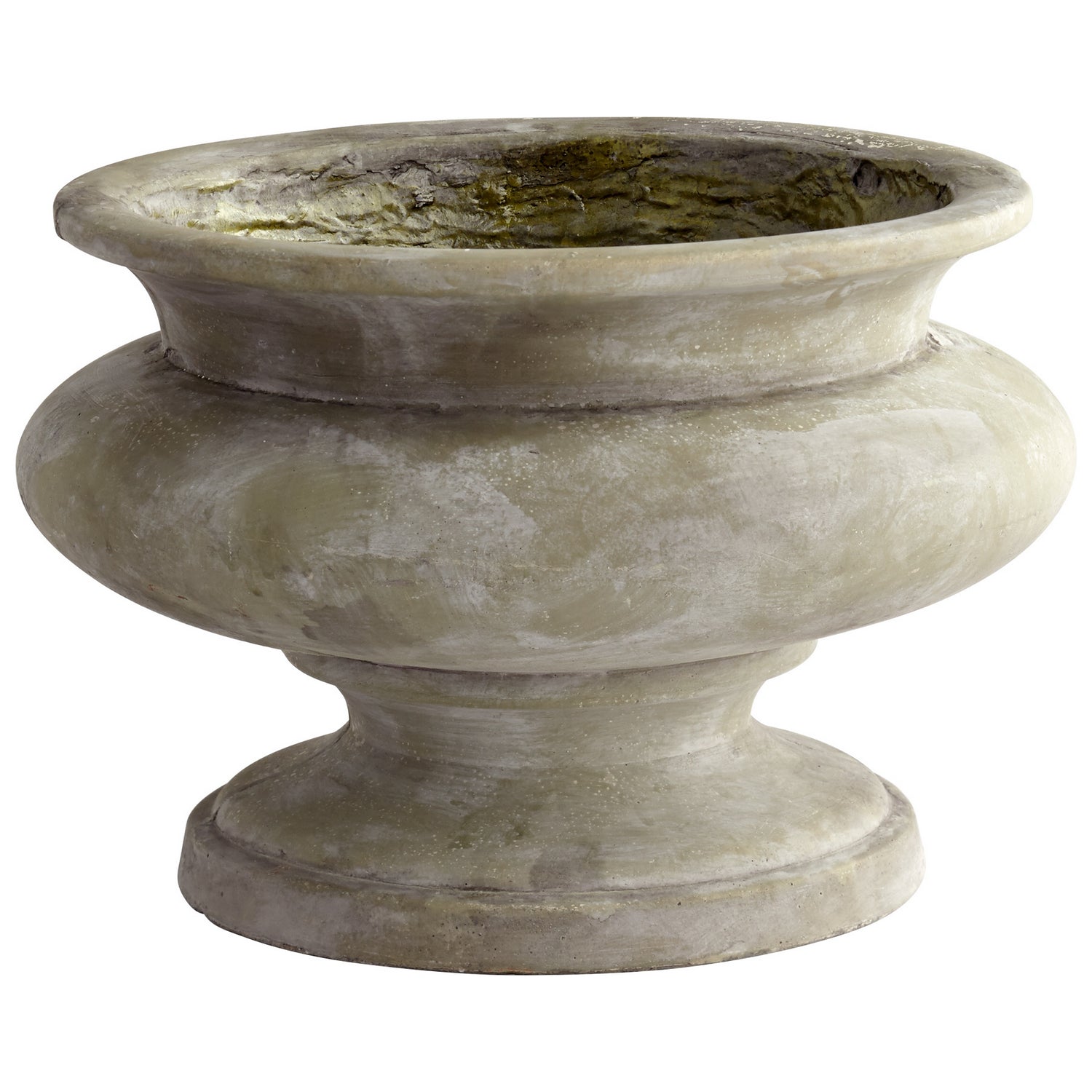
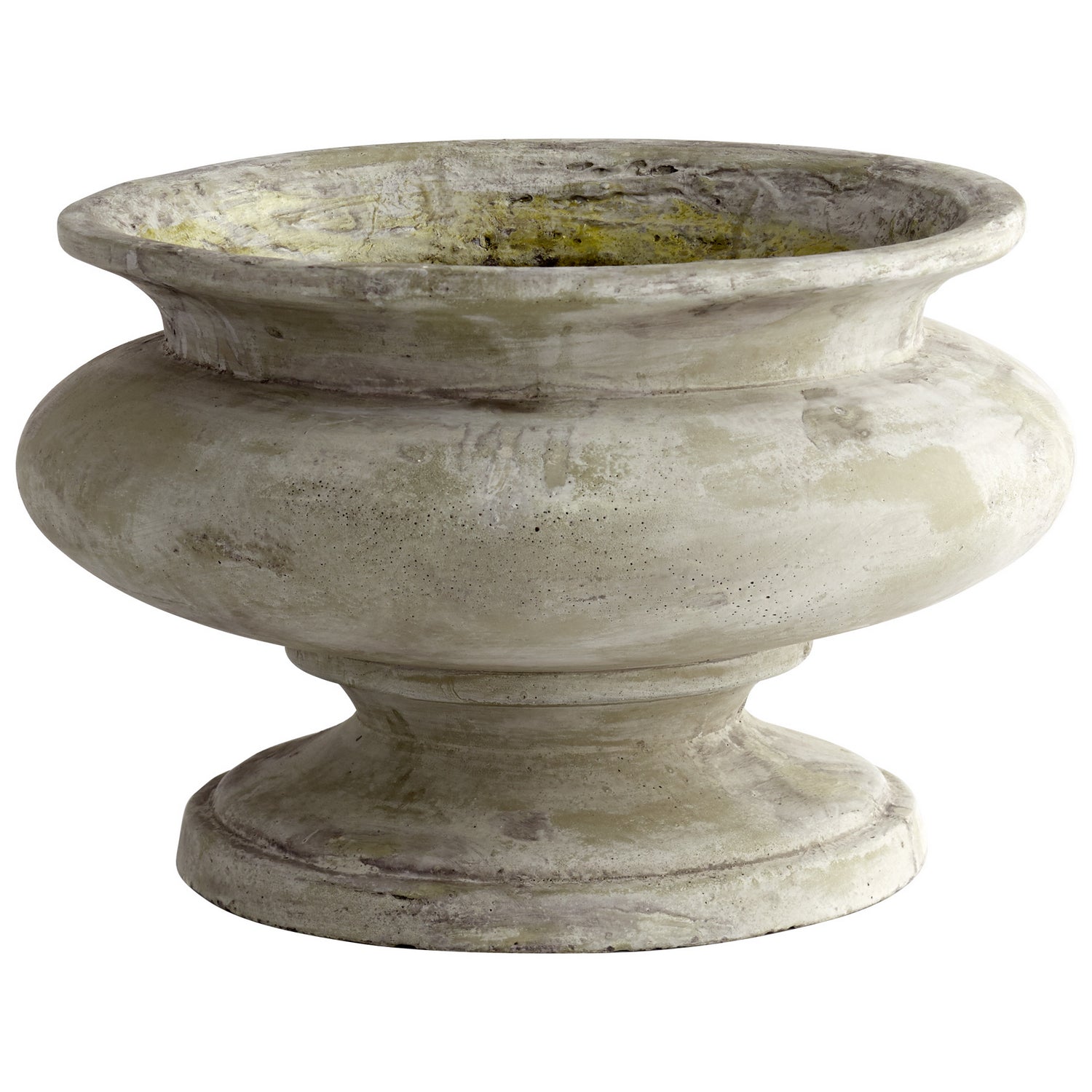
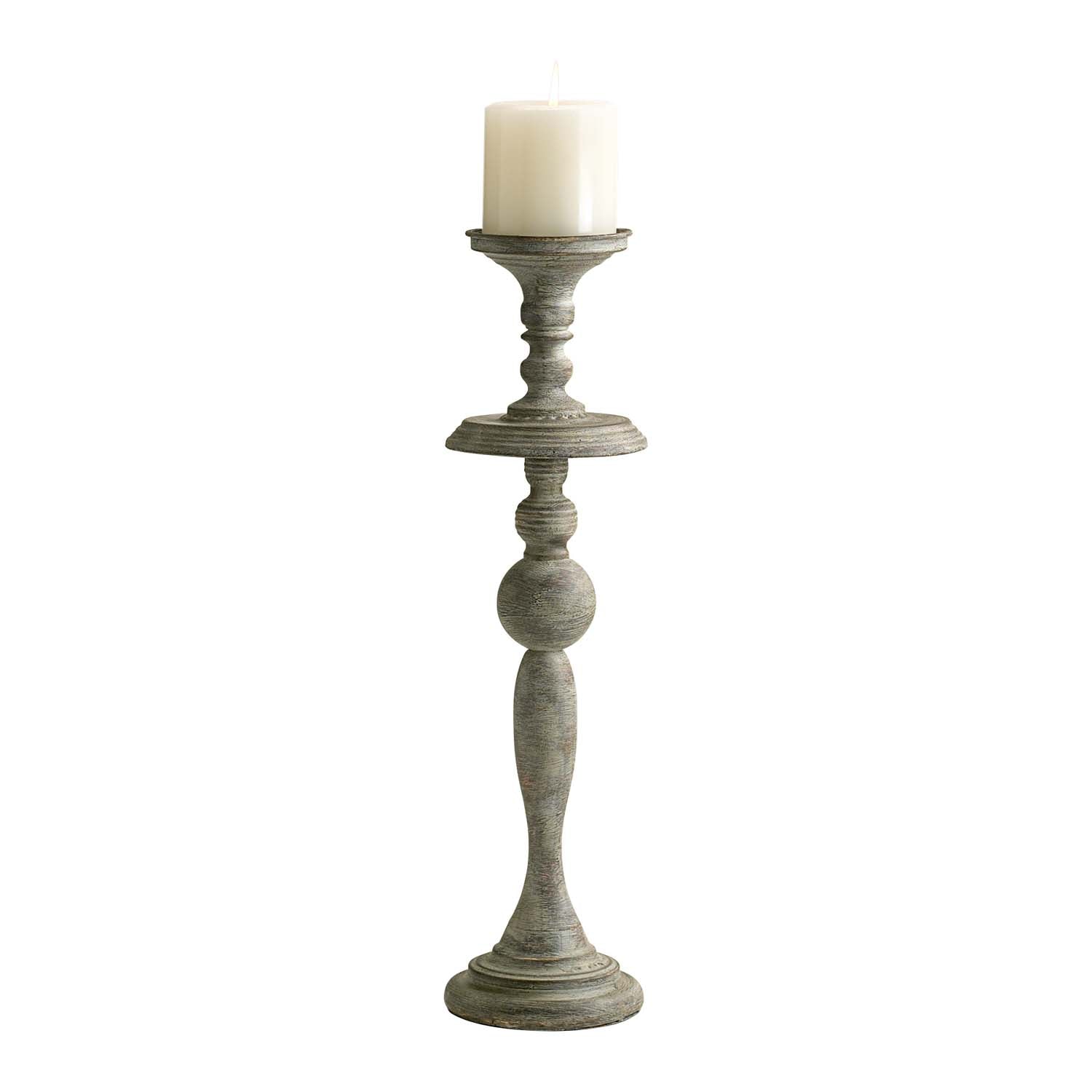
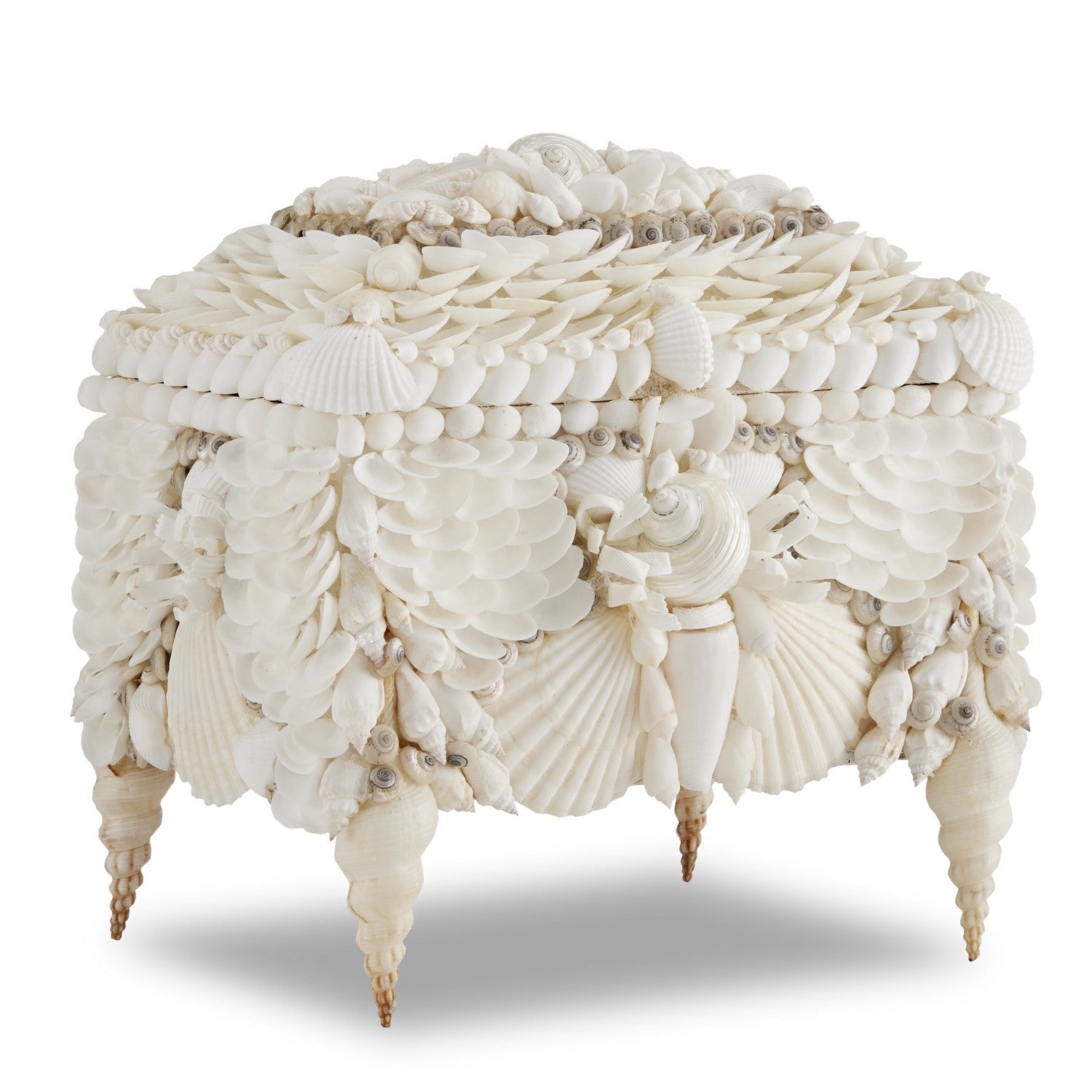
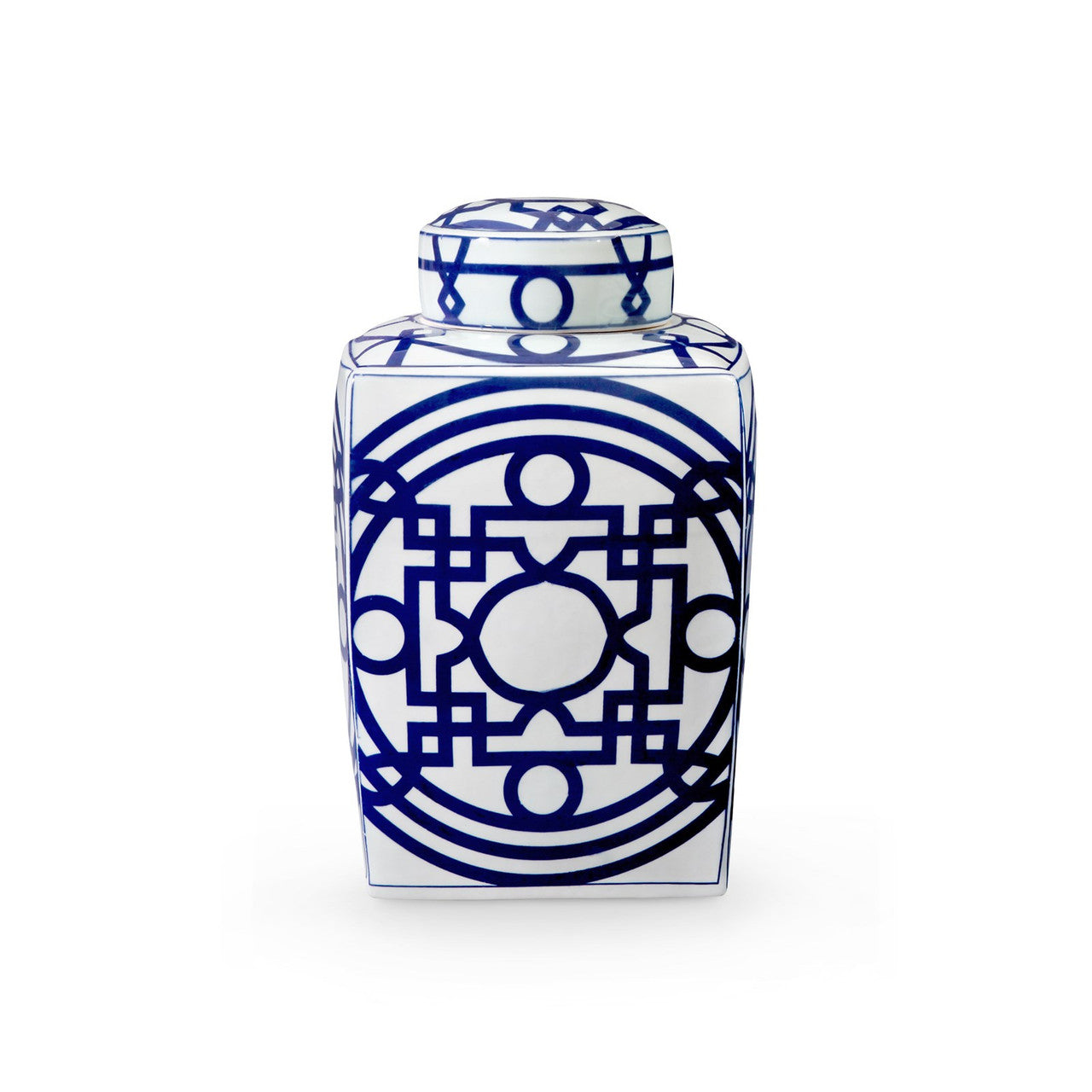

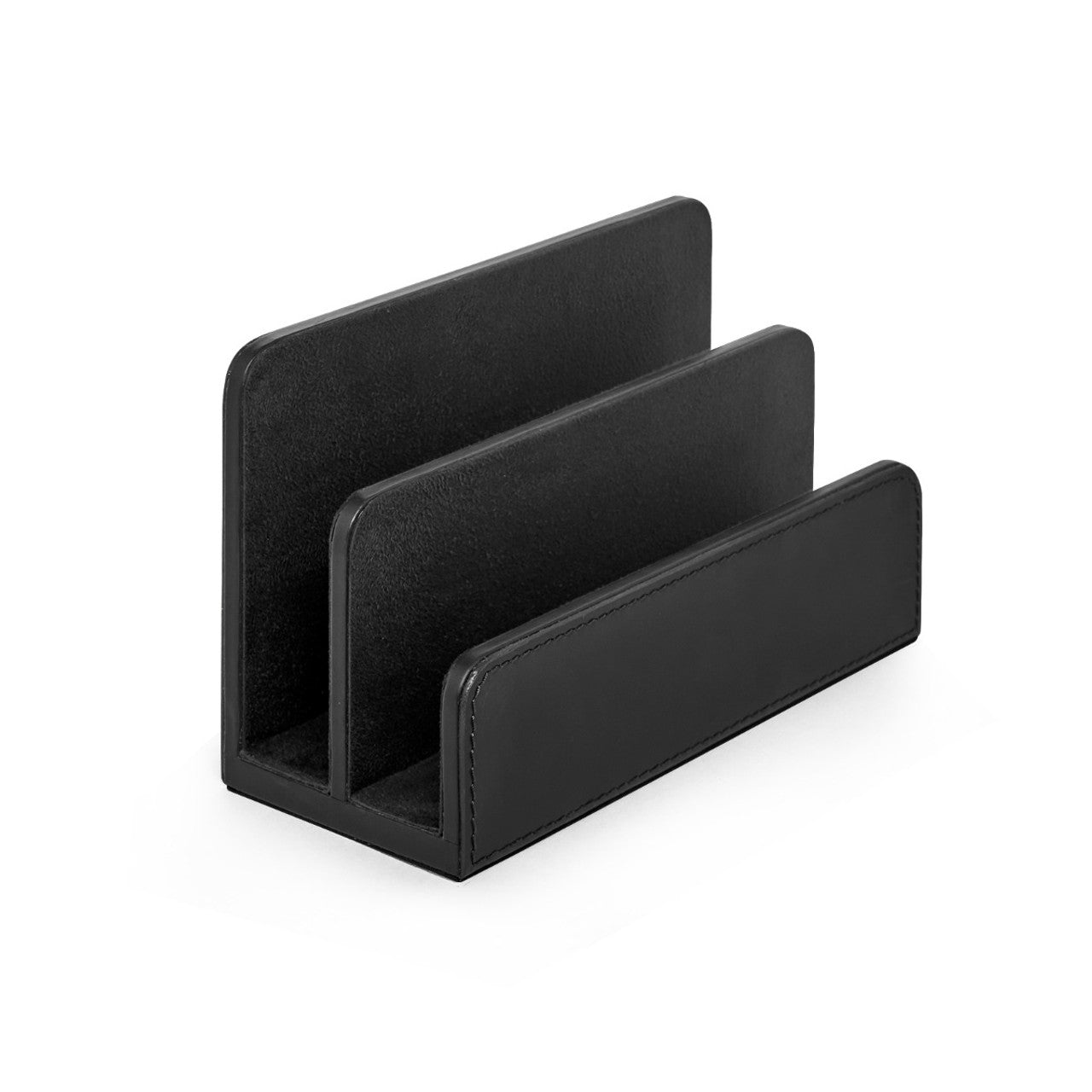


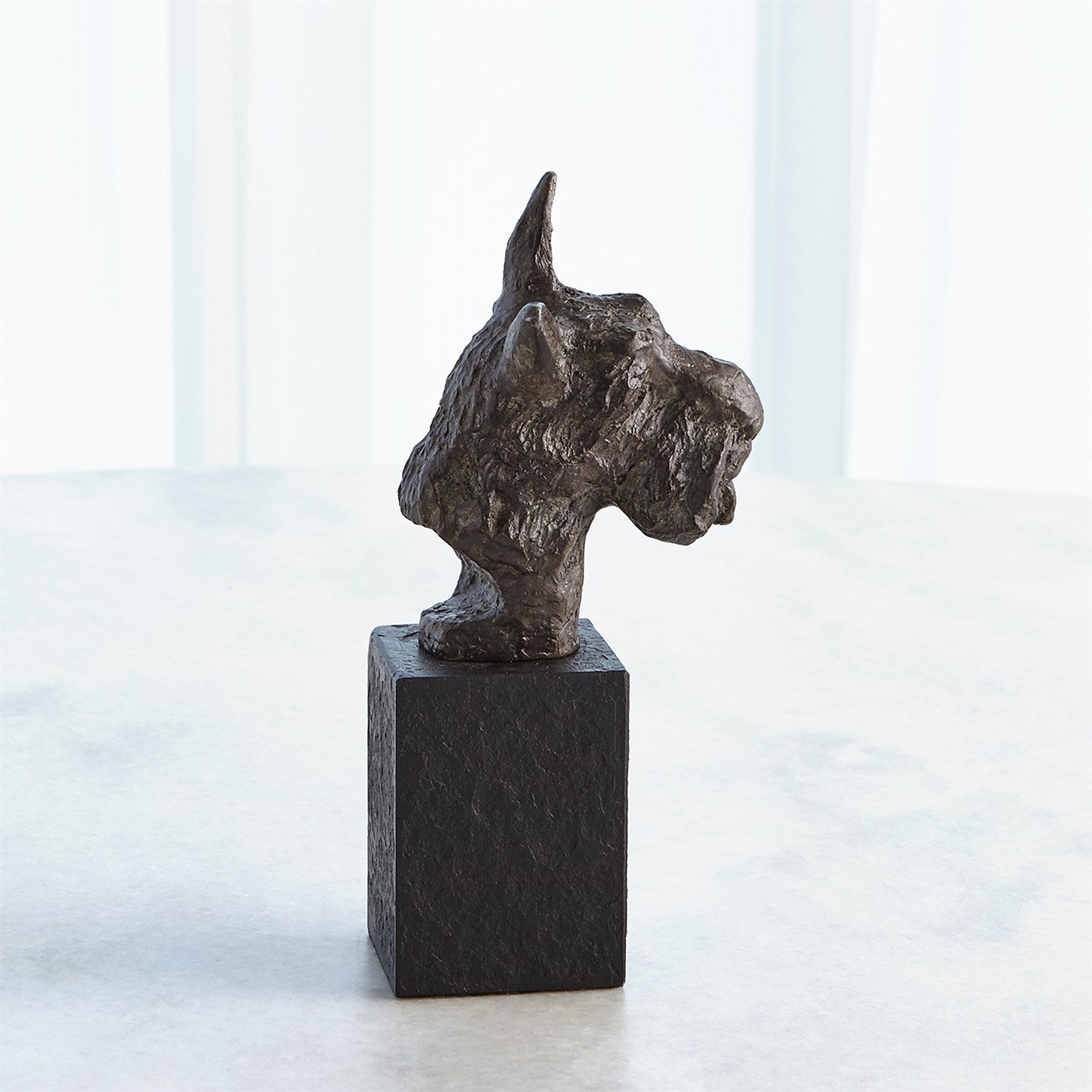
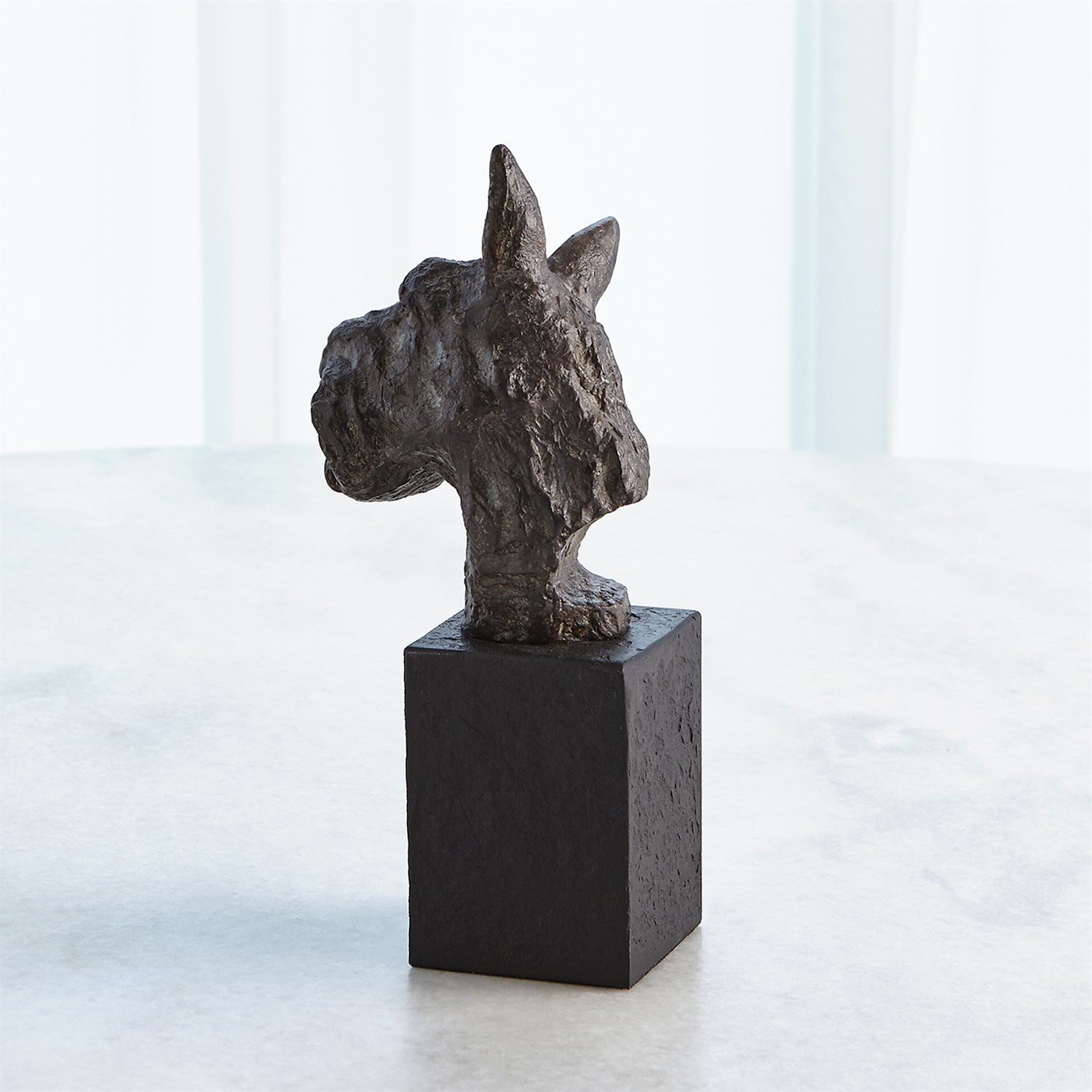
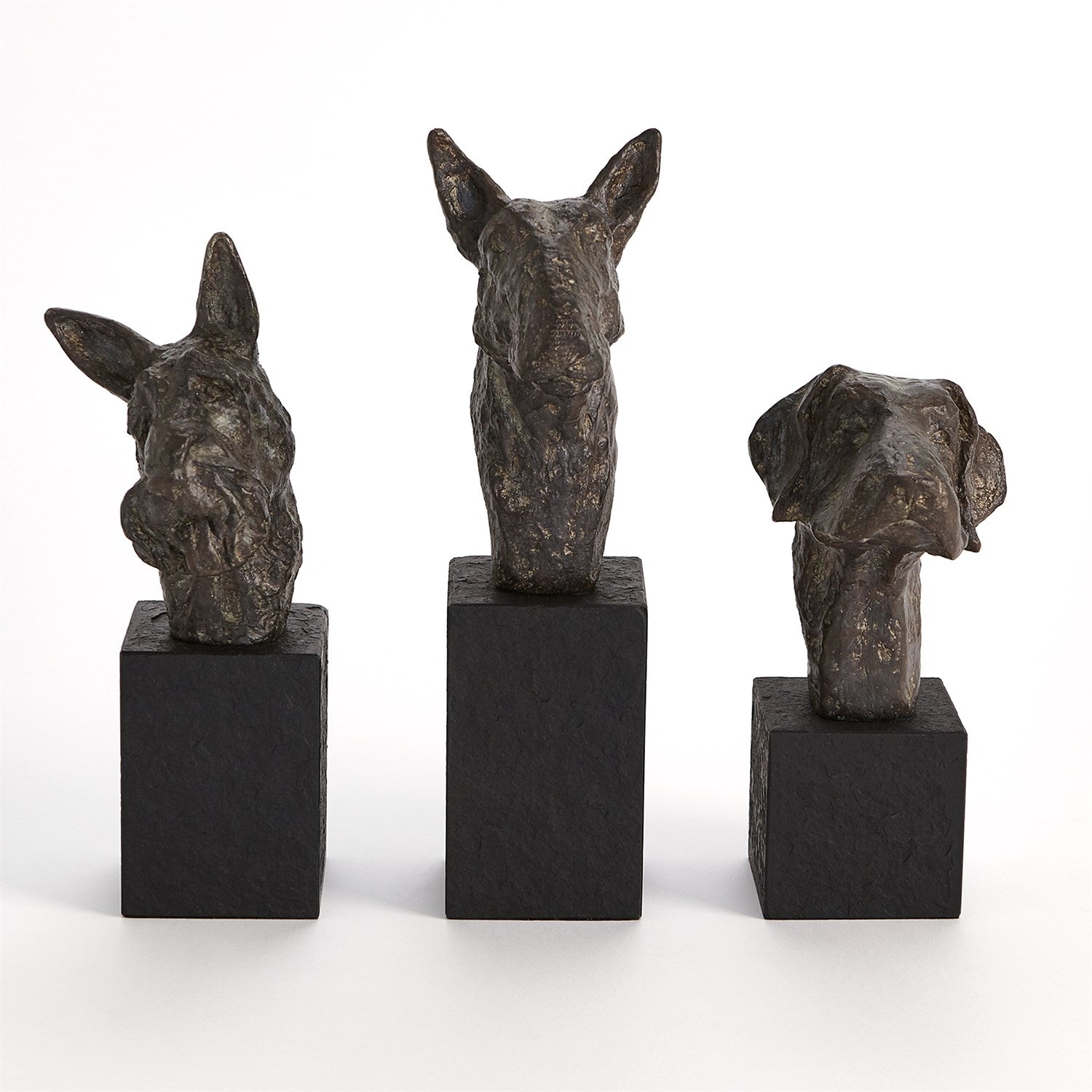
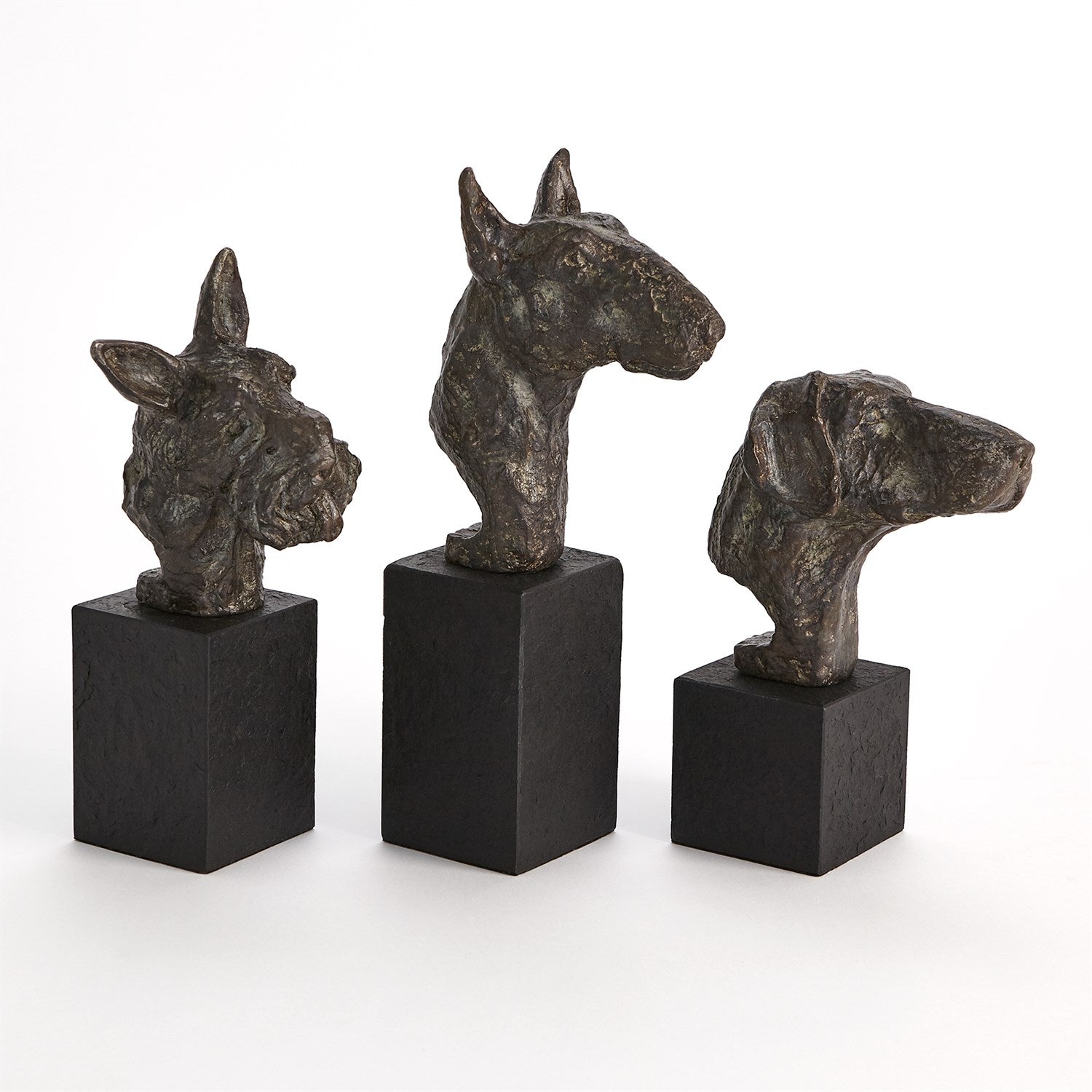



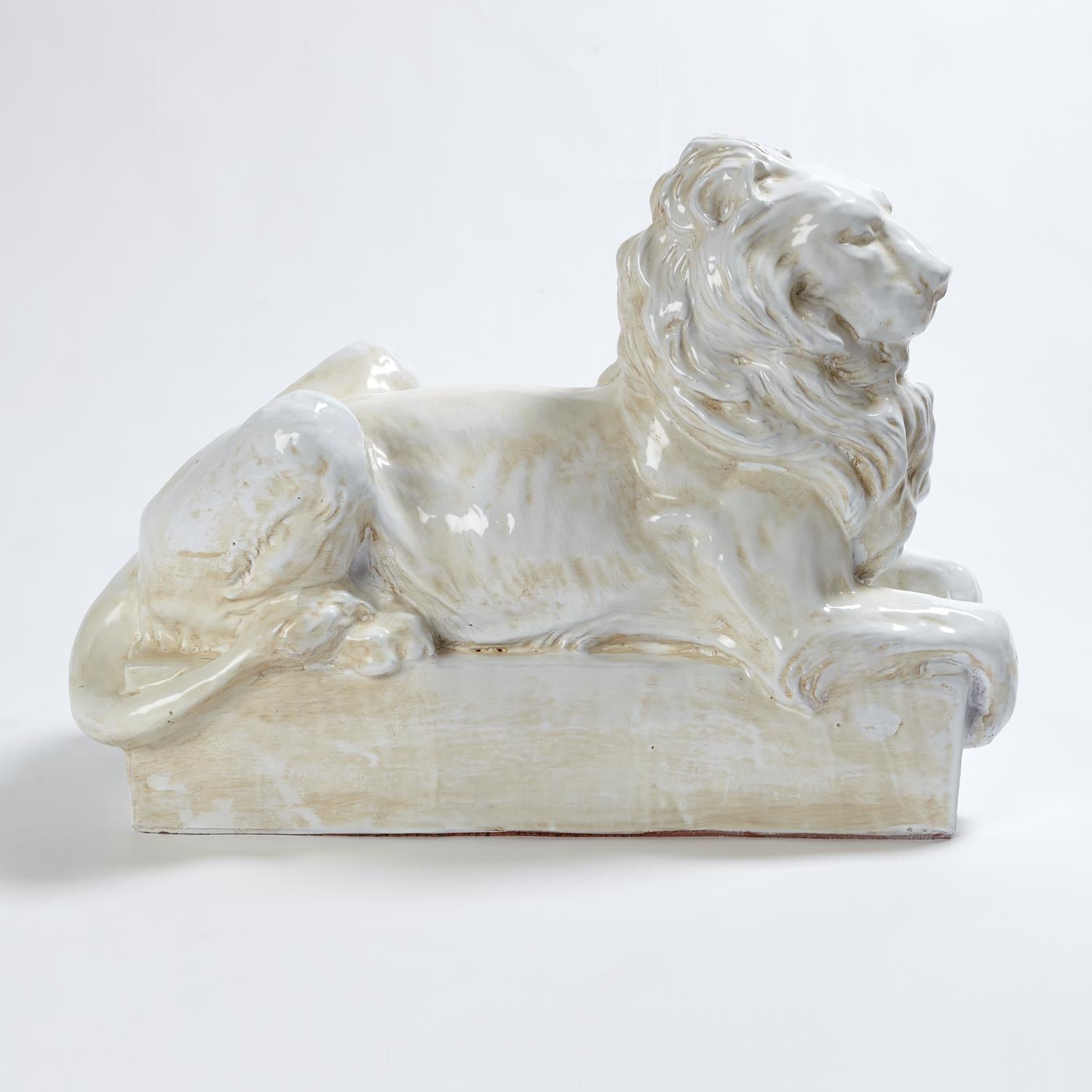
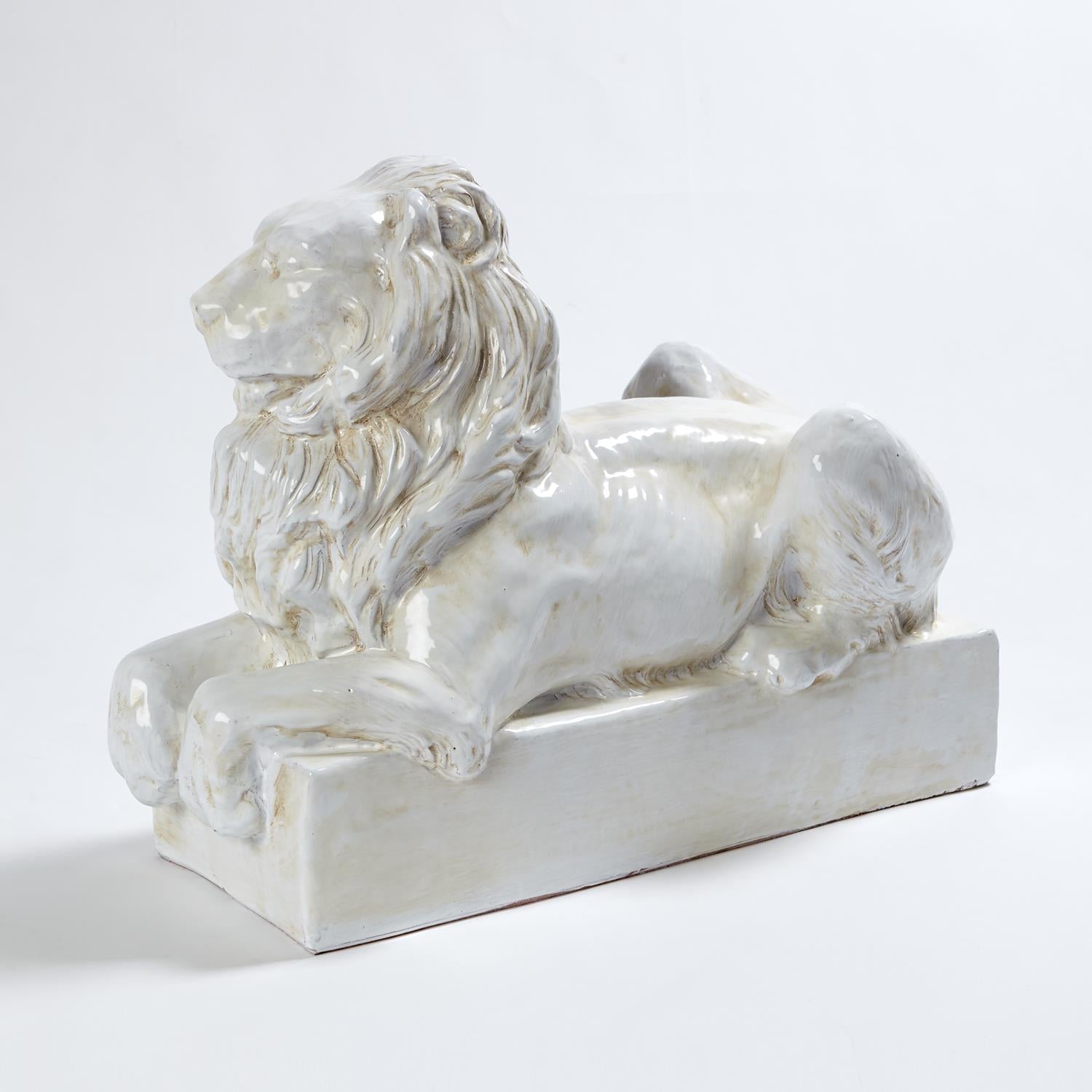
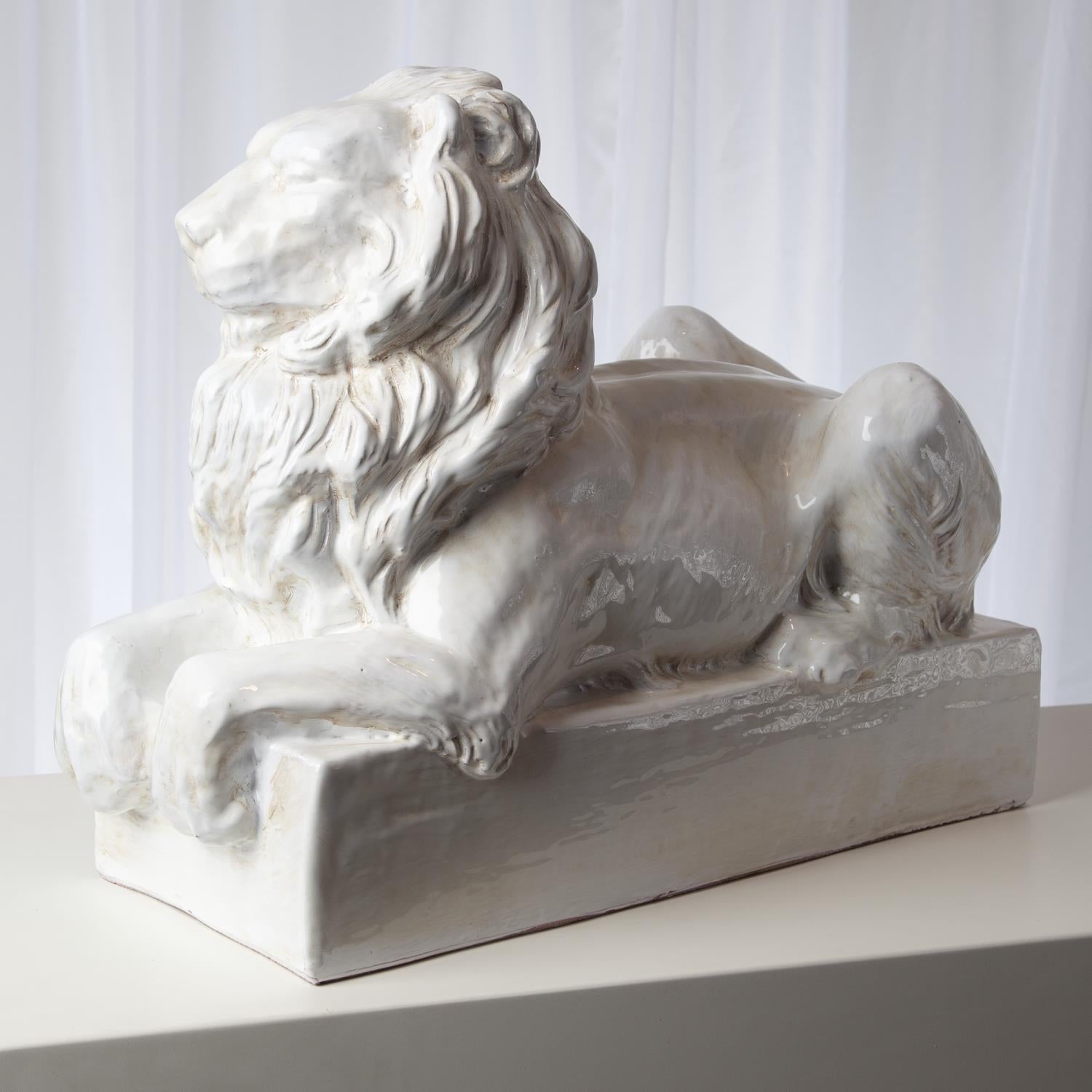
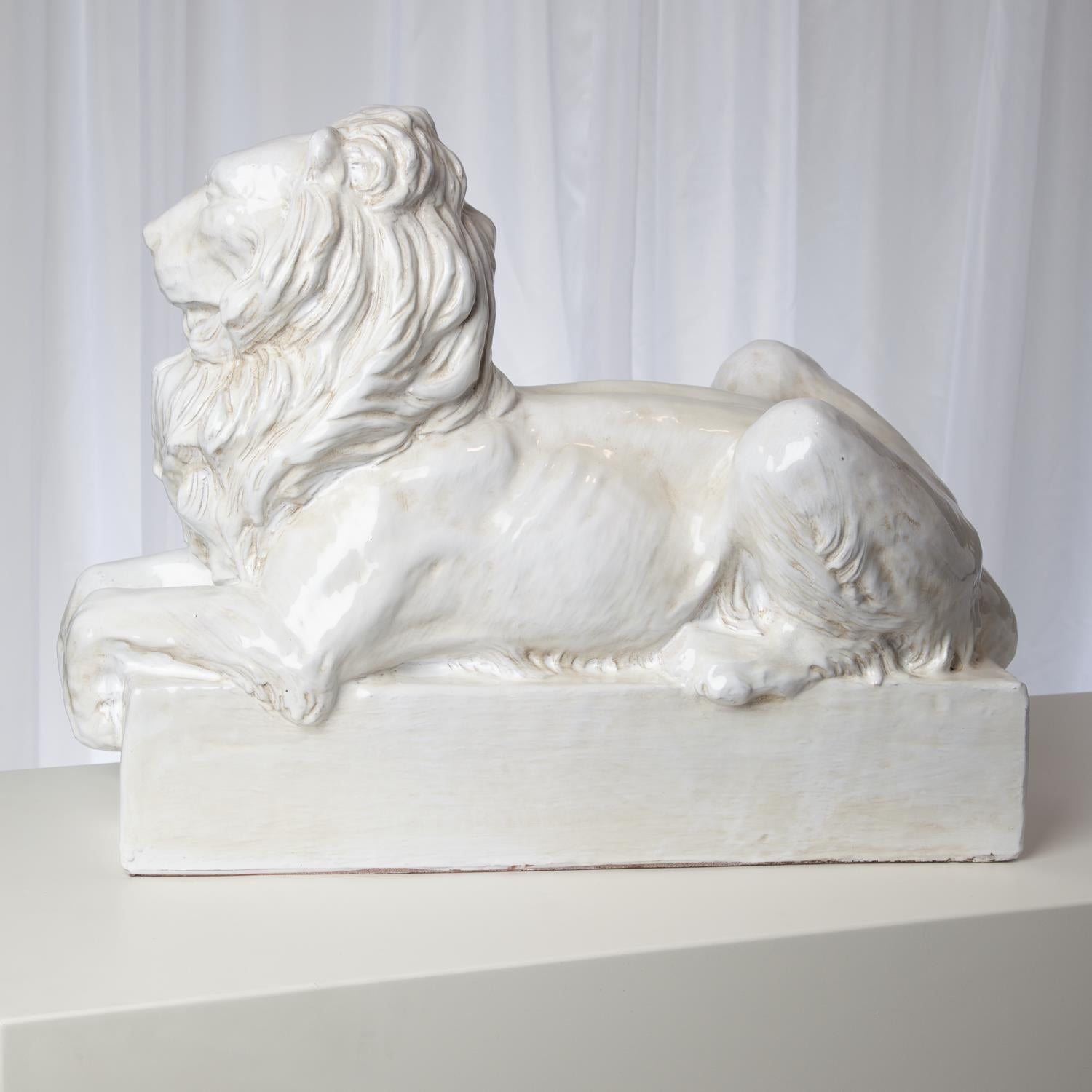
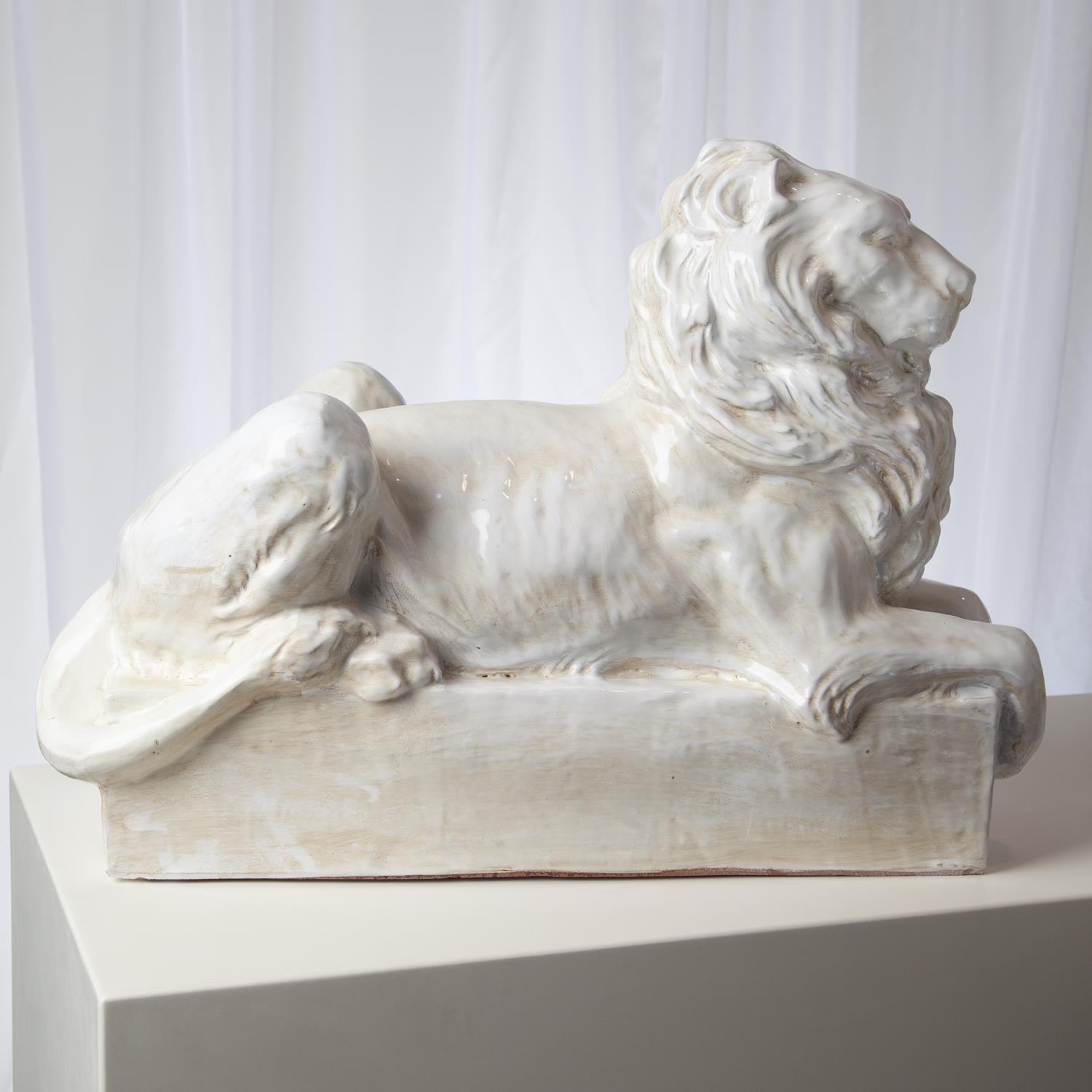
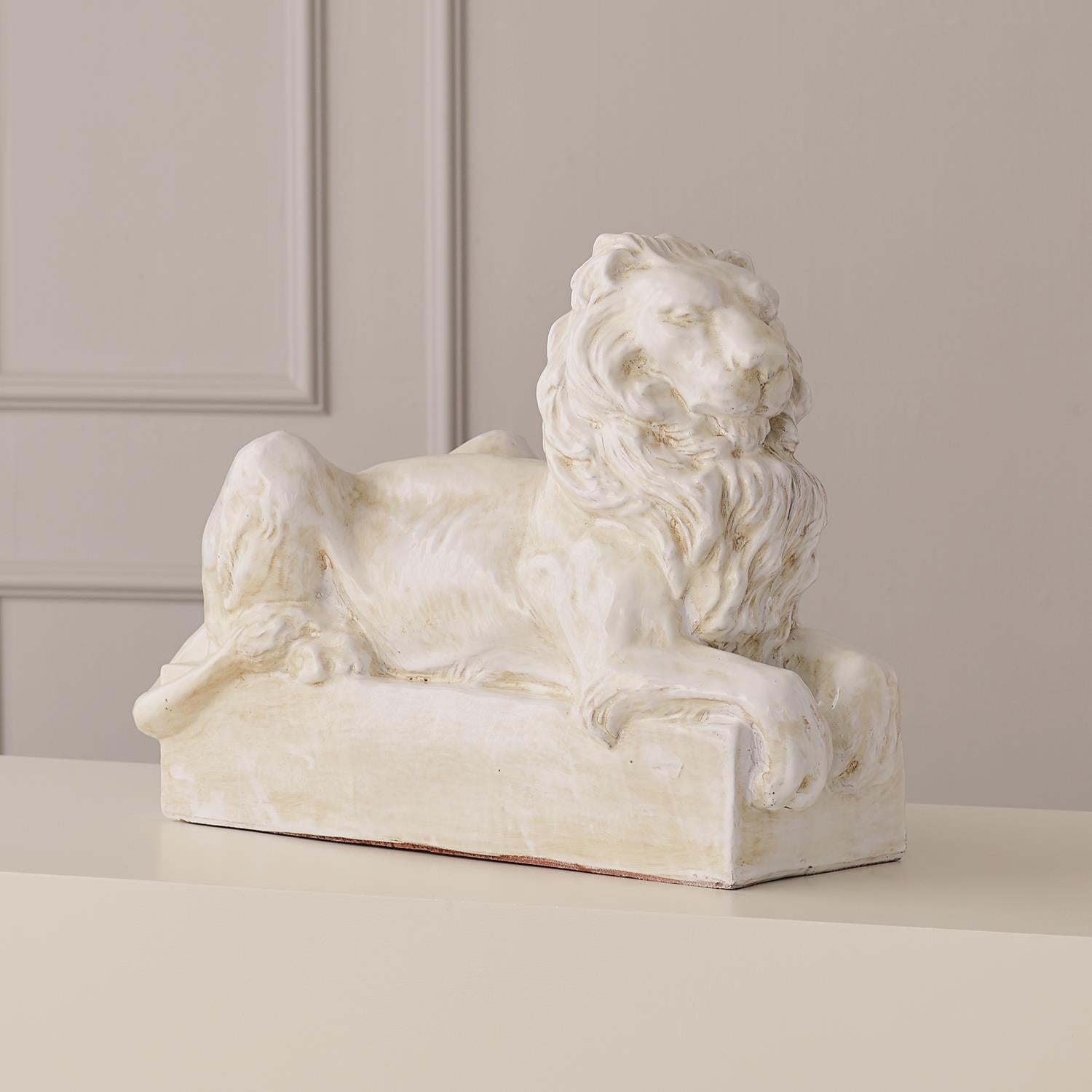
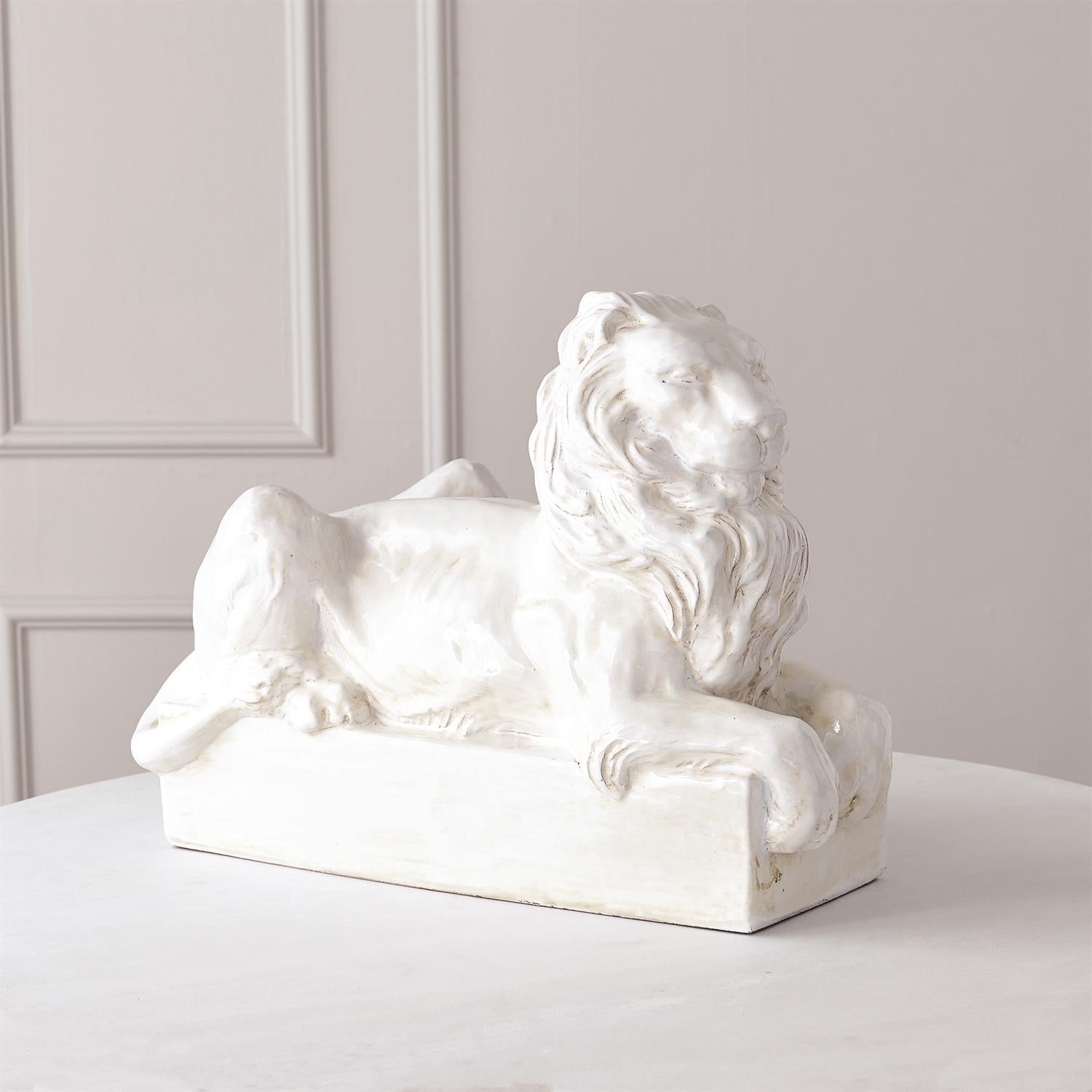


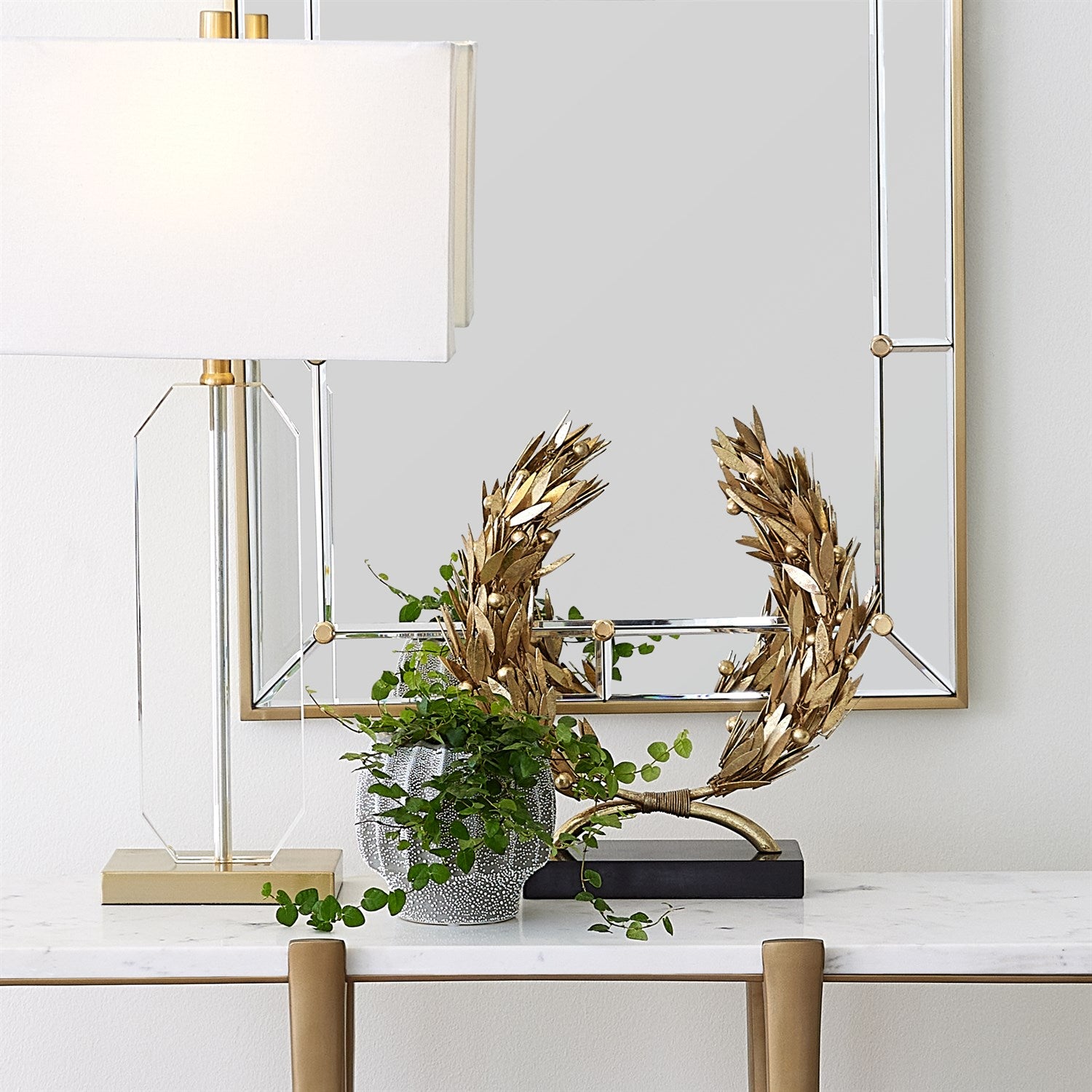
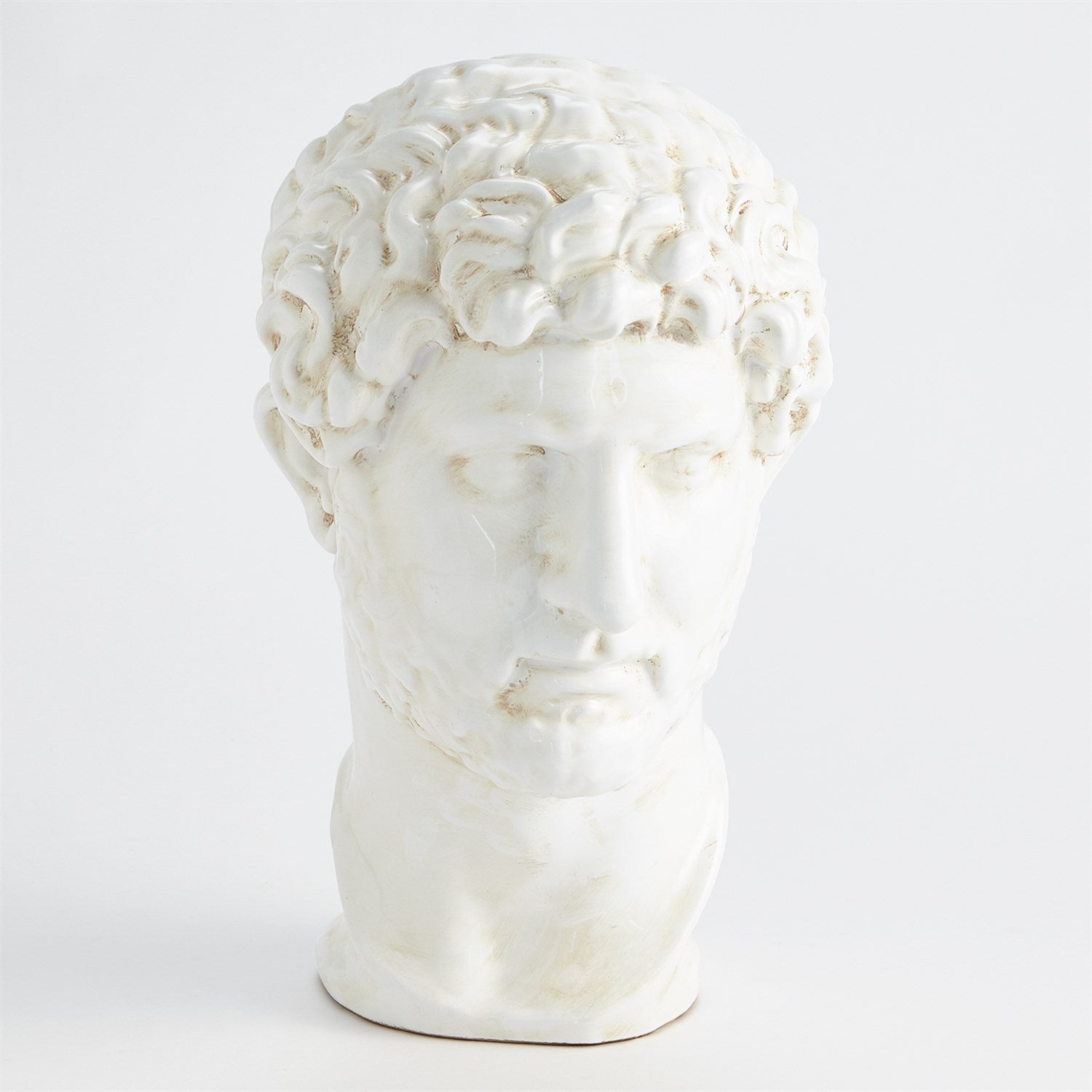

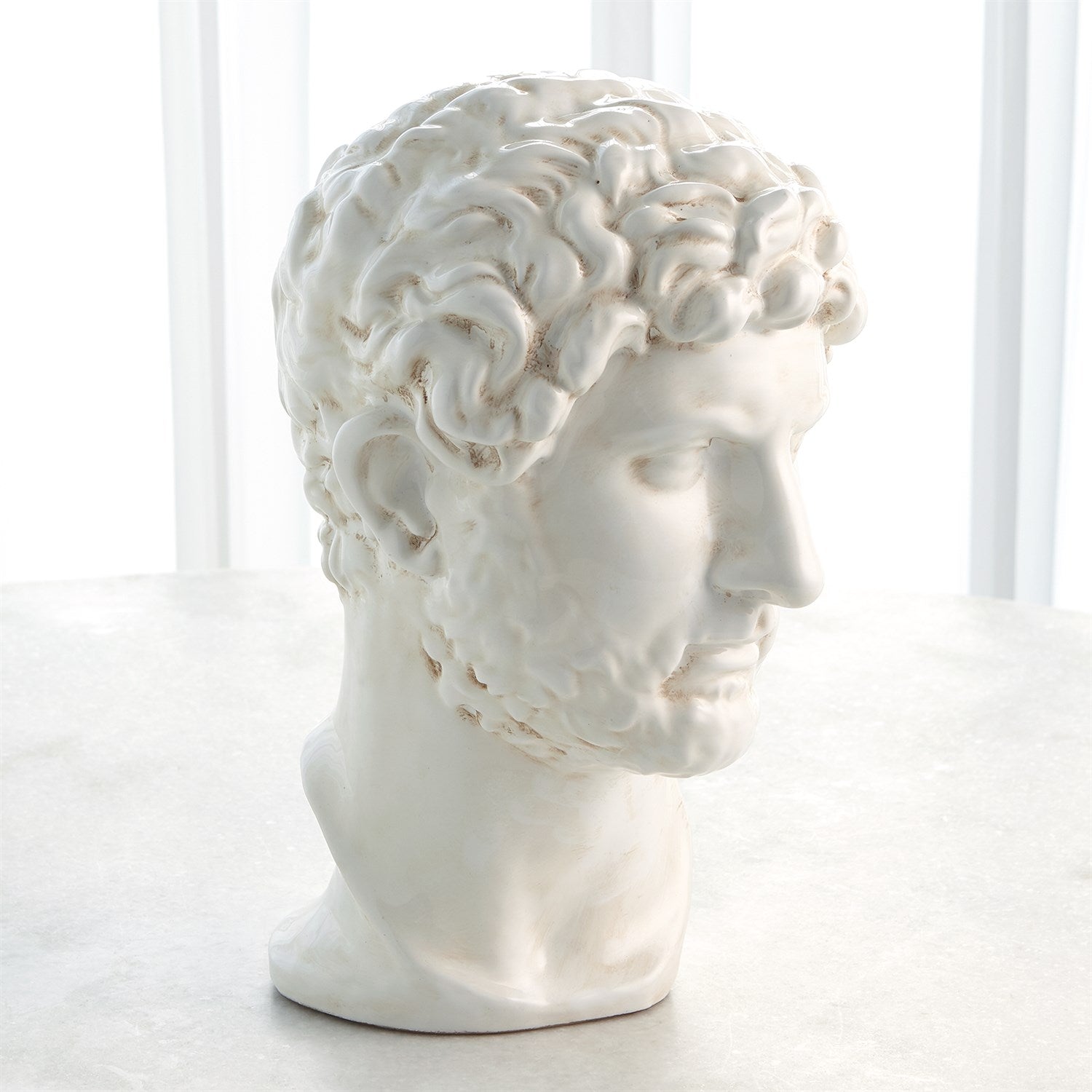

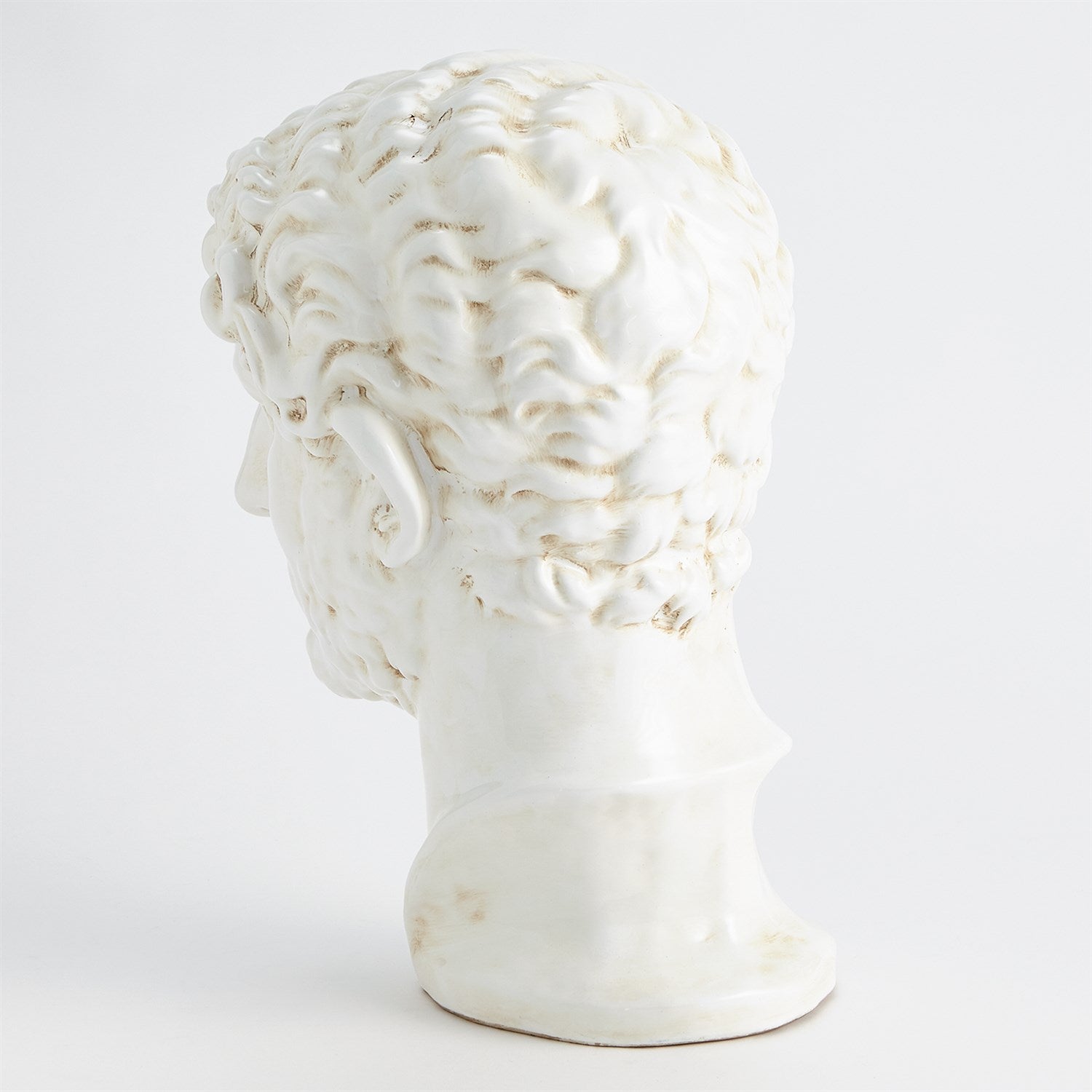

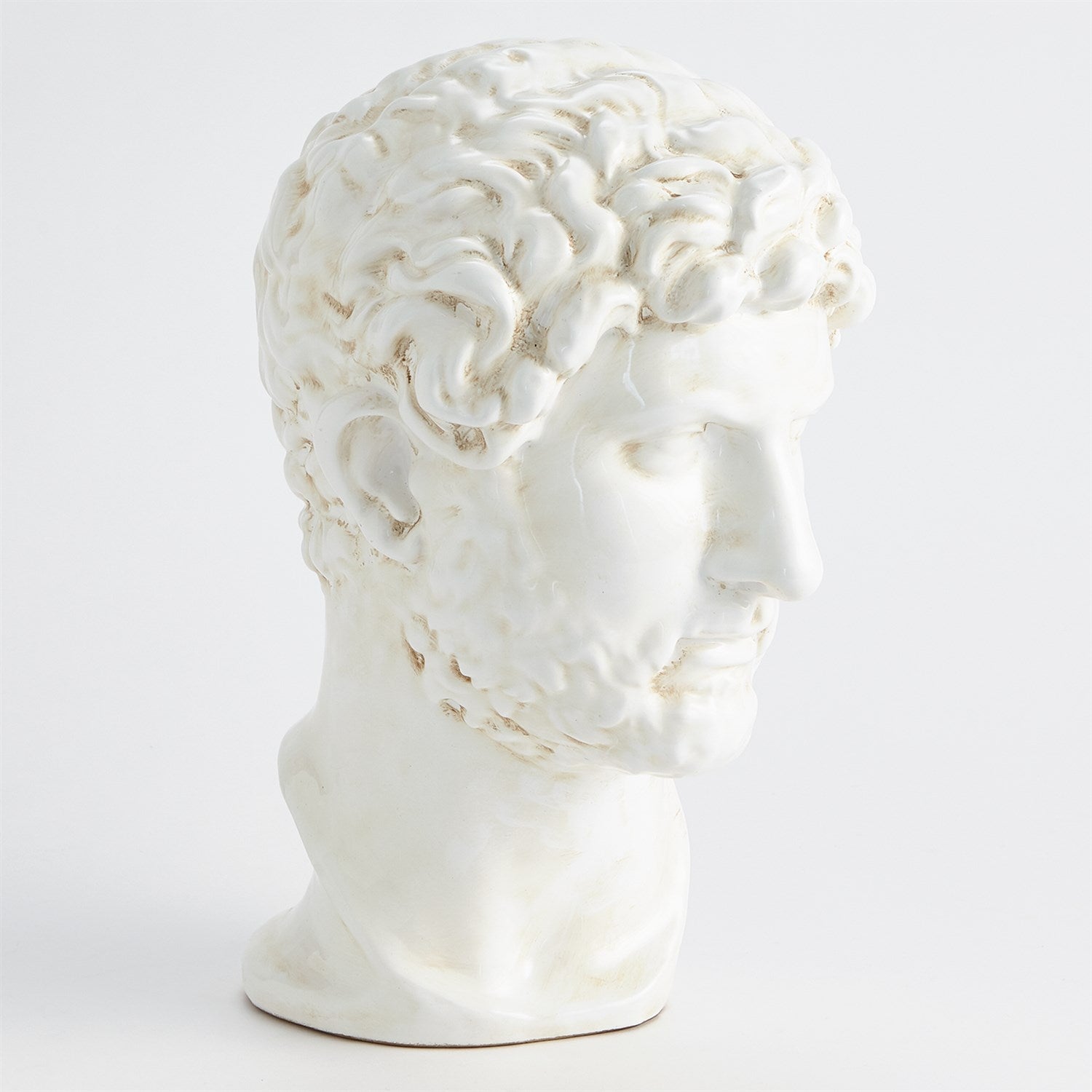
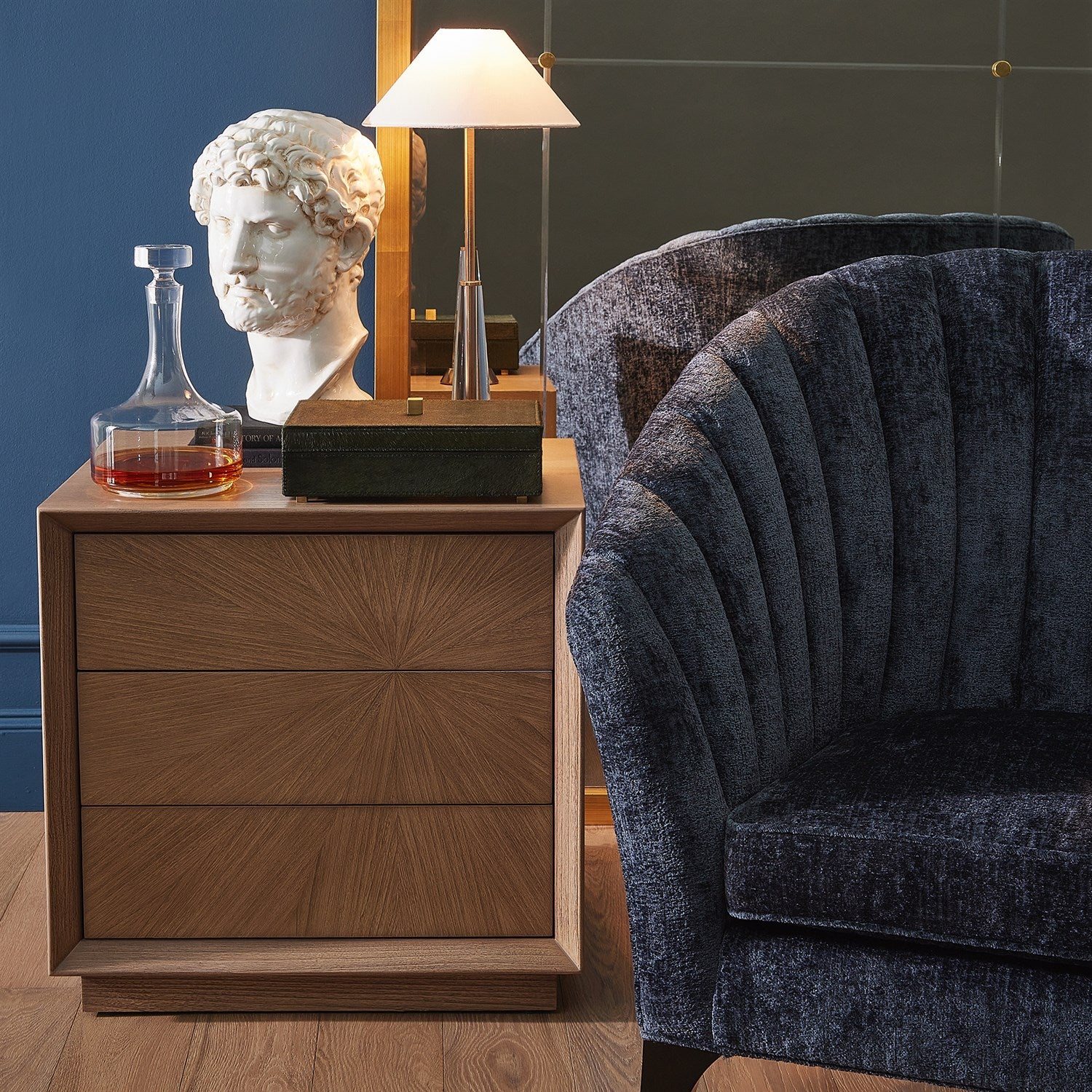
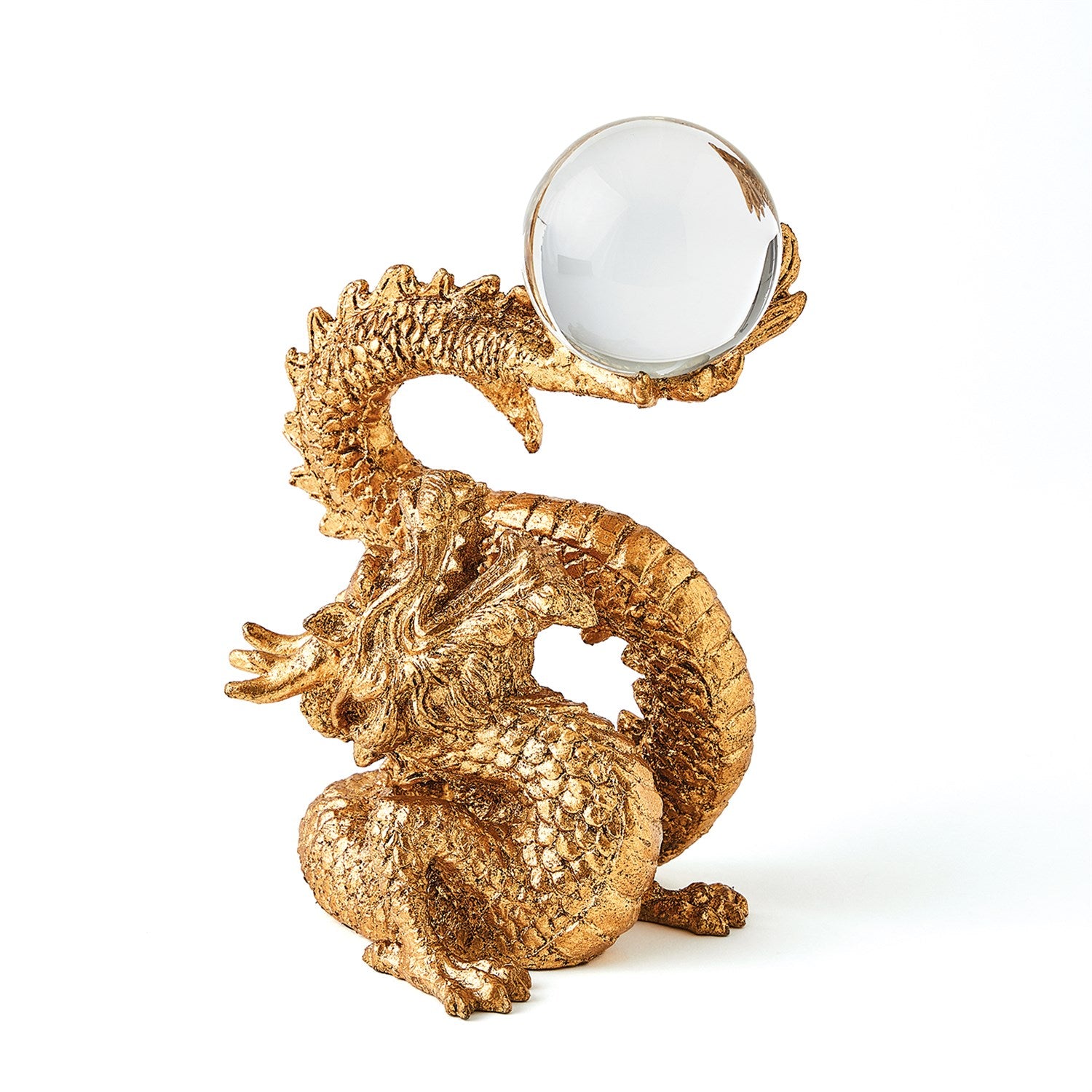

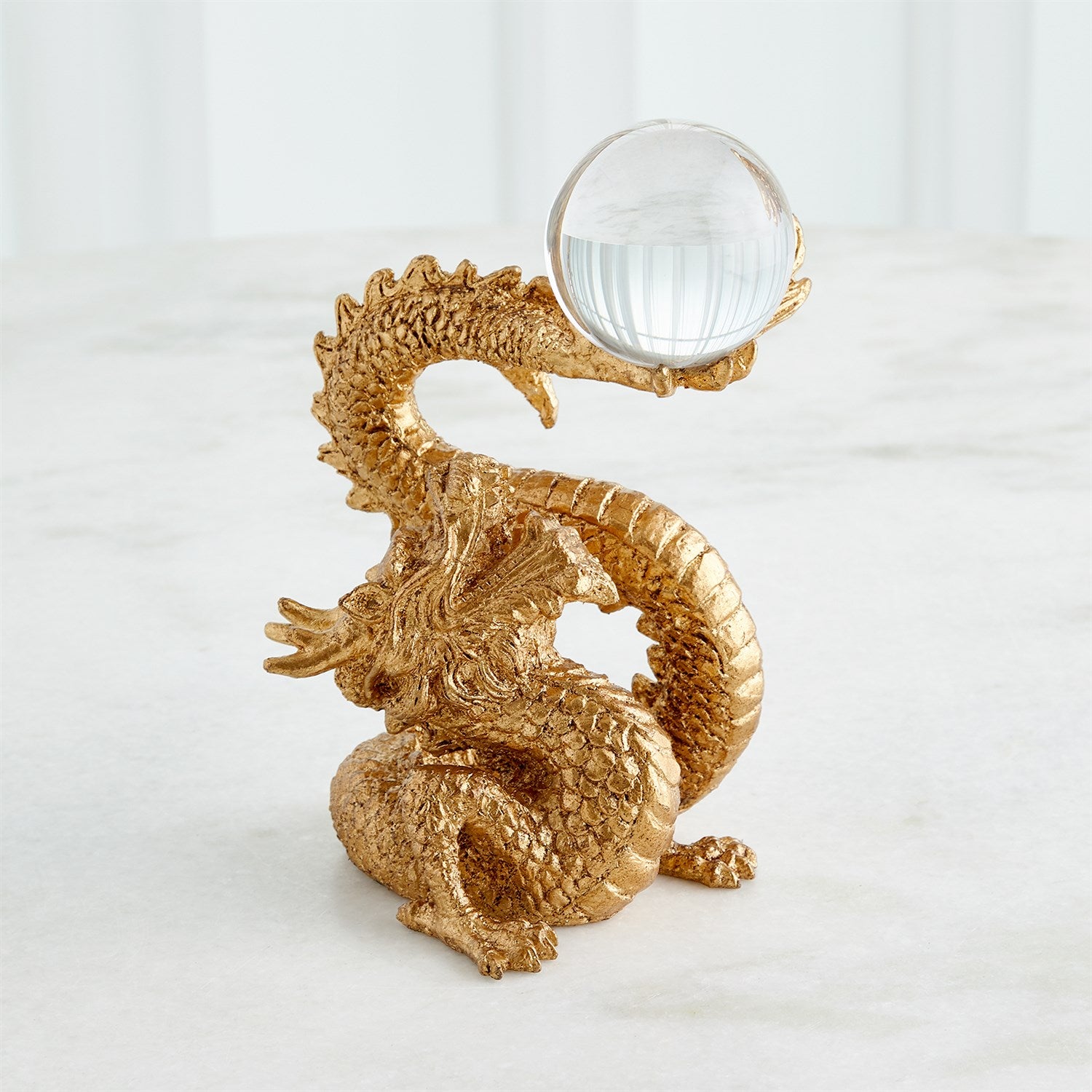
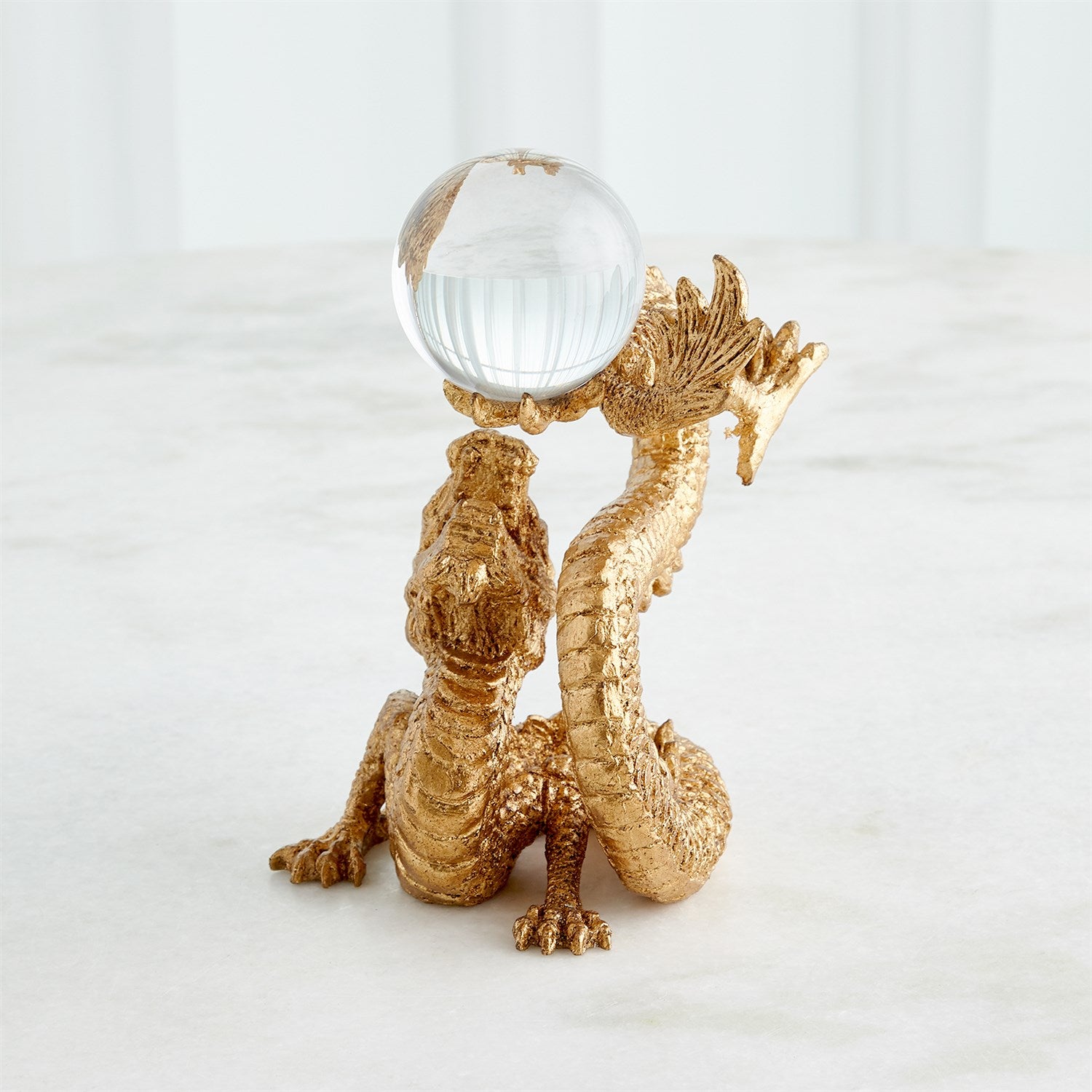
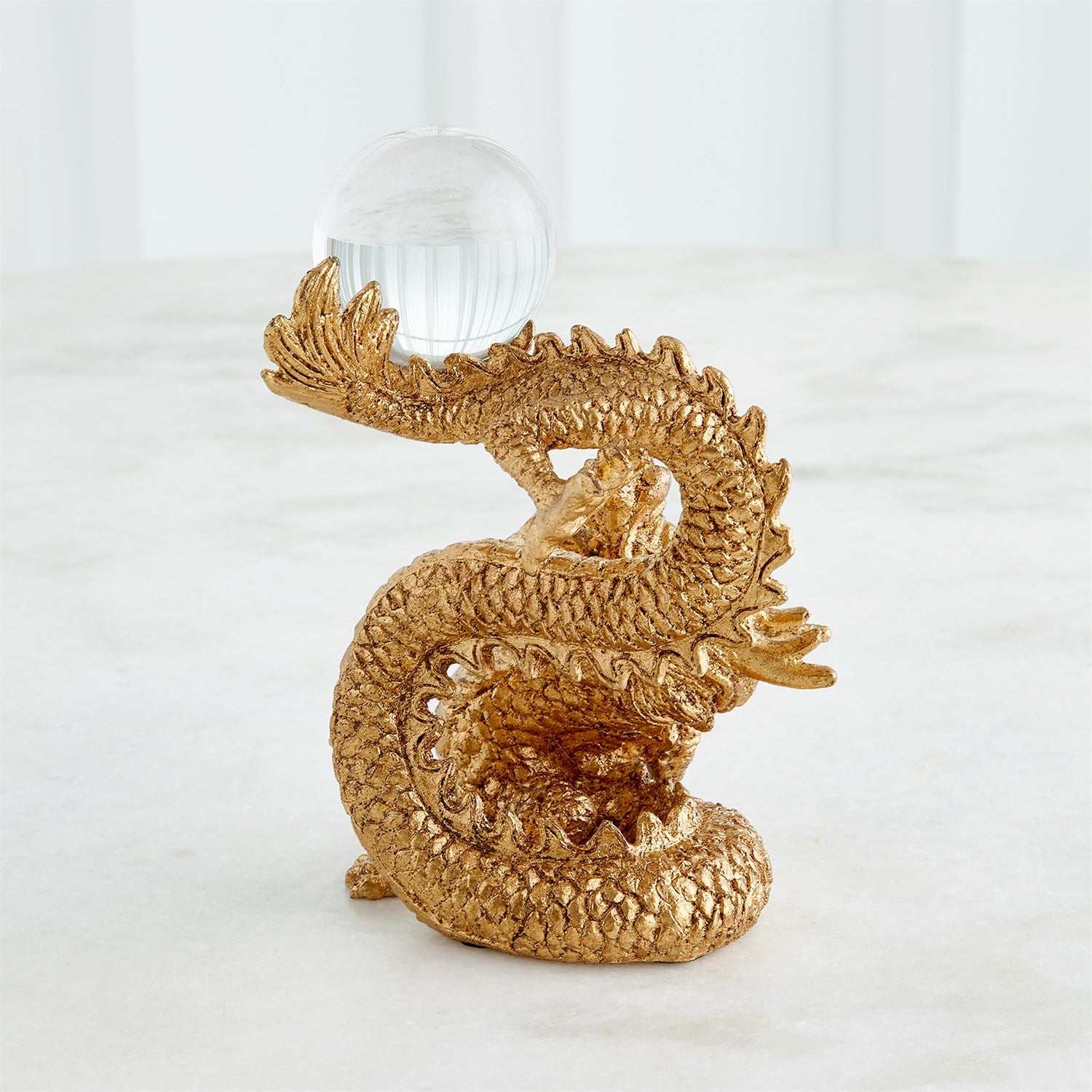

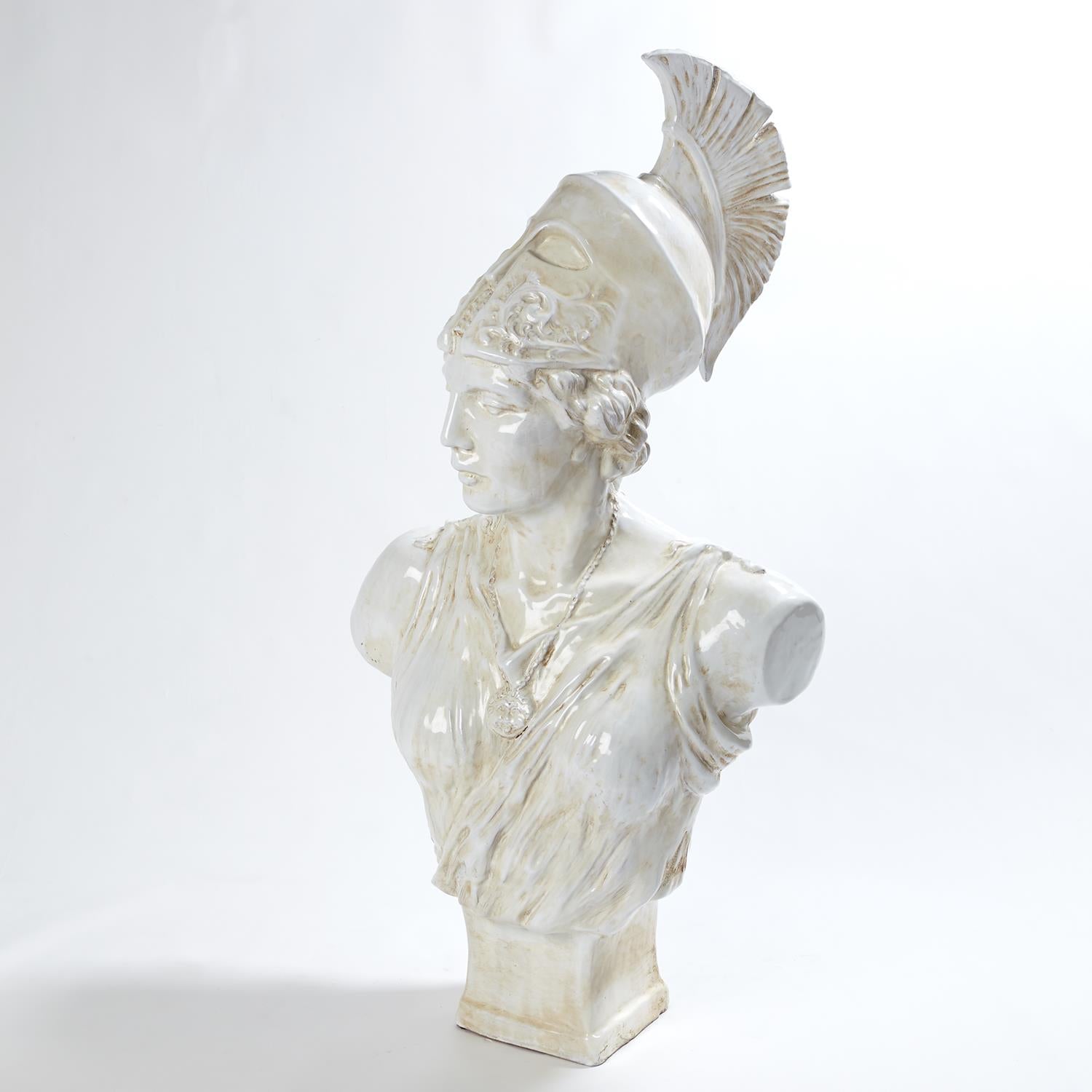
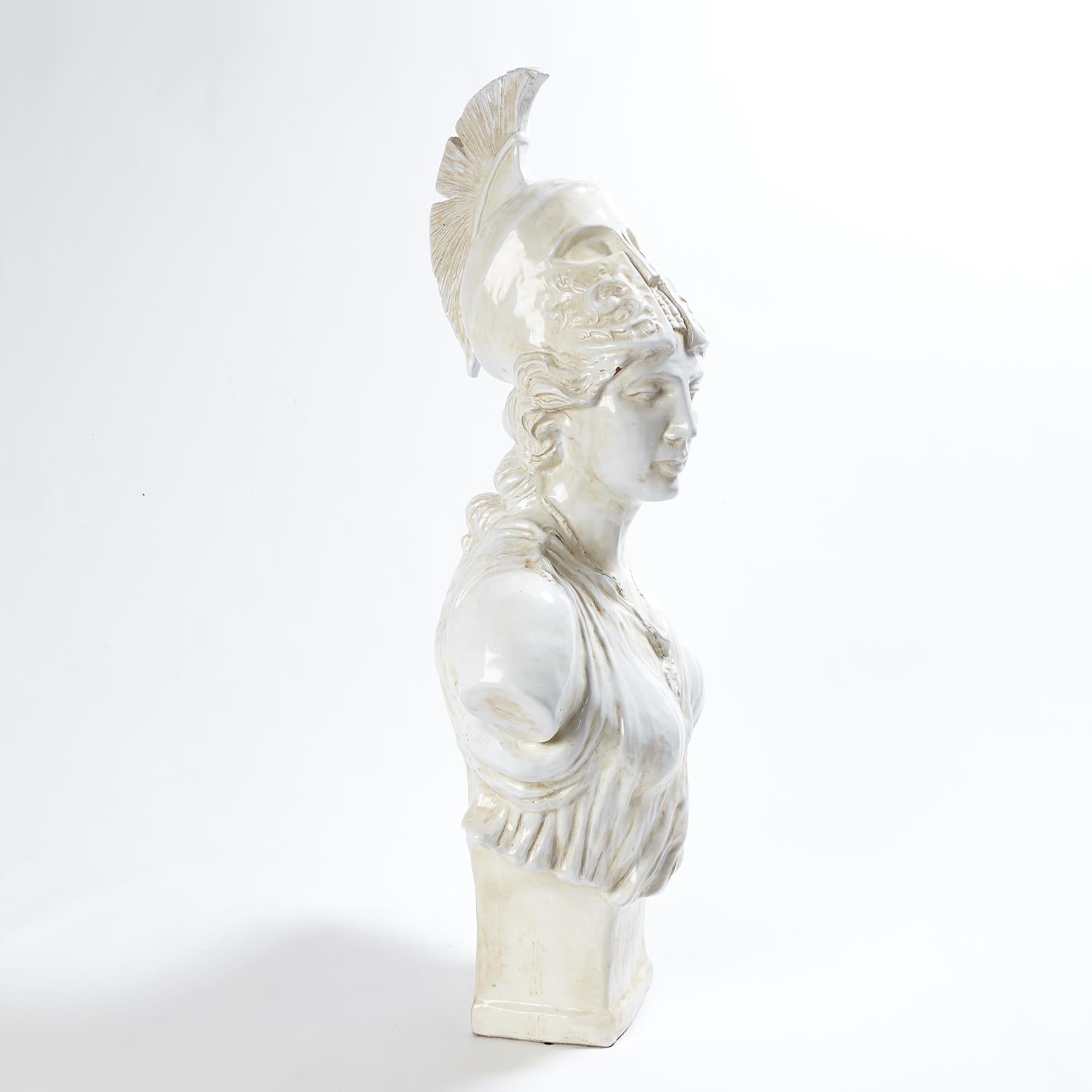
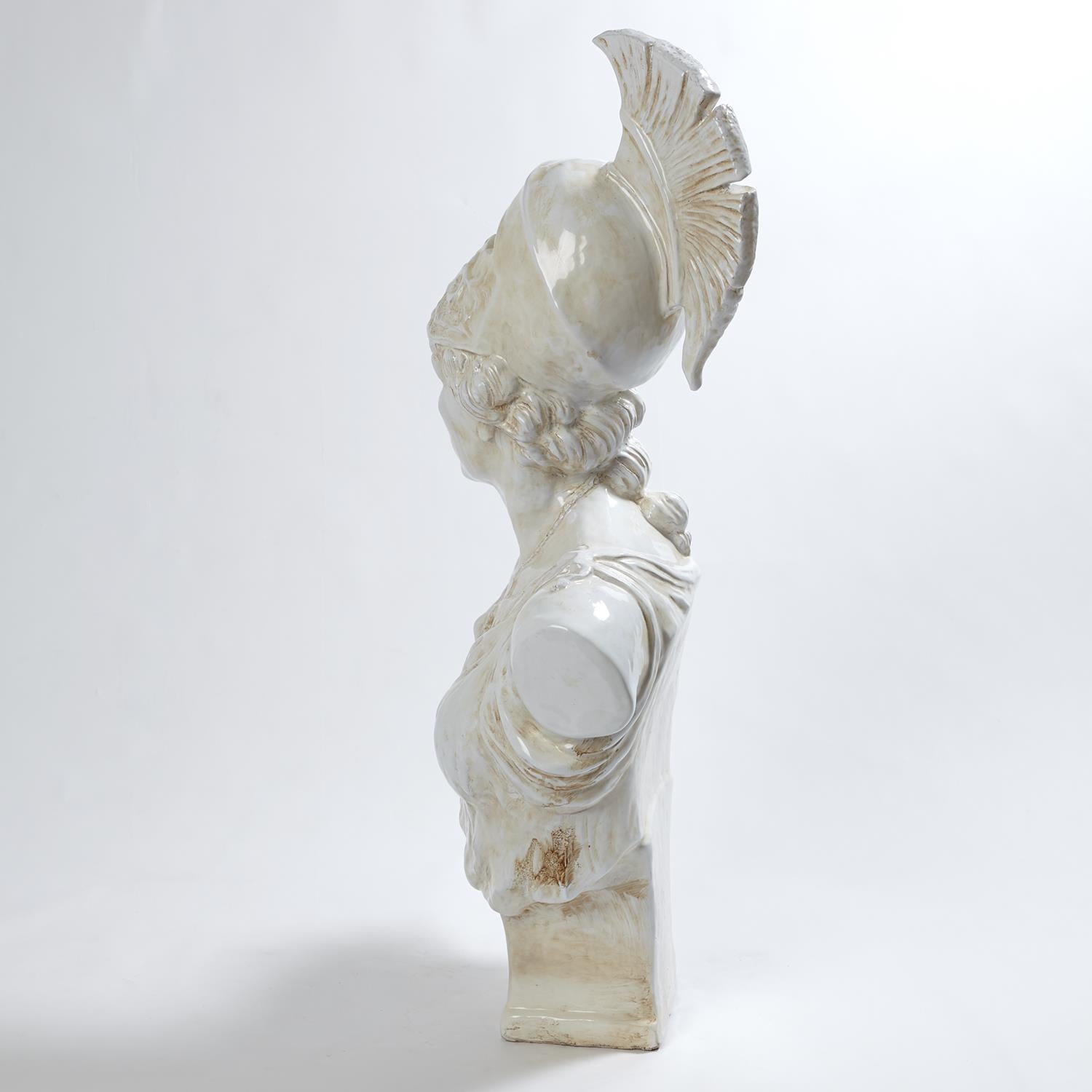
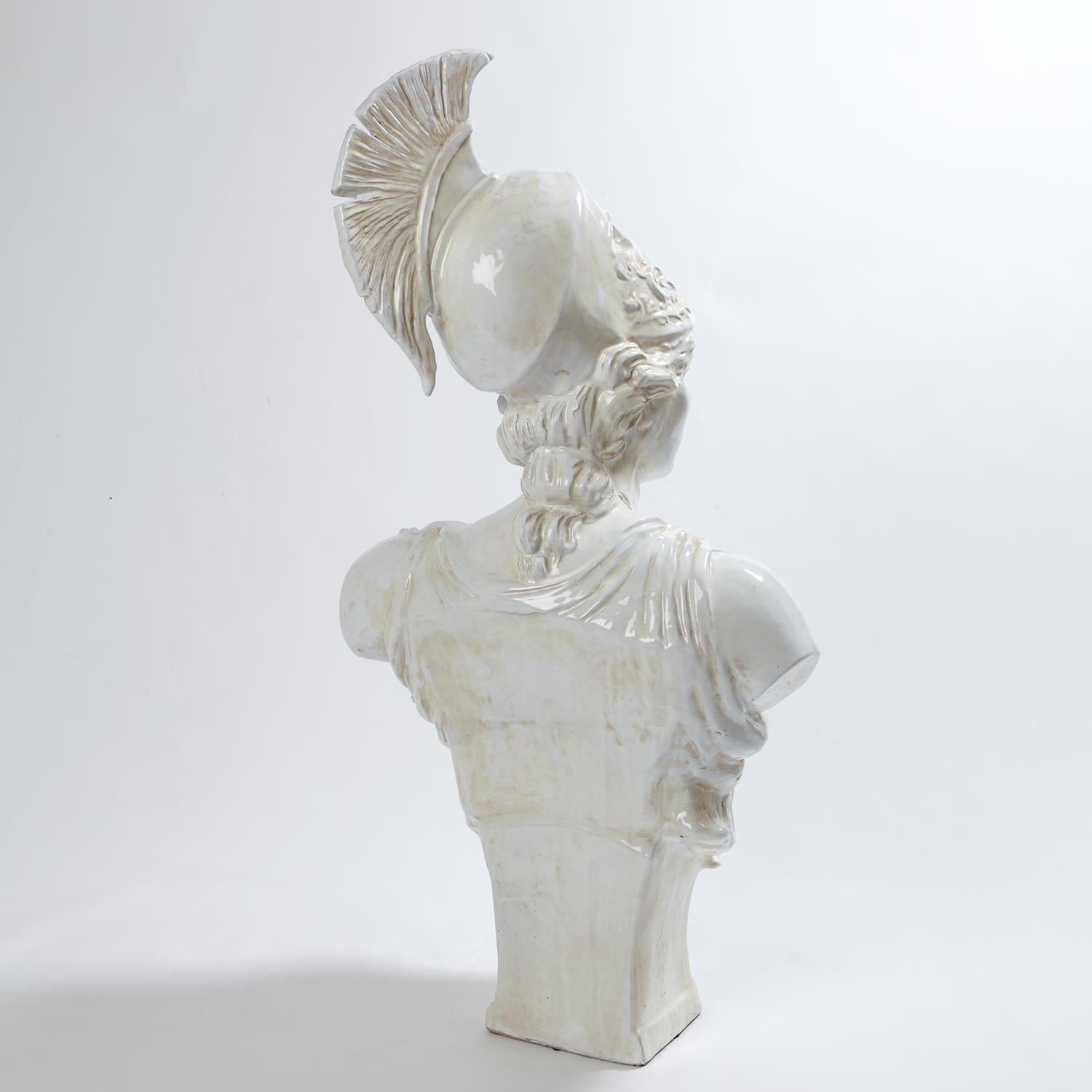

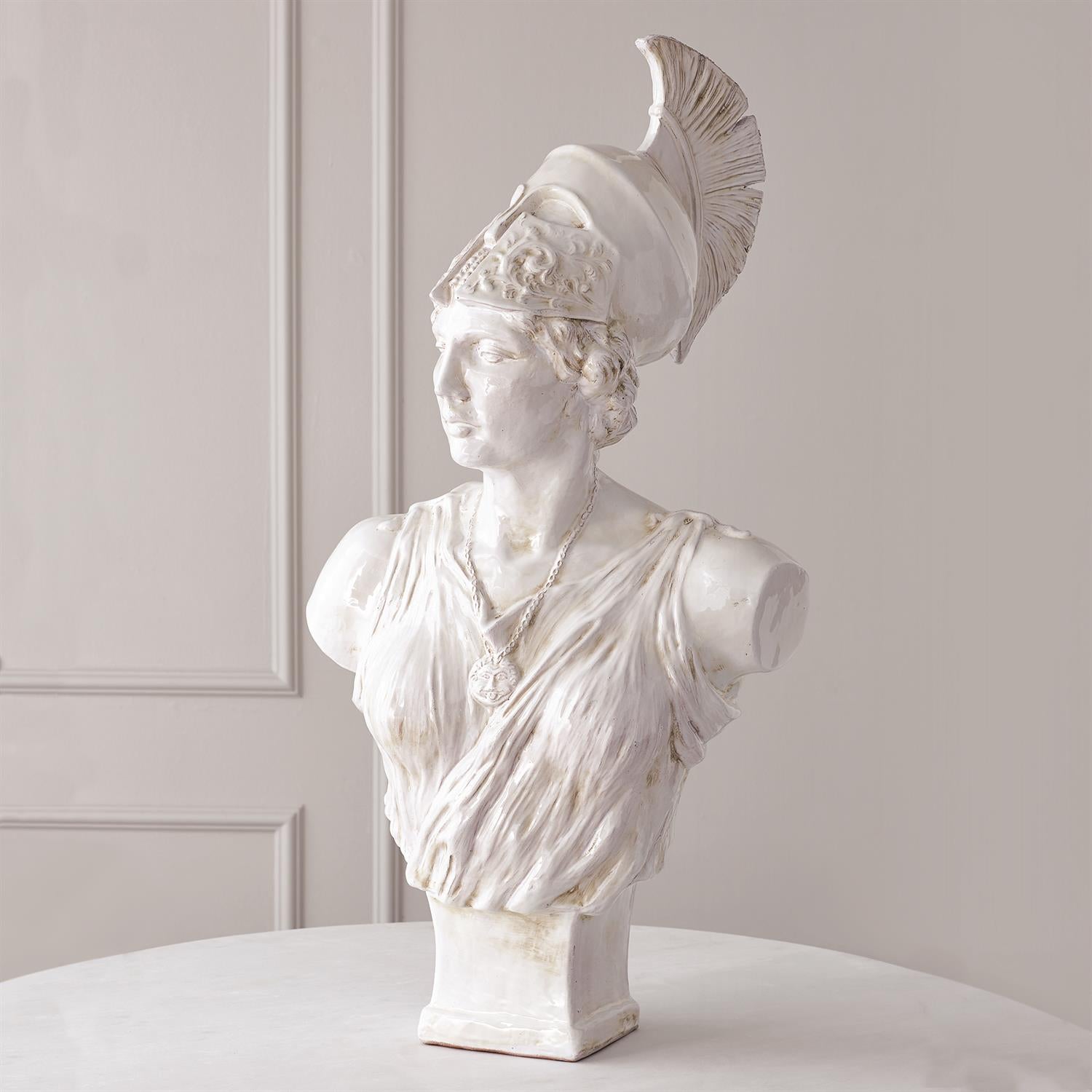
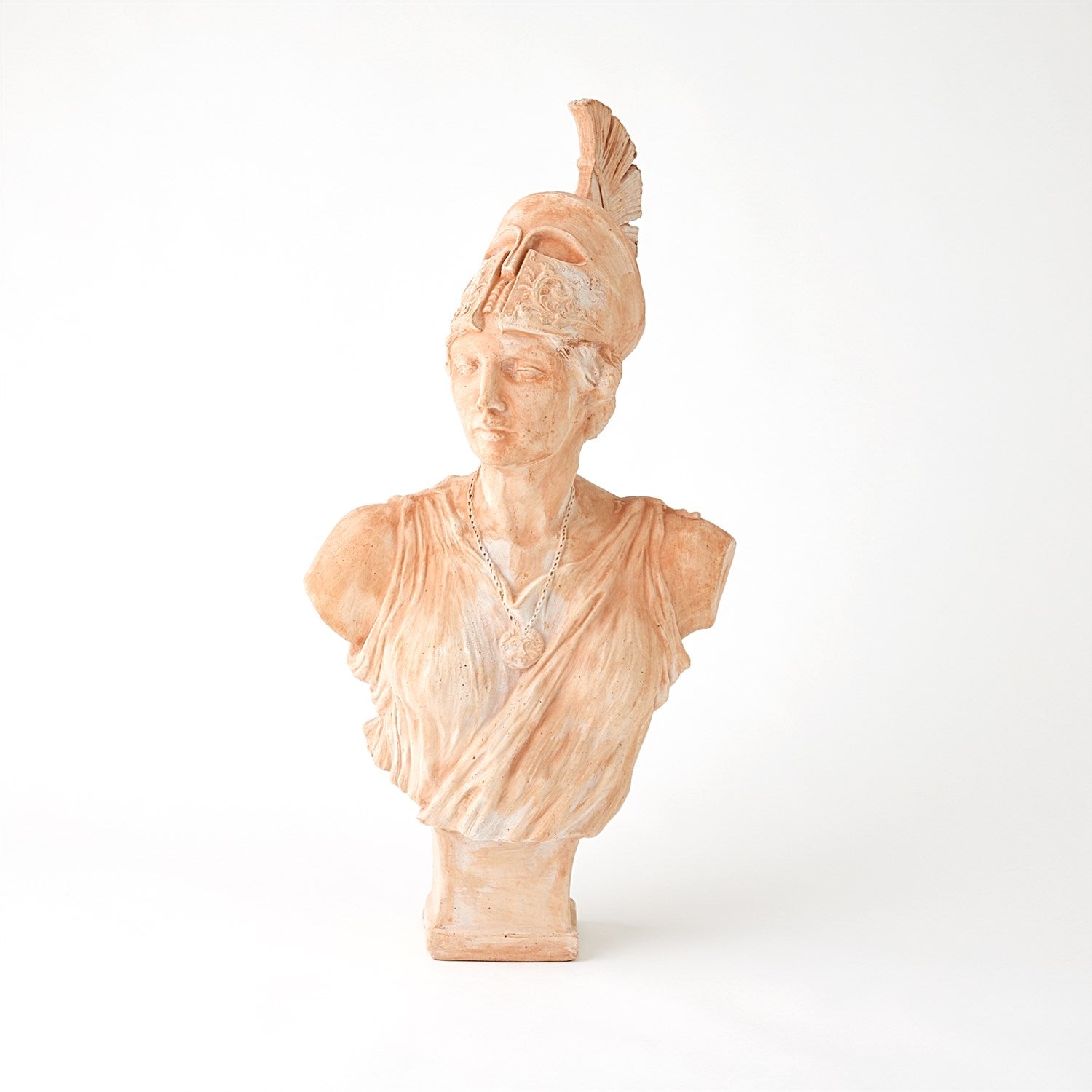
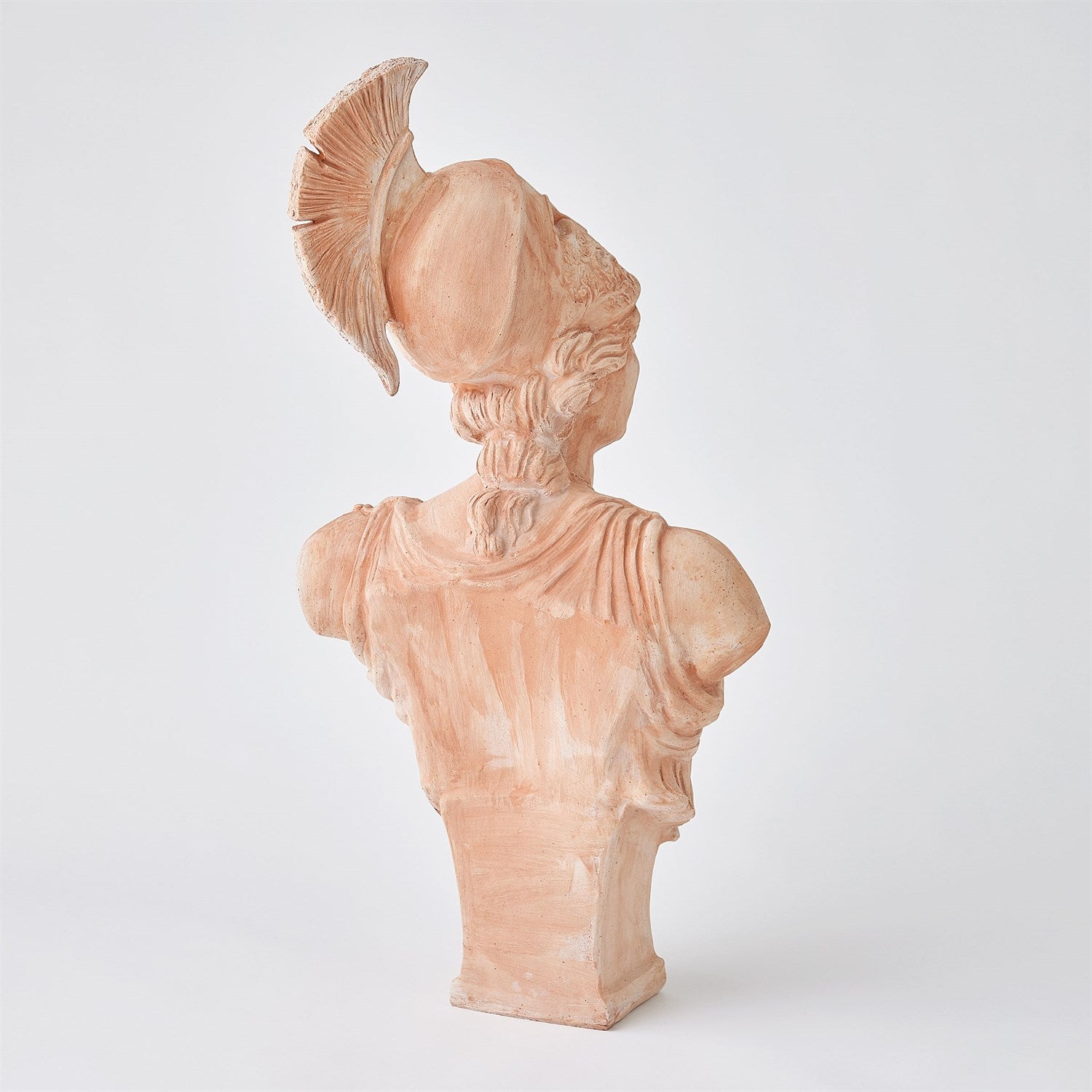
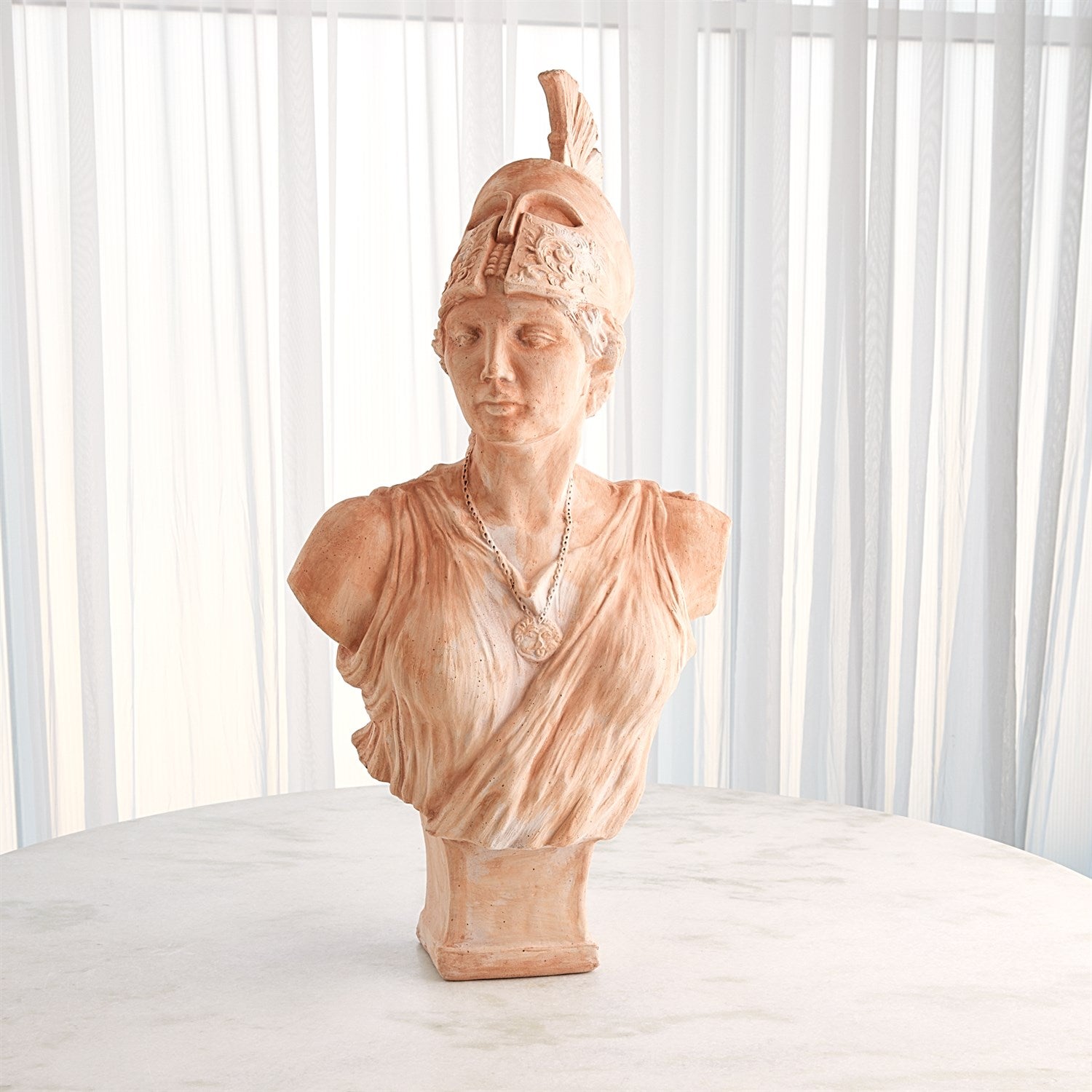
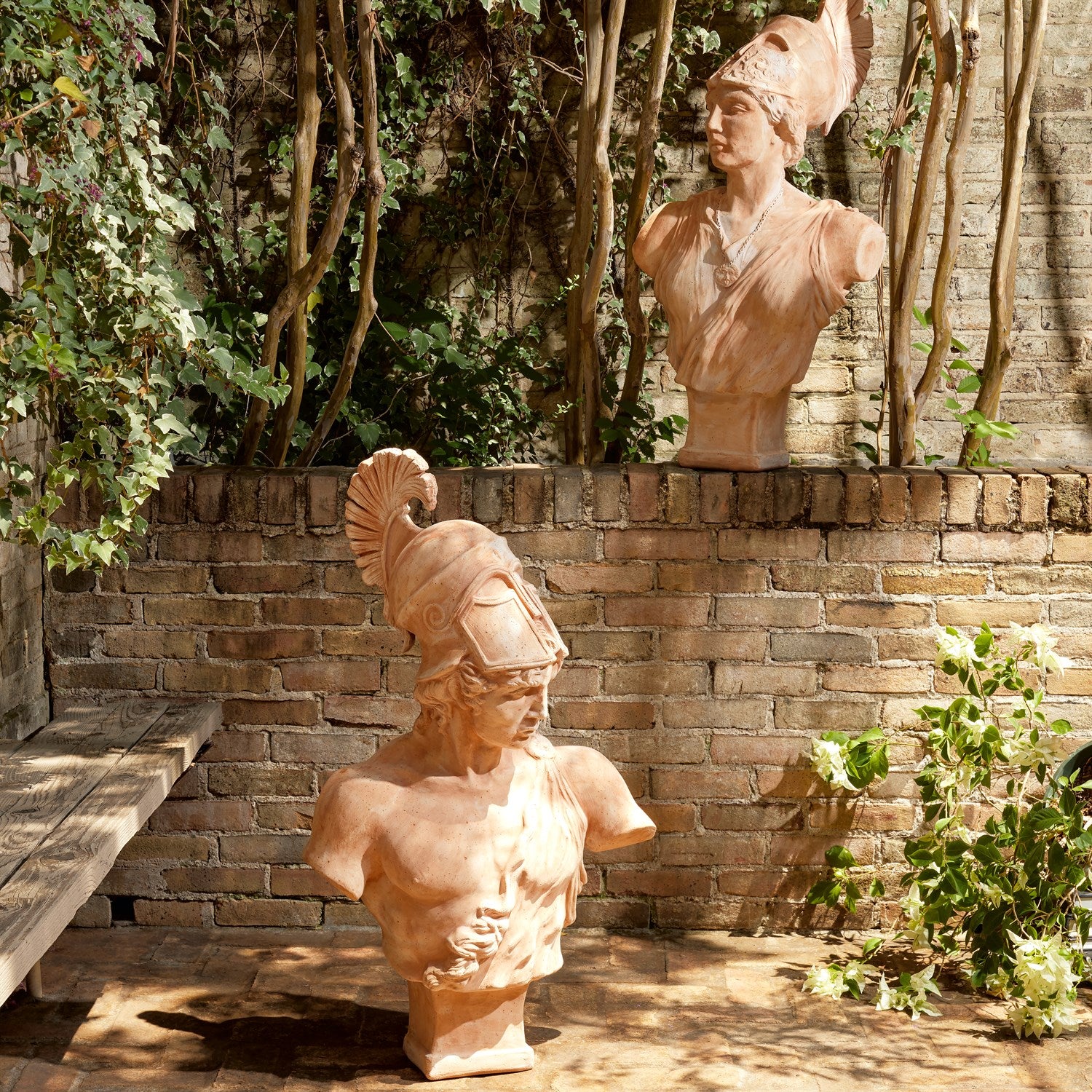
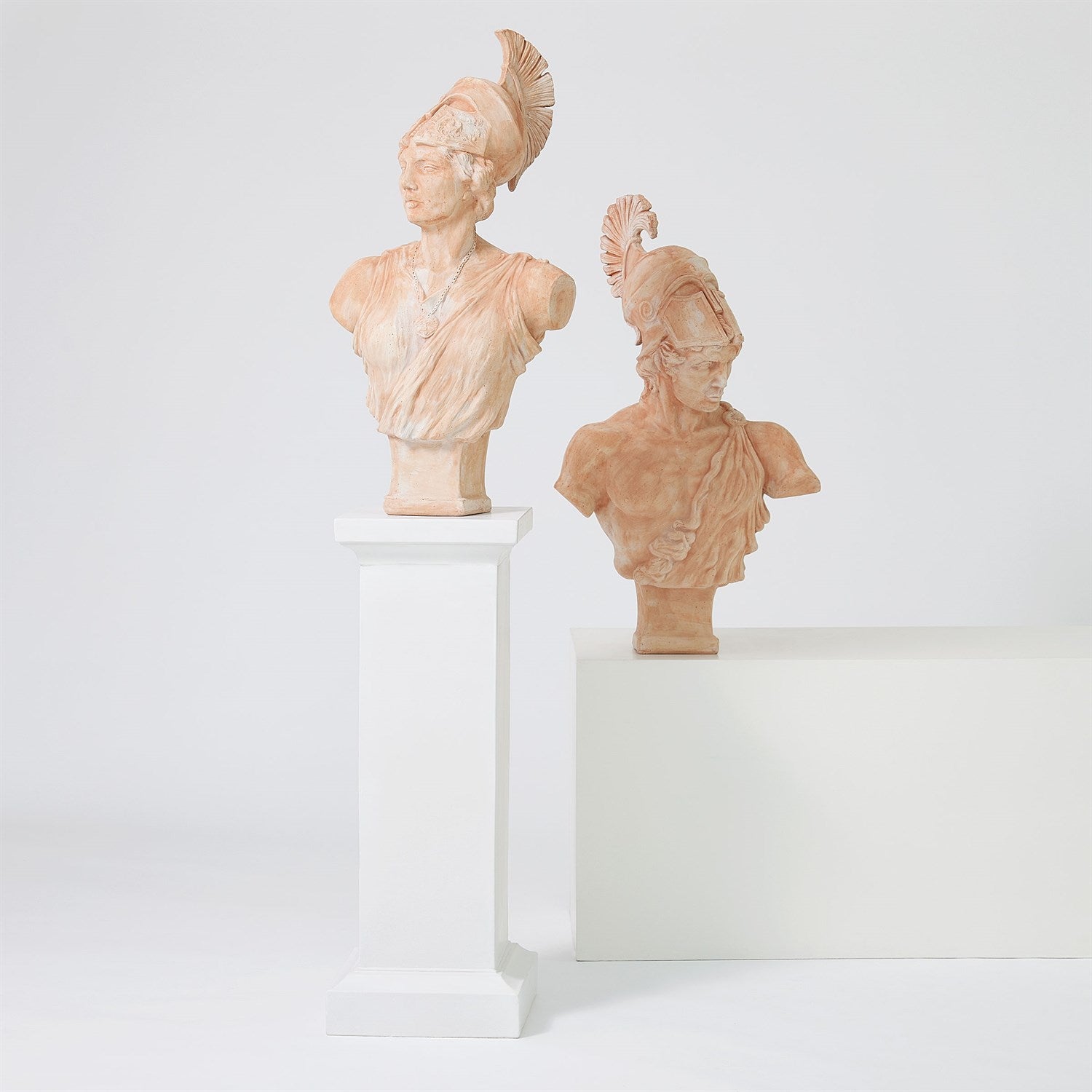

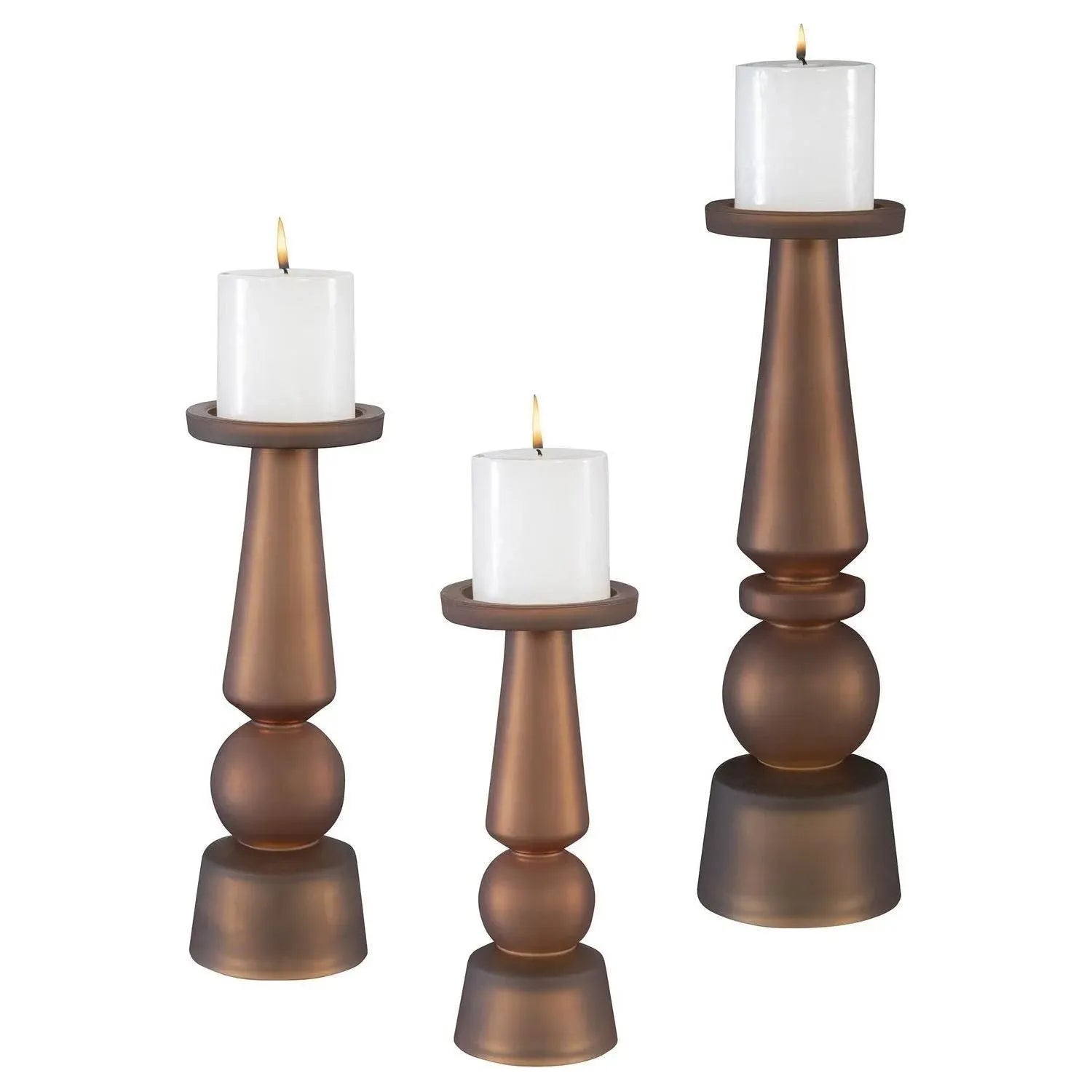
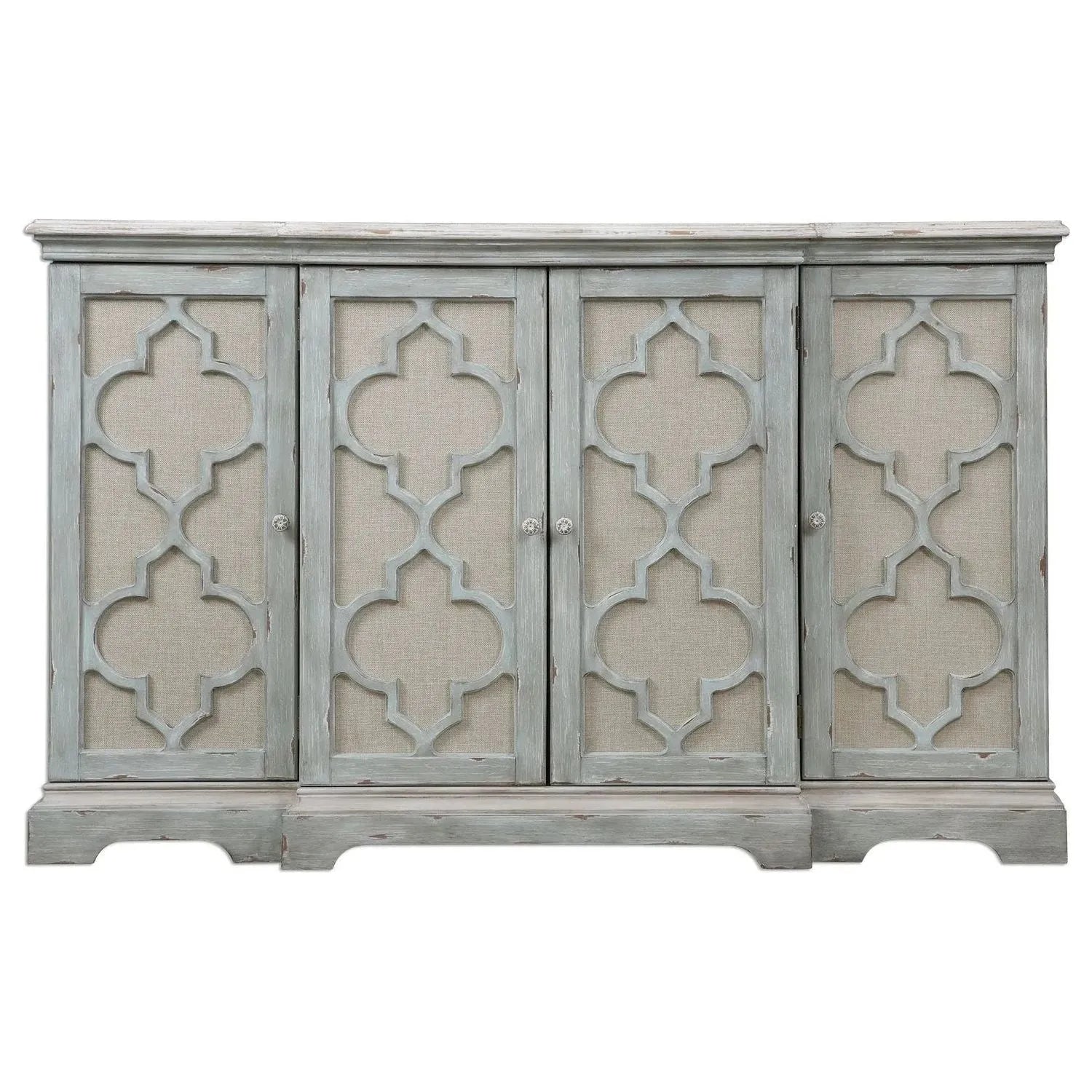
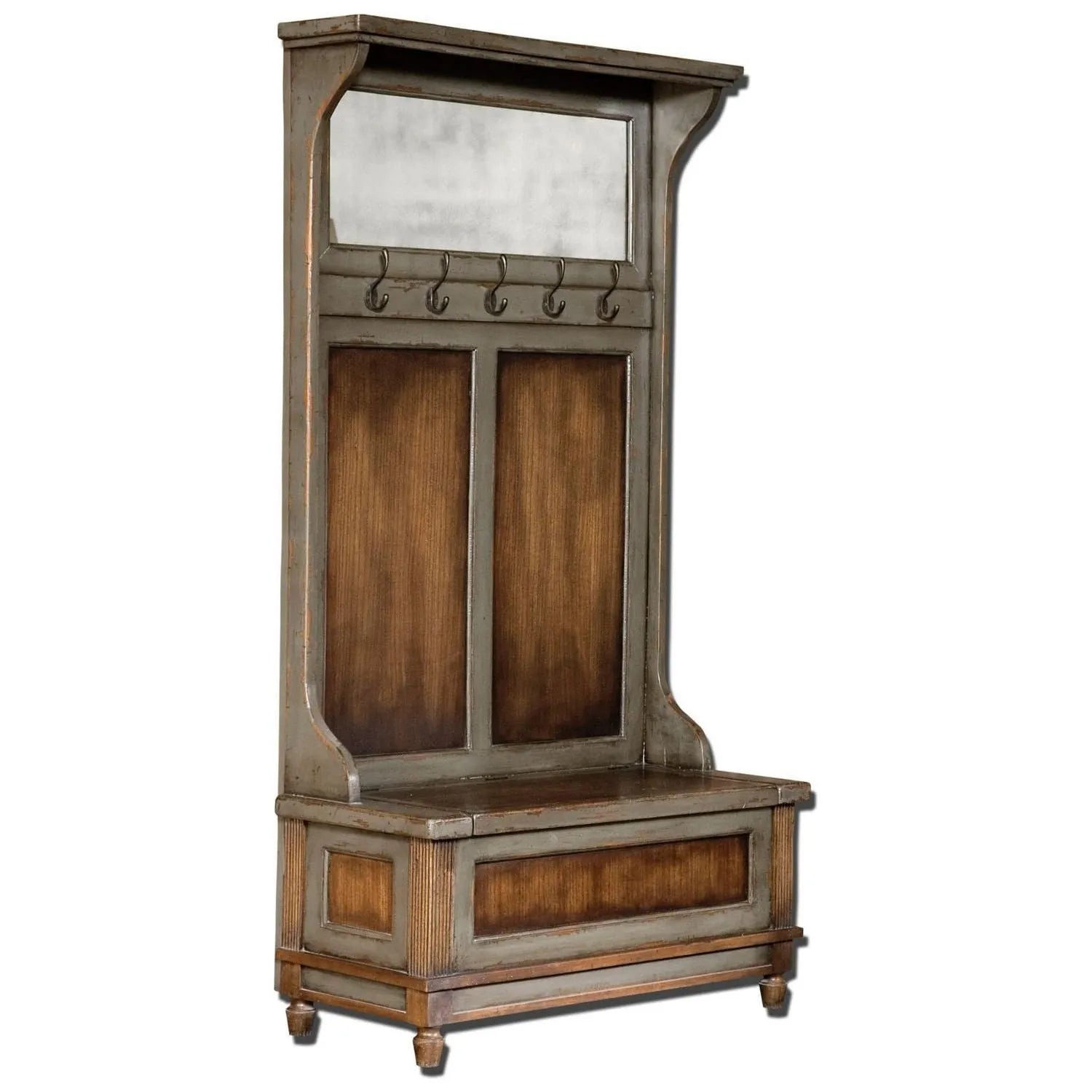
Traditional Decorative Accessories Canada – Classical Objects & Décor
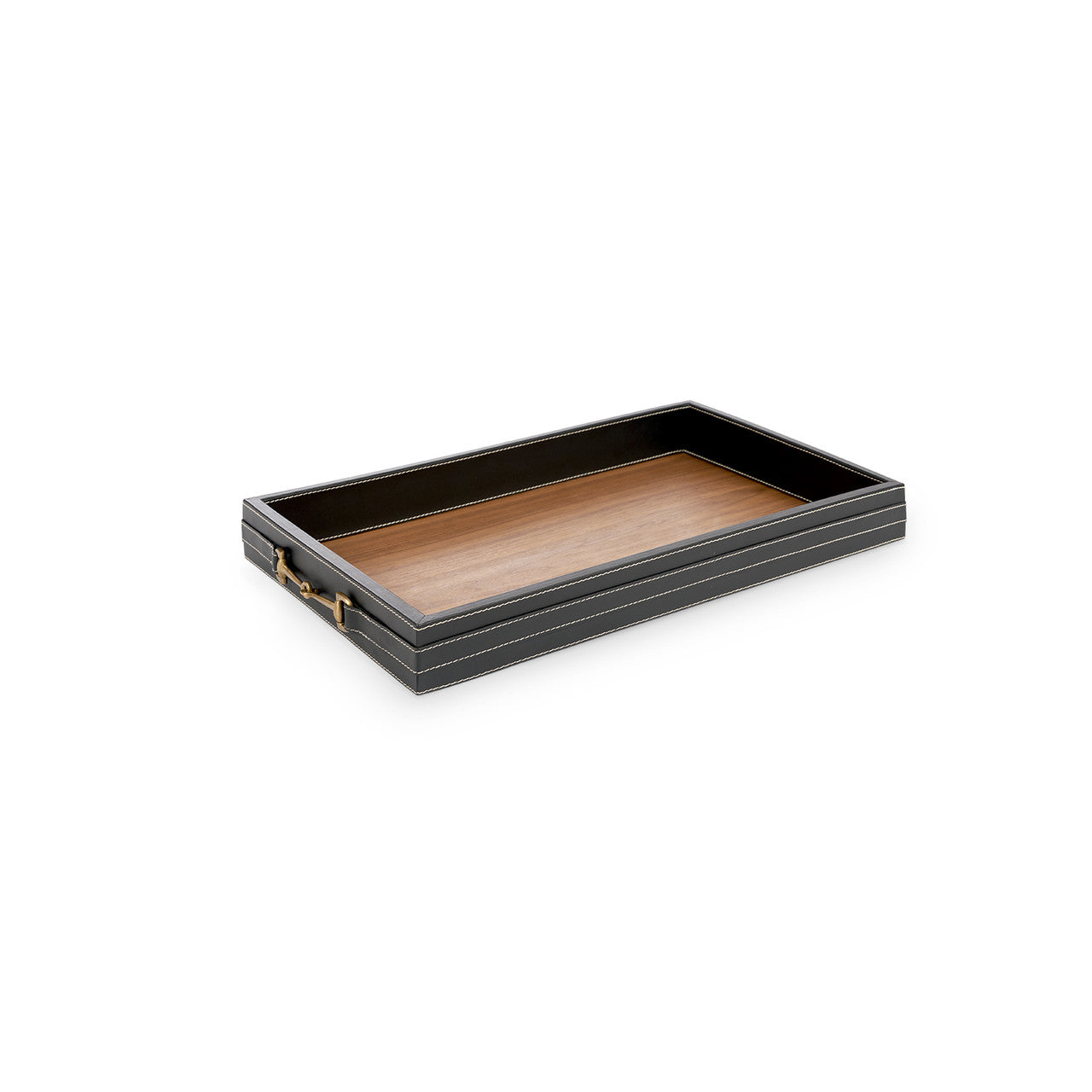
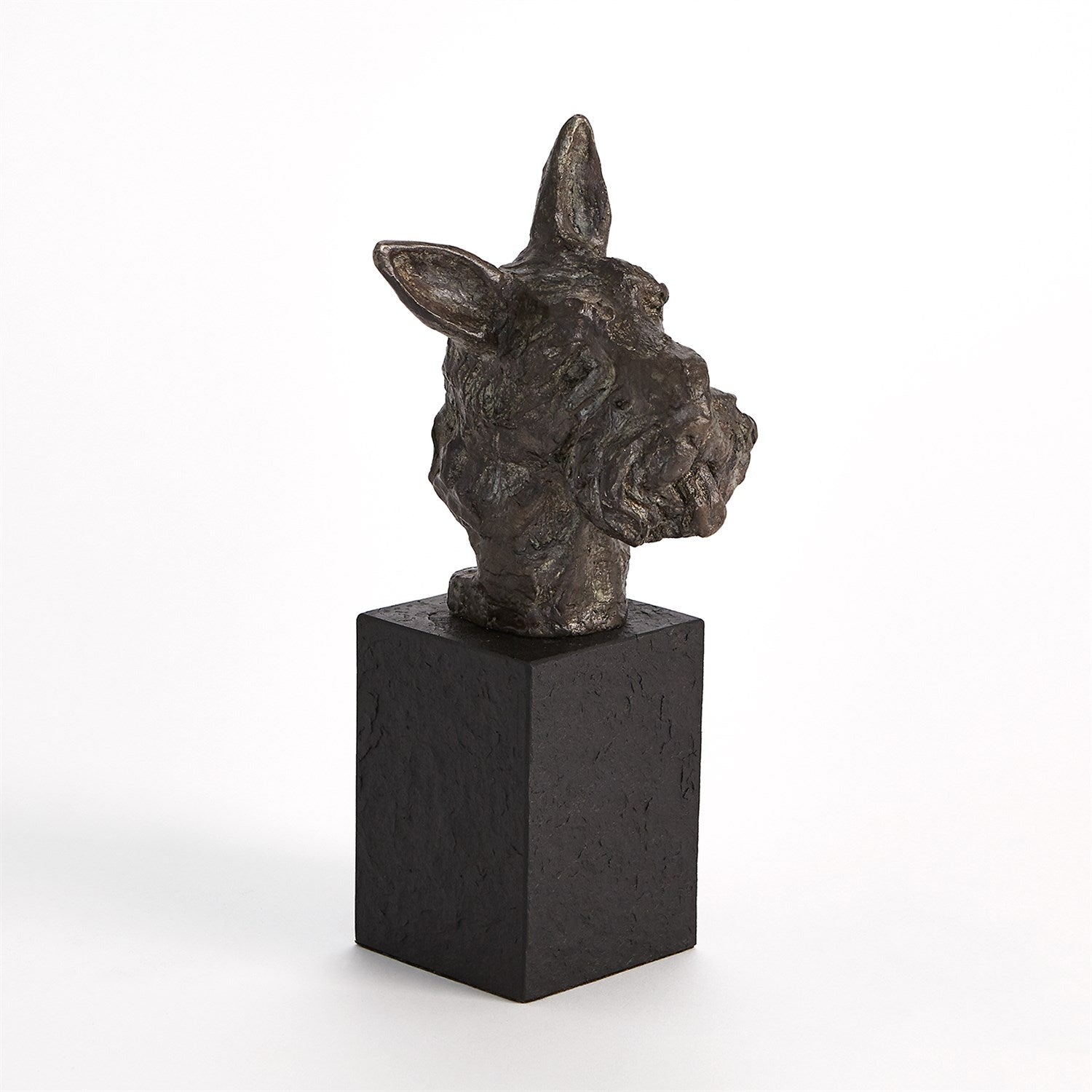
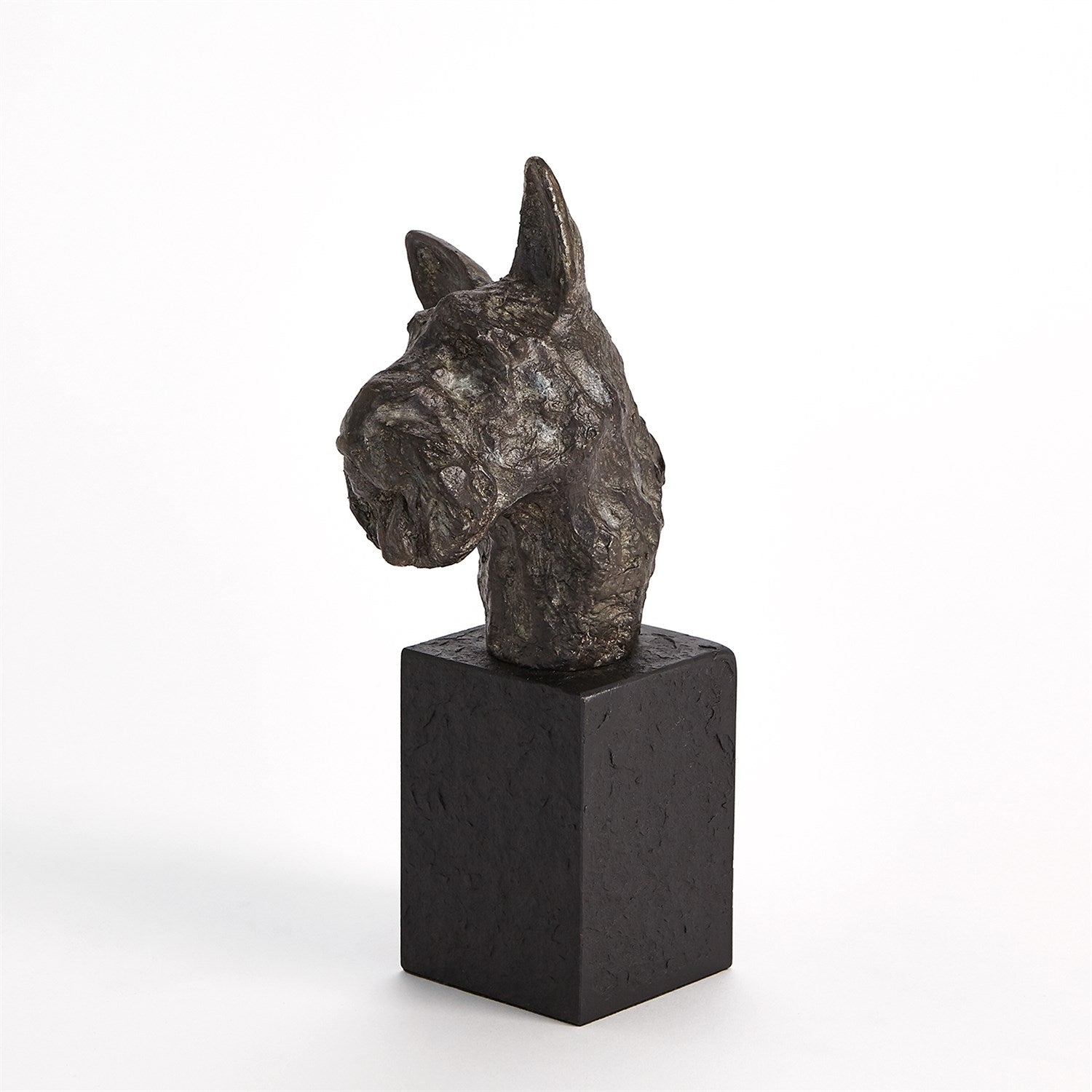
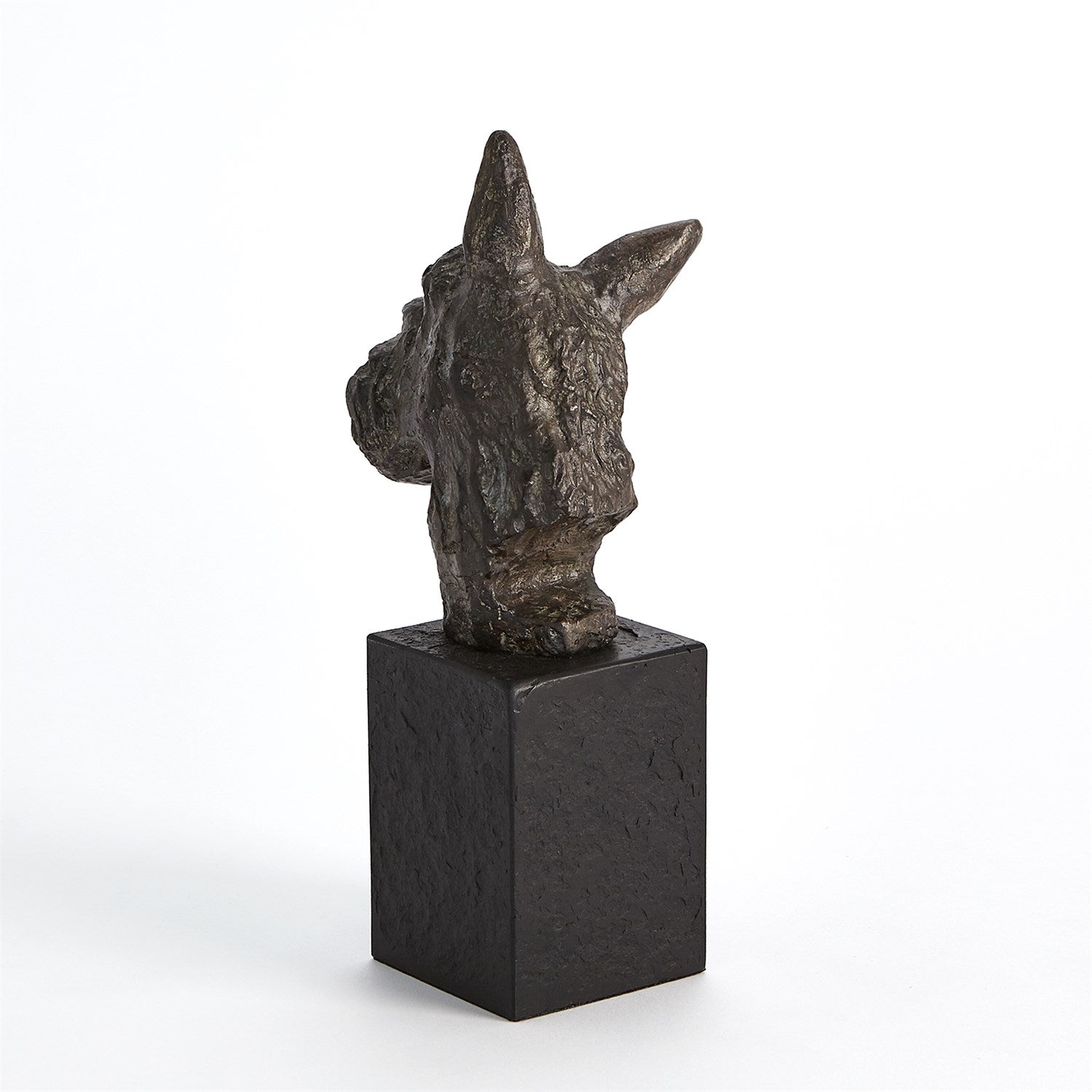
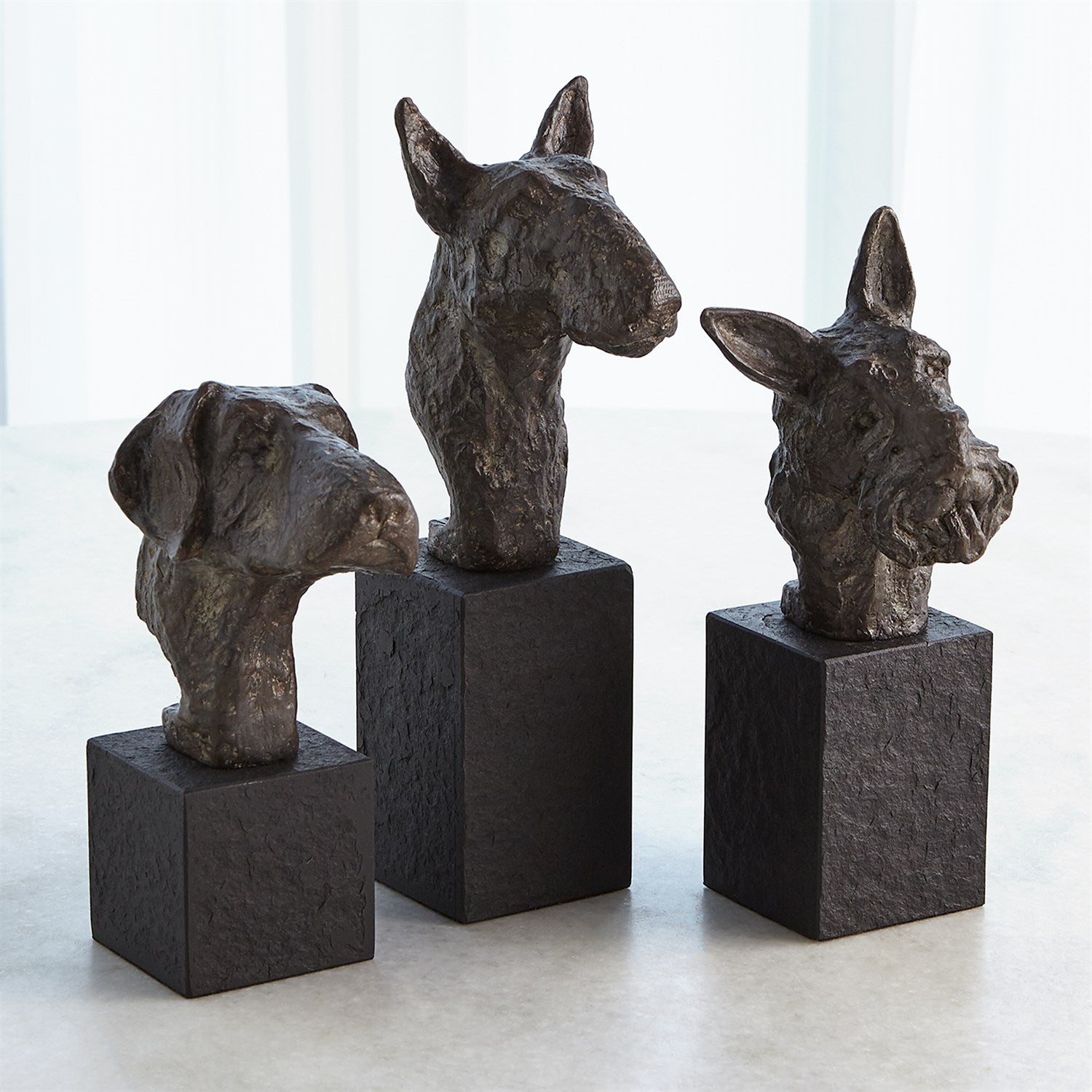
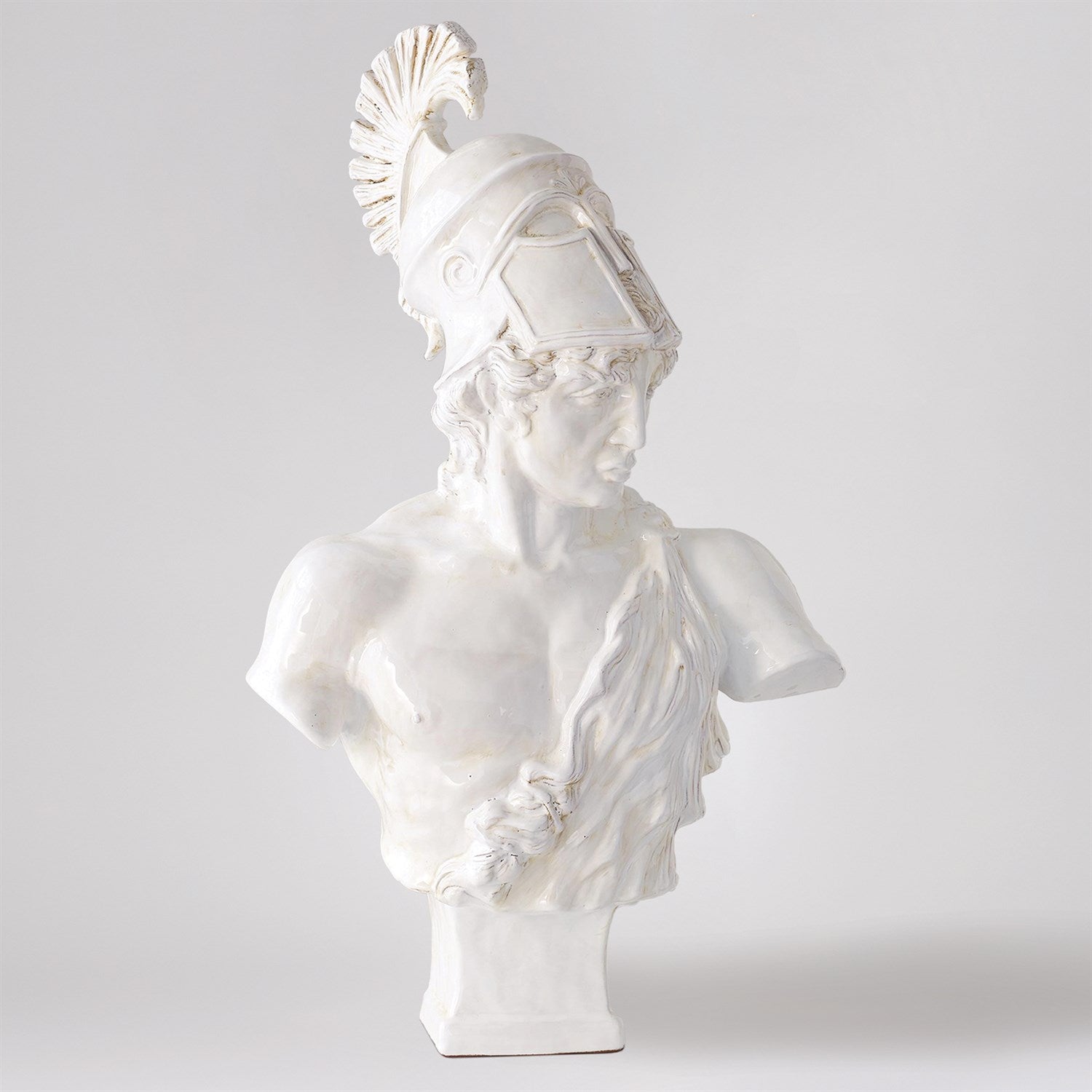
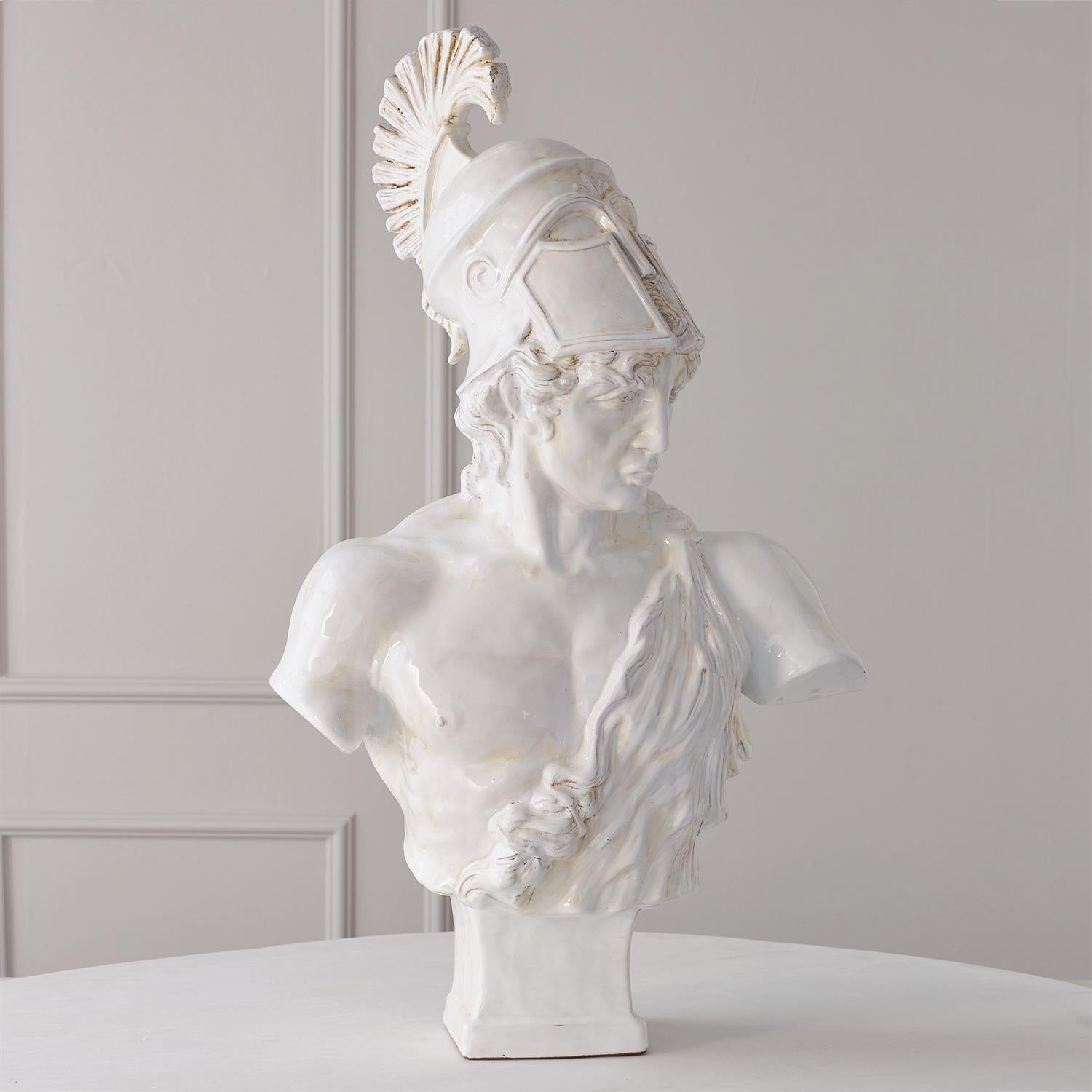
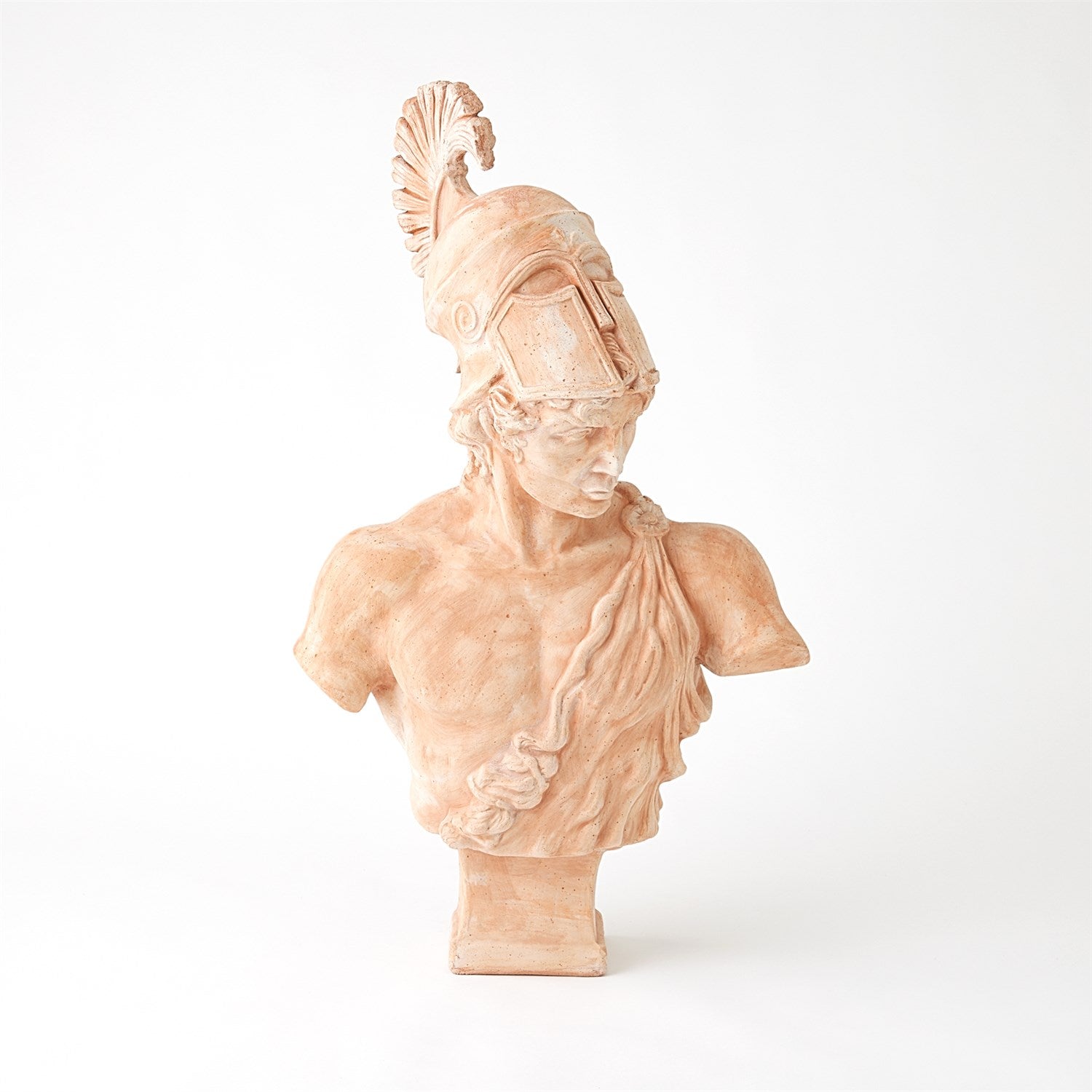
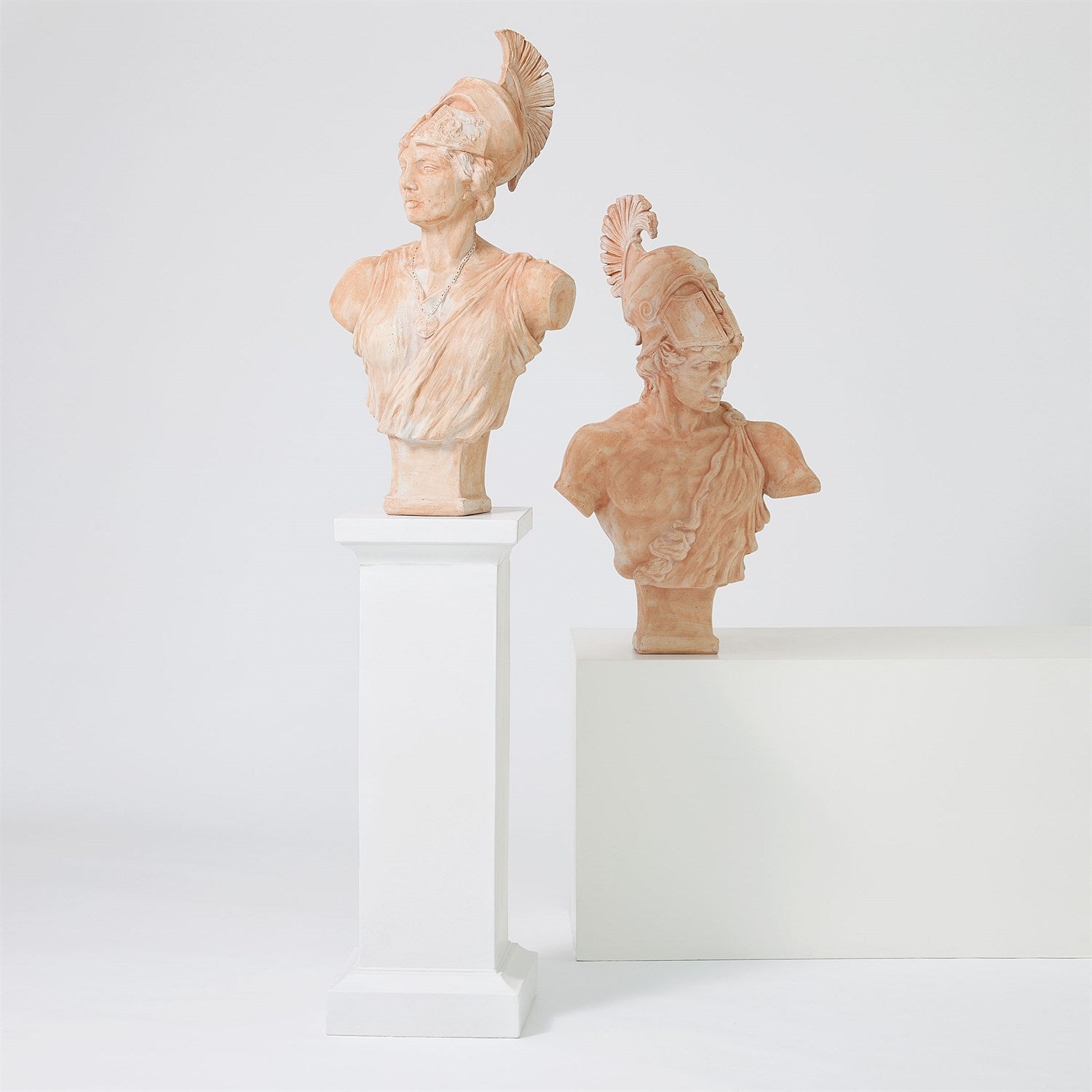
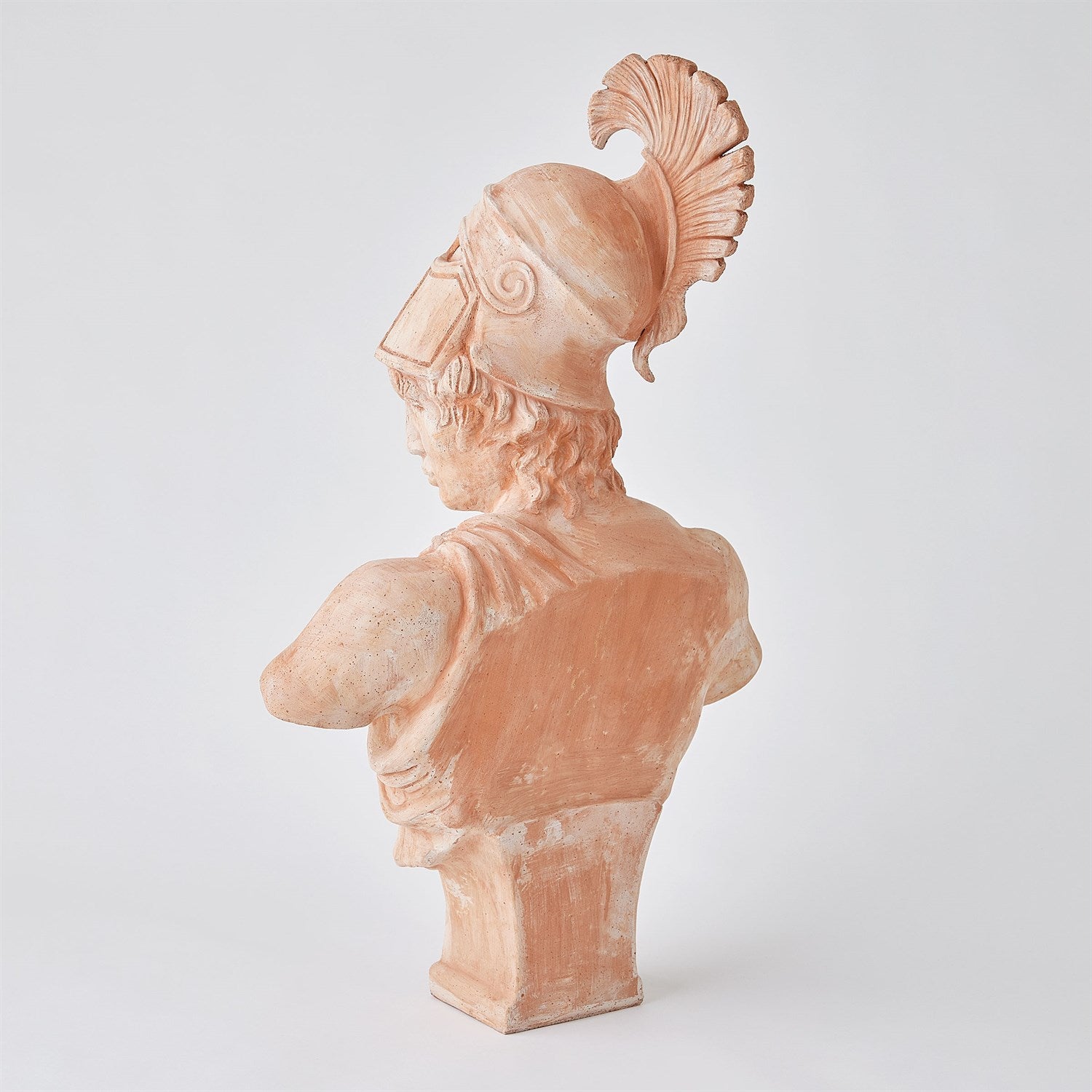
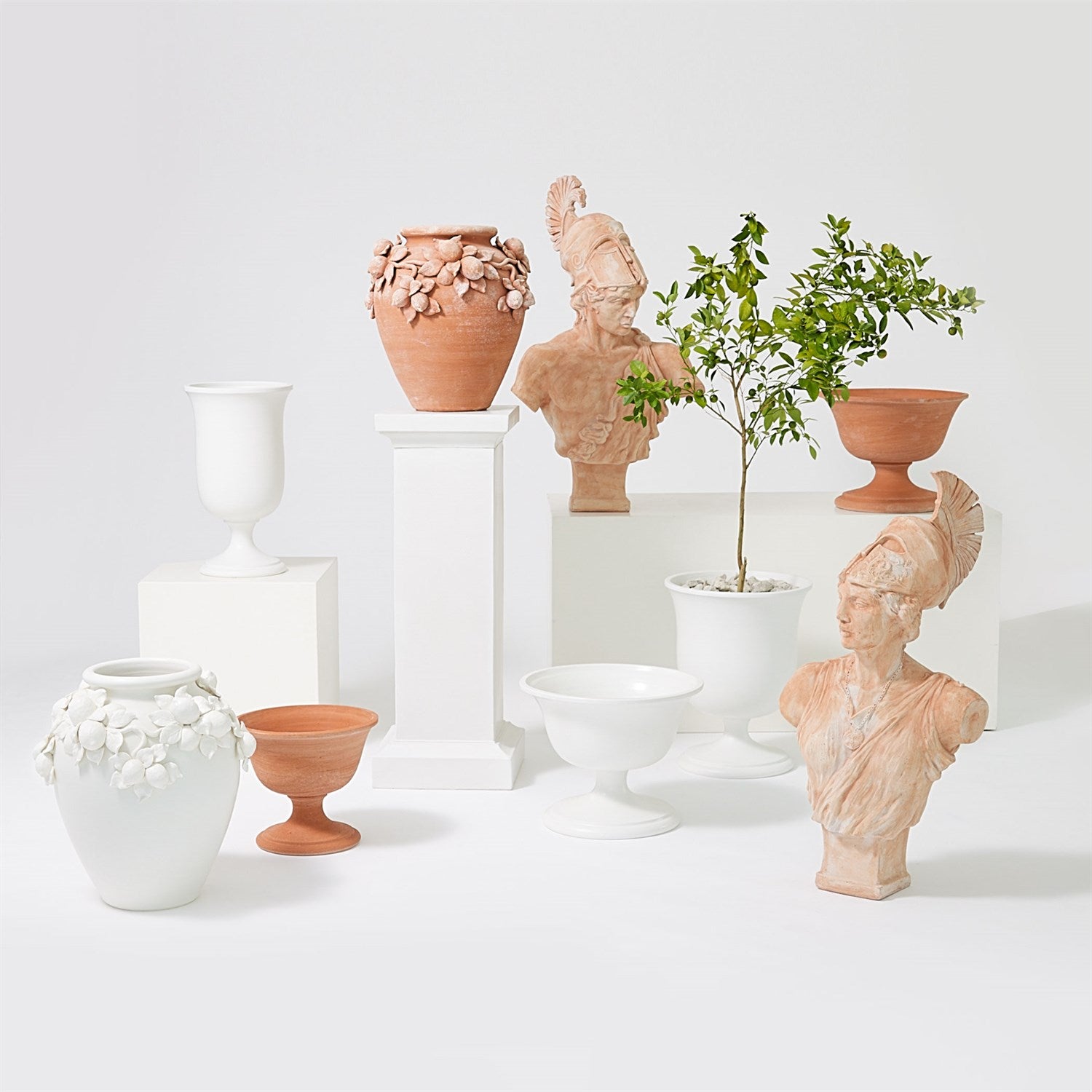
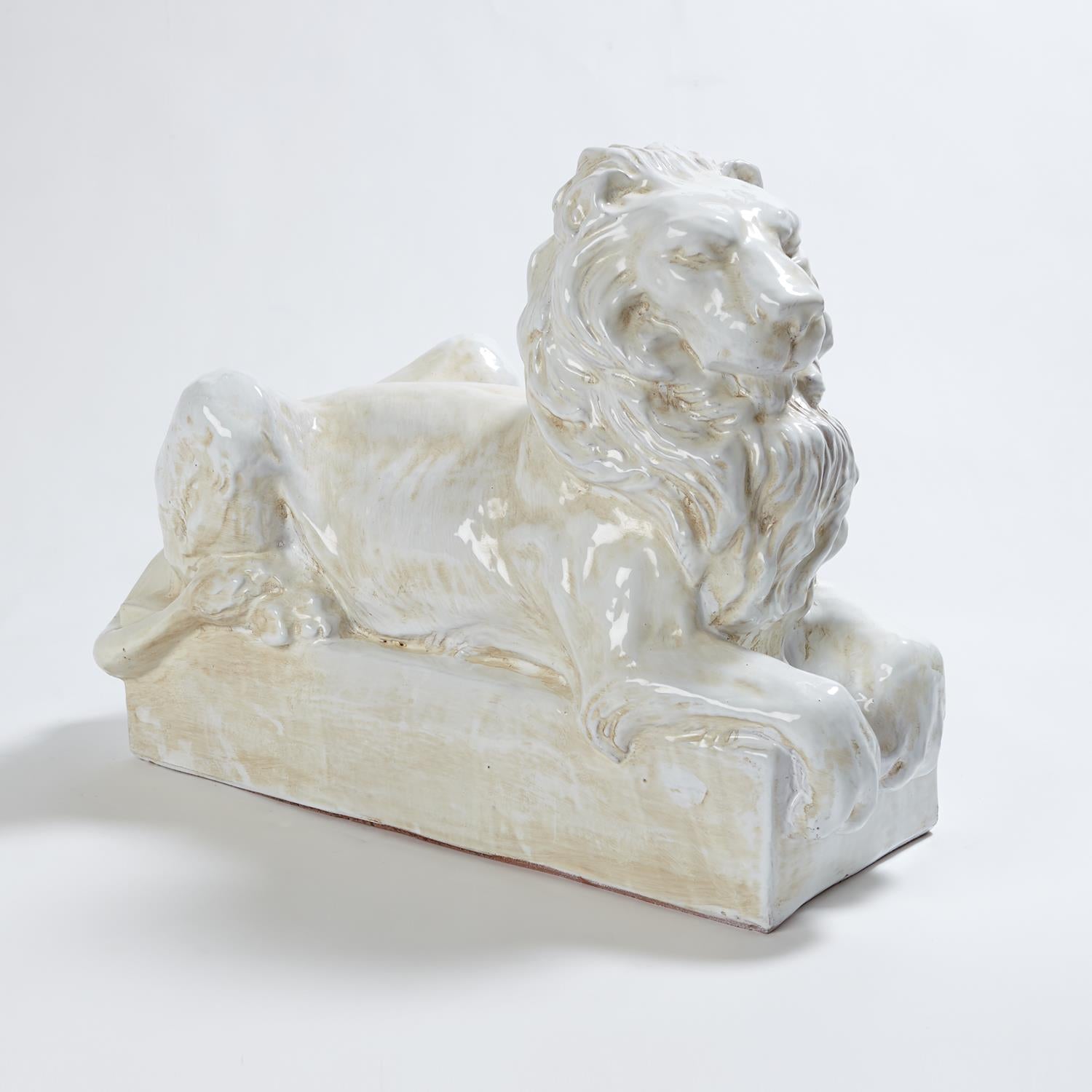
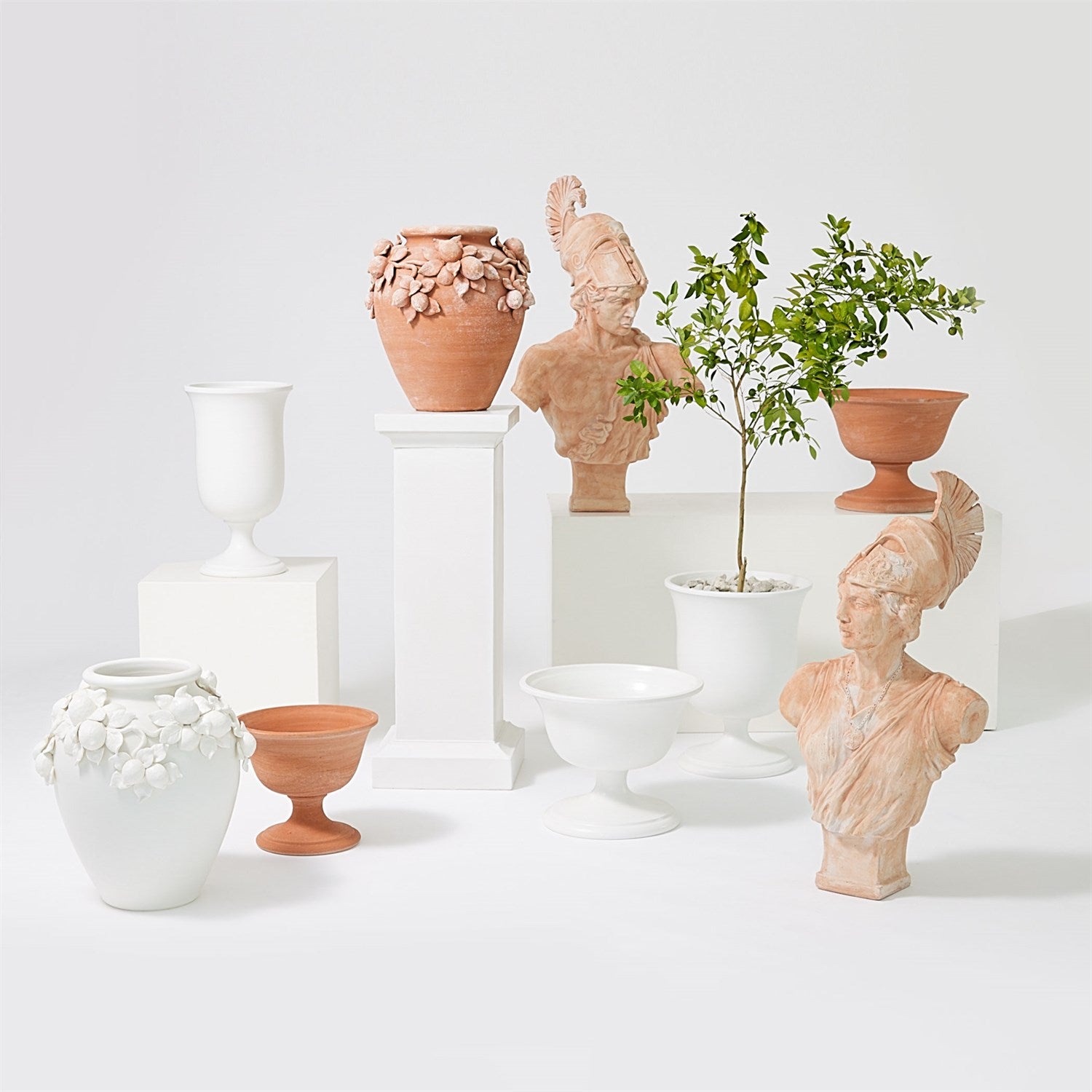
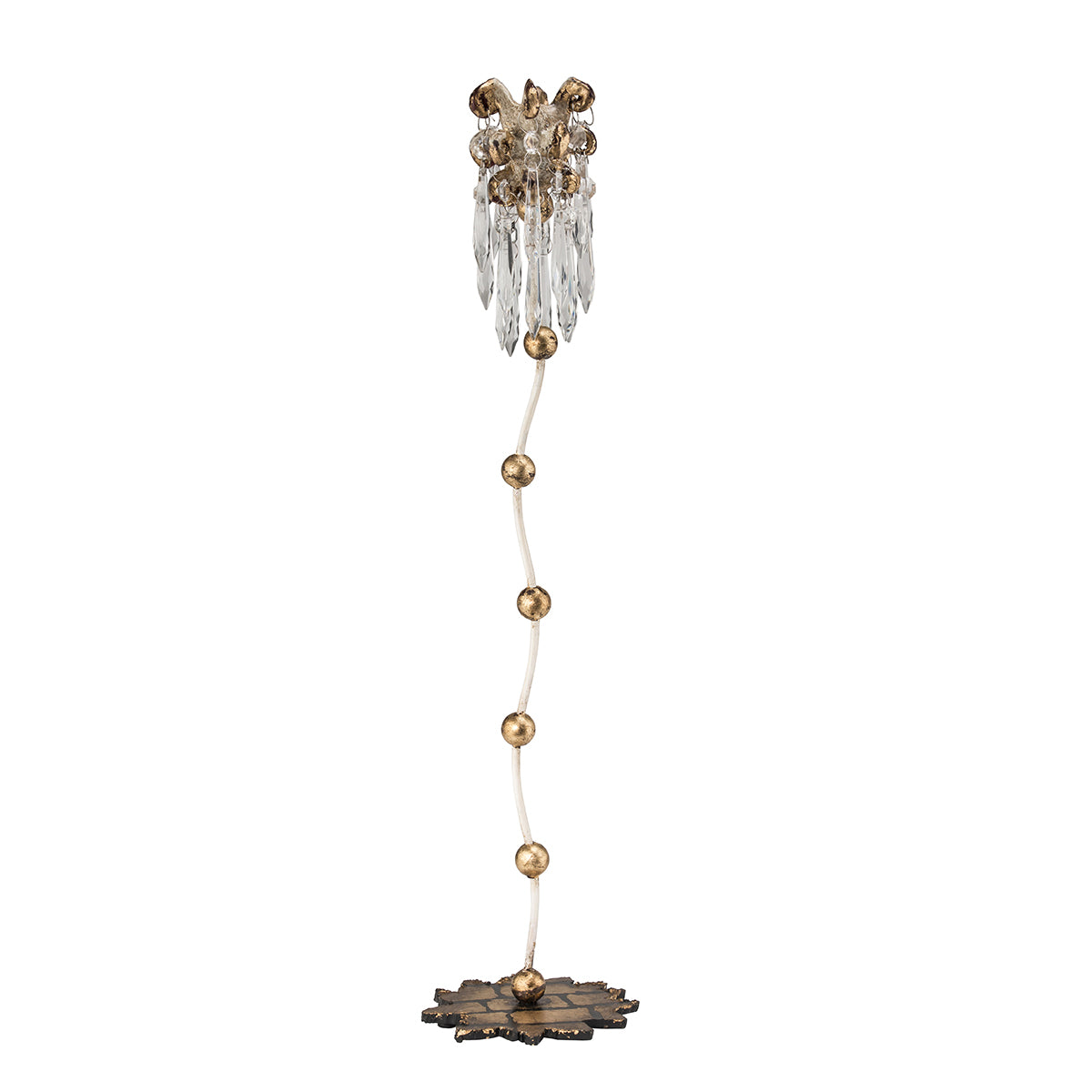
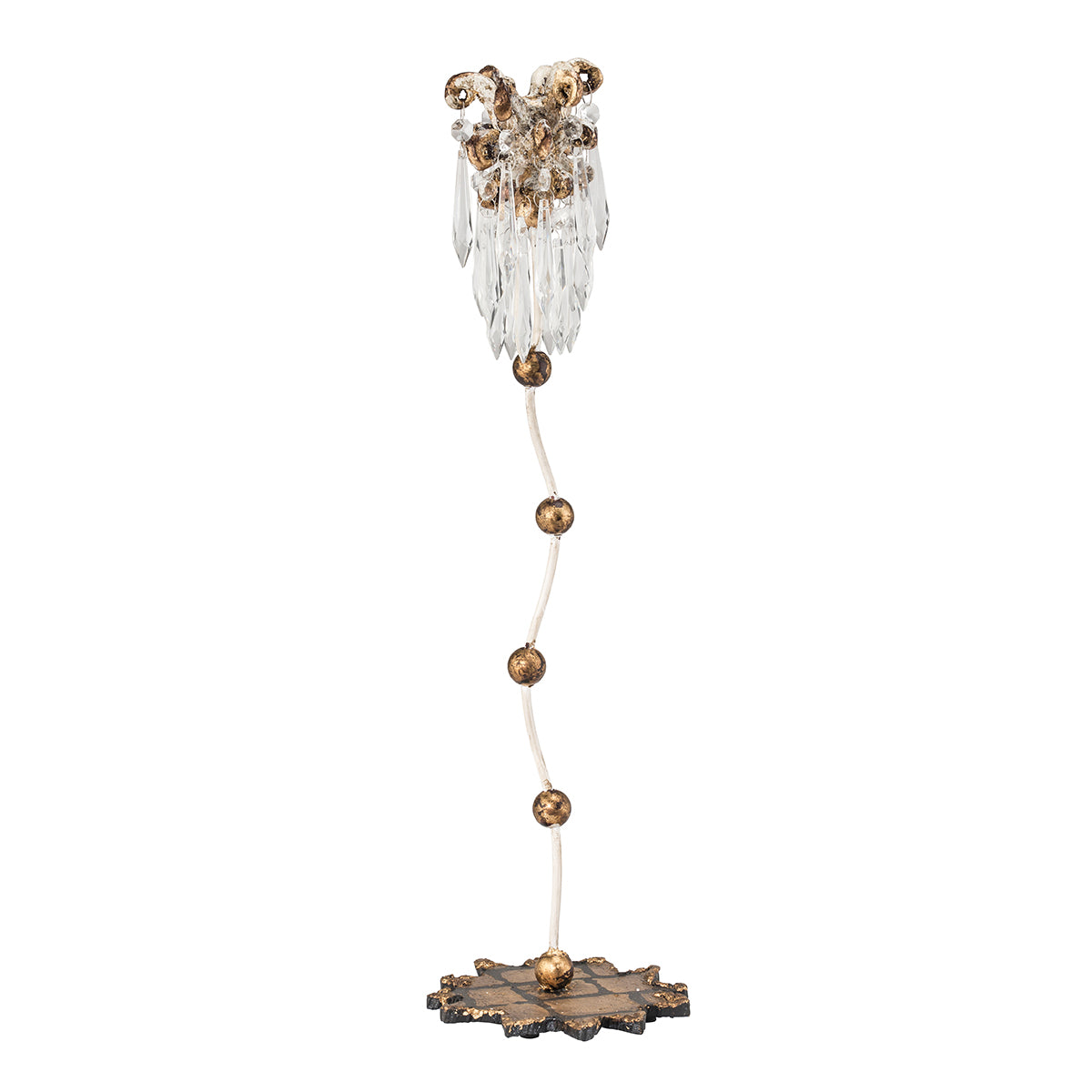
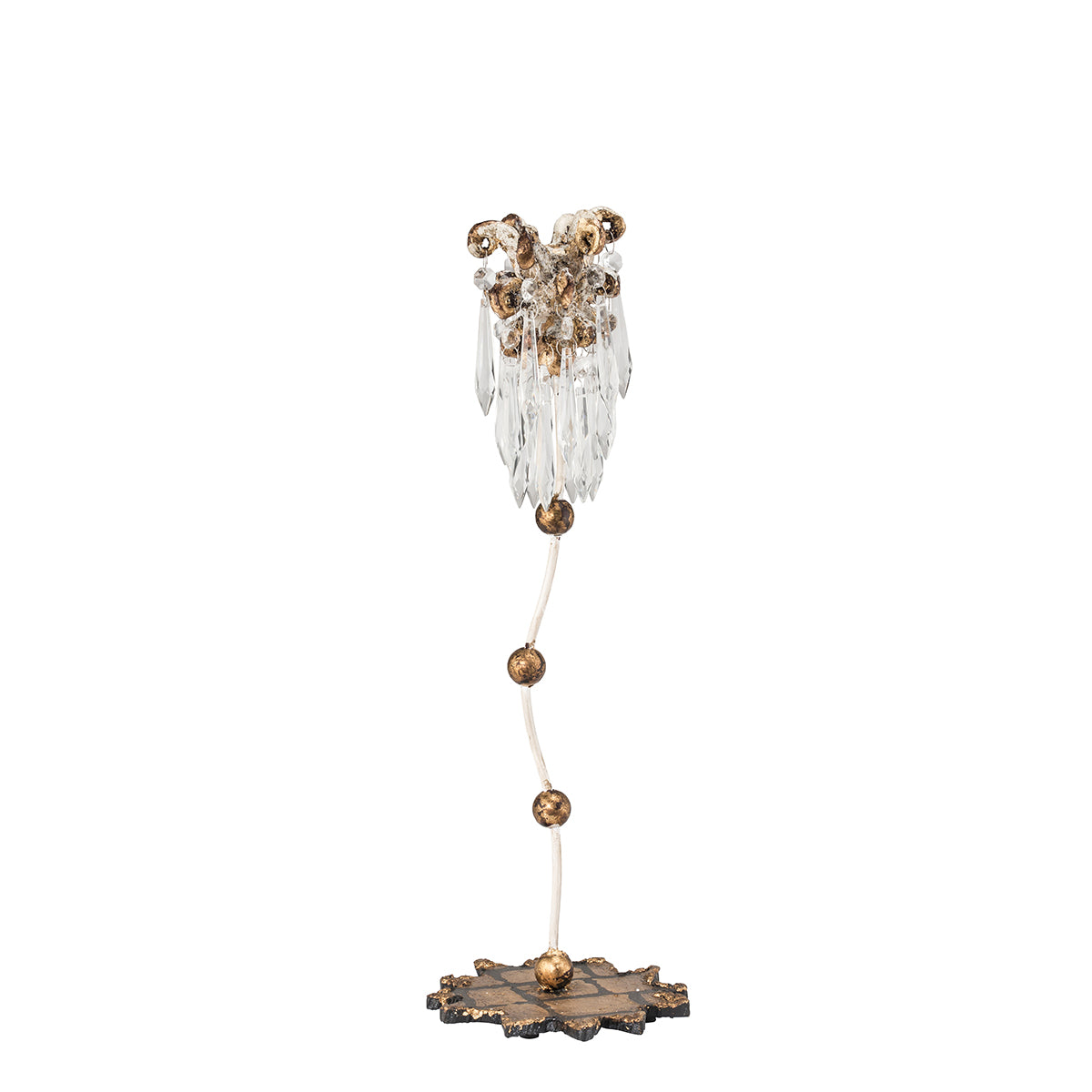
Traditional decorative accessories draw on the material and craft vocabulary of European and American classical design — carved and gilded wood objects, porcelain figurines and boxes, brass and silver-plate trays and candlesticks, decorative boxes in lacquer and tortoiseshell finishes, classical bronzes, and ormolu-mounted objects that give traditionally furnished rooms their layered, collected character.
Explore related pieces in our traditional vases and traditional wall art collections.
All products are priced in Canadian dollars with free shipping on orders over $199 CAD.
Styling Principles
Mantles
A symmetrical arrangement — matching candlesticks flanking a central clock or vase, with books or small objects to each side — creates the formal composition period interiors call for.
Sideboards & Consoles
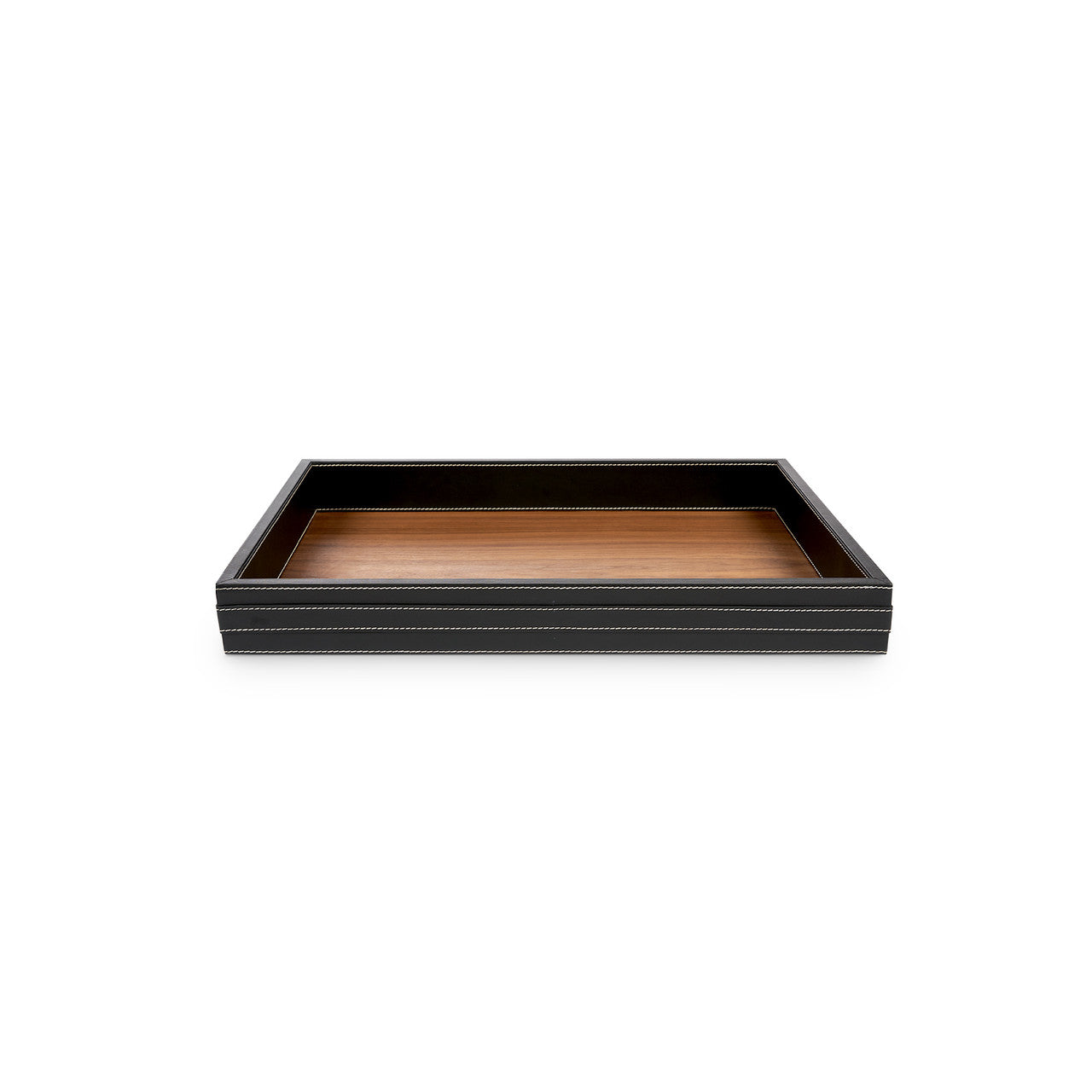
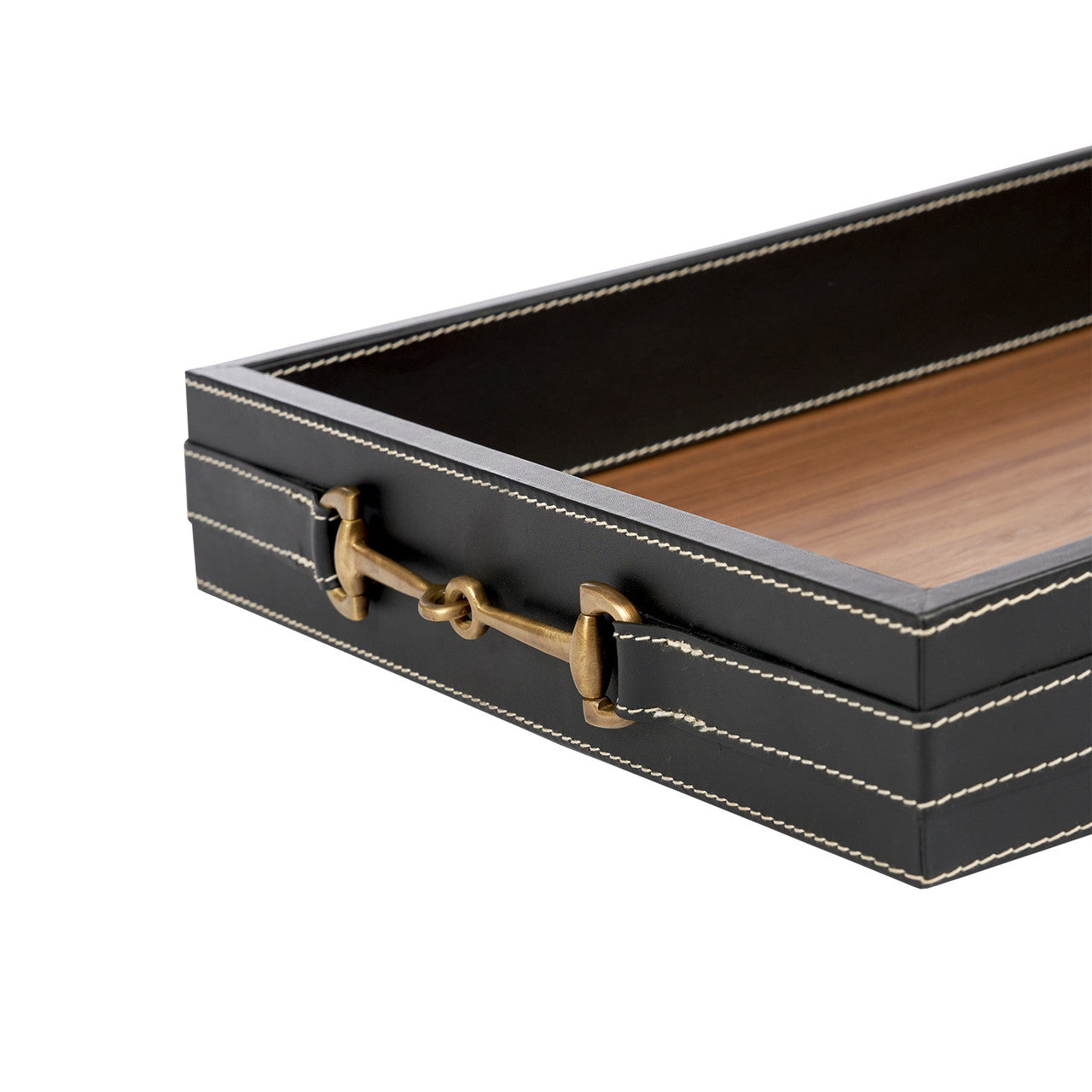
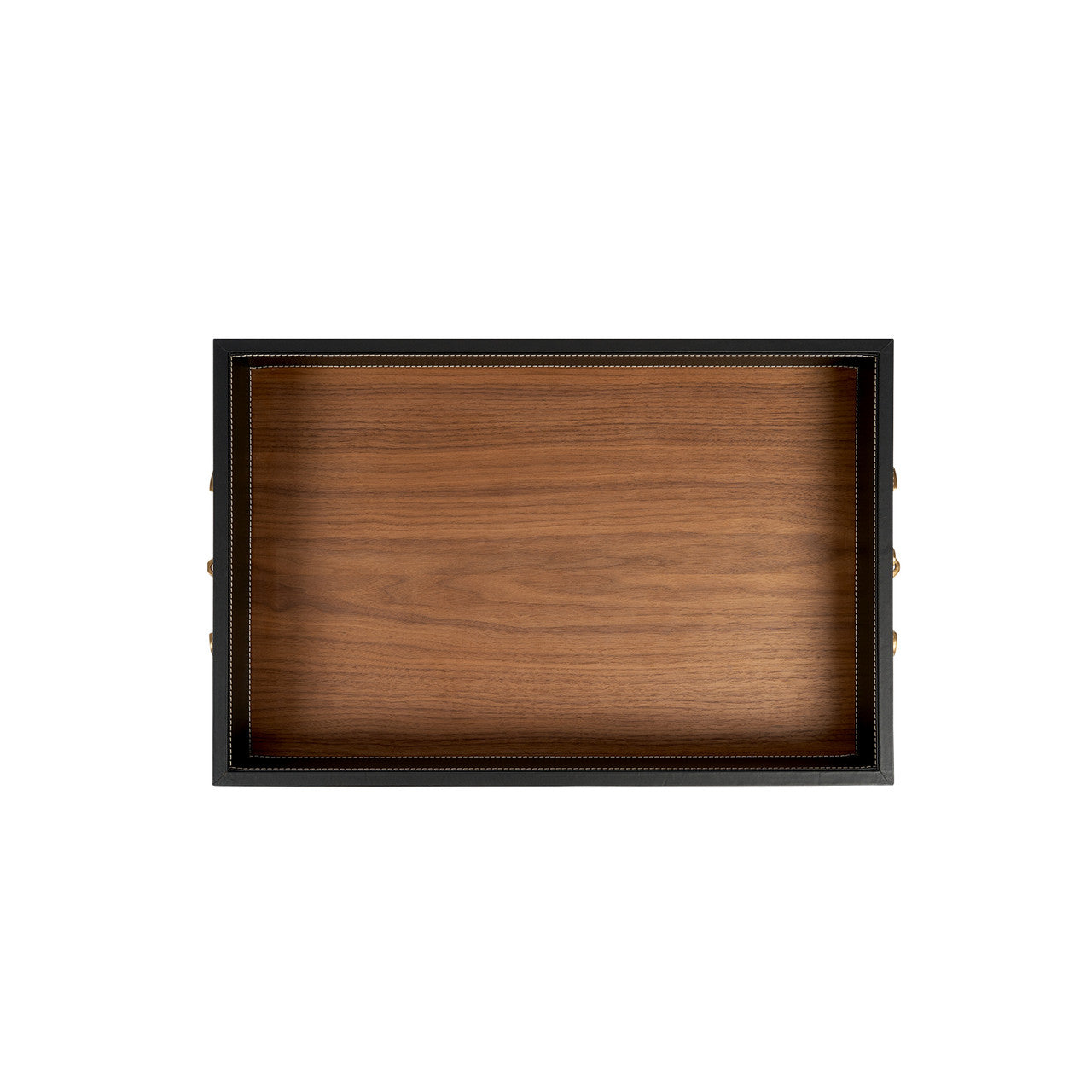
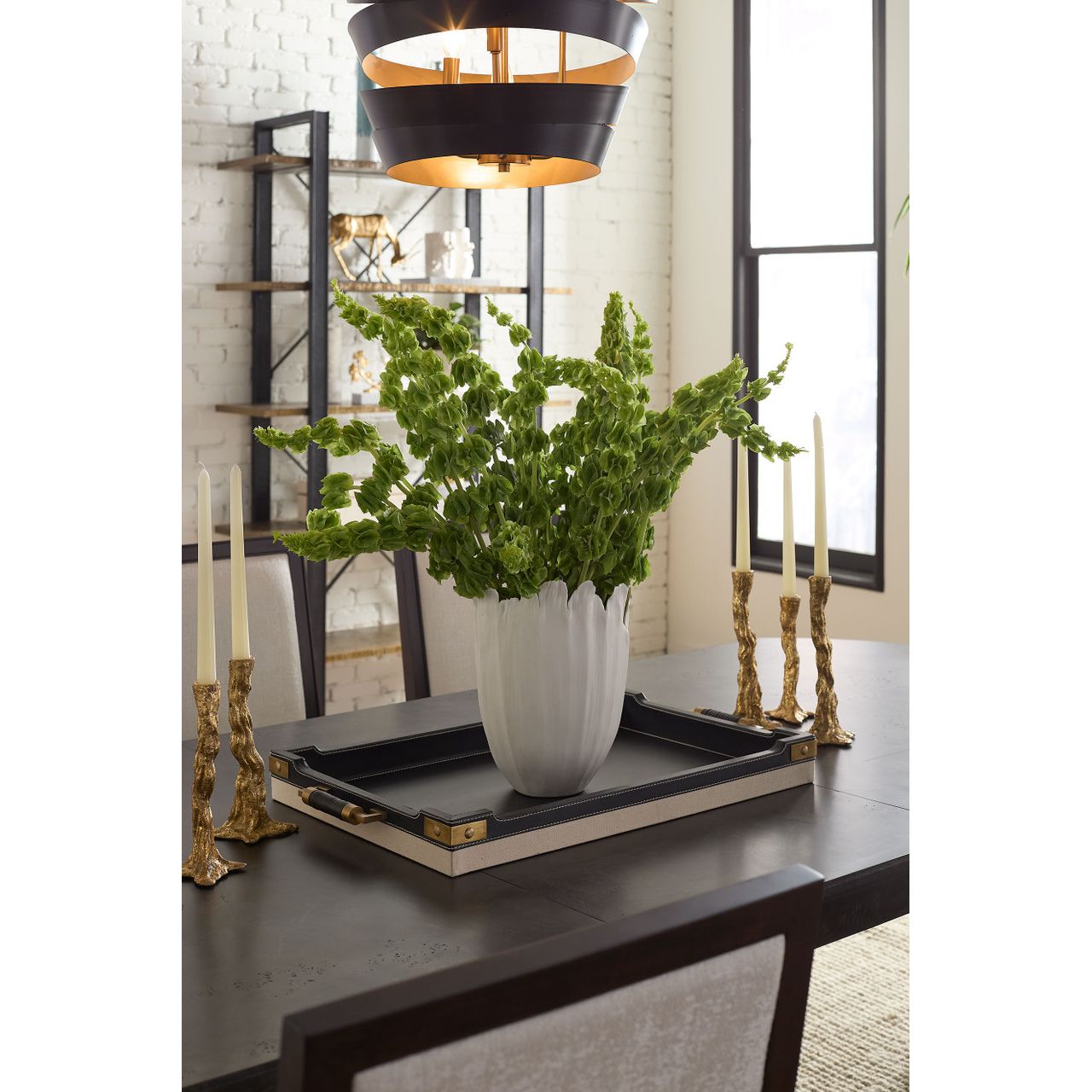
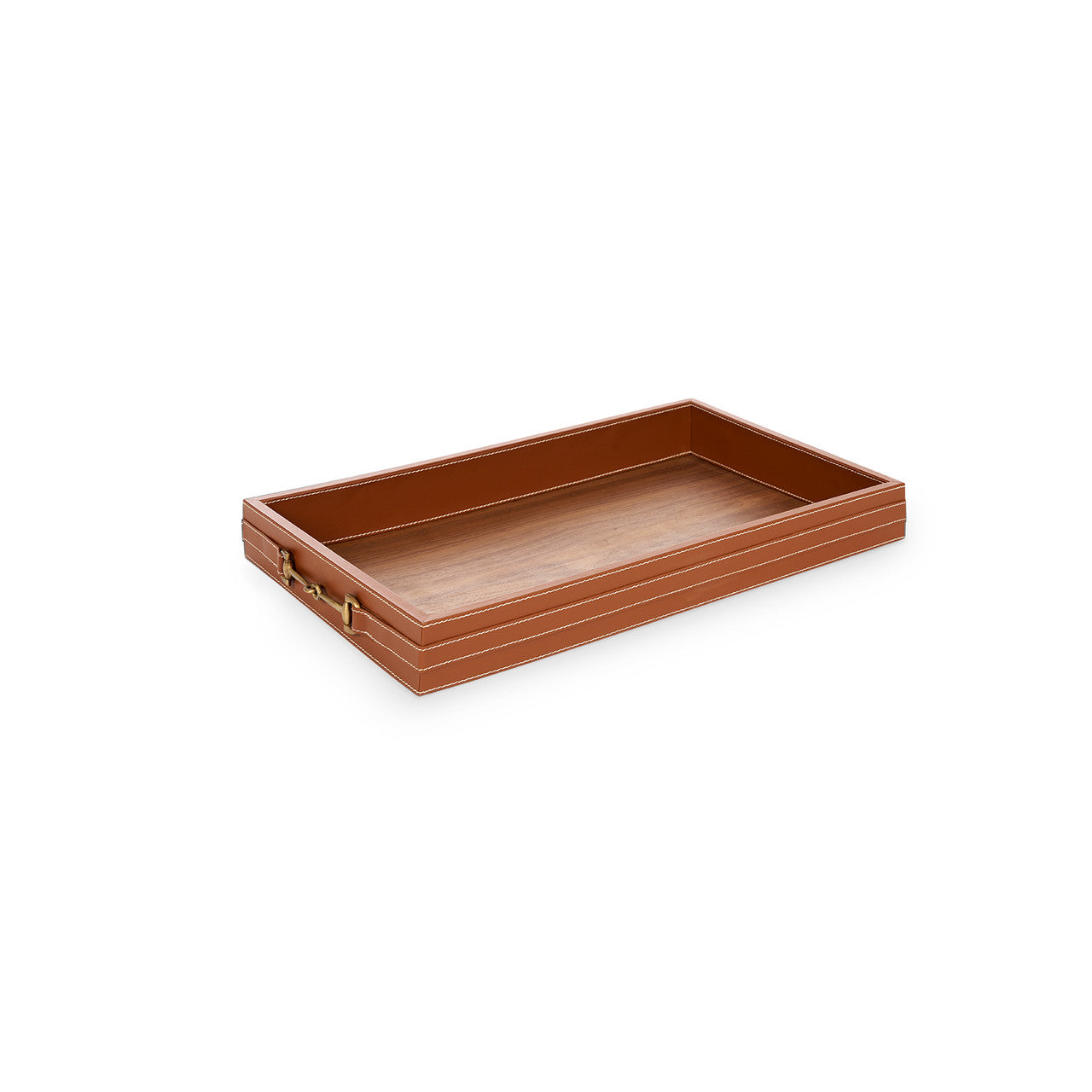
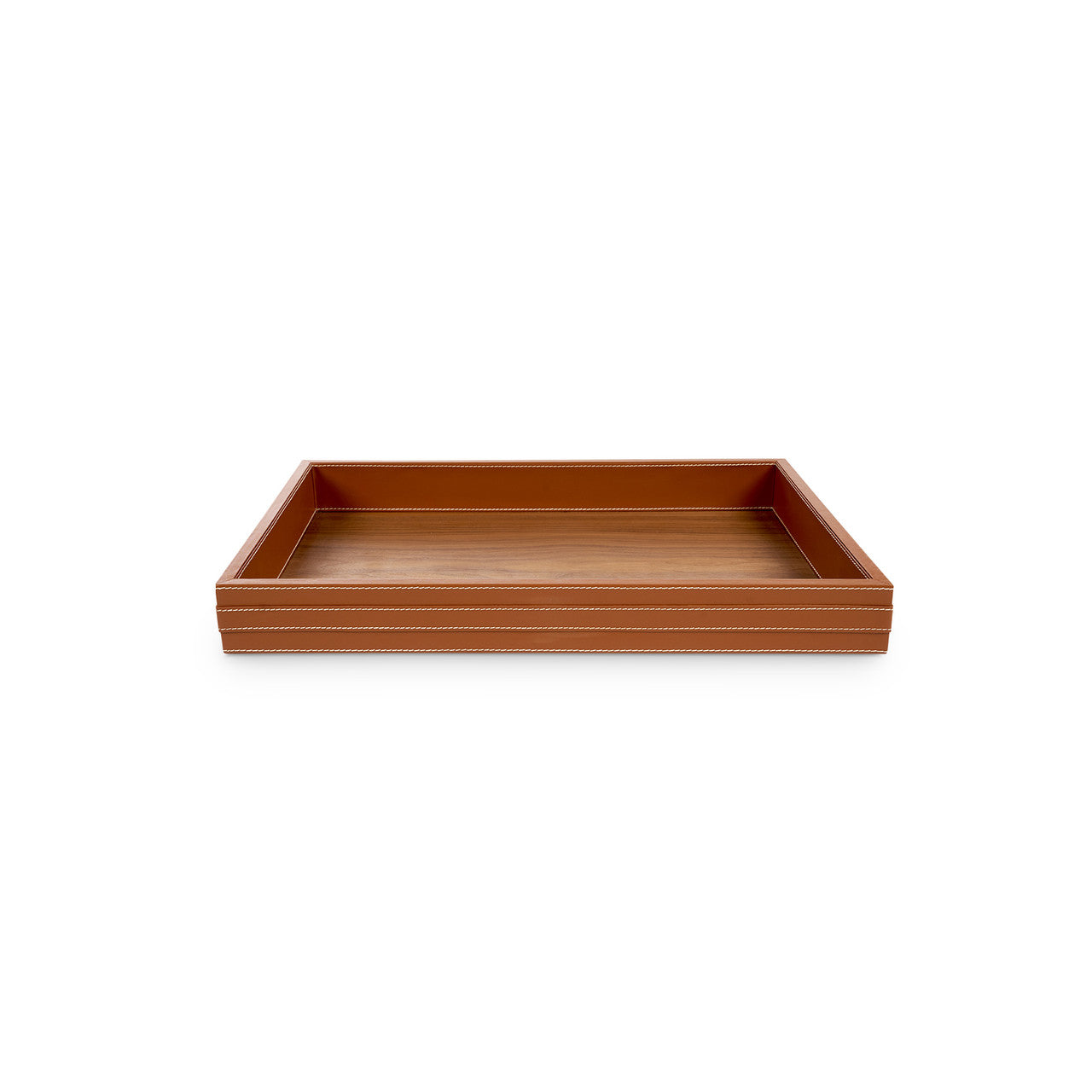
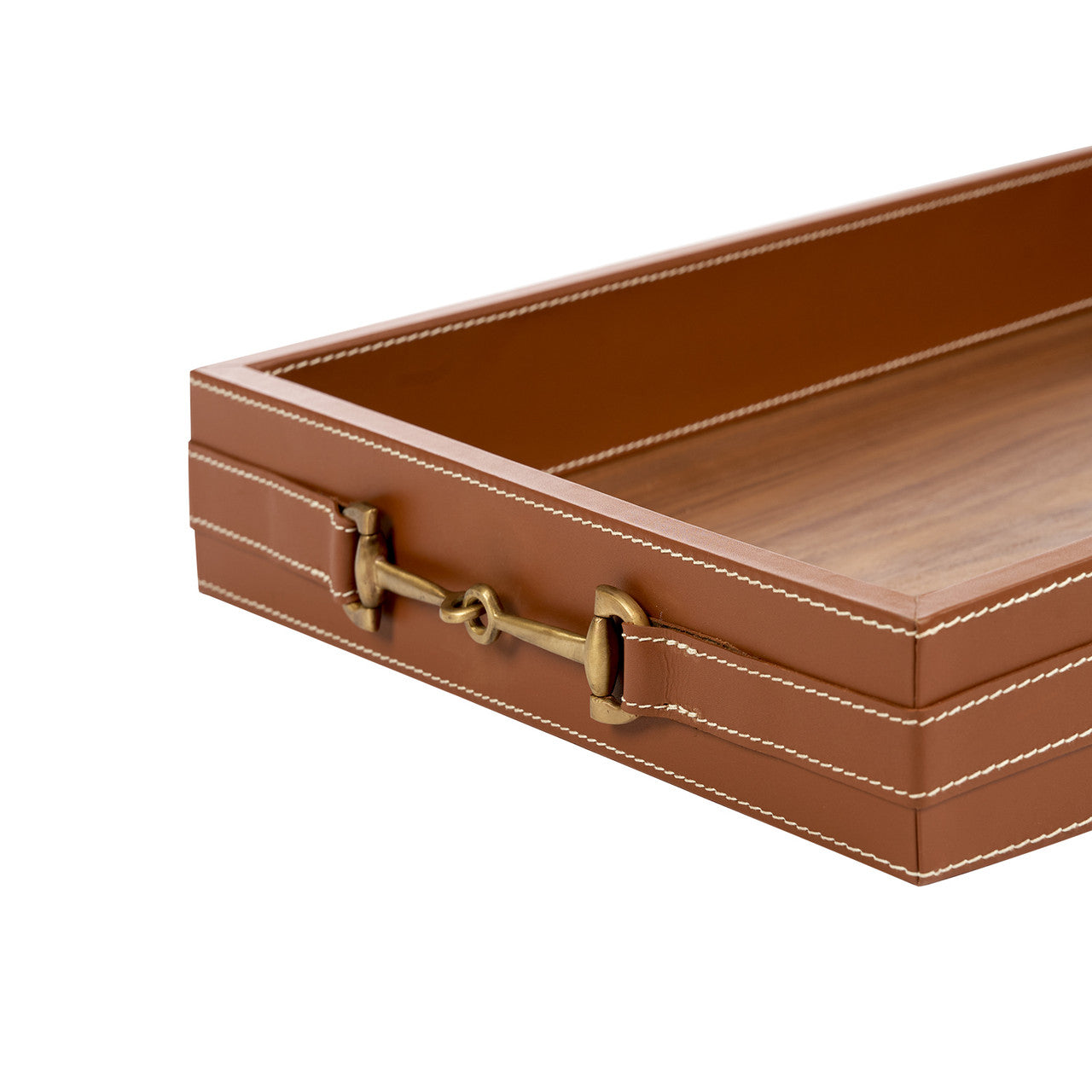
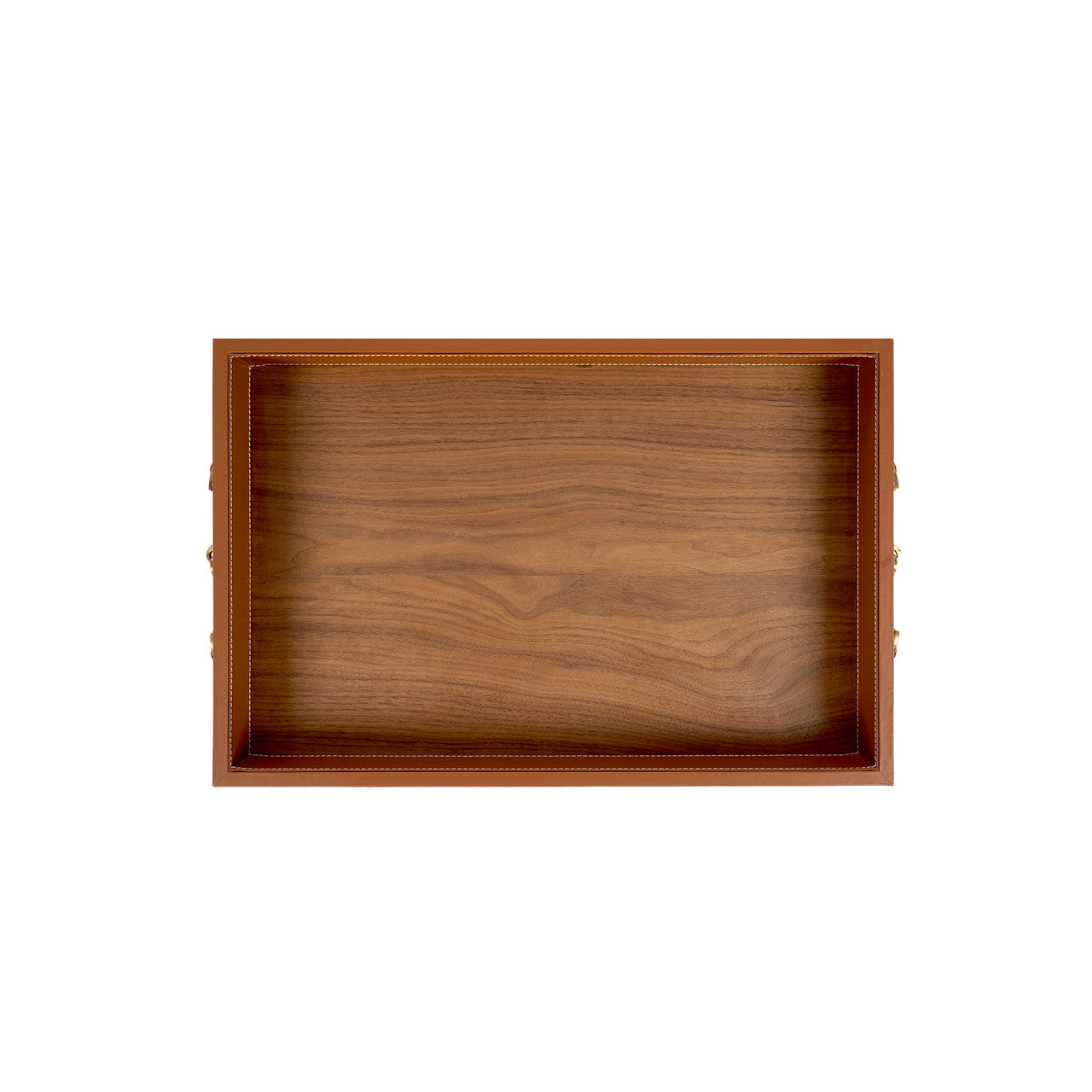
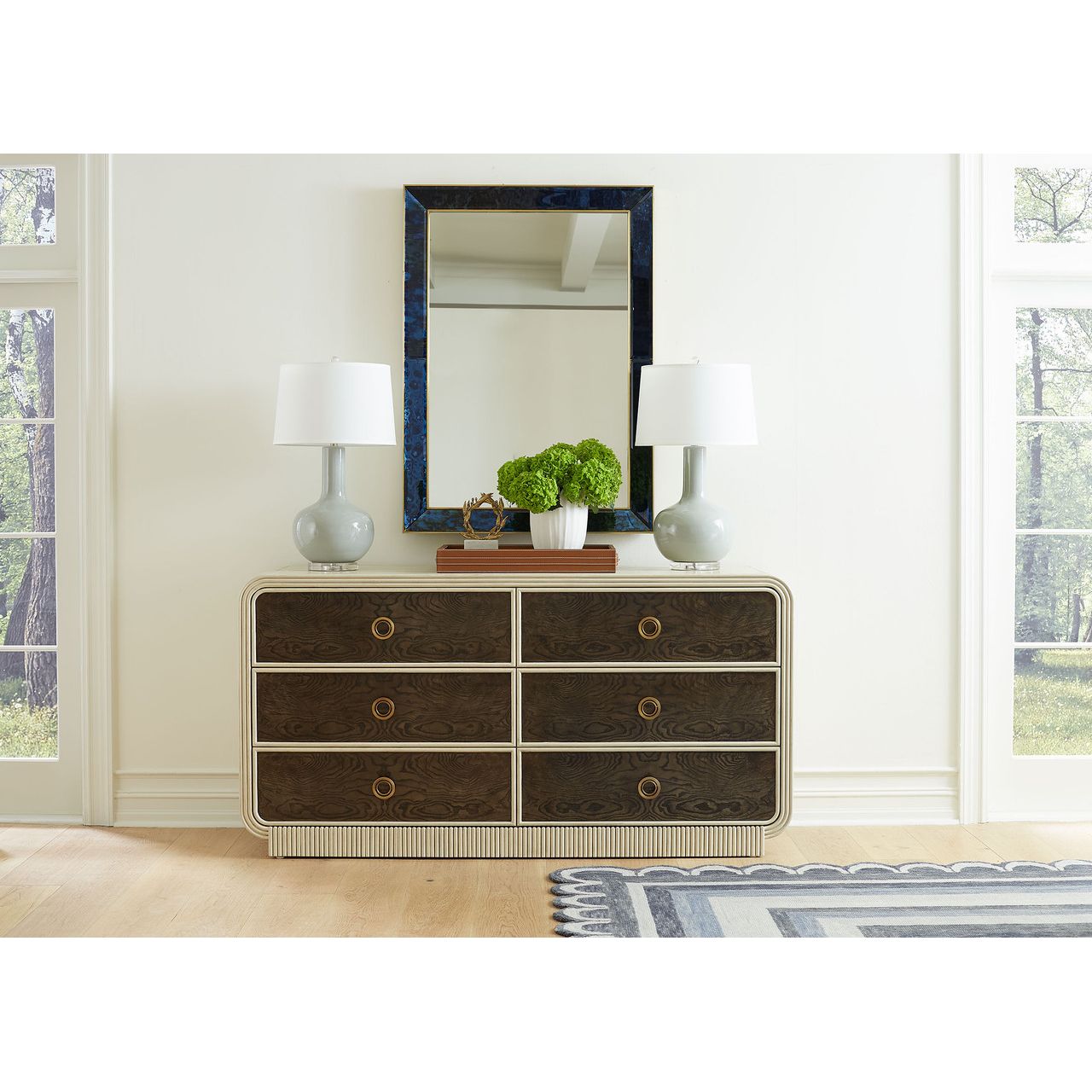
A silver-plate tray with decanters, a pair of candlesticks, and a floral arrangement produce the layered elegance characteristic of the traditional aesthetic.
Abundance over Restraint
Unlike minimal styles, traditional decorating is comfortable with abundance. Layering objects, textures, and finishes is the point — rooms should look assembled over time rather than staged.
Brands in This Collection
Accessories from Uttermost, Currey and Company, Cyan Design, and Villa & House.
Traditional Decorative Accessory FAQs
How do I style a traditional mantle?
Work symmetrically. A central anchor — a clock, mirror, or large vase — flanked by matching pairs of candlesticks or objects creates the formal balance traditional rooms rely on. Vary height so the arrangement has a clear peak at the center.
What is ormolu?
Ormolu refers to gilded bronze or brass mounts applied to furniture, clocks, and decorative objects, a technique popular in 18th and 19th-century French design. The term is now used broadly for gold-toned metal detailing on traditional pieces.
How many objects should go on a console or sideboard?
Traditional styling supports more than minimal styles do. A tray-based grouping with three to five elements at varying heights, plus a lamp or pair of lamps, is a reliable formula for a console.
How do I care for brass and silver-plate objects?
Dust with a soft, dry cloth. Unlacquered brass and silver plate will tarnish over time — some owners prefer the patina, others polish periodically with a product made for the specific metal. Avoid abrasives, which remove plating.
Can traditional accessories mix with modern furniture?
Yes — a few classical objects in an otherwise contemporary room add warmth and a sense of history. The contrast usually works better than a fully committed period room in a modern house.
Where can I buy traditional decorative accessories in Canada?
Montreal Lighting & Hardware carries them online and at our Mount-Royal showroom (5670 Paré Street, Quebec, H4P 2M2). We ship Canada-wide at CAD prices with free shipping on orders over $199. Call (514) 416-2013.
| Location | Scale | Arrangement |
|---|---|---|
| Fireplace mantle | Varied heights 6-24" | Symmetrical flanking pairs |
| Entry console | Varied heights 8-18" | Central object with flanking pair |
| Sideboard | Varied heights 8-20" | Tray with layered objects |
| Library shelves | Books + objects | Books flat and upright, objects above |
| Dining table | Central centerpiece | Formal arrangement, formal scale |