Japanese Minimalism
Refined and intentional, Japanese Minimalism lighting embraces simplicity, balance, and quiet impact through clean forms and natural materials.
3 products
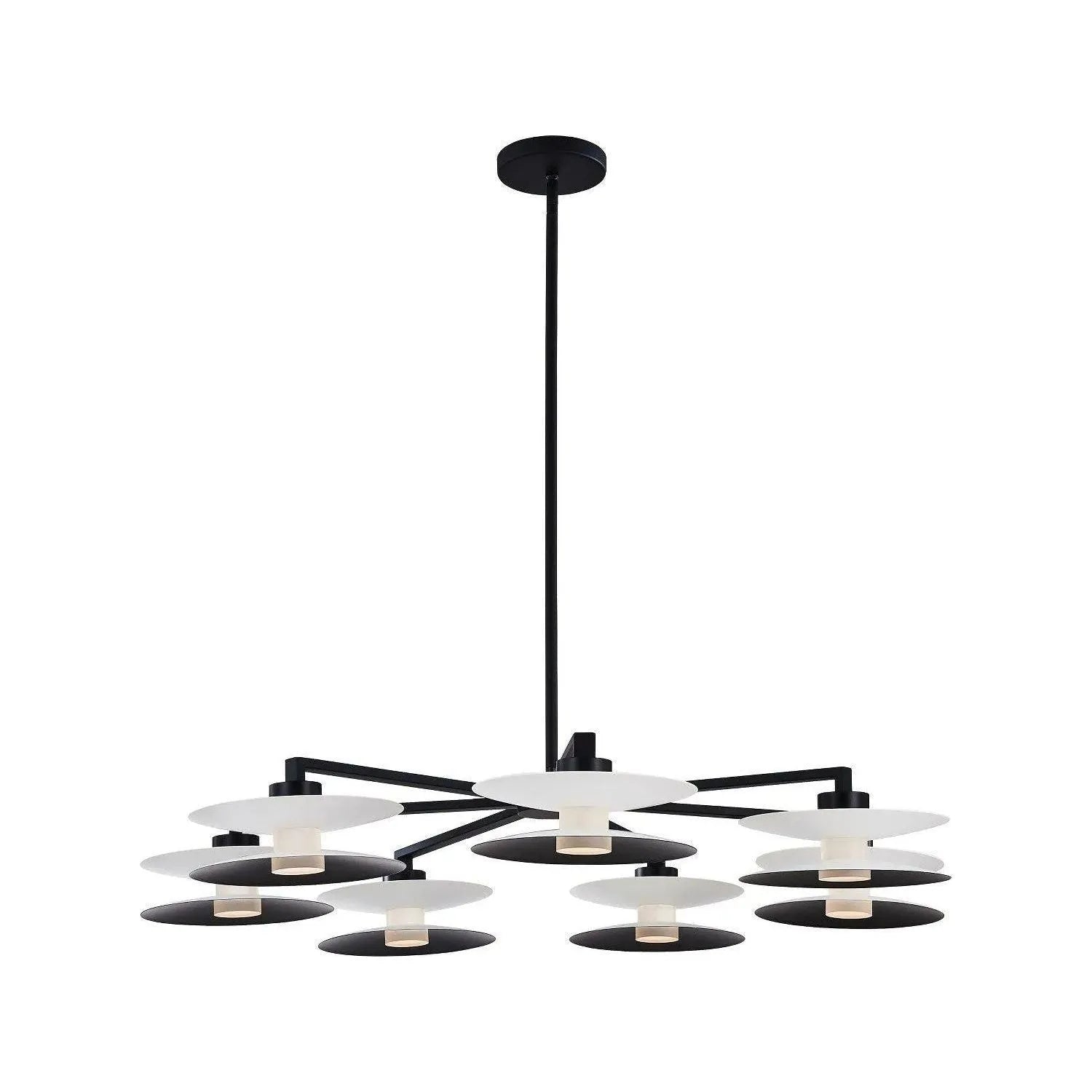
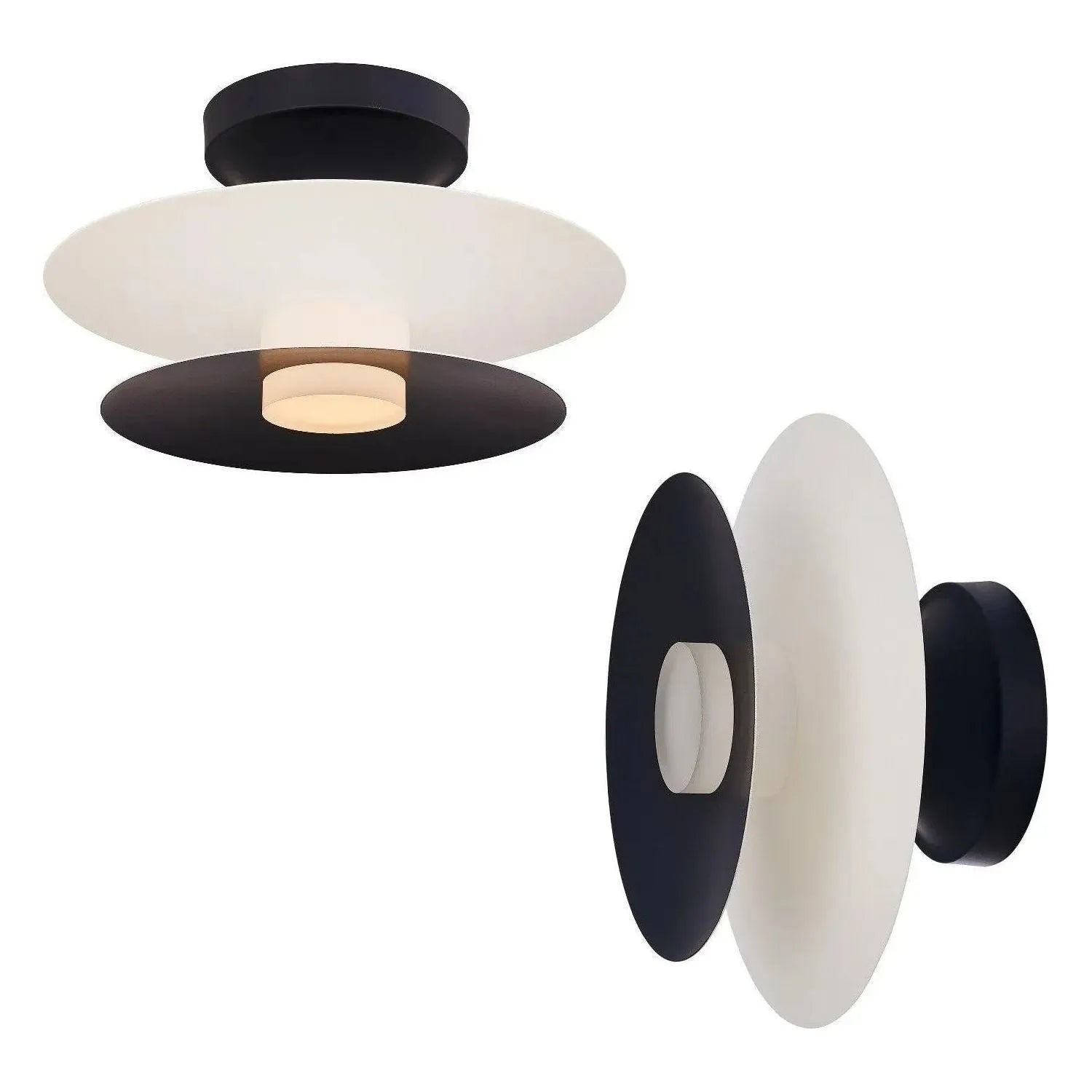
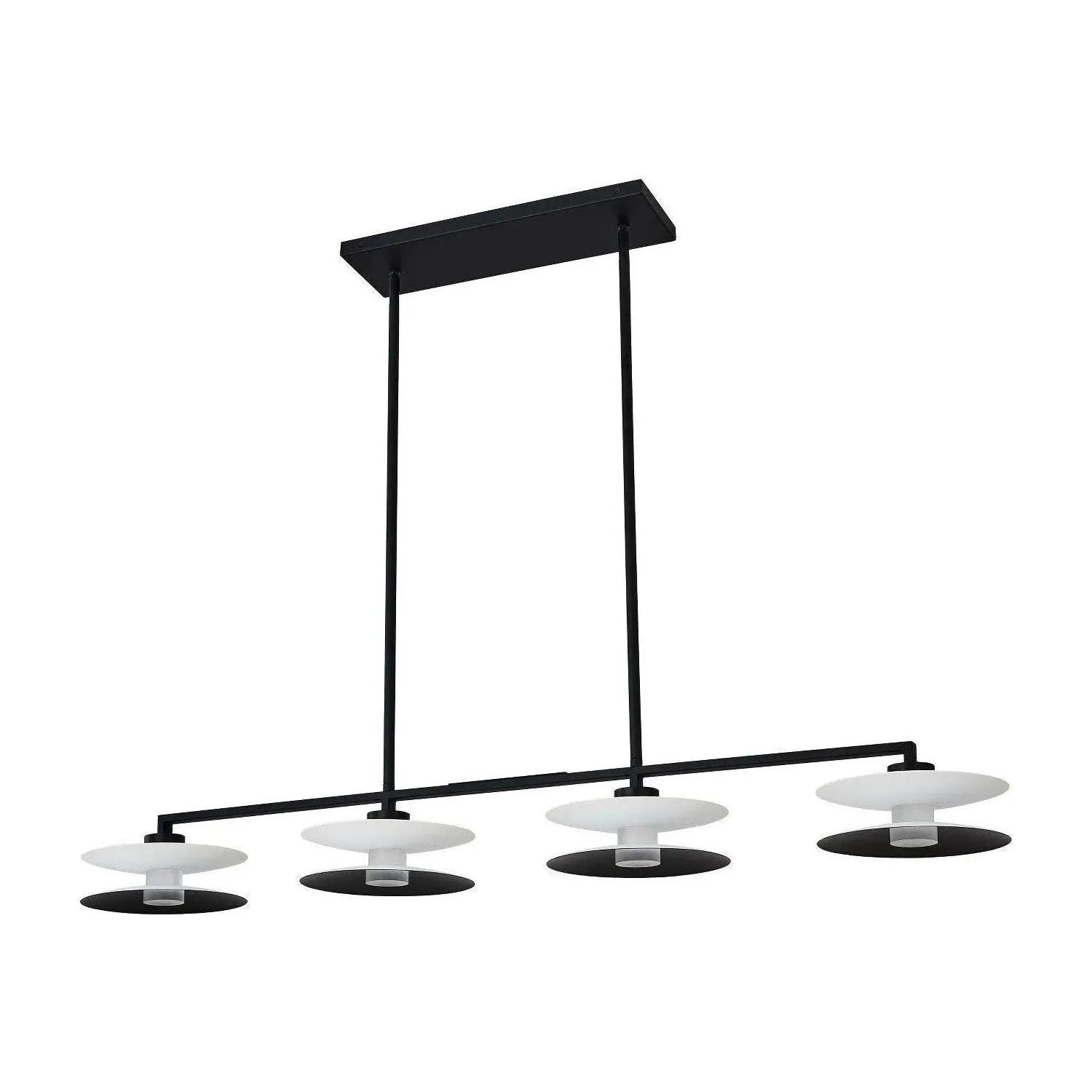
Redefine simplicity through light with our curated collection of Japanese Minimalism lighting. Rooted in balance, restraint, and intentional design, this style moves beyond trend to create spaces that feel calm, grounded, and quietly refined. Rather than demanding attention, each fixture is designed to integrate seamlessly into its surroundings, allowing material, form, and illumination to speak with clarity.
From softly diffused paper pendants to sculptural silhouettes in wood, stone, and matte metals, Japanese Minimalism lighting reflects a philosophy where every element has purpose. The result is an atmosphere that feels considered and effortless, where light enhances the architecture and invites a slower, more thoughtful way of living.
Whether you are designing a serene bedroom, a pared-back dining space, or layering light within a modern interior, this collection offers a timeless approach that brings warmth and balance into the home.
Key Elements of Japanese Minimalism
Soft, Diffused Illumination
Light is never harsh or overpowering. Instead, it is filtered through materials like rice paper, frosted glass, and fabric to create a gentle, ambient glow that softens the room and enhances a sense of calm.
Natural Materials
Wood, stone, ceramic, and paper are central to the aesthetic. These materials introduce warmth and texture while maintaining a neutral palette that feels organic and understated.
Balanced, Intentional Forms
Silhouettes are clean and considered, often drawing from geometric shapes or organic proportions. The focus is on harmony and proportion rather than ornamentation.
Quiet Statement Pieces
While minimal, these fixtures are not invisible. A well-placed pendant or table lamp becomes a focal point through its presence and craftsmanship, rather than through excess detail.
Layered Simplicity
Japanese Minimalism works best when lighting is layered. Combine ambient, task, and accent lighting to create depth while maintaining a cohesive, uncluttered look.
Featured Japanese Minimalism & Design-Led Brands
Montreal Lighting & Hardware offers a curated selection of brands that reflect the principles of Japanese Minimalism through craftsmanship and design integrity:
Louis Poulsen
Known for its approach to glare-free, human-centric lighting, Louis Poulsen designs fixtures that shape light with precision, creating soft, comfortable illumination suited to calm, modern interiors.
LE KLINT
Renowned for its hand-folded shades, LE KLINT brings a sculptural softness to lighting. Its craftsmanship and use of diffused light align naturally with minimalist, serene spaces.
Kalco
Kalco’s approach to lighting aligns naturally with the principles of Japanese Minimalism through its focus on materiality, craftsmanship, and quiet form. Rather than relying on ornamentation, many of its designs highlight subtle textures, hand-applied finishes, and balanced proportions that feel intentional and grounded.
Original BTC
With an emphasis on honest materials and timeless forms, Original BTC offers understated designs that complement minimalist interiors without overwhelming them.
Frequently Asked Questions (FAQs)
What is Japanese Minimalism in lighting design?
Japanese Minimalism focuses on simplicity, natural materials, and balanced proportions. Lighting is designed to create atmosphere rather than act as a dominant decorative element.
How is Japanese Minimalism different from Scandinavian design?
While both prioritize simplicity, Japanese Minimalism leans more toward restraint and organic materiality, with a stronger emphasis on negative space and quiet balance.
Where does this style work best in the home?
It is especially well-suited for bedrooms, living rooms, and dining areas where a calm, uncluttered environment is desired. It also pairs well with contemporary and modern interiors.
What color temperature works best for this style?
Warm white light between 2700K and 3000K is ideal. It enhances natural materials and creates a soft, inviting atmosphere.
How do I incorporate this style without making the space feel too minimal?
Focus on layering textures and materials. Even within a restrained palette, variation in wood tones, textiles, and lighting sources adds depth while maintaining simplicity.